12 Trending Gothic Halloween Decor Ideas for a Haunting Statement Home
Gothic Halloween decor turns a house into something closer to a Victorian mourning parlor than a themed party store aisle. Instead of orange and black plastic, this style leans on candelabras, dark florals, and heavy drapery to build genuine atmosphere. Readers looking to move beyond generic seasonal decorating will find twelve specific, executable ideas here, from furniture choices to lighting fixtures, each one rooted in real materials and styles rather than vague spooky suggestions that are hard to actually shop for or recreate at home.
Trend & Background
Interest in gothic interiors has grown steadily as maximalist and “dark academia” aesthetics moved from niche subculture into mainstream home design, and Halloween decorating has followed that shift. Homeowners are increasingly treating October decor as an extension of their permanent interior style rather than a separate costume-box event. This matters now because retailers have responded with higher-quality gothic-adjacent pieces aged brass, black taper candles, botanical prints making it easier than ever to decorate with items that don’t need to be packed away come November.
Key Takeaways
- Gothic Halloween decor relies on deep jewel tones, aged textures, and candlelight rather than plastic props or neon lighting.
- Layering vintage-style furniture, wrought iron, and velvet creates a lived-in, manor-house atmosphere that lasts beyond one season.
- Small details like apothecary jars, raven figures, and antique mirrors do more visual work than oversized inflatable decorations.
- Budget-friendly swaps (thrifted candelabras, DIY cobweb netting) can achieve the same look as high-end gothic decor lines.
1. Wrought Iron Candelabras
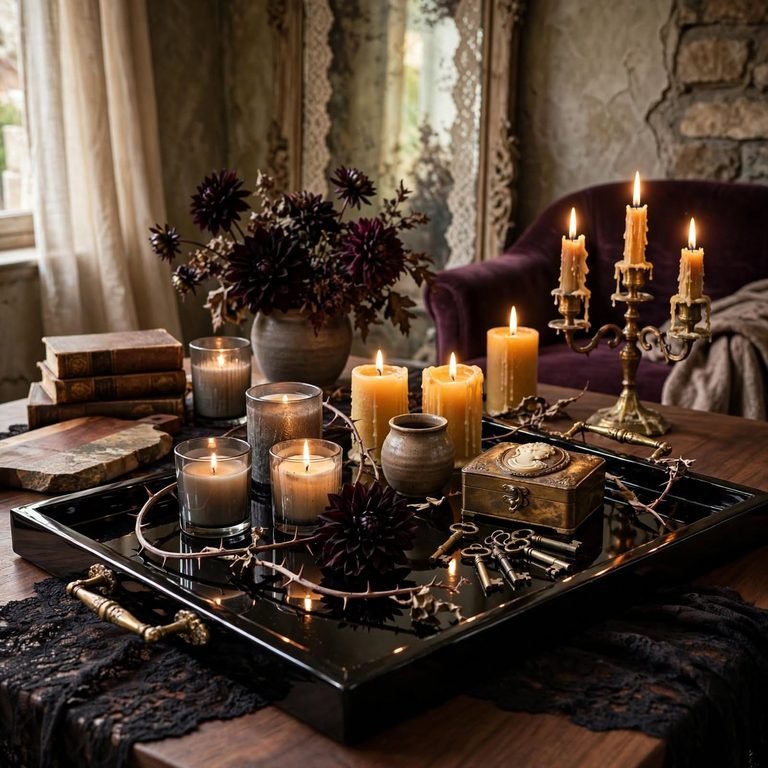
A wrought iron candelabra placed on a dining table, mantel, or entryway console immediately signals old-world drama without requiring any additional props. Look for pieces with curling arms and a blackened or verdigris finish, and use dripping black or deep burgundy taper candles rather than electric flicker bulbs for authentic texture. Grouping three candelabras of varying heights down the center of a table creates a processional effect that reads as intentional design rather than seasonal clutter, and the piece works year-round in a dark academia or traditional gothic interior.
2. Velvet Drapery Panels
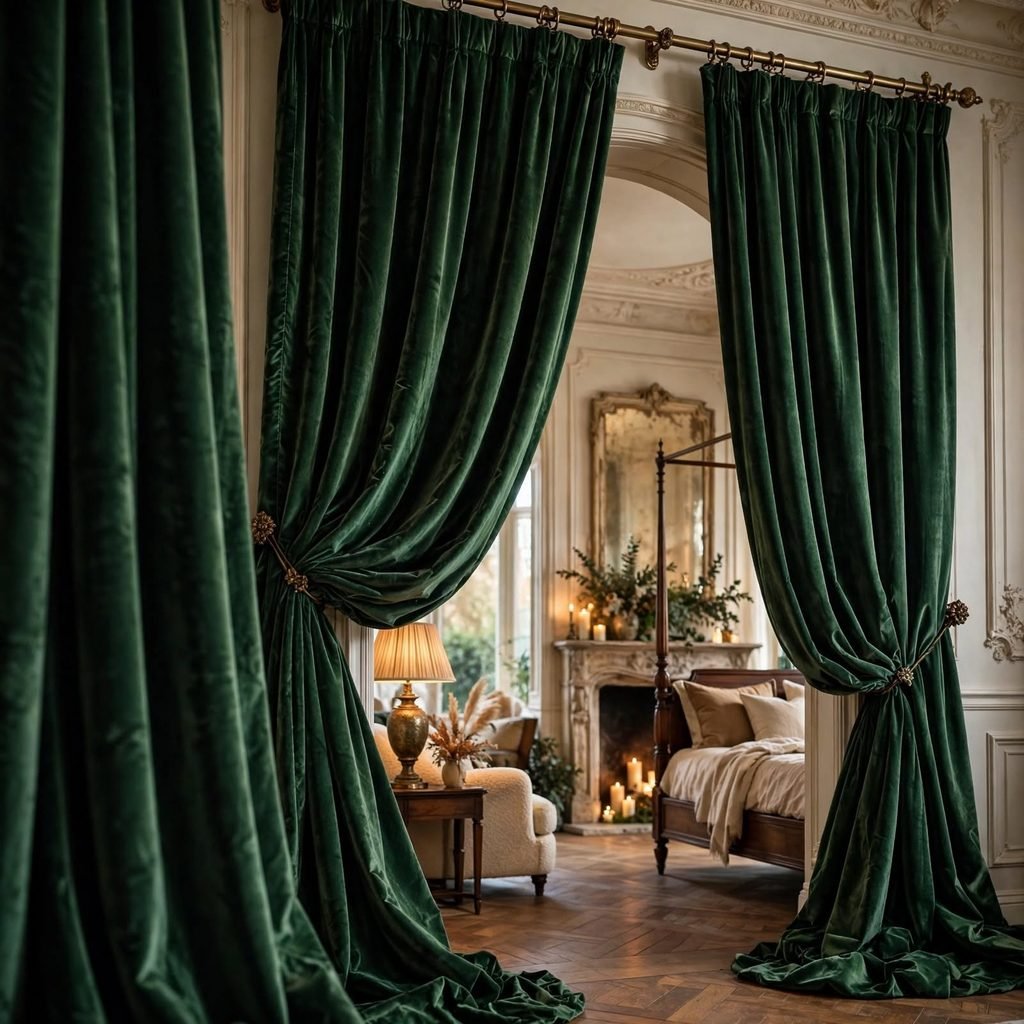
Heavy velvet curtain panels in oxblood, emerald, or charcoal instantly deepen a room’s shadows and soften harsh October light. Hang them not just on windows but as doorway drapes or bed canopy fabric to create the layered, enclosed feeling of a manor house parlor. Choose a crushed or cotton velvet with a slight sheen so the fabric catches candlelight without looking flat. This is one of the higher-impact, lower-effort additions on this list, since a single panel can redefine an entire room’s mood.
3. Antique Mirror Wall
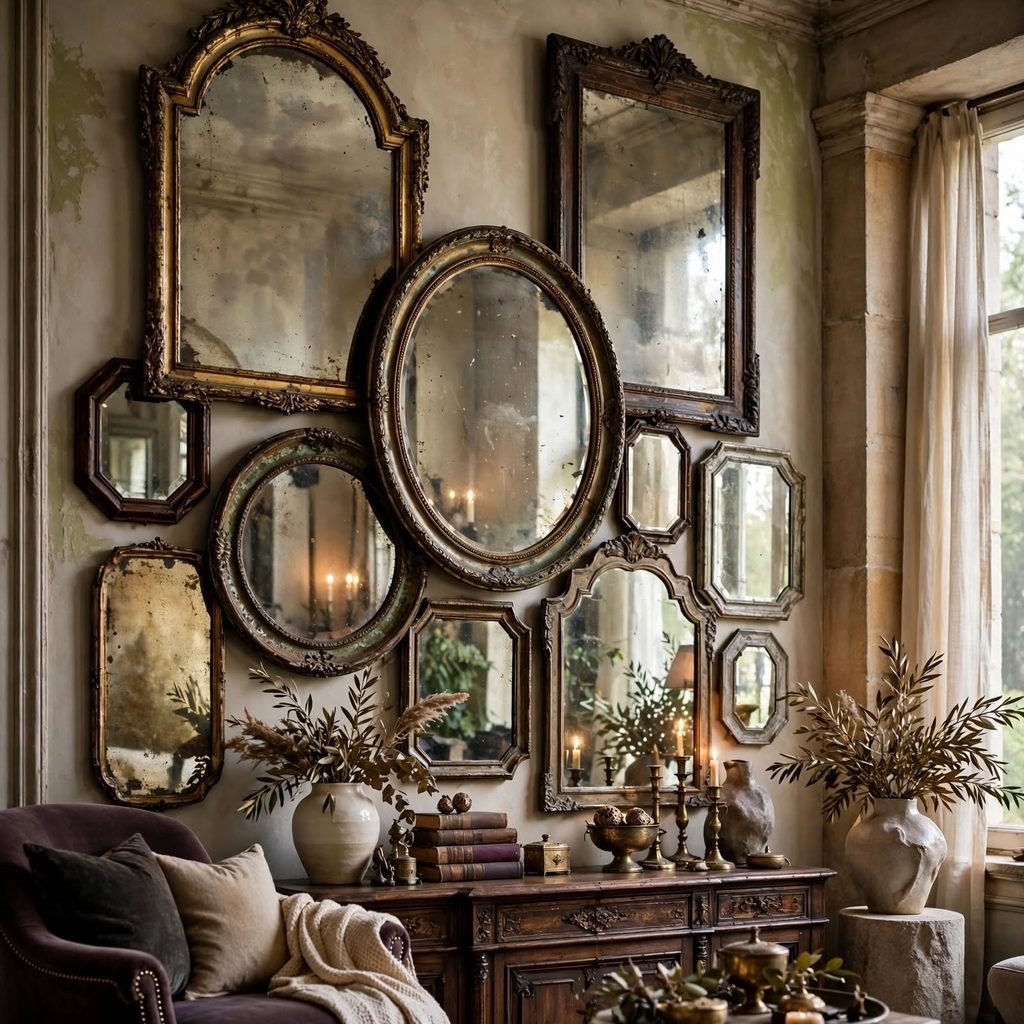
A cluster of ornate, aged-frame mirrors arranged salon-style on one wall creates the unsettling depth associated with old estate homes. Mix oval, arched, and rectangular frames in tarnished gold, bronze, or black to avoid a matched-set look. For a more overtly Halloween-appropriate touch, one or two mirrors can be lightly fogged with a removable frosted spray or draped with a sheer black scrim. This idea doubles as permanent decor, since an antique mirror wall reads as sophisticated design well past October.
4. Raven and Crow Figures
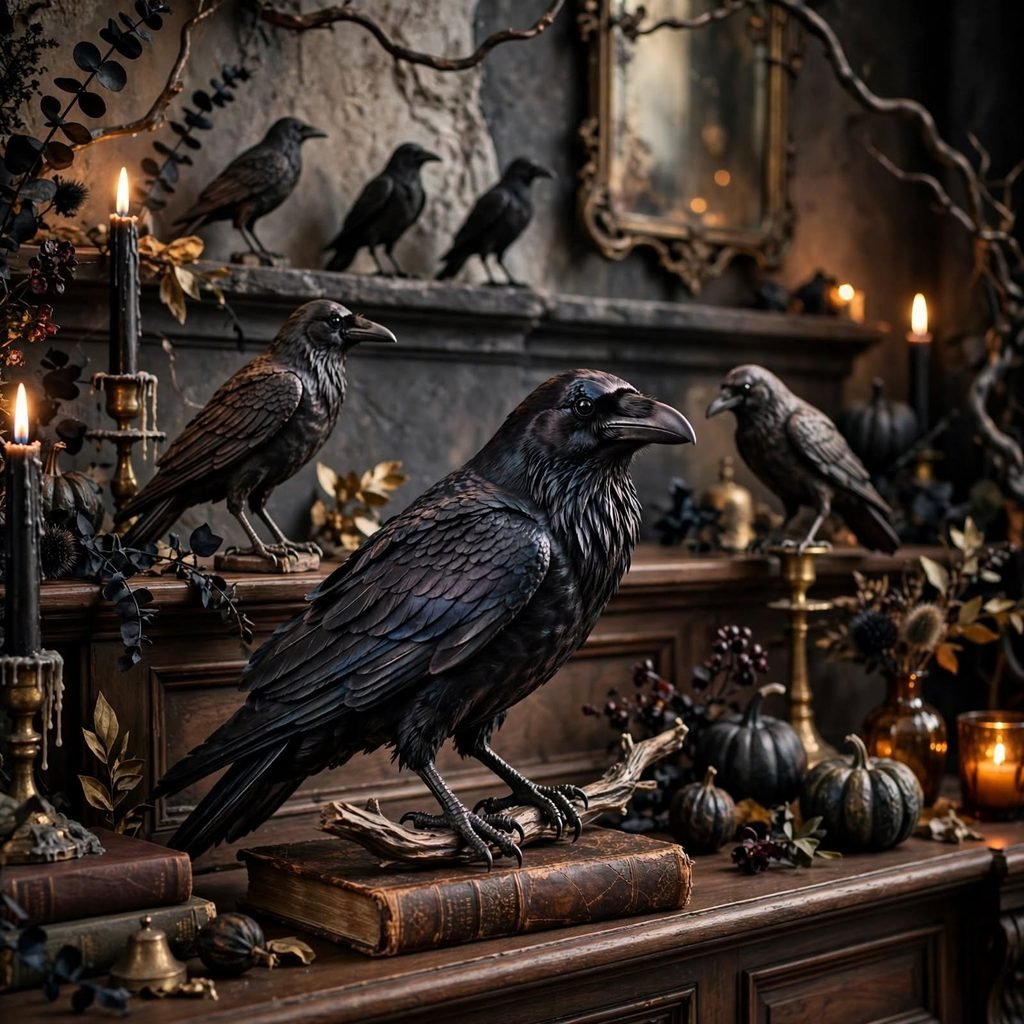
Realistic-finish raven or crow figures, whether taxidermy-style resin or painted resin castings, add a sense of watchfulness to bookshelves, stair railings, and mantels. Place them asymmetrically rather than in matched pairs one perched on a stack of leather-bound books, another mid-landing on a staircase newel post to suggest they’ve settled there naturally. Matte black finishes with subtle iridescent sheen on the wing feathers look far more convincing than glossy plastic versions and hold up as a recurring decor element in future seasons.
Get inspired by these creative vintage halloween decor and turn your home into a seasonal showstopper.
5. Apothecary Jar Display
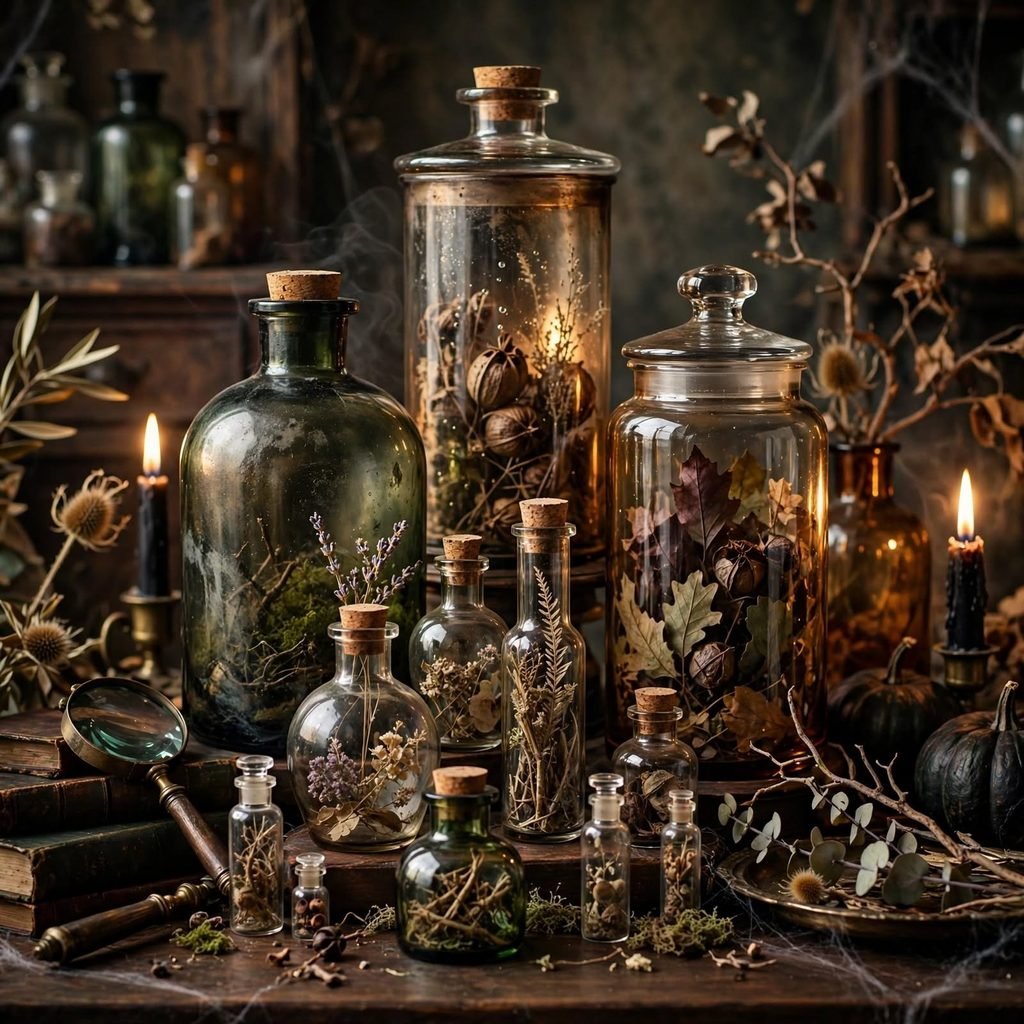
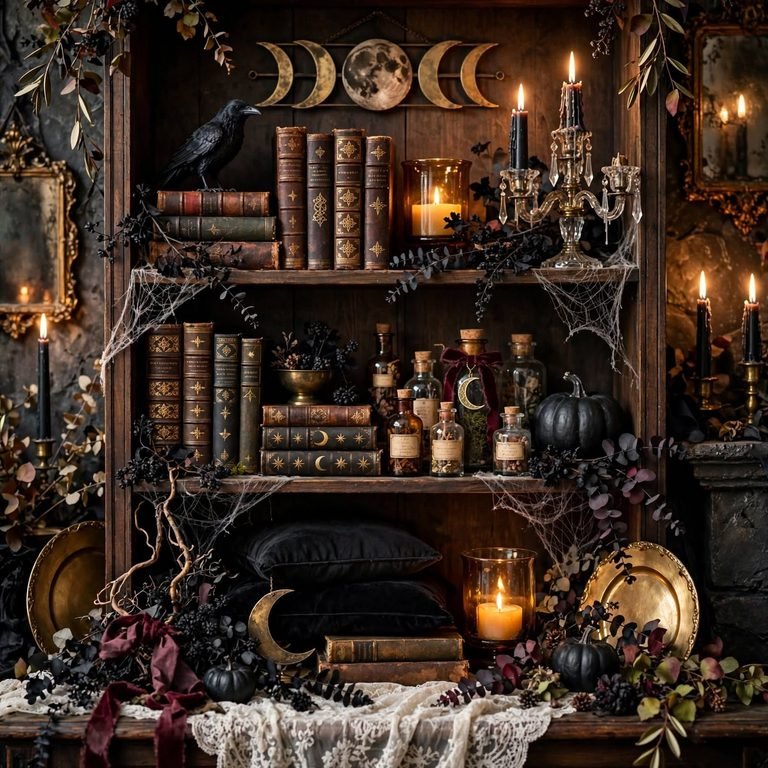
A row of glass apothecary jars filled with dried botanicals, black salt, or faux specimen contents brings a Victorian curiosities-cabinet feel to a shelf or windowsill. Vary jar heights and stopper styles some cork-topped, some glass-lidded — and label a few with handwritten or letterpress-style tags for added realism. Dried hydrangea, pampas grass, or bat wing vine work well as jar contents. Grouped on a dark wood tray, this display becomes a focal point that guests will actually stop to examine rather than glance past.
6. Gothic Halloween Wreath
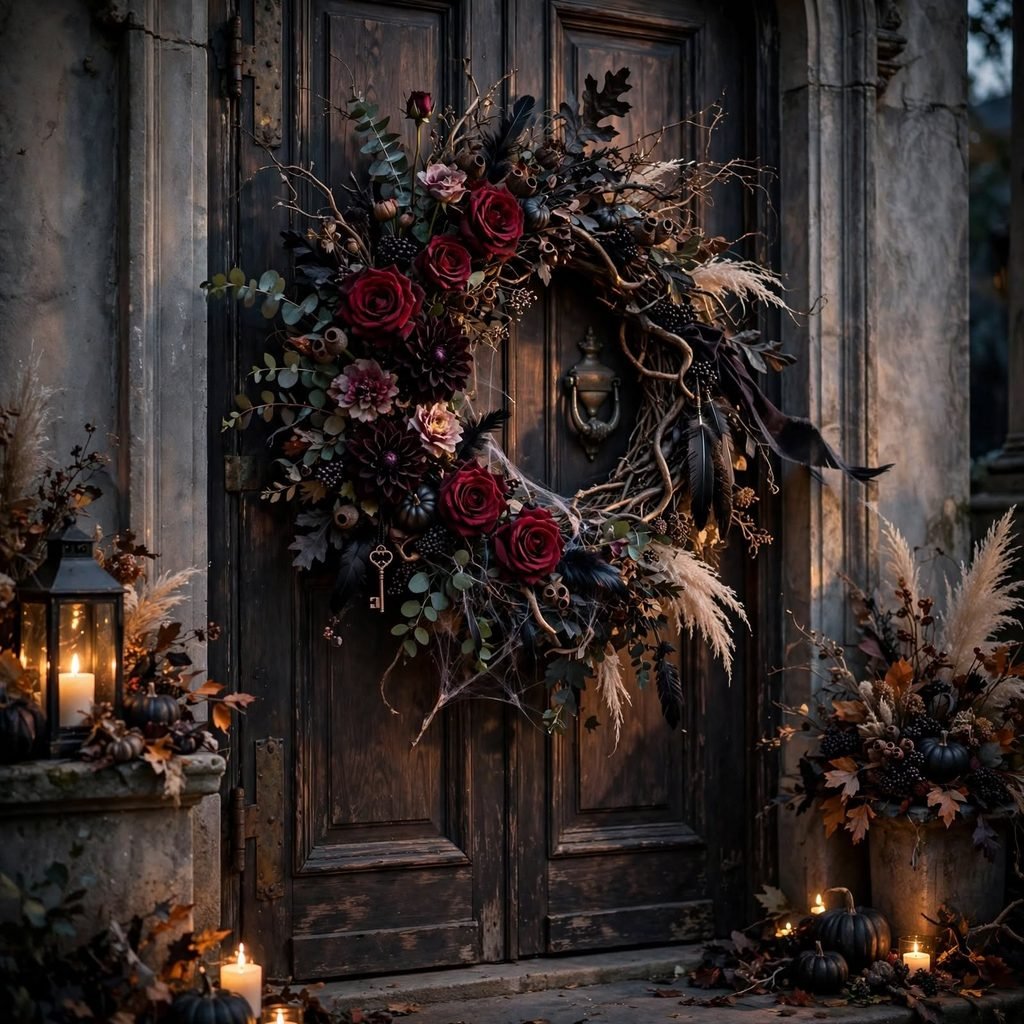
A door wreath built from dried black roses, dark eucalyptus, and trailing black ribbon puts the gothic Halloween decor aesthetic on full display before guests even step inside. Skip the foam-base craft-store wreaths in favor of a grapevine or willow base, which holds a more organic, aged shape. Adding small elements like a raven feather cluster or an antique-style skeleton key tied into the ribbon gives the wreath a collected-over-time look rather than a mass-produced one, and it remains attractive well into late autumn.
7. Black Taper Candlesticks
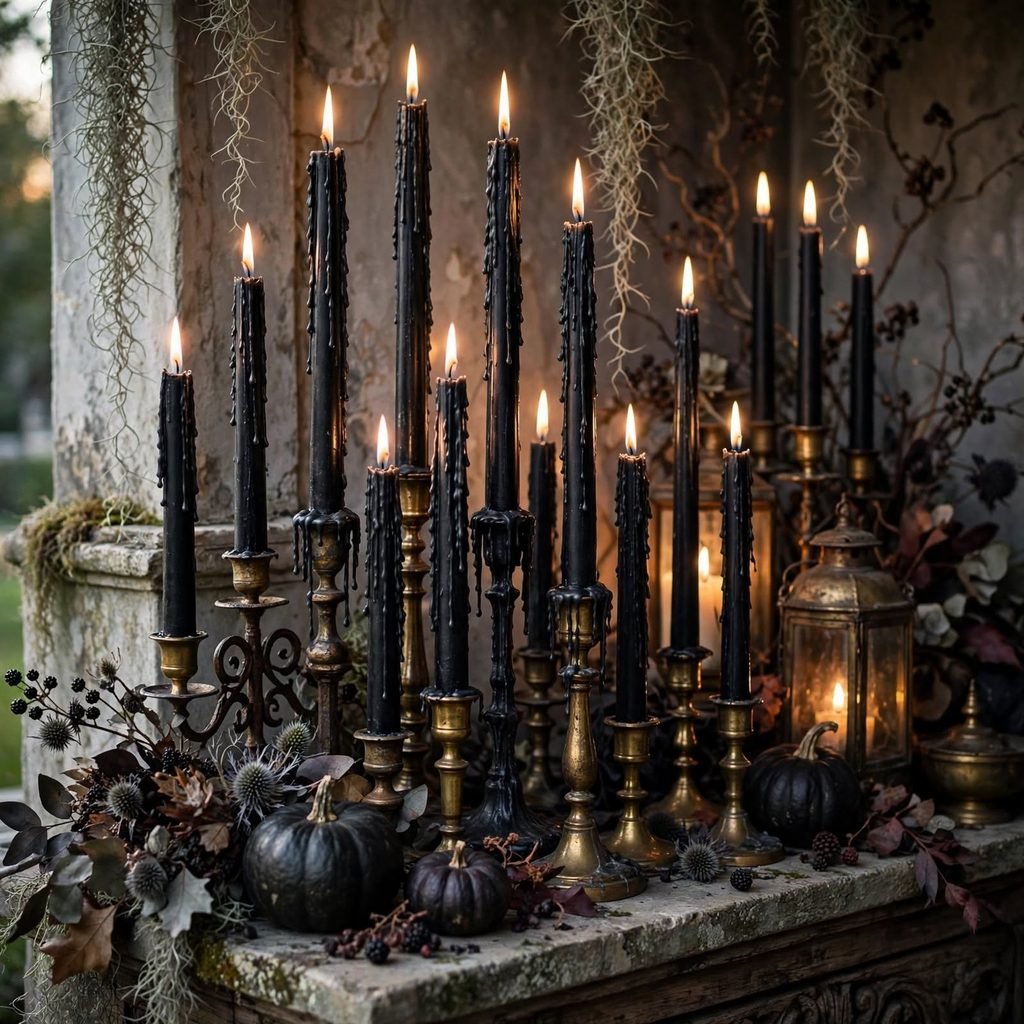
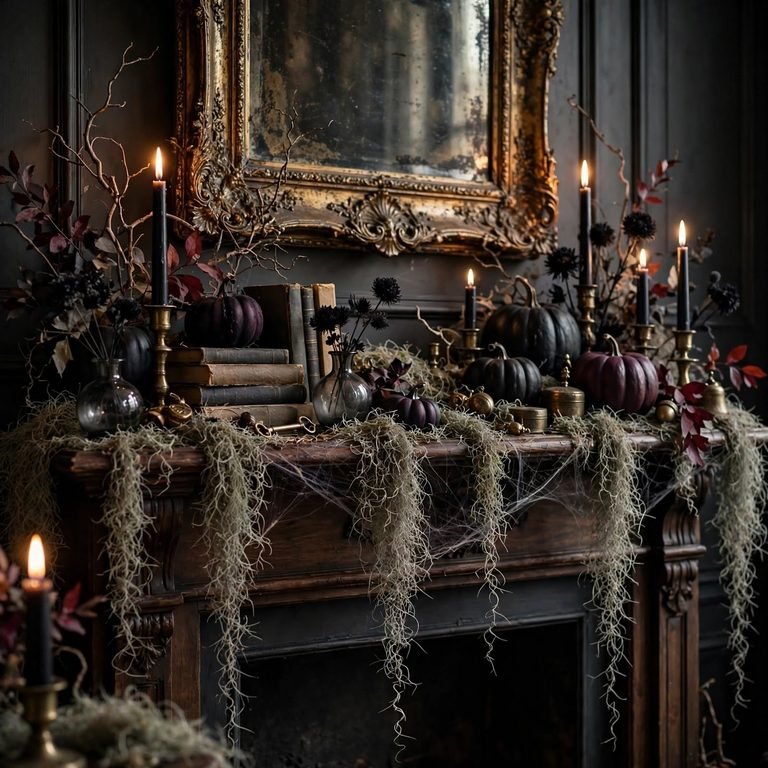
Mismatched black taper candlesticks in varying heights, clustered on a mantel or windowsill, create instant ambiance with almost no cost. Brass, pewter, or ceramic bases all work as long as the finish is matte or slightly distressed rather than shiny. Letting wax drip naturally down the sides over the course of the season adds authentic texture that can’t be faked with decor paint. This is one of the easiest entry points into the gothic style for anyone decorating on a tight budget.
8. Skeletal Botanical Arrangements
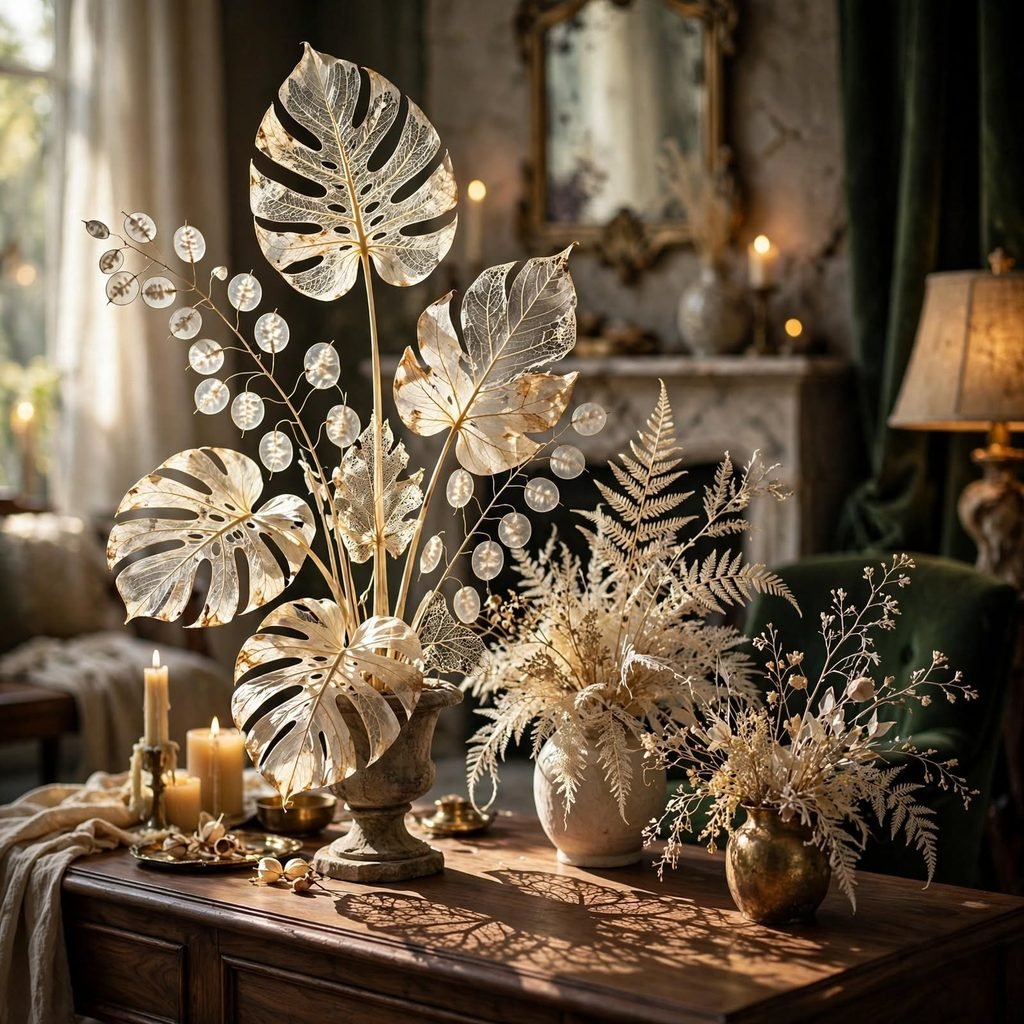
Dried, bleached, or blackened botanical arrangements think pampas grass, bunny tail grass, and preserved eucalyptus sprayed matte black replace the bright mums typically used in fall decorating. Arrange them in a tall urn-style vase or a distressed metal pitcher for an aged, slightly wilted look. This idea works particularly well layered near an entryway alongside a candelabra or lantern, and because dried florals don’t decay, the arrangement can be reused for several Halloween seasons before needing replacement.
9. Vintage Skeleton Key Accents
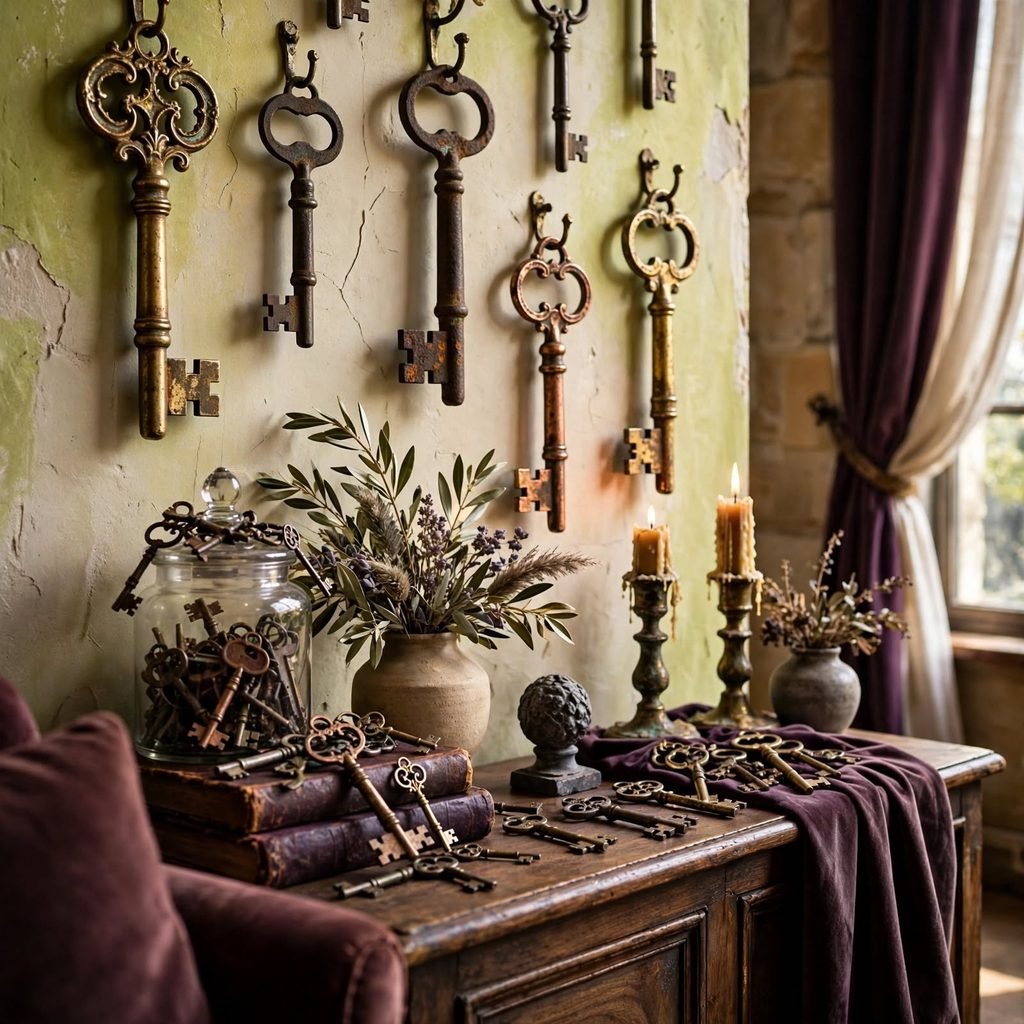
Small antique or antique-style skeleton keys scattered across a mantel, tied to drawer pulls, or hung from ribbon on a wall hook add a subtle narrative detail without overt spookiness. They pair especially well with locked-box or trunk decor pieces, suggesting hidden rooms or secrets rather than jump-scare horror. Sourcing genuine vintage keys from flea markets adds authenticity and texture that new reproductions can’t fully replicate, and they’re inexpensive enough to buy in bulk for a scattered, collected effect.
10. Cobweb Netting Drapery
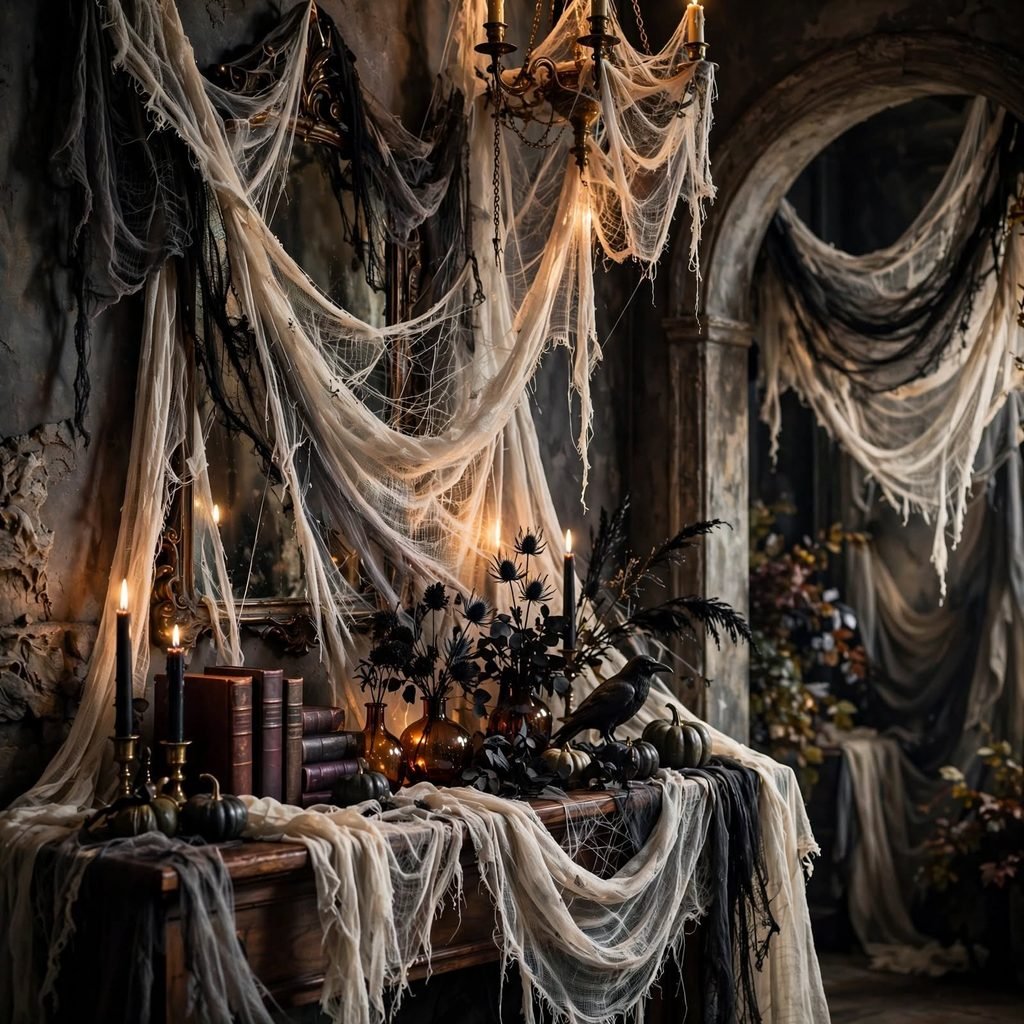
Fine, natural-fiber cobweb netting draped sparingly across stair railings, chandelier arms, or bookshelf corners reads as far more convincing than the stretchy synthetic webbing sold in most seasonal aisles. Pull the netting thin rather than leaving it clumped, and concentrate it in corners and high shelf edges where real cobwebs would naturally gather. A few strategically placed faux spiders in matte black, rather than glittery ones, complete the effect without tipping into novelty-store territory.
11. Dark Academia Bookshelf Styling
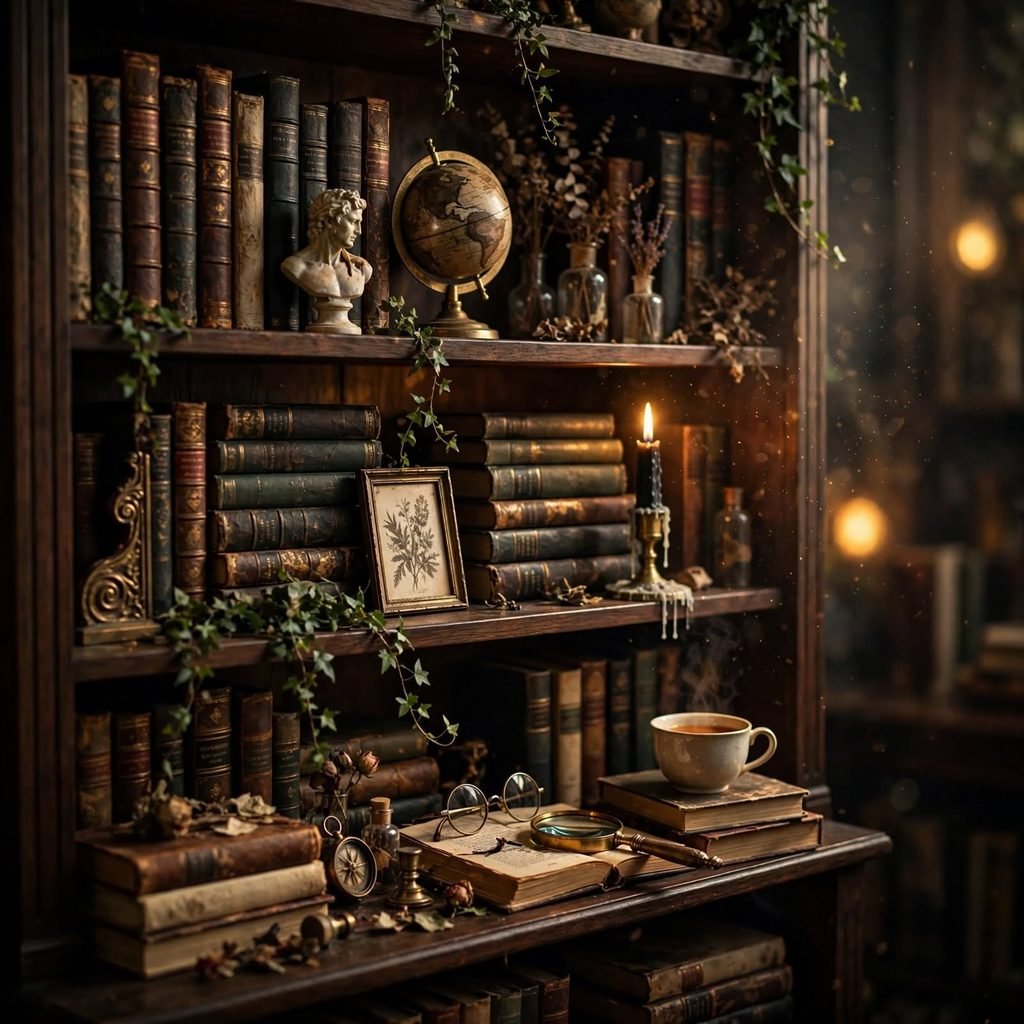
Restyling an existing bookshelf with leather-bound books, dried florals, small skulls (resin or ceramic), and brass bookends creates a gothic Halloween decor moment that doubles as everyday interior design. Turn a handful of books spine-in to show aged page edges, and tuck a small taxidermy-style raven or an apothecary jar between stacks for visual variety. This idea requires almost no new purchases if a home library already exists, making it one of the more budget-conscious options on this list.
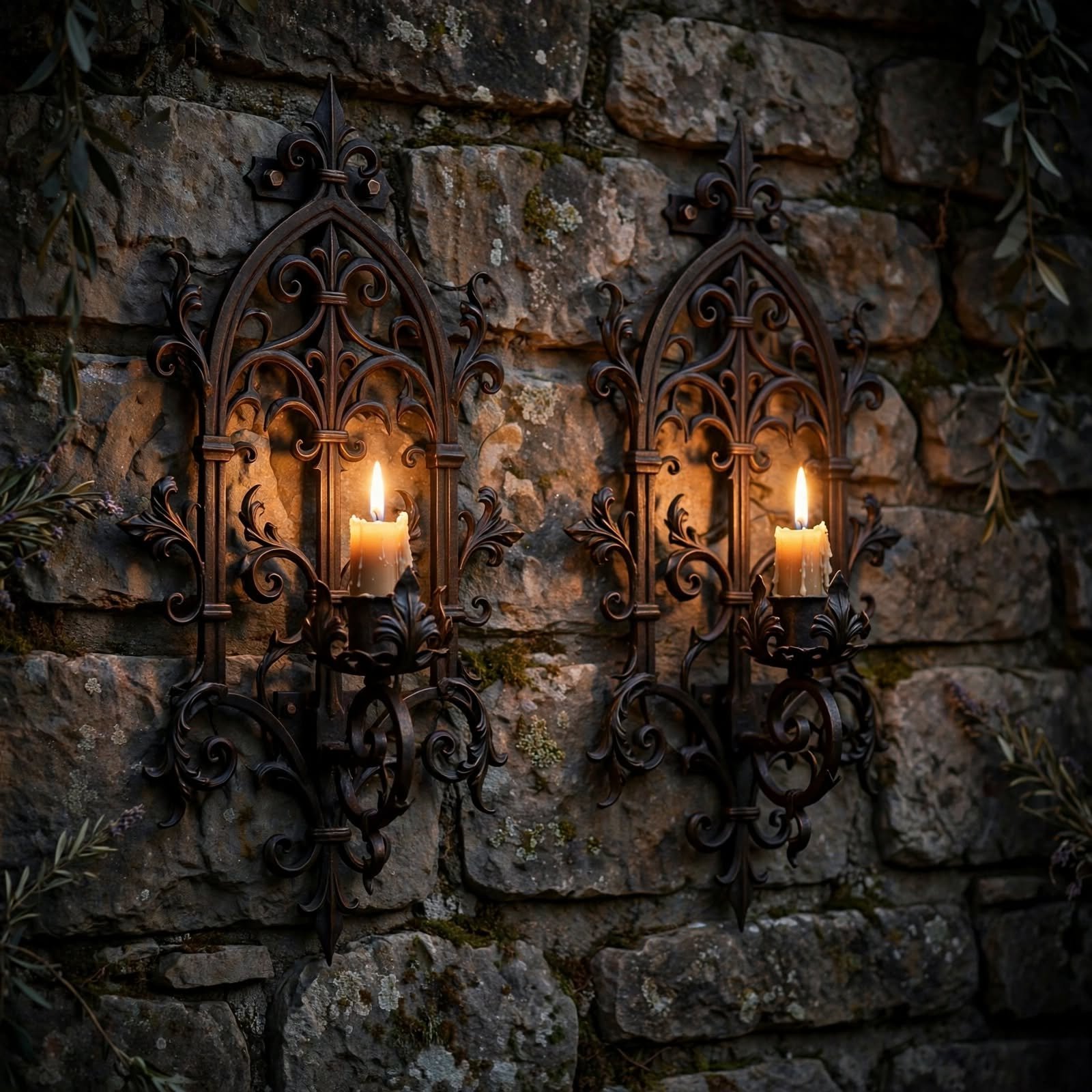
12. Wrought Iron Wall Sconces
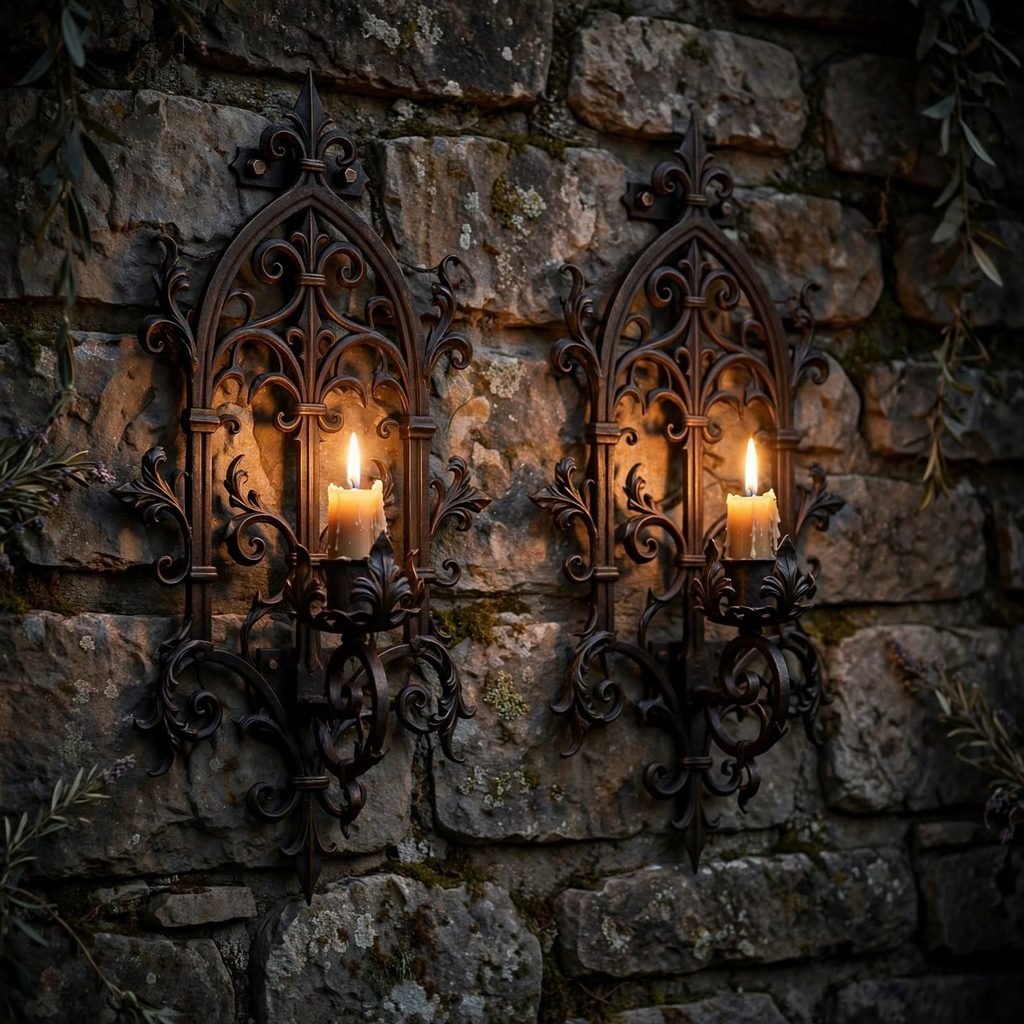
Battery-operated or hardwired wrought iron wall sconces with flame-tip bulbs bring the same candelabra aesthetic to vertical wall space, freeing up tabletops for other displays. Install them flanking a mirror, doorway, or fireplace for a symmetrical, formal look reminiscent of an old estate hallway. Choose a warm amber bulb tone over cool white, since warm light is what sells the aged, candlelit atmosphere central to this entire decorating style.
| Idea | Approx. Budget | Best Placement |
| Wrought Iron Candelabras | $25–$60 | Table, mantel |
| Velvet Drapery Panels | $40–$90 per panel | Windows, doorways, bed canopy |
| Antique Mirror Wall | $80–$200 (set) | Living room, entryway |
| Apothecary Jar Display | $20–$50 | Shelf, windowsill |
| Wrought Iron Wall Sconces | $30–$70 each | Hallway, fireplace flank |
Shop the Look
A blackened wrought iron candelabra with a distressed brass finish anchors most of these ideas and can be found through home decor retailers specializing in traditional or farmhouse-adjacent hardware. Crushed velvet curtain panels in oxblood or emerald are widely available through bedding and drapery retailers in standard window sizes. For smaller accents, flea markets and estate sales are worth checking for genuine antique keys, mirrors, and glass apothecary jars, which tend to look more convincing than new reproductions and often cost less.
Common Mistake to Avoid
The most common mistake is over-relying on packaged Halloween-aisle products plastic skulls, synthetic cobwebs, orange string lights which flatten the gothic aesthetic into generic seasonal decor. These items photograph and read as costume-party props rather than intentional design. The fix is sourcing from home decor and vintage channels instead of seasonal pop-up stores, prioritizing real materials like iron, velvet, and glass, and limiting overtly “Halloween” iconography to one or two smaller accents rather than the whole room.
FAQs
What colors work best for gothic Halloween decor?
Deep jewel tones like oxblood, emerald, plum, and charcoal work best, paired with black and aged metallic accents such as brass or pewter. These colors read as rich and dramatic under warm candlelight rather than the flat orange and purple typically associated with mainstream Halloween decorating. Sticking to a two- or three-color palette across a room keeps the look cohesive instead of costume-like, and it’s a palette that transitions naturally into winter decorating once November arrives.
How do I make gothic Halloween decor look expensive on a budget?
Focus spending on a few high-impact pieces one velvet panel, one candelabra, and fill in the rest with thrifted or DIY elements like dried florals and secondhand frames. Real materials in small doses read as more expensive than a room full of cheap synthetic pieces. Sourcing from estate sales, flea markets, and clearance sections of home decor stores rather than seasonal Halloween shops stretches a budget considerably while keeping the aesthetic authentic.
Is gothic Halloween decor kid-friendly?
It can be, since the style relies more on atmosphere than gore or horror imagery, but candles and glass jars need placement consideration around young children. Swapping real taper candles for flameless LED versions and keeping breakable apothecary jars on higher shelves makes the aesthetic safe for family homes. Ravens, dried botanicals, and antique keys are generally considered mild enough that they don’t require modification for children.
Can gothic Halloween decor stay up after October?
Many of these pieces transition easily into permanent autumn or winter decor because they lean on materials rather than overt Halloween imagery. Velvet drapery, candelabras, antique mirrors, and dried botanical arrangements all read as standard dark academia or traditional interior design once pumpkins and overtly seasonal pieces are removed. This makes gothic decorating a better long-term investment than single-use plastic Halloween props.
Where should I start if I’m new to this style?
Start with lighting and one textile piece, since candlelight and velvet do the most to set the mood before any smaller accents are added. A single candelabra and one velvet drapery panel in an entryway or living room will establish the tone for the rest of the house. From there, layer in smaller details like apothecary jars, raven figures, and dried florals gradually rather than purchasing everything on this list at once.
Conclusion
Gothic Halloween decor works best when it prioritizes real materials, candlelight, and restraint over costume-store props, giving a home genuine atmosphere rather than a temporary seasonal look. Starting with one or two anchor pieces, like a candelabra or velvet panel, makes the style approachable regardless of budget. Save this guide to Pinterest for reference while shopping, and check out related posts on dark academia interior styling for ideas that extend well beyond October.