15 Stylish Christmas Home Decor Splurges and Saves Worth Knowing
Furnishing a home with Christmas decor involves genuine budget trade-offs, and knowing which categories reward a higher investment versus which perform just as well with a lower-cost approach makes a real difference in how the whole home comes together. This guide covers fifteen specific decor categories, organized around where to splurge and where to save, with reasoning for each recommendation based on reuse value, visual impact, and how frequently the item is actually seen. Every idea helps direct a limited holiday decorating budget toward what genuinely matters most.
Trend & Background
Christmas home decor spending has become more deliberately tiered in recent years, with households increasingly distinguishing between items worth a genuine investment, given years of expected reuse or high visibility, and items where a more budget-conscious approach performs just as well. This reflects a broader shift in home decorating spending generally, where quality is prioritized for frequently used or highly visible items while lower-stakes decorative objects are sourced more affordably. Growing interest in sustainable, reusable decor has also reinforced this tiered thinking, since a higher-quality artificial tree or a well-made wreath base, used across many seasons, often proves more cost-effective and less wasteful than repeatedly replacing lower-cost, single-season alternatives.
Key Takeaways
- Christmas home decor budget works best allocated toward a few genuinely high-impact investment pieces rather than spread evenly across everything.
- Some items, an artificial tree or quality lighting, justify a higher upfront cost through years of reuse, while others don’t.
- Items seen most, at the front door and in main gathering spaces, generally deserve more budget priority than secondary rooms.
- Store-bought convenience makes sense for some categories, while others, like garland or wreaths, often cost less and look better homemade.
1. Splurge on a Quality Artificial Tree

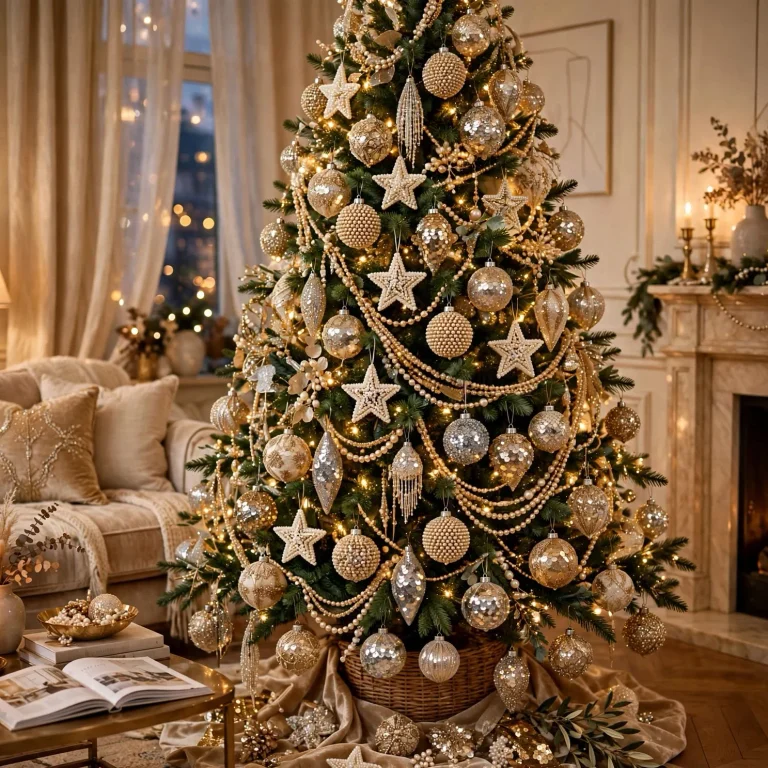
A higher-quality artificial tree, with realistic branch tips and a sturdy, reliable frame, represents one of the more worthwhile splurges in Christmas home decor, given that a well-made tree typically lasts a decade or more with proper storage and care. This investment pays off specifically because the tree serves as a home’s most visible, central decorating feature throughout the entire season, making its quality and realism genuinely noticeable. Choosing a tree with a strong warranty and readily available replacement parts, like extra branch tips, further protects this investment’s long-term value.
2. Save on Ornaments Through Gradual Collection

Rather than purchasing a complete, coordinated ornament collection all at once, building a tree’s ornament collection gradually across several seasons, mixing thrifted finds, homemade pieces, and occasional new purchases, generally produces both meaningful cost savings and a more personally meaningful final result. This approach spreads the expense over time rather than requiring a large single purchase, while also allowing the collection to develop genuine character and history. Prioritizing a few key, higher-quality statement ornaments within this gradual collection, rather than treating every piece as equally disposable, still allows for some intentional investment within an overall budget-conscious approach.
3. Splurge on Front Door and Entry Decor
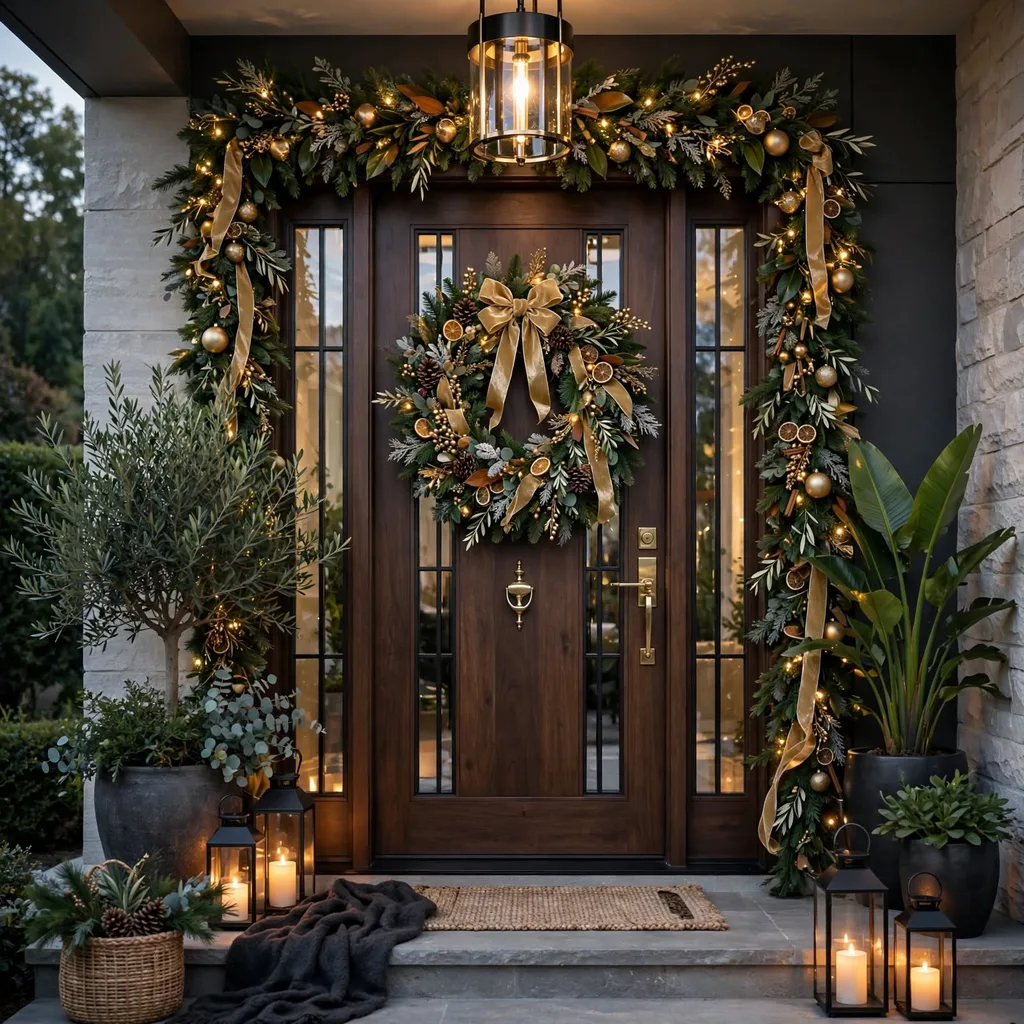
Investing genuine budget into a home’s front door wreath and entry decorating makes sense given how disproportionately visible this specific decor is, seen by every visitor and passerby regardless of how the rest of the home is decorated. A higher-quality, full wreath with genuine or realistic greenery, paired with well-made pathway or porch lighting, creates a first impression that lower-cost alternatives often can’t match convincingly. This spending priority reflects a broader principle worth applying throughout Christmas home decor budgeting, that visibility should meaningfully influence where money is spent.
| Category | Recommendation | Reasoning |
| Artificial tree | Splurge | Years of reuse, high visibility |
| Ornaments | Save, collect gradually | Spreads cost, builds character |
| Front door wreath | Splurge | Seen by every visitor |
| String lights | Splurge on quality | Safety and longevity |
4. Save on Secondary Room Decor

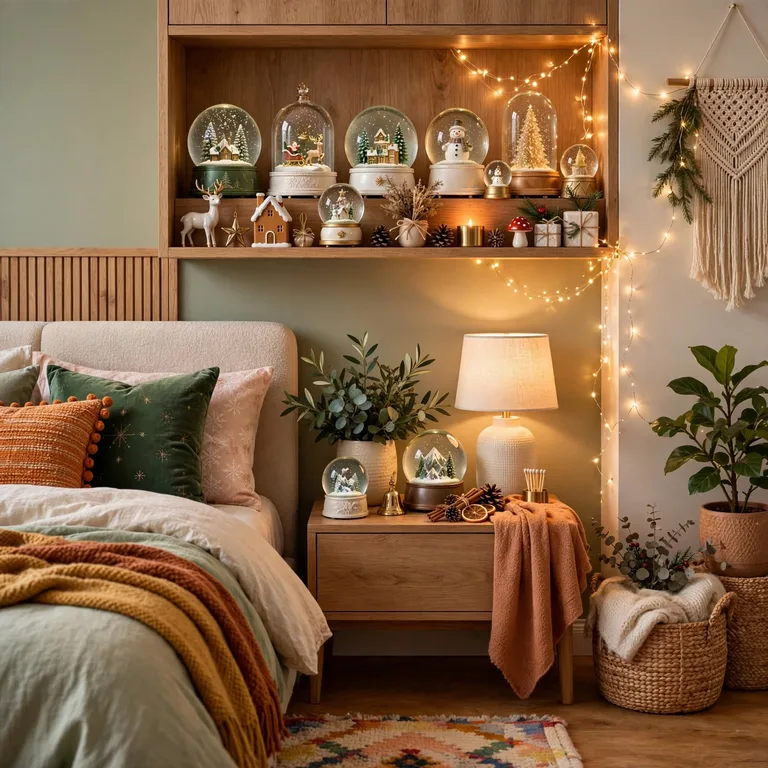
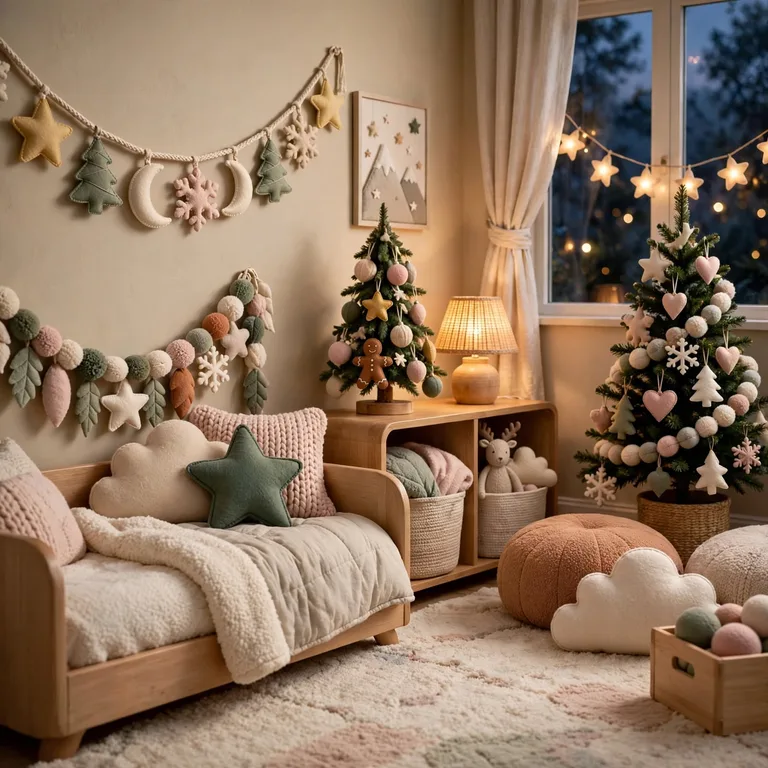
Secondary rooms, guest bedrooms, a home office, a bathroom, generally warrant a more budget-conscious decorating approach than a home’s main living areas and entry, since these spaces receive considerably less daily traffic and visitor attention. Small, low-cost touches, a towel swap, a single greenery sprig, a small candle, adequately mark the season in these rooms without requiring the same investment applied to more visible, heavily used spaces. This tiered approach allows a limited overall budget to stretch further by concentrating spending where it will actually be noticed and appreciated most.
Discover beautiful Christmas room decor ideas to make your space feel cozy, cheerful, and ready for the holidays.
5. Splurge on Quality String Lighting
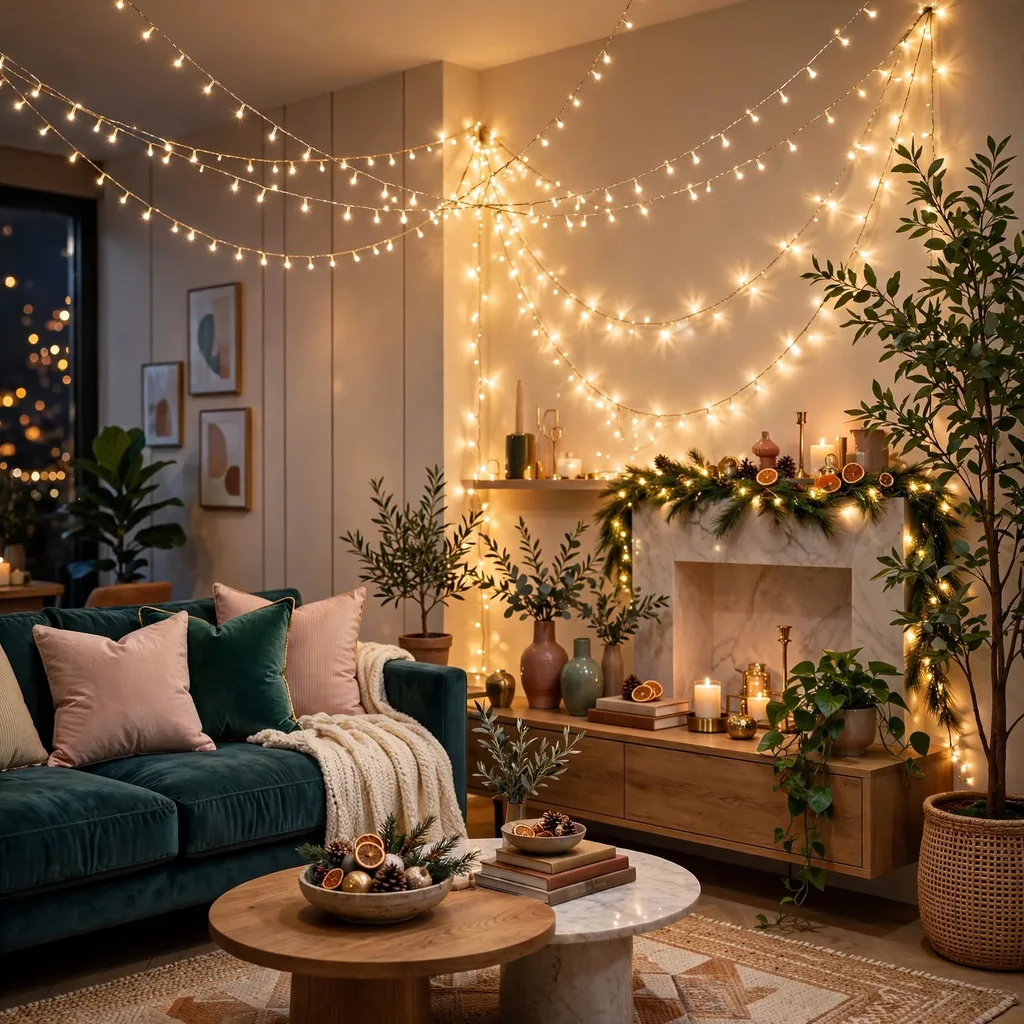
Investing in quality LED string lighting, with a solid warranty and genuinely durable construction, pays off both through improved safety, given how much time these lights spend plugged in throughout the season, and through multi-year reuse that cheaper, more failure-prone lighting often doesn’t provide. Lower-quality string lights are also more prone to partial strand failures partway through a single season, a frustrating and visually disruptive problem that better-made lighting generally avoids. This category’s combination of safety consideration and genuine longevity makes it one of the more clearly justified splurges within an overall Christmas decorating budget.
6. Save on Wrapping Paper Through Bulk or Simple Choices
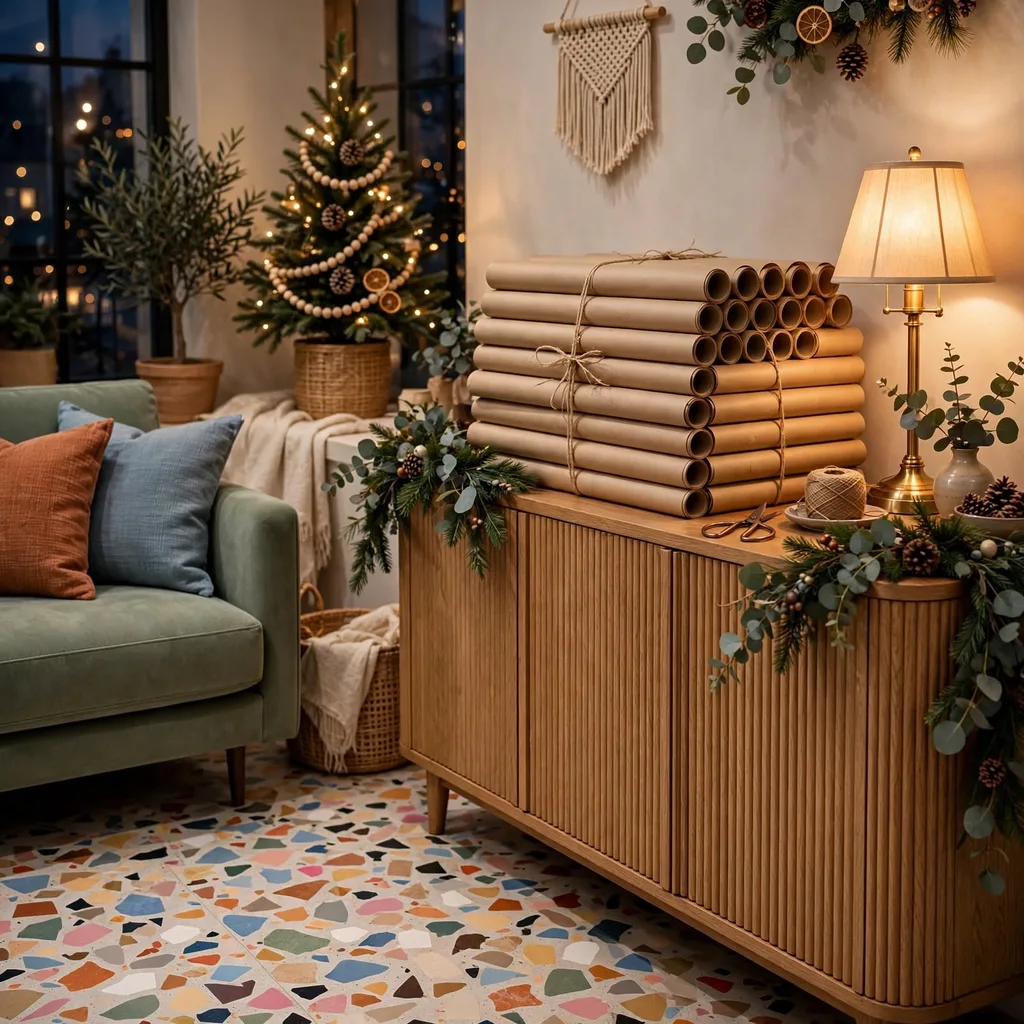
Choosing simpler, often bulk-purchased wrapping paper in a coordinated but not elaborately printed pattern, rather than premium designer paper for every single gift, offers meaningful savings given how much total paper a typical household’s full gift list requires. Elevating the overall gift presentation through a coordinated ribbon or a few natural accents, a sprig of greenery or a simple wood ornament tag, achieves much of premium paper’s visual impact at a fraction of the cost. This approach concentrates any genuine wrapping splurge into just the presentation details rather than the paper itself.
7. Splurge on a Statement Piece for the Main Gathering Space

Investing in one genuinely impressive statement piece for a home’s primary gathering space, an oversized wreath, an elaborate garland, or a distinctive centerpiece, creates more visual impact than spreading the same budget across many smaller items throughout that same room. This approach reflects a broader principle where one confident, well-executed choice generally outperforms several smaller, more modest additions competing for the same attention. Choosing this splurge item specifically for the room where guests spend the most time gathered together maximizes the return on this concentrated investment.
8. Save Through DIY Garland and Natural Elements
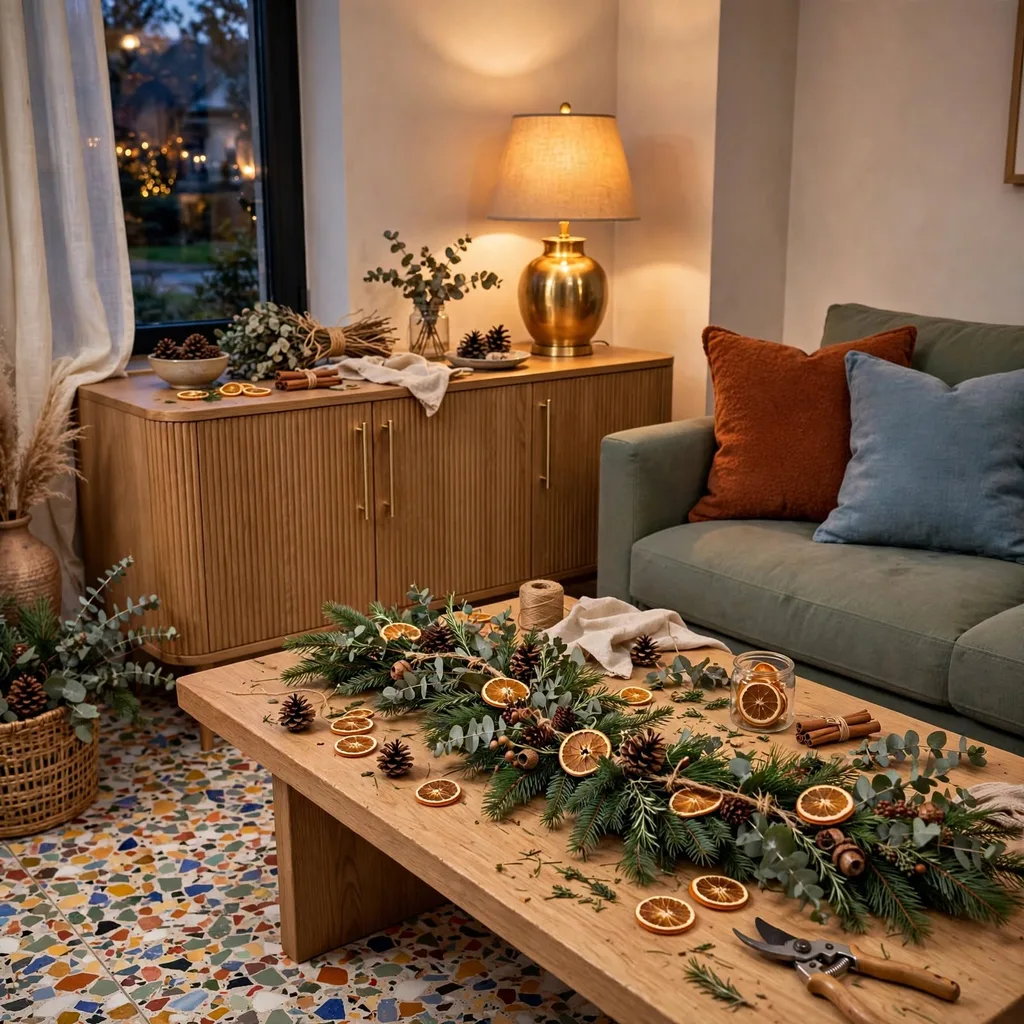
Making garland from dried orange slices, cinnamon sticks, or simple fresh greenery gathered locally typically costs considerably less than purchasing equivalent pre-made garland, while often producing a more genuinely textured, natural-looking final result. This category represents one of the clearest cases where a homemade approach both saves money and arguably improves on the store-bought alternative, rather than requiring a trade-off between cost and quality. Households without the time for this kind of project can still find reasonably priced pre-made natural garland, though the cost savings specifically favor the DIY route here.
9. Splurge on a Tree Topper Sized Correctly
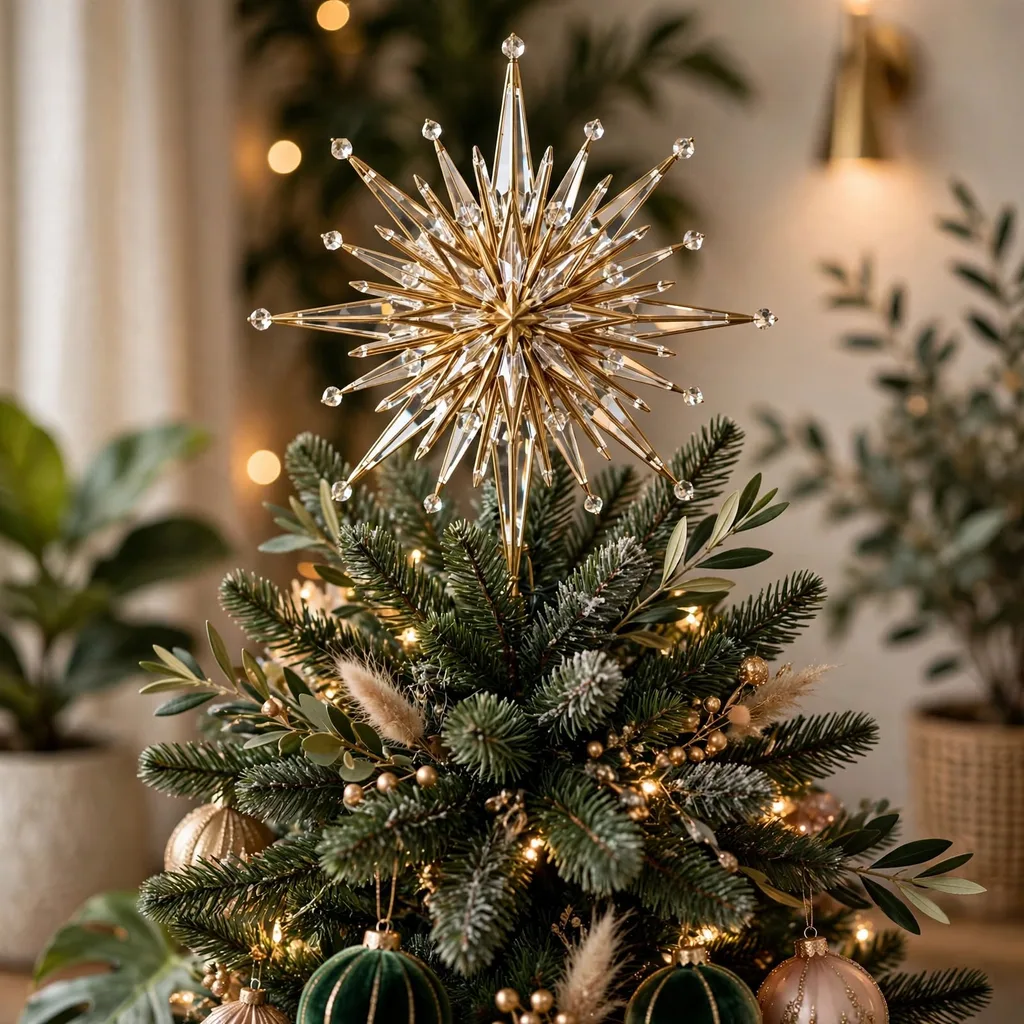
Investing in a genuinely well-made, correctly sized tree topper, rather than accepting whatever smaller or lower-quality option happens to already be in a decoration box, matters more than its relatively small cost might suggest, given how visible this detail is from across an entire room. A topper sized too small for the tree, a common result of default or budget options, undermines the tree’s overall polish regardless of how much was spent on ornaments and lights below it. This relatively modest splurge, generally a small fraction of a tree’s overall decorating budget, delivers outsized visual impact relative to its cost.
10. Save on Multiples Through a Single Statement Item

Rather than purchasing several matching smaller decorative items, multiple small tabletop trees, several matching stockings, choosing one larger, more impactful piece often costs less in total while creating a cleaner, less cluttered final result. This approach works particularly well for households tempted to buy a full matching set of holiday decor when a single well-chosen piece would achieve a similar decorating goal at a lower combined cost. Considering whether a decorating goal genuinely requires multiples, or whether one larger item would serve the same purpose, helps identify this savings opportunity before purchasing.
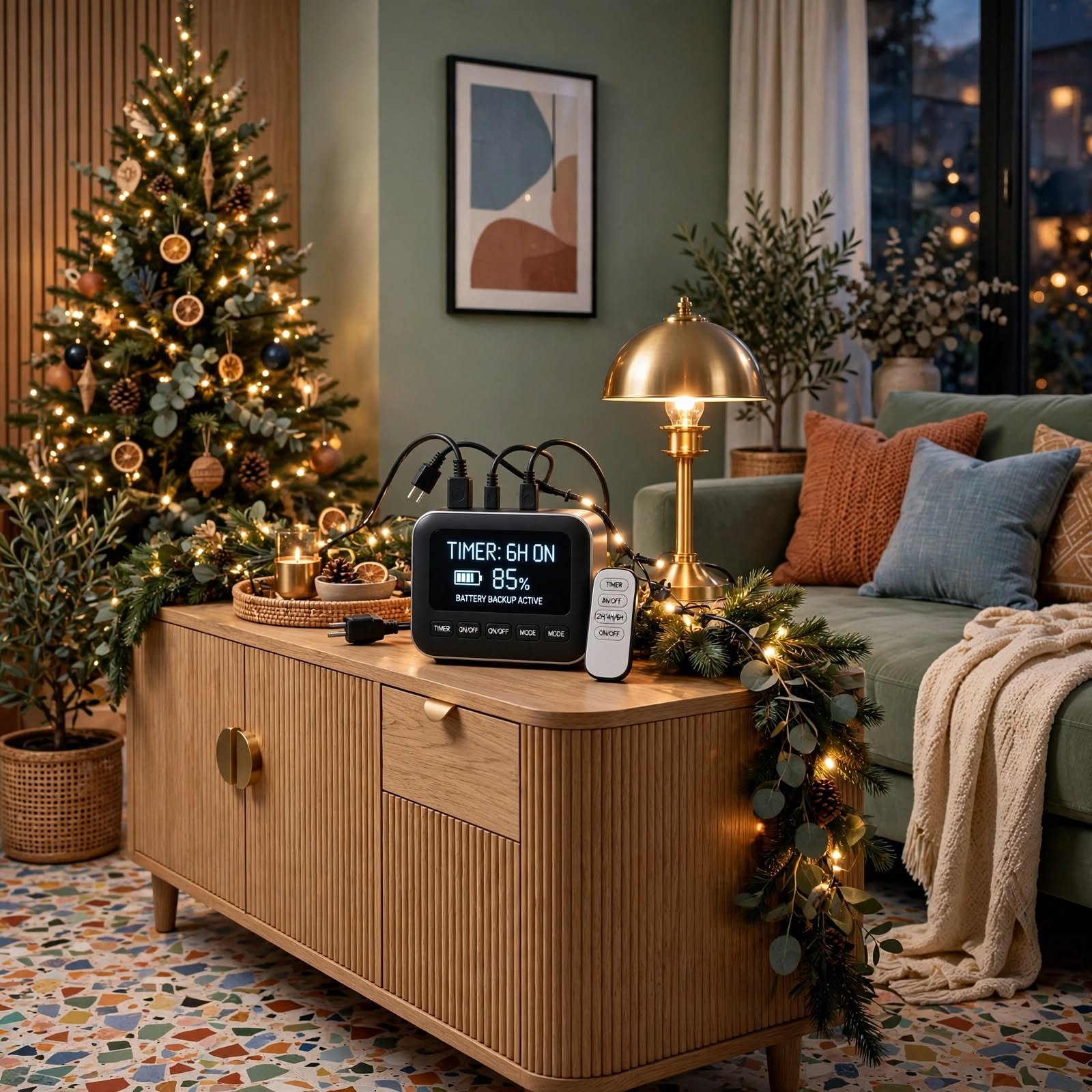
11. Splurge on Battery Backup or Timer Technology
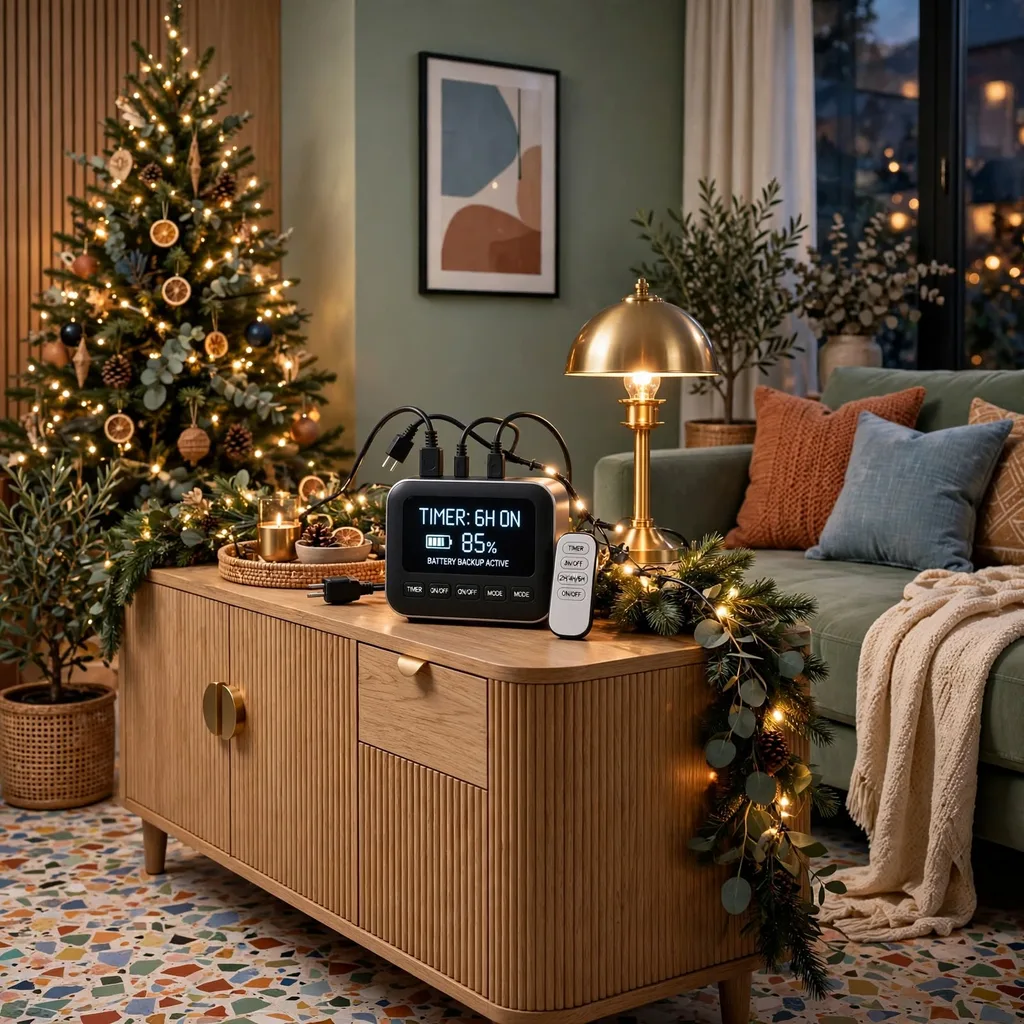
Investing in string lights, candles, or other electrical decor with built-in timer or battery backup technology costs somewhat more upfront than basic versions but pays off through genuine convenience and reduced daily maintenance across the full holiday season. This technology means decor illuminates automatically each evening without requiring a manual routine, and battery-operated options in particular expand where decor can be safely placed, like a window without a nearby outlet. This modest splurge often proves worthwhile specifically because of how much daily friction it removes from maintaining a fully decorated, illuminated home throughout the season.
12. Save on Table Linens Through Simple, Reusable Choices
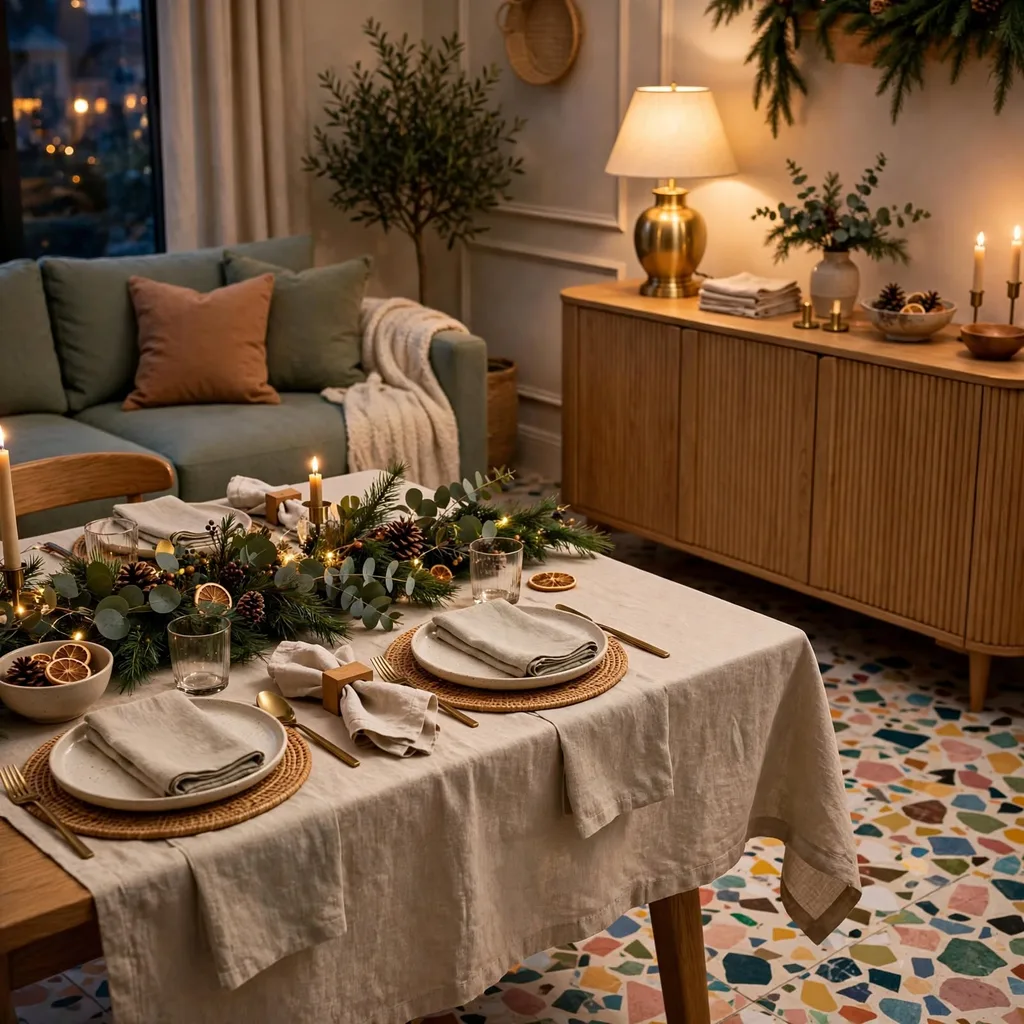
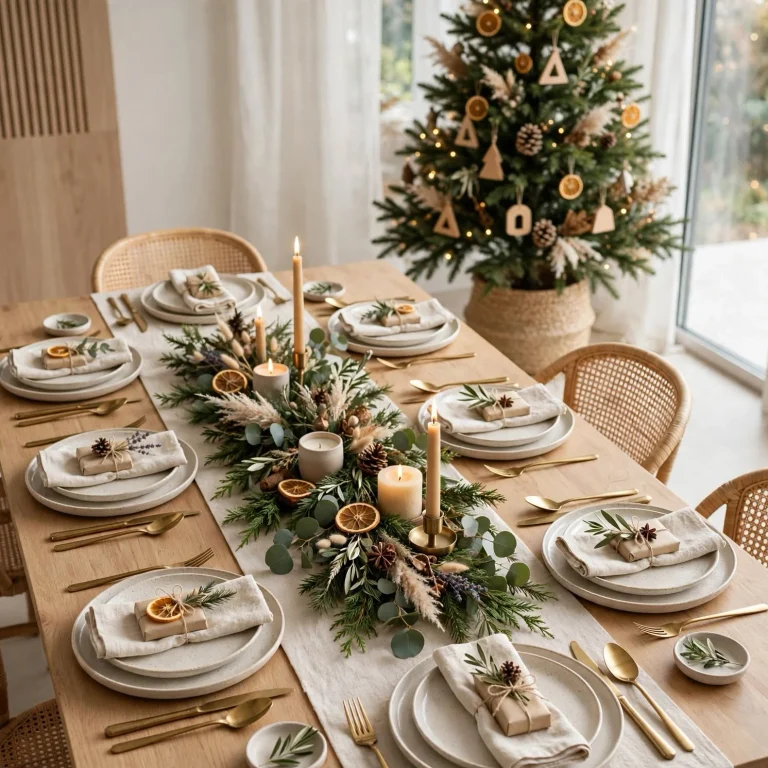
Choosing a simple, solid-colored or subtly patterned table runner and napkins in a color that works for Christmas and reasonably continues through the broader winter season, rather than a heavily printed, single-use Christmas-specific set, offers both cost savings and extended usability beyond the holiday’s exact dates. This approach allows the same linens to serve multiple purposes throughout the colder months rather than sitting unused for the rest of the year. Adding a few natural accents, greenery or candles, to this simpler linen base still achieves genuine holiday styling without requiring an elaborately printed, single-purpose textile investment.
13. Splurge on a Few Genuinely Meaningful Ornaments

Setting aside a small portion of the overall decorating budget specifically for one or two genuinely meaningful ornaments each season, a well-made piece marking a specific year or milestone, rather than treating every ornament purchase as equally disposable, builds a collection with real emotional and financial value over time. This targeted splurge differs from investing heavily in an entire matched ornament set, instead concentrating meaningful spending into just a few pieces per year that will matter for decades. This approach makes genuine quality investment financially sustainable even within an otherwise budget-conscious overall decorating approach.
14. Save on Bows and Ribbon Through Wire-Edge Reusability
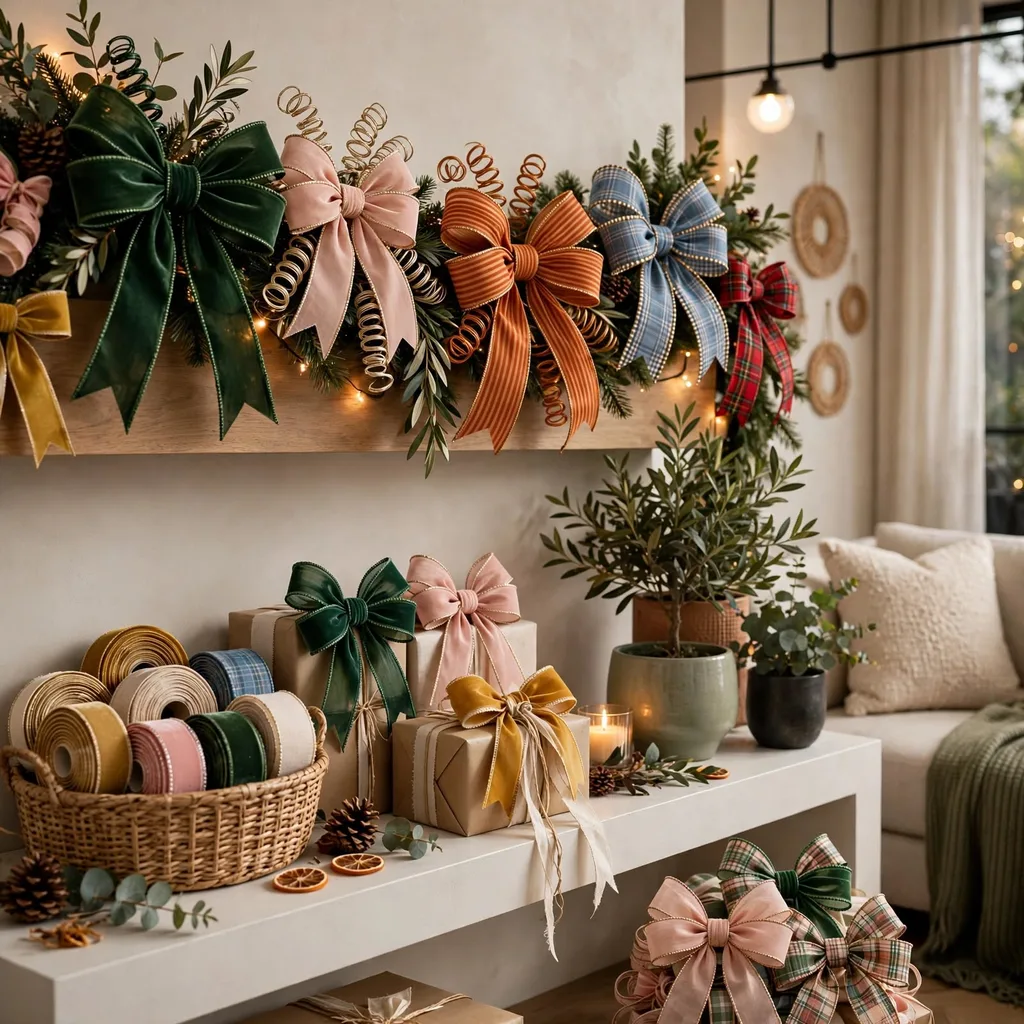
Choosing wire-edge ribbon, which holds its shape and can be reshaped into a fresh bow across multiple seasons, rather than a cheaper, non-wired ribbon that loses its shape after a single use, offers better long-term value despite a slightly higher upfront cost per roll. This distinction matters specifically because ribbon and bows appear throughout a home’s decorating, on wreaths, garland, and gift wrapping, making their reusability genuinely impactful across the full decorating budget. Storing this reusable ribbon carefully between seasons protects the investment and ensures it remains usable for many years.
15. Splurge on Professional Installation for Exterior Lighting
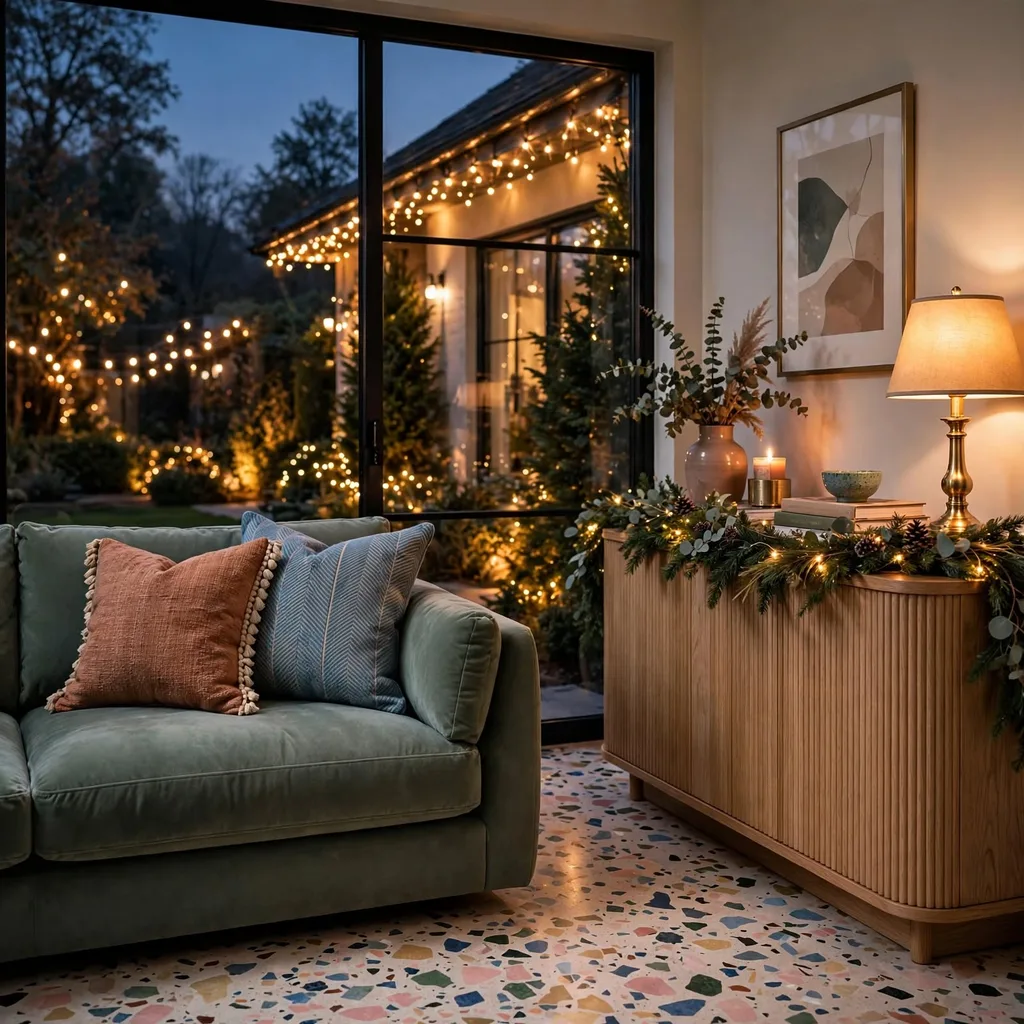
For elaborate or extensive exterior lighting displays, particularly those involving rooflines or taller architectural features, investing in professional installation addresses both a genuine safety consideration and typically produces a more polished, evenly spaced final result than a DIY approach on a ladder. This splurge matters most for larger or more ambitious exterior displays, while a simpler pathway or porch lighting setup remains very manageable as a DIY project without requiring professional help. Weighing the specific display’s complexity and height against the household’s own comfort and safety with ladder work helps determine whether this particular splurge is worthwhile for a specific home’s situation.
Shop the Look
Prioritize a quality artificial tree and quality string lighting as the two splurges most likely to pay off through years of reuse and daily reliability. Save through gradual ornament collection, DIY natural garland, and simpler wrapping paper elevated with ribbon and natural accents. Concentrate any remaining splurge budget on the front door wreath and one statement piece for the home’s main gathering space, since both receive the most visibility relative to their cost.
Common Mistake to Avoid
A common mistake in Christmas home decor budgeting is spreading available funds evenly across every decorating category rather than concentrating spending toward the items that will be seen most often or reused across the most seasons. A home with a modest overall decorating budget applied evenly to every category often looks less polished than one where the same total budget was concentrated into a quality tree, quality lighting, and a strong front door display, with more modest spending everywhere else. Identifying which specific items in a personal decorating plan genuinely reward higher investment, based on visibility and reuse, before finalizing a budget allocation produces better results than uniform spending across the board.
FAQs
What Christmas decor items are most worth investing in?
A quality artificial tree, reliable string lighting, and a strong front door wreath or entry display generally offer the best return on a genuine decorating investment, given their combination of high visibility and, for the tree and lights specifically, years of expected reuse. These categories affect how the whole home reads at a glance more than smaller individual decorative objects scattered throughout secondary rooms. Prioritizing budget toward these specific categories, rather than spreading funds evenly across every possible decor purchase, tends to produce a more polished overall result.
Where can I save the most money on Christmas home decor without sacrificing quality?
Building an ornament collection gradually rather than purchasing a complete set at once, making garland from natural materials like dried orange slices, and choosing simpler wrapping paper elevated with ribbon and natural accents all offer meaningful savings without compromising the final decorated result. Secondary rooms, guest bedrooms, a home office, generally also warrant a lighter, lower-cost decorating touch than a home’s main living spaces. These savings strategies free up budget to concentrate on the higher-impact categories that genuinely benefit from more investment.
Is it worth buying a real Christmas tree or investing in a quality artificial one?
A quality artificial tree typically costs more upfront than a single real tree but pays for itself across several seasons of reuse, while a real tree requires a fresh purchase every year along with disposal considerations once the season ends. The choice ultimately depends on personal preference for a real tree’s genuine scent and traditional appeal versus an artificial tree’s convenience and long-term cost efficiency, rather than one option being objectively superior for every household. Households drawn to the real tree tradition specifically for its sensory experience often find that value worth the annual cost regardless of the artificial alternative’s better long-term financial efficiency.
How do I decide which rooms deserve the most Christmas decorating budget?
Prioritizing a home’s entry, main living areas, and any space where guests regularly gather generally makes sense given how much more visibility these rooms receive compared to secondary spaces like bedrooms, bathrooms, or a home office. Considering realistically how often each room is seen by visitors, and how much time is spent in each space during the actual holiday season, helps clarify this priority beyond simply following a generic room-by-room guideline. A household that hosts extensively might prioritize a formal dining room more heavily, while one that entertains primarily in the living room should concentrate budget there instead.
Does spending more on Christmas decor always produce better results?
Higher spending doesn’t automatically produce better results, and several of the categories covered here, ornaments, garland, wrapping paper, specifically reward a more budget-conscious or DIY approach over simply purchasing the most expensive available option. The households that achieve the most polished, cohesive results generally direct their available budget deliberately toward a few genuinely high-impact categories, quality lighting, a strong tree, a considered entry display, rather than spending indiscriminately across every possible purchase. Thoughtful allocation, not overall spending level alone, tends to determine how successful the finished decorating looks.
Conclusion
Christmas home decor budgeting works best when spending is concentrated deliberately toward the highest-visibility, most-reused categories, a quality tree, reliable lighting, a strong entry display, while saving through gradual collection and DIY approaches in lower-stakes categories. Save this guide to Pinterest for reference while planning this year’s holiday decorating budget, and check out our related post on Christmas decor ideas for room-specific guidance on applying this budget throughout the home.