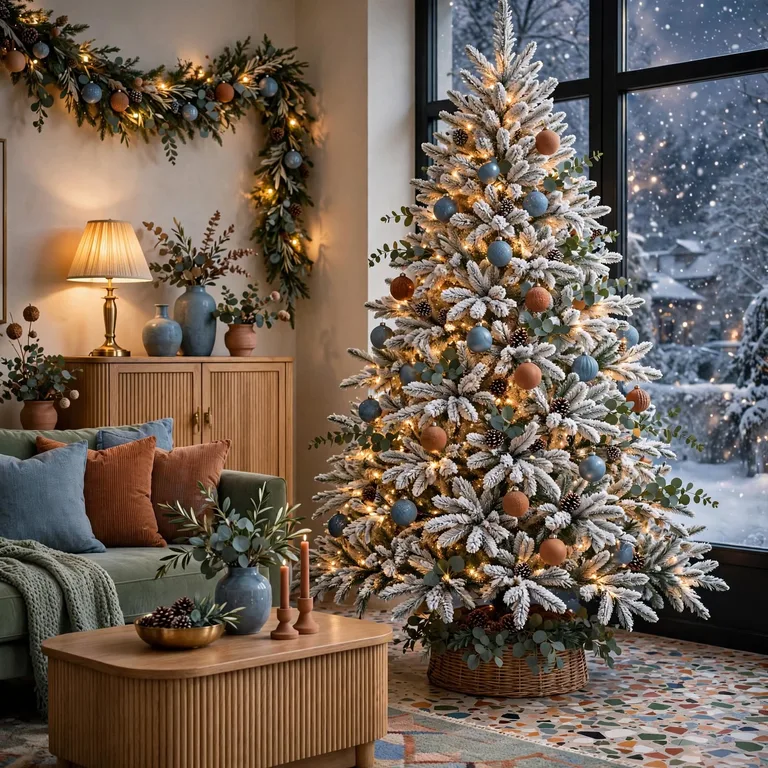
15 Game-Changing Christmas Decor Styles to Inspire Your Theme This Year
Christmas decor spans a genuinely wide range of styles, and choosing one clear direction before shopping produces a far more cohesive result than assembling decorations without an underlying theme. This guide covers fifteen distinct Christmas decor styles, from traditional red-and-gold to Scandinavian minimalism, each with the specific colors, materials, and details needed to execute the look authentically. Every idea works as a starting point for a full home transformation or a smaller, single-room application.
Trend & Background
Christmas decor styling has diversified considerably beyond the traditional red-and-green formula that once dominated most homes, with muted natural palettes, monochromatic schemes, and internationally inspired styles all gaining significant popularity in recent years. This shift mirrors broader home decorating trends, where households increasingly want their holiday decorating to feel like a natural extension of their everyday design style rather than a completely separate, disconnected seasonal aesthetic. Sustainability has also influenced this diversification, with natural materials, dried florals, wood ornaments, and reusable decor increasingly preferred over the more disposable, brightly colored plastic decorations common in previous decades.
Key Takeaways
- Choosing one clear Christmas decor style before shopping prevents the mismatched, overly busy look that results from mixing too many aesthetics at once.
- Traditional red-and-green remains popular, but muted, natural, and monochromatic directions have all grown significantly in recent years.
- A chosen style should generally extend from color palette through material choice, not just ornament selection alone.
- Many of these styles can be approximated affordably by focusing spending on a few key, high-impact pieces rather than a complete matched set.
1. Traditional Red and Gold Christmas Decor
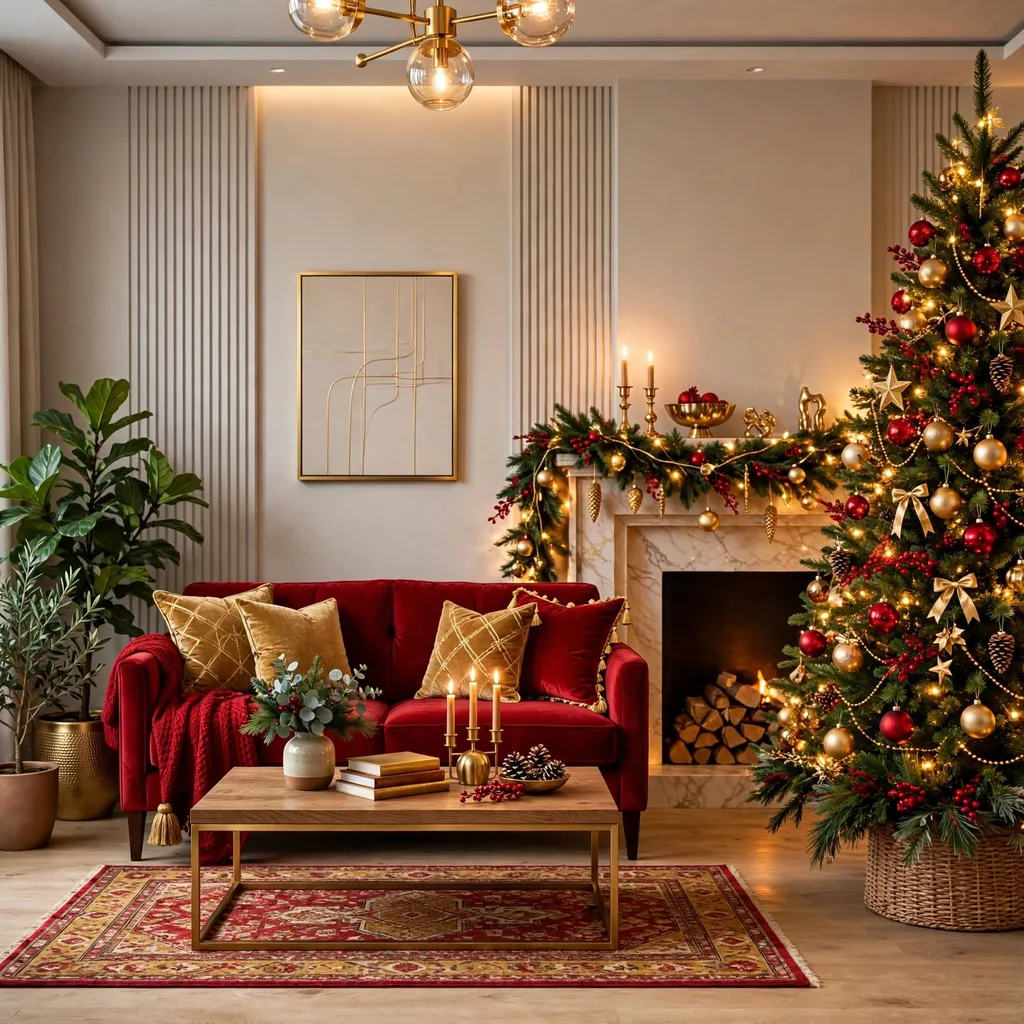
Traditional red and gold Christmas decor remains one of the most enduringly popular styles, using rich red ornaments, gold ribbon, and classic details like plaid and holly motifs to create a warm, nostalgic holiday atmosphere. This style suits a traditional or transitional home particularly well, extending naturally from formal, classic year-round decor into the holiday season. Choosing a mix of matte and glossy finishes within this red and gold palette adds depth that a fully uniform, flat color scheme wouldn’t achieve.
2. Scandinavian Christmas Decor
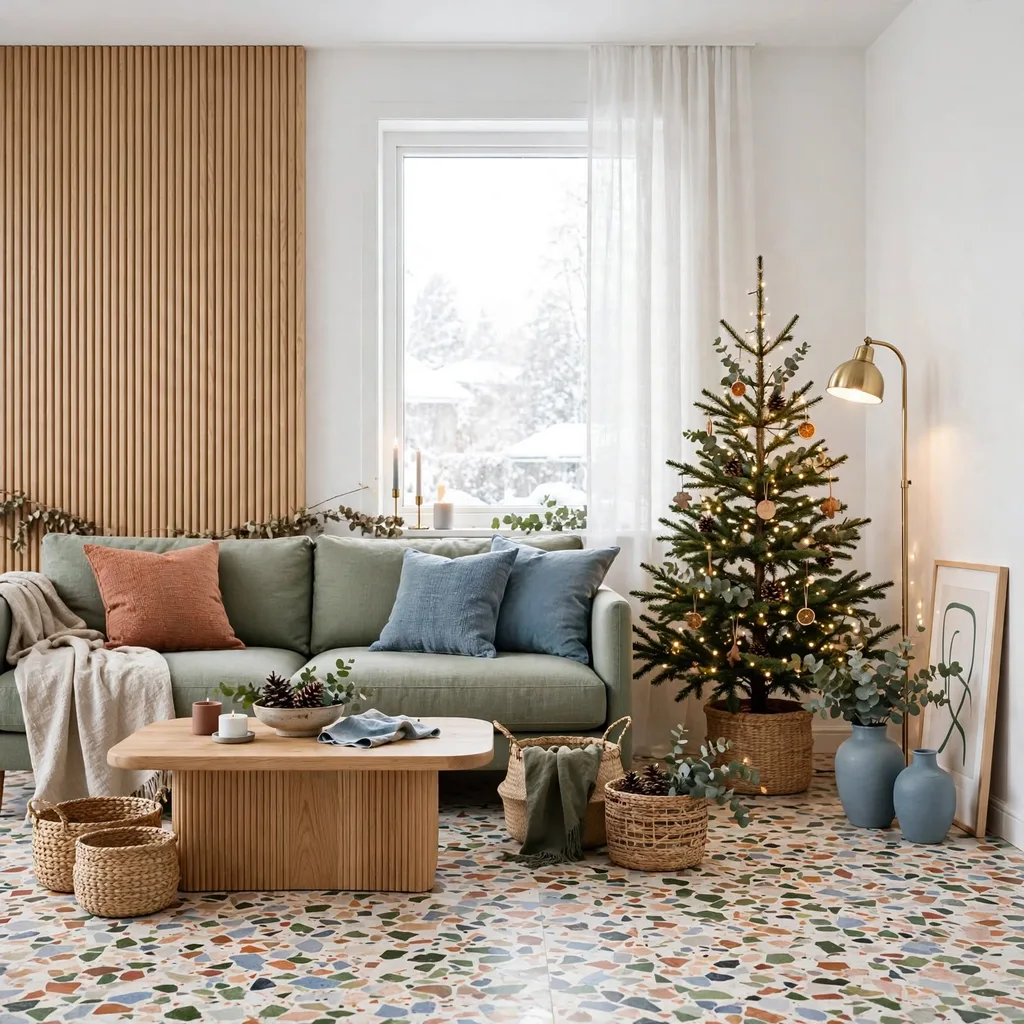
Scandinavian Christmas decor draws on the hygge principles found throughout Nordic design generally, using natural wood ornaments, simple straw or wheat decorations, and a restrained palette of white, red, and natural wood tones. Woven heart-shaped ornaments and simple geometric wood shapes reflect this style’s folk-inspired origins. This style suits a Scandinavian or minimalist home particularly well, extending that everyday design language into a genuinely cohesive holiday decorating scheme.
3. Farmhouse Christmas Decor
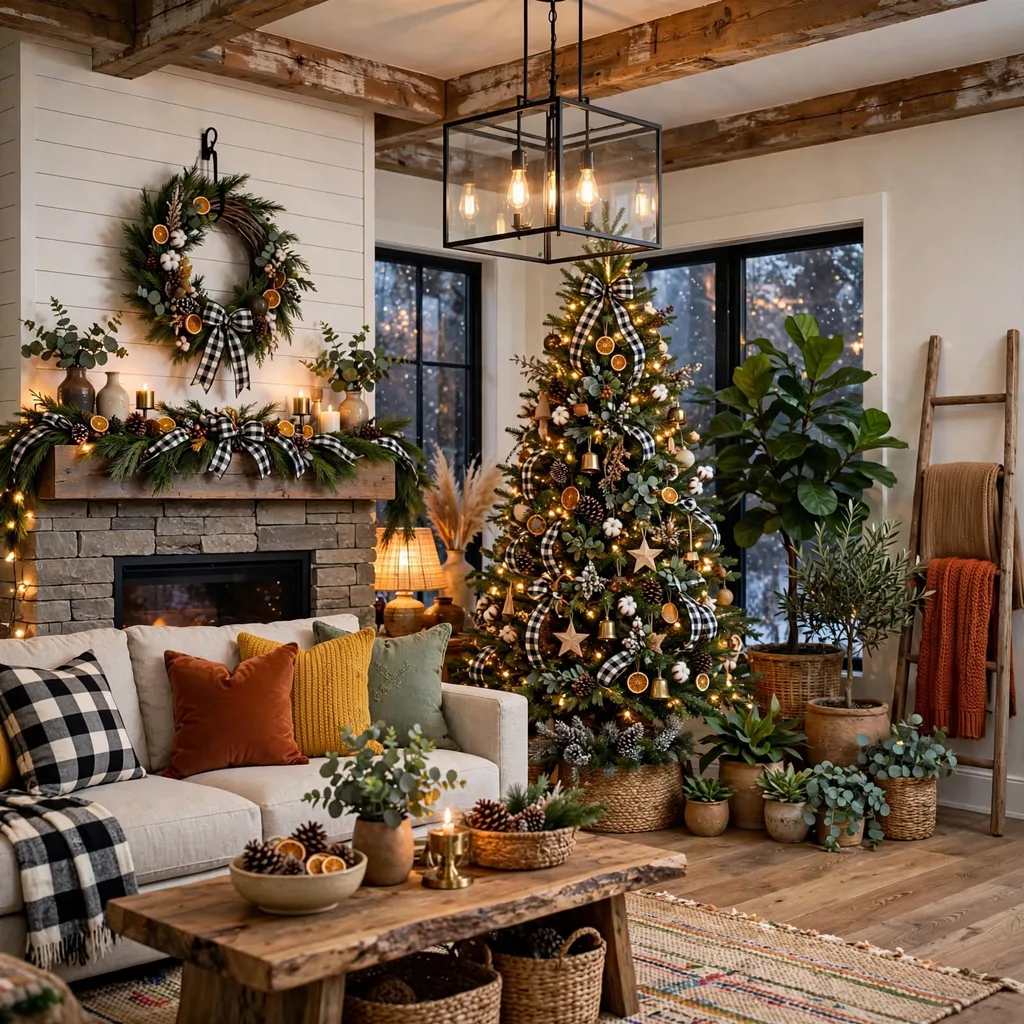
Farmhouse Christmas decor incorporates the same rustic, practical materials found throughout farmhouse interior design generally, using burlap ribbon, galvanized metal accents, and simple wood ornaments alongside a red, white, and black color scheme. A wood-slice ornament collection or a galvanized metal star topper reflects this style’s material honesty. This style pairs naturally with a farmhouse or modern farmhouse home’s existing decor, extending the same shiplap-and-black-metal material language into the holiday season.
| Style | Core Colors | Key Material |
| Traditional | Red, gold | Glass, ribbon |
| Scandinavian | White, red, natural wood | Wood, straw, wool |
| Farmhouse | Red, white, black | Burlap, galvanized metal |
| Coastal | White, blue, natural | Rope, driftwood, shell |
4. Coastal Christmas Decor
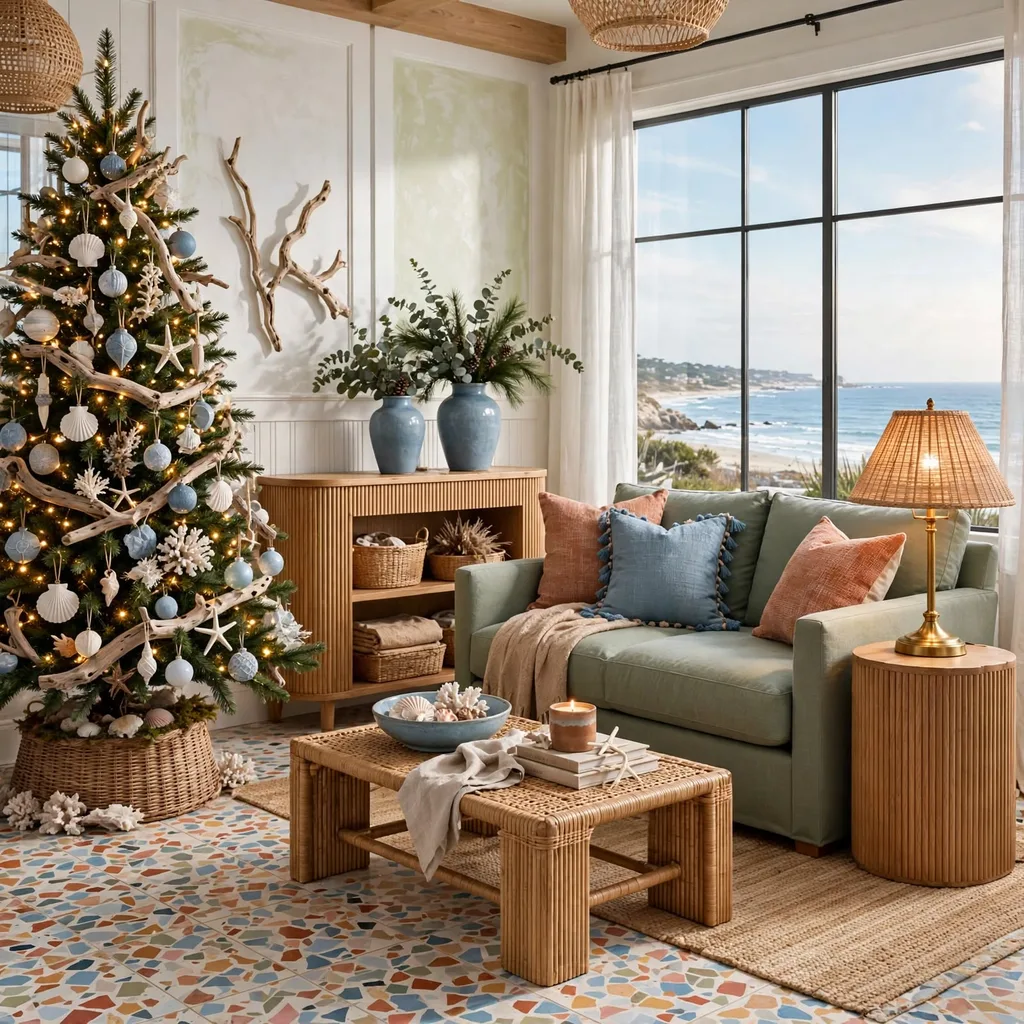
Coastal Christmas decor brings a relaxed, beach-inspired sensibility to the holiday season, using white and soft blue tones alongside natural materials like rope, driftwood, and dried starfish or shell ornaments. A tree topped with a simple bow rather than a traditional star, decorated with rope garland instead of tinsel, reflects this style’s laid-back material choices. This style suits a home near water particularly well, though its light, breezy palette translates easily into any climate for a fresh, less traditional holiday look.
5. Victorian Christmas Decor
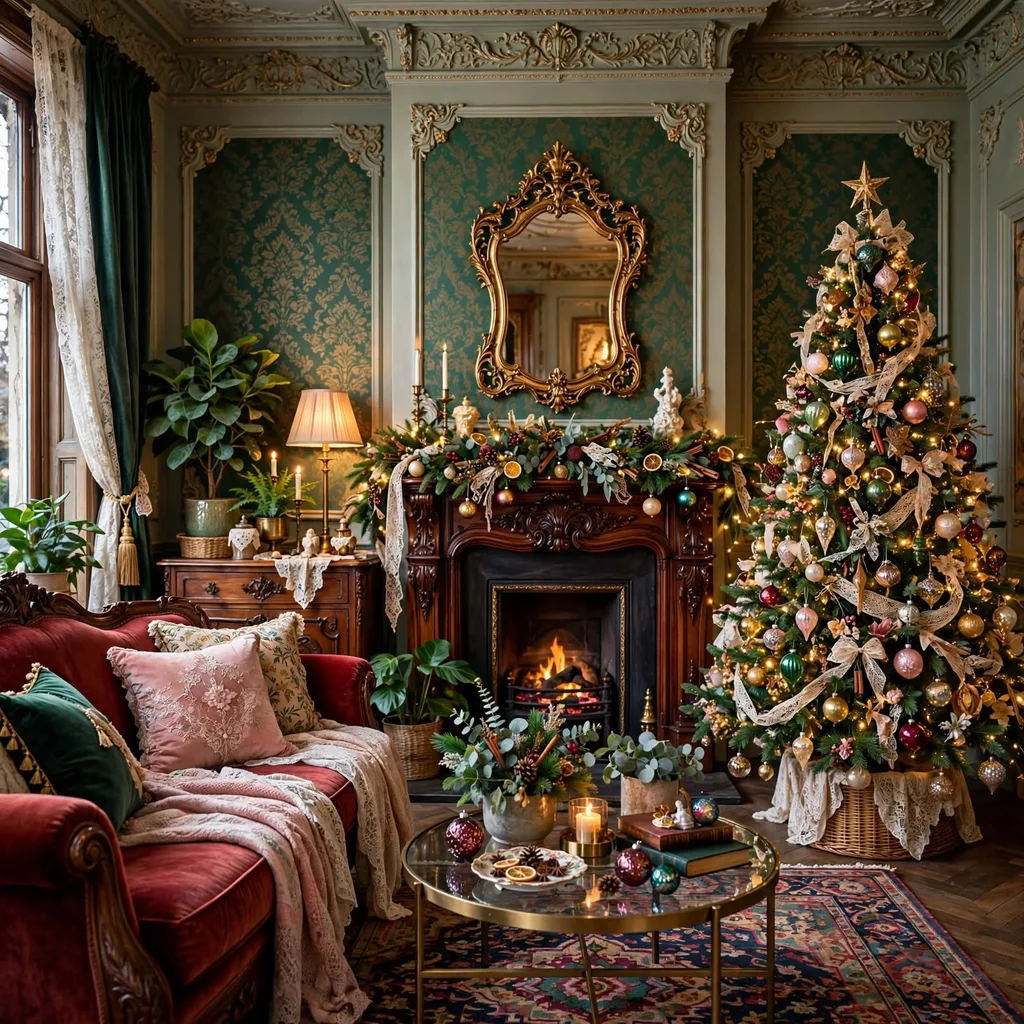
Victorian Christmas decor references the ornate, richly layered decorating style of the 19th century, using deep jewel tones, velvet ribbon, elaborate glass ornaments, and abundant, dense greenery throughout the home. Vintage-style glass ornaments in deep burgundy, emerald, and gold, paired with lace and antique-inspired details, capture this style’s historical richness. This style suits a traditional or grandmillennial home particularly well, offering a more elaborate, maximalist alternative to a simpler, more contemporary holiday palette.
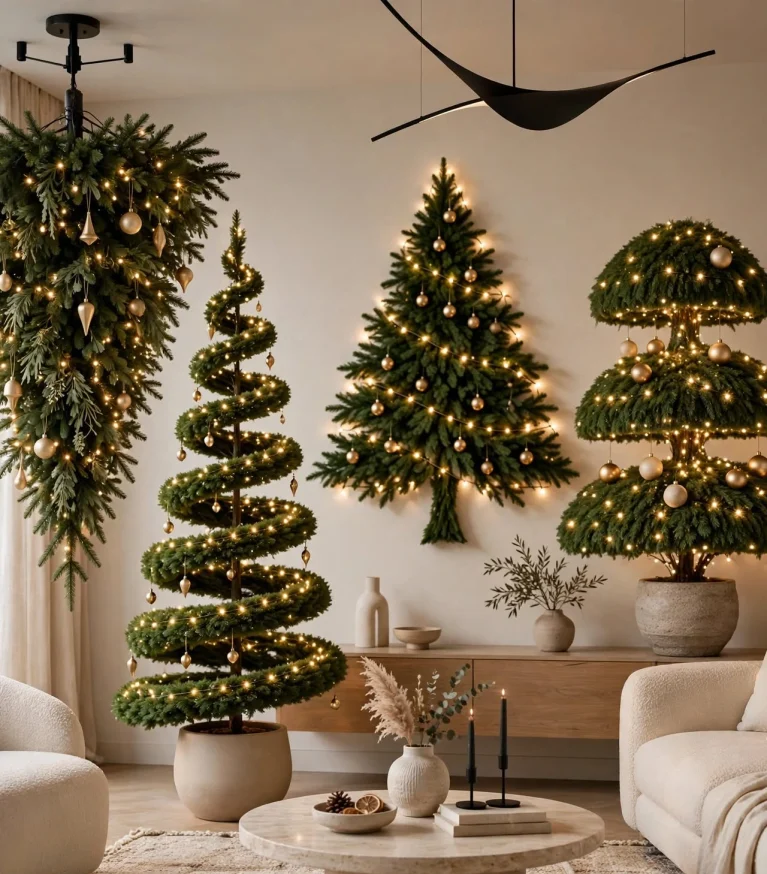
Add natural beauty to your home with these christmas tree ideas using garlands, wreaths, branches, and seasonal foliage.
6. Monochromatic White Christmas Decor
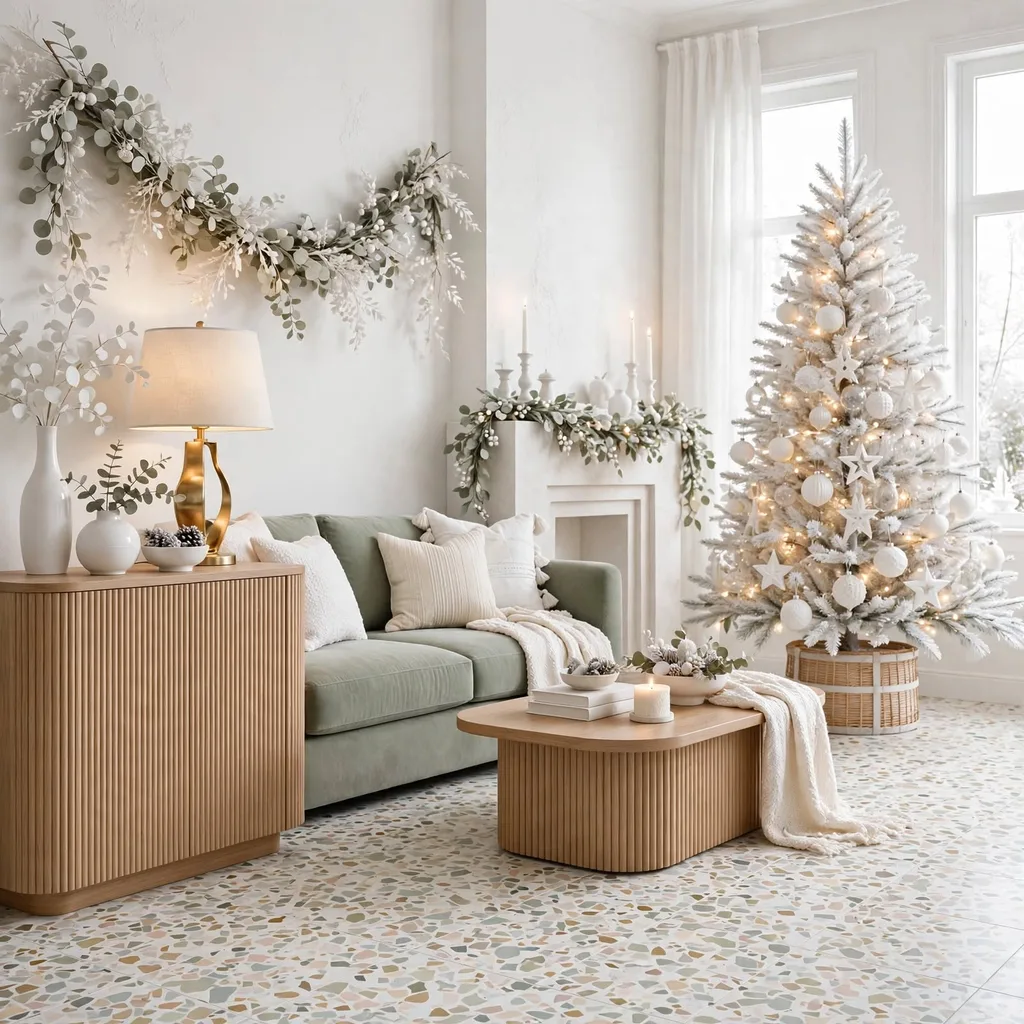
Monochromatic white Christmas decor commits fully to a single color throughout, using white ornaments, white or clear lights, and white or silver accents to create an elegant, cohesive, snow-inspired look. Varying ornament texture and finish within this all-white scheme, matte ceramic, glossy glass, feathered, and glittered, prevents the monochromatic approach from feeling flat despite its restrained color range. This style suits a contemporary or minimalist home particularly well, extending that restrained everyday palette directly into the holiday season.
7. Woodland or Rustic Nature Christmas Decor
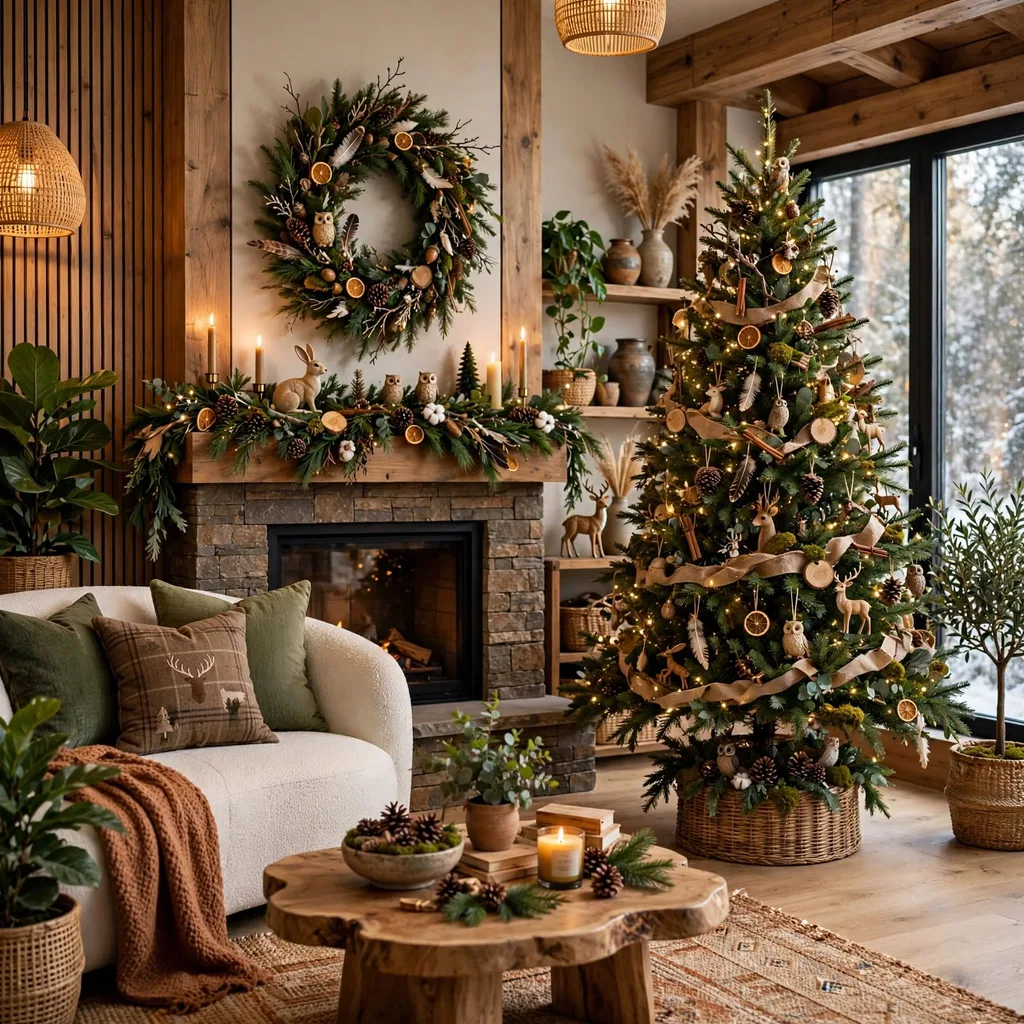
Woodland Christmas decor draws on forest and nature imagery, using pinecone ornaments, faux or real birch branch accents, and a color palette of deep green, brown, and cream to evoke a cabin or forest cottage atmosphere. Small woodland creature ornaments, felt mushrooms, and natural pinecone garlands reinforce this nature-inspired theme throughout the tree and broader home decorating. This style suits a cabin, a home surrounded by genuine forest, or simply a household drawn to nature-inspired decorating over a more polished or formal holiday look.
8. Modern Minimalist Christmas Decor
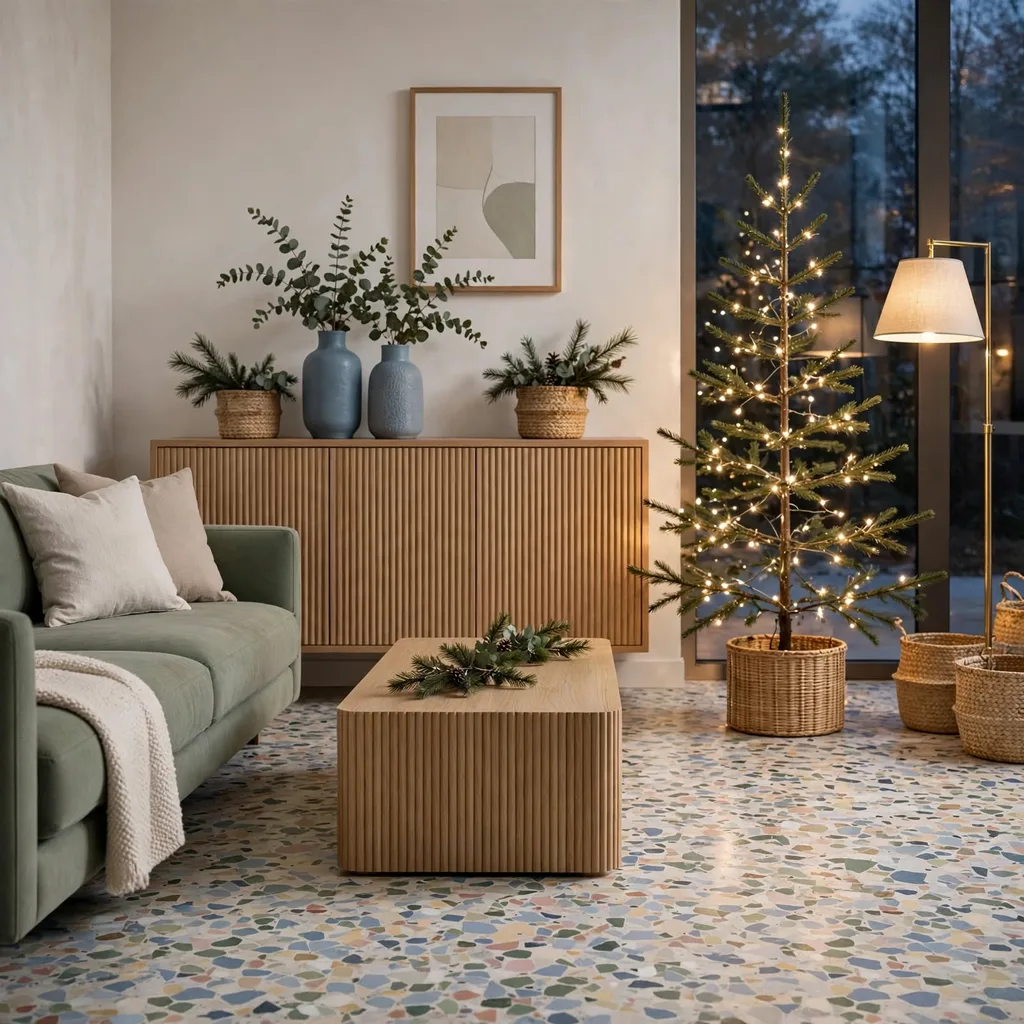
Modern minimalist Christmas decor pares the season’s decorating down to a small number of carefully chosen, high-quality pieces, favoring negative space and restraint over the denser, more layered approach common to many traditional Christmas styles. A single well-chosen wreath, a tree with sparse but intentional ornament placement, and simple, unadorned gift wrapping all reflect this style’s overall discipline. This style suits a minimalist or contemporary home particularly well, avoiding the visual clutter that a fuller, more traditional holiday decorating approach might introduce into an otherwise pared-back everyday space.
9. Maximalist Christmas Decor
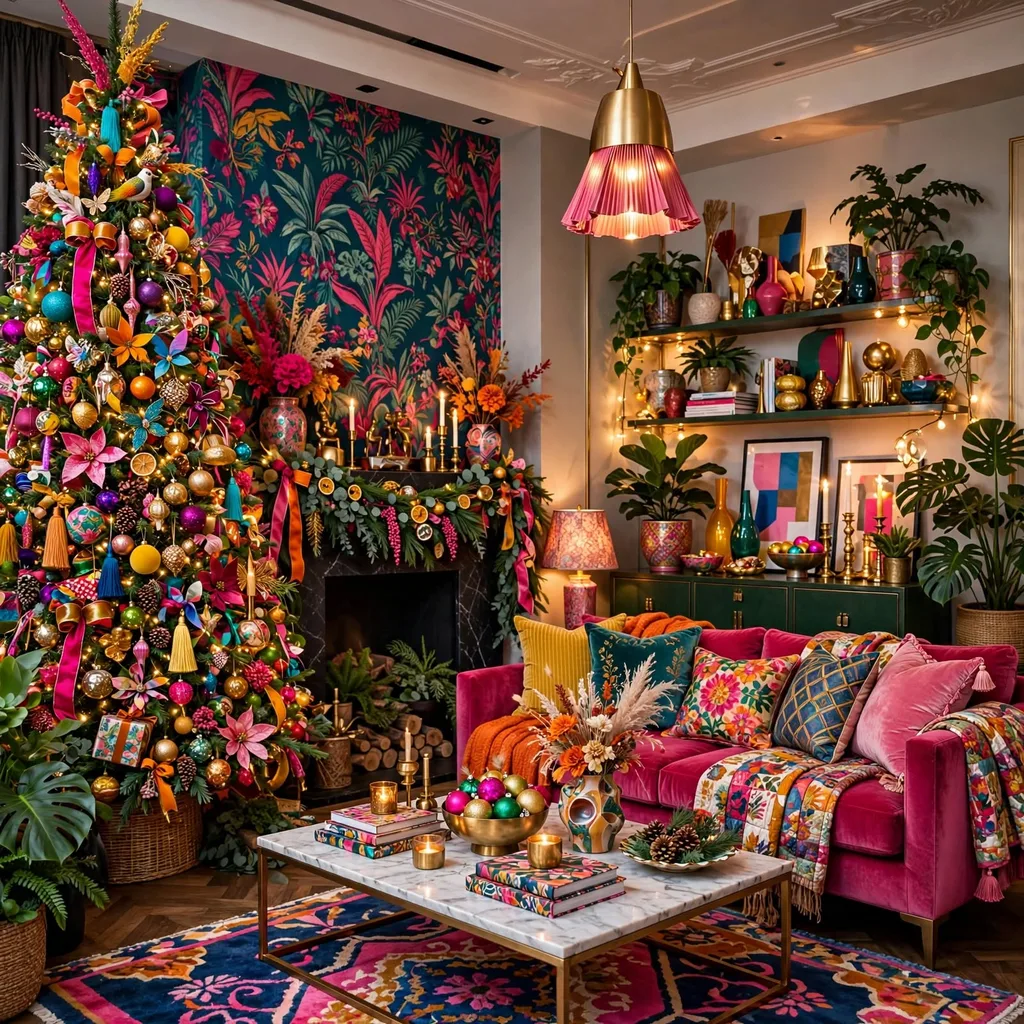
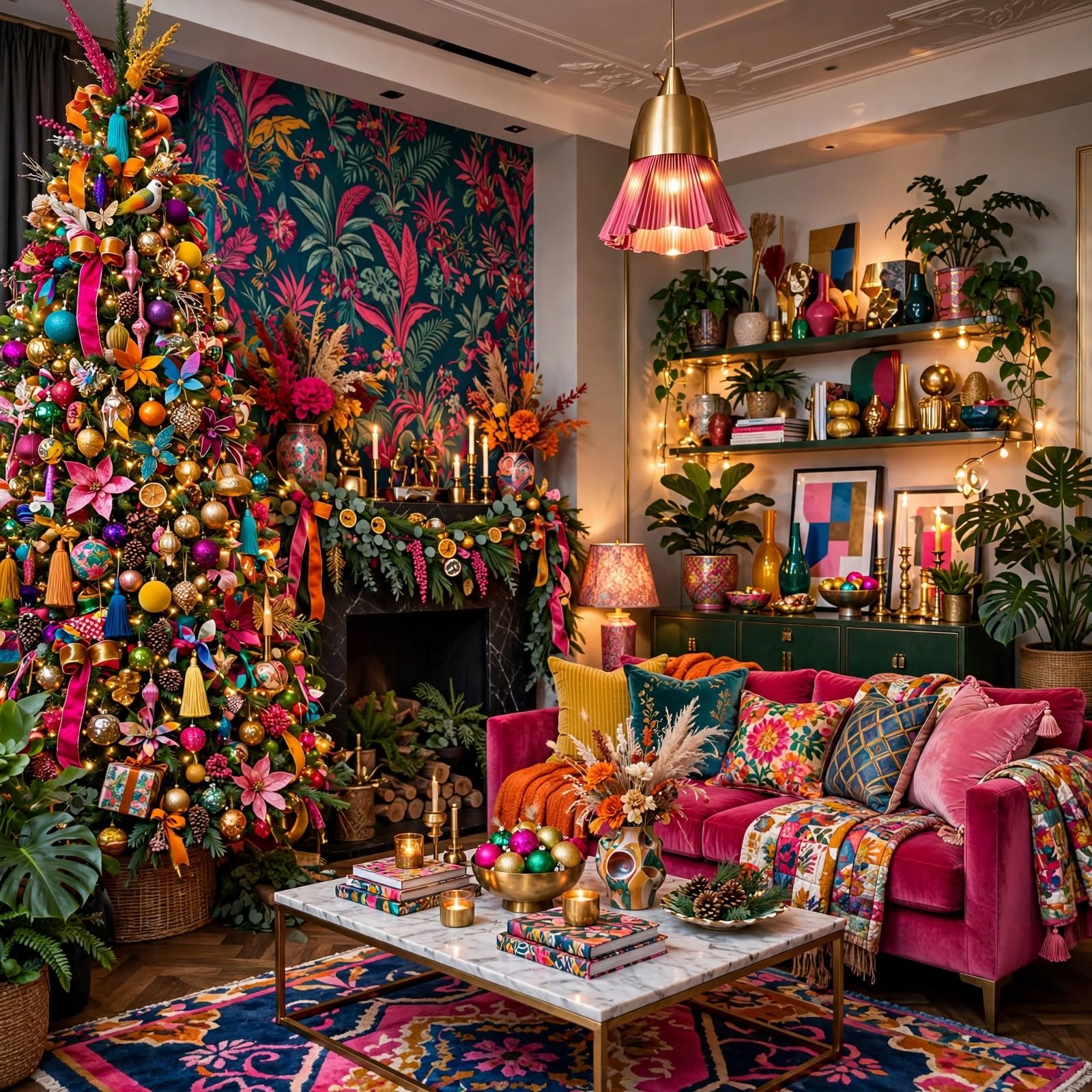
Maximalist Christmas decor embraces abundance and layering, combining multiple colors, patterns, and decorative elements throughout every available surface for a genuinely immersive, richly decorated holiday atmosphere. This style might combine traditional red and green with unexpected additions like pink or turquoise accents, layered patterns across stockings, tree skirts, and wrapping paper, and dense greenery throughout multiple rooms. This style suits a household that already embraces eclectic or maximalist decorating throughout the year, extending that same abundant, layered sensibility into the holiday season specifically.
10. Mid-Century Modern Christmas Decor
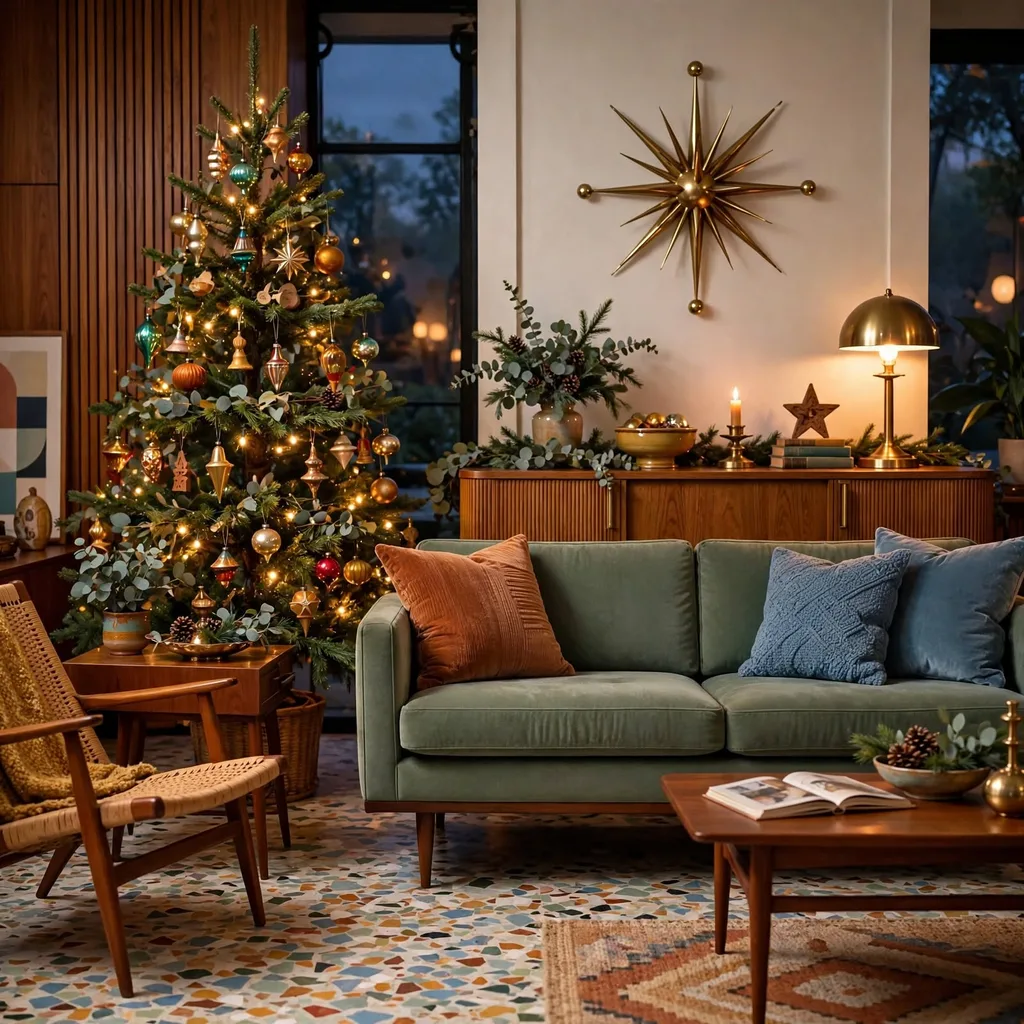
Mid-century modern Christmas decor references the specific aesthetic of 1950s and 60s holiday decorating, using aluminum trees, atomic-era ornament shapes, and a color palette of turquoise, orange, and silver alongside more traditional red and green. A rotating color wheel light, a genuine mid-century decorating detail once used to illuminate aluminum trees, adds authentic period character for households wanting a fully committed vintage recreation. This style suits a mid-century modern home particularly well, extending that specific era’s design language into a distinctly retro holiday celebration.
11. All-Natural Botanical Christmas Decor
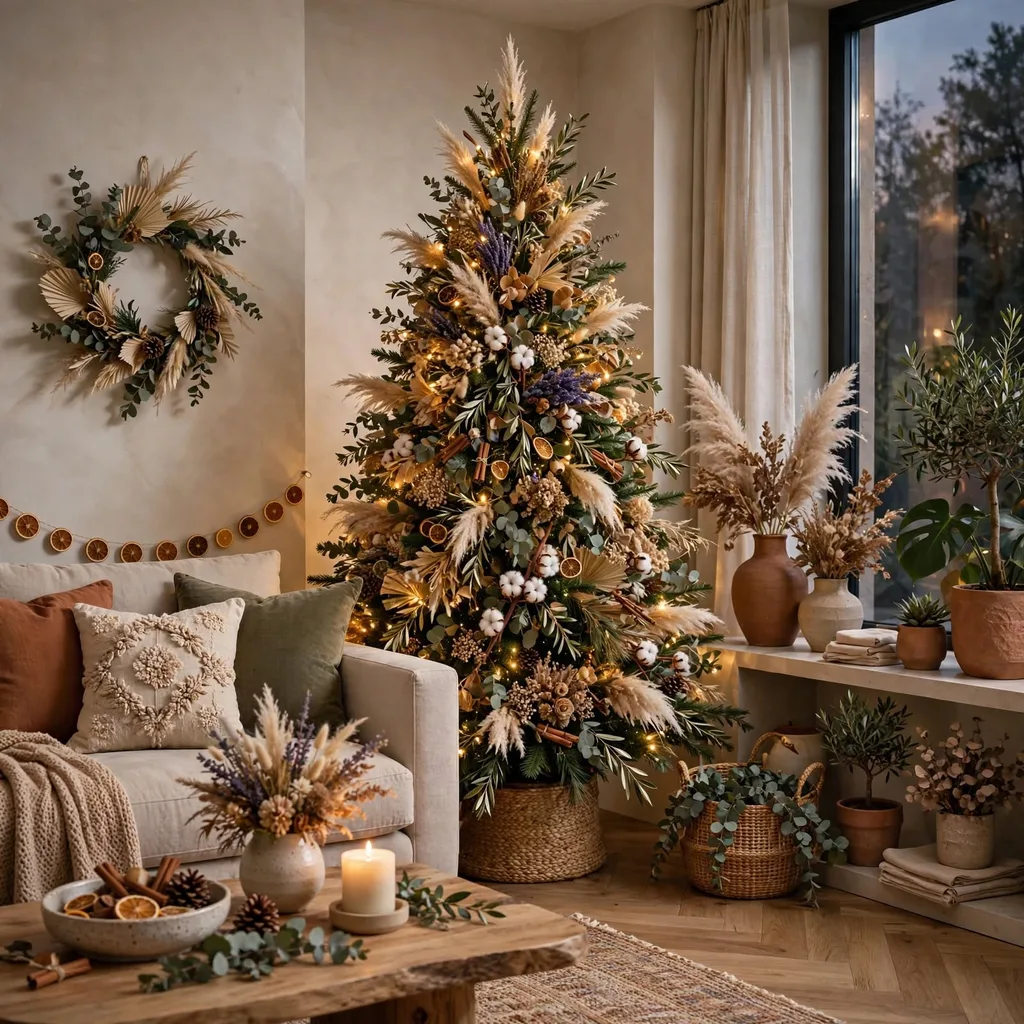
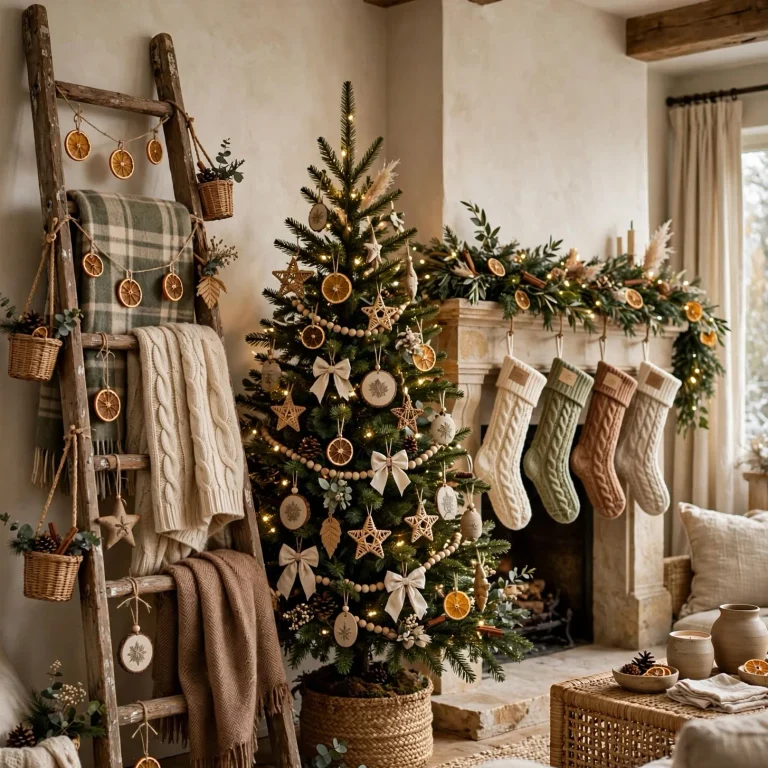
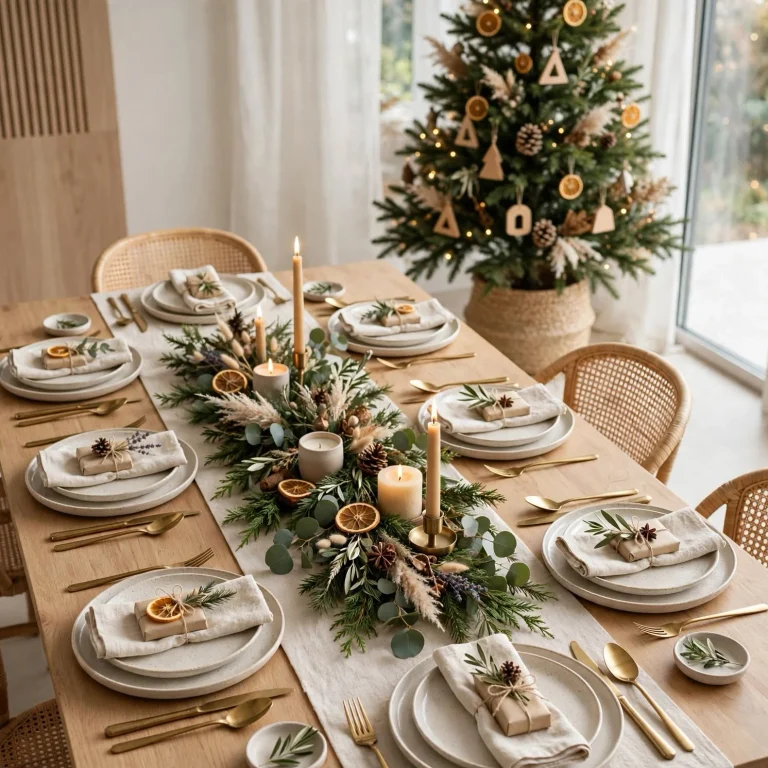
All-natural botanical Christmas decor relies entirely on genuine natural materials, fresh greenery, dried flowers, pinecones, and dried citrus, avoiding manufactured ornaments and synthetic decorations almost entirely throughout the home. This style requires more frequent refreshing than a decor scheme using permanent ornaments, since fresh and dried natural materials have a shorter lifespan across the full holiday season. This style suits a household prioritizing sustainability and natural materials in their everyday decorating, extending that same value system into the holiday season without a significant style departure.
12. Glamorous Metallic Christmas Decor
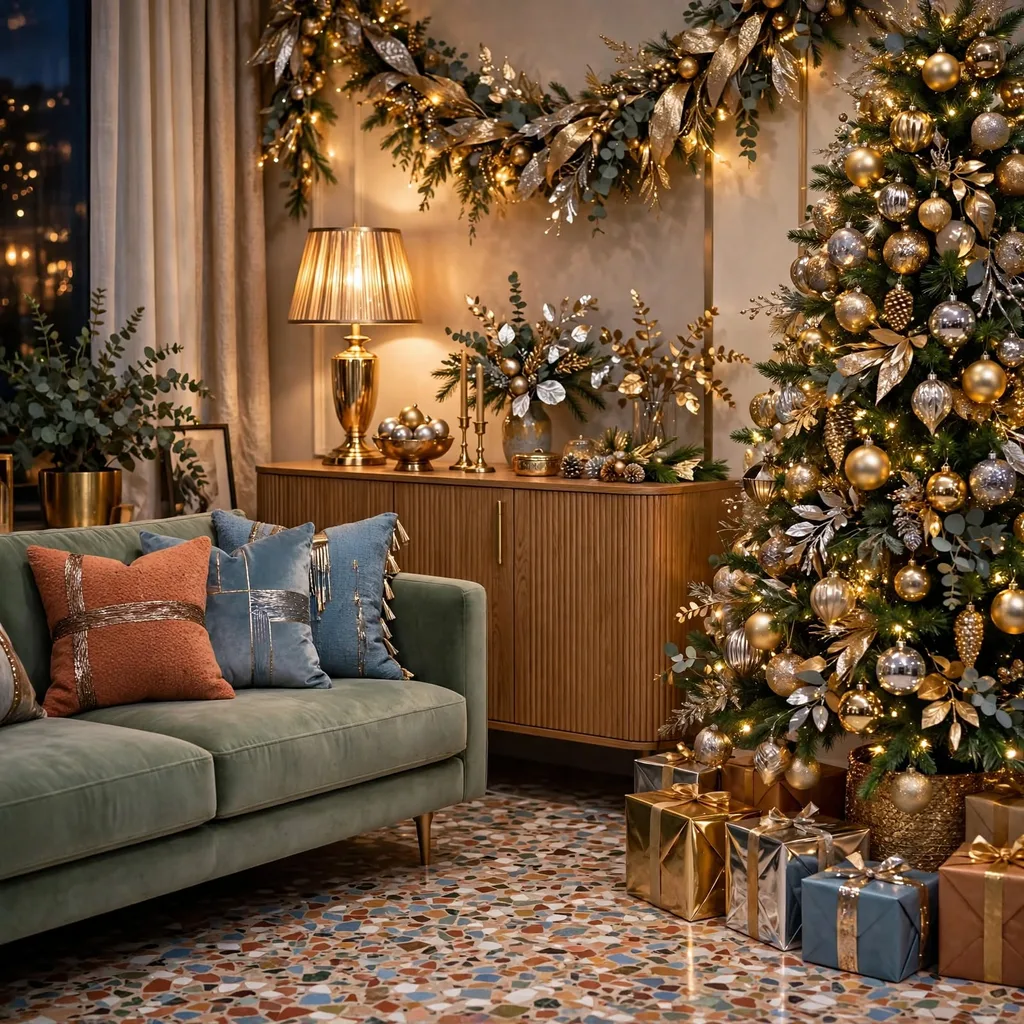
Glamorous metallic Christmas decor commits to a rich, reflective palette of gold, silver, and rose gold, using mirrored ornaments, metallic ribbon, and abundant sparkle throughout the tree and broader home decorating. This style suits a home wanting a genuinely dramatic, celebratory holiday atmosphere, often paired with abundant candlelight and dimmed ambient lighting to maximize the metallic elements’ reflective quality. This style works particularly well for a household that regularly hosts formal holiday gatherings or parties, where the glamorous, reflective decor contributes to an elevated party atmosphere.
13. Nordic Folk Christmas Decor
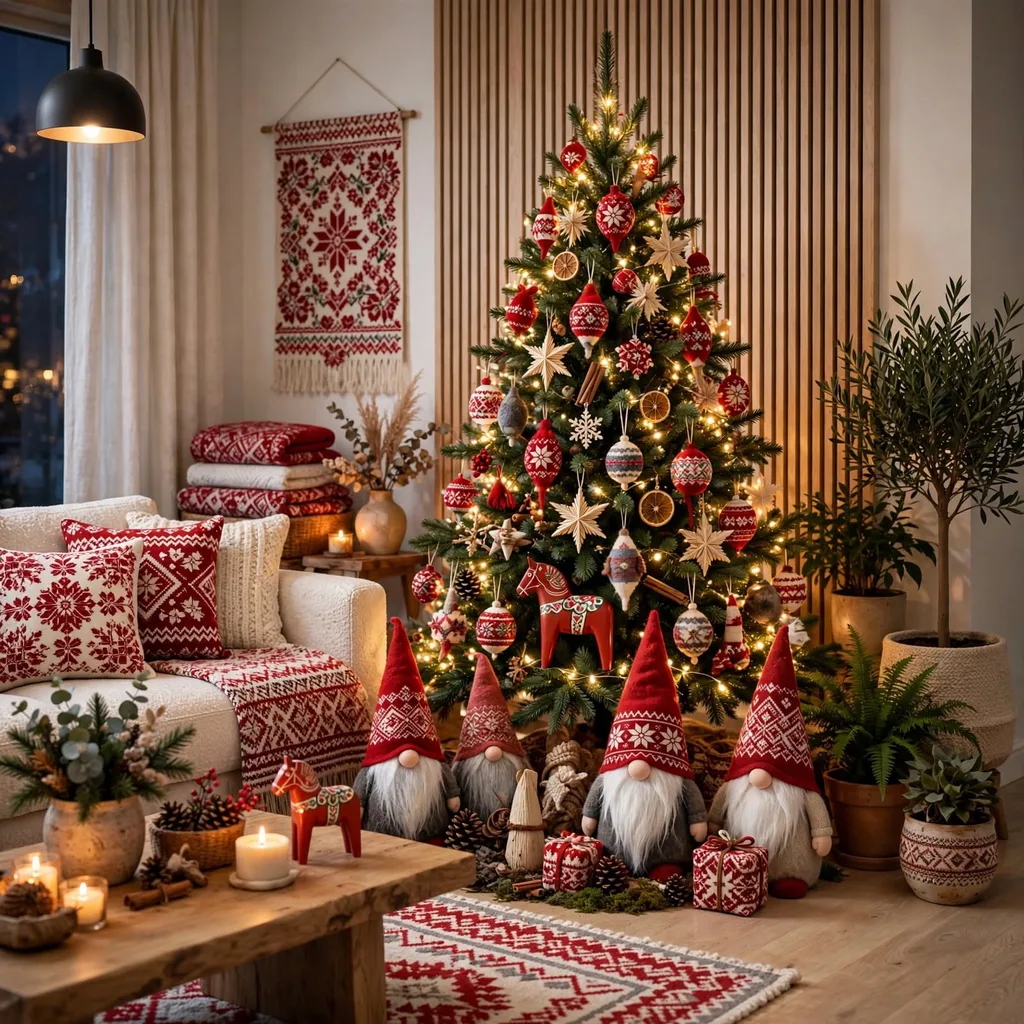
Nordic folk Christmas decor draws more specifically on traditional Scandinavian folk art and craft than the broader, more contemporary Scandinavian style, incorporating hand-painted wood ornaments, traditional dala horse figures, and woven straw goat decorations specific to this cultural tradition. This style carries genuine cultural and historical specificity, making it particularly meaningful for households with Scandinavian heritage or a specific interest in this craft tradition. Sourcing authentic pieces from Scandinavian makers, where possible, adds genuine cultural authenticity beyond a purely aesthetic reference.
14. Bohemian Christmas Decor
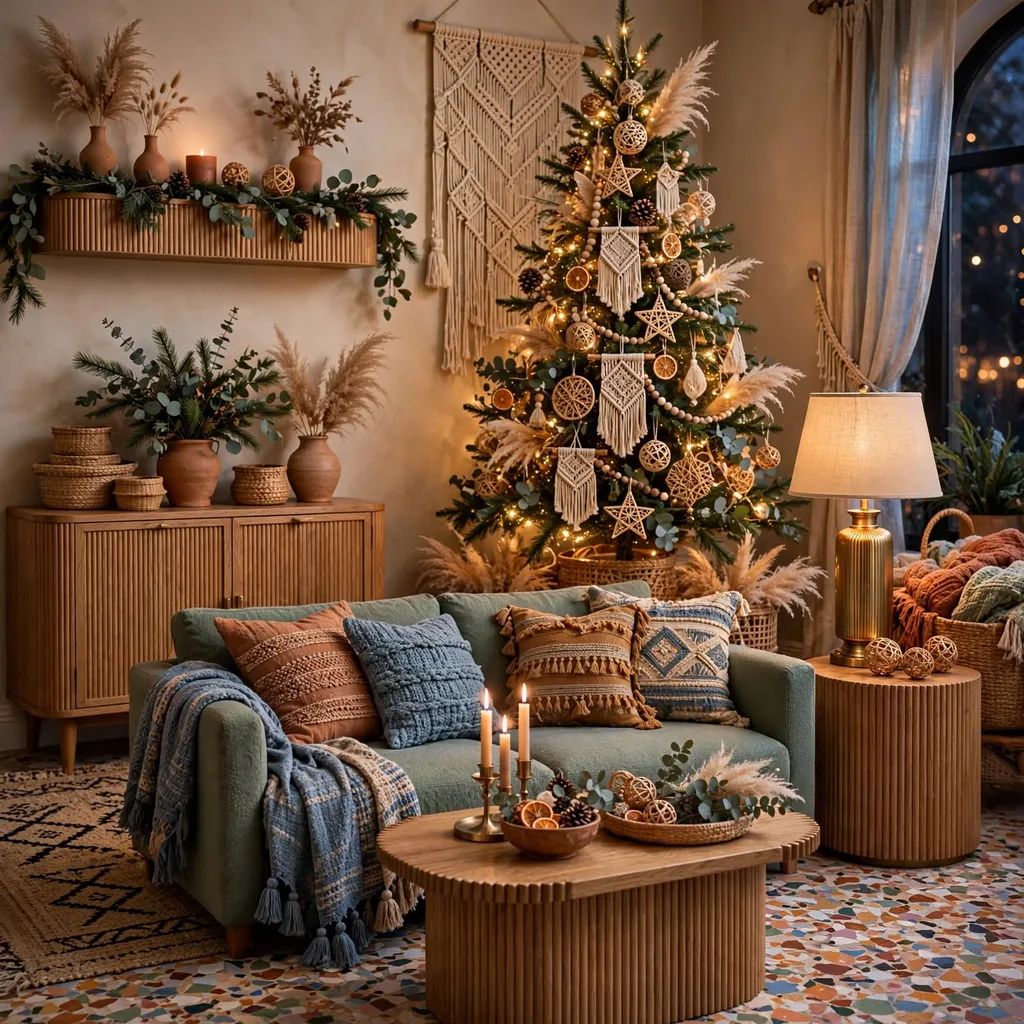
Bohemian Christmas decor incorporates the same layered, globally-inspired textures found throughout boho interior design generally, using macrame ornaments, dried pampas grass instead of traditional greenery, and a warm, earthy color palette of rust, cream, and deep green rather than traditional red. A tree decorated with woven and fringed ornaments, paired with a naturally toned tree skirt rather than a traditional red velvet version, reflects this style’s overall material story. This style suits a boho-decorated home particularly well, extending that everyday textural, globally-inspired aesthetic into a genuinely distinctive holiday look.
15. Classic Black and White Christmas Decor
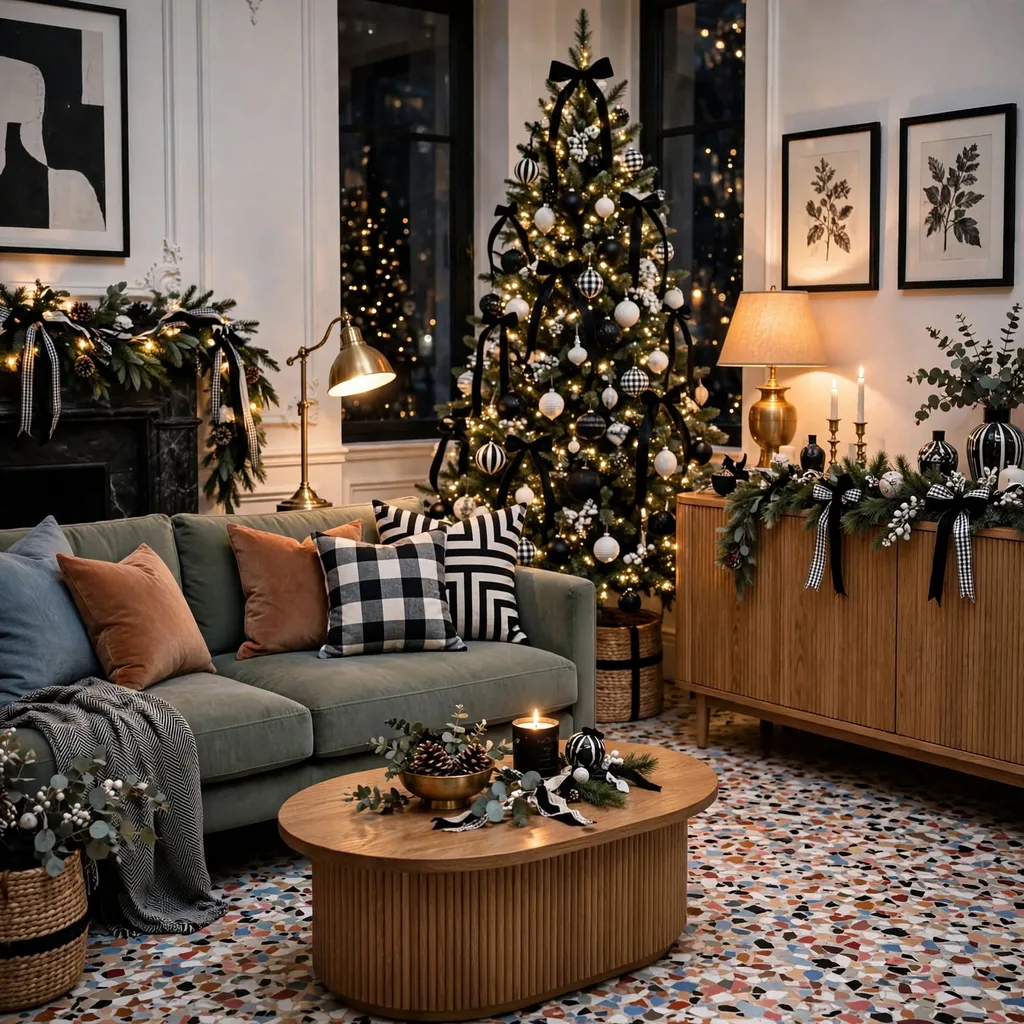
Classic black and white Christmas decor uses high contrast rather than traditional color to create a graphic, sophisticated holiday atmosphere, incorporating black ornaments, white greenery accents, and a restrained, almost architectural approach to the season’s typically colorful decorating. A black and white checkered ribbon or a simple black tree skirt against otherwise white and silver ornaments captures this style’s striking simplicity. This style suits a contemporary or art deco-influenced home particularly well, offering a genuinely distinctive alternative to nearly every other more traditionally colored Christmas decor style.
Shop the Look
For a cohesive traditional look, start with red and gold glass ornaments in varied finishes, a plaid ribbon, and warm white lighting throughout. For a more contemporary direction, choose an all-white or black-and-white monochromatic scheme with varied ornament textures to prevent flatness. For a natural, sustainable approach, prioritize fresh greenery, dried citrus, and wood ornaments over synthetic, disposable decorations.
Common Mistake to Avoid
A common mistake in Christmas decor is combining elements from several different styles simultaneously without any connecting thread, mixing traditional red and gold with coastal blue and rope accents and mid-century atomic ornaments all on the same tree, which results in a visually confused rather than intentionally eclectic holiday display. Choosing one clear style direction, then sourcing decorations specifically suited to that chosen aesthetic, produces a far more cohesive and considered result than accumulating decorations without any underlying theme. This principle holds true regardless of which specific style is ultimately chosen.
FAQs
How do I choose a Christmas decor style that fits my home?
Looking at the design style already established throughout a home’s everyday decorating, whether farmhouse, Scandinavian, contemporary, or traditional, and choosing a Christmas decor direction that extends naturally from that existing aesthetic generally produces the most cohesive result. A home that’s minimalist year-round often suits a monochromatic or Scandinavian holiday approach better than a maximalist, densely layered style, and the reverse holds true for an already eclectic or maximalist home. Considering personal nostalgia and family tradition alongside pure aesthetic fit also matters, since Christmas decorating often carries more sentimental weight than everyday home styling.
Can I mix two Christmas decor styles together?
Combining two complementary styles, such as Scandinavian and modern minimalist, which already share significant overlap in restraint and natural materials, generally works more successfully than combining two styles with fundamentally different characters, like Victorian maximalism and stark black-and-white minimalism. Choosing one style as the primary direction and incorporating select elements from a second, related style tends to produce a more cohesive result than blending the two as equal influences throughout the same display. Testing the combination on a mood board or with a small trial section of the tree before committing to a full decorating scheme helps identify potential style conflicts early.
Which Christmas decor style is most budget-friendly?
All-natural botanical decor and a simple monochromatic scheme both tend to be relatively budget-friendly, since natural materials like fresh greenery and pinecones cost less than elaborate glass ornaments, and a monochromatic scheme can be built gradually from affordable, simply finished pieces rather than requiring an extensive varied collection. Maximalist and Victorian styles generally require the largest decoration collection and therefore the highest overall investment, given their emphasis on abundance and layered detail throughout the home. Focusing spending on a few key, high-impact pieces within any chosen style, rather than attempting a complete matched collection immediately, makes most of these styles achievable on a more modest budget.
How much does Christmas decor style affect resale or year-round storage needs?
More elaborate, maximalist, or highly specific styles, like Victorian or mid-century modern with its era-specific aluminum tree, generally require more storage space and more specialized care between seasons than a simpler, more restrained style like Scandinavian or modern minimalist. This consideration matters practically for households with limited storage space, potentially favoring a simpler style regardless of aesthetic preference alone. Choosing genuinely durable materials within any style, rather than delicate or easily damaged pieces, also affects how well a decor collection holds up across multiple years of seasonal use and storage.
Is it possible to change Christmas decor styles from year to year?
Changing Christmas decor styles year to year is entirely possible, though building a completely new decoration collection each time can become costly, making it more practical for many households to choose one core style to invest in consistently while occasionally introducing smaller seasonal variations or accents. A gradual evolution, refining and adding to an existing collection within one general style direction, generally proves more sustainable and affordable than a complete yearly overhaul. Households wanting genuine year-to-year variety might consider maintaining a few different smaller decor sets, like both a traditional and a natural botanical collection, to rotate between without needing to replace everything annually.
Conclusion
Choosing one clear Christmas decor style before shopping, rather than accumulating decorations without an underlying direction, produces a far more cohesive and considered holiday atmosphere throughout the home. Save this guide to Pinterest for reference while planning this year’s holiday decorating, and check out our related post on Christmas decor ideas for room-specific guidance on bringing any of these styles to life throughout your home.