15 Gorgeous Christmas Tree ideas 2026 Trends Defining the Season
Christmas tree ideas 2026 Trends styling continues to evolve each season, and 2026’s emerging directions reflect broader shifts already underway across home design generally, more texture, more sustainability, and a warmer overall mood. This guide covers fifteen tree trends shaping this year’s decorating, from dimensional ribbon techniques to design-forward alternative tree shapes, with guidance on which trends suit which homes and how to adopt them without a complete decorating overhaul. Every idea reflects a genuine current direction rather than a passing single-season novelty.
Trend & Background
Christmas tree trends for 2026 build directly on the broader move toward texture-forward, less uniformly manufactured home decorating that has been developing across interior design generally for several years now. This season’s direction places particular emphasis on dimensional styling techniques, ribbon woven through branches, varied ornament depth, layered natural elements, that create a tree with genuine visual complexity from multiple viewing angles rather than a flat, front-facing display. Sustainability continues to shape material choices as well, with reusable, natural, and quality-built decor increasingly preferred over decorations designed for only a single season’s use, a shift reinforced by growing consumer interest in decor that holds its value and appearance across many years.
Key Takeaways
- 2026’s Christmas tree trends lean toward texture and dimension over flat color coordination alone.
- Sustainable and reusable materials continue gaining ground over single-season, disposable tree decor.
- Candlelight-inspired and warmer, dimmable lighting is replacing the brighter, cooler-toned lighting popular in recent years.
- Trees are increasingly treated as one element within a home’s broader design language rather than a separate holiday-only statement.
1. Dimensional Ribbon Weaving
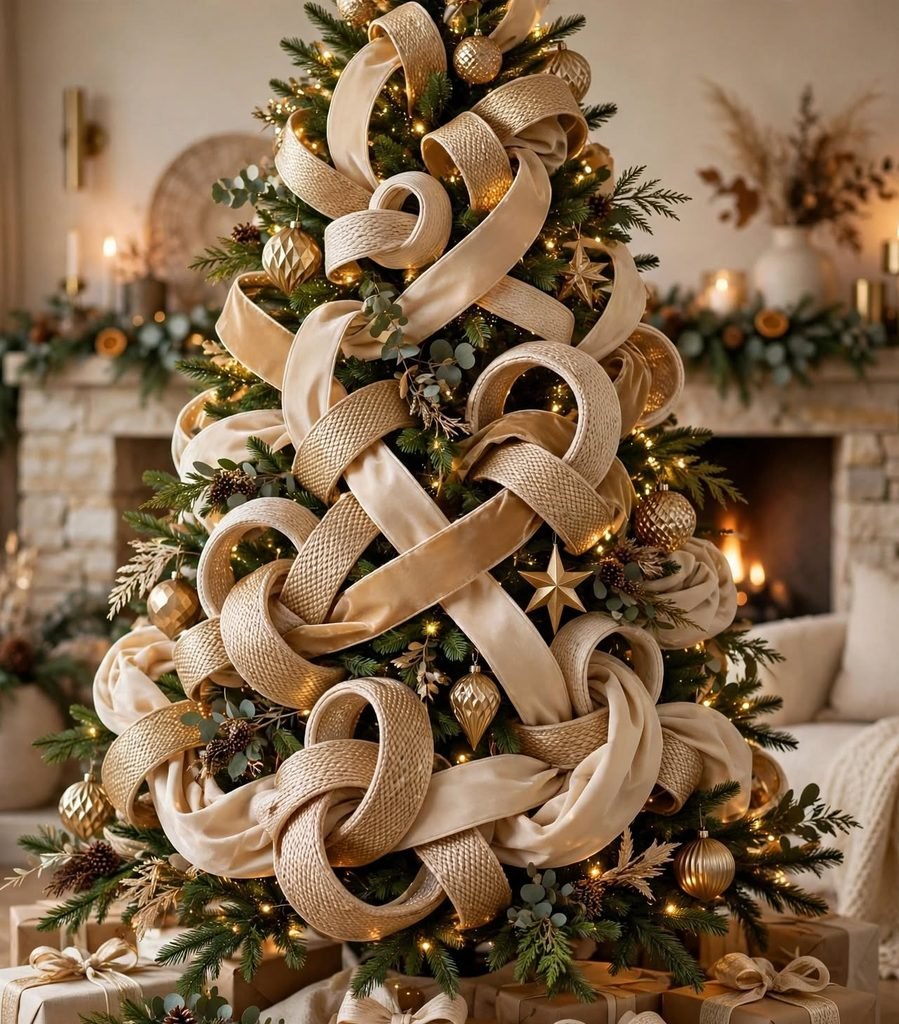
Dimensional ribbon weaving, threading wide ribbon in and out of a tree’s branches at varying depths rather than simply draping it across the surface, has become one of this season’s most notable styling techniques, adding genuine three-dimensional movement that flat ribbon placement doesn’t achieve. This technique requires more time and skill than a simpler ribbon application but produces a noticeably more considered, professionally styled result. Choosing a ribbon with some structure, like a wired edge, makes this weaving technique considerably easier to execute and maintain throughout the season.
2. Warm, Candlelight-Inspired Lighting
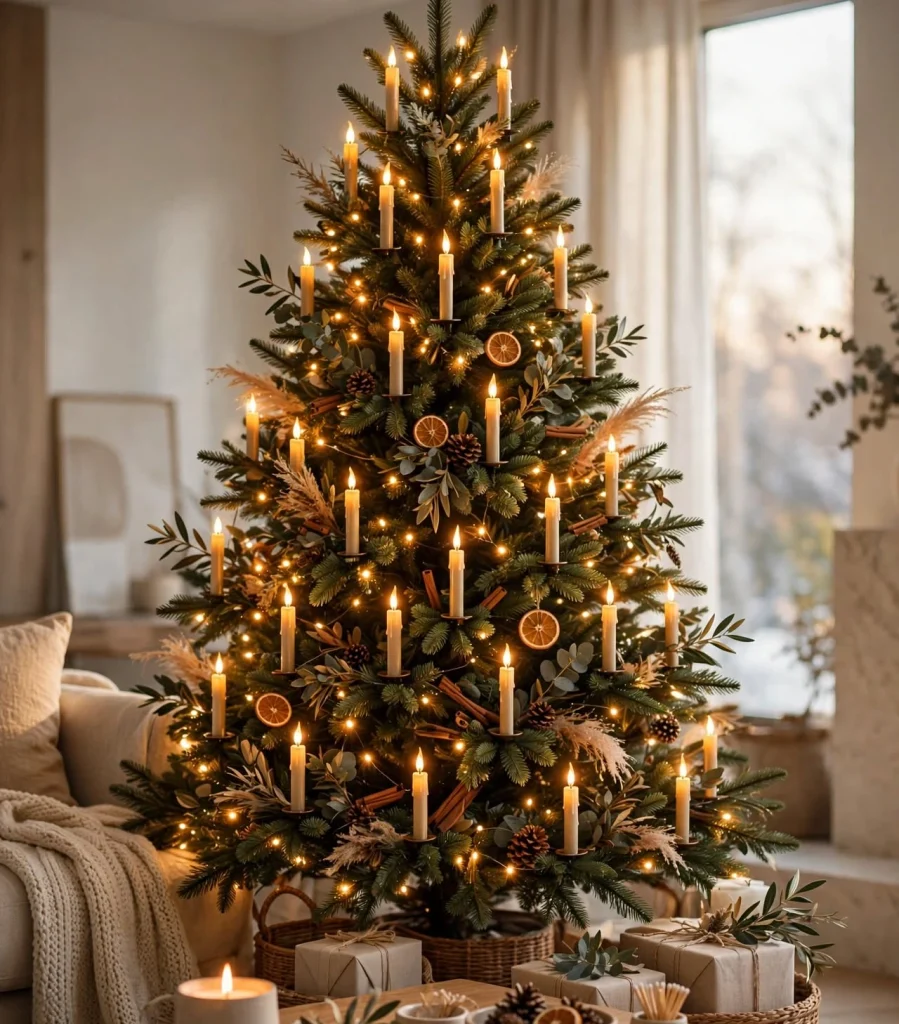
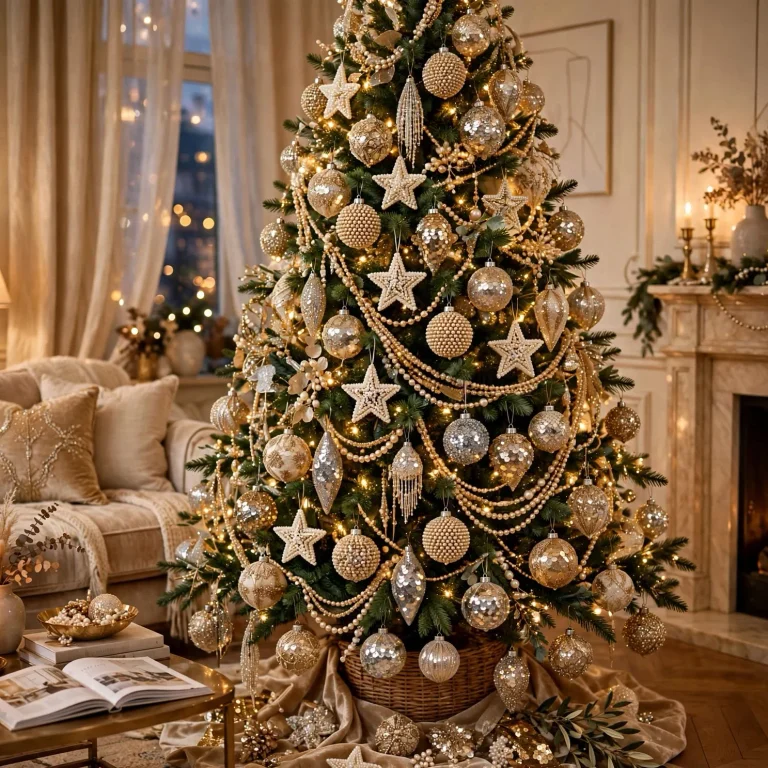
Warmer, more amber-toned lighting, closer to genuine candlelight than the brighter, whiter LED lighting popular in recent seasons, has emerged as a defining trend for 2026 trees, reflecting the broader home lighting shift toward warmer color temperatures throughout interior design generally. Choosing bulbs in the 2200K to 2700K range, rather than a cooler 3000K or above, achieves this softer, more flickering-candlelight quality. This lighting direction pairs particularly well with a tree decorated in warm metallics or deep jewel tones, reinforcing the overall cozy, dimensional atmosphere this season favors.
3. Oversized, Sculptural Tree Toppers
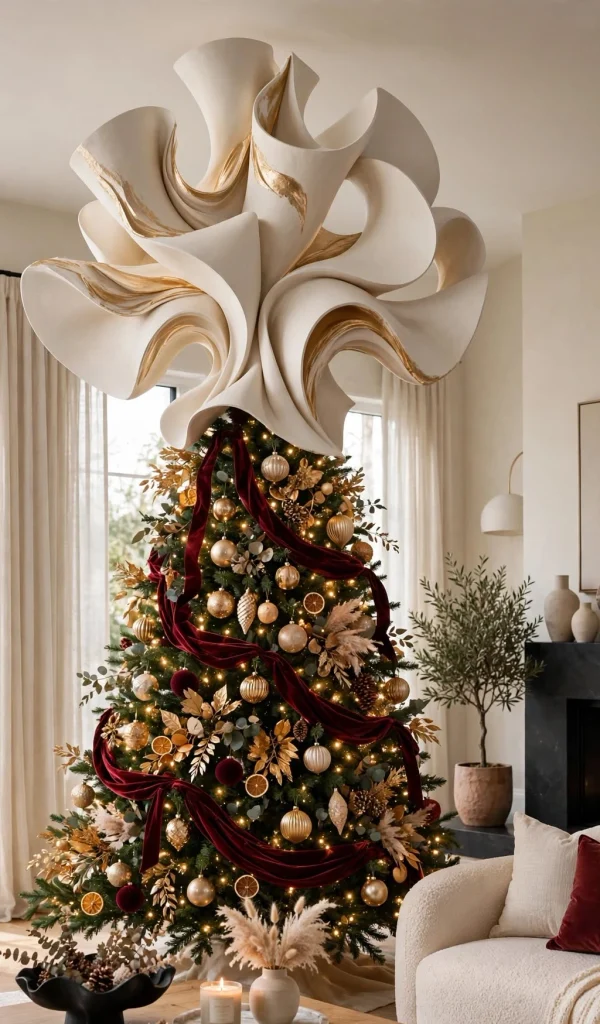
Oversized, genuinely sculptural tree toppers, moving well beyond a simple star or small bow into a substantial, artistic focal piece, mark a clear departure from the more modestly scaled toppers common in previous seasons. This trend treats the topper as a tree’s clear architectural crown rather than an afterthought detail, often incorporating dimensional materials like fabric, dried florals, or metalwork. Sizing this topper generously, often 14 inches or larger for a standard 7-foot tree, ensures it reads with appropriate visual weight from across the room.
| 2026 Trend | Departure From Recent Seasons | Key Material |
| Warm candlelight lighting | Brighter, cooler LED tones | Amber 2200–2700K bulbs |
| Dimensional ribbon | Flat, draped ribbon | Wired-edge ribbon |
| Oversized toppers | Small, modest toppers | Fabric, dried florals, metal |
| Reusable natural garland | Single-season plastic garland | Preserved eucalyptus, dried citrus |
4. Reusable Preserved Botanical Garland
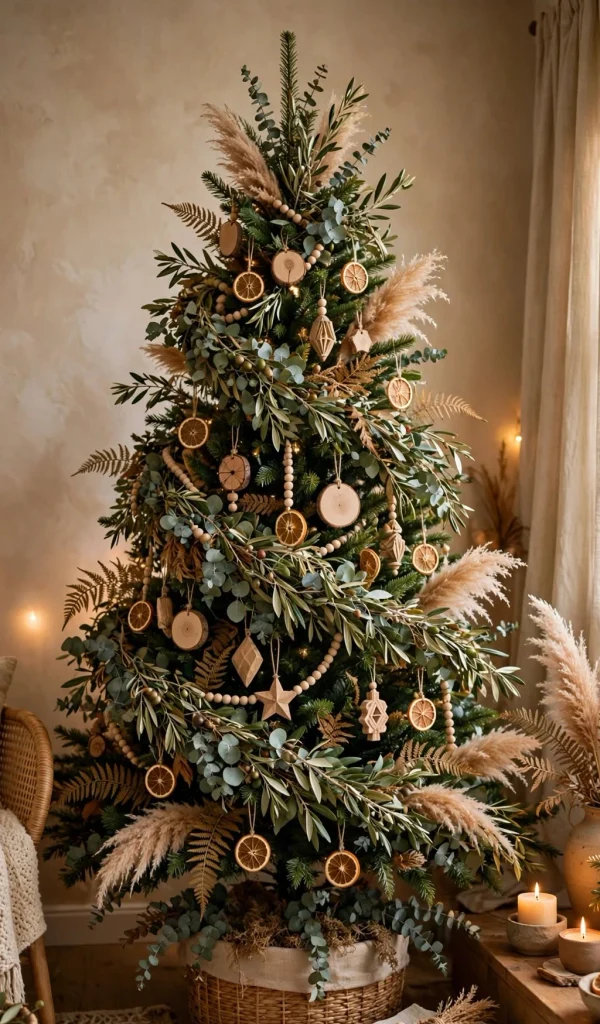
Preserved botanical garland, using eucalyptus, dried citrus, and other naturally preserved materials designed to last multiple seasons rather than a single year’s fresh use, reflects 2026’s continued emphasis on sustainable, reusable tree decor. This preservation process allows the garland to maintain its color and texture considerably longer than fresh-cut greenery while still offering genuine natural material appeal over plastic alternatives. Storing this garland properly between seasons, in a way that protects its preserved structure, extends its usable lifespan across many years of decorating.
5. Mixed-Height Ornament Clustering
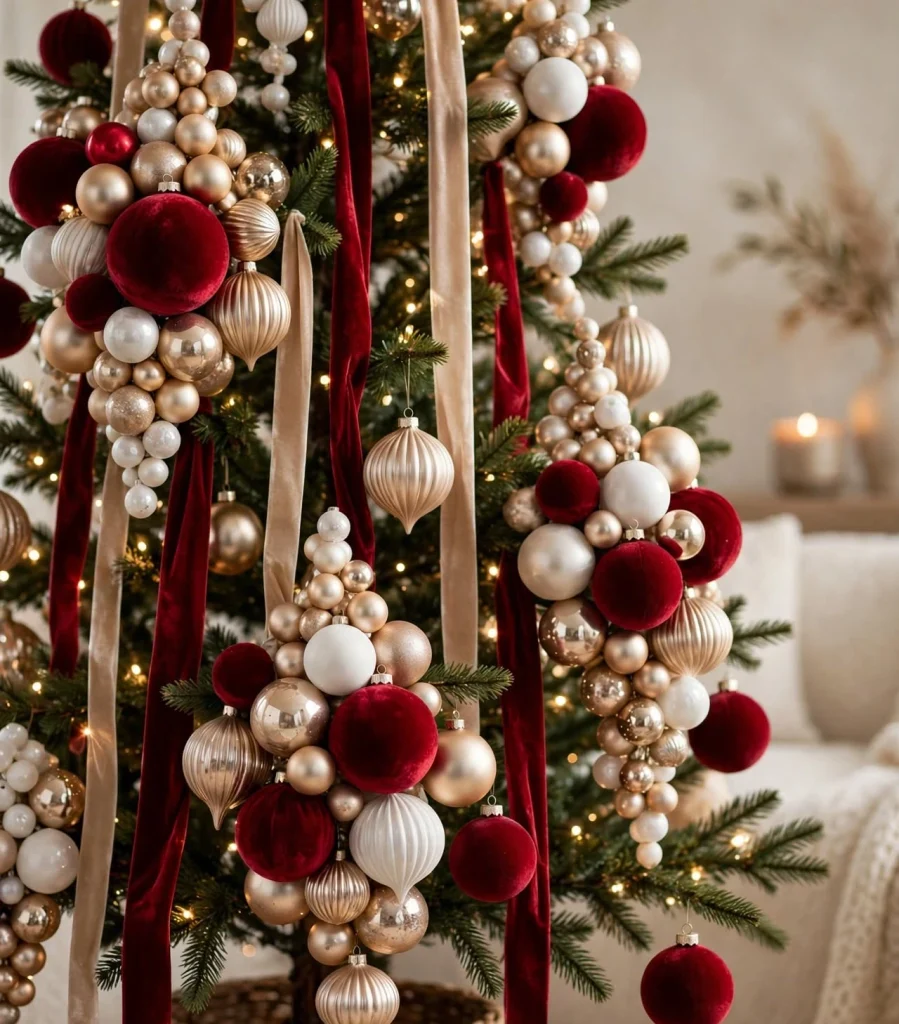
Mixed-height ornament clustering, grouping several ornaments together at a single branch point rather than spacing each ornament individually and evenly throughout the tree, creates a fuller, more organic-looking density that departs from the more uniformly spaced approach common in previous seasons. This technique works particularly well combined with varied ornament sizes within each cluster, adding genuine dimensional interest at specific focal points throughout the tree. This approach requires a slightly larger overall ornament quantity than even spacing, since the clustering concentrates visual weight rather than distributing it uniformly.
Explore our Christmas home decor ideas for creating a warm, festive, and welcoming home this holiday season.
6. Deep, Moody Jewel Tone Palettes
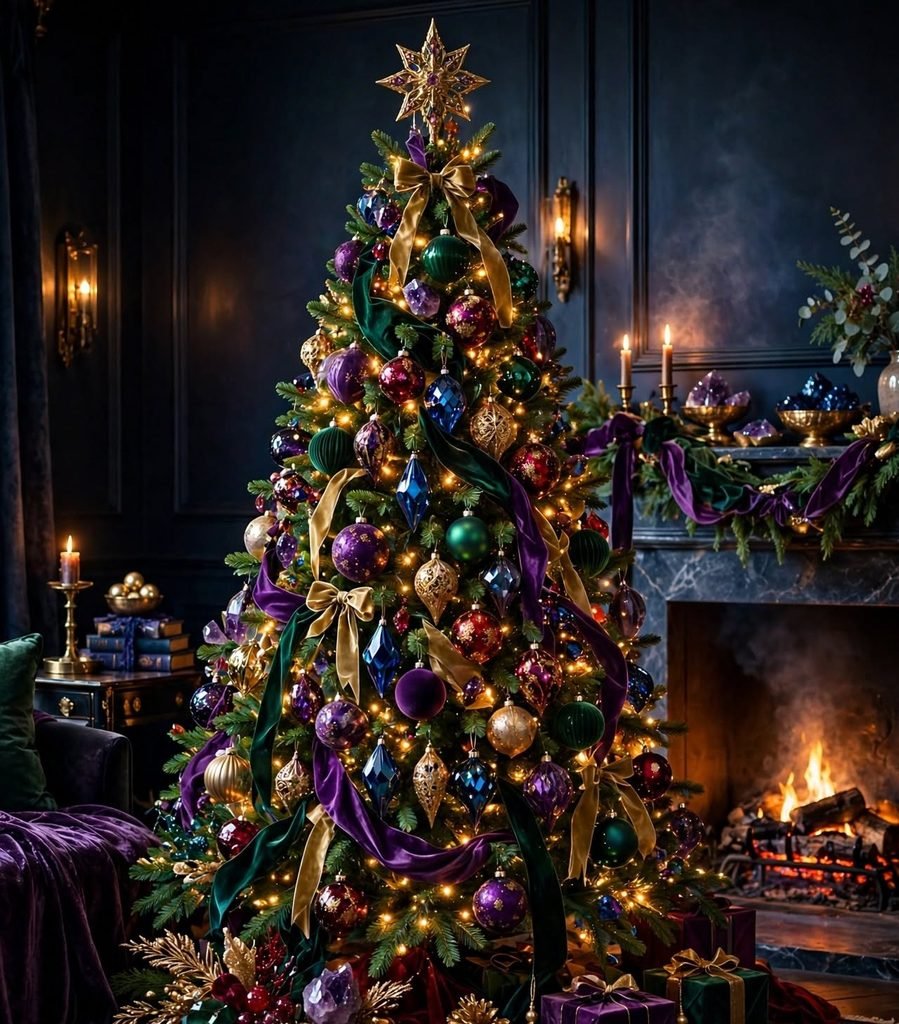
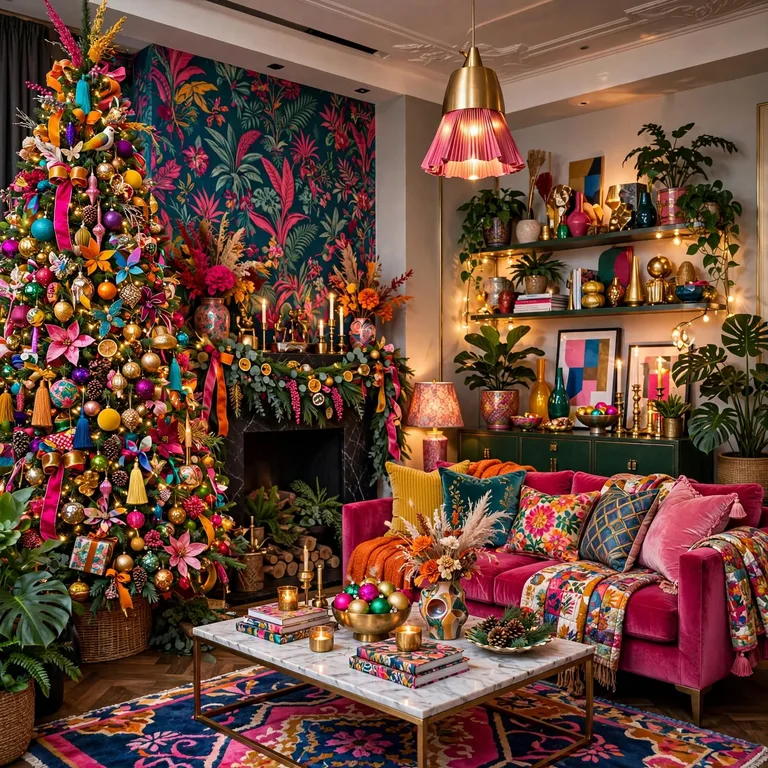
Deep, moody jewel tone color palettes, emerald, sapphire, and deep amethyst, paired with warm metallic accents, have gained significant momentum for 2026, offering a richer, more dramatic alternative to the lighter, more pastel-leaning palettes popular in recent seasons. This direction suits a household wanting a genuinely striking, statement tree rather than a softer, more subdued color story. Balancing these deep tones with adequate warm lighting prevents the palette from reading as overly dark or heavy once the tree is fully assembled.
7. Textural Layering Over Pure Color Coordination
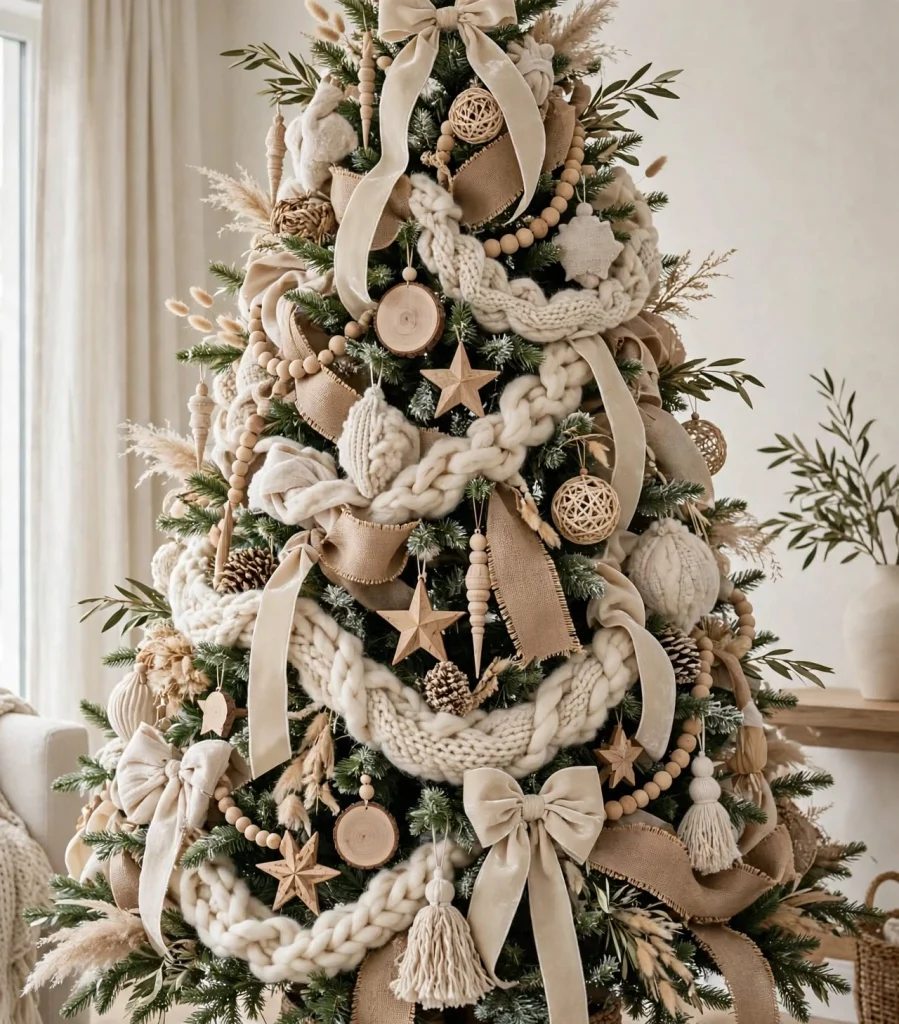
This season’s trees increasingly prioritize textural layering, boucle-style fabric ornaments, matte ceramic, rough-hewn wood, glossy glass, all within a single tree, over the flatter, purely color-coordinated approach that dominated recent seasons’ more minimal trees. This shift mirrors the same texture-forward direction seen throughout interior design generally, where varied material surface quality increasingly carries as much design weight as color choice alone. Incorporating at least three distinct textures within a chosen color palette achieves this trend’s genuine dimensional depth.
8. Design-Forward Alternative Tree Shapes
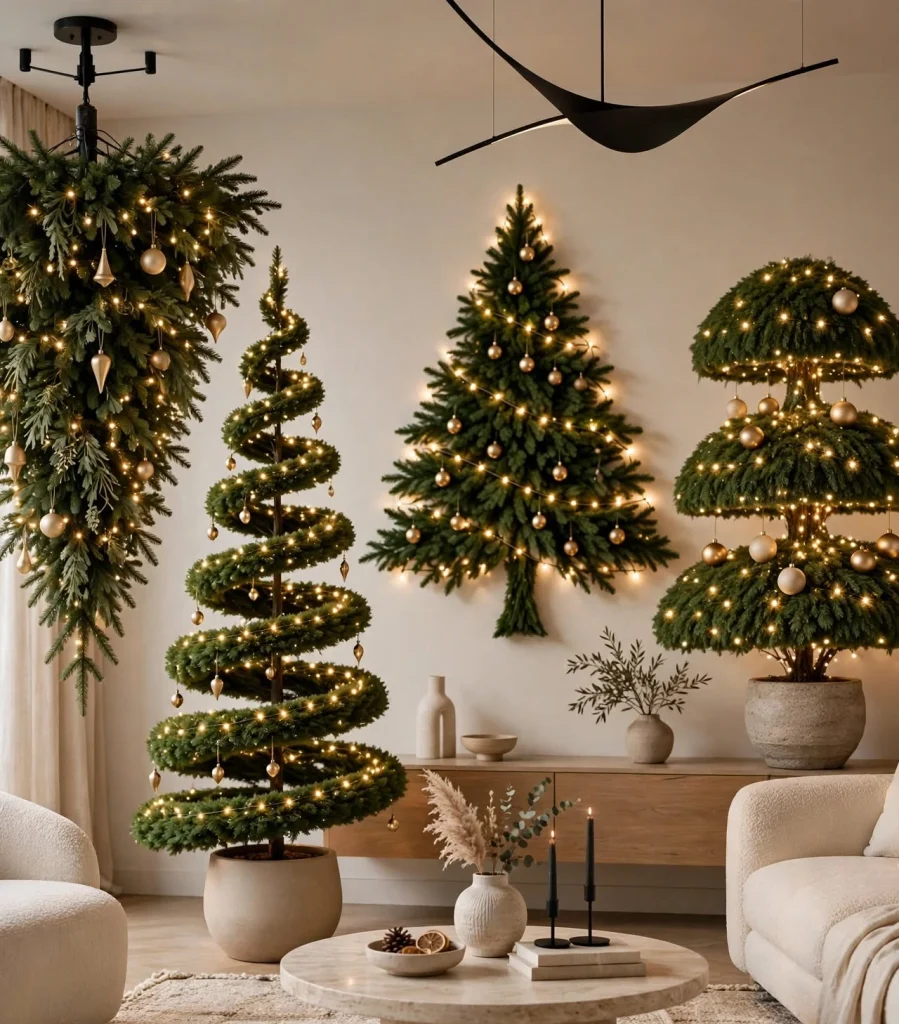
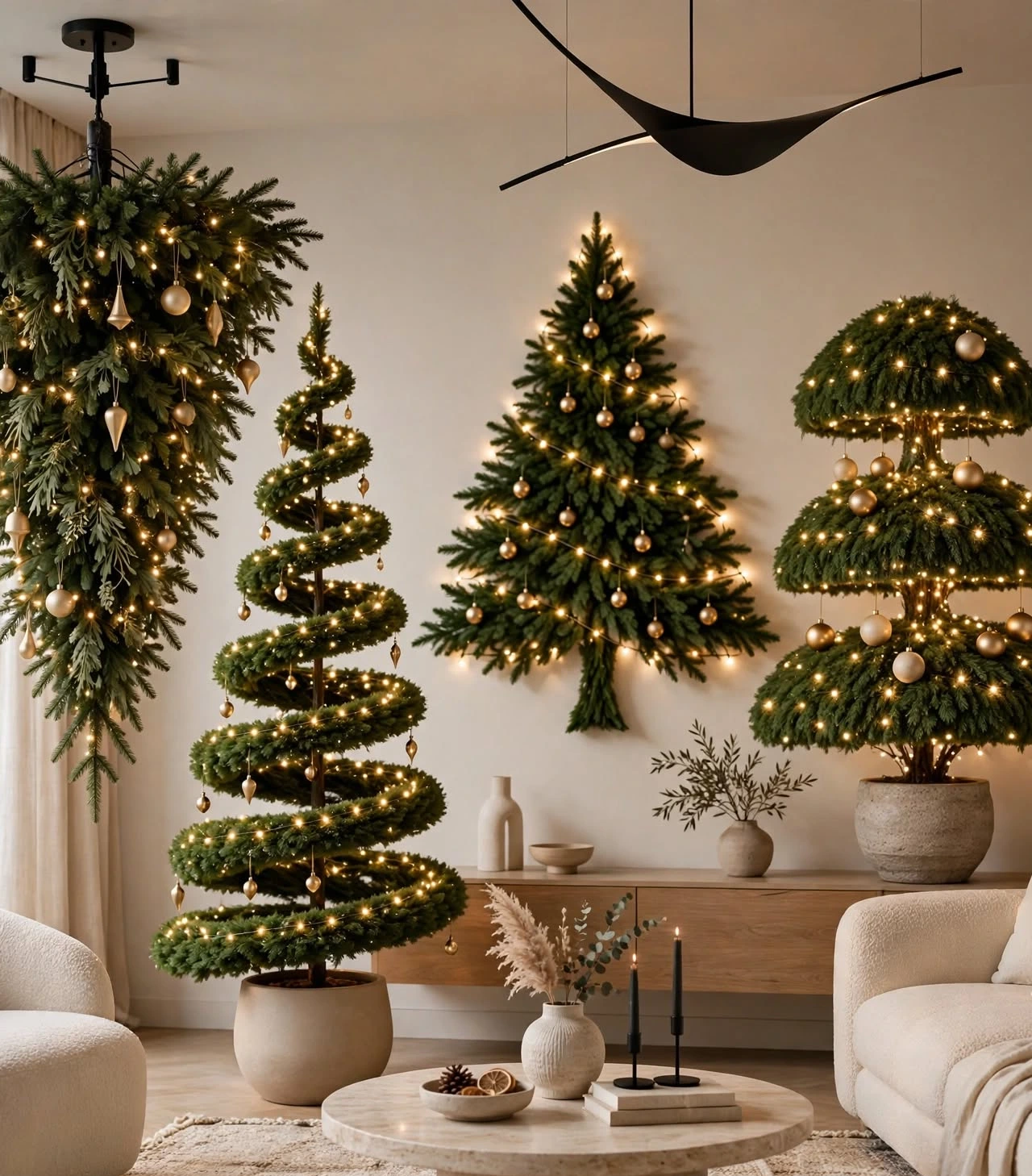
Alternative tree shapes, a slim pencil profile, an asymmetrical or intentionally irregular silhouette, or a genuinely sculptural non-traditional form, have grown in relevance for 2026 as households increasingly treat the tree as one element within a home’s broader intentional design language rather than a separate, purely traditional holiday object. This trend particularly suits a contemporary or design-forward home wanting the tree to feel cohesive with the rest of the space’s considered aesthetic. Choosing an alternative shape still allows for full decorating using this season’s other trending techniques, adapted to the tree’s specific non-traditional profile.
9. Integrated Smart Lighting Control
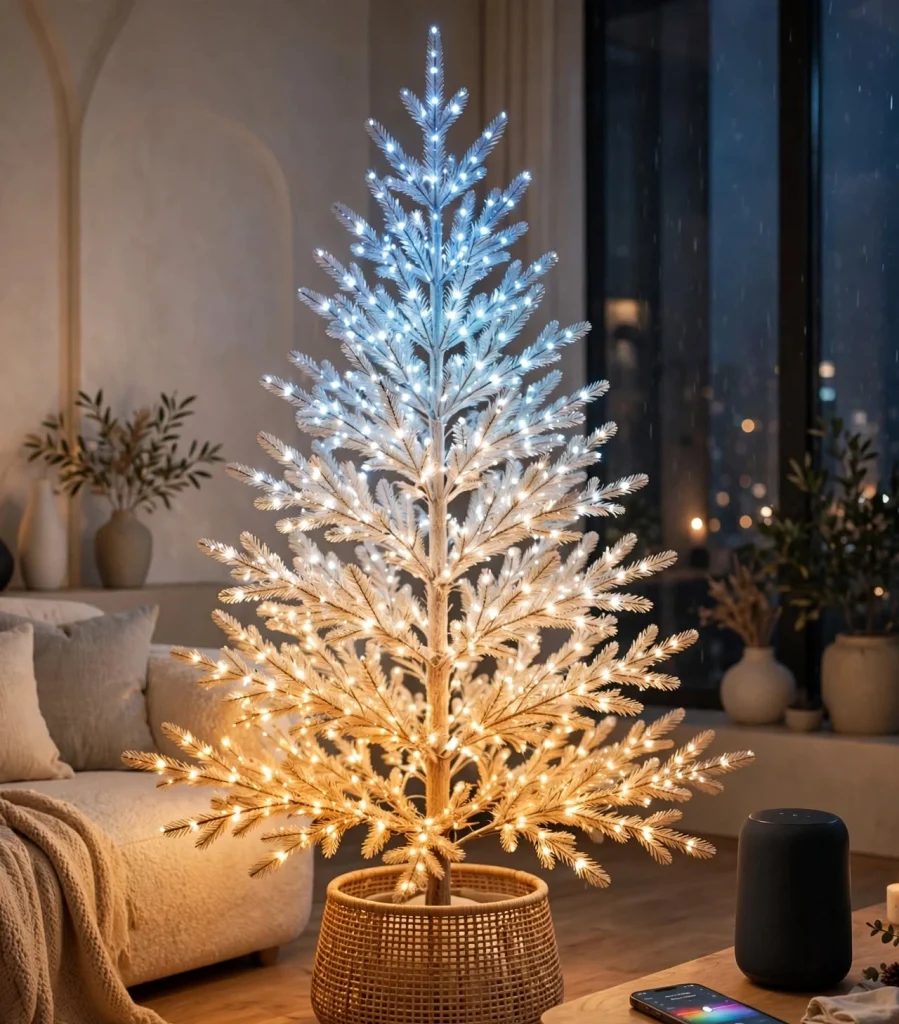
Smart, app-controlled tree lighting, allowing color temperature and brightness to be adjusted or scheduled without manually accessing the tree itself, has become considerably more accessible and popular for 2026, extending the broader smart home lighting trend into holiday-specific decorating. This technology allows a tree’s lighting to shift automatically between a brighter daytime setting and a warmer, dimmer evening glow without any manual adjustment. Choosing a system compatible with existing smart home infrastructure, rather than an isolated, standalone product, adds this convenience without introducing an entirely separate control system.
10. Handmade and Artisan-Sourced Ornaments
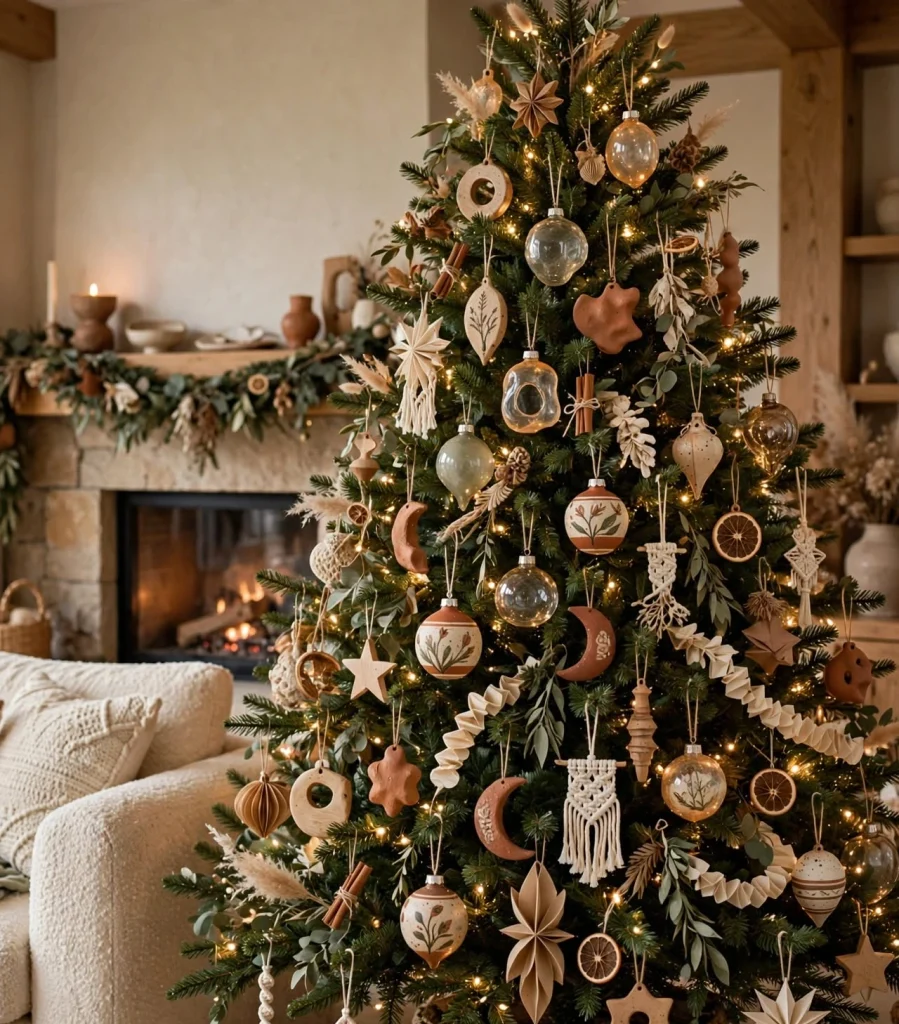
A continued and strengthening shift toward handmade, artisan-sourced ornaments, rather than mass-produced pieces, reflects 2026’s alignment with broader consumer interest in supporting independent makers and choosing decor with genuine individual character. This trend often means a tree’s ornament collection develops more gradually, sourced from studio potters, independent woodworkers, or small-batch textile makers, rather than purchased as a complete matched set from a single large retailer. This approach also naturally produces the textural variety this season’s other trends favor, since handmade pieces inherently carry more individual material variation than uniform manufacturing.
11. Fabric and Textile-Wrapped Ornaments
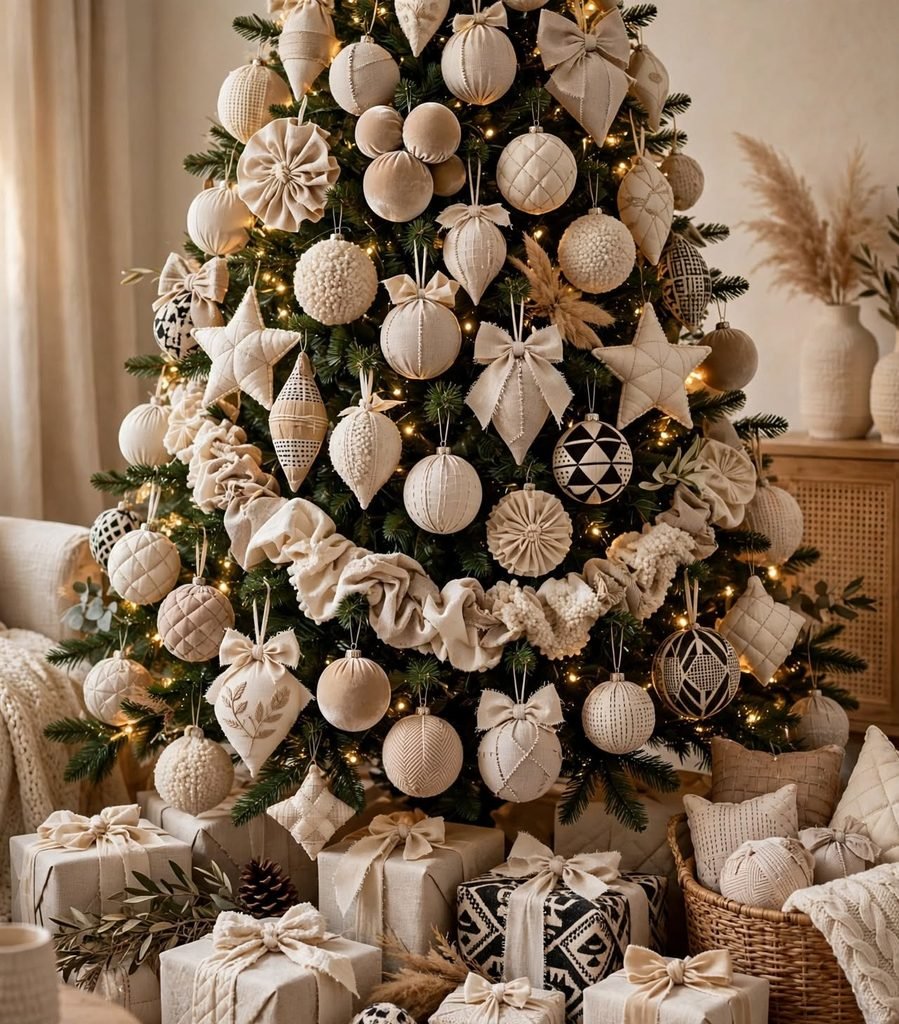
Fabric-wrapped or textile-based ornaments, using boucle, velvet, or woven materials rather than traditional glass or plastic, have grown notably in this season’s ornament trends, adding genuine softness and tactile variety to a tree’s overall texture story. This material choice also offers practical benefit for households with young children or pets, since fabric ornaments generally pose less breakage risk than glass alternatives. Mixing these textile ornaments with a smaller proportion of glass or metallic pieces maintains some sparkle and reflectivity alongside the season’s broader textural emphasis.
12. Asymmetrical, Organic Ornament Placement
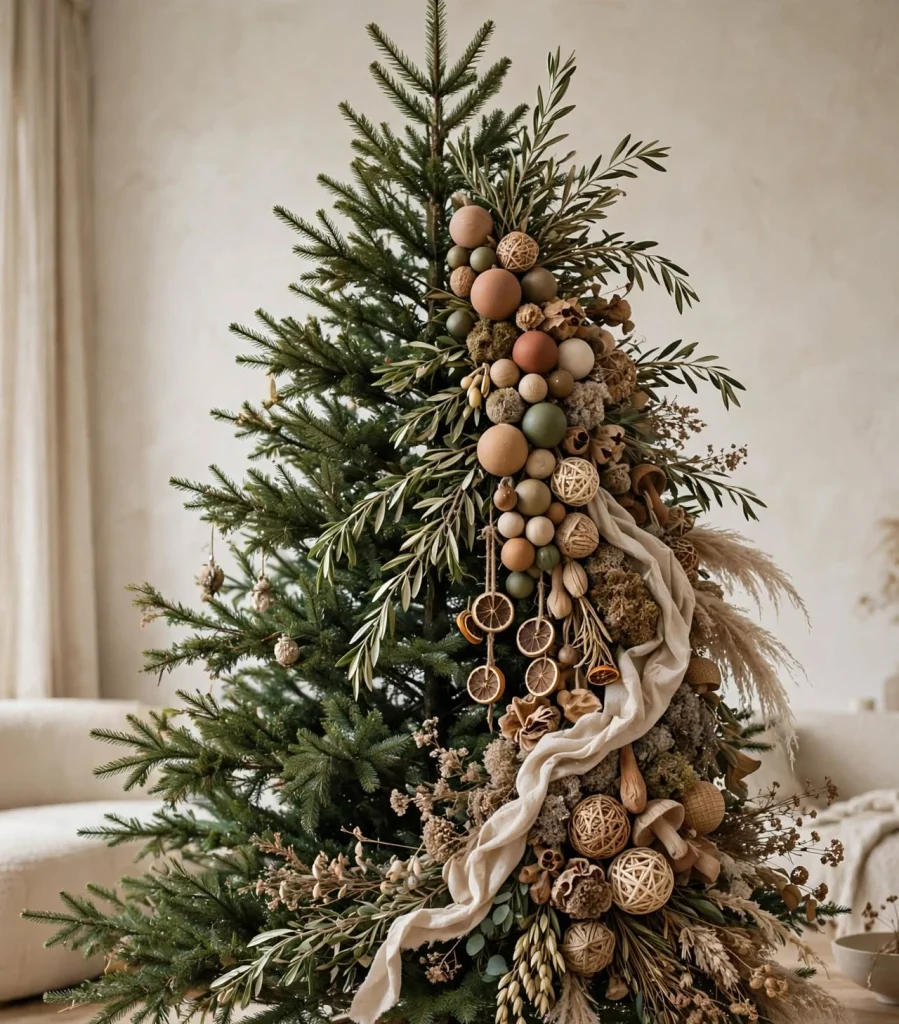
Moving away from strictly even, symmetrical ornament spacing toward a more organic, intentionally asymmetrical placement pattern reflects 2026’s broader preference for a tree that feels naturally gathered and layered rather than precisely engineered. This approach still requires genuine intentionality, distinguishing it from simply random, careless placement, but embraces some visual irregularity as part of the tree’s overall considered character. This technique pairs particularly well with the season’s mixed-height clustering trend, since both favor a more naturalistic, less uniform distribution of ornaments throughout the tree.
13. Extended Base Styling Beyond a Simple Skirt
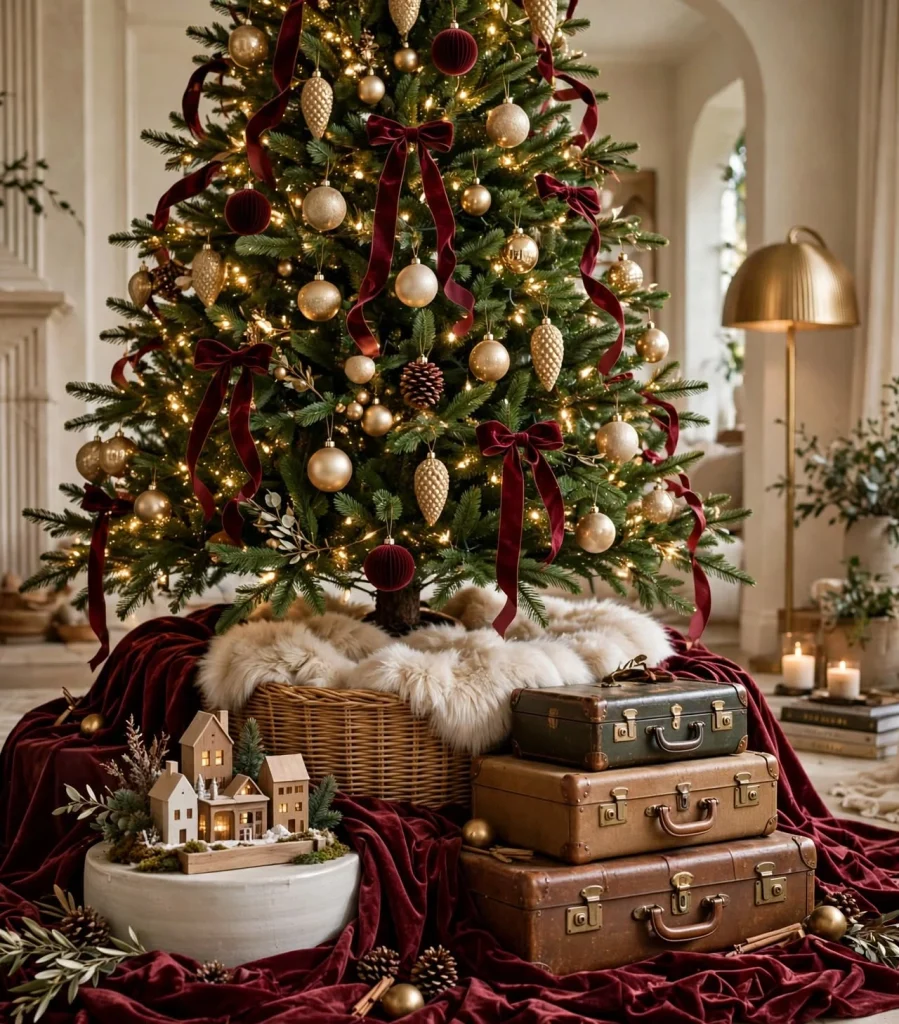
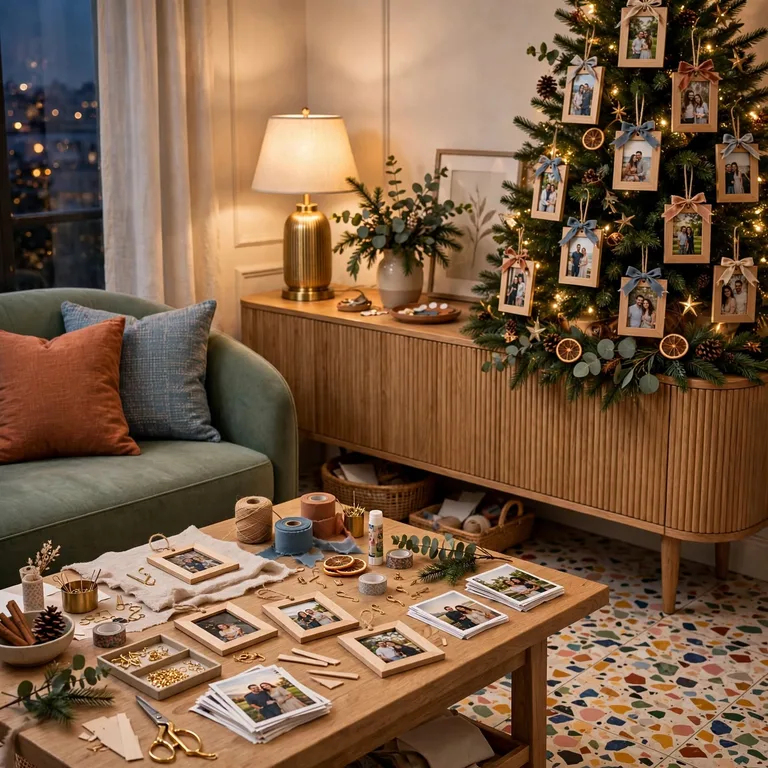
This season’s trees increasingly extend decorating attention to the base well beyond a simple fabric skirt, incorporating a woven basket, a wrapped fabric collar, layered natural elements like pinecones and dried florals scattered at the tree’s foot, or a small collection of wrapped gifts styled as part of the display itself. This expanded base treatment reflects the broader trend of treating every visible portion of the tree, not just the branches, with equal styling attention. This detail is particularly noticeable from a room’s typical seated vantage point, making it a worthwhile area of focus for 2026 decorating.
14. Cohesive Tree-to-Room Color Extension
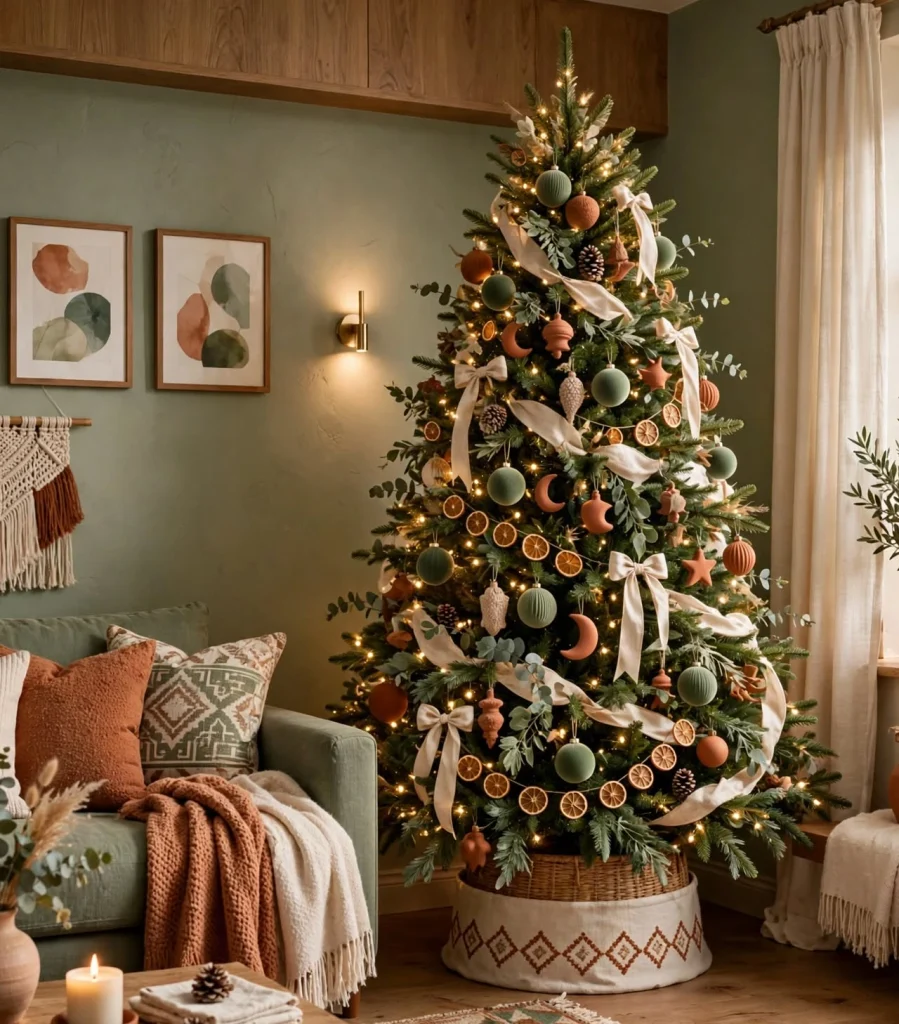
Extending a tree’s specific color palette into the surrounding room’s other Christmas decorating, garland, stockings, wrapping paper, all drawing from the same coordinated scheme, has become a more deliberate 2026 planning priority than treating the tree as an isolated decorating decision separate from the rest of the room. This approach requires planning a whole-room color scheme before beginning any individual decorating, rather than choosing tree ornaments and other decor independently. This trend reflects the same intentional, whole-space thinking increasingly applied to everyday interior design extending fully into holiday-specific decorating.
15. Reduced Overall Ornament Density With Higher Individual Quality
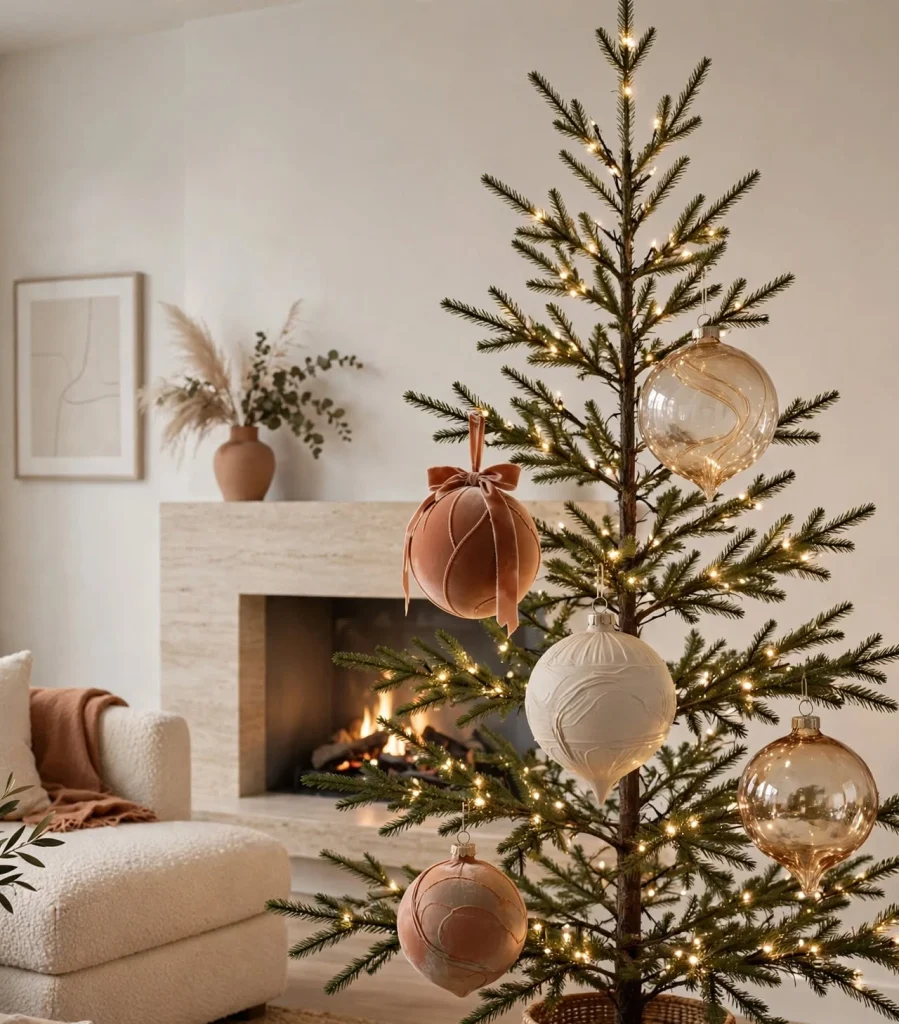
A modest but notable trend toward slightly reduced overall ornament density, fewer total pieces but each individually more considered and higher quality, reflects 2026’s alignment with the broader “fewer, better things” philosophy increasingly present throughout home decorating generally. This approach favors investing in a smaller collection of genuinely well-made or meaningful ornaments over a denser, less curated full coverage. This trend works particularly well combined with this season’s clustering technique, since concentrated groupings of higher-quality pieces can still achieve visual fullness without requiring the same total ornament count a uniform, denser approach would need.
Shop the Look
Start this season’s tree with warm 2200K to 2700K lighting and a wired-edge ribbon for dimensional weaving throughout the branches. Build the ornament collection around textural variety, boucle fabric pieces, matte ceramic, and a smaller proportion of glass, clustered at varying heights rather than evenly spaced. Finish with an oversized sculptural topper and extended base styling using a woven basket or wrapped fabric collar, then echo the tree’s chosen palette through the room’s remaining Christmas decor for full cohesion.
Common Mistake to Avoid
A common mistake when adopting current Christmas tree trends is attempting every trend simultaneously without any unifying thread, resulting in a tree that feels trend-chasing and disjointed rather than genuinely considered. Choosing two or three trends that align naturally, warm lighting paired with jewel tones and dimensional ribbon, for instance, produces a more cohesive result than incorporating every current direction into a single tree regardless of whether they genuinely complement each other. Selecting trends based on what suits the household’s existing home style and personal preference, rather than adopting every emerging direction indiscriminately, produces the most successful and lasting result.
FAQs
Do I need to replace my existing tree decor to follow 2026 trends?
Most of this season’s trends, warmer lighting, dimensional ribbon technique, mixed-height clustering, can be applied using an existing ornament collection and tree, requiring primarily a styling approach change rather than a full decor replacement. Trends specifically tied to new materials, textile ornaments or a smart lighting system, do require some new purchases, but these can be incorporated gradually alongside existing decor rather than requiring a complete replacement all at once. Prioritizing the styling technique changes first, since they cost nothing beyond time, offers a low-cost way to freshen a tree’s look with current trends before considering any new purchases.
Which 2026 Christmas tree trend works best for a small budget?
Warmer lighting and dimensional ribbon weaving both require minimal to no additional cost beyond potentially replacing existing lights with warmer-toned bulbs, making these two trends among the most budget-friendly ways to update a tree’s look this season. Reusable preserved botanical garland does require an upfront purchase but offers better long-term value than single-season alternatives given its multi-year reusability. Focusing on technique-based trends, clustering, asymmetrical placement, over material-based trends requiring new purchases generally makes adopting current styling most accessible on a limited budget.
Are jewel tones or lighter palettes more popular for 2026 trees?
Deep jewel tones have gained significant momentum for 2026, offering a richer, more dramatic alternative to the lighter, more pastel-leaning palettes that were more prominent in recent seasons, though lighter and monochromatic palettes remain a genuinely popular, ongoing direction as well rather than falling entirely out of favor. The choice between these directions ultimately comes down to personal preference and how the tree fits within a home’s broader color story, since both palettes can be executed successfully using this season’s other trending techniques like dimensional ribbon and textural layering. Households wanting a more dramatic, statement tree tend toward the jewel tone direction, while those preferring a softer, more restrained look continue favoring lighter palettes.
How do I incorporate sustainability into my tree decorating this year?
Choosing preserved botanical garland over disposable plastic alternatives, prioritizing handmade or artisan-sourced ornaments built to last many seasons, and investing in a quality tree topper and lighting designed for years of reuse all reflect 2026’s sustainability-conscious decorating direction. Building an ornament collection gradually from quality, durable pieces rather than purchasing a large quantity of lower-cost, potentially disposable decorations also supports this approach over time. These sustainability-focused choices generally align well with this season’s other trends, texture, quality over quantity, and handmade character, rather than requiring a separate, disconnected decorating strategy.
Will these 2026 trends still look current in a few years?
Several of these trends, warmer lighting, textural layering, quality over quantity in ornament selection, reflect broader, more durable shifts in home decorating generally rather than narrow, single-season novelties, suggesting they’ll likely remain relevant well beyond this specific year. Trends tied more specifically to a particular color palette or a very specific styling technique may evolve more quickly as design preferences continue shifting season to season. Prioritizing the more foundational trends, technique and material quality over a highly specific color or styling choice, when making any new purchases tends to produce decor with better long-term relevance.
Conclusion
This season’s Christmas tree trends build on texture, warmth, and sustainability, directions already well established throughout home design generally, now extending fully into how trees are styled and decorated. Save this guide to Pinterest for reference while planning this year’s tree, and check out our related post on Christmas tree decor ideas for complete themed combinations that incorporate many of these current directions.