15 Innovative DIY Room Decor Ideas for a Cozy Bedroom Refresh
A tired bedroom doesn’t need a contractor to feel new again. With the right diy room decor projects, a few hours and a modest budget can shift a flat, forgettable room into one with texture, warmth, and personality. This guide walks through fifteen ideas that range from a weekend shelf install to a full canopy bed frame, covering materials, spacing, and rough costs along the way. By the end, you’ll have a shortlist of projects sized to your weekend and your wallet.
Trend & Background
Interest in small-scale home updates has grown as renters and homeowners alike look for ways to personalize a space without the cost or commitment of a renovation. Rising material prices and longer wait times for custom furniture have pushed more people toward hands-on projects using shelving, textiles, and lighting they can install themselves. Social platforms have also normalized before-and-after room reveals, making bedroom updates feel achievable in a weekend rather than a multi-week undertaking, which is part of why these ideas keep circulating right now.
Key Takeaways
- DIY room decor projects like floating shelves, canopy beds, and gallery walls can update a bedroom without a full renovation budget.
- Textiles such as boucle, velvet, and fringe trim add texture and warmth to a room in a single afternoon.
- Reference tables throughout this guide cover sizing, spacing, and budget comparisons for common projects.
- Simple lighting and wall treatments make the biggest visual impact for the lowest cost.
1. Gallery Wall Frame Grid
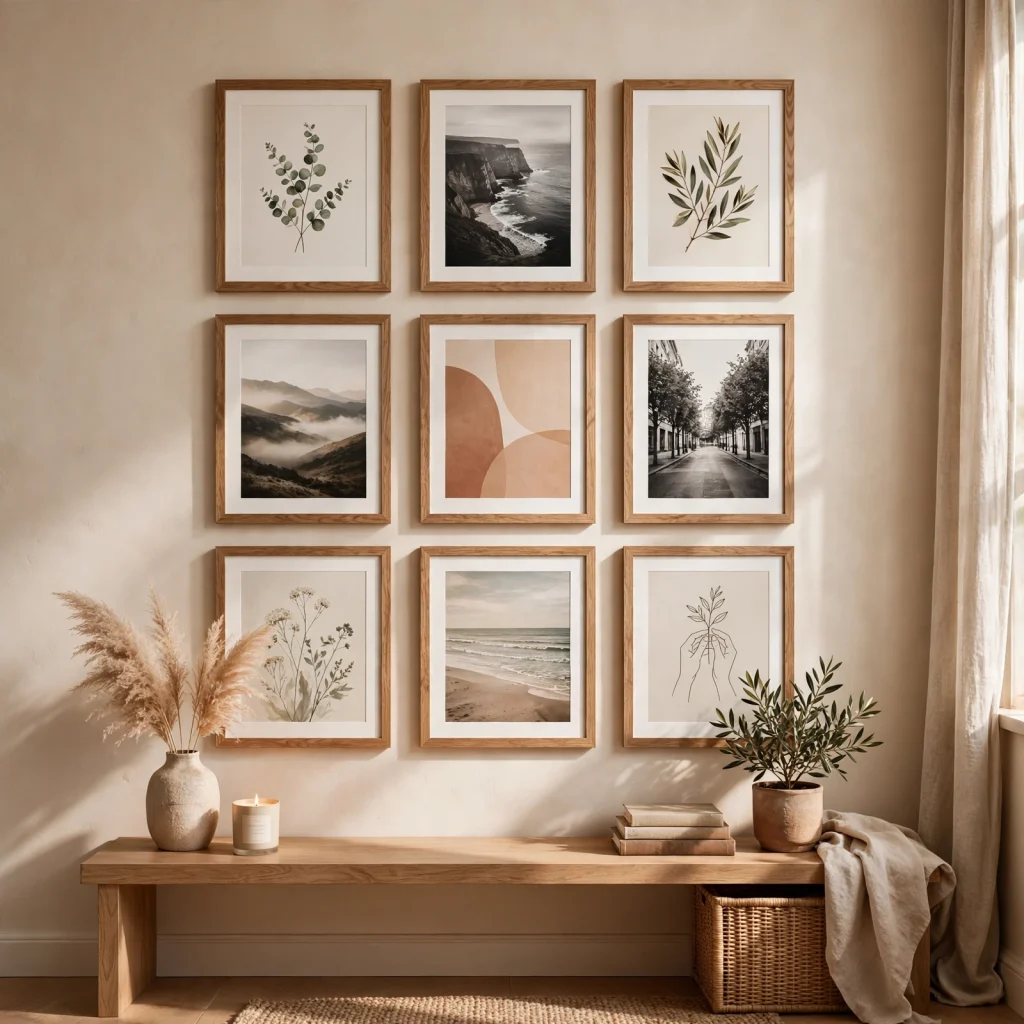
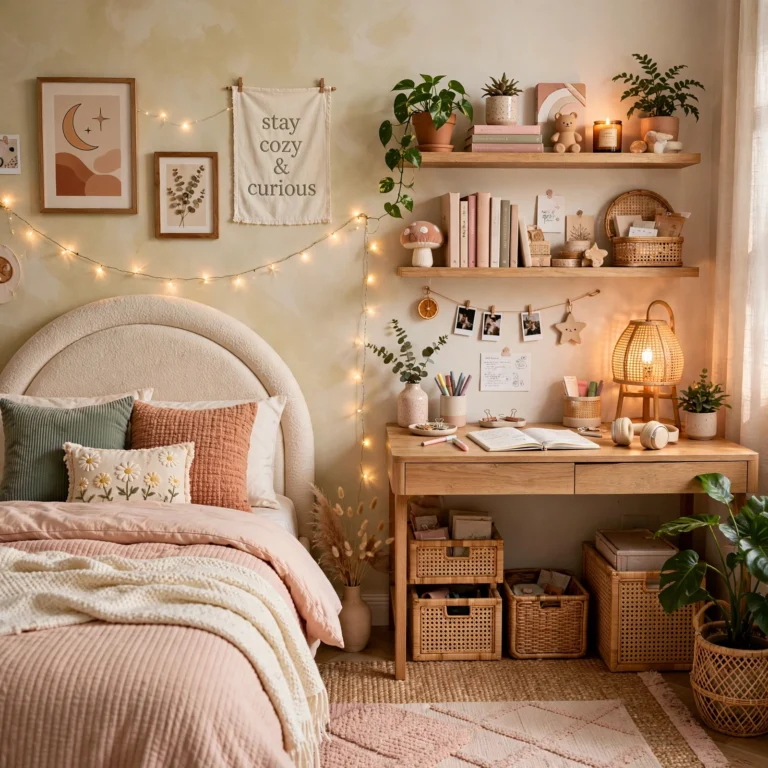
A gallery wall built from matching black or oak frames turns a blank stretch above a headboard or dresser into a focal point without repainting anything. Mix in a few mirrors or small art prints alongside photos for variety, and lay the arrangement out on the floor first before committing to nail holes. Symmetrical grids read as more polished than scattered layouts, and consistent frame spacing matters more than matching artwork, since it’s the negative space that ties everything together visually.
| Frame Count | Recommended Spacing | Layout Style |
| 3-4 frames | 2-3 inches | Horizontal row |
| 5-7 frames | 2 inches | Grid |
| 8+ frames | 1.5-2 inches | Salon-style scatter |
2. Floating Wood Shelves
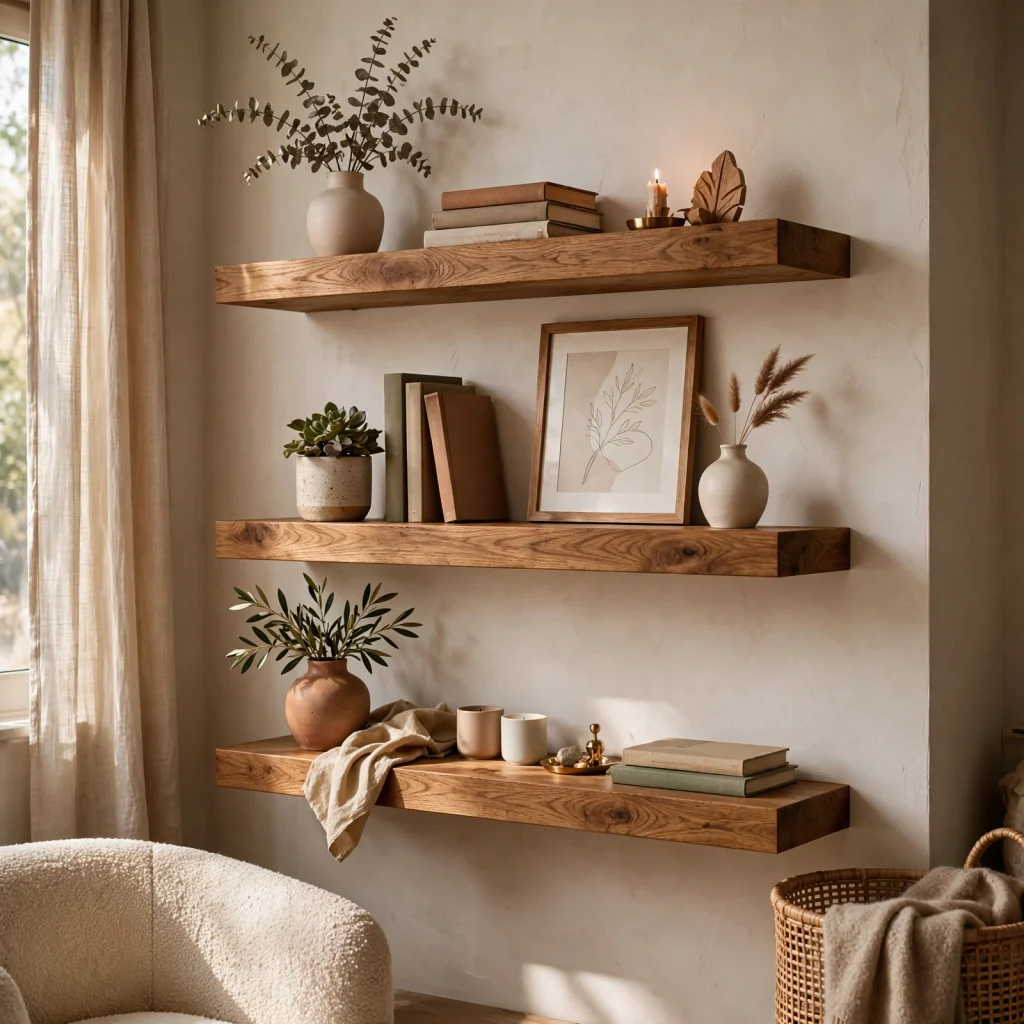
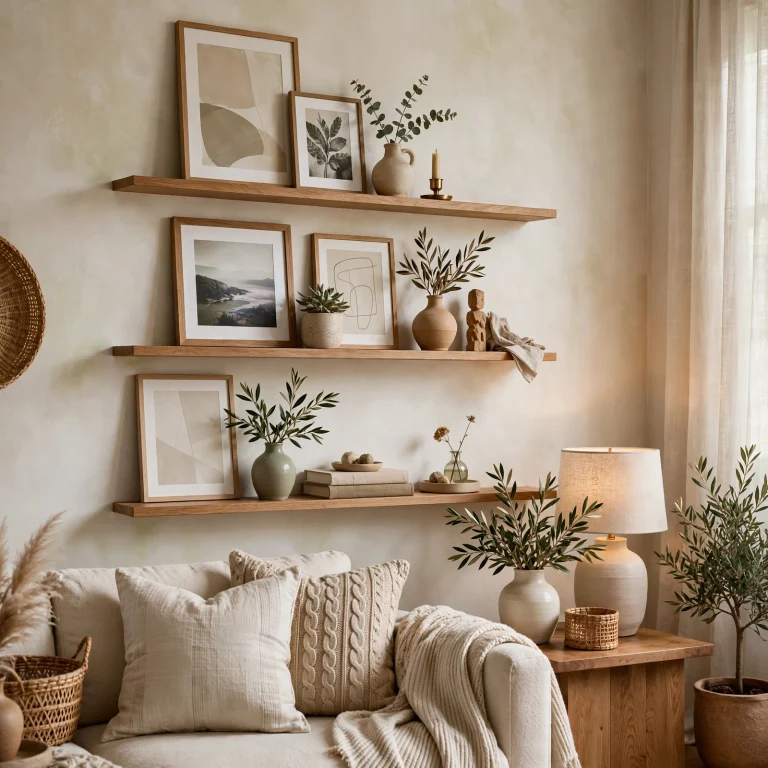
Floating shelves in solid oak, walnut, or pine give a wall storage and display space without the bulk of a bookcase. They work well staggered in odd numbers above a desk or bed, holding books, small plants, or framed photos. Because there are no visible brackets, the hardware needs to be rated for the shelf depth and expected load, so checking weight capacity before hanging avoids sagging. A dark stain against a light wall makes the shelves read as intentional rather than an afterthought.
| Shelf Depth | Best Use | Vertical Spacing |
| 6 inches | Photos, small decor | 10-12 inches |
| 8-10 inches | Books, plants | 12-14 inches |
| 12 inches | Storage bins, larger objects | 14-16 inches |
3. Macrame Wall Hanging
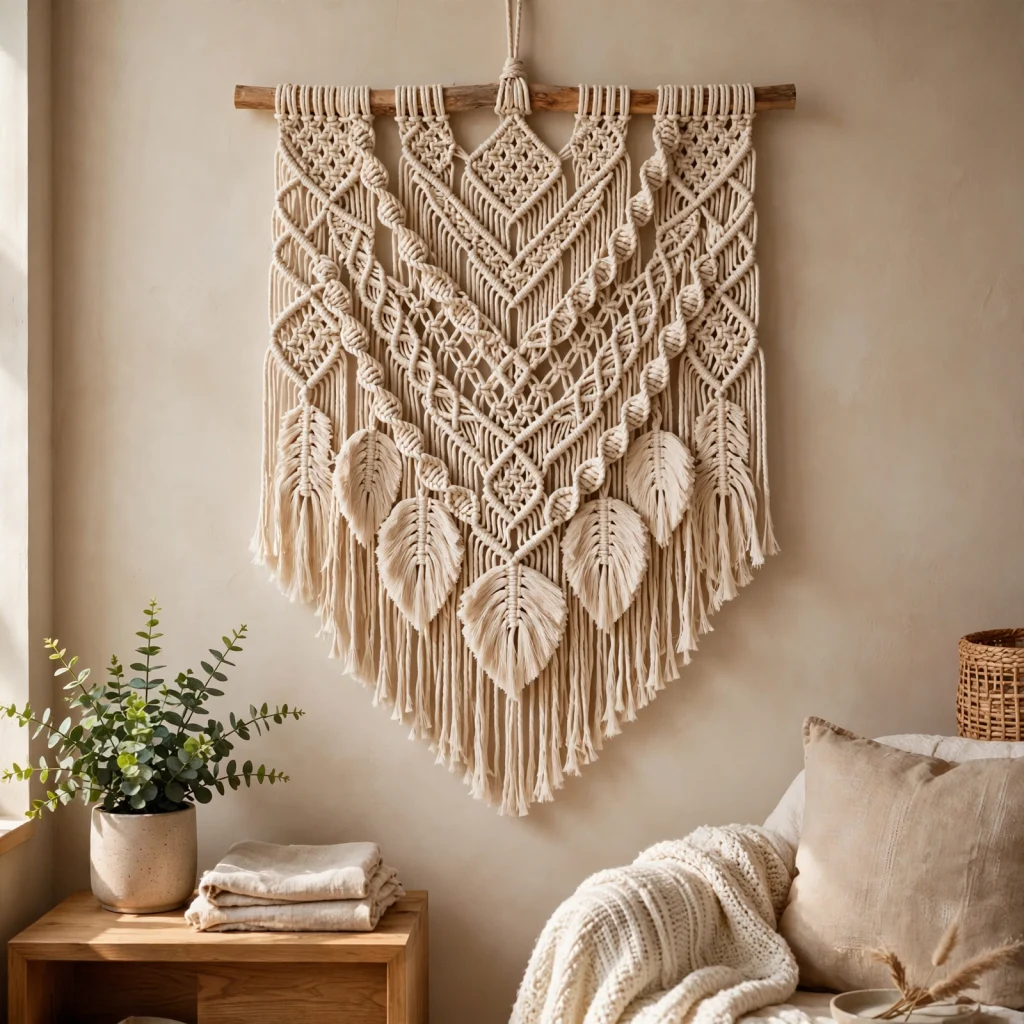
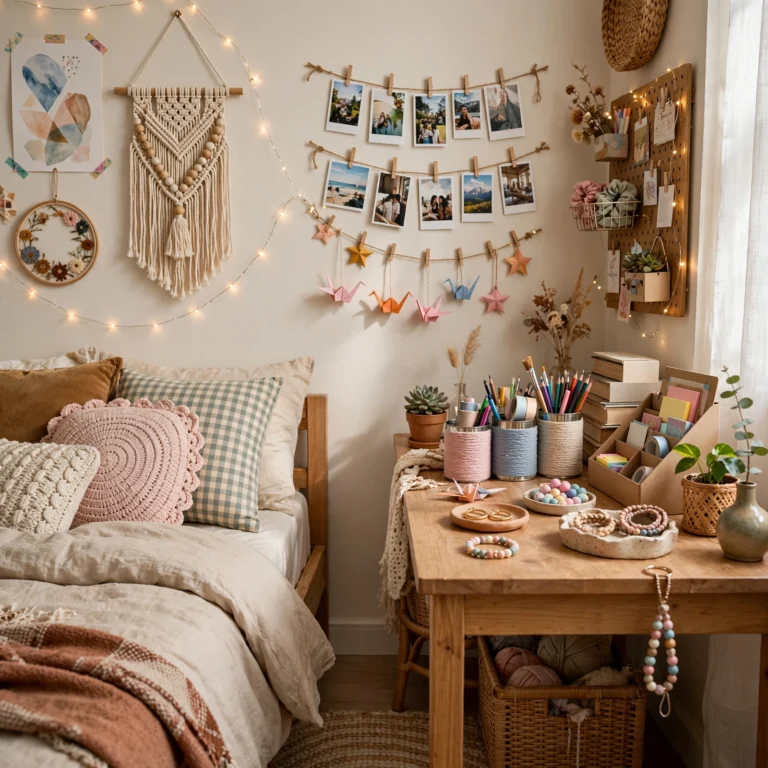
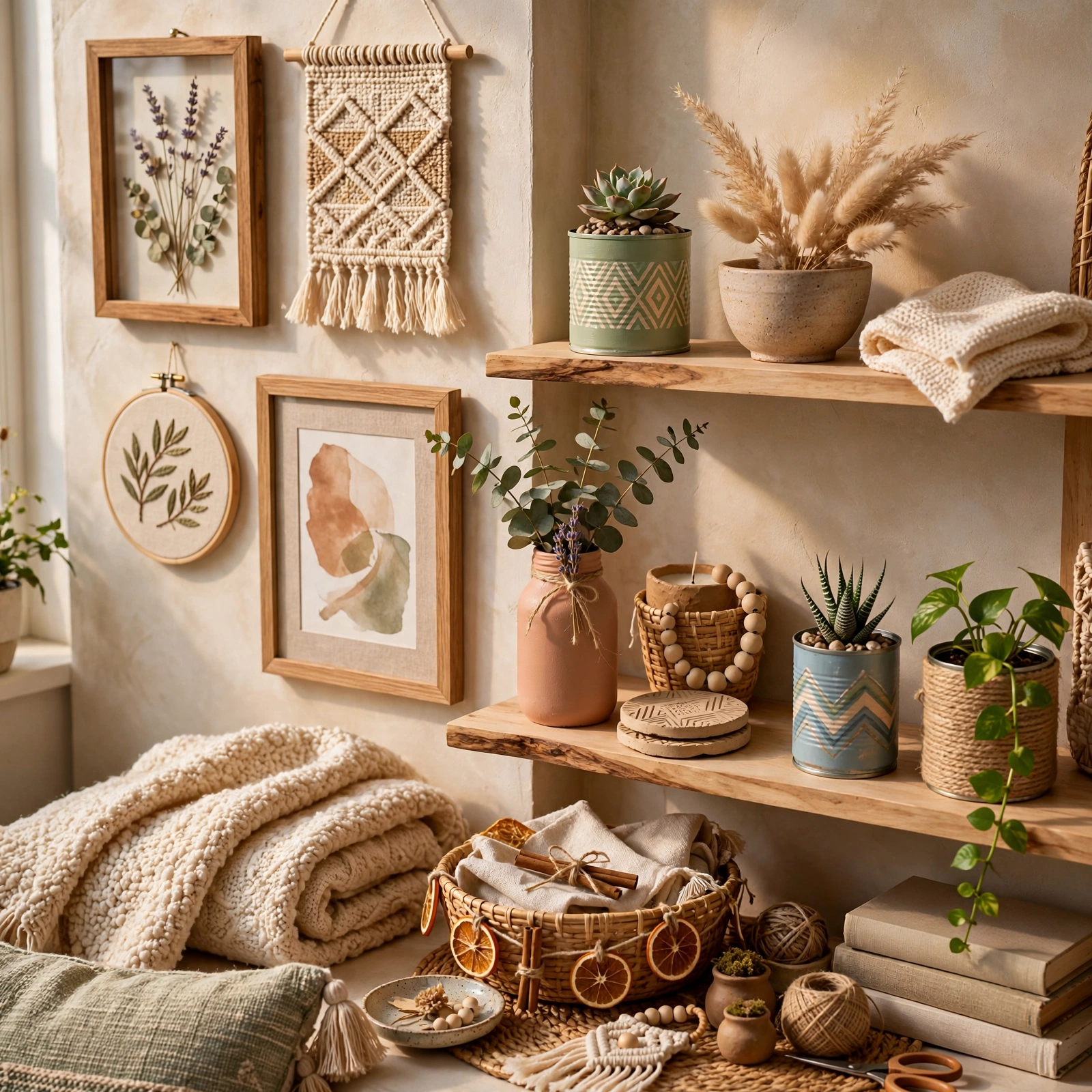
A macrame wall hanging adds texture to a bedroom wall using nothing but knotted cotton cord and a wooden dowel. It works especially well above a bed in place of a headboard, or tucked into a reading nook beside a chair. The knotting patterns range from simple diagonal rows to more elaborate lattice designs, so beginners can start with a small piece and build confidence before attempting a larger one. Natural, undyed cord keeps the look neutral enough to pair with almost any color scheme.
4. Peel-and-Stick Wallpaper Accent
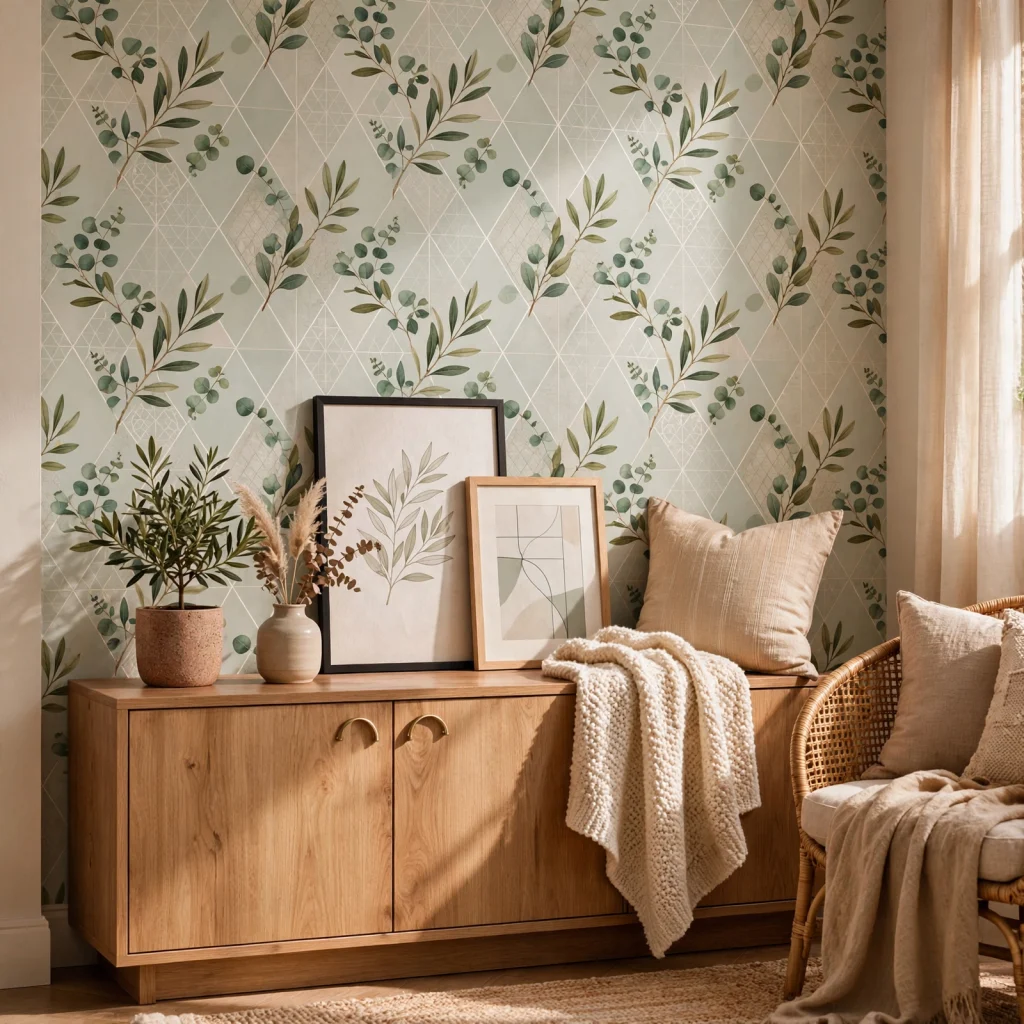
Peel-and-stick wallpaper lets a renter add pattern to a single accent wall without the commitment of paste or a security deposit risk. Textured options like grasscloth or subtle geometric prints add depth without overwhelming a small bedroom, especially when applied only behind a bed or on a closet door. Application goes fastest with two people, one holding the roll level while the other smooths from the center outward, which prevents the bubbling that ruins most first attempts at this kind of install.
To see more room decor ideas
5. Canopy Bed Frame
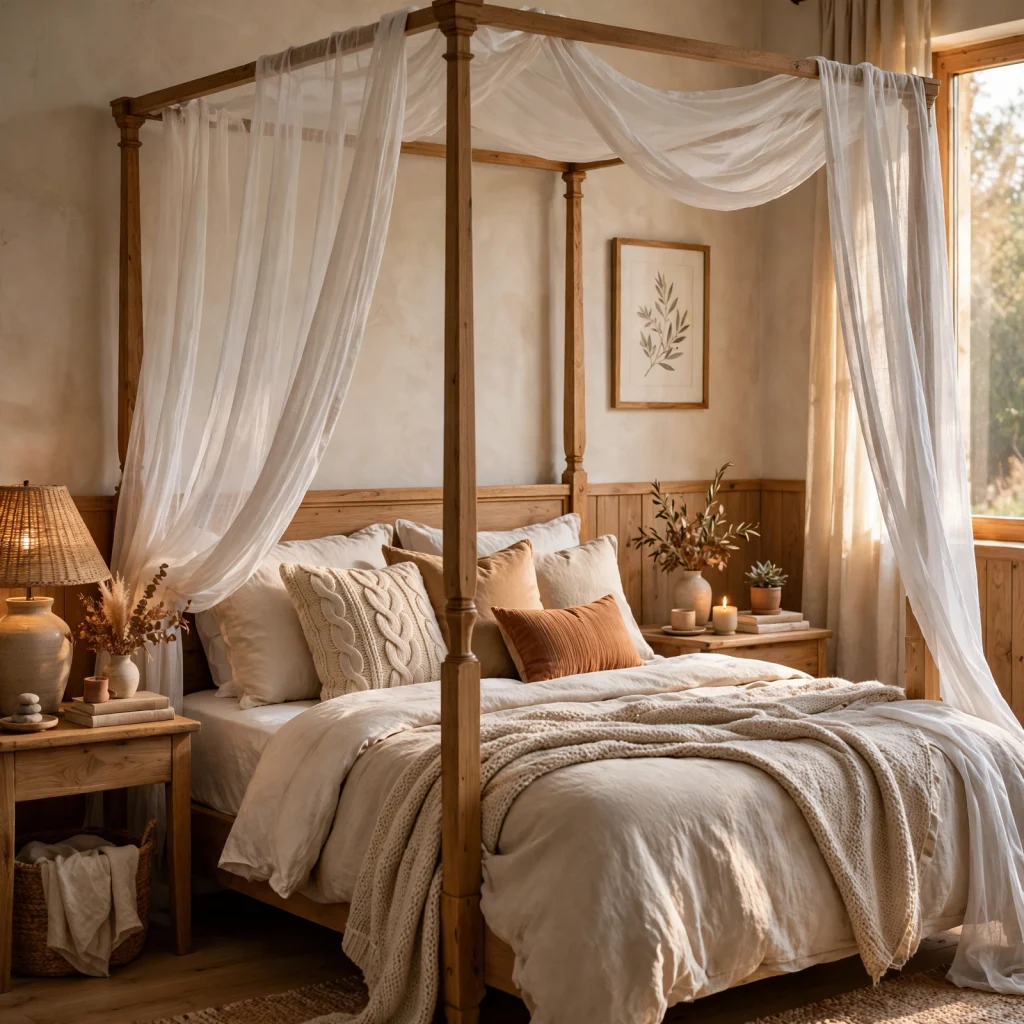
A canopy bed frame, whether a full four-poster or a simpler ceiling-mounted rod version, gives a bedroom a sense of height and drama that low furniture can’t. Draping sheer or lightweight linen fabric over the frame softens the room’s lines and can double as a subtle divider in a studio layout. Because the frame changes the room’s proportions, it’s worth measuring ceiling height and bed width first, since a canopy that’s too tall for the room ends up looking cramped instead of grand.
| Bed Size | Recommended Canopy Height | Ceiling Minimum |
| Twin/Full | 6.5-7 feet | 8 feet |
| Queen | 7-7.5 feet | 8.5 feet |
| King | 7.5-8 feet | 9 feet |
6. Built-In Window Seat
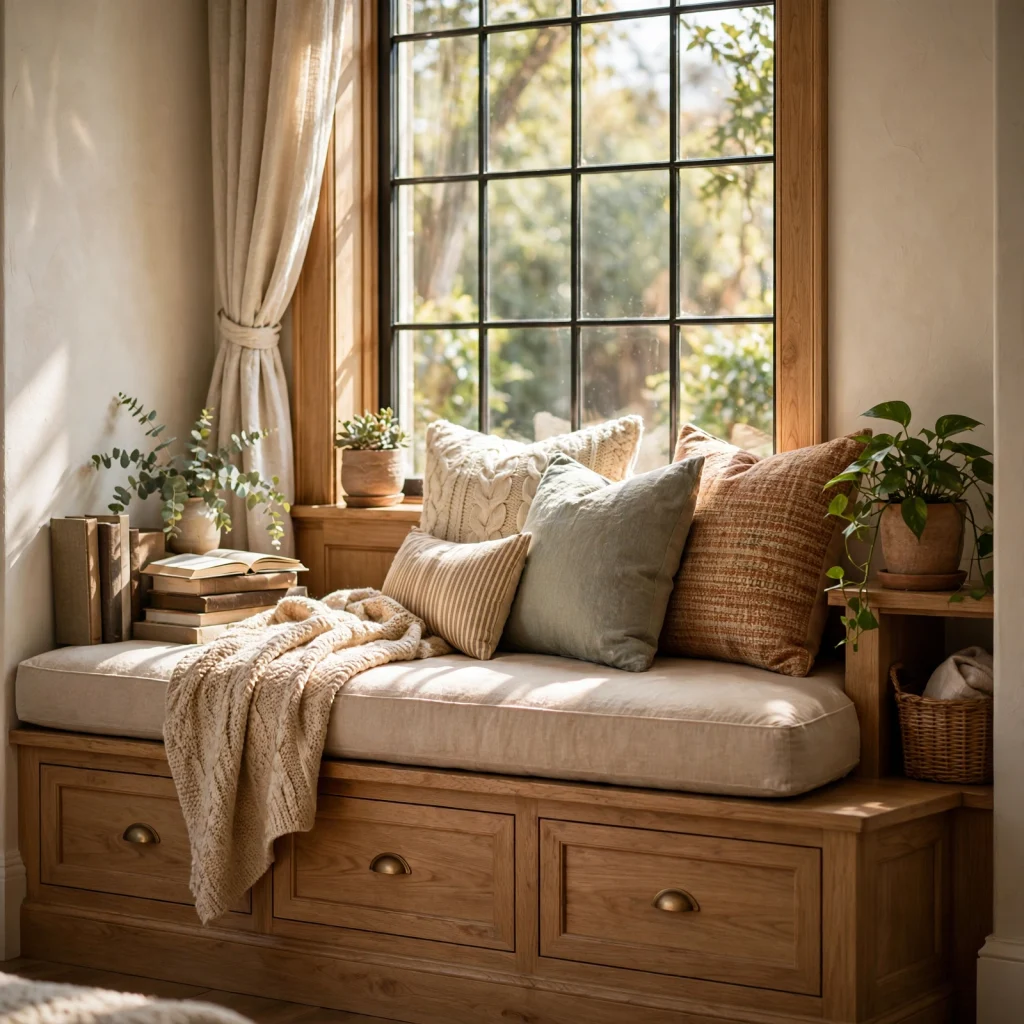
A built-in window seat turns an underused window bay into storage and seating at once, using a plywood base with a hinged or lift-top lid. It suits bedrooms with deep window sills or awkward nooks that don’t fit a full piece of furniture. Adding a cushion cut to the exact seat dimensions and a few throw pillows makes the space usable immediately, while the storage underneath handles off-season bedding or books that would otherwise clutter a closet. Trim painted to match existing molding blends the addition into the room.
| Window Bay Width | Seat Depth | Cushion Thickness |
| 24-30 inches | 16-18 inches | 3 inches |
| 30-40 inches | 18-20 inches | 4 inches |
| 40+ inches | 20-22 inches | 4-5 inches |
7. Rattan Pendant Light
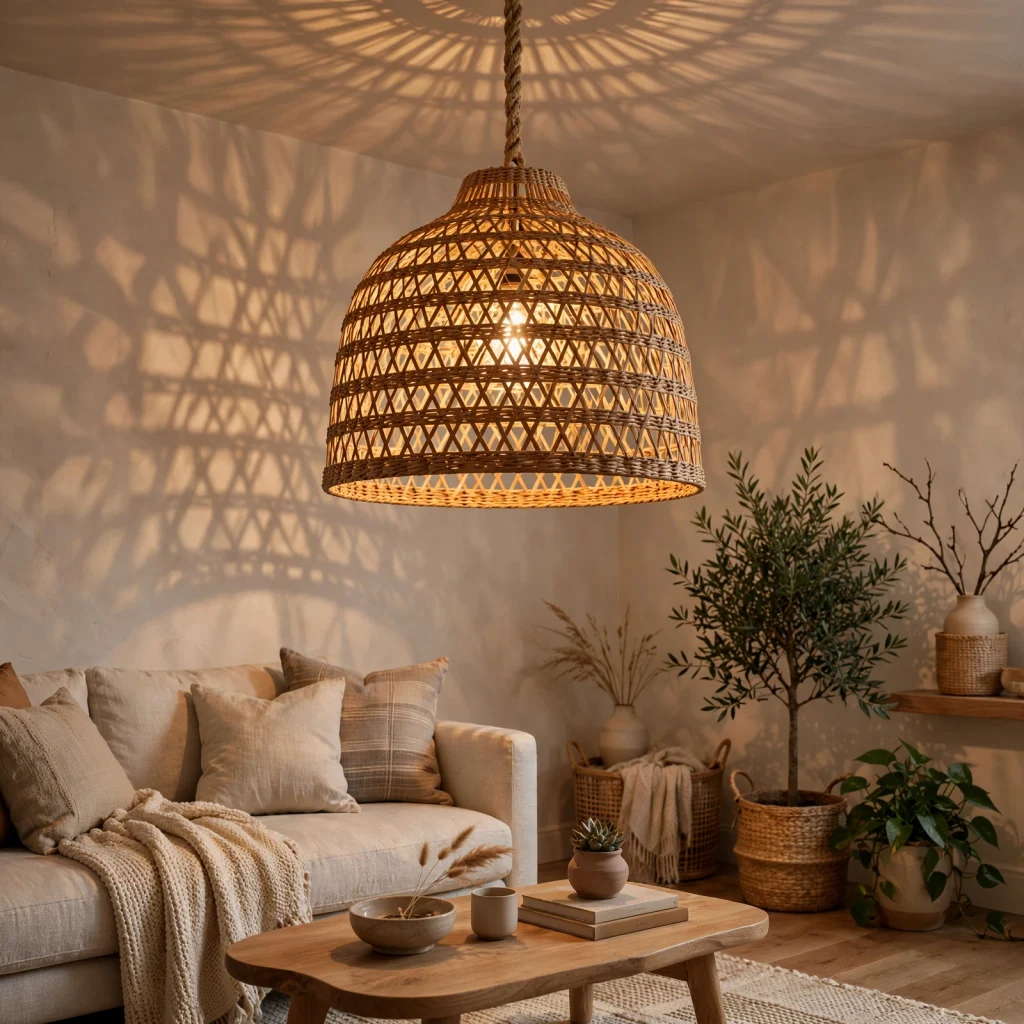
Swapping a builder-grade ceiling fixture for a rattan or woven pendant light changes the character of a bedroom more than almost any other single update. The natural material casts a dappled, warm light pattern across the ceiling and walls at night, and pairs easily with wood furniture, linen bedding, or a boucle chair. Most swaps only require a screwdriver and a wire nut connection, since the existing electrical box stays in place, though anyone unsure about wiring should have an electrician handle the connection instead.
8. Velvet Throw Pillows
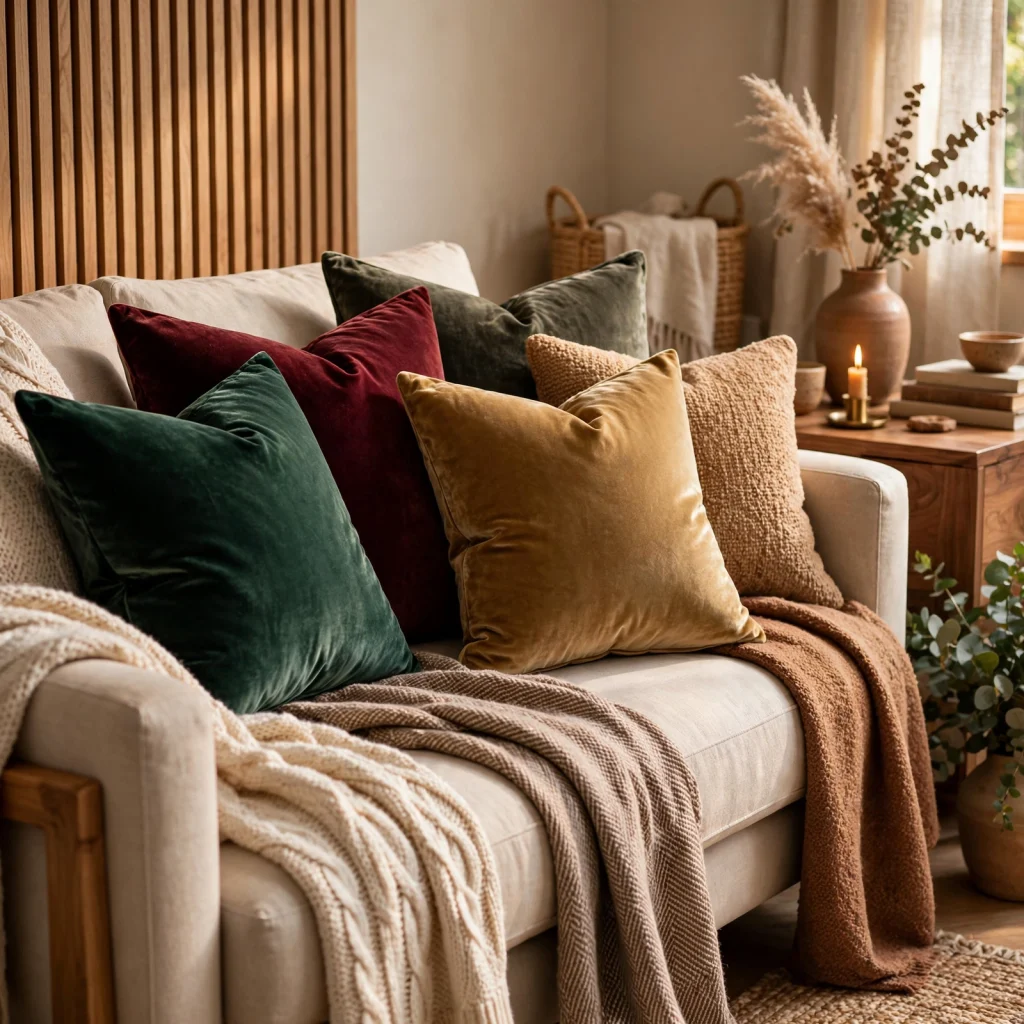
A few velvet throw pillows in a deep jewel tone like emerald, rust, or navy add richness to a bed or reading chair without touching walls or furniture. Mixing pillow sizes and a couple of textures, such as velvet paired with linen or a knit cover, keeps the arrangement from looking too matched. Three to five pillows is usually the sweet spot for a queen or king bed, since more than that starts to crowd the space needed for actually sleeping in it.
9. Reclaimed Wood Headboard
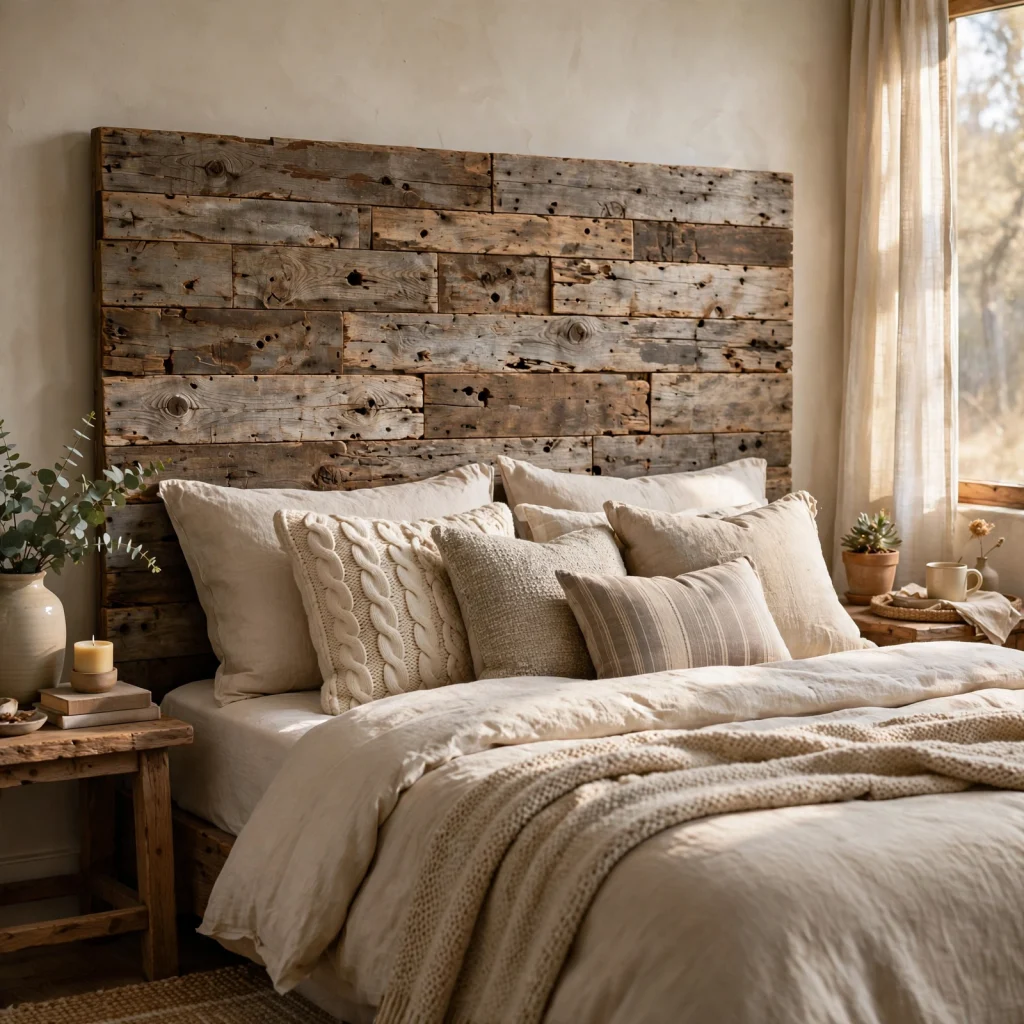
A headboard built from reclaimed barn wood or salvaged fence boards gives a bed a focal point with visible grain and history that a store-bought panel can’t match. Boards get cut to width, sanded just enough to remove splinters, and mounted to a plywood backing that attaches to the wall or bed frame. Leaving some of the original paint or weathering intact keeps the character intact, and a simple mounting cleat on the back makes the whole headboard removable if the bed ever gets rearranged.
10. Terrazzo Side Table
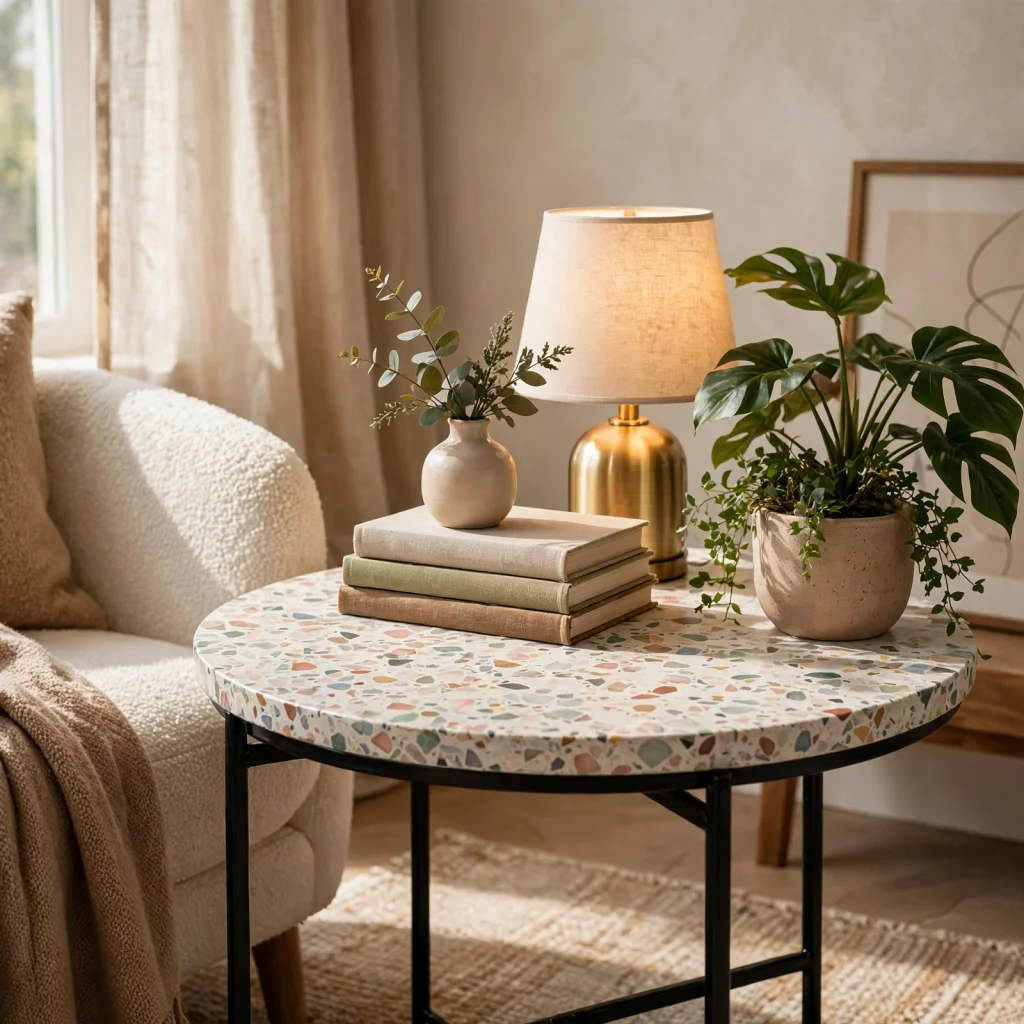
A terrazzo side table, whether a genuine poured-resin piece or a budget-friendly laminate version, brings a speckled, stone-like texture to a nightstand spot without the weight or cost of solid marble. It pairs well against warm wood tones or a boucle chair, acting as a neutral base that doesn’t compete with patterned bedding or wallpaper. Smaller round tables suit tight bedrooms best, since a table under 18 inches wide still holds a lamp and a book without eating into walking space.
| Material | Price Range | Durability |
| Genuine terrazzo (poured) | 250-500 | Very high |
| Terrazzo-look laminate | 60-120 | Moderate |
| Terrazzo tile-top DIY | 80-150 | High |
11. Boucle Accent Chair
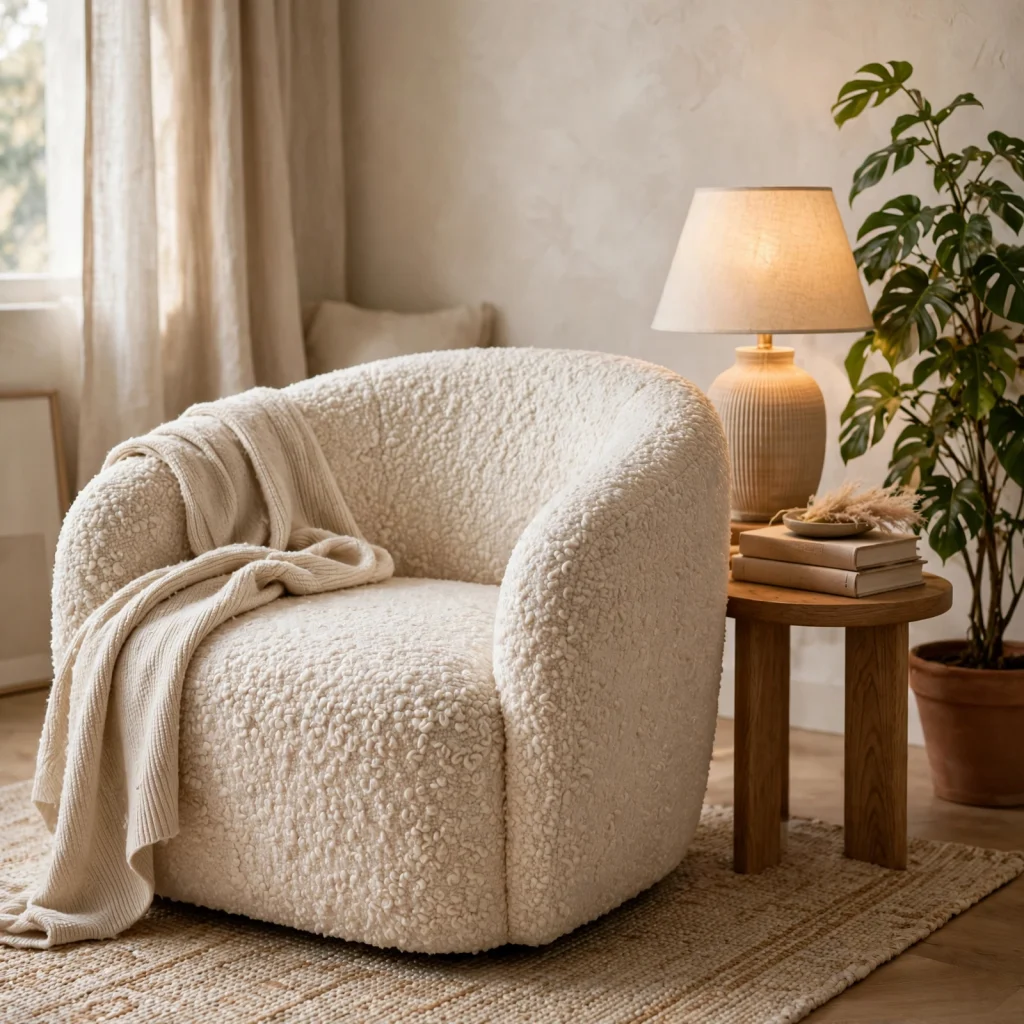
A boucle accent chair brings a soft, looped texture into a reading corner or the foot of a bed, working well in cream, oatmeal, or soft grey to keep the look calm rather than busy. Its rounded silhouette pairs naturally with curved side tables and woven pendant lights, softening a room that’s mostly straight lines and hard edges. Because boucle shows wear differently than smooth fabric, choosing a performance-treated version holds up better in a bedroom that also functions as a spot for coffee in the morning.
12. Fringe Trim Curtains
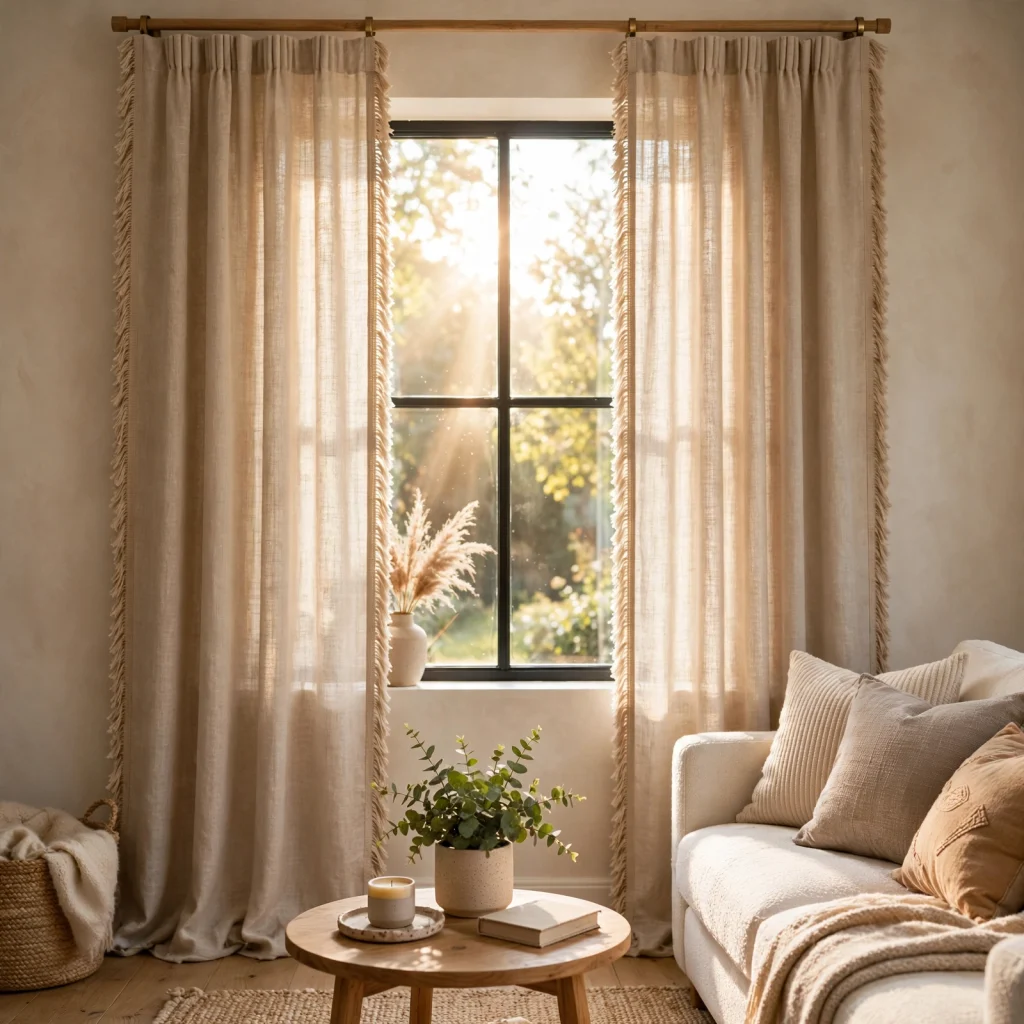
Curtains finished with a fringe or tassel trim along the bottom edge add a handmade detail that plain panels don’t have, and the trim can be sewn or fused onto existing curtains rather than requiring new ones. Warm tones like rust or ochre trim against linen panels give a room a lived-in, layered feel without a full window treatment overhaul. Hanging the rod a few inches above the window frame and letting the curtains skim the floor makes the room feel taller than it actually is.
| Window Height | Curtain Length | Rod Placement Above Frame |
| Standard (60-72 in) | 84 inches | 4-6 inches |
| Tall (72-90 in) | 96 inches | 6-8 inches |
| Floor-to-ceiling | 108+ inches | 2-4 inches |
13. Ceramic Vase Collection
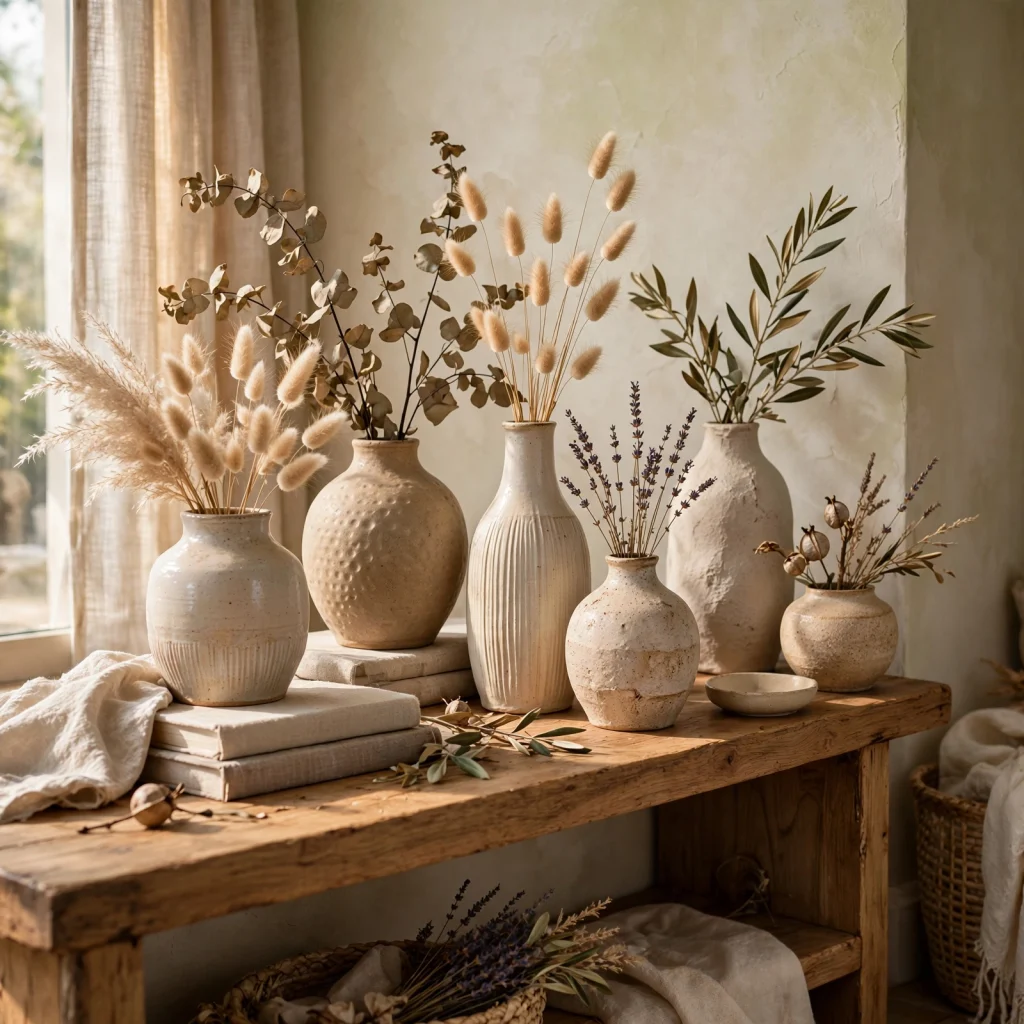
A cluster of ceramic vases in varied heights and matte finishes turns a dresser top or windowsill into a considered display rather than a catch-all surface for loose change and lotion bottles. Grouping in odd numbers, typically three or five, with a mix of heights reads as more intentional than a single large piece on its own. Leaving some vases empty and filling others with dried pampas grass or eucalyptus keeps the arrangement from looking overly styled or staged for a photo.
14. Cork Board Memo Wall
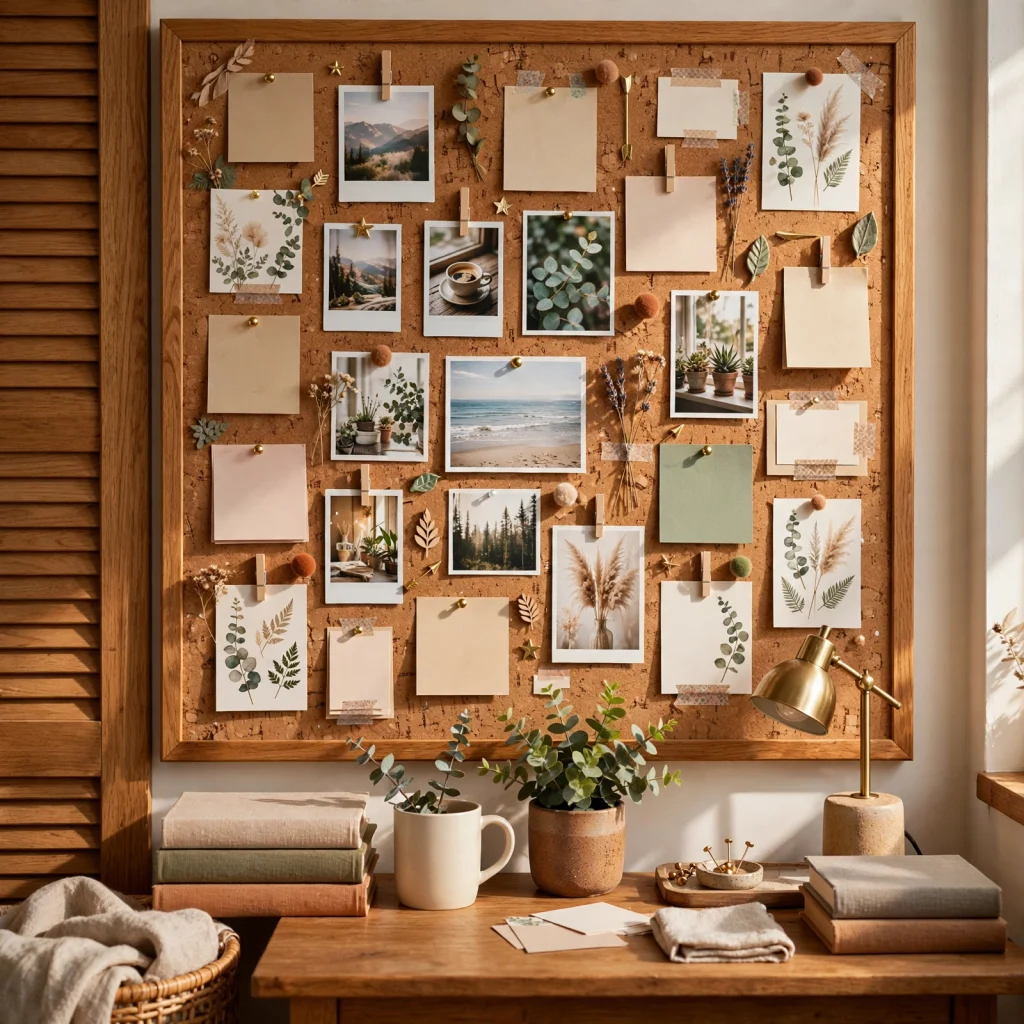
A cork board memo wall, built from framed cork tiles or a single large sheet, gives a bedroom a spot for photos, ticket stubs, and notes that would otherwise end up loose on a desk. It works especially well above a desk or beside a closet door, somewhere the contents can be swapped out often without leaving nail holes behind. Framing the cork in the same wood tone as a nearby headboard or shelf ties the addition into the rest of the room instead of looking like a separate project.
15. String Light Canopy
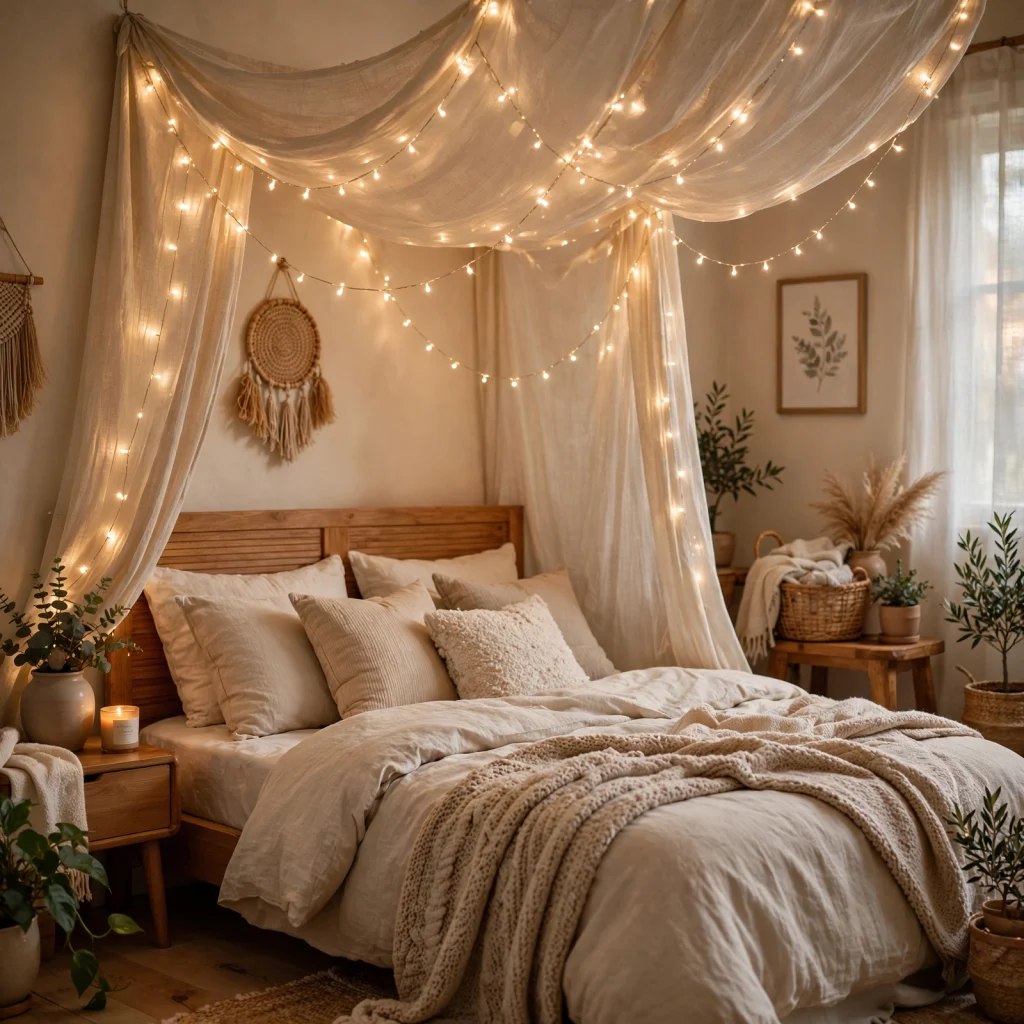
A string light canopy, run along the ceiling in a fan or grid pattern and anchored with small hooks, gives a bedroom soft ambient light that a single overhead fixture can’t provide on its own. Warm white bulbs work better than cool white for a relaxed feel, and a plug-in dimmer lets the brightness shift between daytime brightness and a lower nighttime glow. Running the wire along ceiling seams or crown molding hides most of the cord, keeping the finished look clean instead of tangled.
Shop the Look
For anyone ready to start, a few building blocks make most of these projects possible: a set of matching frames in a warm oak or matte black finish for the gallery wall, a roll of natural cotton macrame cord with a wooden dowel, a warm-white LED string light kit with a plug-in dimmer, a length of grasscloth or geometric peel-and-stick wallpaper for the accent wall, and a boucle or performance-velvet fabric bundle for pillows and chair reupholstery.
Common Mistake to Avoid in DIY Room Decor
The most common mistake in DIY room decor projects is skipping measurements and committing to hardware before confirming wall type, stud location, and load capacity. Hanging a heavy floating shelf or a full canopy frame into drywall alone, without anchors rated for the actual weight, leads to sagging or a full collapse within weeks. Marking stud locations with a detector, checking a shelf bracket’s weight rating against what will actually sit on it, and testing peel-and-stick wallpaper on a hidden patch of wall first all prevent the redo that undoes a weekend’s work.
FAQs
What is the cheapest way to update a bedroom with DIY room decor?
The cheapest updates usually involve textiles and small swaps rather than furniture or fixtures: new throw pillow covers, a peel-and-stick wallpaper accent limited to one wall, or a cluster of secondhand ceramic vases styled with dried grasses. These changes cost well under fifty dollars in most cases and can be completed in an afternoon. Rearranging existing furniture and adding a plug-in string light canopy also refreshes a room’s feel without buying anything new beyond the lights themselves.
How do I hang floating shelves without them sagging?
Floating shelves stay level and stable when the mounting hardware is anchored into wall studs rather than drywall alone, or paired with heavy-duty toggle anchors rated well above the intended load. A stud finder helps locate solid backing before drilling, and checking the manufacturer’s weight rating against what will actually sit on the shelf, including books or plants, prevents the slow sag that shows up weeks after installation. Using two brackets instead of one on shelves longer than 24 inches adds extra support.
Can renters do DIY room decor without losing their deposit?
Most renter-friendly projects avoid drilling or painting altogether: peel-and-stick wallpaper, removable adhesive hooks for macrame or string lights, and freestanding furniture like a side table or accent chair leave no permanent trace when it’s time to move out. Tension curtain rods and freestanding shelving units replace anything that would otherwise need wall anchors. Testing any adhesive product on a small hidden patch first confirms it won’t damage paint before committing to a full wall or window treatment.
What colors work best for a small bedroom makeover?
Light, warm neutrals such as oatmeal, soft clay, and warm white tend to work best in small bedrooms because they keep walls from visually closing in the space, while still allowing texture from boucle, linen, or macrame to carry the visual interest instead of bold color. Deeper tones like navy or forest green still work in small rooms when used sparingly, such as on a headboard or a single accent wall, rather than across every surface, which is what tends to make a small room feel tighter than it is.
How long does a typical DIY bedroom decor project take?
Most single projects on this list, such as hanging a gallery wall, installing a rattan pendant light, or styling a ceramic vase collection, take a single afternoon from start to finish once materials are on hand. Larger builds like a reclaimed wood headboard, a built-in window seat, or a canopy bed frame usually take a full weekend, factoring in cutting, sanding, and drying time for any paint or stain. Spacing projects across a few weekends instead of tackling everything at once keeps the process from feeling overwhelming.
Conclusion
A bedroom doesn’t need new furniture to feel different, just a handful of well-chosen diy room decor projects picked to match the space and the weekend available. Start with one or two ideas from this list, whether that’s a gallery wall layout or a set of velvet pillows, and check the renter-friendly wall treatments guide if you’re working around a lease. Save this guide to Pinterest for later, or read the small bedroom storage post for more space-saving ideas.