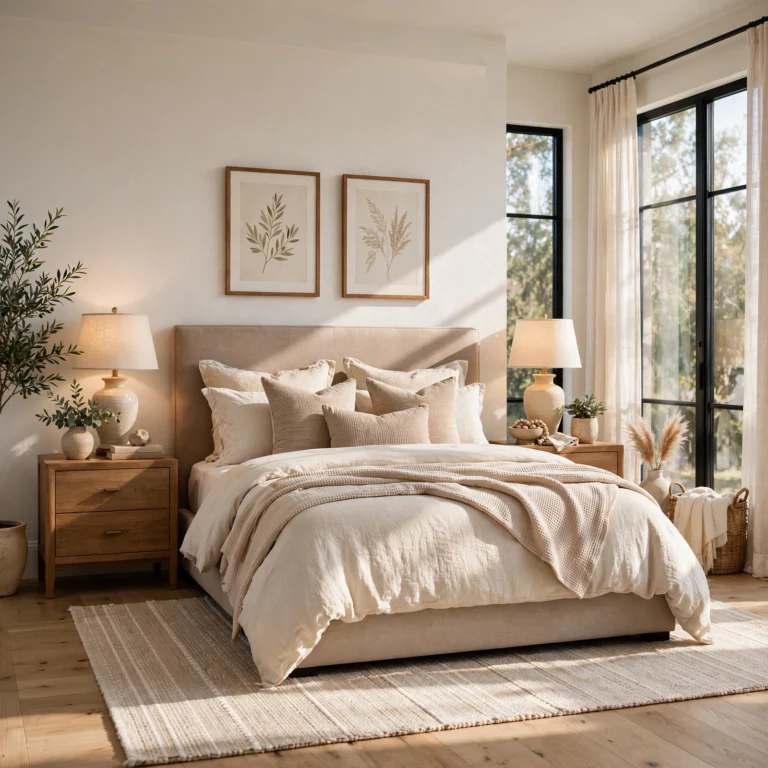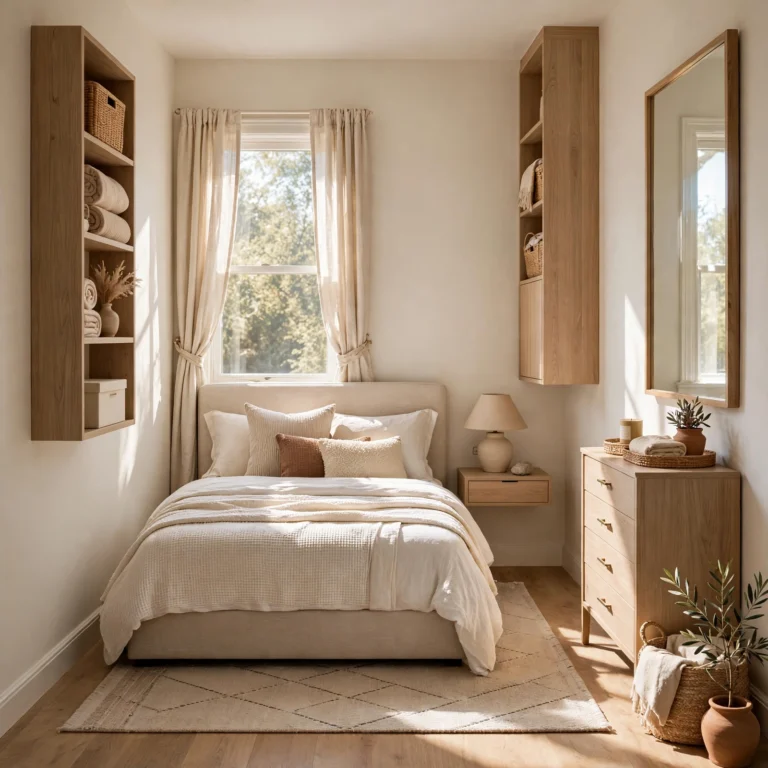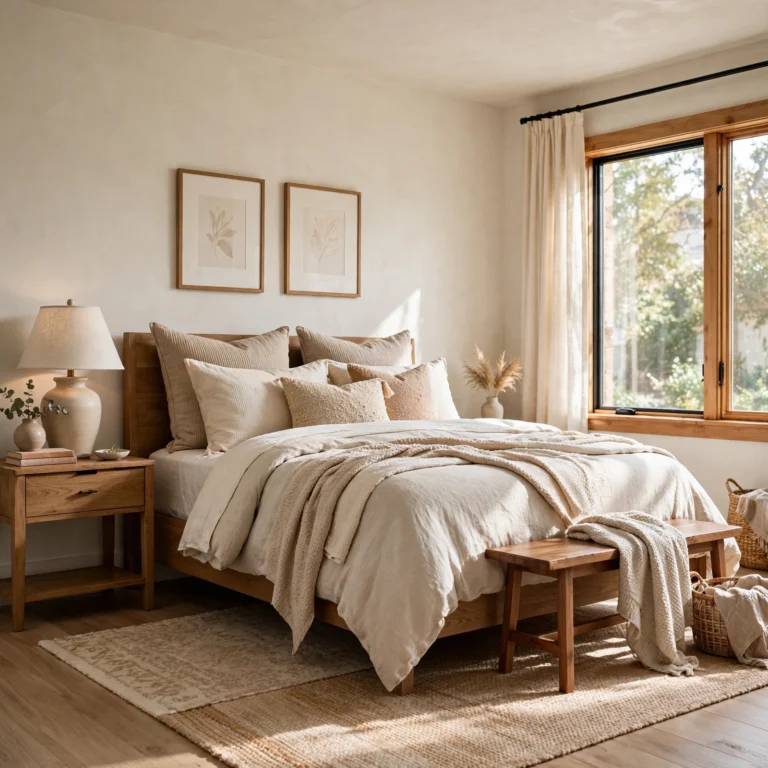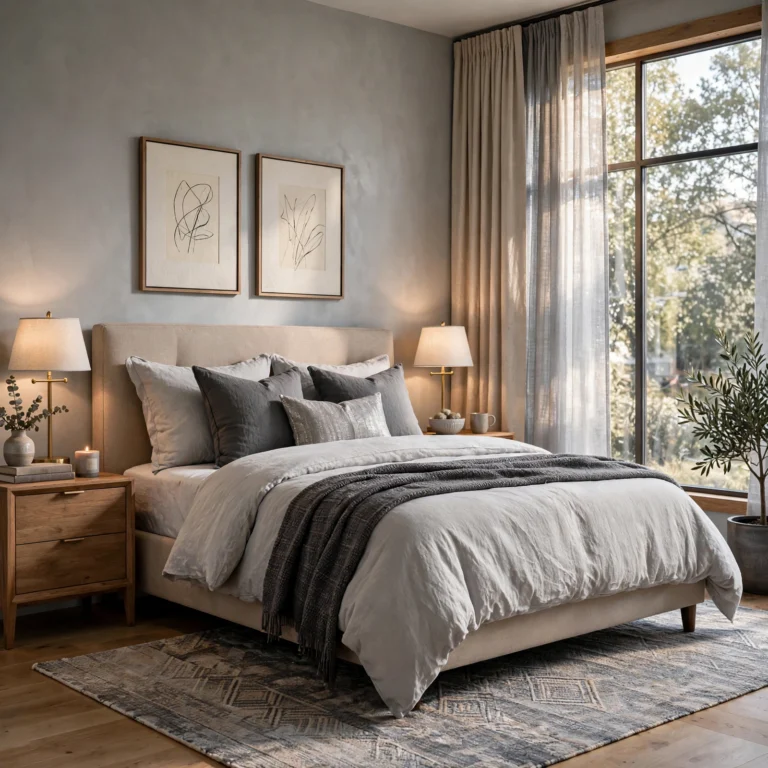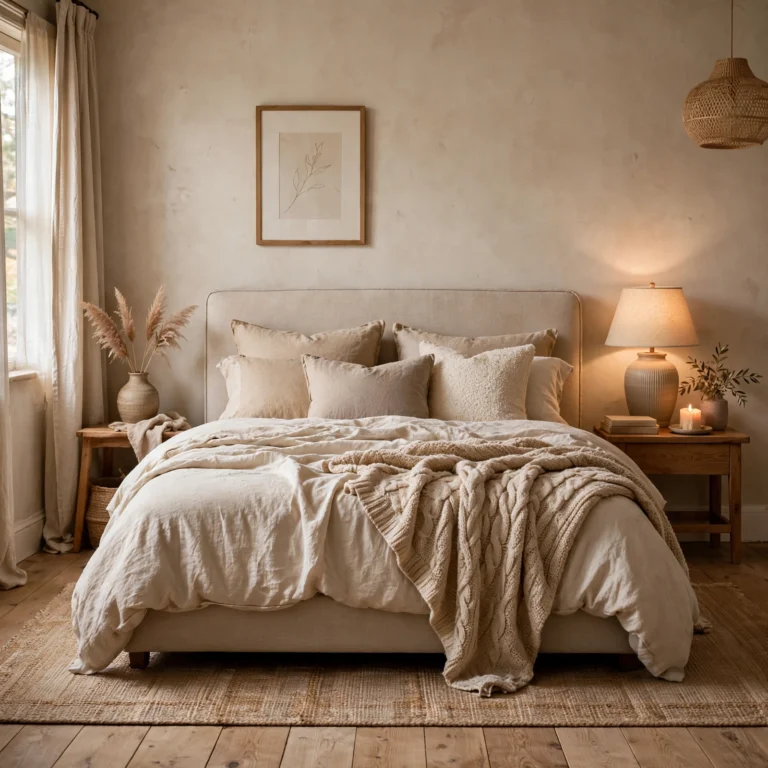
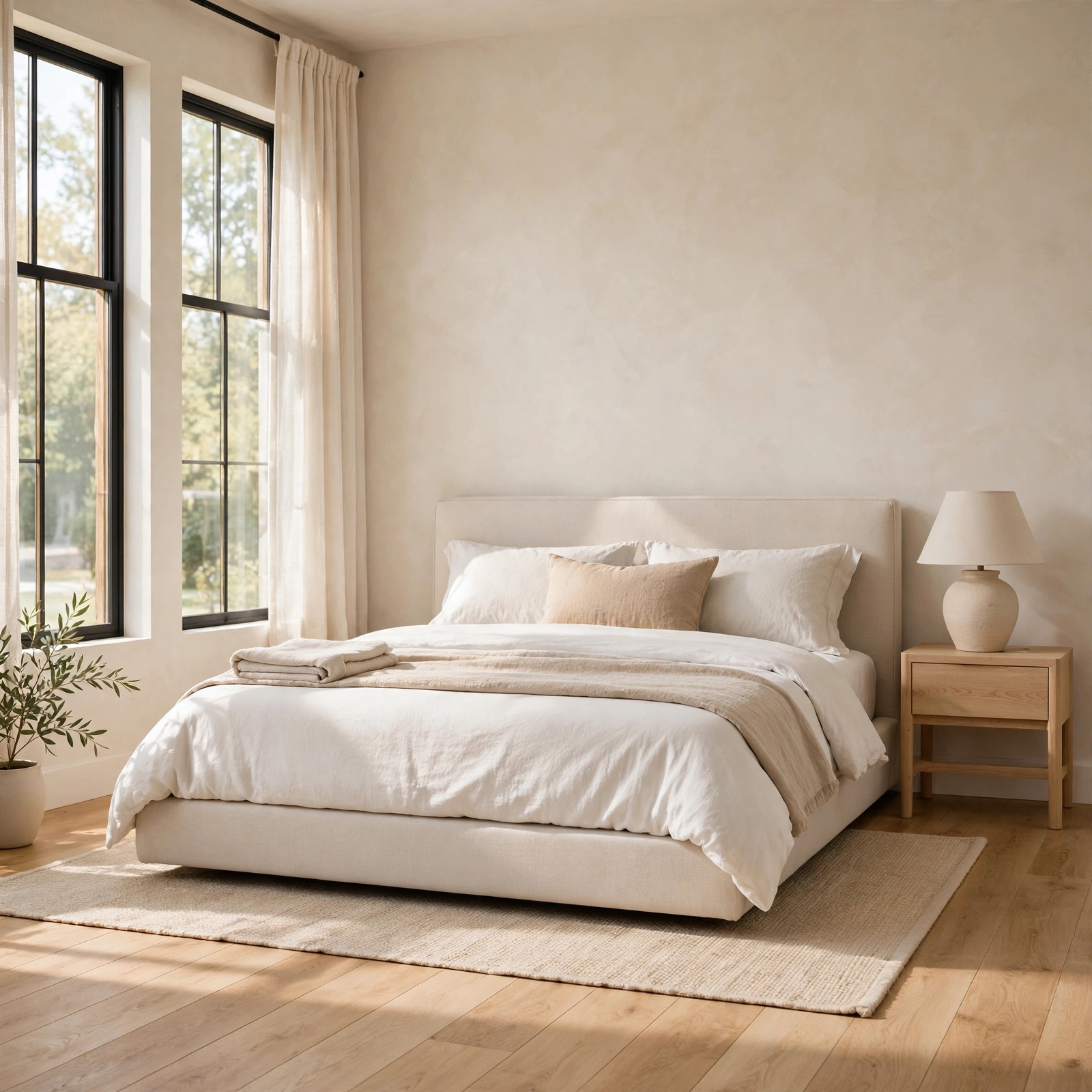
13 Dreamy Minimalist Bedroom Ideas for a Calmer Space
Building a minimalist bedroom is less about owning fewer things and more about being intentional with what stays visible in the room. This guide covers thirteen practical approaches, from color palette choices to hidden storage solutions, that reduce visual noise without making the space feel empty or cold. Readers will learn how to choose a cohesive neutral scheme, where to hide everyday clutter, and which furniture choices support a calmer, more restful room. Each idea includes specific steps for applying it right away.
Trend & Background
Interest in minimalist bedroom design has grown alongside a broader cultural shift toward simplifying living spaces and reducing decision fatigue at home. This isn’t limited to owning fewer possessions, since much of the current approach focuses on concealed storage and quiet color palettes that let the architecture and a few chosen pieces stand out. This matters now because more people are working and resting in the same home, making a visually calm bedroom more important for winding down at the end of the day. Designers report growing demand for built-in storage and simplified lighting plans specifically to support this kind of quieter bedroom.
Key Takeaways
- These 13 minimalist bedroom ideas focus on reducing visual clutter through color, storage, and simplified furniture choices.
- A neutral palette comparison table helps with choosing tones that stay calm without feeling flat.
- Hidden and built-in storage solutions are prioritized so surfaces can stay clear without sacrificing function.
- Most ideas rely on editing what’s already in the room rather than buying entirely new furniture.
1. Low-Profile Platform Frame for Minimalist Bedroom
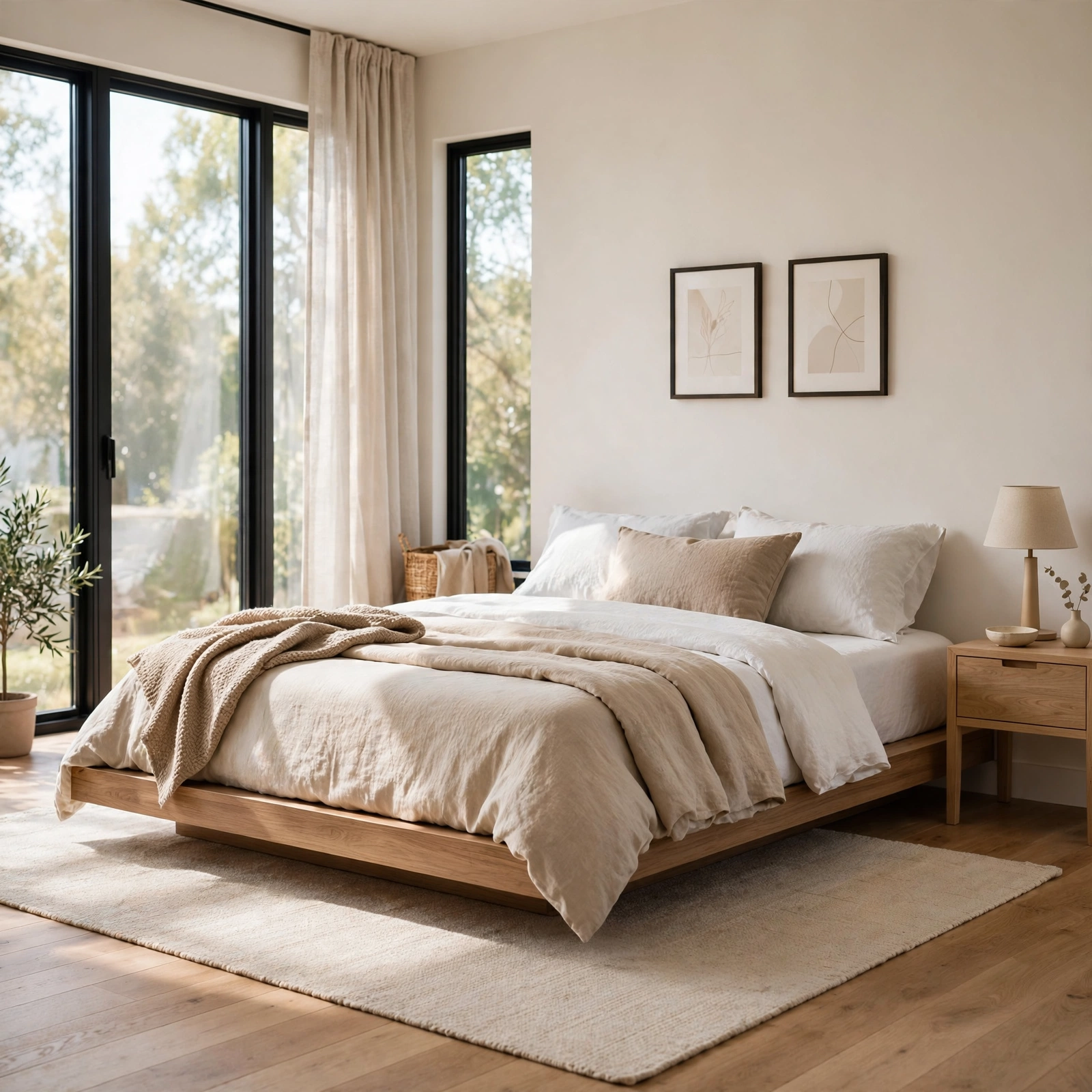
A low-profile platform bed frame keeps the room’s overall silhouette close to the ground, which supports the open, uncluttered feeling central to a minimalist bedroom. Solid wood frames without a headboard, or with a simple slatted one, avoid unnecessary visual bulk against the wall. Removing the box spring entirely also simplifies the under-bed area, making it easier to keep that space clear or fitted with concealed storage rather than visible bins.
2. Monochrome Color Scheme for Minimalist Bedroom
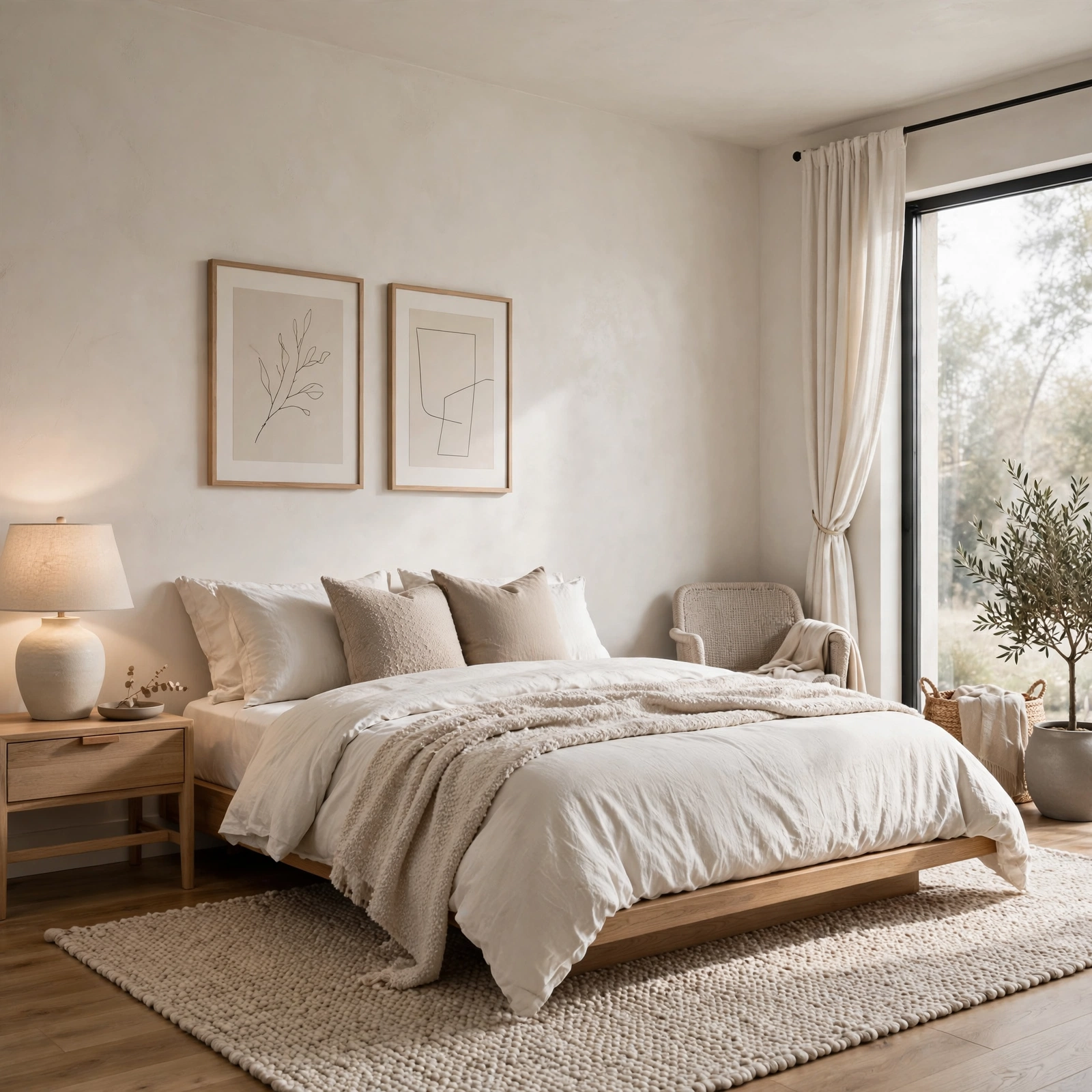
Sticking to a single dominant tone across walls, bedding, and larger furniture pieces removes the visual breaks that come from mixing several competing colors in one room. Soft off-whites, warm greiges, and muted taupe tones all work well as a base, with texture doing most of the work to keep the room from feeling flat. The table below compares a few common neutral palette directions for planning purposes.
| Palette Direction | Wall Tone | Best Paired With |
| Warm neutral | Soft greige or oatmeal | Natural wood, linen |
| Cool neutral | Light gray or soft white | Matte black, steel |
| Earthy neutral | Warm taupe or clay | Terracotta, rattan |
3. Hidden Storage Bed Base for Minimalist Bedroom
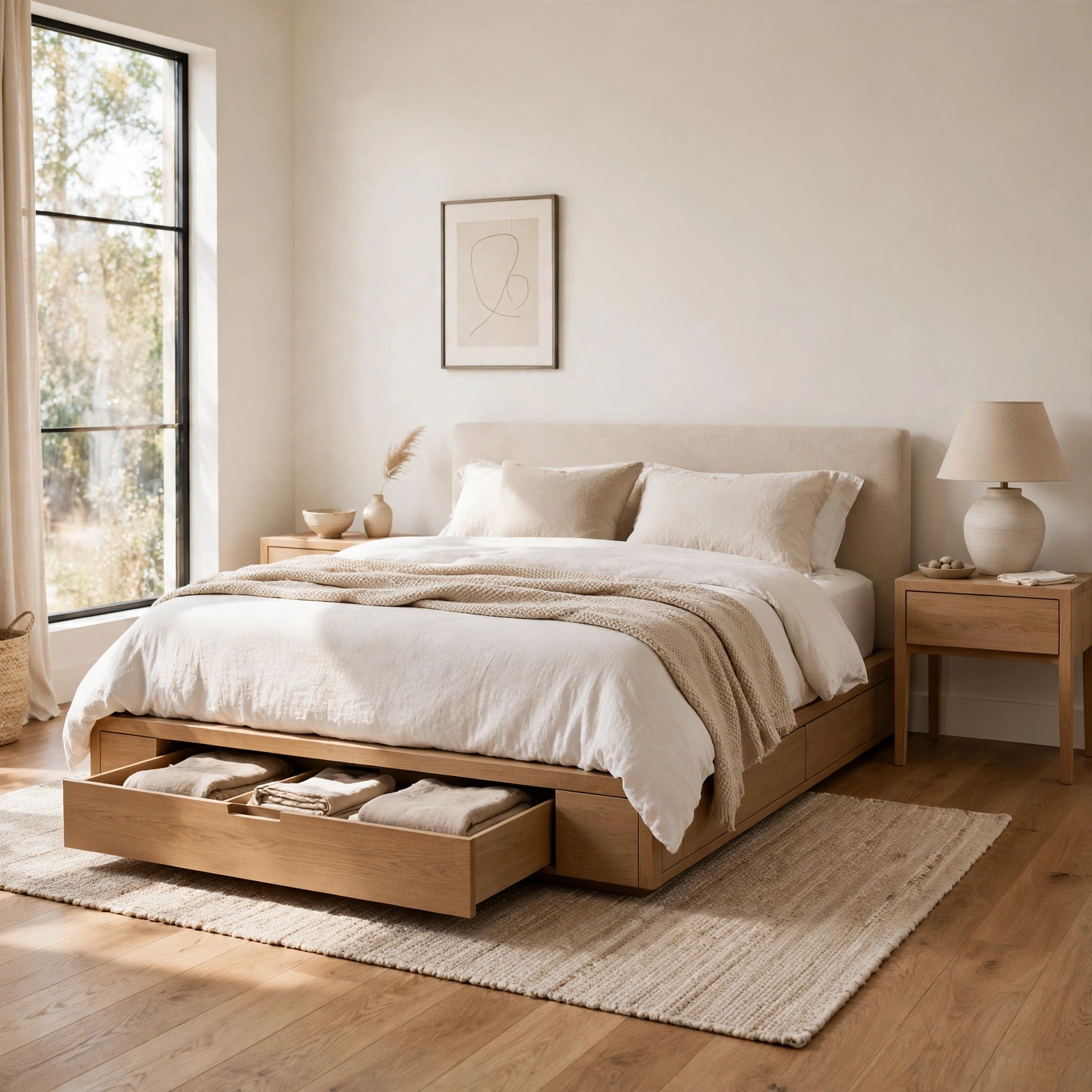
A bed base with built-in drawers or a lift-up storage compartment keeps everyday items like extra linens or seasonal clothing out of view without requiring additional furniture in the room. This solves one of the biggest challenges in minimalist design, which is finding enough storage without cluttering the visible floor space with bins or baskets. Choosing a base with a smooth, gap-free front panel keeps the piece looking clean even with the storage mechanism built in.
4. Single Statement Art Piece for Minimalist Bedroom
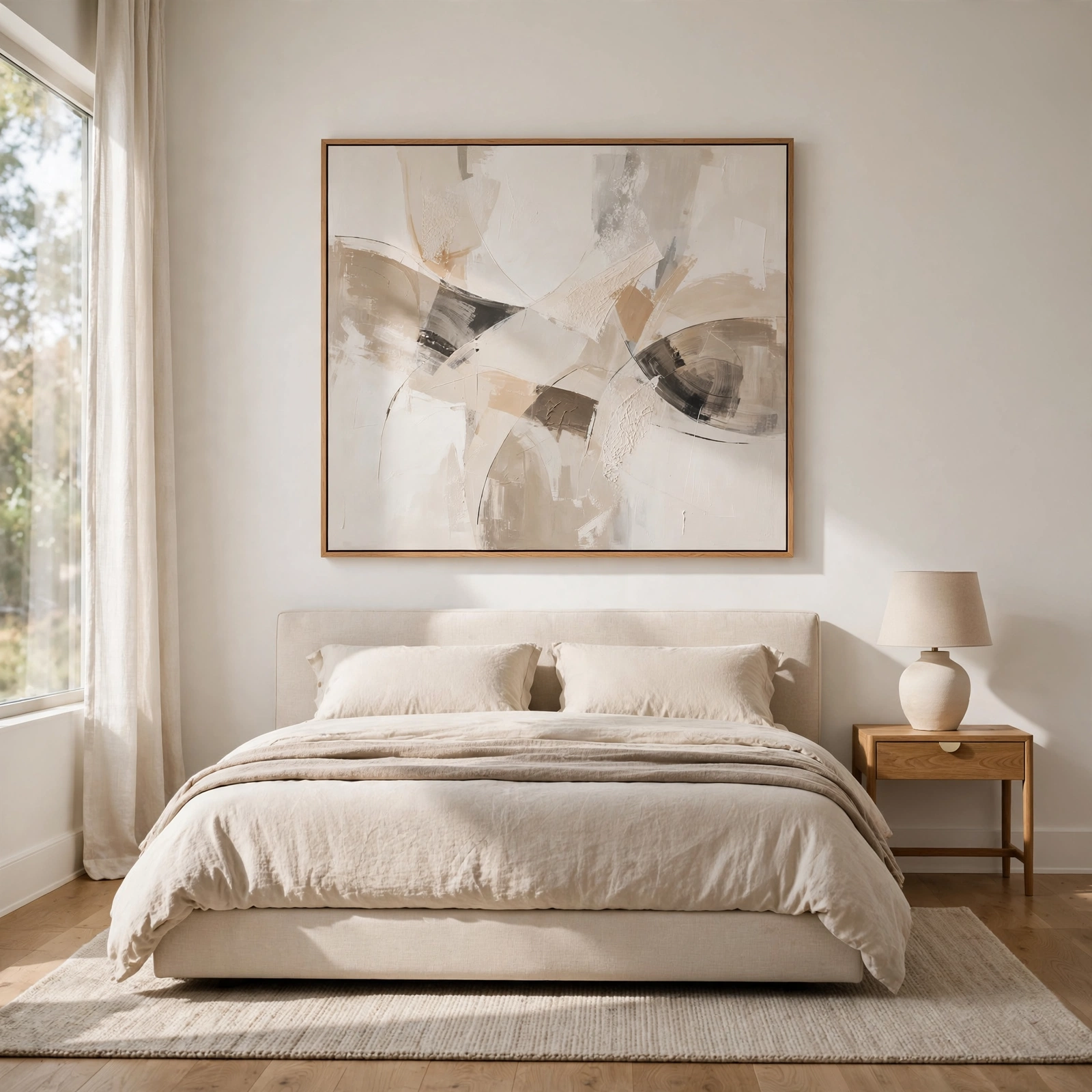
Choosing one larger piece of art, rather than a full gallery wall, gives the room a clear focal point without introducing the visual complexity of multiple frames and spacing decisions. A single abstract print or a simple photographic piece in a slim frame tends to work best, keeping the composition calm rather than busy. Leaving generous empty wall space around the piece is part of the effect, so resisting the urge to add more nearby is worth the restraint.
5. Concealed Closet System for Minimalist Bedroom
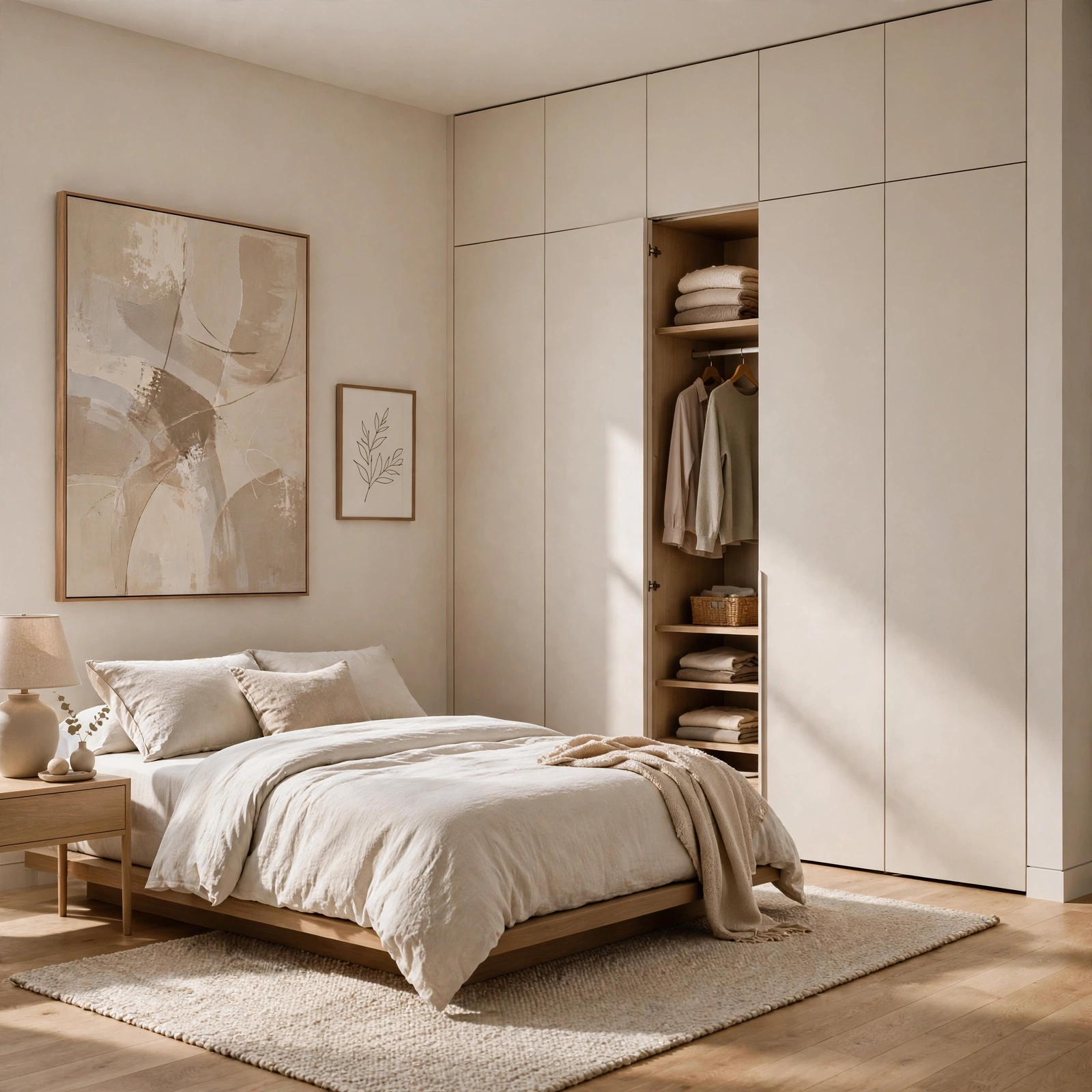
A closet system with solid doors, rather than open shelving, keeps clothing and accessories fully out of view, supporting the uncluttered look that defines a minimalist bedroom. Sliding or flush-mounted doors in a color that matches the surrounding wall help the closet blend into the room rather than standing out as a separate element. This approach requires more discipline in keeping the closet itself organized, since the visible calm depends on what’s hidden staying tidy.
6. Neutral Linen Bedding for Minimalist Bedroom
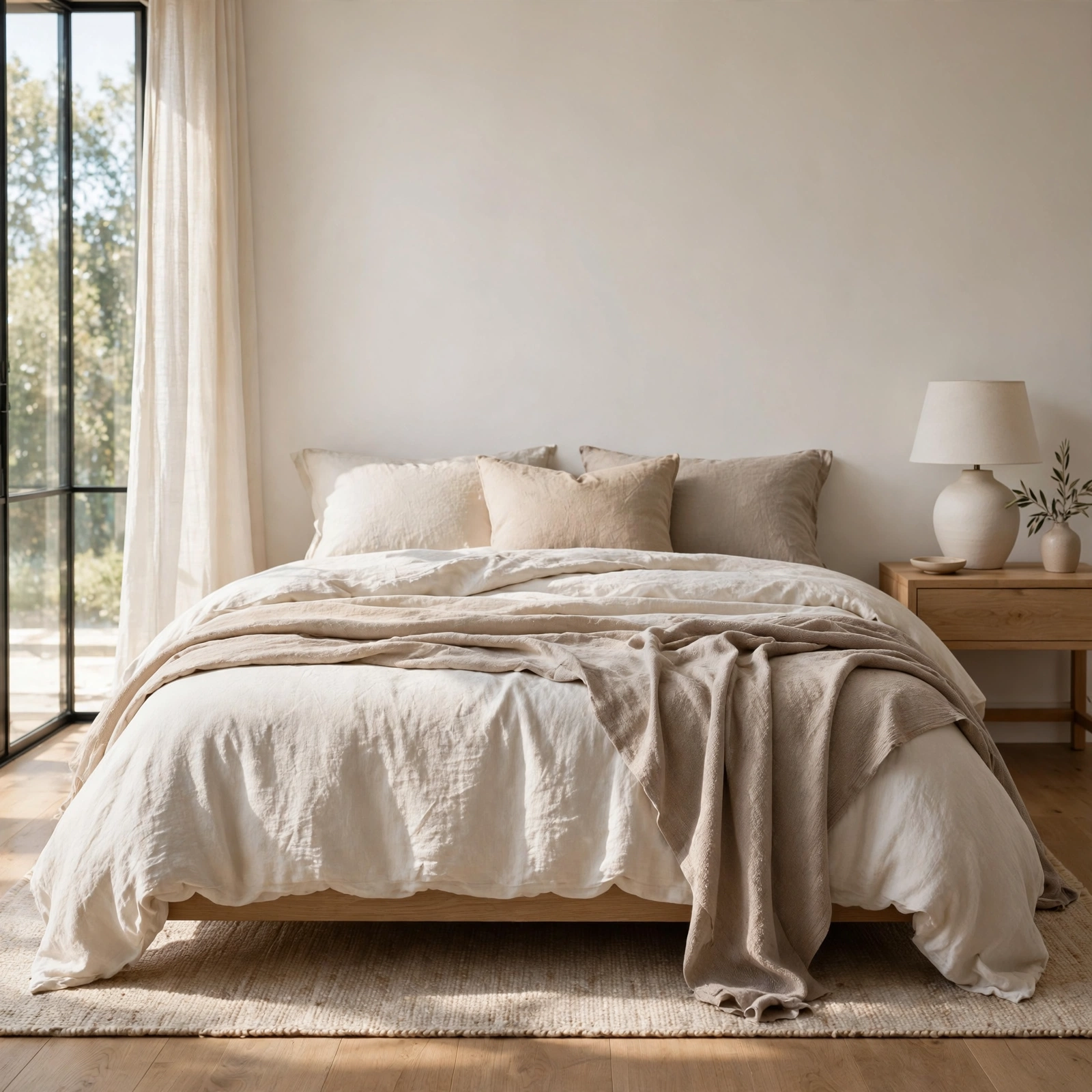
A single layer of neutral linen bedding, without a decorative throw or a large pile of pillows, keeps the bed looking calm and intentional rather than styled for a photograph. Two or three pillows in a matching or tonal shade are typically enough, avoiding the layered look that works well in more maximalist bedroom styles. Choosing a slightly heavier linen weight also helps the bedding hold its shape and drape cleanly, even with minimal styling involved.
7. Negative Space Layout for Minimalist Bedroom
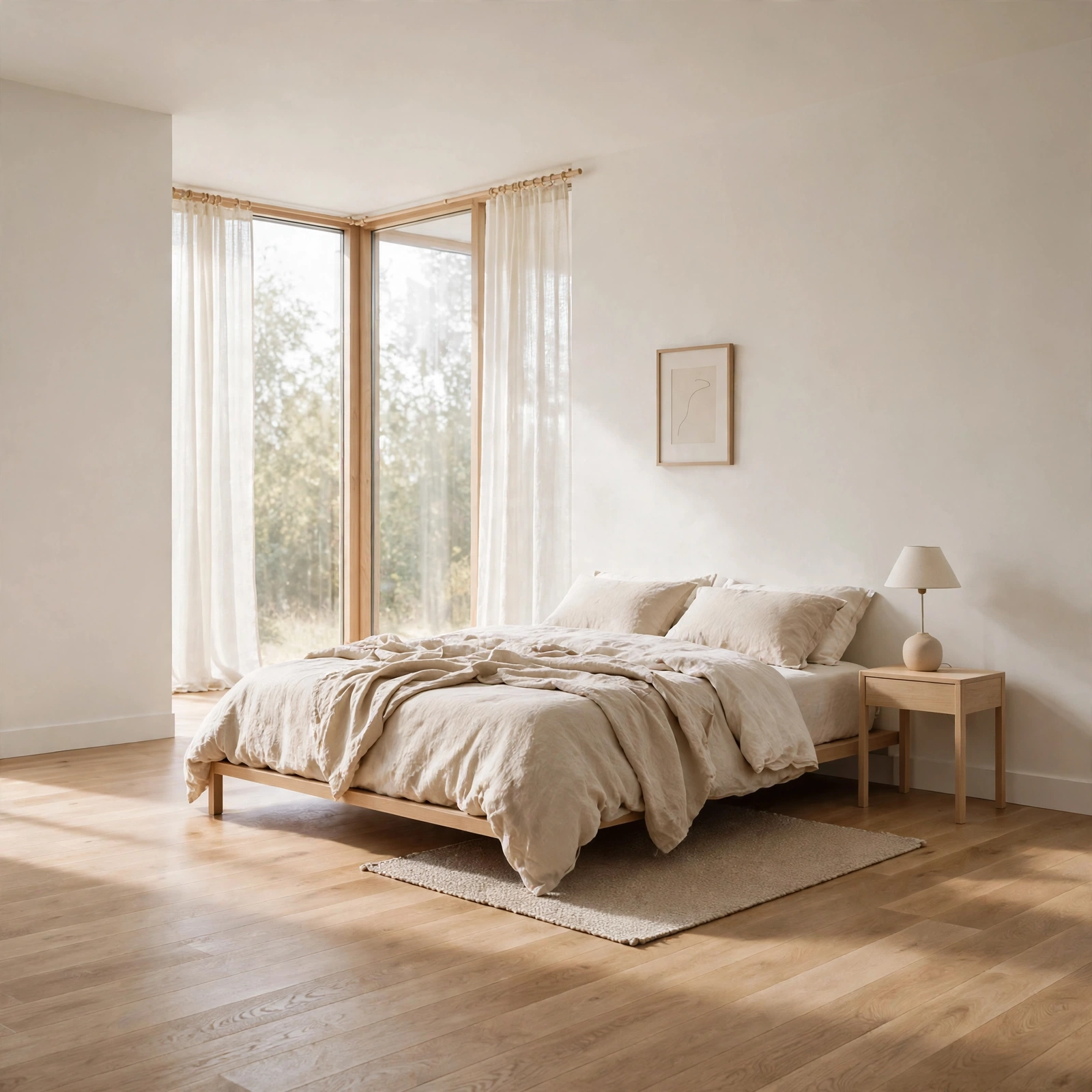
Deliberately leaving some floor and wall space empty, rather than filling every available surface with furniture or decor, is one of the defining choices in a minimalist bedroom layout. This might mean skipping a bench at the foot of the bed or leaving one wall completely bare instead of adding a shelf or art. The empty space itself becomes part of the design, giving the eye a place to rest between the room’s few chosen elements.
To get amazing ideas for small bedroom decor CLICK HERE.
8. Matte Black Hardware for Minimalist Bedroom
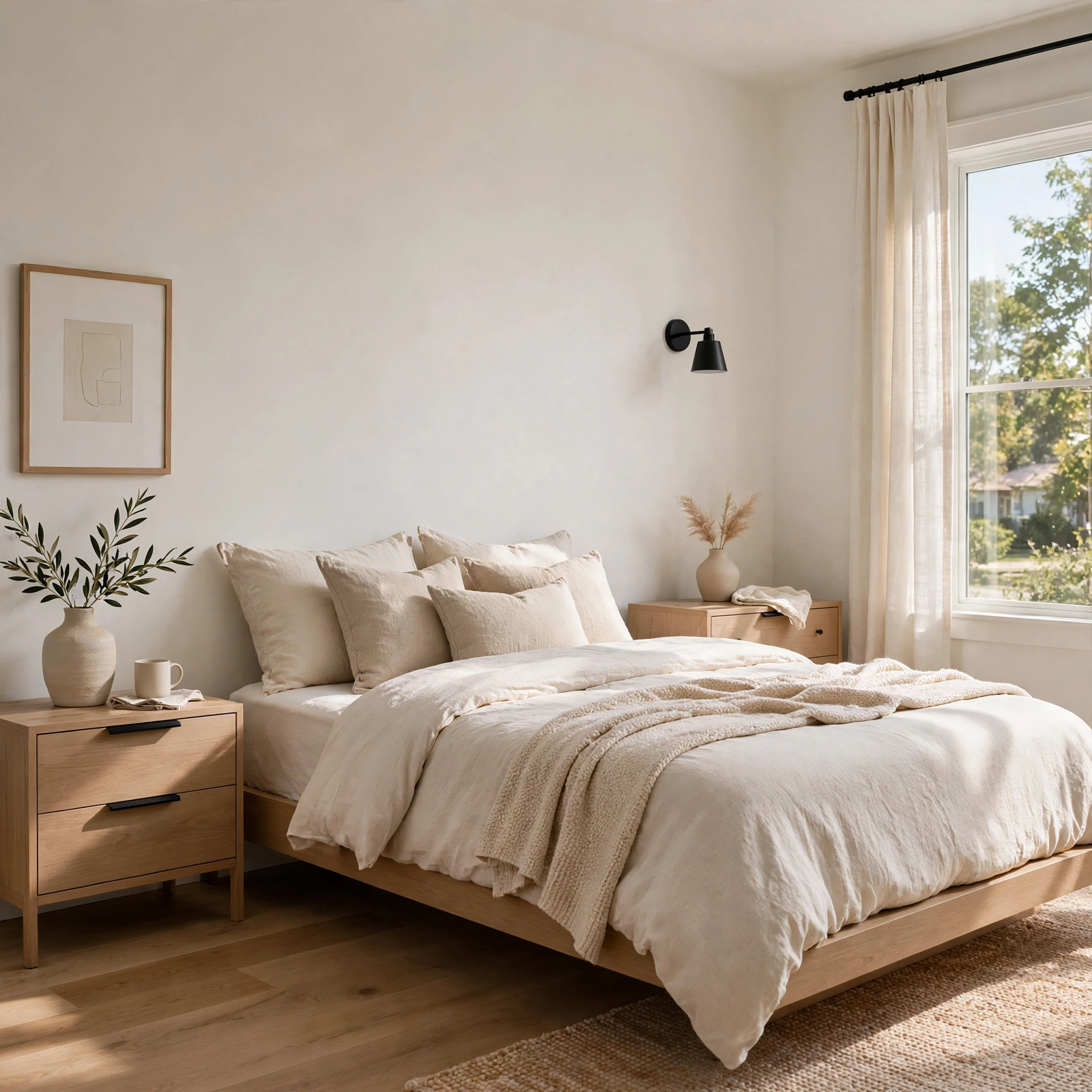
Swapping shiny or mixed-metal hardware on drawers, doors, and light fixtures for a consistent matte black finish creates a quiet, unified detail throughout the room without adding any new furniture. This small change ties together pieces that might otherwise have slightly different finishes from being purchased at different times. Matte black also tends to read as less reflective and attention-grabbing than polished chrome or brass, which supports the overall calm tone of the room.
9. Streamlined Floating Shelf for Minimalist Bedroom
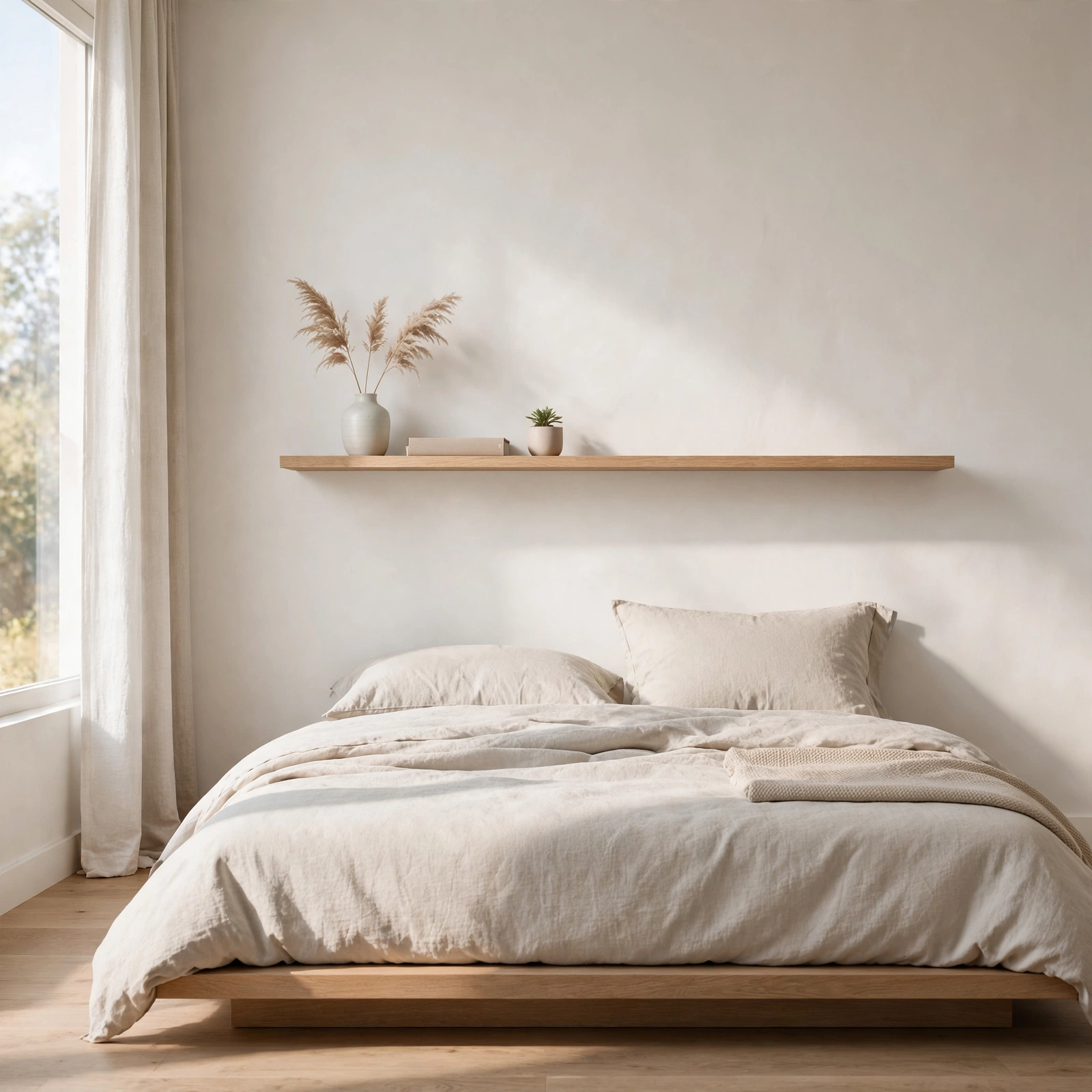
A single floating shelf, styled with only one or two objects rather than a full arrangement, provides a small amount of function without introducing visual clutter to the wall. Choosing a shelf in the same tone as the wall, or a thin, unobtrusive metal bracket style, keeps the piece from becoming a focal point on its own. This approach works best when the shelf holds something genuinely useful, like a single plant or a small reading lamp, rather than purely decorative objects.
10. Simple Roller Shade for Minimalist Bedroom
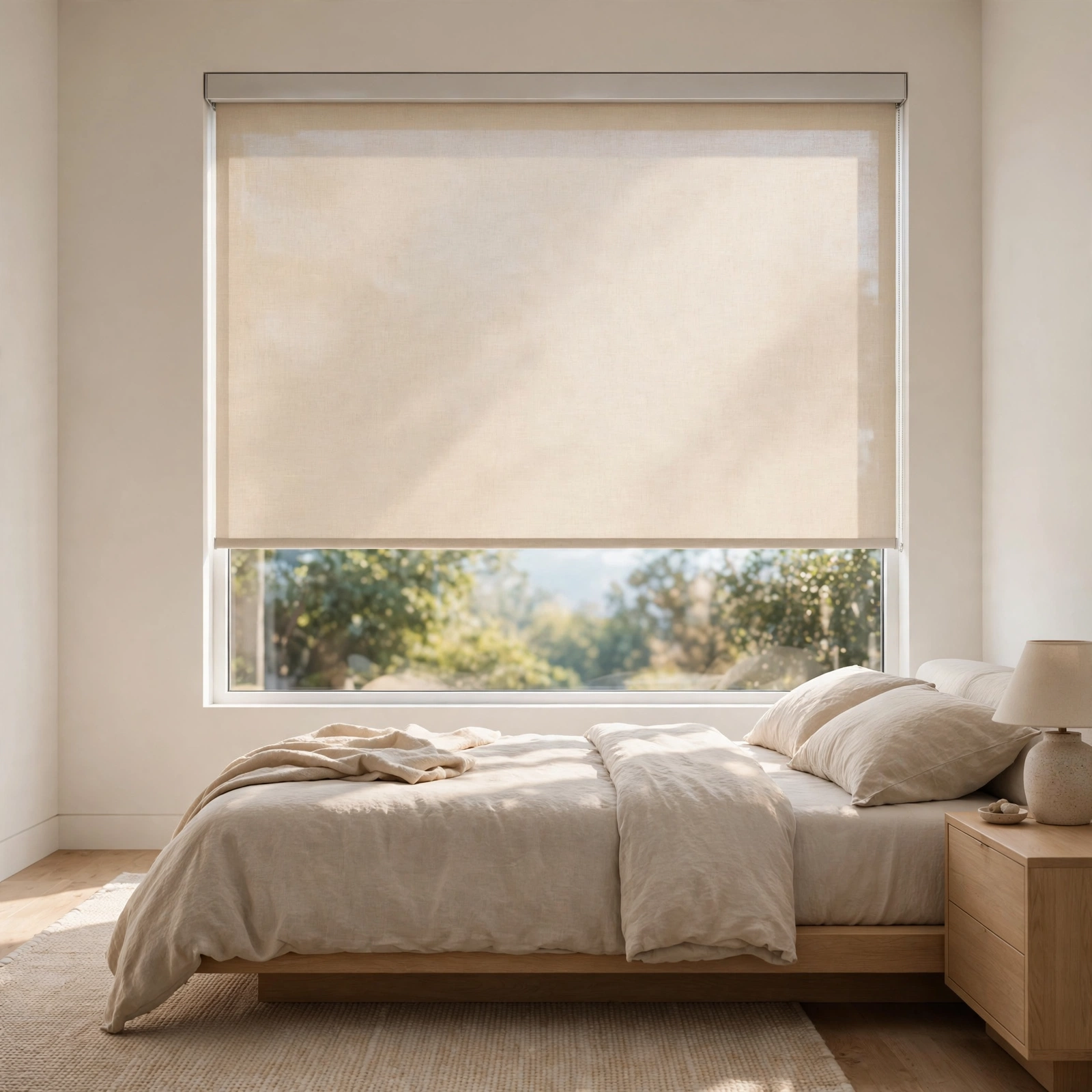
Replacing heavier drapery with a single roller shade in a solid neutral tone simplifies the window treatment and removes the visual weight that layered curtains can add to a room. This works particularly well in a minimalist bedroom where the goal is reducing the number of textures and patterns competing for attention. Choosing a shade with a blackout or light-filtering liner, depending on the room’s light needs, keeps the function intact while maintaining the clean look.
11. Uncluttered Nightstand Surface for Minimalist Bedroom
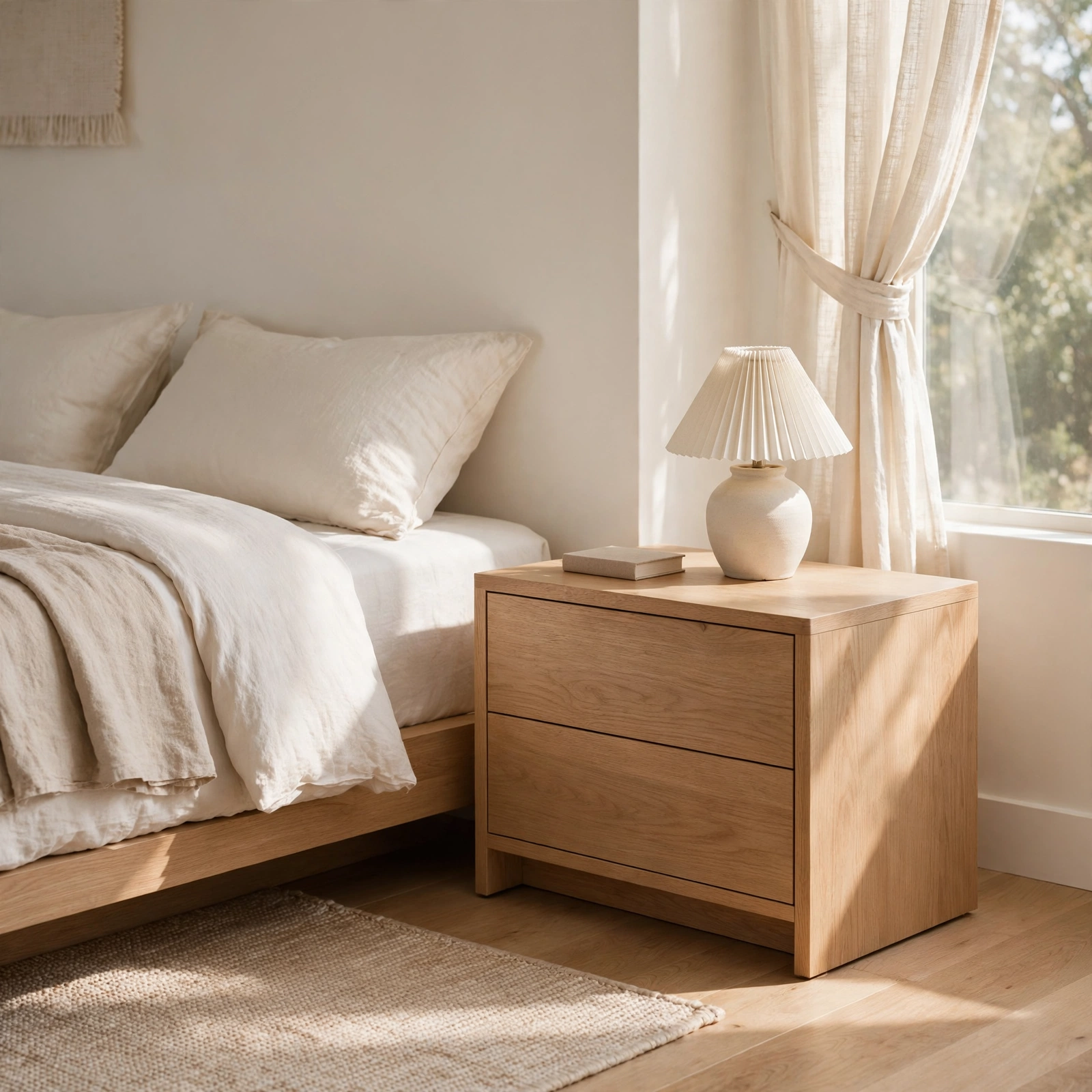
Limiting the nightstand to a lamp and one or two personal items, rather than a full collection of books, chargers, and trinkets, keeps the surface visually calm and easy to maintain day to day. Choosing a nightstand with a drawer allows the overflow items, like chargers or reading glasses, to stay accessible but out of sight. This small daily habit has an outsized effect on how calm the entire room feels, since the nightstand is one of the most frequently touched surfaces in the space.
12. Natural Wood Accent for Minimalist Bedroom
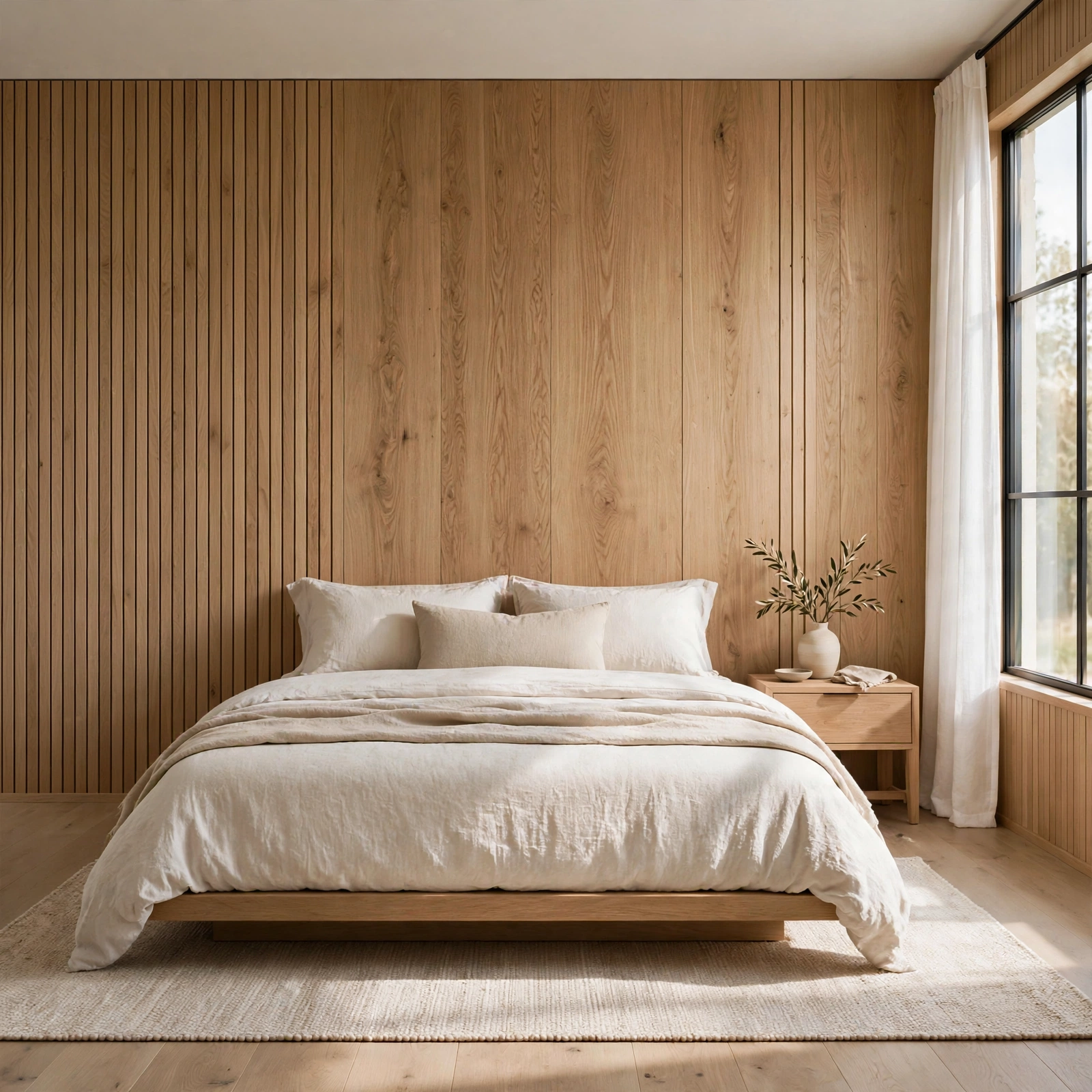
Introducing a single piece of natural, minimally finished wood, such as an oak bed frame or a simple wood bench, adds warmth to a minimalist bedroom without relying on pattern or color to do the work. Choosing wood with visible grain, rather than a painted or heavily lacquered finish, keeps the material feeling organic and understated. This works especially well when paired with a monochrome wall color, since the wood tone becomes the room’s main source of visual variation.
13. Recessed Lighting Strip for Minimalist Bedroom
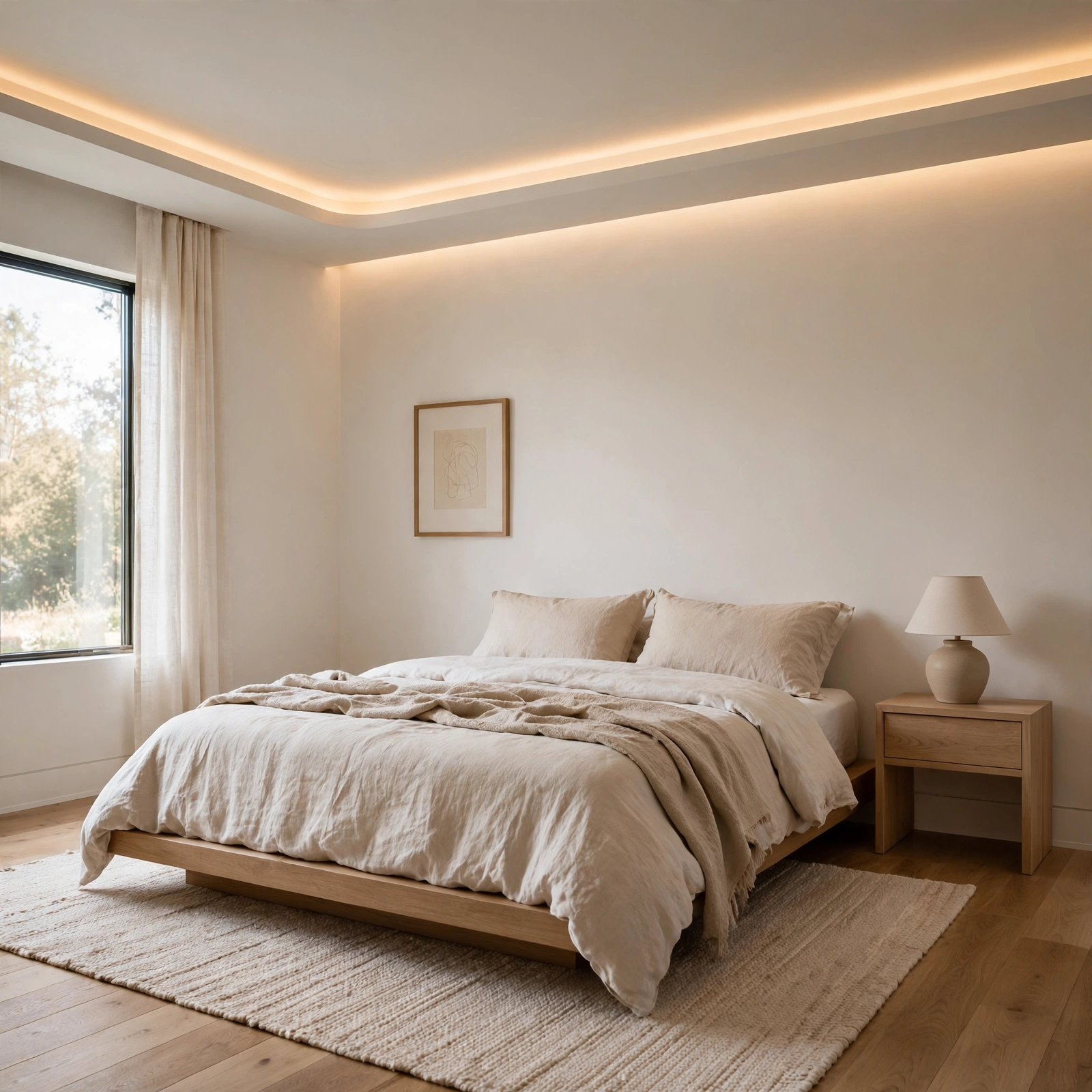
A recessed or hidden LED lighting strip, installed behind a headboard or along a ceiling cove, provides ambient light without the visual presence of a table lamp or pendant fixture. This kind of lighting supports a minimalist bedroom’s clean lines since the light source itself stays out of view while the glow remains visible. Choosing a warm color temperature, rather than a cool white light, keeps the effect calming rather than clinical in the evening.
Shop the Look
A few specific pieces tend to anchor most minimalist bedroom setups like the ones described above. A solid oak platform bed frame without a headboard keeps the silhouette low and simple. A heavyweight linen duvet set in a warm oatmeal tone provides texture without pattern. A single floating oak shelf and a slim roller shade in a matching neutral tone round out the room’s few functional elements, along with a bed base that includes concealed drawer storage underneath.
Common Mistake to Avoid
A common mistake when designing a minimalist bedroom is confusing an empty room with a minimalist one, which often results in a space that feels cold rather than calm. Removing decor without adding enough texture through bedding, wood tones, or a single well-placed piece of art can leave the room feeling unfinished instead of intentional. A true minimalist bedroom still requires thoughtful material choices, just fewer of them, rather than simply subtracting everything without a plan.
Frequently Asked Questions
What colors work best for a minimalist bedroom?
Soft neutrals like warm greige, oatmeal, and muted taupe tend to work best for a minimalist bedroom, since they create a calm backdrop without introducing strong contrast or pattern. Cooler tones like light gray also work well when paired with matte black hardware for a slightly more modern feel. Sticking to one dominant tone throughout the room, rather than several competing neutrals, keeps the palette feeling cohesive rather than mismatched.
How much storage do I actually need in a minimalist bedroom?
The amount of storage needed depends on the individual’s belongings, but a minimalist bedroom generally relies on concealed storage, such as a closet system with solid doors or a bed base with built-in drawers, rather than reducing the total storage capacity. The goal is keeping items out of view, not necessarily owning fewer things than before. Planning storage around actual daily habits tends to work better than following a strict object count.
Is a headboard necessary in a minimalist bedroom?
No, a headboard isn’t necessary in a minimalist bedroom, and many minimalist setups skip it entirely in favor of a simple platform frame or a low upholstered panel mounted directly to the wall. Skipping the headboard removes one more visual element from the room while still leaving the option open to add a simple leaning piece of art behind the bed instead. This choice mostly comes down to personal preference for support while reading or sitting up in bed.
How do I keep a minimalist bedroom from feeling too plain?
Adding texture through natural materials like wood, linen, and a single well-chosen piece of art keeps a minimalist bedroom from feeling plain, since texture provides visual interest without requiring additional clutter. Warm lighting, such as a recessed strip or a simple ceramic lamp, also adds depth to the room in the evening. Focusing on quality materials for the few chosen pieces, rather than filling the room with more objects, is generally more effective than adding decor purely to fill space.
Can a minimalist bedroom still feel cozy?
Yes, a minimalist bedroom can absolutely feel cozy when warm materials like natural wood, heavyweight linen, and soft ambient lighting are prioritized over cold, hard surfaces and stark white walls. Choosing a warmer neutral palette, rather than a stark white and gray scheme, also makes a significant difference in how inviting the room feels day to day. Coziness in a minimalist space typically comes from material choices and lighting rather than from adding more visible objects to the room.
Conclusion
These thirteen minimalist bedroom ideas focus on editing color, storage, and furniture choices down to a few intentional pieces that support a calmer daily routine. Picking two or three ideas that fit the room’s existing layout, rather than overhauling everything at once, tends to produce the most livable result over time. Save this guide to Pinterest for later reference, and check out the related bedroom storage and lighting posts for more ideas.