17 Creative Study Room Decor Ideas for Focused, Calm Spaces
A study room only works if it’s actually usable, and that comes down to a smaller list of study room decor choices than most people expect lighting, storage, seating, and a layout that keeps the desk clear. This guide covers seventeen ideas ranging from a weekend cork board project to a full built-in desk nook, organized so students, remote workers, and anyone carving out a home office corner can find something that fits their space and budget. Each idea explains what it is and why it earns a spot in a working room.
Trend & Background
Home study and office spaces have become permanent fixtures rather than temporary setups, since remote work and hybrid schooling pushed more people to convert spare bedrooms, closets, and even hallway nooks into functional workspaces. That shift has driven demand for furniture and storage that looks intentional rather than makeshift built-in desks, acoustic wall treatment, and proper task lighting instead of a folding table under an overhead bulb. It matters now because a study space that looks unfinished tends to get used less consistently, which affects focus and follow-through over time.
Key Takeaways
- Lighting, seating, and wall storage do more for focus in a study room than decorative objects alone.
- Study room decor works best when it separates “work mode” visually from the rest of the home, even in a shared space.
- Budget options like cork boards and rolling carts sit alongside bigger investments like built-in desks and acoustic panels.
- Cable management and vertical storage matter as much as style once a desk actually gets used daily.
1. Built-In Desk Nook
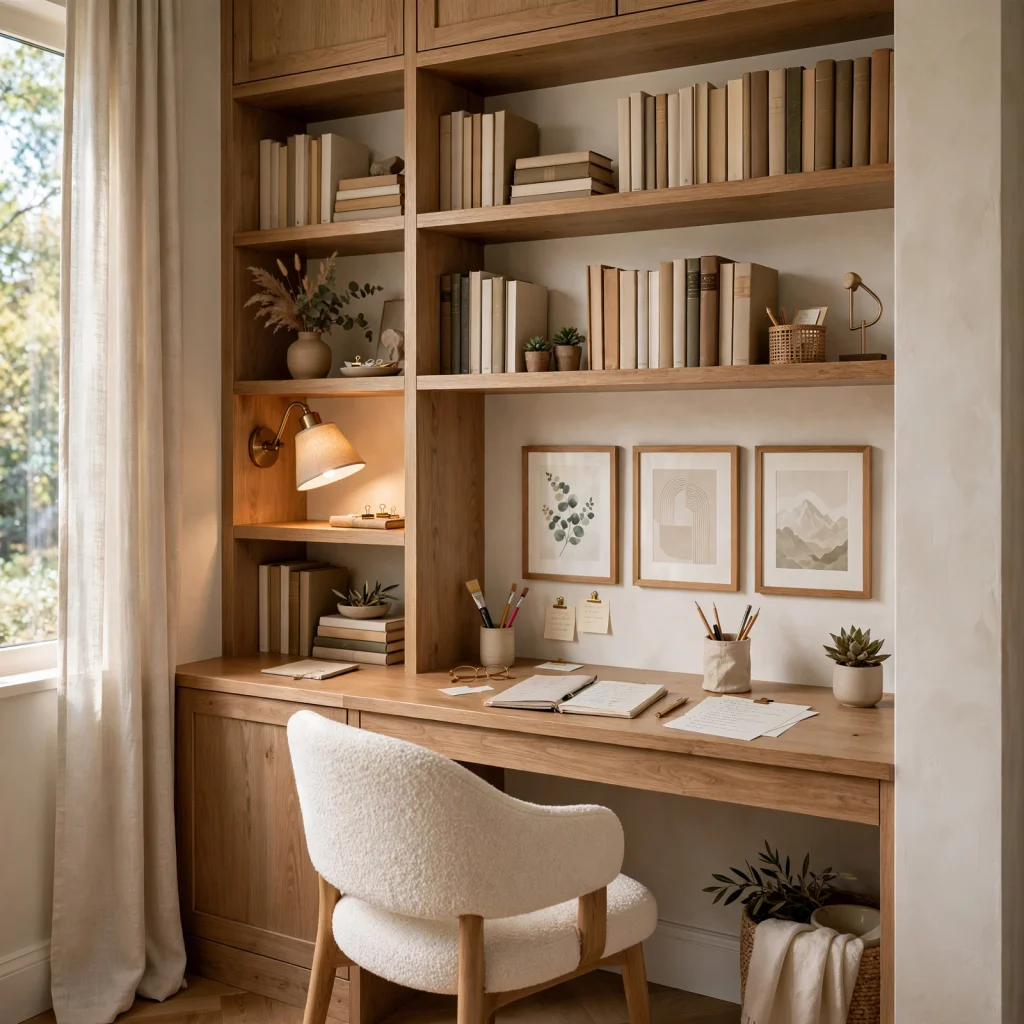
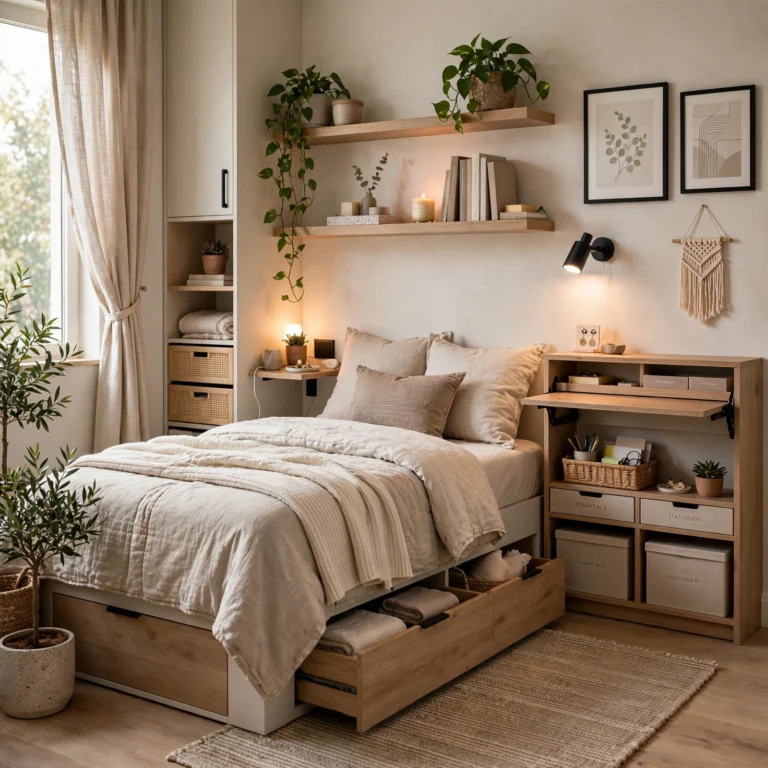
A built-in desk nook uses an alcove, closet, or unused wall to create a dedicated work surface that doesn’t eat into the rest of the room’s floor plan. Building the desktop into the wall at 28 to 30 inches high keeps it at standard desk height, and adding shelving above the surface uses vertical space that would otherwise sit empty. This works particularly well in a shared bedroom where a freestanding desk would compete for space with other furniture.
2. Wall-Mounted Bookshelves
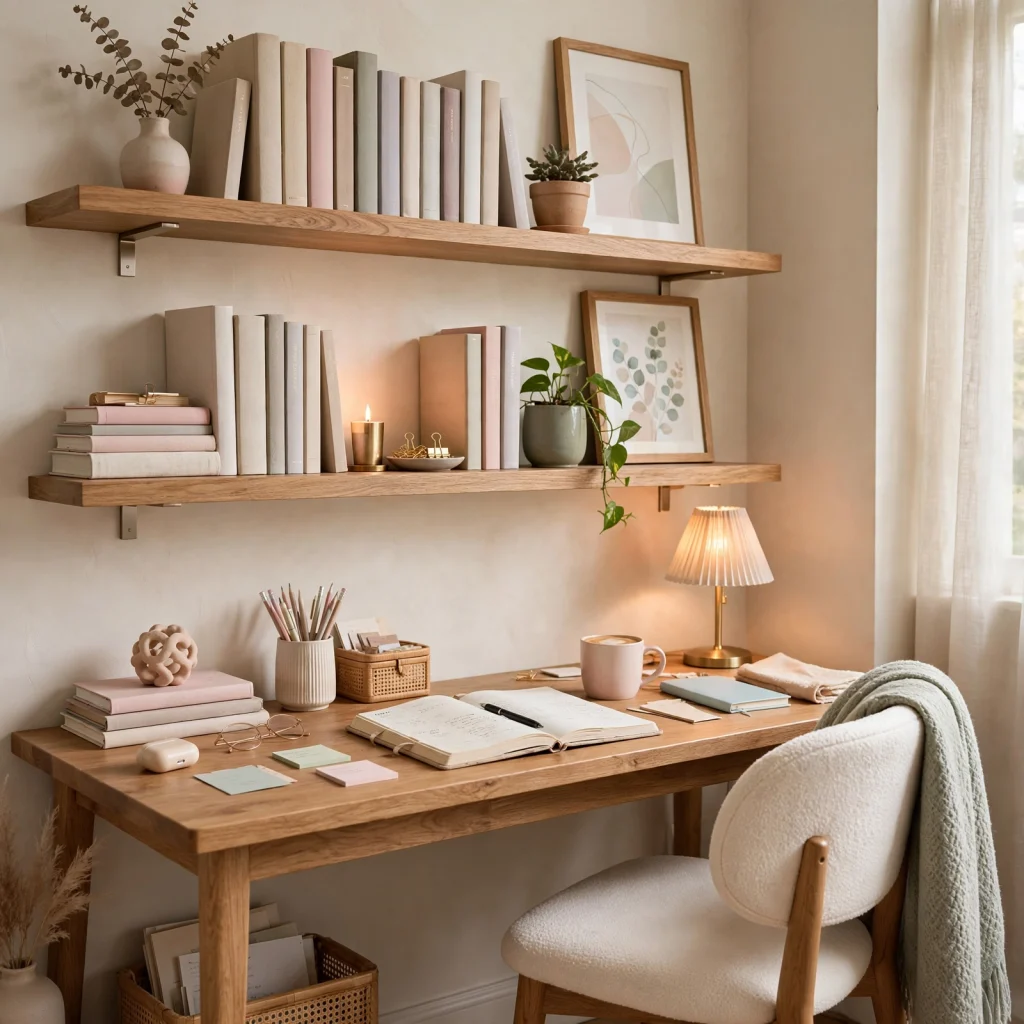
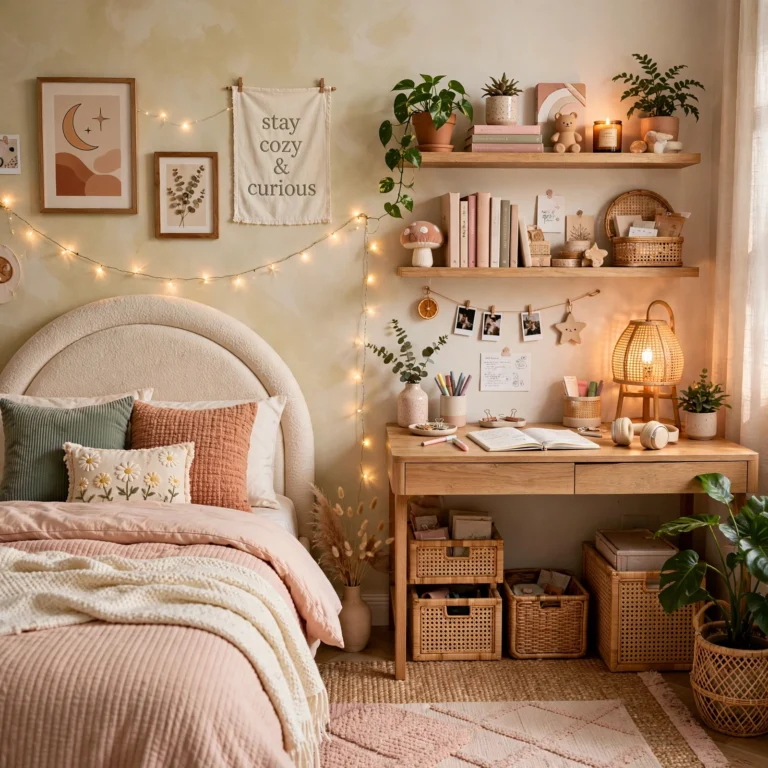
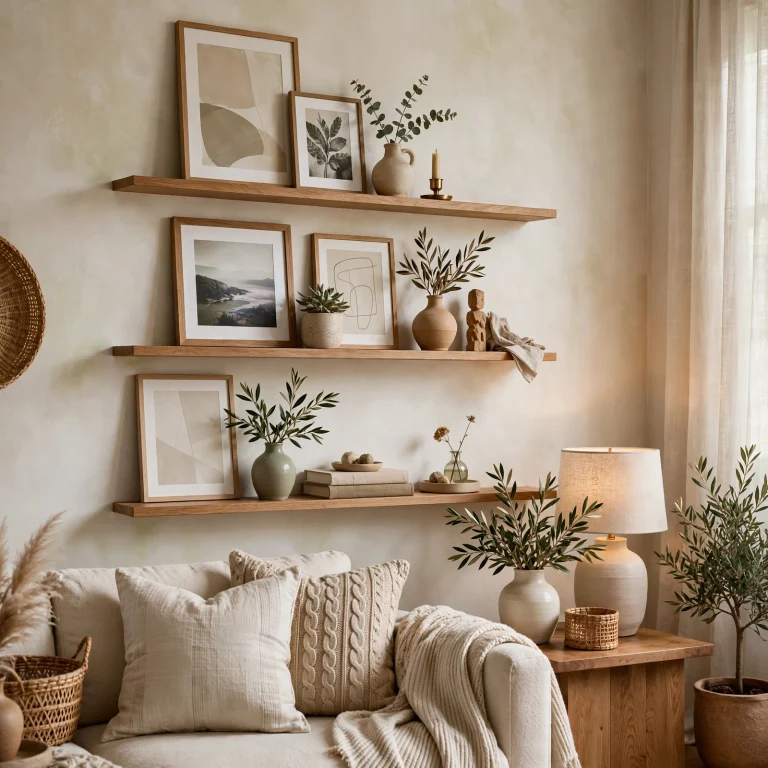
Wall-mounted bookshelves keep textbooks, binders, and reference materials off the desk surface while staying within reach of a seated chair. Mounting shelves in a staggered rather than perfectly even layout adds visual interest and makes it easier to group materials by subject or project. Oak or birch plywood shelves read warmer and more finished than plain white laminate, especially in a room meant for long stretches of focused work.
3. Task Lamp with Adjustable Arm
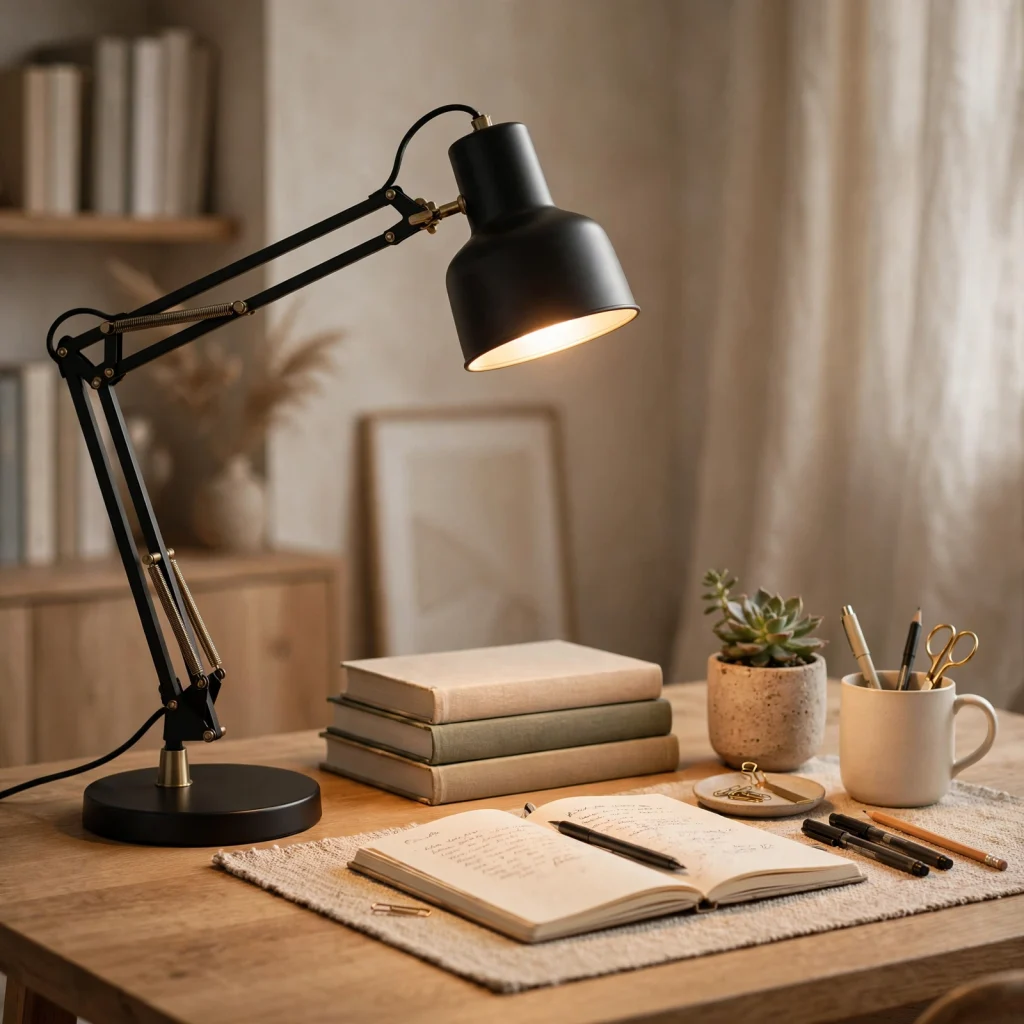
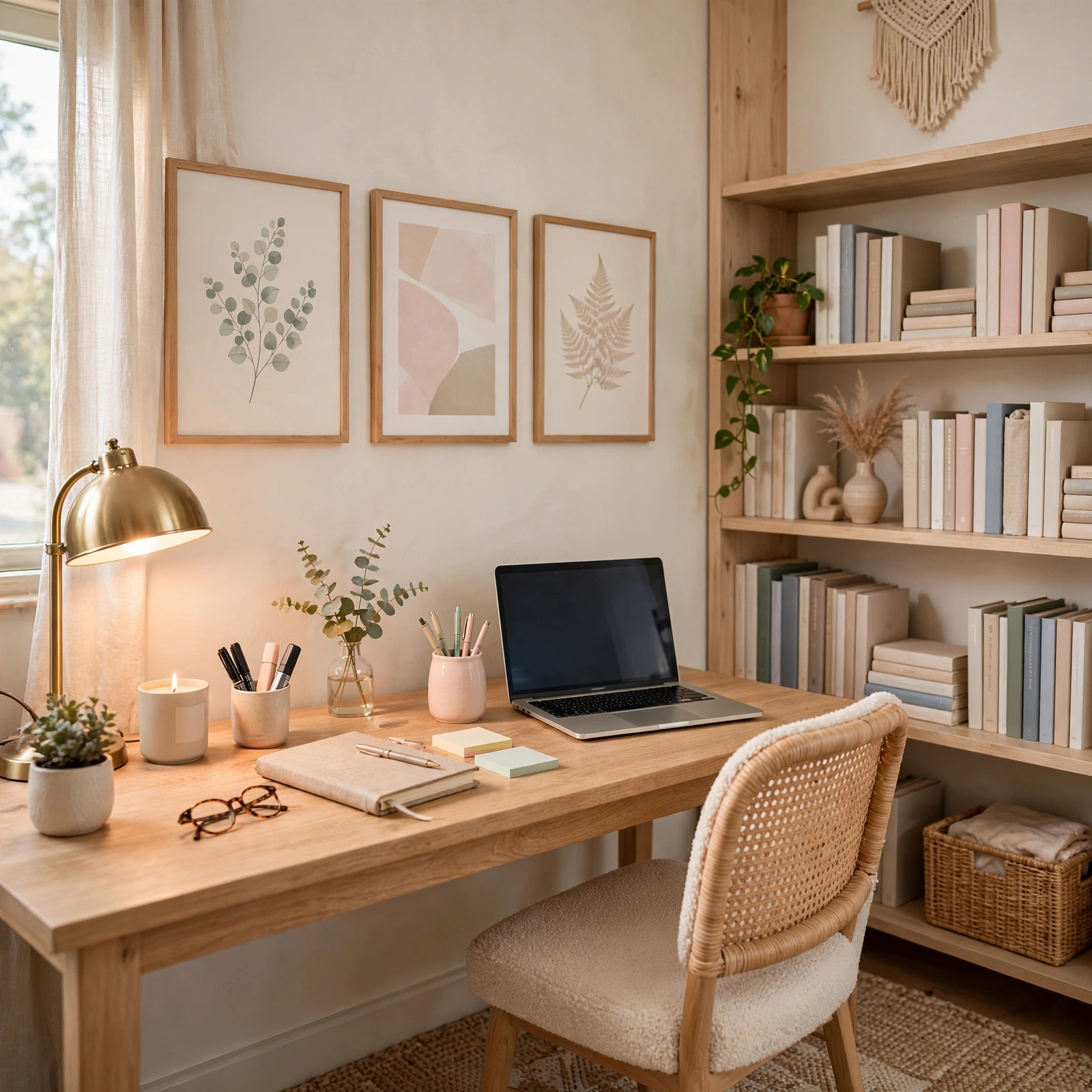
A task lamp with an adjustable arm solves the single biggest lighting problem in most study rooms, which is a light source that doesn’t actually point at the work surface. An articulating arm lets the light angle change throughout the day as natural light shifts, and a lamp with a built-in dimmer avoids eye strain during long evening sessions. Look for a color temperature around 4000K, which reads brighter and more neutral than the warm yellow tone typical of living room lamps.
4. Cork Pinboard Wall
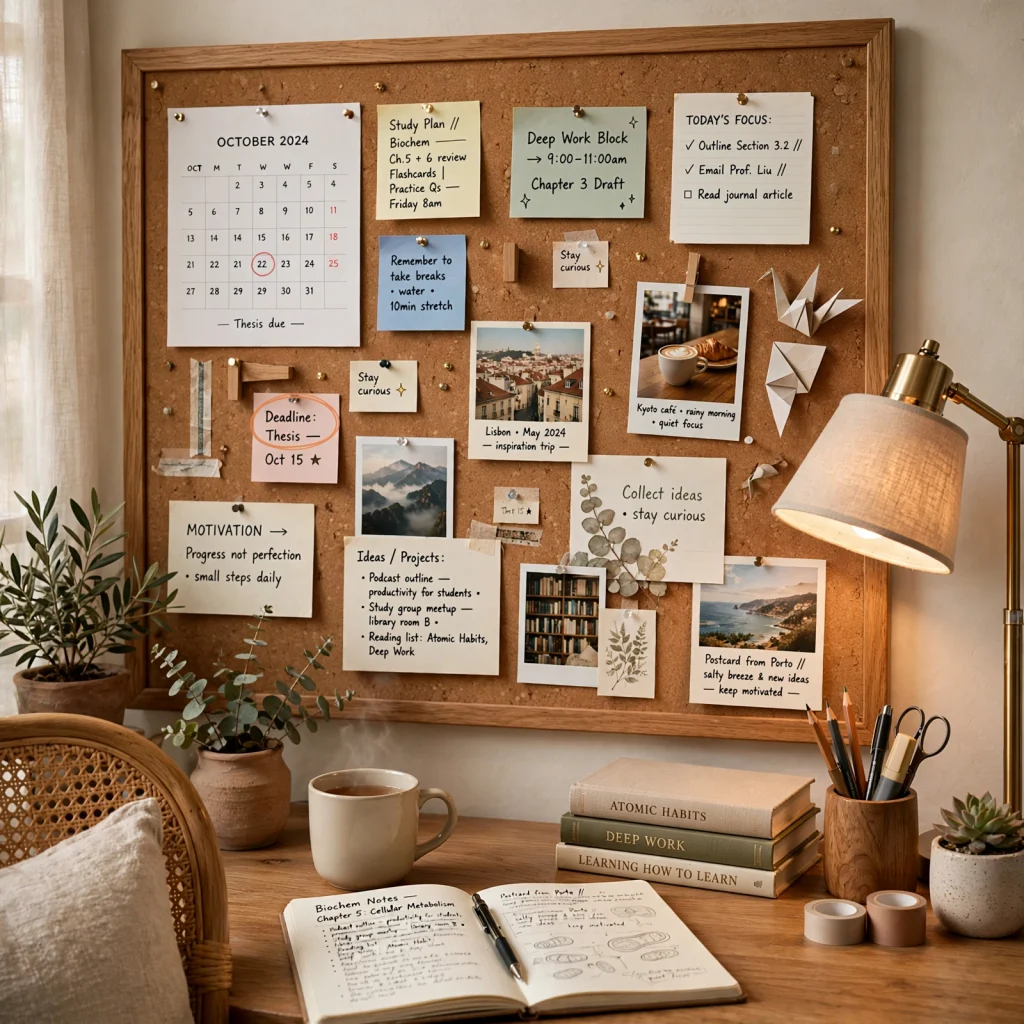
A cork pinboard wall turns an entire section of wall into usable space for schedules, notes, and reference pages without needing a single frame or piece of tape. Covering a wall in cork tiles rather than one large board makes it easier to fit around outlets, light switches, or trim, and the tiles can be painted or left natural depending on the room’s palette. This works especially well behind a desk where sightlines are already focused.
To see more options for cute room decor CLICK HERE
5. Rolling Storage Cart
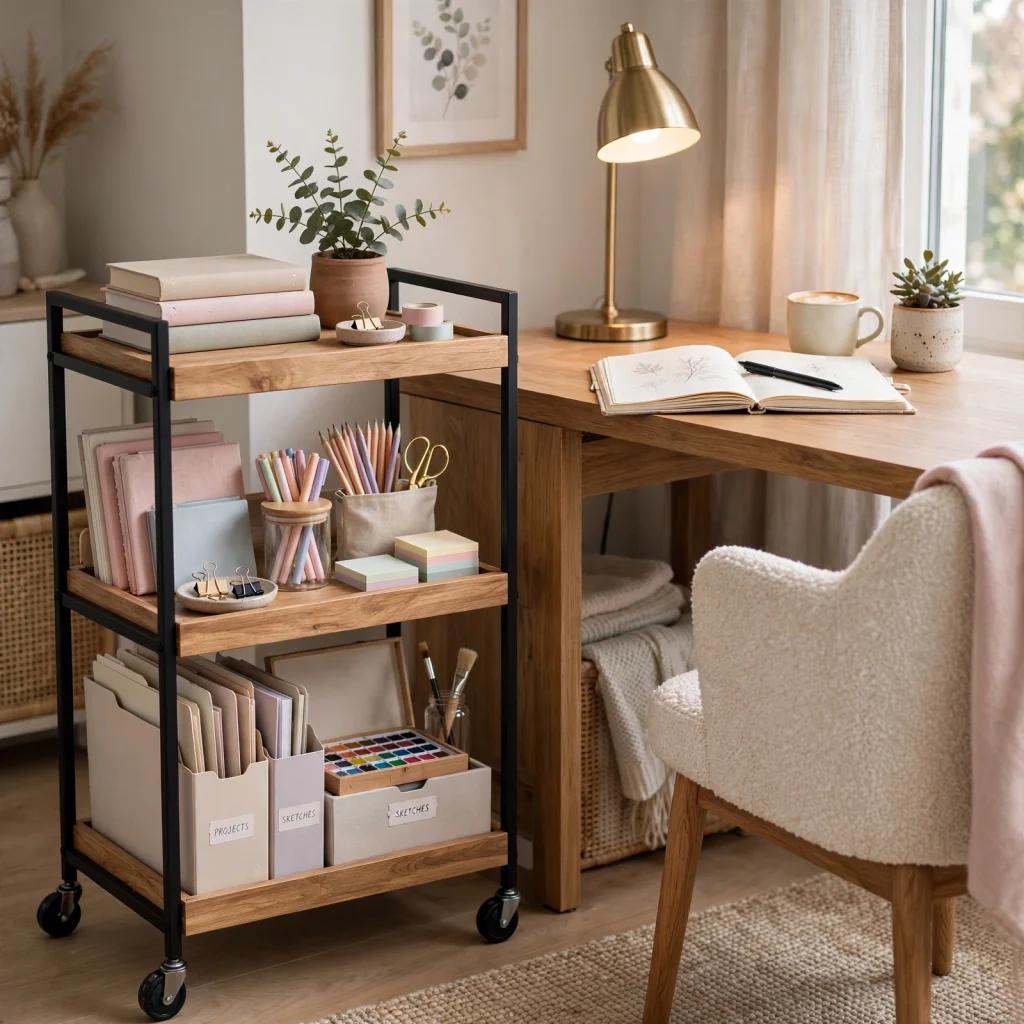
A rolling storage cart adds flexible storage that isn’t locked into one spot, which matters in a study room that also has to double as a guest room or craft space some of the time. A cart with two or three tiers keeps supplies visible and grouped instead of buried in a drawer, and locking wheels keep it from sliding around during use. Metal wire carts tend to hold up better under daily use than plastic versions.
6. Ergonomic Desk Chair
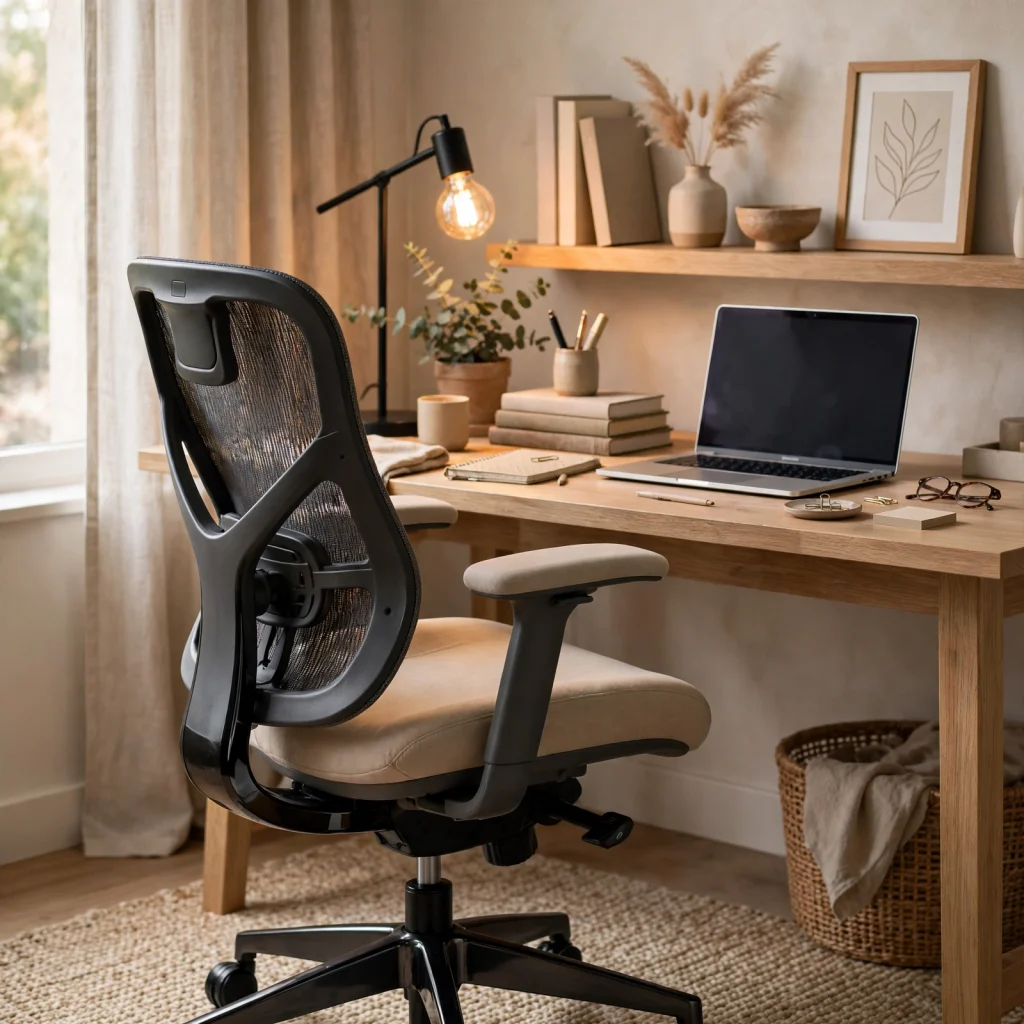
An ergonomic desk chair is one of the few study room purchases that affects comfort more than any visual decision in the room, since a poorly fitted chair leads to shorter, less productive work sessions regardless of how good the desk looks. Adjustable seat height, lumbar support, and armrests that don’t hit the desk edge all matter more than fabric color. Mesh-back chairs breathe better for long sessions, while upholstered chairs read more polished in a shared or visible space.
| Chair Type | Best For | Approx. Price Range |
| Mesh task chair | Long daily use, breathability | 120–300 |
| Upholstered desk chair | Shared or visible rooms | 150–400 |
| Kneeling chair | Posture-focused short sessions | 100–200 |
7. Floating Corner Shelf
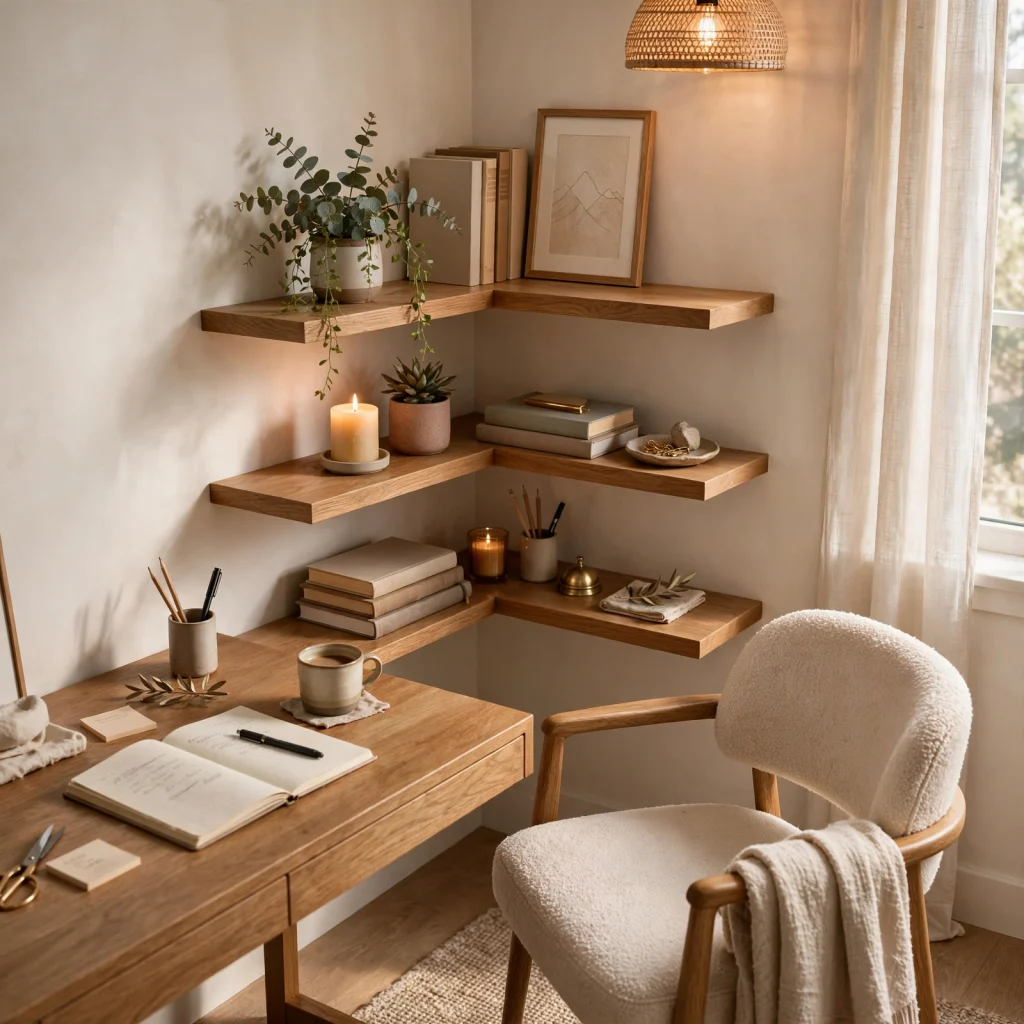
A floating corner shelf makes use of the dead space in a room’s corner, which is often skipped entirely in study room layouts even though it can hold books, a small plant, or a desk lamp. Corner shelves work best mounted in a stacked set of two or three rather than a single shelf, since the vertical repetition reads more intentional. This is a useful option in smaller rooms where wall space along the desk is already taken up by a pinboard or bookshelf.
8. Study Room Decor on a Budget
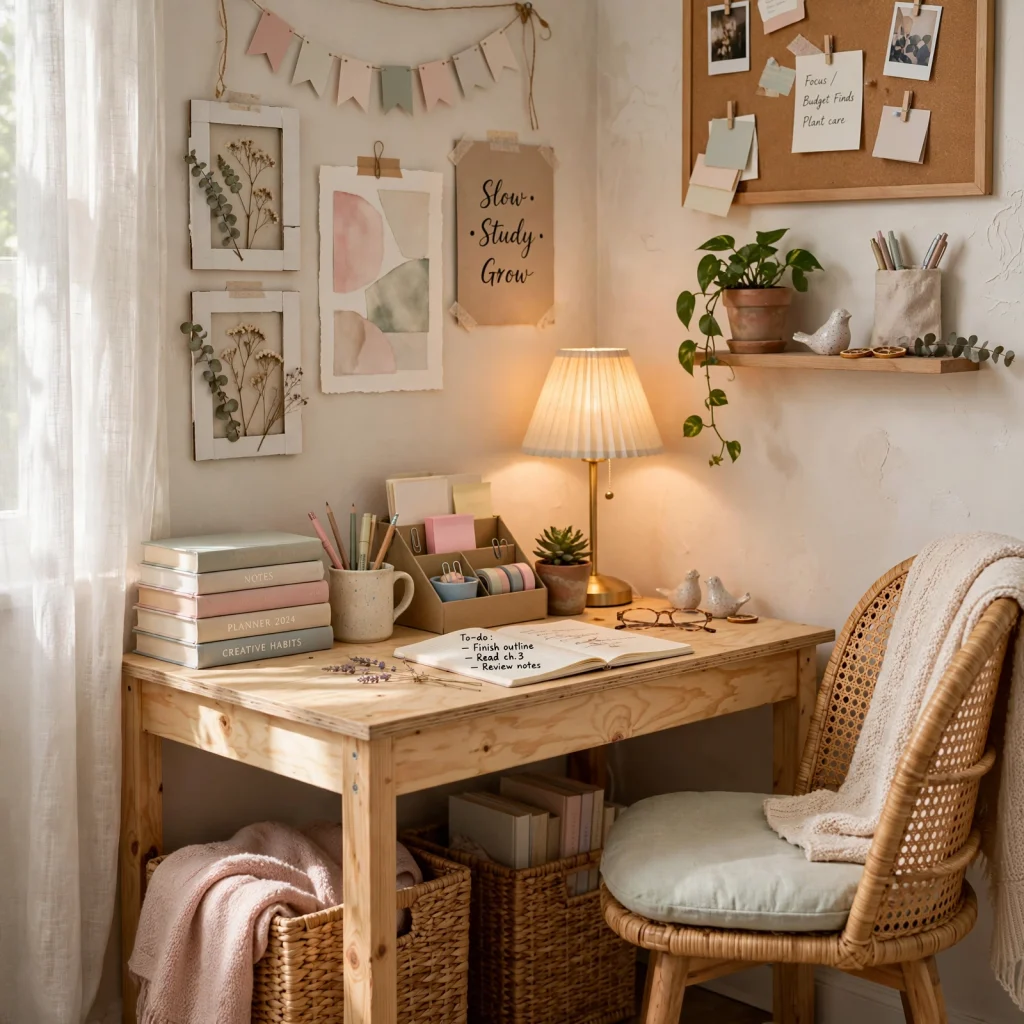
Study room decor on a budget usually comes down to reworking what’s already in the room before buying anything new repositioning a desk to face a window, swapping a harsh overhead bulb for a warmer task lamp, and clearing surface clutter into a single tray or organizer. A secondhand desk chair, a roll of cork tile, and a five-dollar plant can change how a room functions more than an expensive new desk would on its own.
| Budget Tier | Example Update | Approx. Cost |
| Under $50 | Cork tile wall, desk organizer | 20–50 |
| 50–150 | Task lamp, rolling cart | 60–150 |
| $150+ | Ergonomic chair, built-in desk | 200–500 |
9. Woven Blackout Roller Shade
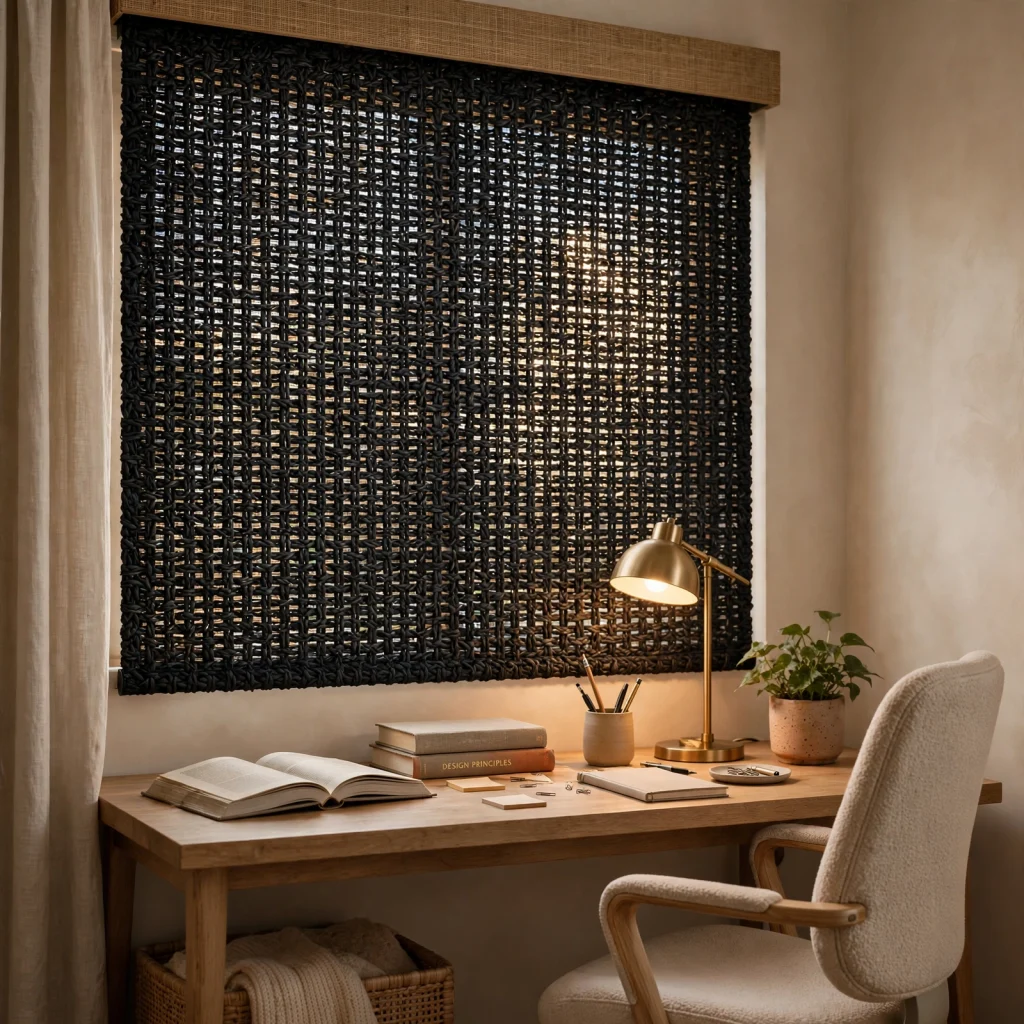
A woven blackout roller shade cuts glare on a laptop or monitor screen during the day while still bringing in filtered light when it’s rolled partway up. Natural woven materials like bamboo or jute soften the look of a window compared to plain vinyl blinds, and a cordless version keeps the desk area free of hanging strings. This is a small change that has an outsized effect on eye strain during screen-heavy work.
10. Vertical File Organizer
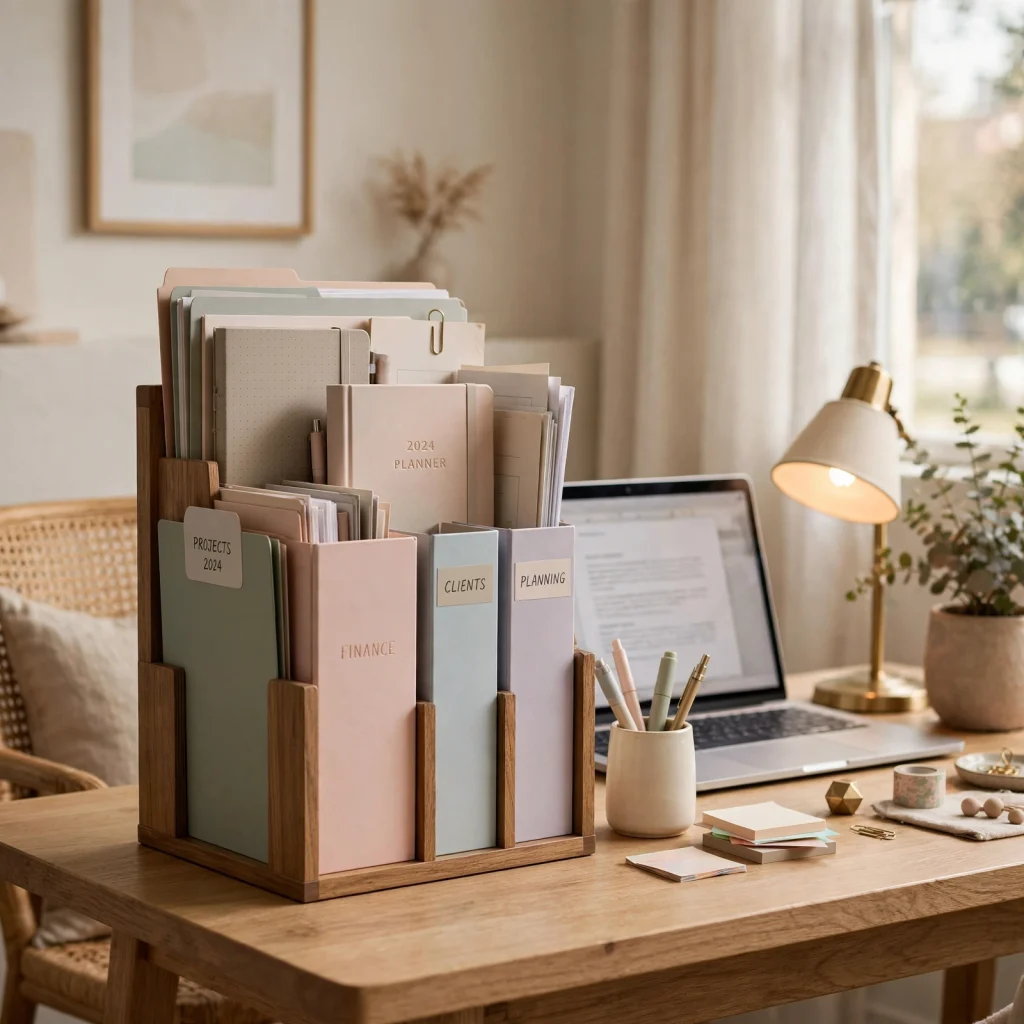
A vertical file organizer keeps papers, folders, and mail sorted upright instead of stacking flat on the desk surface, where they tend to get buried and forgotten. Placing it at the back edge of the desk rather than beside the monitor keeps the main work area clear while still keeping documents within reach. Wood or woven-front organizers blend into a study room’s decor better than plain plastic trays.
11. Acoustic Wall Panels
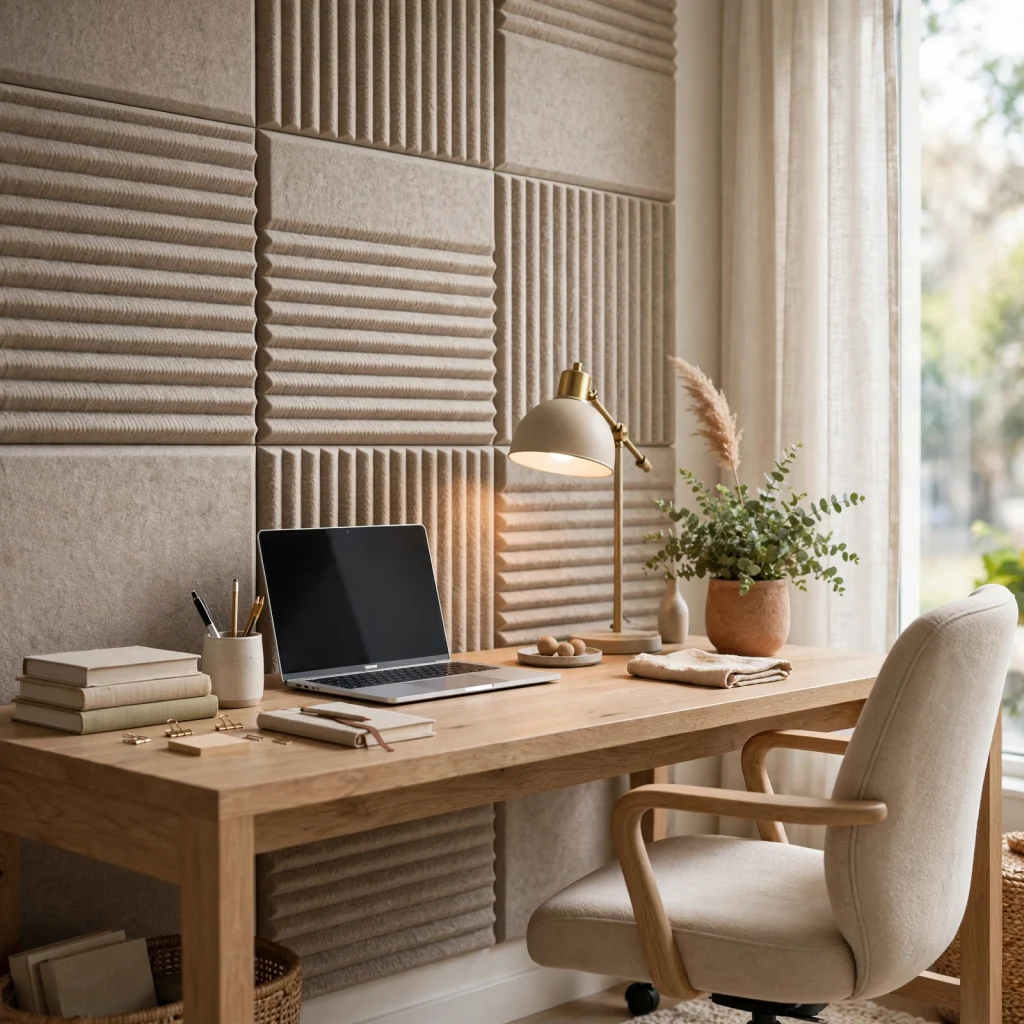
Acoustic wall panels reduce echo and outside noise bleed, which matters in a study room used for calls, recordings, or simply focused reading in a house with other activity happening nearby. Fabric-wrapped panels in a geometric arrangement double as wall art, so the acoustic benefit doesn’t come at the cost of a bare, utilitarian look. Installing panels behind the desk chair, rather than behind the desk itself, tends to cut the most noticeable echo.
12. Layered Area Rug
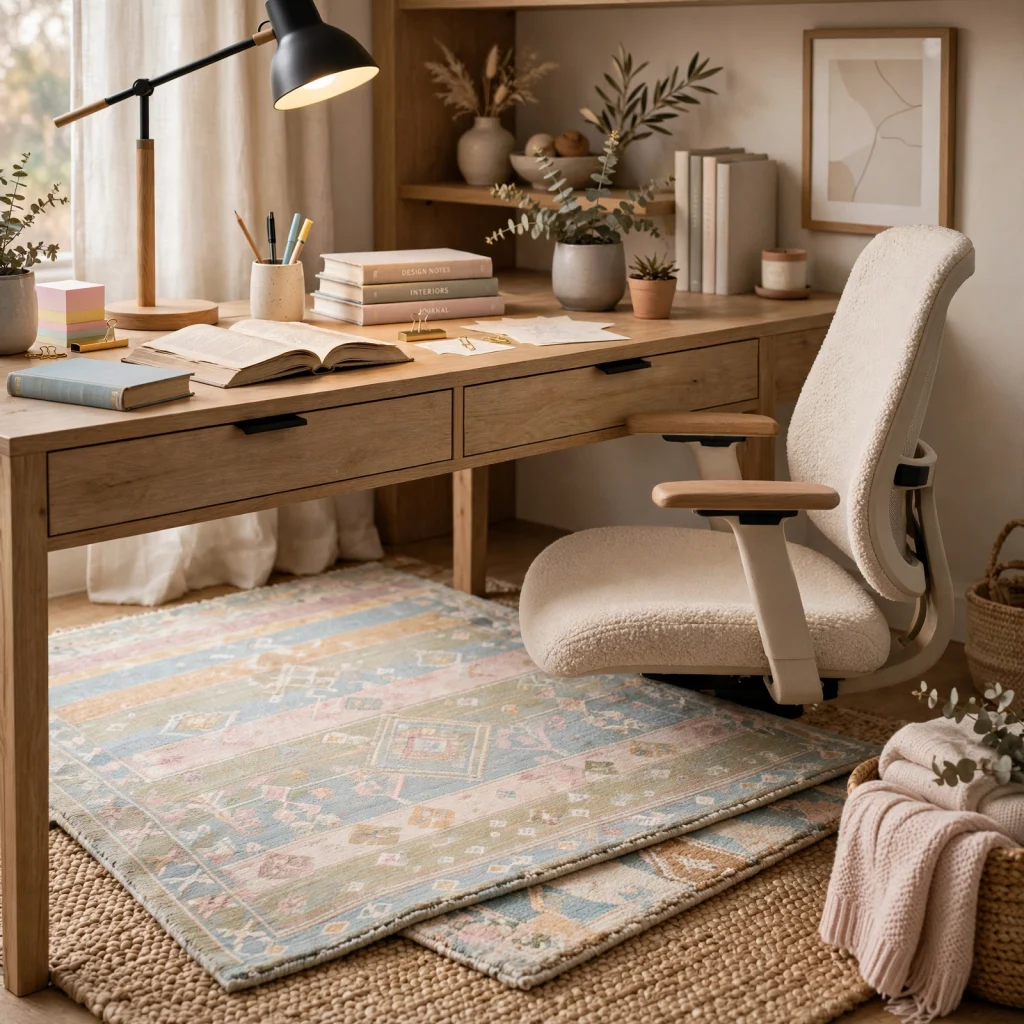
A layered area rug adds warmth and sound absorption to a study room, which often has hard flooring since it doubles as a functional workspace. Placing a smaller patterned rug over a larger neutral one adds visual interest without overwhelming a room that also needs to stay visually calm for focus. Wool or wool-blend rugs handle rolling desk chairs better over time than flatweave cotton options.
13. Wood Slat Pegboard
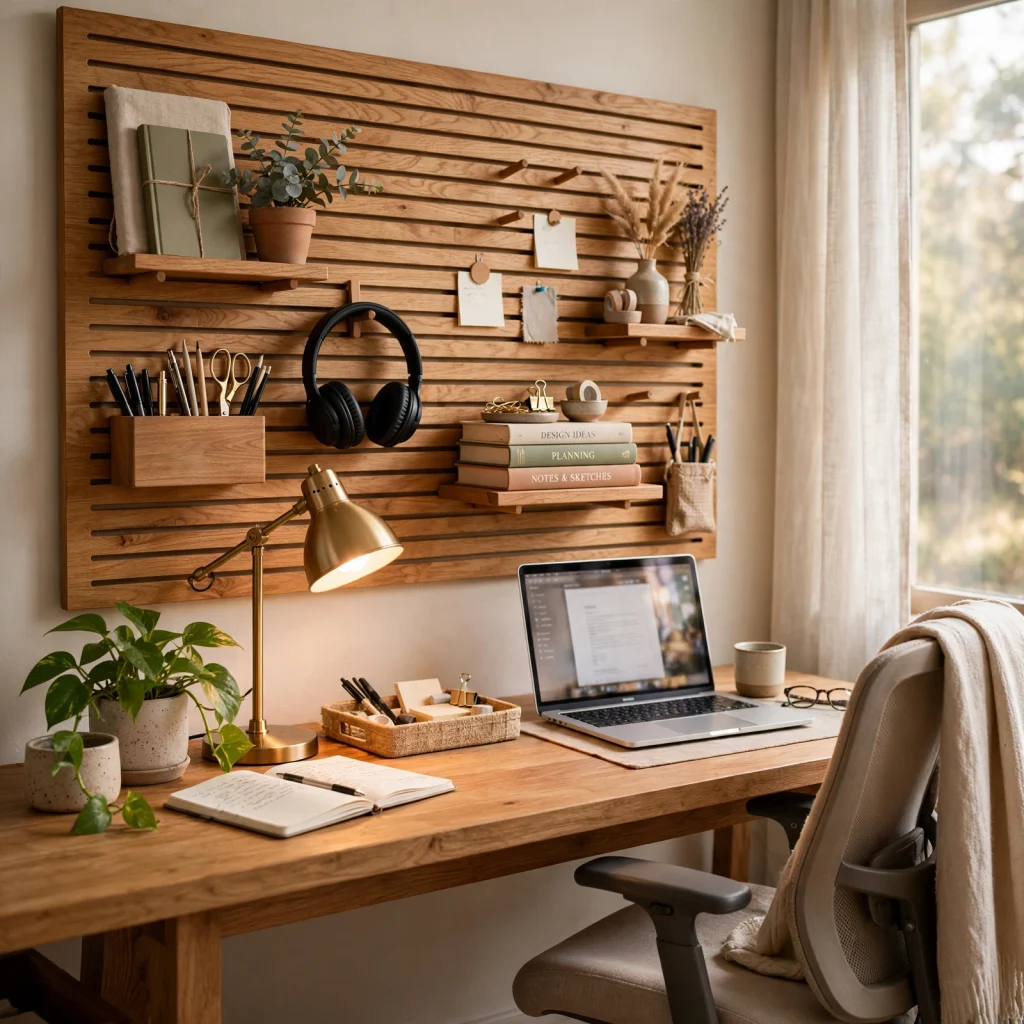
A wood slat pegboard gives a study room adjustable storage that can move with changing needs hooks for headphones and bags one semester, small shelves for supplies the next. Mounting it directly above or beside the desk keeps frequently used items visible and within arm’s reach without permanent drilling for each new item. Natural wood tones pair better with a calm study room palette than the painted pegboard styles common in garages.
14. Under-Desk Cable Tray
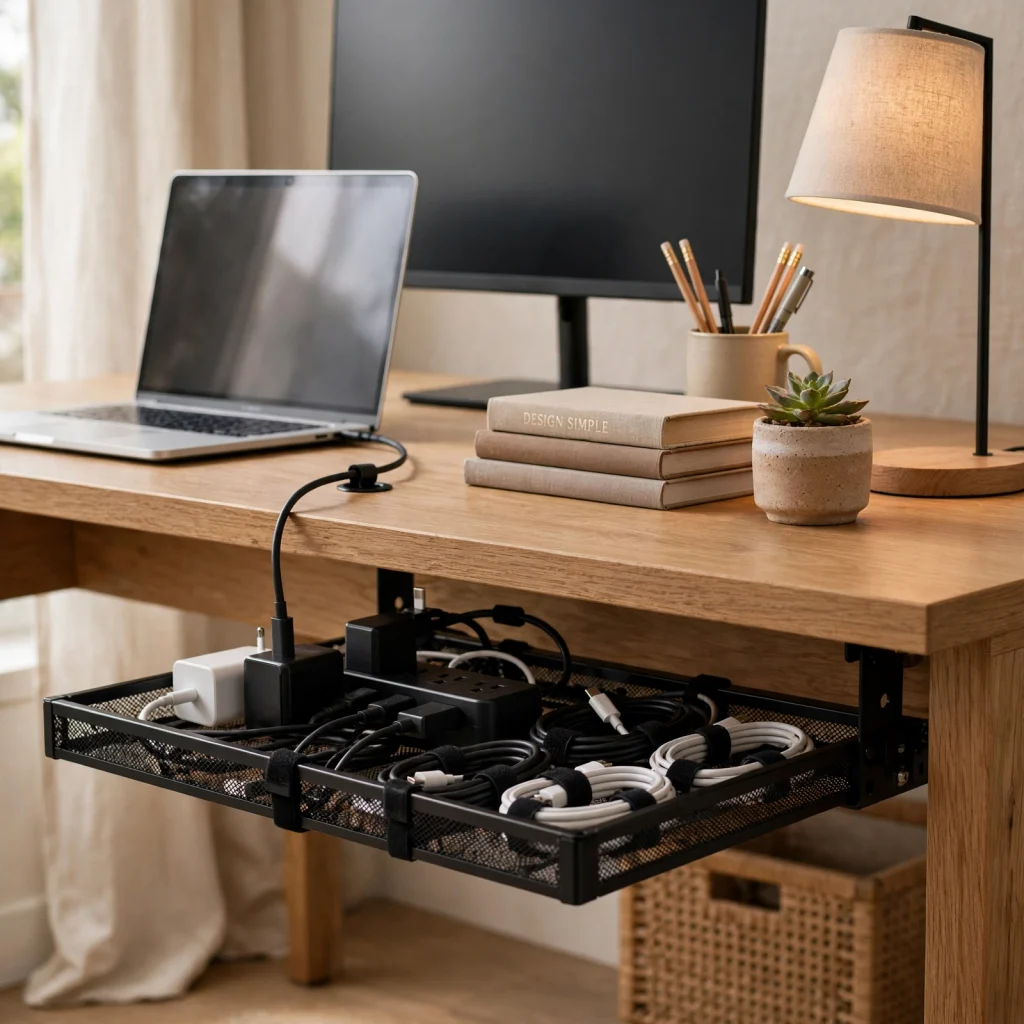
An under-desk cable tray keeps power strips, chargers, and cords off the floor and out of sight, which removes one of the most common sources of visual clutter in a study room. Mounting the tray to the underside of the desk keeps cords accessible for plugging in new devices without unmounting anything. This is a low-cost, low-effort update that has a noticeable effect on how finished a desk setup looks day to day.
15. Ceramic Desk Accessories
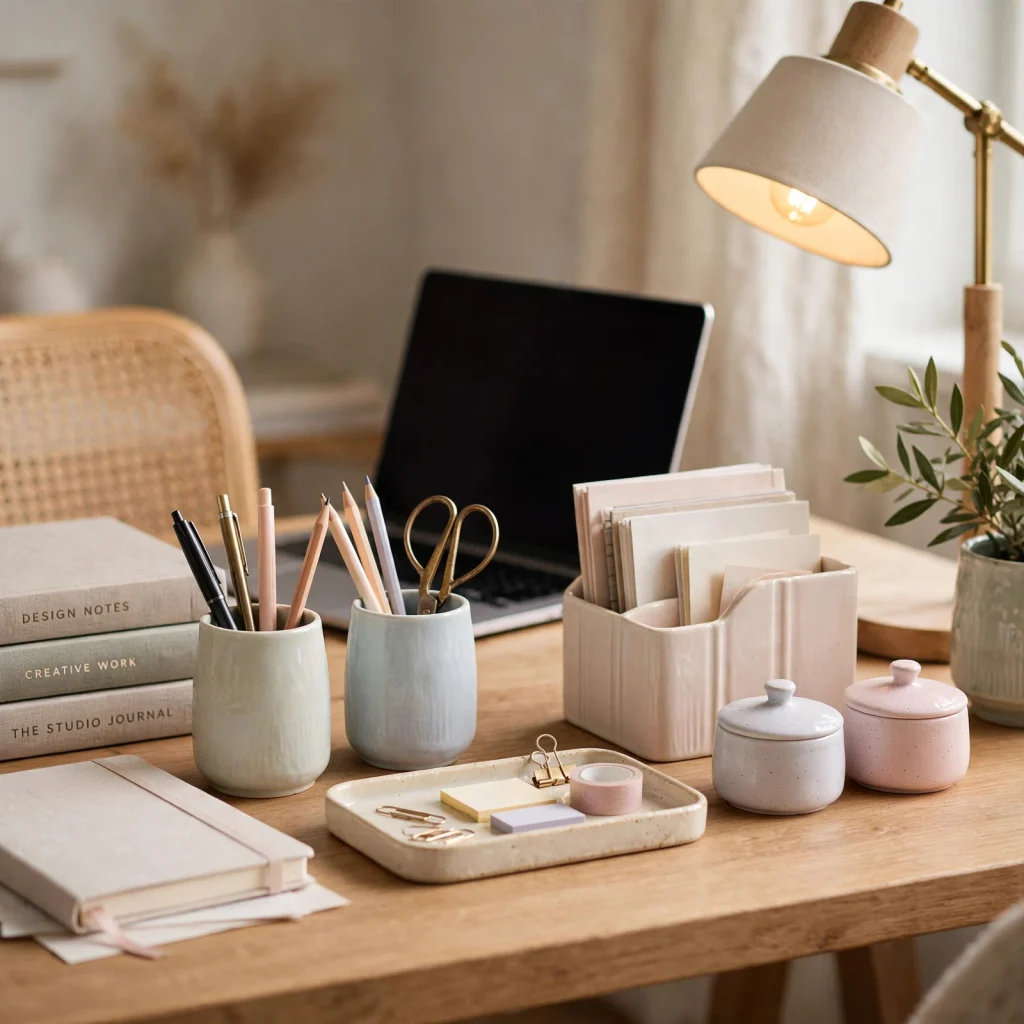
Ceramic desk accessories a pencil cup, a small catch-all dish, a paperweight replace plastic organizers with pieces that hold up visually over years of daily use. Choosing a single glaze color or finish across pieces keeps a cluttered desk surface from looking chaotic even when several items are out at once. These work as an easy, low-cost way to make a desk feel finished without committing to a full furniture change.
16. Plant Shelf Ledge
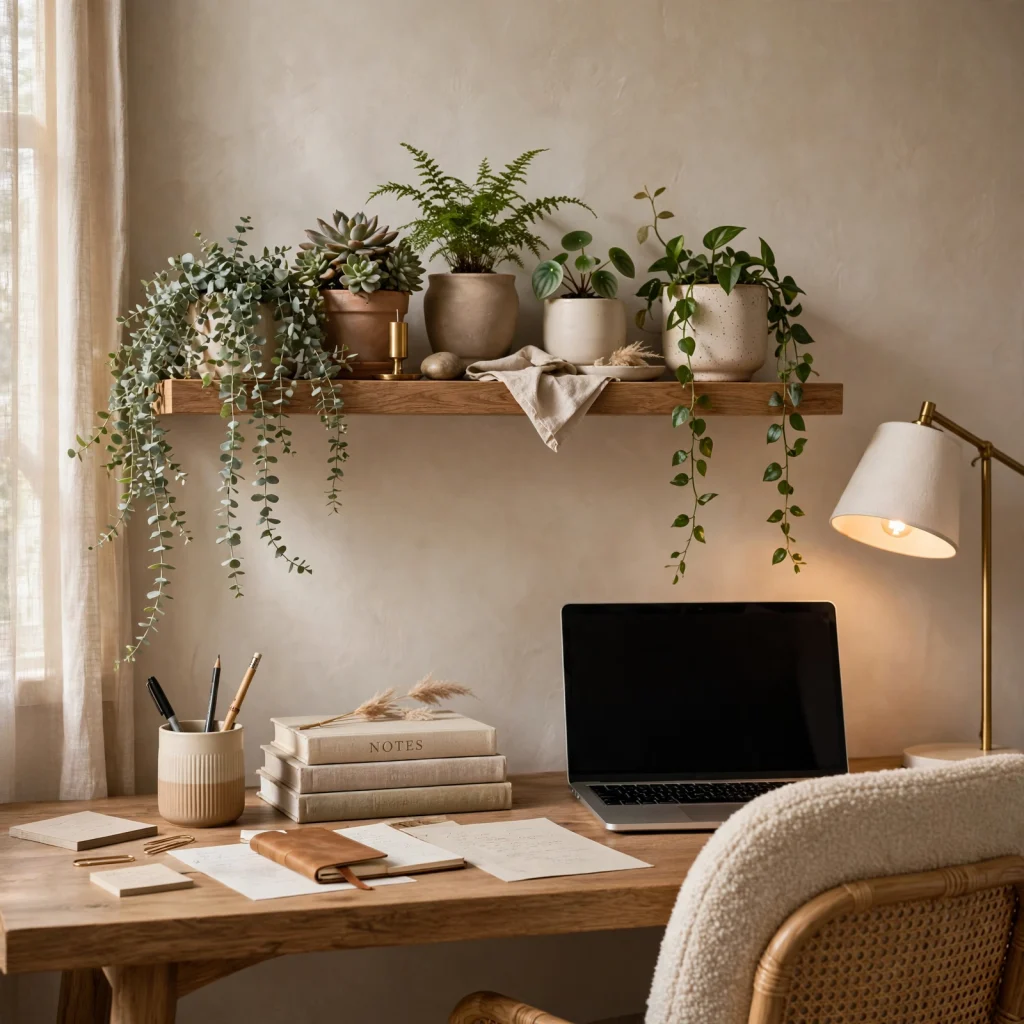
A plant shelf ledge adds a living element to a study room without taking up desk or floor space, since it mounts directly to the wall at eye level or above. Low-light plants like pothos or snake plant hold up better than flowering varieties in rooms without strong natural light. Grouping two or three small pots at slightly different heights on the ledge reads more intentional than a single centered plant.
17. Whiteboard Calendar Wall
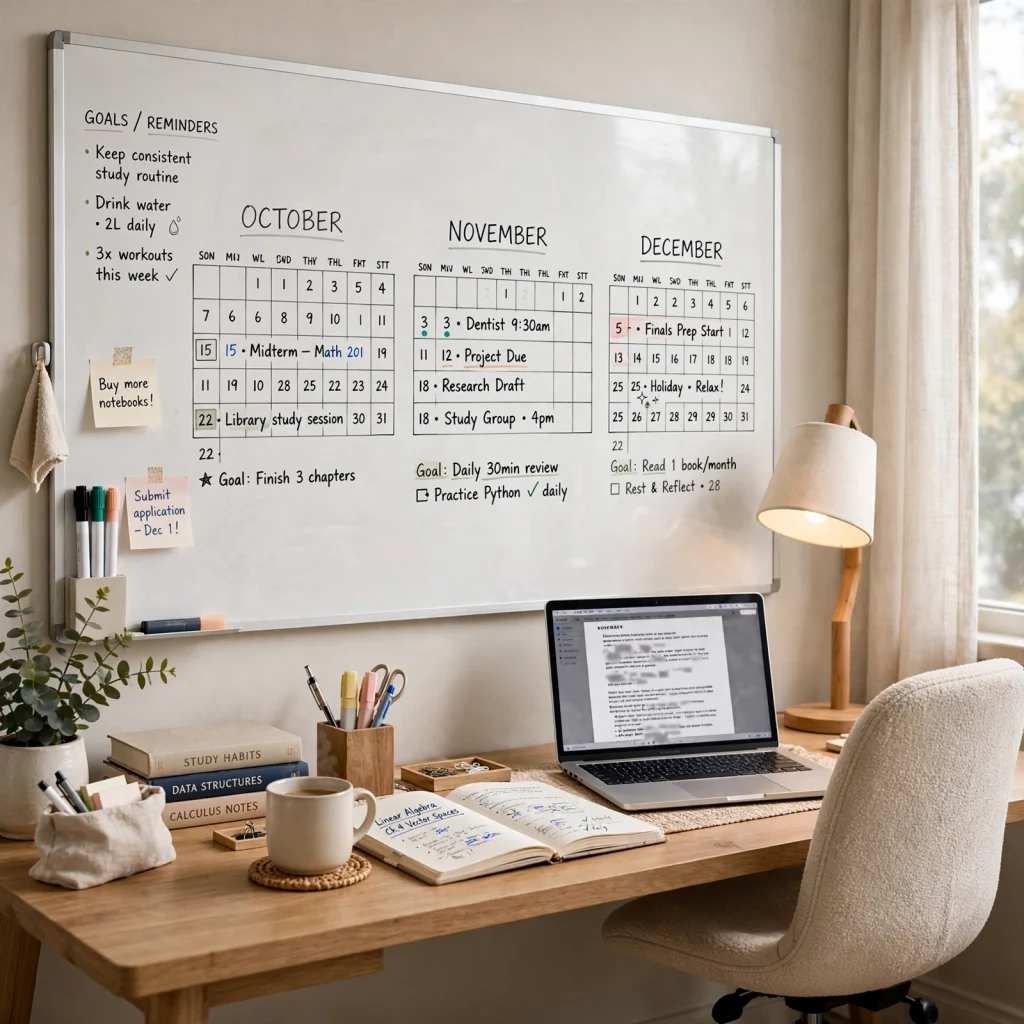
A whiteboard calendar wall turns a section of the study room into a planning surface for deadlines, schedules, and to-do lists that stay visible instead of buried in a notebook. Framing the whiteboard section with washi tape or a thin wood border keeps it from looking like a leftover office supply store fixture. This works especially well positioned within eye line of the desk chair, rather than behind it, so it’s actually used daily.
Shop the Look
A few pieces pull several of these ideas together into one cohesive setup. An oak wall-mounted bookshelf paired with a matte black task lamp and a woven blackout shade creates a warm, focused desk corner without much visual noise. For a shared or multi-use room, a mesh ergonomic chair alongside a metal rolling cart and a cork pinboard wall keeps the space flexible without sacrificing comfort during long work sessions.
Common Mistake to Avoid
The most common mistake in a study room is treating decor and function as separate decisions, which usually results in a pretty room that’s uncomfortable to actually work in poor lighting, a desk chair chosen for looks over support, or storage that looks nice but doesn’t hold what actually needs sorting daily. Before adding anything decorative, confirm the lighting, seating, and storage handle the real workload; the visual layer should build on that foundation, not distract from a setup that doesn’t function.
FAQs
What study room decor ideas work in a small bedroom?
A built-in or corner desk nook, wall-mounted shelving, and a floating corner shelf all work well in a small bedroom because they keep the desk area functional without taking up floor space needed for other furniture. A cork pinboard wall behind the desk adds storage for notes and schedules without needing a separate bulletin board stand. Keeping the color palette light and the desk surface clear also helps a small room feel less cramped during long work sessions.
How do I make a study room feel calm and focused?
Reducing visual clutter is the biggest factor a vertical file organizer, an under-desk cable tray, and ceramic desk accessories all keep the work surface clear, which has a direct effect on how calm a room feels. Acoustic wall panels and a layered area rug also cut down on echo and outside noise, which matters as much as the visual layout. A consistent, muted color palette across furniture and textiles rounds out the effect.
What’s the difference between a task lamp and a regular desk lamp?
A task lamp typically has an adjustable arm and a focused, directional light source designed to illuminate a specific work surface, while a regular desk lamp usually casts more ambient, undirected light across a wider area. For reading, writing, or screen work, a task lamp reduces glare and shadow on the page or keyboard in a way a standard lamp doesn’t. Dimmable and adjustable color temperature options add further control for different times of day.
How much does it cost to set up a study room on a budget?
A functional study room setup can be put together for under two hundred dollars by prioritizing a secondhand desk and chair, a roll of cork tile for the wall, and a mid-range task lamp, then adding smaller decor pieces like ceramic accessories or a plant ledge over time. Spending more upfront on an ergonomic chair or built-in desk pays off for daily, long-term use, but isn’t required to make the space work.
What furniture is essential for a study room?
A desk sized to the available wall space, a supportive chair, and adequate task lighting form the core of any functional study room, with everything else shelving, storage, textiles layered in afterward. Vertical storage, whether wall-mounted shelves or a rolling cart, matters more than a large desk with drawers if floor space is limited. Acoustic treatment and rugs are worth adding once the core furniture and lighting are already in place and working well.
Conclusion
These seventeen study room decor ideas work best when lighting, seating, and storage come first, and the more decorative choices rugs, plants, ceramic accessories get layered on afterward. Start with whichever piece is currently causing the most friction in your space, whether that’s a chair that isn’t supportive or a desk buried in cords, and build outward from there. Save this list to Pinterest for later, or check the related home office layout post for more on desk placement and lighting.