16 Modern Aesthetic Room Decor Ideas for a Calming Home
Most rooms don’t need more stuff they need better decisions about the stuff they already have. This guide walks through sixteen ways to build aesthetic room decor into a bedroom, living room, or reading nook using layout, texture, and lighting rather than a blank check. You’ll learn which materials read as intentional versus cluttered, where to spend on a statement piece, and how to avoid the most common styling mistake people make when they try to copy a Pinterest board.
Trend & Background
Interior styling has shifted away from matched furniture sets and toward rooms that look collected over time. Natural fibers like jute and rattan, muted clay and sage tones, and soft-touch fabrics such as boucle have replaced the high-gloss, uniform look that dominated a decade ago. This matters now because more people are working, resting, and hosting from the same handful of rooms, so a space has to function well and still feel personal. The rise of small-space living has also pushed decor toward pieces that double as storage or seating, not just decoration.
Key Takeaways
- Small changes like layered textiles, curated shelving, and warm lighting can shift a room’s entire mood without a full renovation.
- Natural materials such as rattan, jute, boucle, and linen are the foundation of most current aesthetic room decor trends.
- Spacing, scale, and color restraint matter more than the number of pieces you own a table inside this guide breaks down sizing for key ideas.
- Pair one or two statement pieces (a canopy bed, a mirror cluster) with quieter basics so the room doesn’t feel staged.
1. Layered Textile Throws
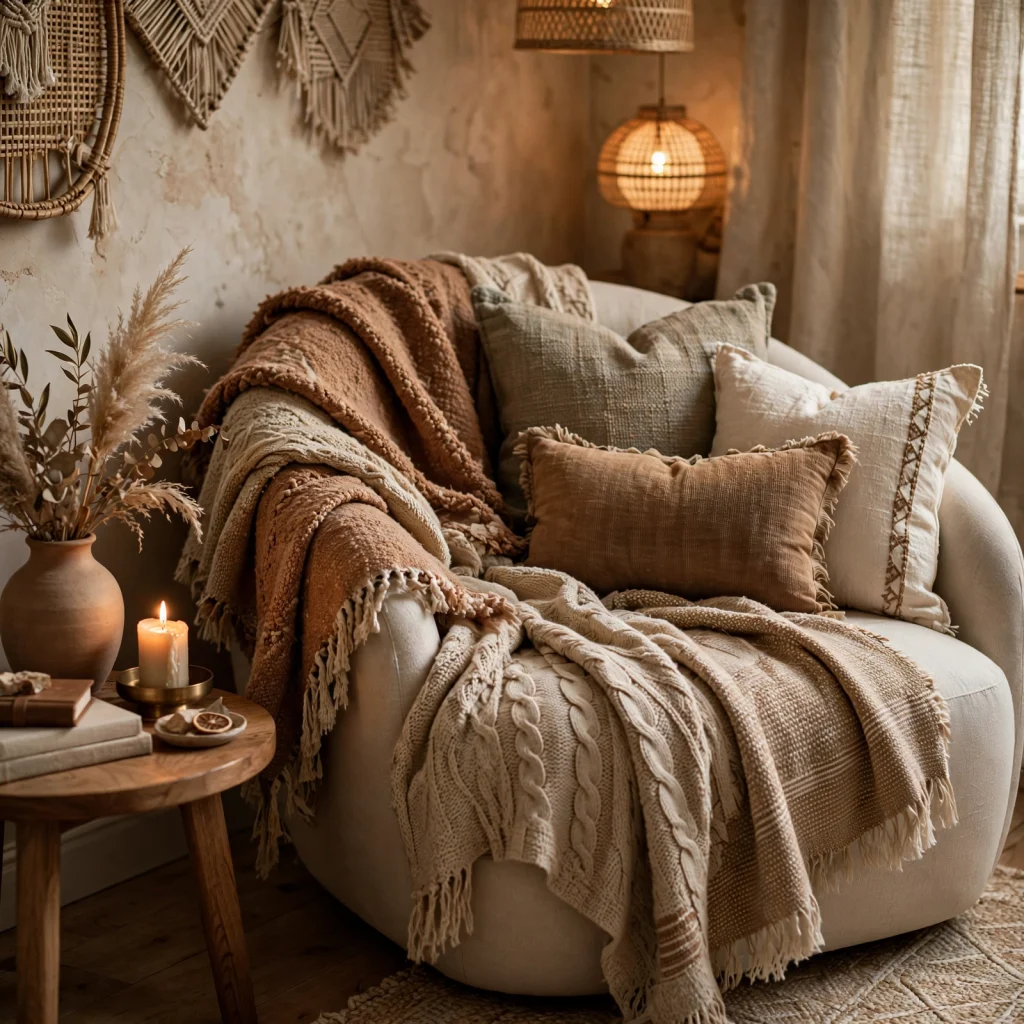
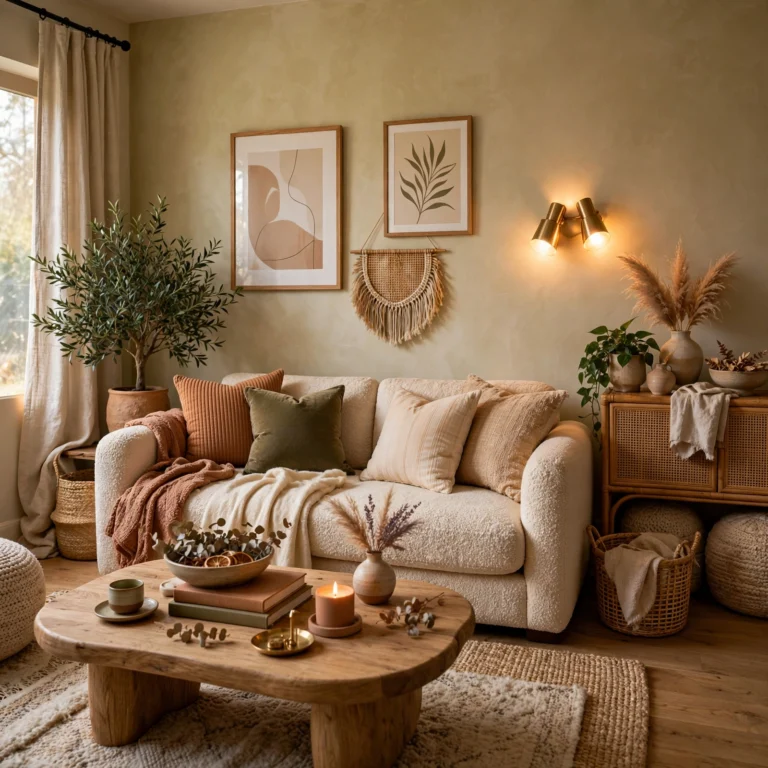
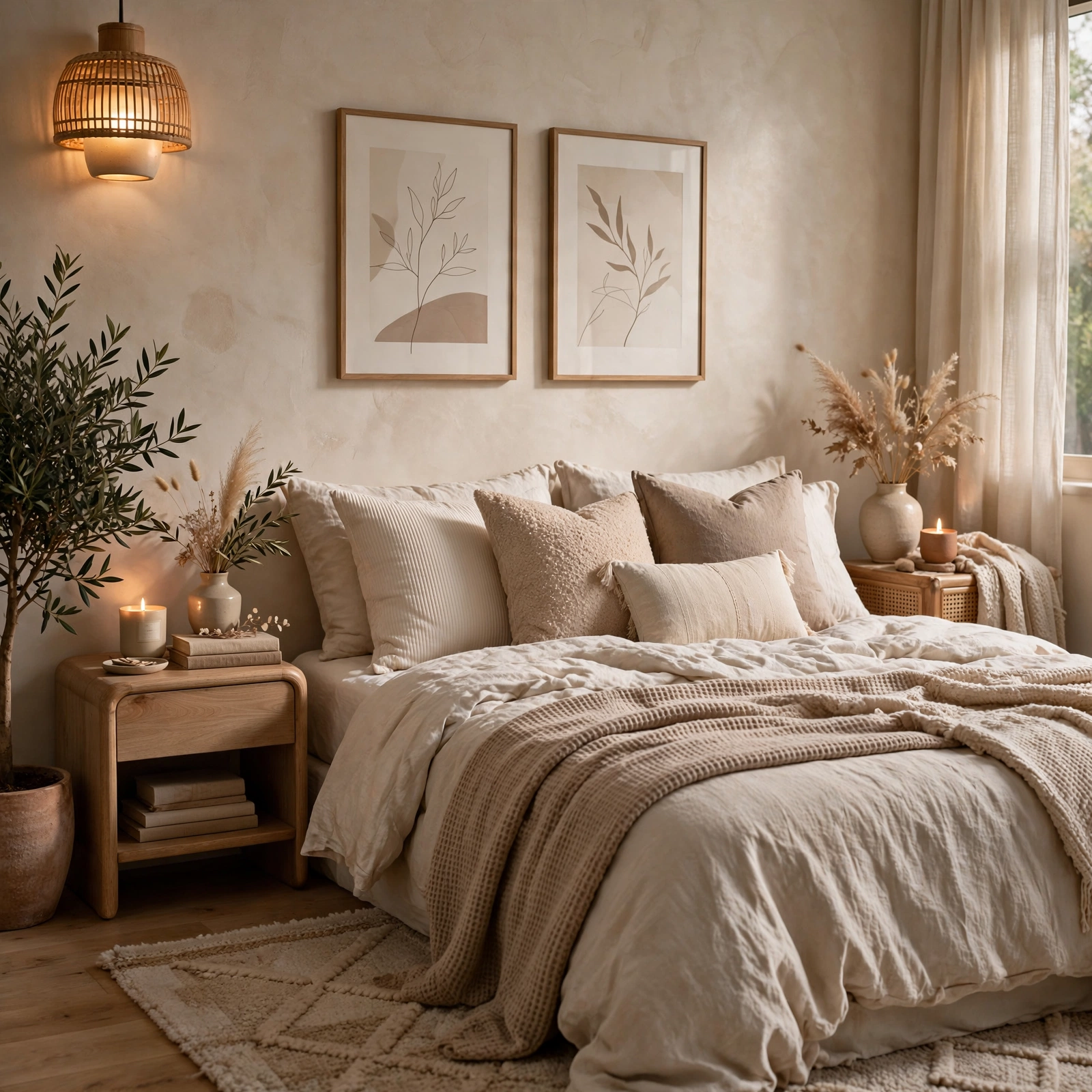
Layering two or three throws in different weaves a chunky knit, a waffle cotton, a sheepskin adds visible texture without adding clutter or color noise. Drape one folded at the foot of the bed and one loosely over the arm of a chair rather than stacking them evenly, since asymmetry reads as lived-in instead of staged. Stick to a tight palette of two neutrals plus one accent tone so the layers complement each other. This is one of the fastest, lowest-cost ways to make a plain room feel finished by evening.
2. Floating Wall Shelves
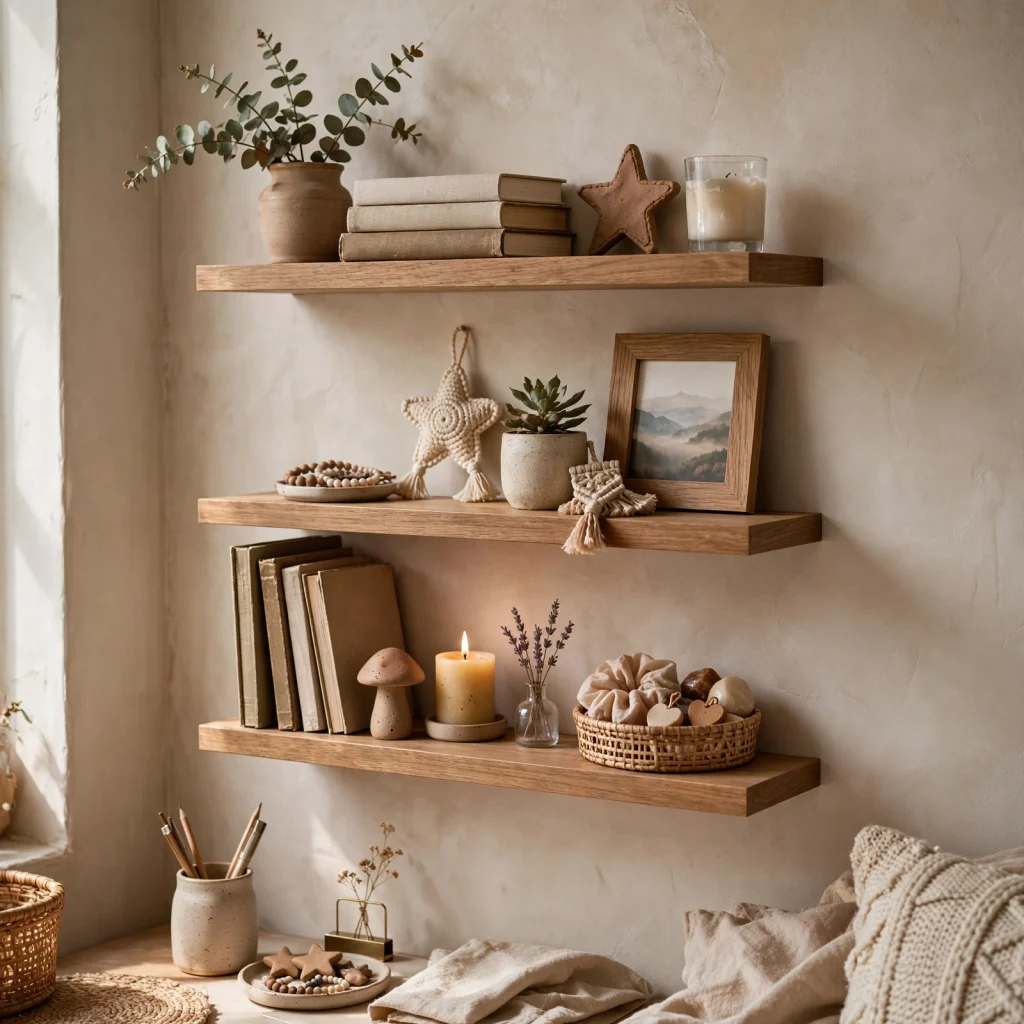
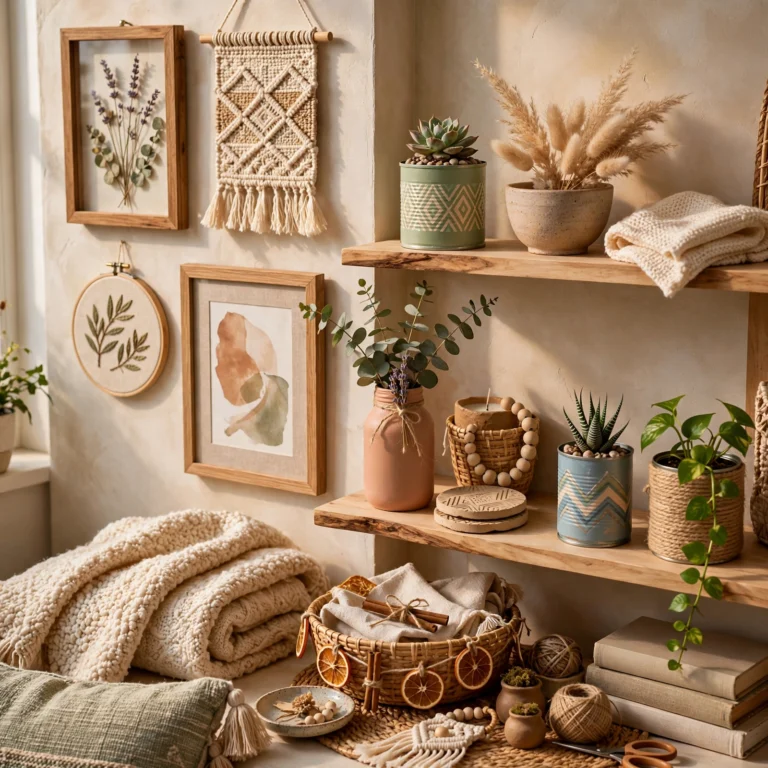
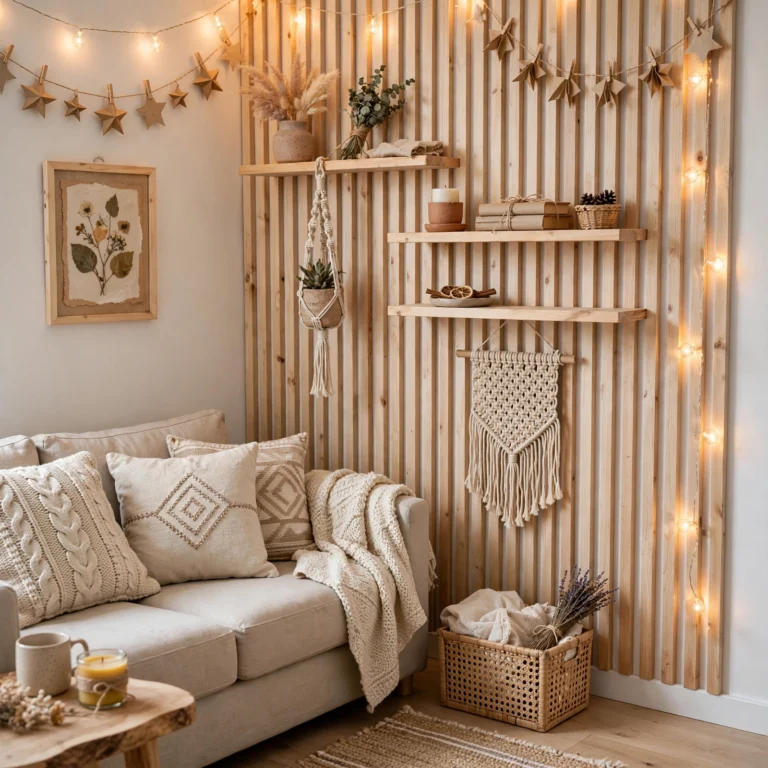
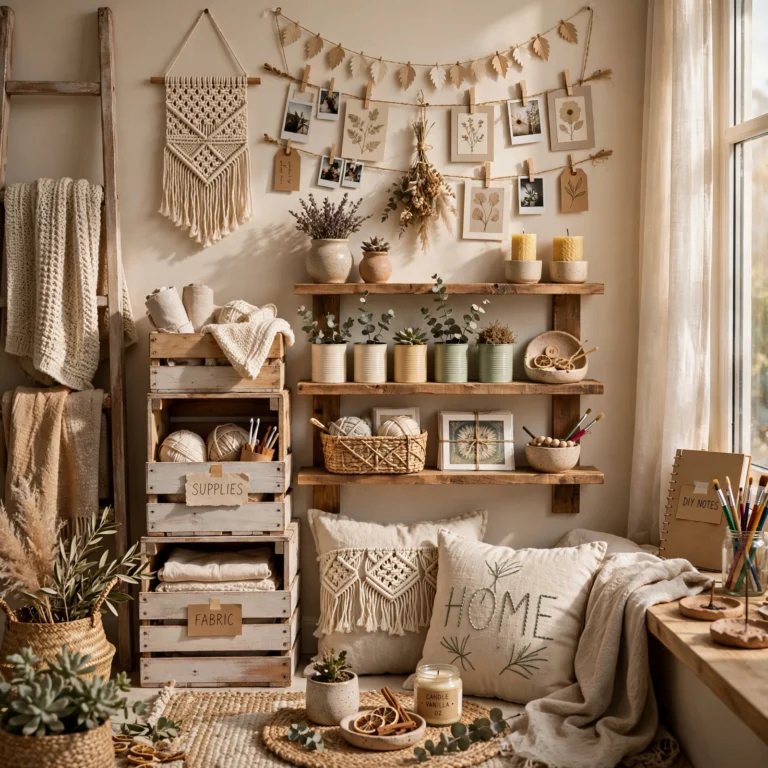
Floating shelves in solid oak or walnut give you display space without the visual weight of a full bookcase, which keeps a small room feeling open. Mount them in a staggered arrangement rather than a straight line, and mix heights of objects a tall vase, a stack of books, a small framed print so the eye moves across the wall naturally.
| Shelf Length | Recommended Spacing Between Shelves | Best Room Size |
| 24 in | 10–12 in | Small bedroom or hallway |
| 36 in | 12–14 in | Standard bedroom |
| 48 in | 14–16 in | Living room feature wall |
3. Rattan Pendant Lighting
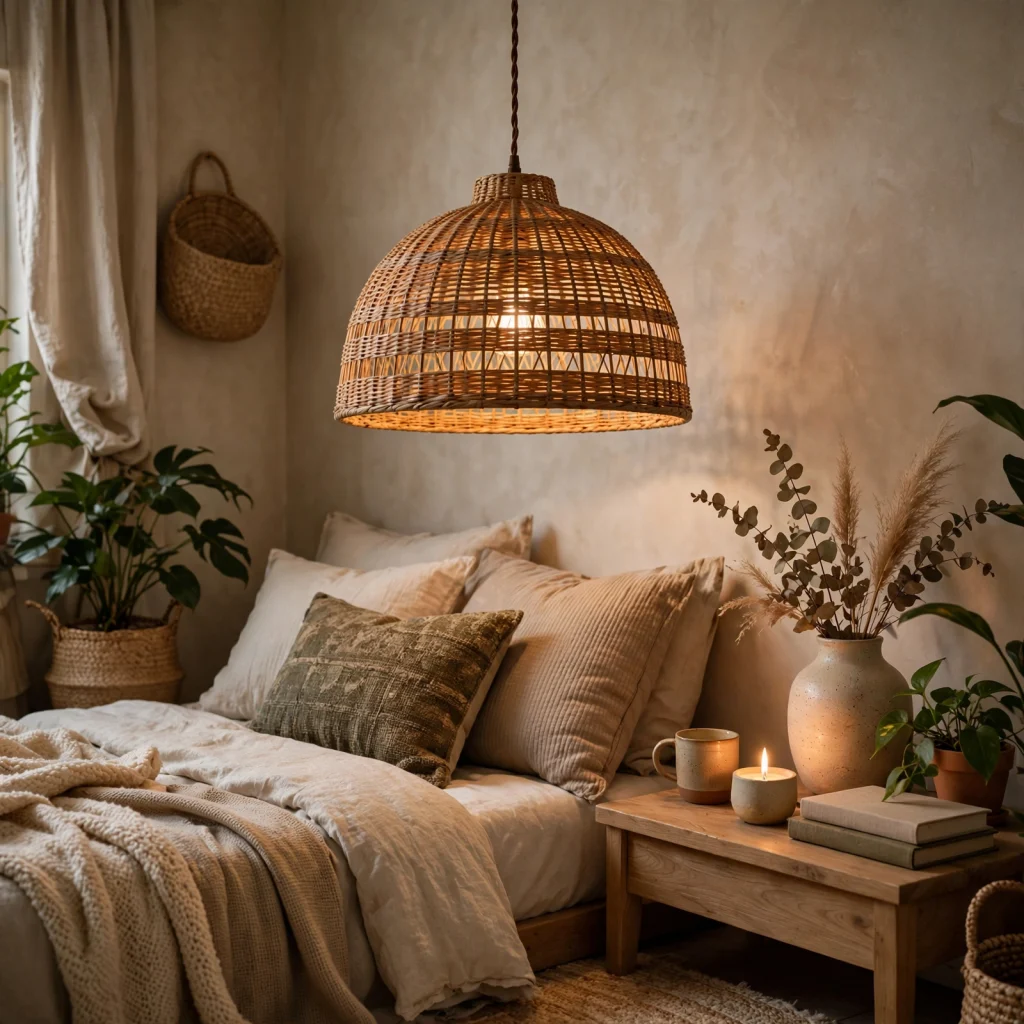
A rattan or woven-cane pendant light casts a dappled, warm shadow pattern that flat overhead lighting can’t replicate, and it introduces texture at eye level where most rooms are otherwise empty. Hang it slightly off-center over a reading chair or bedside area instead of dead-center in the ceiling to create a more intentional focal point. Pair it with a warm 2700K bulb rather than daylight-toned LED, since cool light tends to flatten the natural material’s grain and shadow detail.
To see more diy room decor
4. Gallery Wall Frames
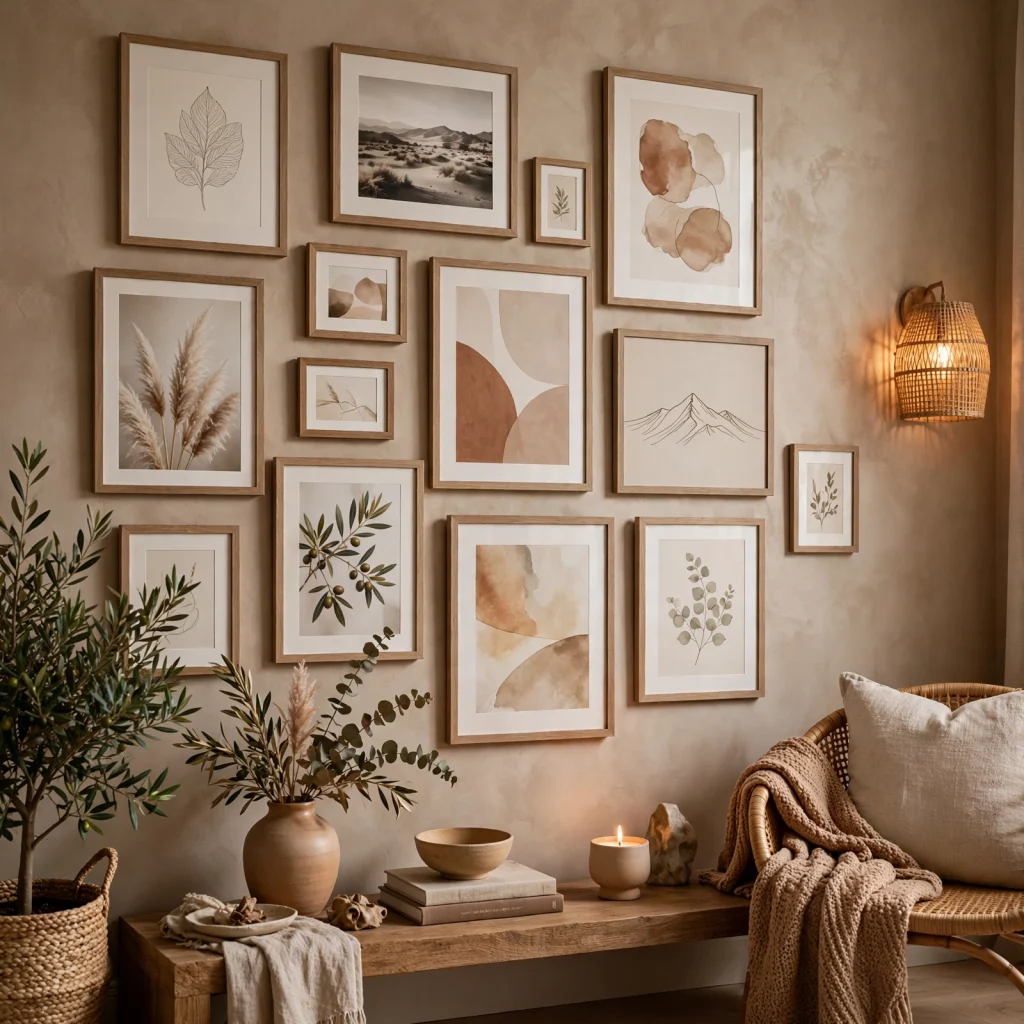
A gallery wall built from mismatched wood and matte black frames feels curated rather than chaotic when the spacing between frames stays consistent. Lay the arrangement out on the floor first, then transfer it to the wall using painter’s tape as a guide before hammering a single nail.
| Number of Frames | Spacing Between Frames | Suggested Layout |
| 3–4 | 2–3 in | Horizontal row |
| 5–7 | 2 in | Grid or salon-style cluster |
| 8+ | 1.5–2 in | Full salon wall |
5. Aesthetic Room Decor Moodboard
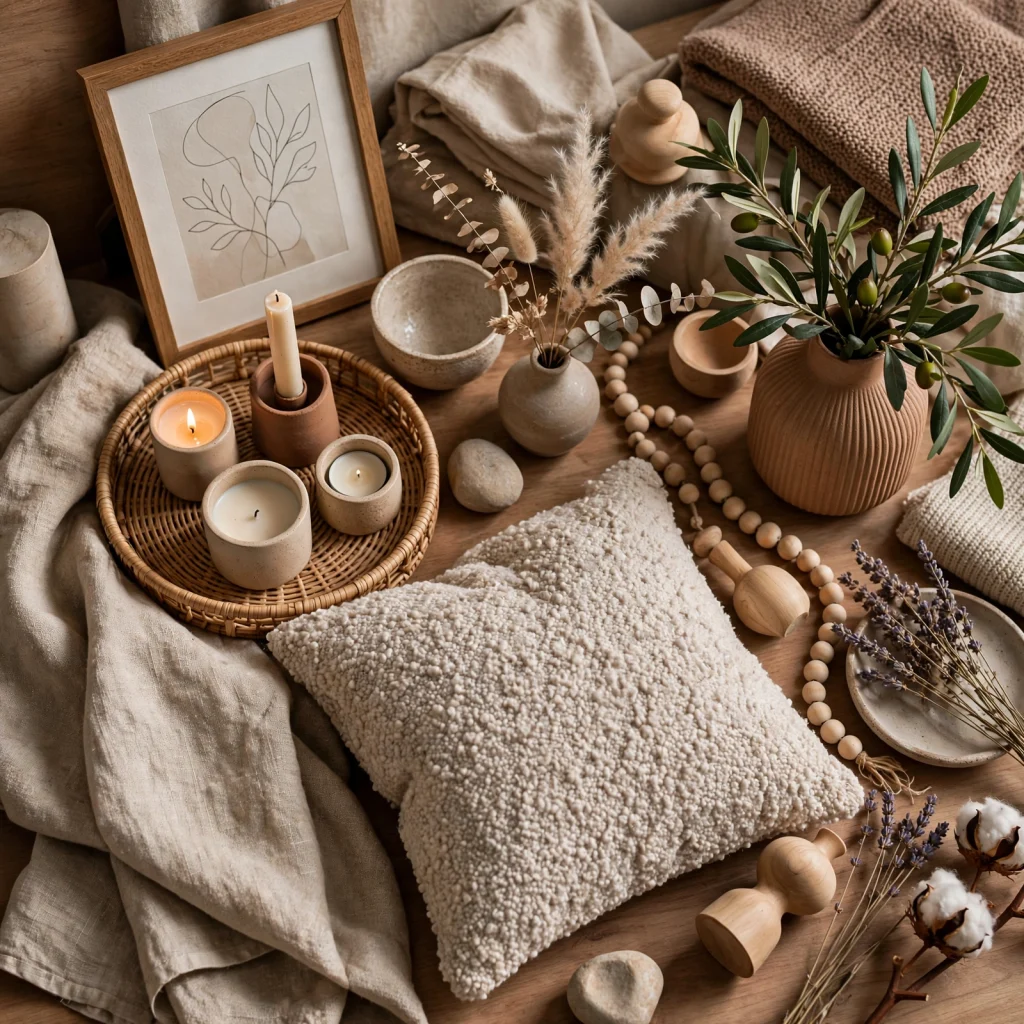
Building a physical or digital moodboard before buying anything keeps a room’s aesthetic room decor plan cohesive instead of reactive. Pull five or six reference images that share a common thread a color, a material, a light quality and pin actual paint chips or fabric swatches next to them. This step catches mismatches early, like a warm oak floor clashing with cool gray furniture, before money is spent. Treat the board as a living document you can edit as pieces get sourced over weeks or months.
6. Canopy Bed Frame
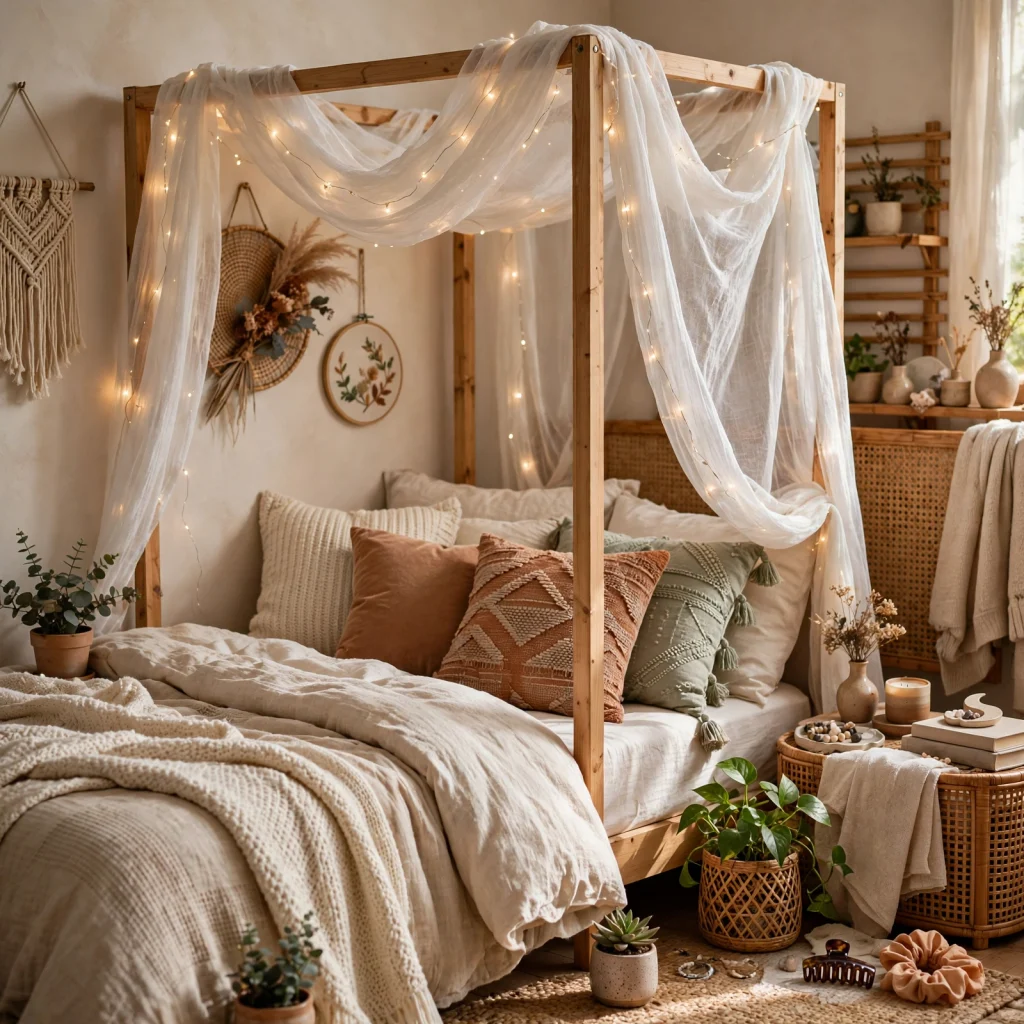
A canopy frame in black iron or natural wood adds architectural height to a bedroom without requiring a taller ceiling, and it gives you a place to drape sheer fabric for softness or leave bare for a more minimal look. Choose a frame with slim posts if the room is under 120 square feet so it doesn’t overwhelm the space.
| Bed Size | Recommended Room Width | Canopy Post Style |
| Twin/Full | 9–10 ft | Slim iron |
| Queen | 10–12 ft | Slim iron or wood |
| King | 12+ ft | Wood or wider iron |
7. Boucle Accent Chair
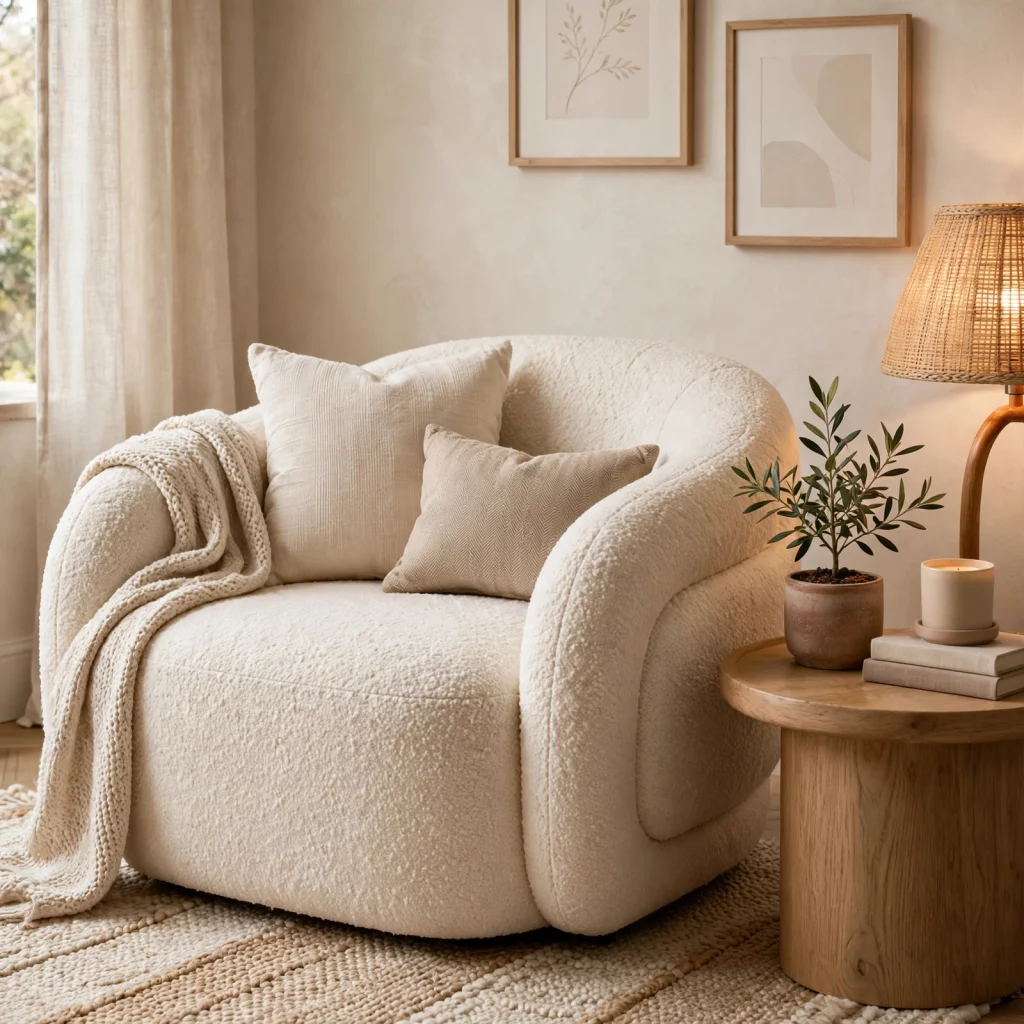
A single boucle chair in cream or oatmeal introduces softness and a slightly retro silhouette that pairs well with sharper-edged furniture like a glass coffee table or metal shelving. Place it at an angle rather than square against the wall so it reads as a seating moment rather than filler furniture. Because boucle shows wear in high-traffic households, it works best in a reading corner or bedroom rather than a main living room sofa spot that sees daily heavy use.
8. Terracotta Planters
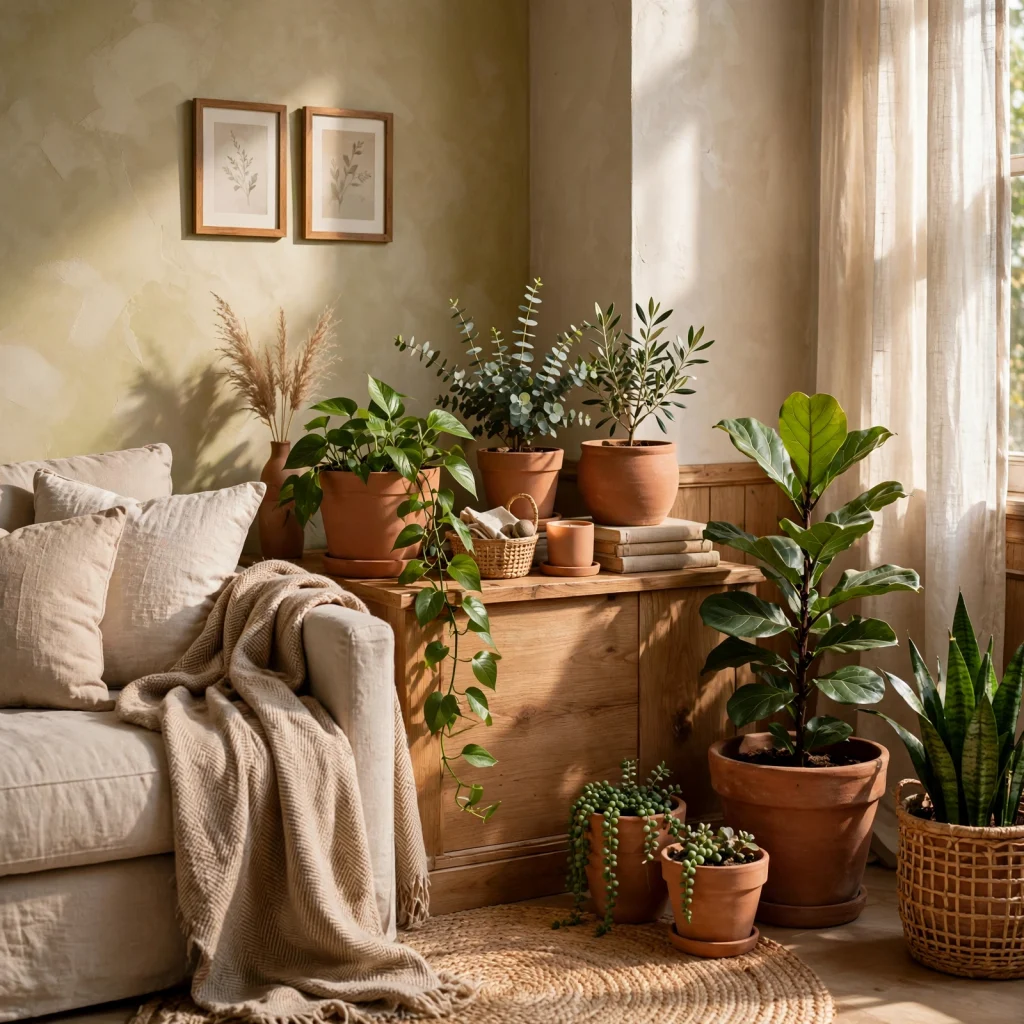
Unglazed terracotta planters bring warmth and an organic, matte texture that balances out rooms heavy in glass, metal, or glossy paint finishes. Group three planters of varying heights on a windowsill or console rather than spacing them evenly, and let real trailing plants like pothos soften the hard edges of the pots. The porous clay also helps regulate soil moisture, which is a practical bonus alongside the visual one for anyone new to keeping houseplants alive.
9. Linen Curtain Panels
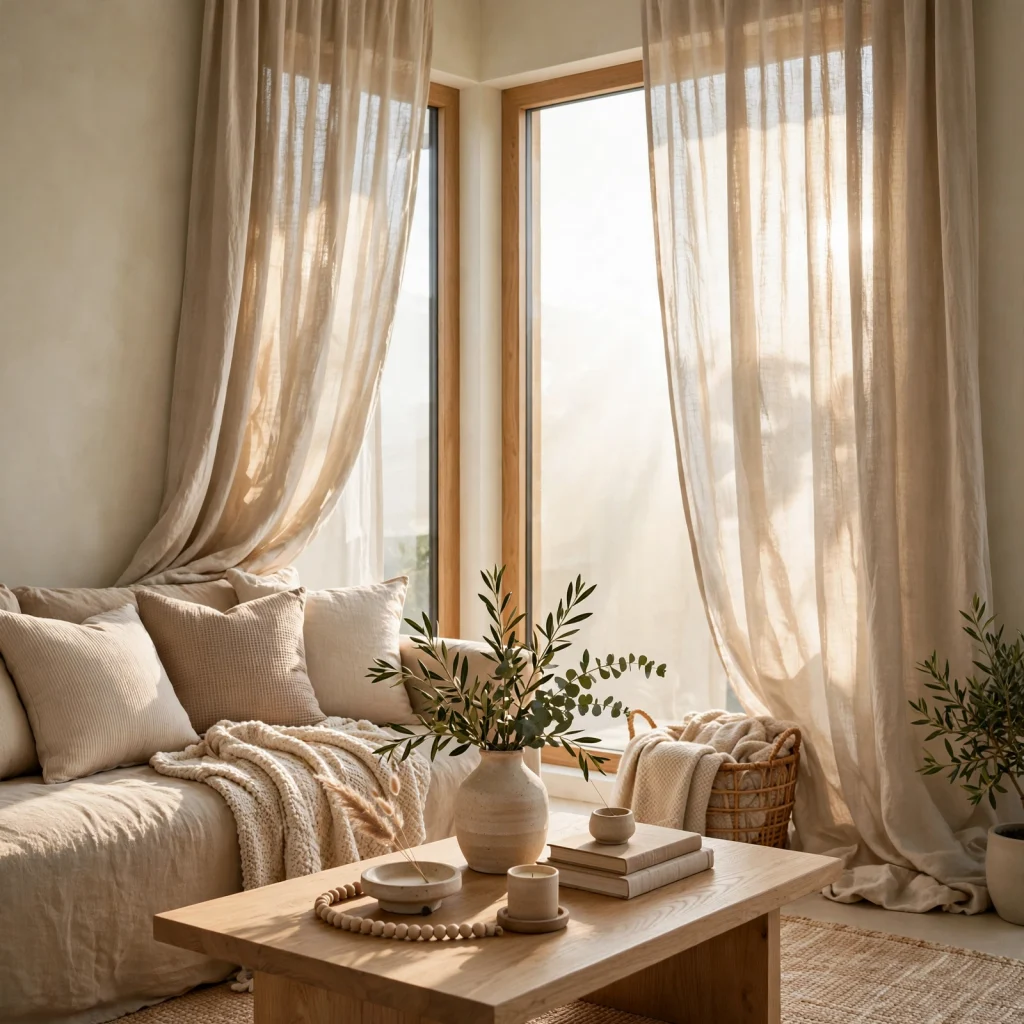
Linen curtains in an off-white or oatmeal tone filter daylight into a soft, diffused glow that most synthetic fabrics can’t match, and the natural texture reads as higher-end than the price point usually is. Hang panels from a slim black or brass rod mounted a few inches above the window frame and let the fabric pool slightly at the floor rather than hemming it exactly at sill height, since the extra length makes the ceiling feel taller.
10. Curated Bookshelf Styling
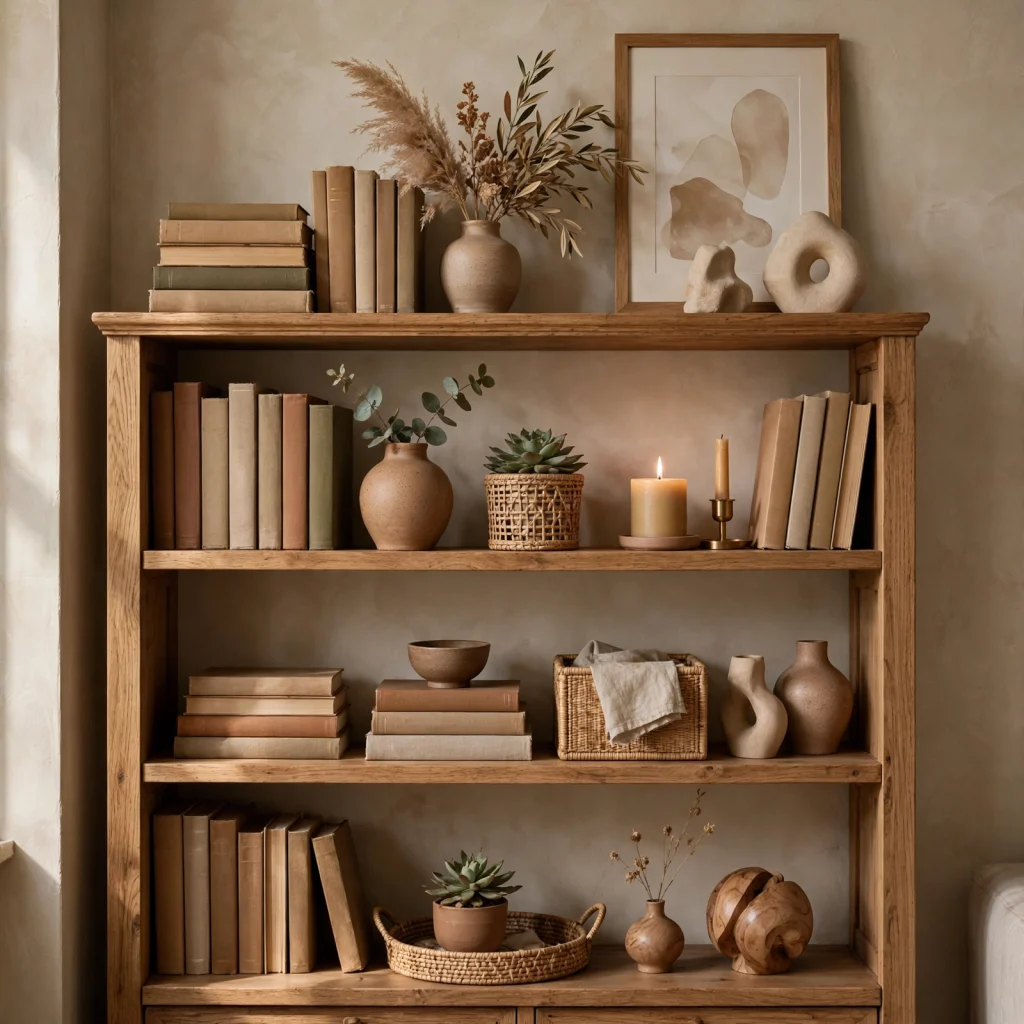
Styling a bookshelf means editing, not filling group books by color or height in short stacks, lay some horizontally to break up vertical lines, and leave visible negative space between objects. Add one or two non-book items like a small sculpture or a framed photo per shelf so it doesn’t read as a straight library. This approach works on built-ins, floating shelves, or a standalone bookcase and takes under an hour once the books are sorted into a few loose categories.
11. Woven Jute Rug
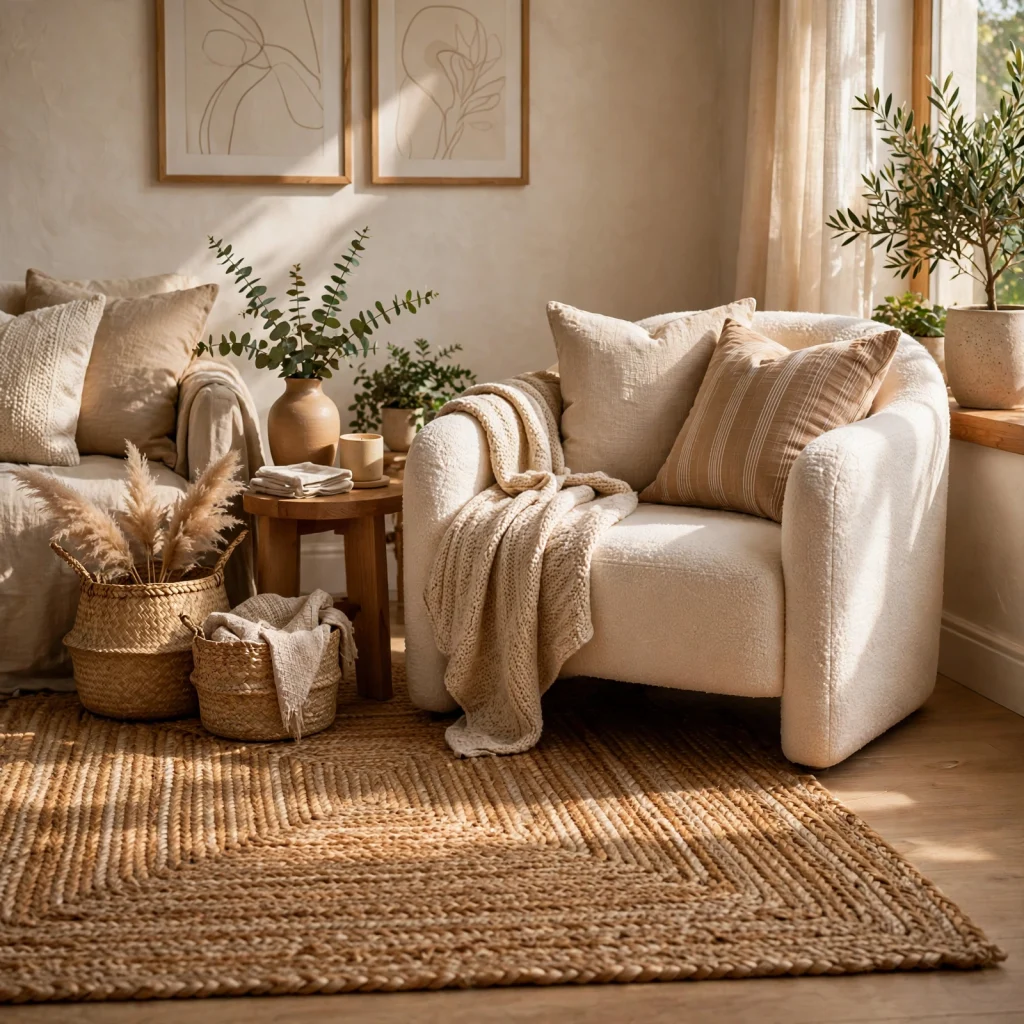
A jute rug grounds a room in warm, earthy texture and works especially well layered under a smaller patterned rug for added depth and softness underfoot. Because jute is a natural, slightly rough fiber, it holds up better in living rooms and entryways than in spaces where bare feet or crawling infants are common.
| Room Size | Recommended Rug Size | Placement Tip |
| Small bedroom (10×10 ft) | 6×9 ft | Front legs of bed on rug |
| Living room (12×15 ft) | 8×10 ft | All furniture front legs on rug |
| Dining area (10×12 ft) | 8×10 ft | Extends 24 in past table edge |
12. Fairy String Lights
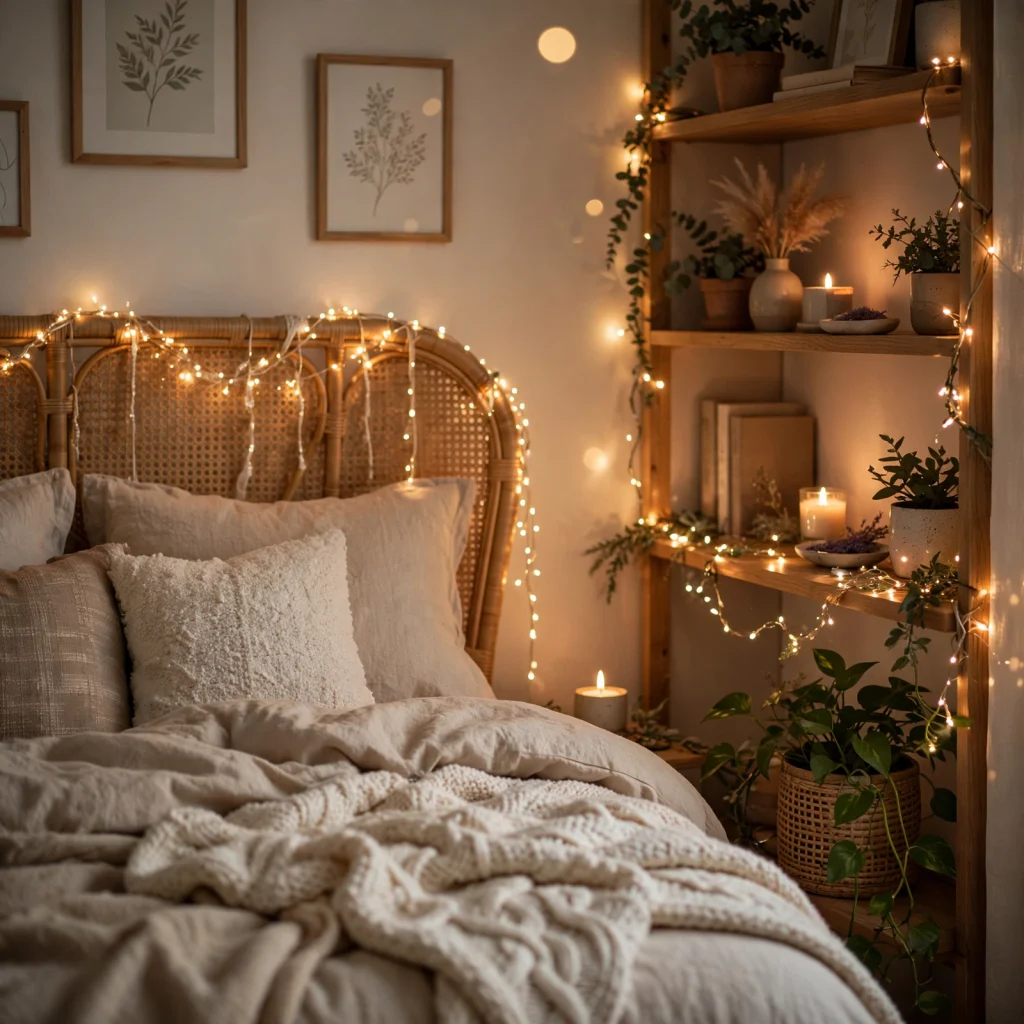
Warm white string lights strung along a headboard, shelf edge, or window frame add a low, flattering glow that overhead lighting rarely achieves on its own. Choose battery-powered or USB copper-wire strands so the wiring stays nearly invisible, and avoid draping them in perfectly even loops a slightly loose, asymmetrical drape looks more natural against a wall or curtain.
13. Vintage Mirror Cluster
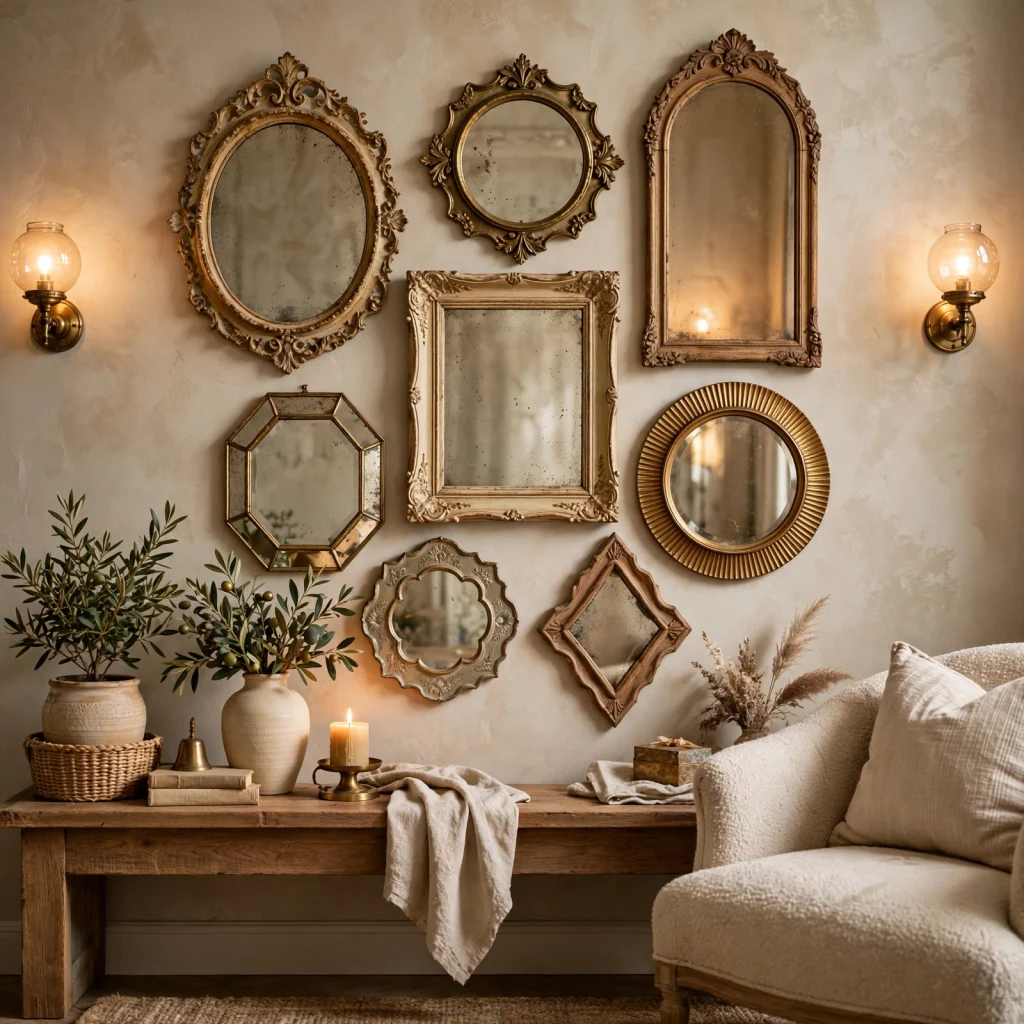
Clustering three or four mirrors of different shapes and eras on one wall creates visual interest and bounces extra light around a room that only has one small window. Mix a round mirror with an arched or rectangular one so the shapes contrast rather than compete, and keep the frame finishes within the same metal family, like brass and aged bronze, so the cluster still feels intentional rather than thrifted at random.
14. Ceramic Vase Collection
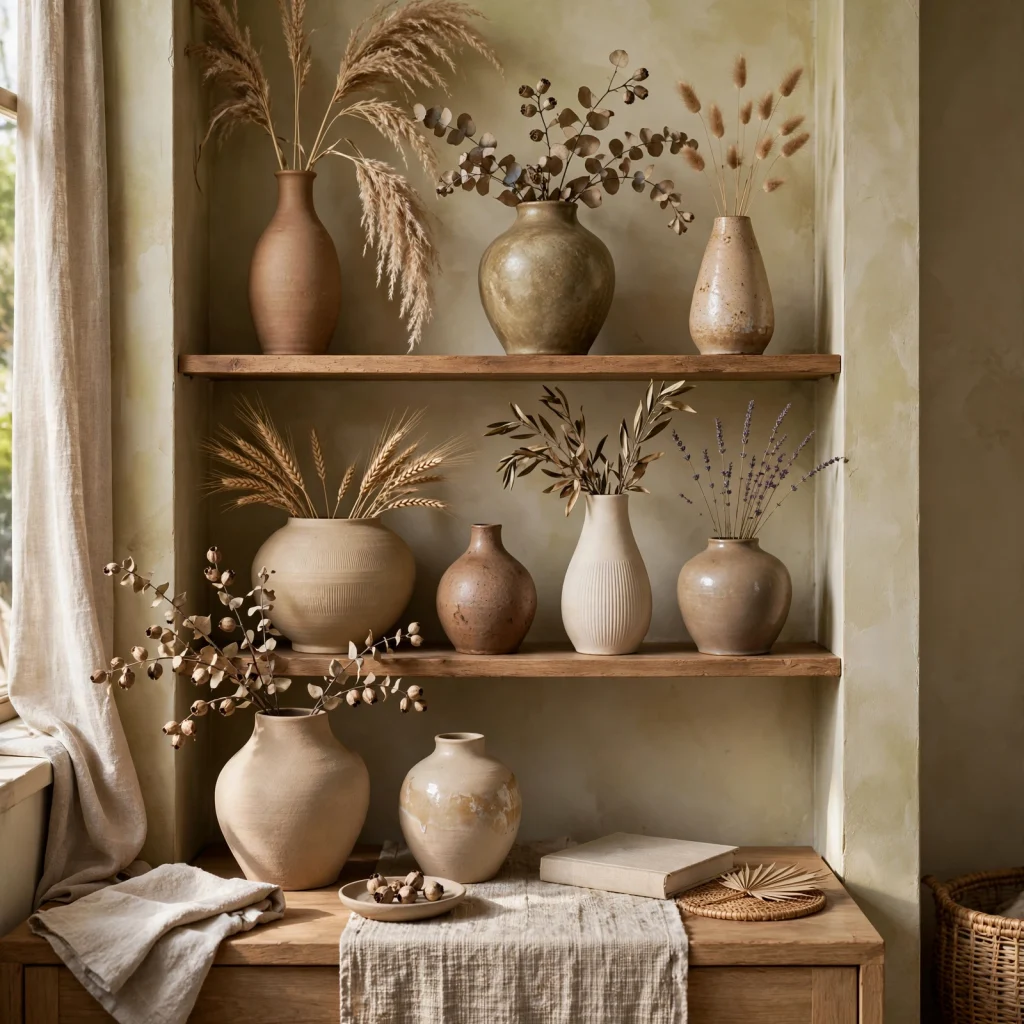
A small collection of handmade or hand-thrown ceramic vases in varied heights and slightly imperfect glazes adds character to a shelf, mantel, or console in a way that mass-produced decor rarely does. Cluster them in odd numbers, three or five, and vary the glaze tones within a narrow palette so the grouping reads as curated rather than mismatched. Leave some vases empty and put dried pampas grass or eucalyptus in just one or two for contrast.
15. Cloud-Shaped Wall Art
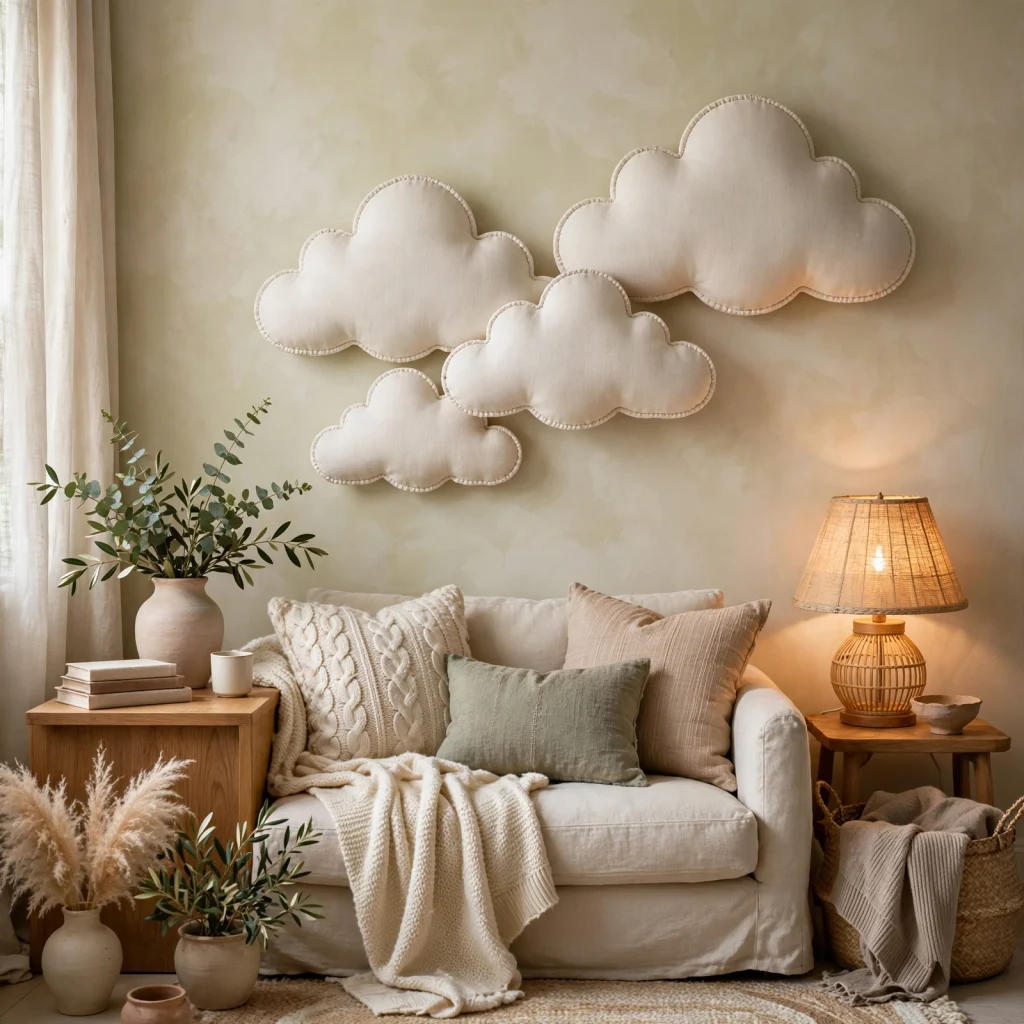
Soft, organic wall art a cloud-shaped mirror, an abstract plaster piece, or a curved wooden wall sculpture softens a room full of straight-edged furniture and sharp shelving lines. Hang one oversized piece rather than several small ones on a single wall, since a single large-scale item tends to look more deliberate and gallery-like than a cluttered arrangement of smaller frames competing for attention.
16. Minimalist Desk Setup
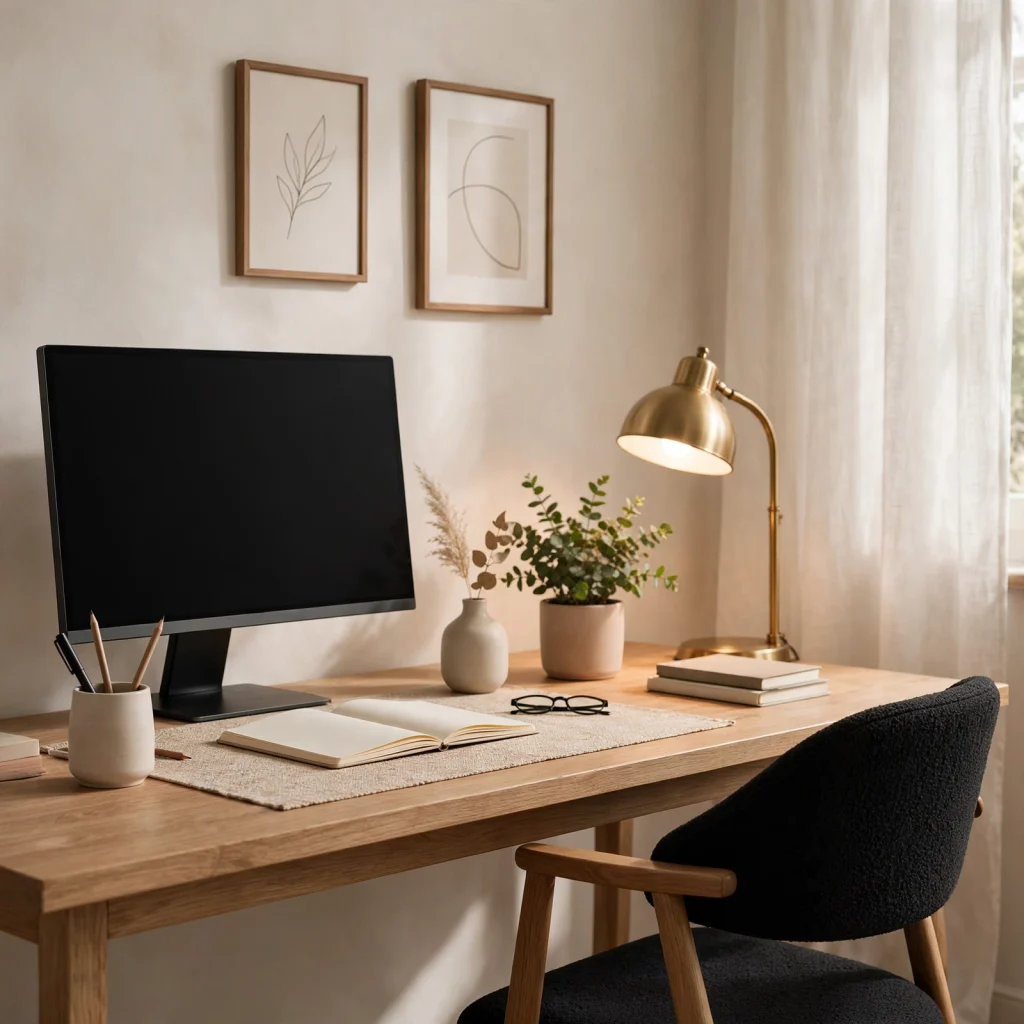
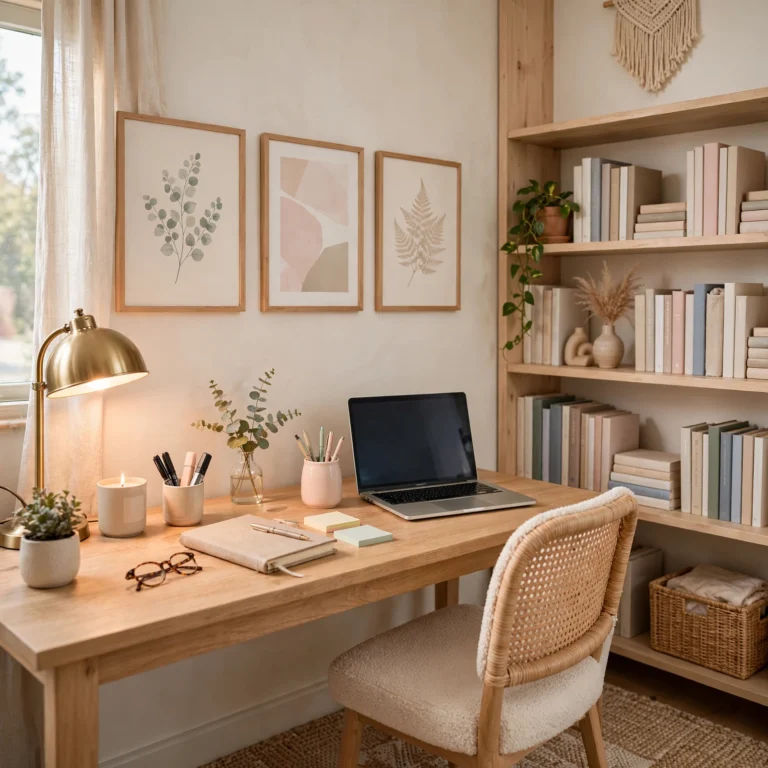
A desk cleared down to a lamp, a small tray for daily items, and one plant photographs and functions better than a desk crowded with cords and papers. Route cables through a fabric sleeve or under-desk tray so nothing is visible from the front, and choose a desk lamp with a warm bulb and an adjustable arm so the same setup works for both daytime tasks and evening ambiance.
Shop the Look
A woven rattan pendant light in a 16-inch diameter works well as the anchor piece for a bedroom or reading nook. Pair it with an oak floating shelf set in a three-piece staggered configuration, a jute area rug sized to the room per the chart above, and a set of unglazed terracotta planters in three graduated sizes. Round out the look with a slim brass curtain rod and linen panels in an oatmeal tone to tie the warm-neutral palette together across the room.
Common Mistake to Avoid
The most common mistake is buying every piece from a single collection or store page, which makes a room look like a catalog spread instead of a home. Aesthetic decor comes from slight variation a shelf from one place, a vintage mirror from a flea market, a rug that isn’t a perfect color match to the walls. Rooms that feel too matched, down to identical frame finishes and symmetrical furniture placement, tend to photograph fine but feel cold and impersonal to actually live in day to day.
FAQs
What is considered aesthetic room decor?
Aesthetic room decor generally refers to a cohesive but not overly matched styling approach that leans on natural materials, warm lighting, and a limited color palette rather than trend-chasing individual products. It prioritizes texture linen, rattan, jute, boucle and intentional negative space over filling every surface. The goal is a room that feels calm and collected rather than themed, which is why mixing eras and finishes, like a vintage mirror next to a modern shelf, is a core part of the look rather than a mistake.
How do I make my room look aesthetic on a budget?
Start with lighting and textiles before furniture, since a warm lamp and a couple of layered throws change a room’s feel more per dollar than a new couch does. Thrift stores and secondhand marketplaces are strong sources for ceramic vases, mirrors, and wood frames, which are exactly the kind of varied, slightly imperfect pieces that make a room feel collected. Painting one wall or swapping hardware on existing furniture also delivers a noticeable shift without the cost of full replacement pieces.
What colors are best for aesthetic room decor?
Warm neutrals oatmeal, sand, terracotta, sage, and soft charcoal form the base of most current aesthetic palettes because they pair easily with natural wood and woven materials. Choosing two neutrals plus a single accent tone keeps a room from feeling either flat or overstimulating. Bright white and cool gray, once dominant, now tend to read as sterile compared to these warmer, earthier options, especially when paired with matte rather than glossy finishes throughout the room.
How many decor items are too many for one room?
There’s no fixed number, but a useful check is whether every surface has visible empty space left after styling shelves, nightstands, and consoles should never be completely full. A general guideline is grouping objects in odd numbers of three or five per surface and stopping there, rather than adding one more item because a corner looks bare. Negative space is doing real design work; removing a few pieces almost always makes a room look more finished, not less.
Does aesthetic room decor cost a lot of money?
It doesn’t have to a lot of the effect comes from editing and arrangement rather than spending on expensive furniture. Layering existing textiles, rehanging art with better spacing, or sourcing one or two secondhand statement pieces like a mirror or vase collection can shift a room noticeably for under a hundred dollars. The pieces that tend to be worth a higher budget are the ones used daily and at eye level, like a pendant light or a bed frame.
Conclusion
Aesthetic room decor comes down to a handful of repeatable moves: layer texture, mix materials from different sources, leave visible negative space, and light the room warmly rather than brightly. Start with one or two ideas from this list a shelf rearrangement or a new rug before committing to a full refresh. Save this guide to Pinterest for later, and check out our related post on small-bedroom layout tricks for more room-specific ideas.