15 Inspiring Kids Bathroom Ideas That Are Fun and Built to Last
A kids bathroom Ideas needs to balance genuine durability and safety with enough personality to feel like a space children actually enjoy using. This guide covers fifteen ideas for building that balance, from slip-resistant flooring choices to playful but easily updated decor, with guidance on which elements should stay flexible and which are worth investing in for the long term. Every idea addresses both the practical realities of a heavily used, child-occupied bathroom and the genuine opportunity to make the space fun.
Trend & Background
Kids bathroom design has shifted away from heavily themed rooms built around a specific character or trend that children quickly outgrow, moving instead toward a more adaptable approach where playful personality lives in easily changed elements like towels and accessories rather than permanent fixtures or tile. This reflects growing recognition that a bathroom renovation represents a significant investment that ideally serves a family through multiple childhood stages rather than needing replacement every few years as interests change. Durability and safety have also received increased attention in current kids bathroom planning, with slip-resistant flooring, anti-scald faucet technology, and easy-clean surfaces treated as genuine priorities alongside the room’s visual appeal.
Key Takeaways
- A kids bathroom should be designed to grow with children rather than styled around a theme they’ll quickly outgrow.
- Durability and easy cleaning matter more in a kids bathroom than in almost any other room in the home.
- Safety features, like slip-resistant flooring and anti-scald faucets, deserve equal priority alongside visual design.
- Playful color and pattern can be introduced through easily changed elements, keeping permanent fixtures more neutral and adaptable.
Kids Bathroom Ideas
Explore the best bathroom ideas, including modern designs, tile inspiration, color schemes, storage, lighting, showers, vanities, and stylish decorating ideas for every home.
1. Slip-Resistant Flooring Throughout
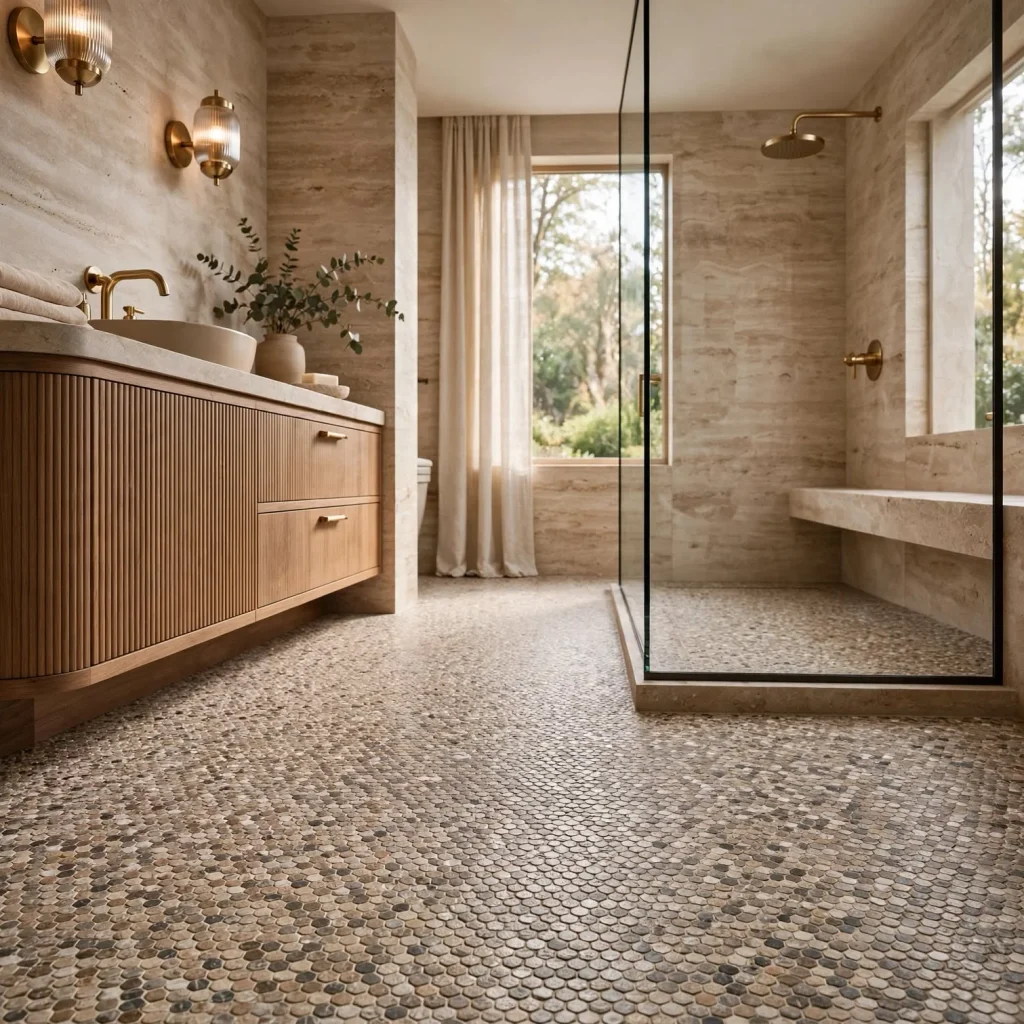
Choosing slip-resistant flooring, a textured porcelain tile or a slip-rated vinyl, throughout a kids bathroom addresses one of the room’s most significant safety considerations, given how frequently a wet bathroom floor and an active child combine into a genuine fall risk. This priority matters even more in a kids bathroom than in a primary bathroom, since children are less likely to move cautiously on a wet surface. Checking a flooring product’s specific slip-resistance rating, rather than judging texture by appearance alone, ensures this safety priority is genuinely addressed rather than assumed.
2. Lower Step Stool Integration
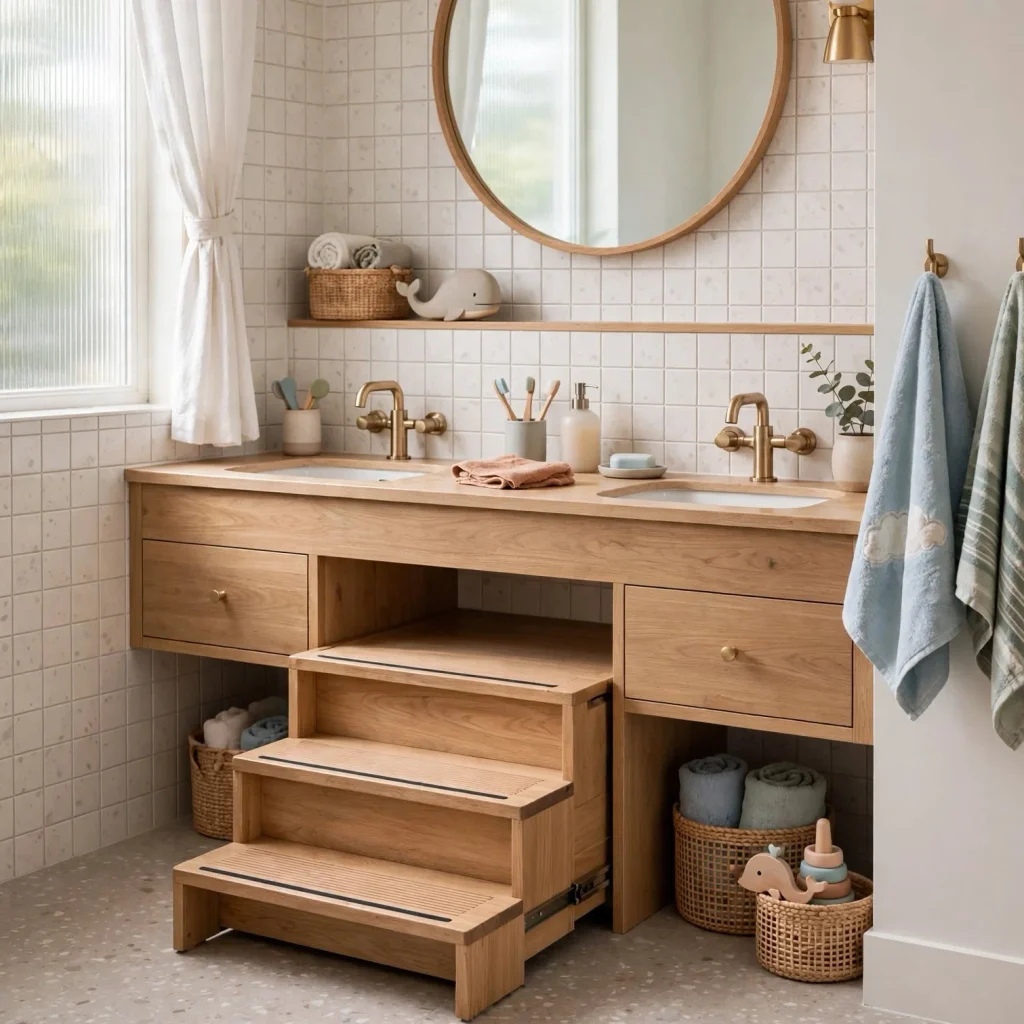
Incorporating a sturdy, permanent step stool or a slightly lower section of counter specifically scaled for a child’s height allows kids to reach the sink and mirror independently, supporting genuine self-sufficiency in daily grooming routines. A built-in step, rather than a freestanding stool that can slip or tip, offers a more permanently secure solution, though a well-chosen stool with a non-slip base works as a more flexible alternative. This consideration matters particularly for a bathroom used by younger children still growing into the standard fixture heights designed primarily for adult use.
3. Durable, Easy-Clean Wall Paint
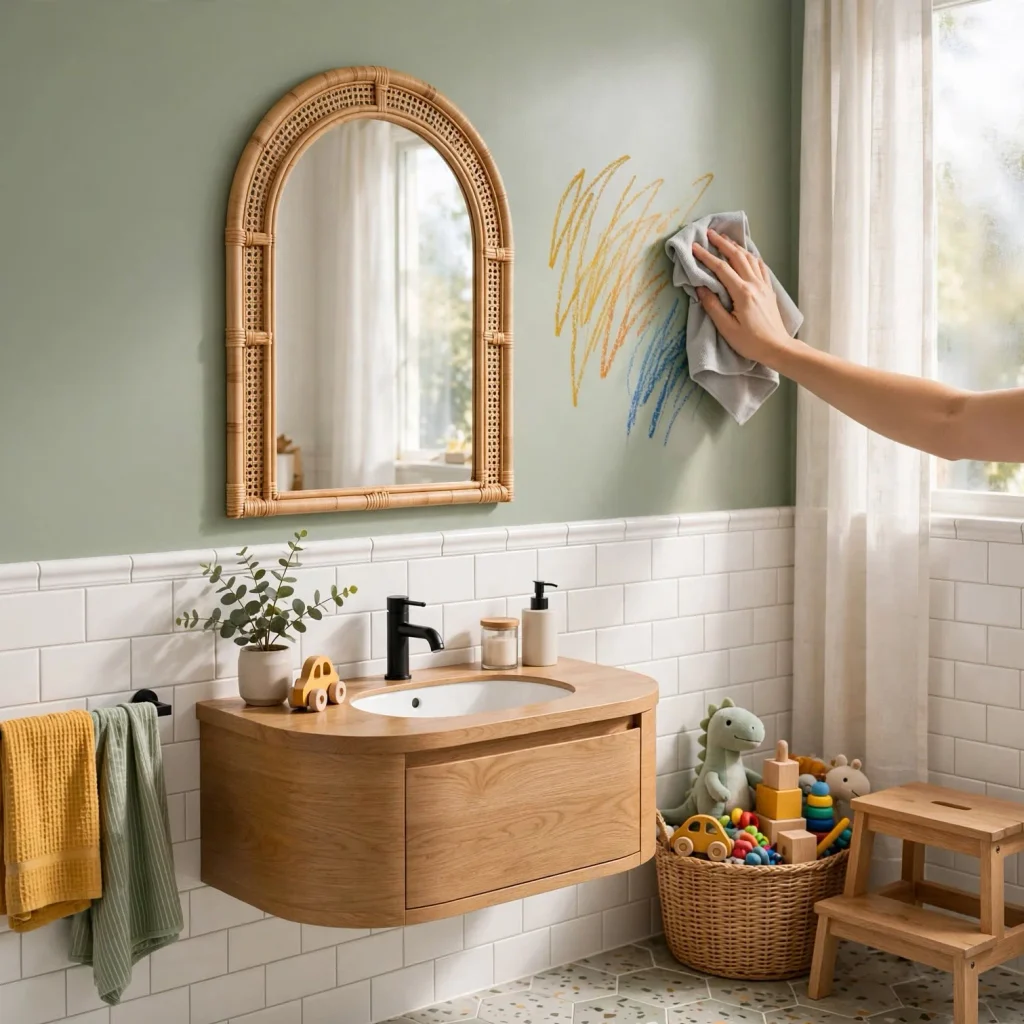
Choosing a durable, washable paint finish, typically a satin or semi-gloss rather than a flat matte, for a kids bathroom’s walls allows for easier cleaning of the inevitable splashes, marks, and general wear this heavily used room experiences. This practical consideration matters more in a kids bathroom than almost any other room in the home, given how much more frequently walls face contact from wet hands, toothpaste splatter, and general child-related mess. Choosing this paint finish in a color the family genuinely likes, rather than assuming a kids bathroom must use a specifically juvenile color palette, keeps the space adaptable as children grow.
| Priority | Kids Bathroom Choice | Reasoning |
| Flooring | Slip-resistant, textured | Wet floor fall risk |
| Wall finish | Satin or semi-gloss paint | Easier cleaning |
| Faucet | Anti-scald technology | Water temperature safety |
| Decor | Easily changed accessories | Grows with changing interests |
4. Anti-Scald Faucet Technology
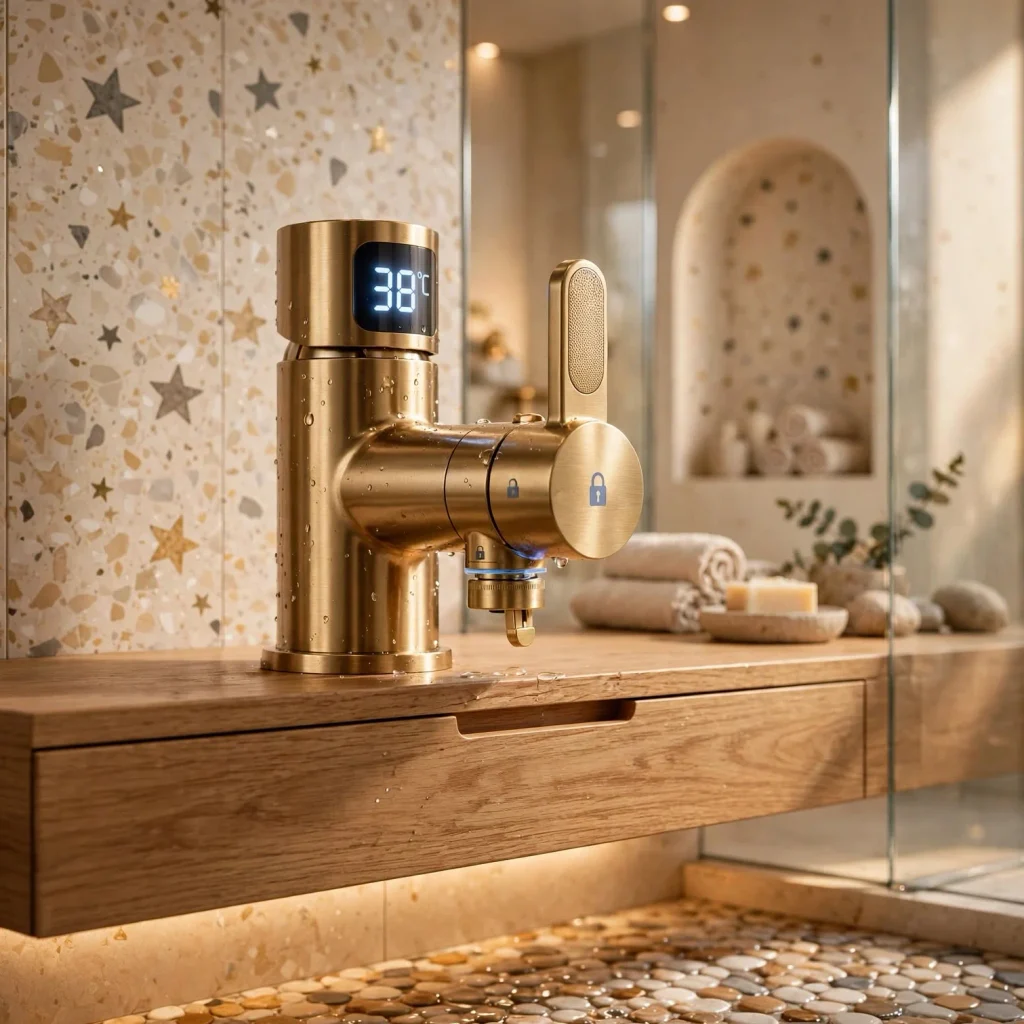
Installing a faucet with built-in anti-scald technology, which limits maximum water temperature regardless of how the handle is adjusted, addresses a genuine safety concern specific to a bathroom used by children who may not yet fully understand water temperature risk. This feature is available across a range of price points and faucet styles, meaning it doesn’t require sacrificing aesetic preference to prioritize this safety consideration. Confirming this feature during faucet selection, rather than assuming all faucets include equivalent protection, ensures this priority is genuinely addressed.
Find inspiration from these farmhouse bathroom ideas featuring timeless colors, natural textures, and sophisticated finishes.
5. Playful Elements Through Easily Changed Accessories
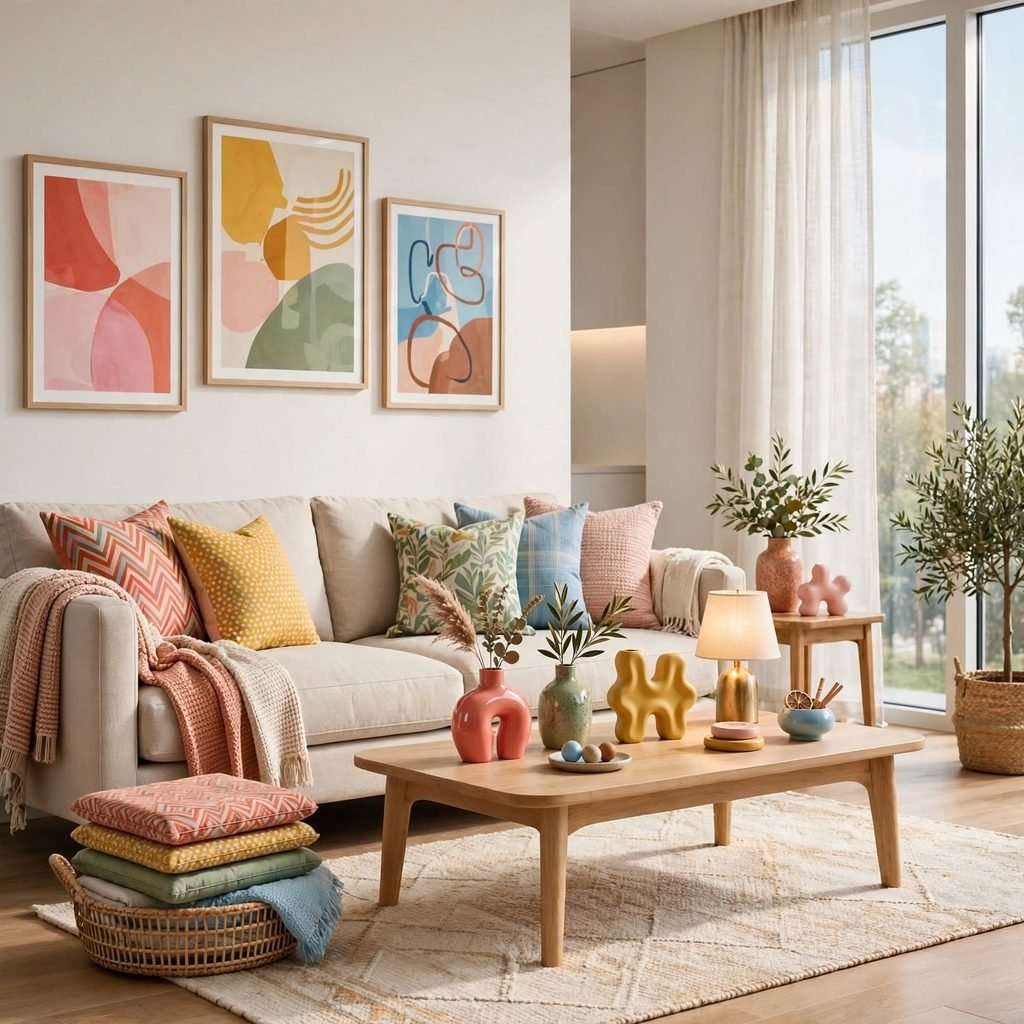
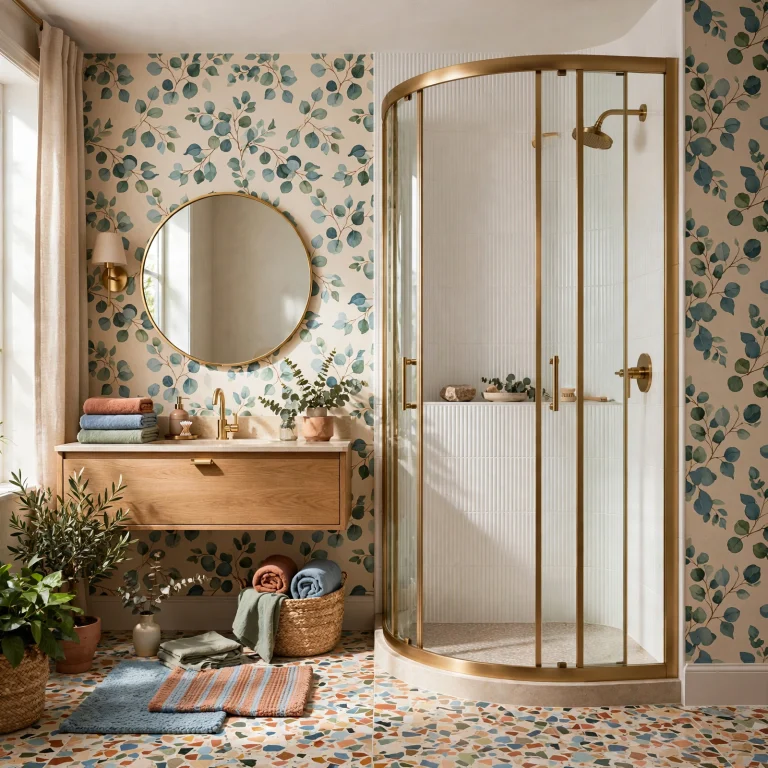
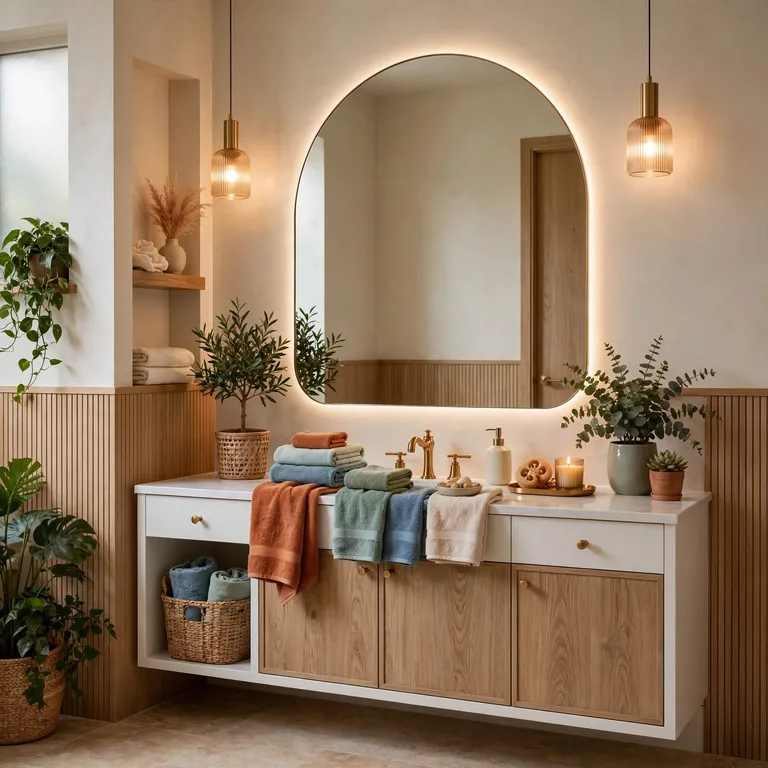
Introducing playful color, pattern, or a specific interest-driven theme through easily changed elements, towels, a shower curtain, bath mats, and smaller decorative accessories, rather than permanent fixtures or tile, allows a kids bathroom to reflect a child’s current interests without requiring a full renovation each time those interests shift. This approach keeps the room’s larger, more expensive investments, tile, vanity, flooring, in a more neutral, adaptable palette that will serve the family through multiple childhood stages. Swapping these smaller elements as needed also gives children some genuine input into their own space without significant cost or effort.
6. Durable Quartz or Solid-Surface Countertop
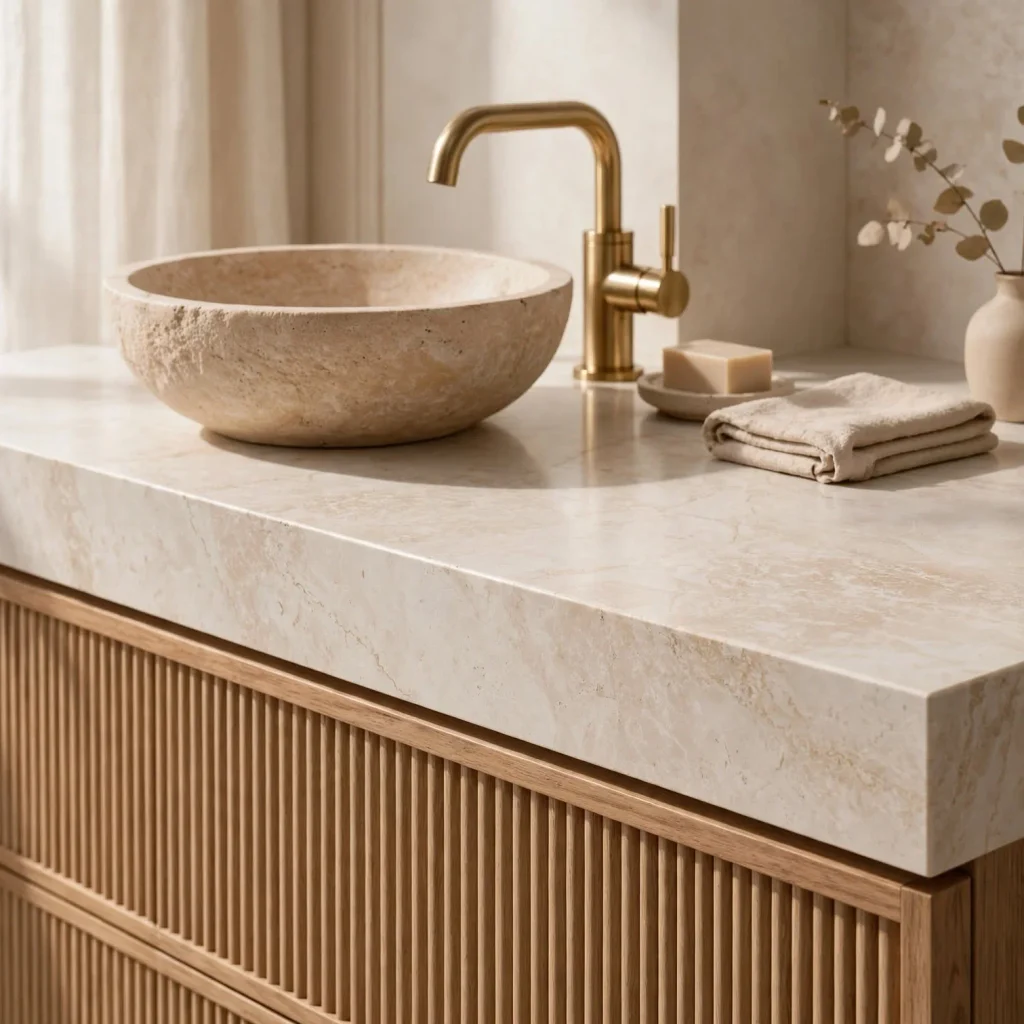
A durable quartz or solid-surface countertop, rather than a more porous or delicate natural stone, holds up well to the daily wear a kids bathroom experiences, resisting staining and scratching from toothpaste, art supplies, and general use better than a more high-maintenance material choice. This practical material decision matters more in this specific bathroom than in a primary bathroom with more careful, adult daily use. Choosing a light or mid-tone color that doesn’t show water spots too prominently helps the counter look cleaner between regular wiping.
7. Double Sink for Sibling Sharing
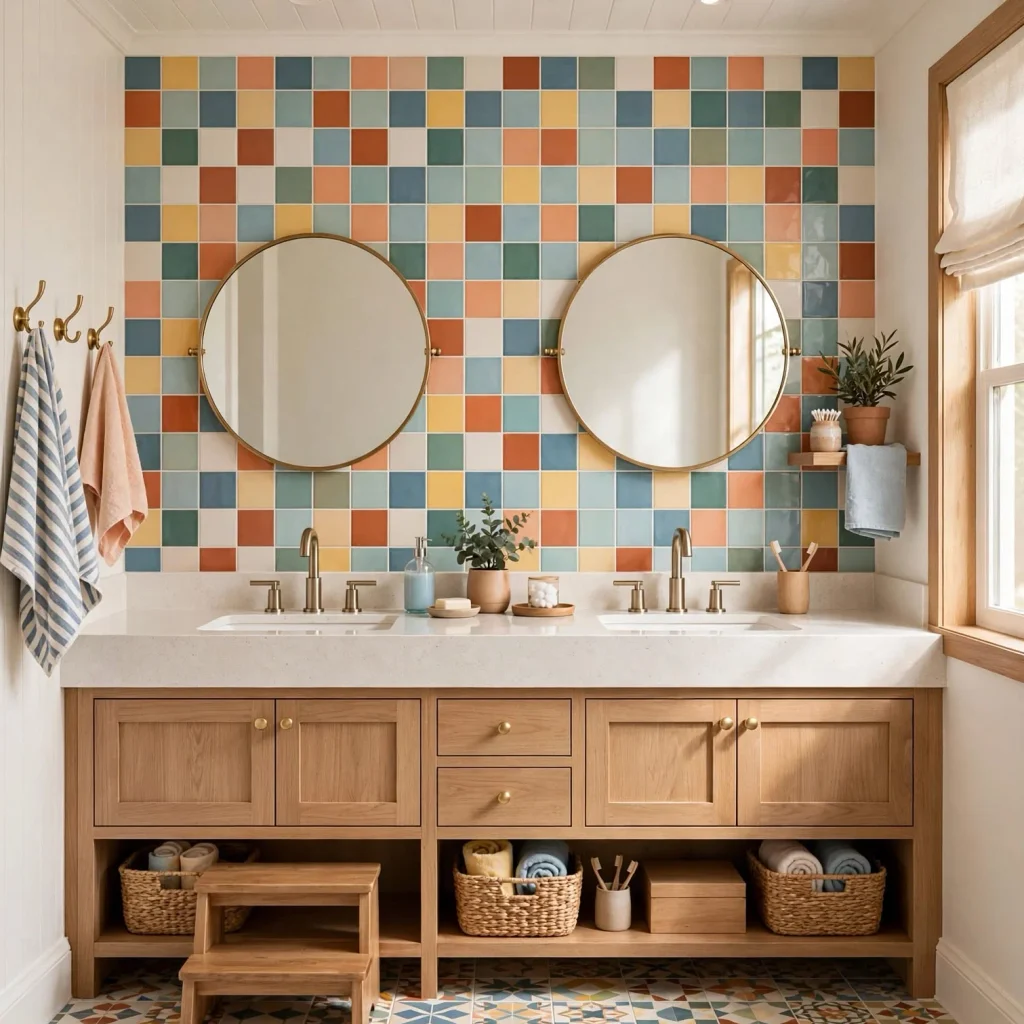
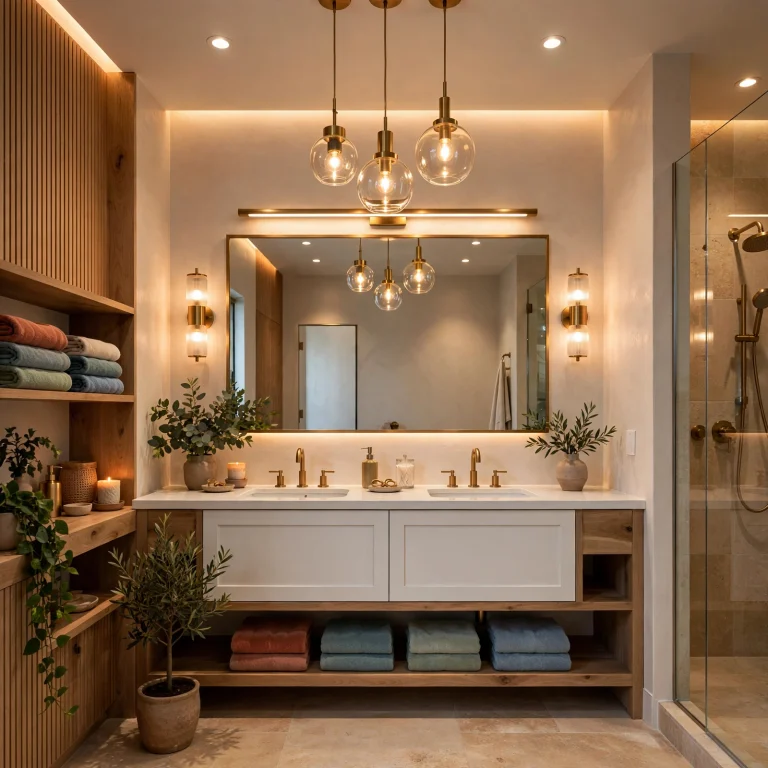
A double sink vanity, providing separate space for two children to brush teeth or wash up simultaneously, addresses genuine morning routine congestion in a household with multiple children sharing one bathroom. This configuration requires adequate width, generally at least 60 inches, to comfortably accommodate two sinks with sufficient space between them for two children using the space at once. This upgrade often reduces daily friction and rushed mornings considerably more than most purely aesthetic bathroom choices would.
8. Deep Soaking Tub for Bath-Time Play
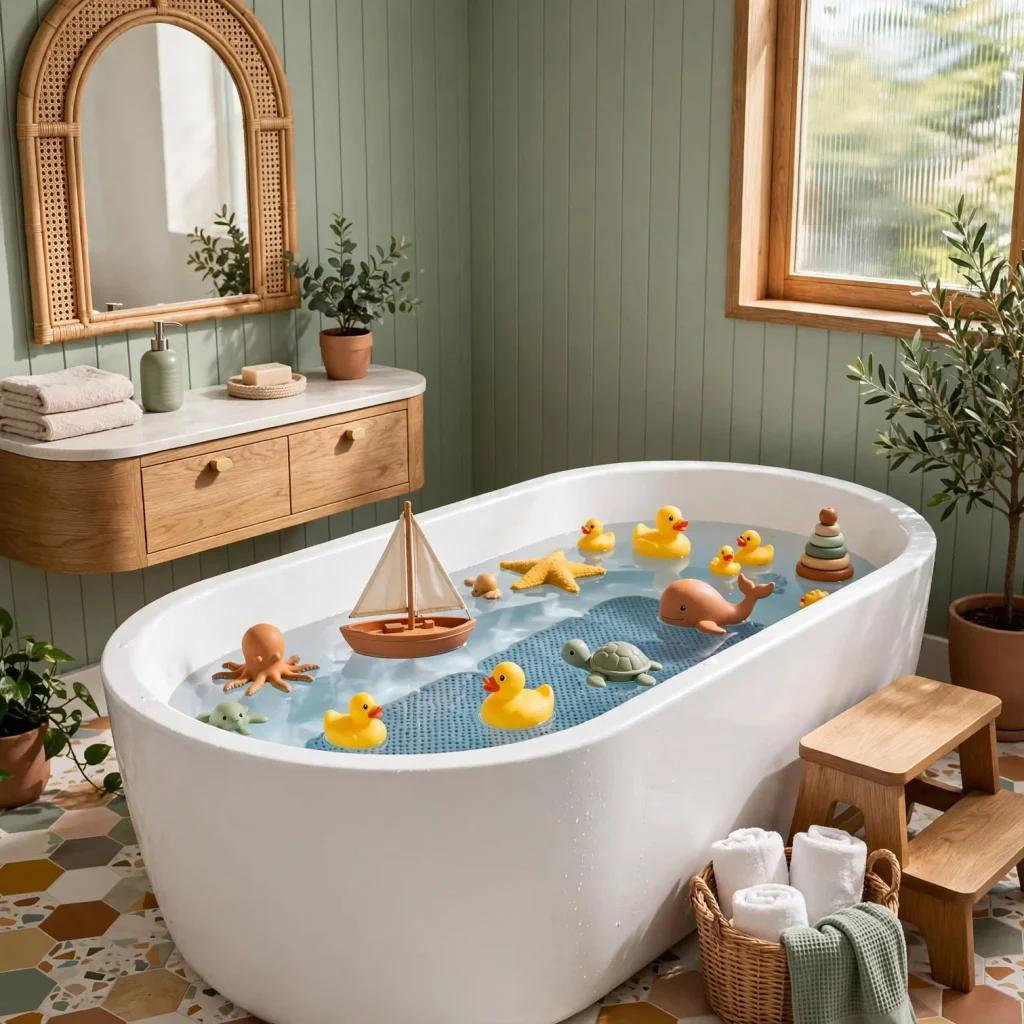
A deep soaking tub, providing more water depth and interior space than a standard shallow tub-shower combination, supports genuine bath-time play and comfort for younger children who spend meaningful time bathing rather than simply showering quickly. Choosing a tub with a non-slip textured bottom adds an important safety consideration specific to this room’s frequent, active use by children. This fixture choice matters particularly for a family with infants or young children still years away from transitioning to shower-only bathing.
9. Open, Accessible Storage for Bath Toys
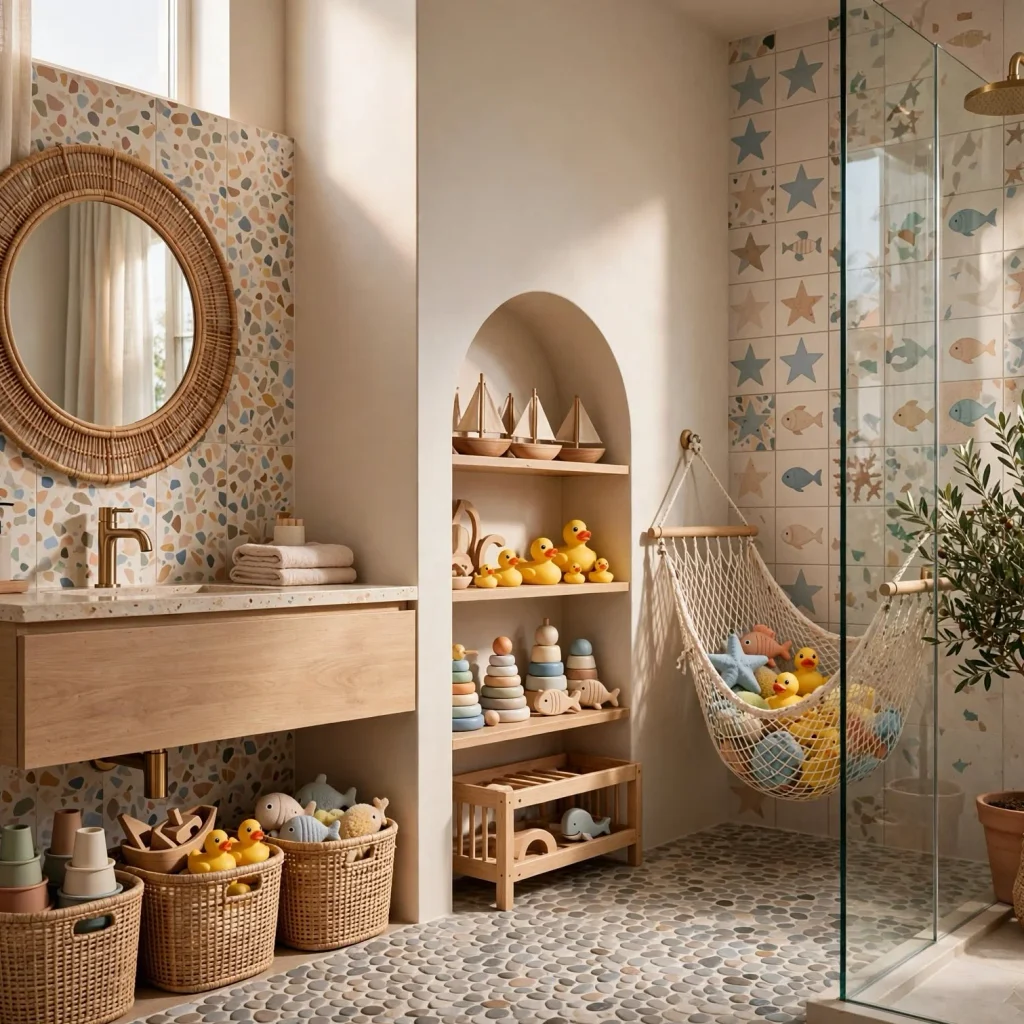
An open storage solution, a mesh hanging bag, a low shelf, or a designated bin, specifically for bath toys keeps this inevitable clutter organized and allows children to access and put away their own toys independently. Choosing a storage solution with adequate drainage, particularly for a hanging mesh bag, prevents standing water and mildew from developing within stored wet toys. This detail addresses a genuine daily organizational need that’s easy to overlook in favor of purely aesthetic bathroom planning.
10. Adjustable or Handheld Showerhead
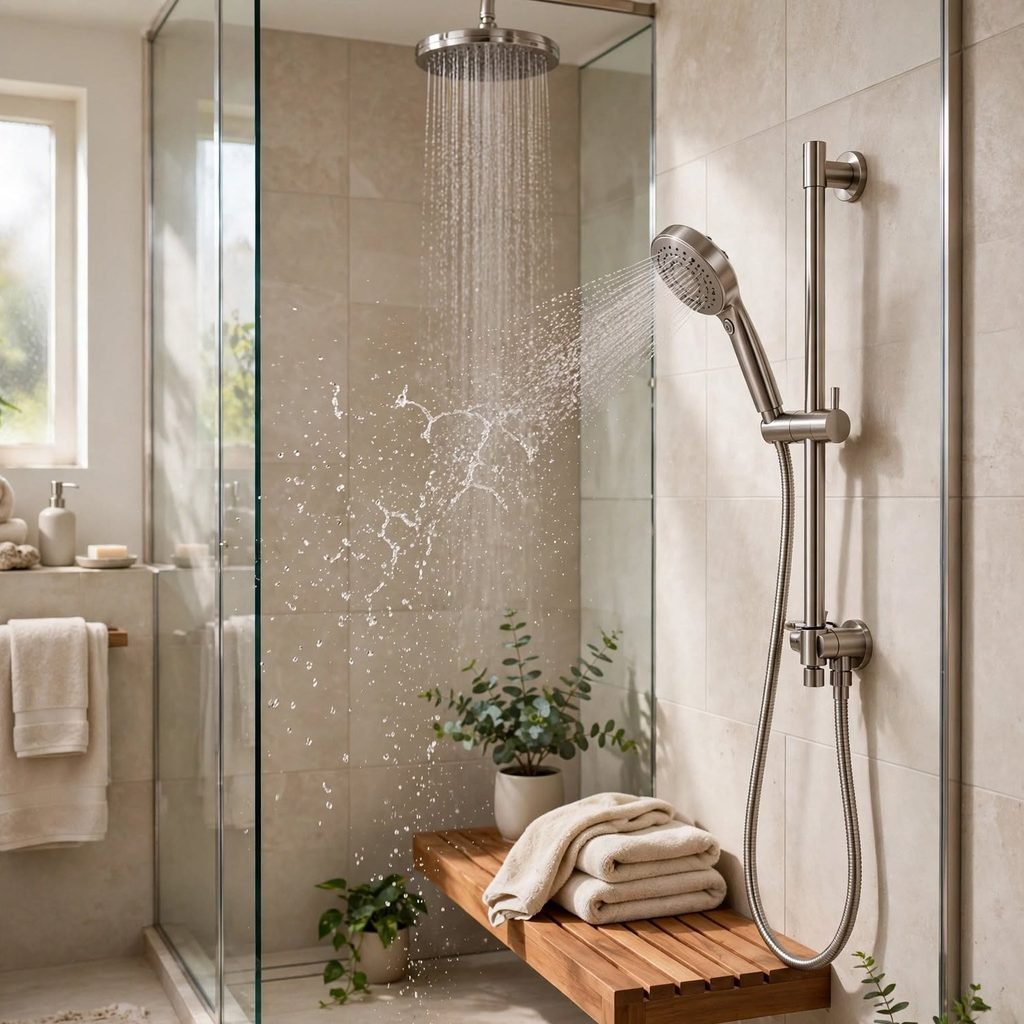
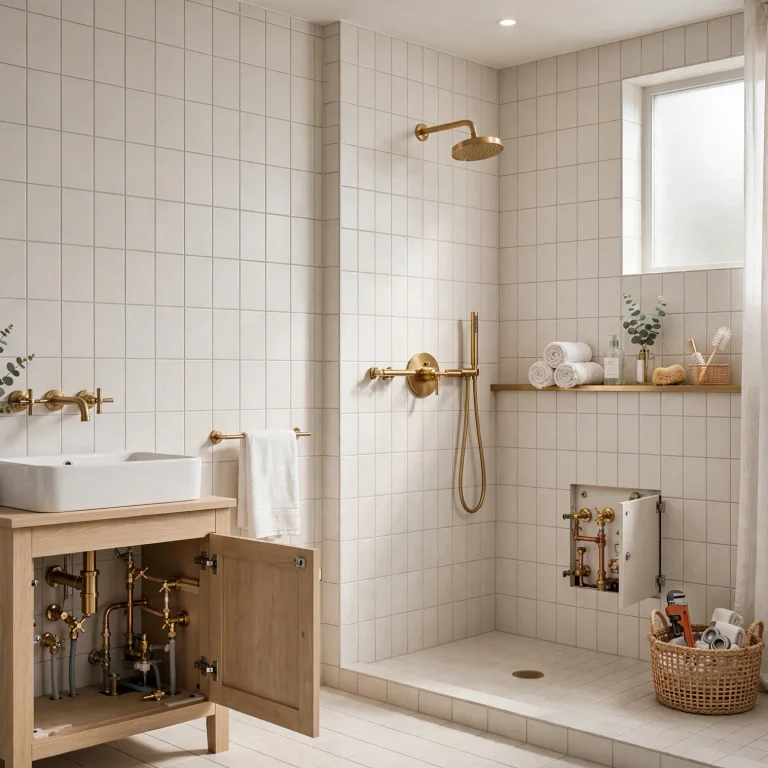
An adjustable-height or handheld showerhead accommodates children of different heights and ages sharing the same bathroom, along with supporting a parent’s ability to help wash a younger child more easily than a fixed, adult-height showerhead allows. This upgrade also extends the bathroom’s usability as children grow, avoiding the need for a fixture change as a child transitions from needing parental bathing help to showering independently. Choosing a model with a slide bar track allows the showerhead height to be adjusted without requiring any tools or professional help.
11. Nightlight or Motion-Sensor Lighting
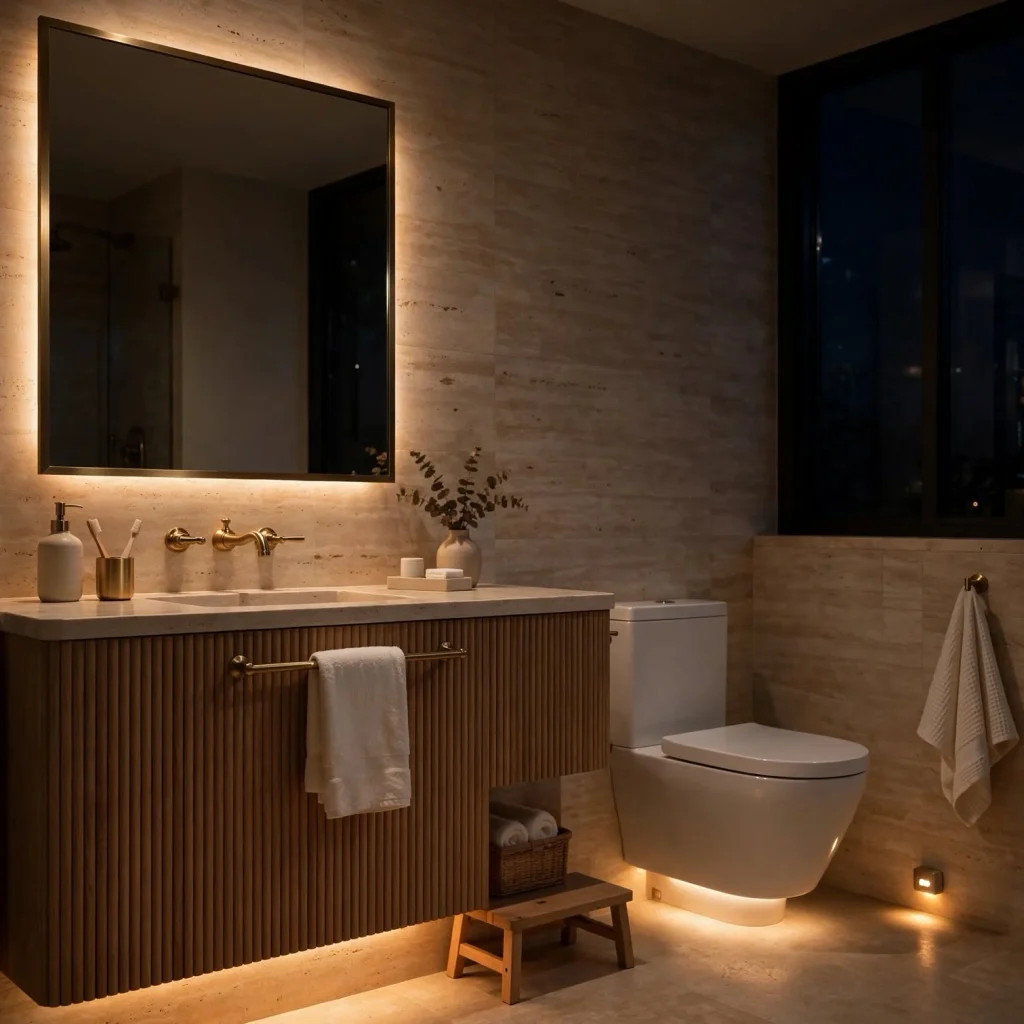
A small nightlight or motion-sensor light strip near the floor supports a child’s ability to safely navigate to the bathroom during the night without needing to locate and use a bright overhead switch that might also wake other household members. This detail matters particularly for a young child still working through nighttime bathroom independence or potty training. Choosing a warm, low-intensity light avoids being overly stimulating or disruptive to sleep while still providing adequate illumination for safe nighttime use.
12. Rounded or Soft-Edge Vanity Design
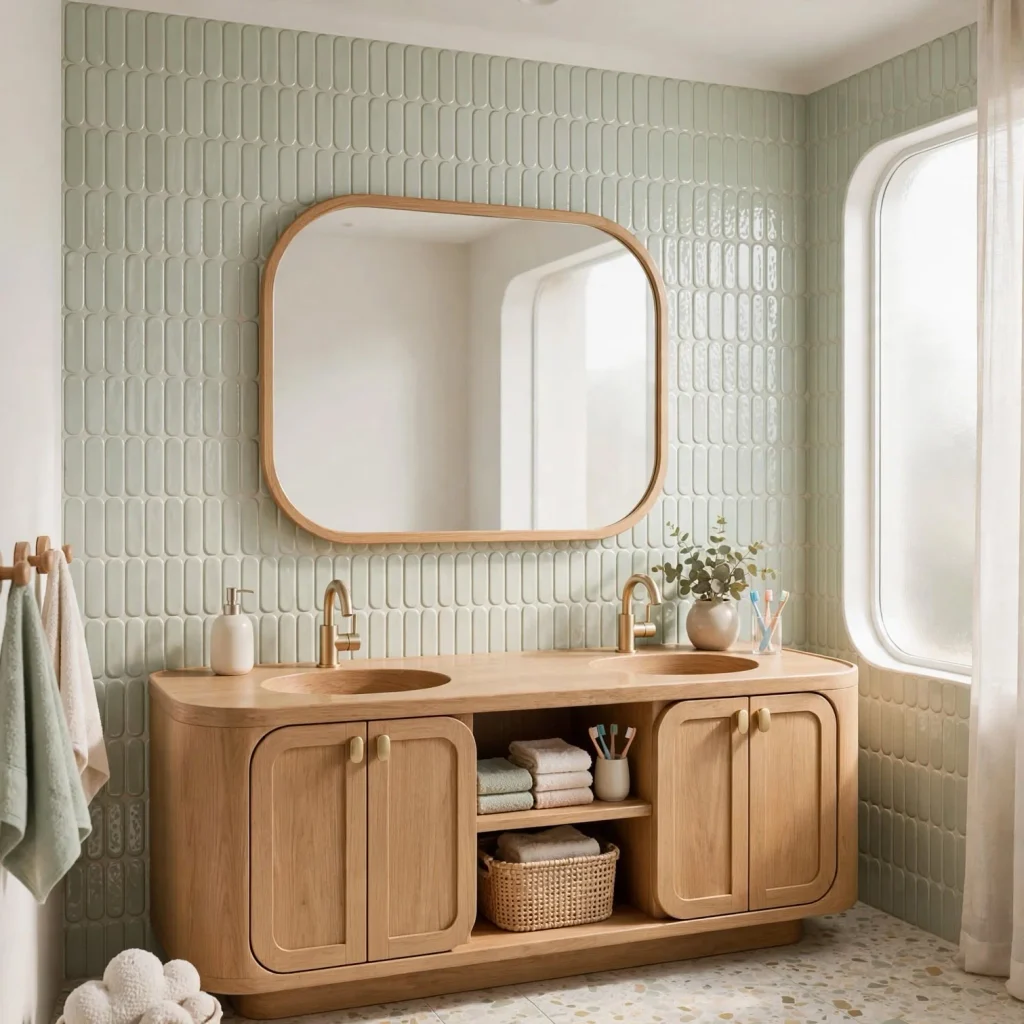
Choosing vanity and counter edges with a rounded or softened profile, rather than sharp right angles, reduces injury risk from the inevitable bumps and falls that happen in a bathroom used by active children. This detail is a relatively minor design consideration but addresses a genuine, easily overlooked safety factor specific to this room’s typical use pattern. This choice works well alongside other safety-focused decisions like slip-resistant flooring and anti-scald faucets as part of an overall safety-conscious approach to the room’s planning.
13. Chalkboard or Whiteboard Wall Section
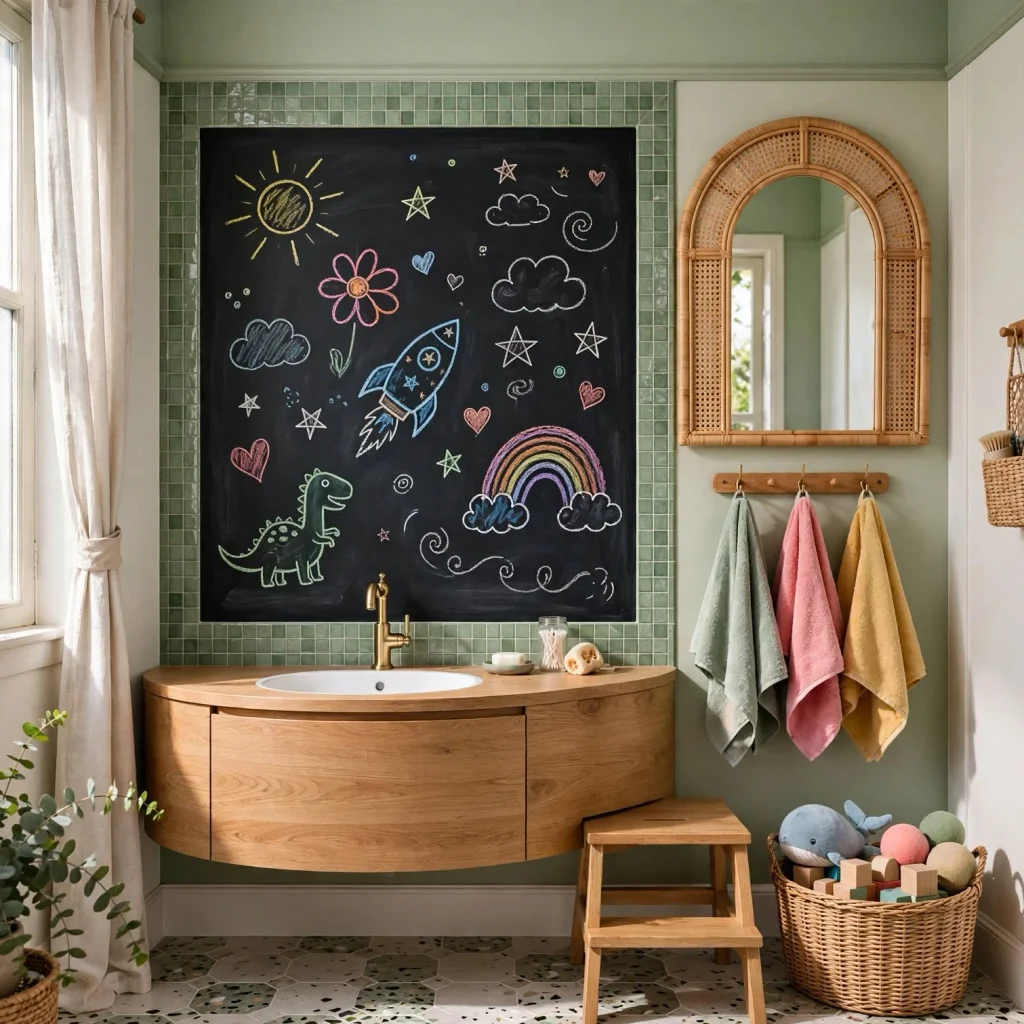
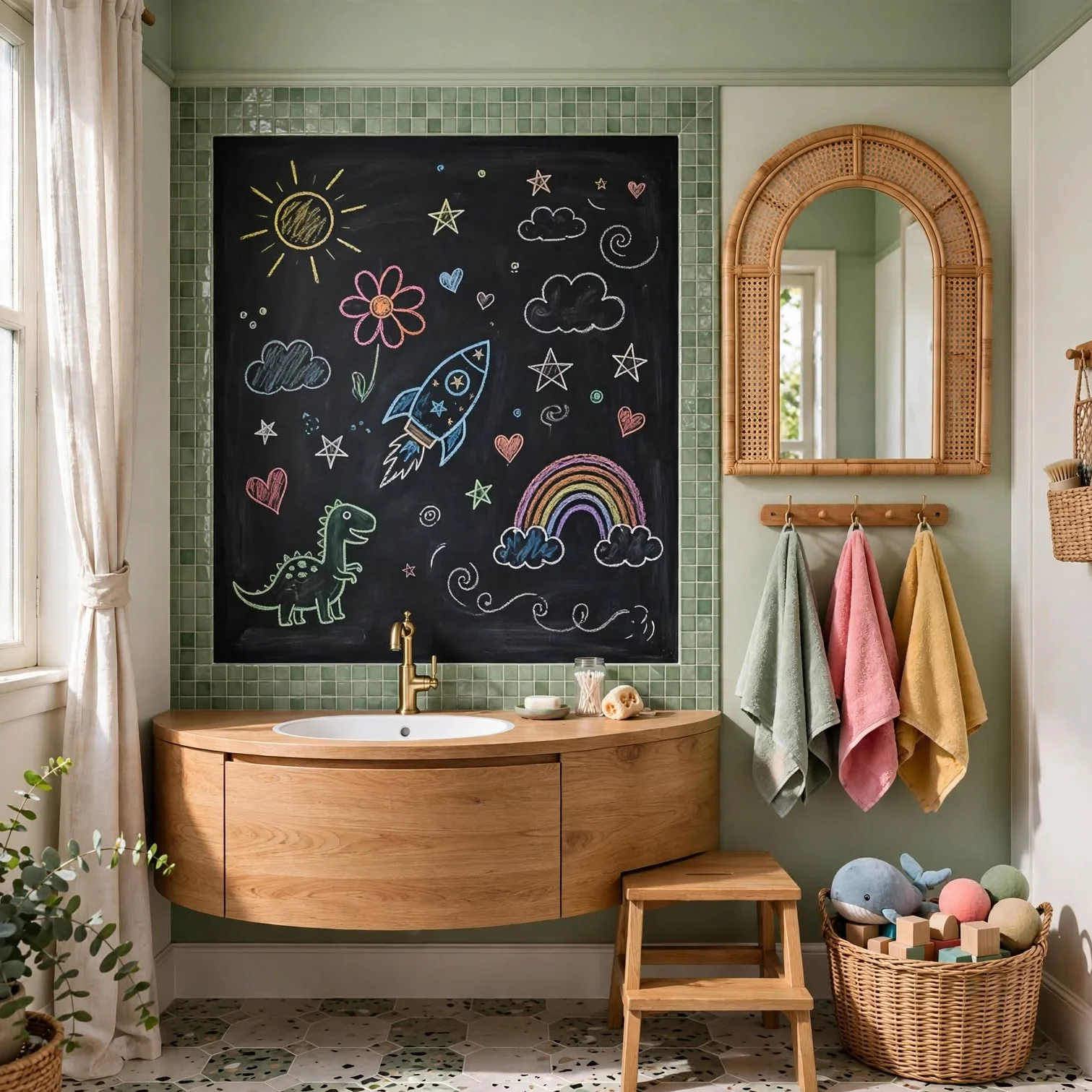
A small chalkboard or whiteboard-painted wall section gives children a designated, genuinely useful space for drawing or writing during bath time or while getting ready, channeling energy that might otherwise end up on the bathroom’s walls or mirror in an unintended way. This detail also provides genuine entertainment value during longer bath times, keeping younger children occupied and engaged. Choosing a section positioned away from direct water exposure protects the chalkboard or whiteboard surface from the room’s general humidity and splashing.
14. Growth Chart or Height Marker Wall Feature
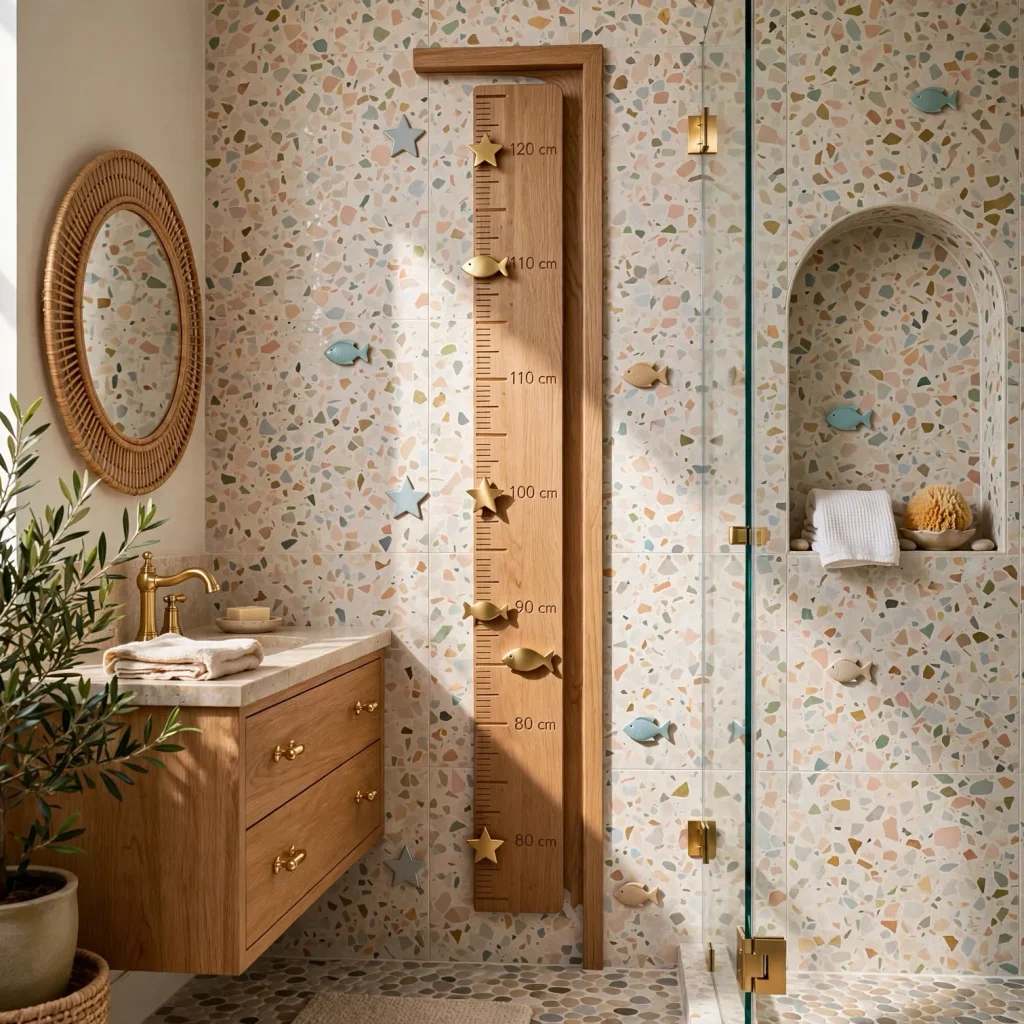
Incorporating a permanent or semi-permanent height marker, whether a dedicated growth chart decal or simply a marked section of trim, turns a kids bathroom into a place that documents a family’s history alongside its practical function. This detail costs very little to add but often becomes a genuinely cherished feature over years of use, tracking a child’s growth in a space they visit daily. Positioning this marker somewhere it won’t be damaged by regular cleaning or water exposure protects the accumulated record over time.
15. Colorful but Replaceable Shower Curtain or Door Film
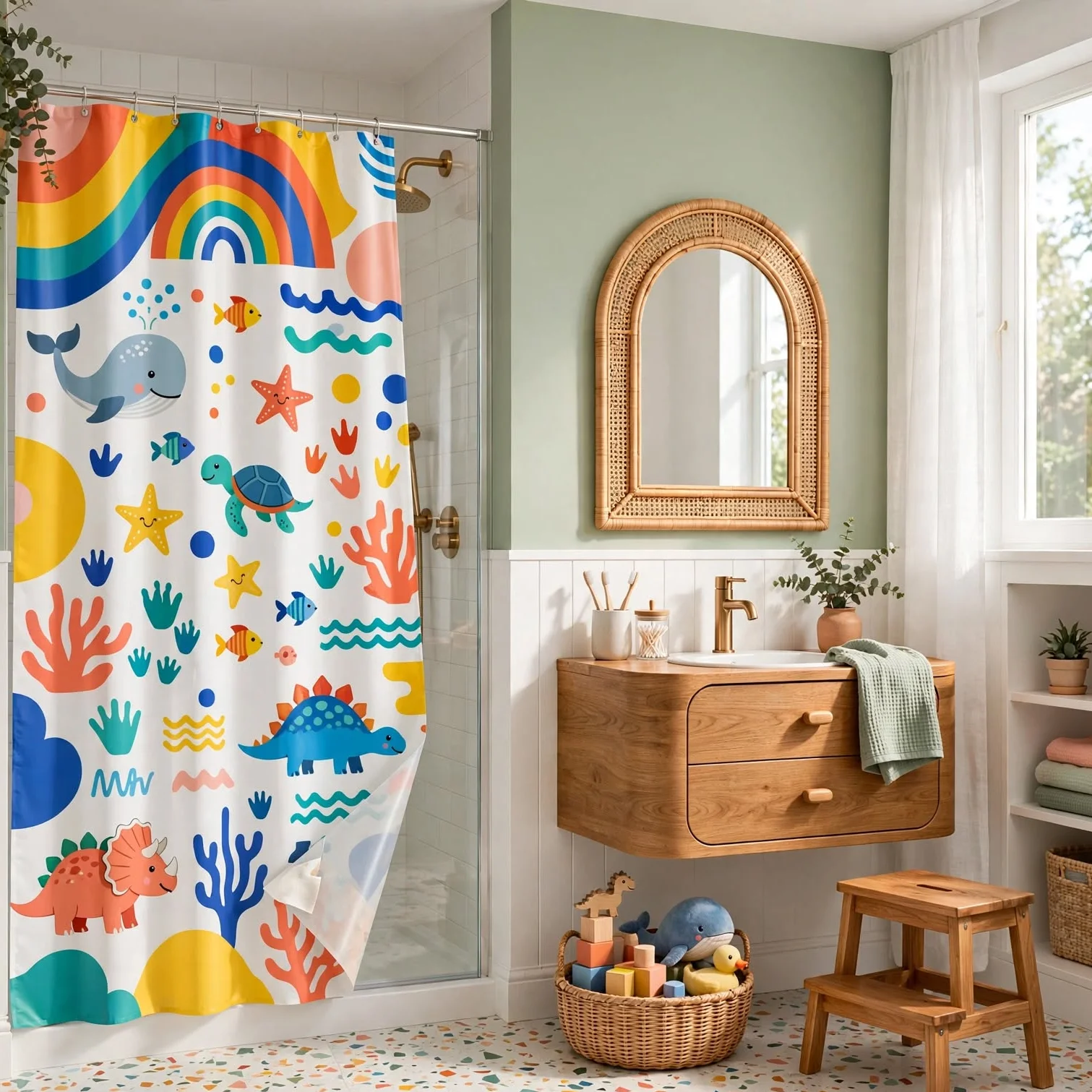
A colorful, pattern-rich shower curtain, or a decorative film applied to a glass shower door, introduces genuine visual personality and fun to a kids bathroom through an element that’s inexpensive and simple to replace as a child’s interests or age-appropriate preferences change. This approach concentrates the room’s more overtly playful, potentially short-lived design choices into the lowest-cost, easiest-to-update element available. Choosing a curtain or film in a durable, easy-to-clean material ensures this fun detail also holds up reasonably well to the room’s daily wear despite its lower cost and shorter expected lifespan.
Shop the Look
Start with slip-resistant tile flooring, a durable quartz countertop, and an anti-scald faucet as the room’s foundational safety and durability choices. Add a double sink if siblings will share the space, a deep soaking tub with a non-slip bottom, and an adjustable handheld showerhead for flexible use across ages. Finish with a colorful, easily replaceable shower curtain, open mesh storage for bath toys, and a small growth chart marker to personalize the space without a permanent design commitment.
Common Mistake to Avoid
A common mistake in kids bathroom design is investing heavily in a specific character or trend-driven theme applied to permanent fixtures or tile, resulting in a room that requires a full, costly update once a child’s interests inevitably shift within a year or two. Concentrating playful, personality-driven choices into easily changed elements, towels, a shower curtain, smaller accessories, while keeping larger investments like tile and the vanity in a more neutral, durable palette allows the room to adapt gracefully as children grow without requiring repeated renovation. This approach also generally produces better long-term value from the bathroom’s larger, more expensive material and fixture investments.
FAQs
Should a kids bathroom be designed around a specific theme?
A kids bathroom generally holds up better over time when playful, theme-driven elements are concentrated in easily changed items, towels, a shower curtain, smaller decor, rather than applied to permanent fixtures or tile that a child will likely outgrow interest in within a year or two. This approach allows the room’s personality to evolve alongside a child’s changing interests without requiring a costly, full renovation each time those interests shift. A neutral, durable foundation paired with rotating playful accessories tends to provide better long-term value than a fully themed, permanent design.
What safety features matter most in a kids bathroom?
Slip-resistant flooring, anti-scald faucet technology limiting maximum water temperature, and rounded rather than sharp-edged vanity and counter profiles address some of the most significant safety considerations specific to a bathroom used by children. A nightlight or motion-sensor lighting also supports safe nighttime bathroom use, particularly for a younger child still developing nighttime independence. Prioritizing these safety features alongside the room’s aesthetic planning, rather than treating them as secondary concerns, produces a genuinely safer space for daily family use.
How do I make a kids bathroom easy to clean?
Choosing durable, washable paint finishes, a satin or semi-gloss rather than flat matte, along with a stain-resistant quartz or solid-surface countertop and slip-resistant tile flooring, all contribute to a kids bathroom that’s genuinely easier to keep clean despite the room’s heavy daily use. Open, well-organized storage for bath toys, rather than loose items scattered around the tub, also reduces general clutter and makes routine cleaning more manageable. These practical material choices matter as much as any organizational system for keeping this heavily used room presentable.
At what age can children start using a bathroom independently?
Most children begin developing genuine bathroom independence, washing hands, brushing teeth, and using the toilet without direct supervision, somewhere between ages three and six, though this varies considerably based on the individual child’s development. Design features like a built-in step stool, a lower section of counter, and clearly reachable towel hooks all support this growing independence regardless of the exact age it develops. Planning the bathroom’s fixtures and storage with this eventual independence in mind, even for a currently younger child, helps the space serve the family well as children grow into these routines.
How do I plan a kids bathroom that will still work as children get older?
Choosing a neutral, durable foundation for permanent fixtures and materials, tile, vanity, countertop, while concentrating playful or age-specific personality into easily changed elements like towels and a shower curtain, allows a kids bathroom to adapt smoothly as children grow from toddlers into teenagers without requiring a full renovation at each stage. Features like an adjustable handheld showerhead and a double sink also genuinely serve a family well across a wide age range rather than only suiting one specific developmental stage. Planning with this longer view in mind from the outset generally produces better value than designing exclusively around a child’s current age and interests.
Conclusion
A successful kids bathroom balances genuine safety and durability with enough adaptable personality to feel fun without locking the family into a design that a child will quickly outgrow. Save this guide to Pinterest for reference while planning your next update, and check out our related post on bathroom tile ideas for more material guidance suited to this room’s genuine daily wear.