15 Inspiring Bathroom Tile Ideas for a Beautiful Home
Bathroom tile Ideas decisions affect a room’s durability, safety, and overall character more than almost any other single material choice in the space. This guide covers fifteen bathroom tile ideas, from classic subway tile to dramatic full-room applications, with guidance on material, pattern, and placement suited to different bathroom zones. Each idea addresses both the tile’s visual impact and its practical performance in a consistently wet environment.
Trend & Background
Bathroom tile trends have moved toward larger formats and more dramatic, full-coverage applications in recent years, with tile increasingly extending beyond the shower onto entire walls or even ceilings rather than staying confined to a shower surround and floor alone. This shift reflects both current design preferences for uninterrupted, seamless surfaces and growing appreciation for tile as a genuine design statement rather than a purely practical, water-resistant necessity. Natural stone-look and handmade-look tile, including zellige and other artisanal styles, have also grown significantly in popularity, offering more visual texture and character than the uniform, mass-produced tile common in previous design periods.
Key Takeaways
- Bathroom tile choice should account for slip resistance and water exposure alongside pure aesthetics, particularly on shower and floor surfaces.
- Tile pattern and layout, herringbone, stacked, offset, affect a room’s visual impact as much as the tile material itself.
- Grout color choice meaningfully changes how a tile reads, with matching grout creating a seamless look and contrasting grout emphasizing pattern.
- Extending tile beyond the shower, onto a full wall or ceiling, has become an increasingly popular way to add drama to a bathroom.
Bathroom Tile Ideas
Explore the best bathroom tile ideas, including modern designs, tile inspiration, color schemes, storage, lighting, showers, vanities, and stylish decorating ideas for every home.
1. Classic White Subway Tile
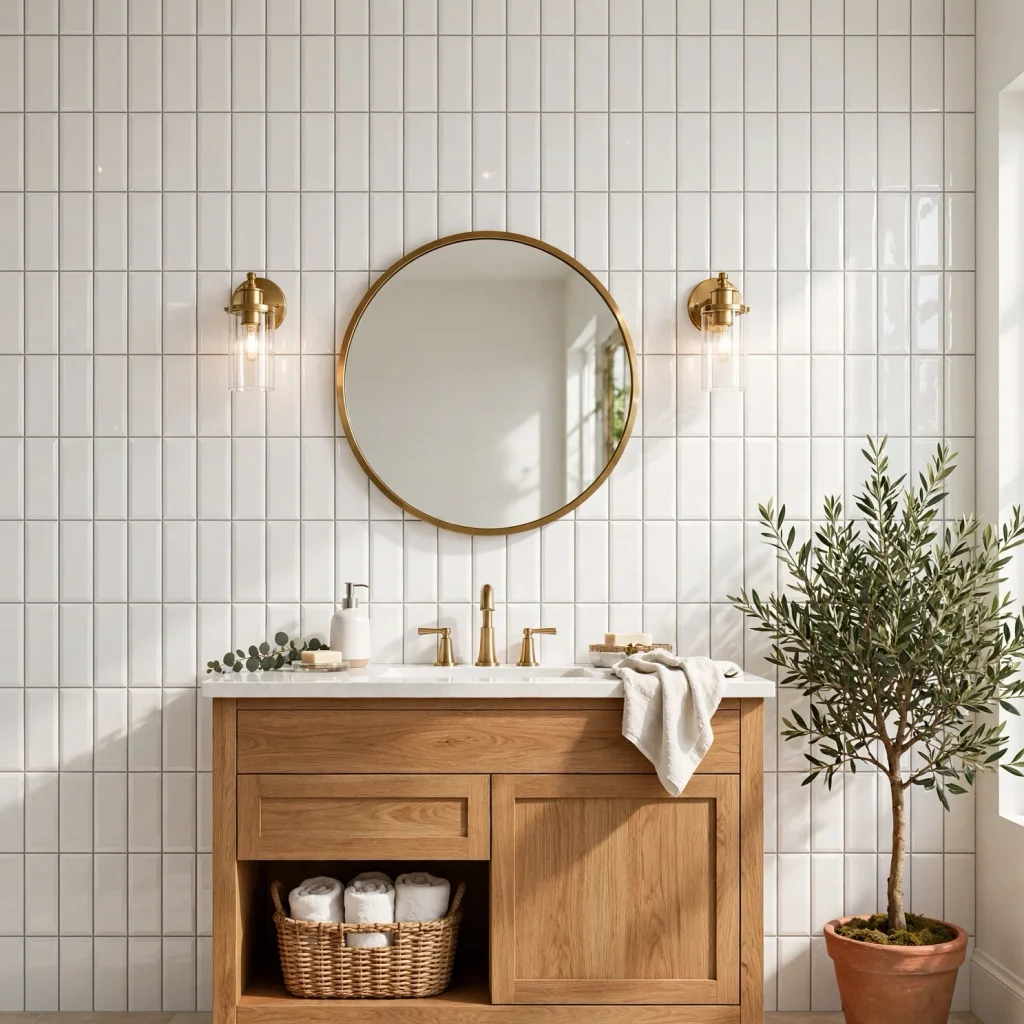
Classic white subway tile, in the traditional 3-by-6-inch rectangular format, remains one of the most versatile and enduringly popular bathroom tile choices, suiting nearly every design style from traditional to contemporary. Choosing a running bond or offset brick layout produces the most classic result, though a stacked, straight-grid layout offers a more contemporary alternative using the same tile. This tile’s neutral, timeless quality also makes it one of the safer choices for households prioritizing long-term resale value over a more distinctive style statement.
2. Zellige Tile for Handmade Texture
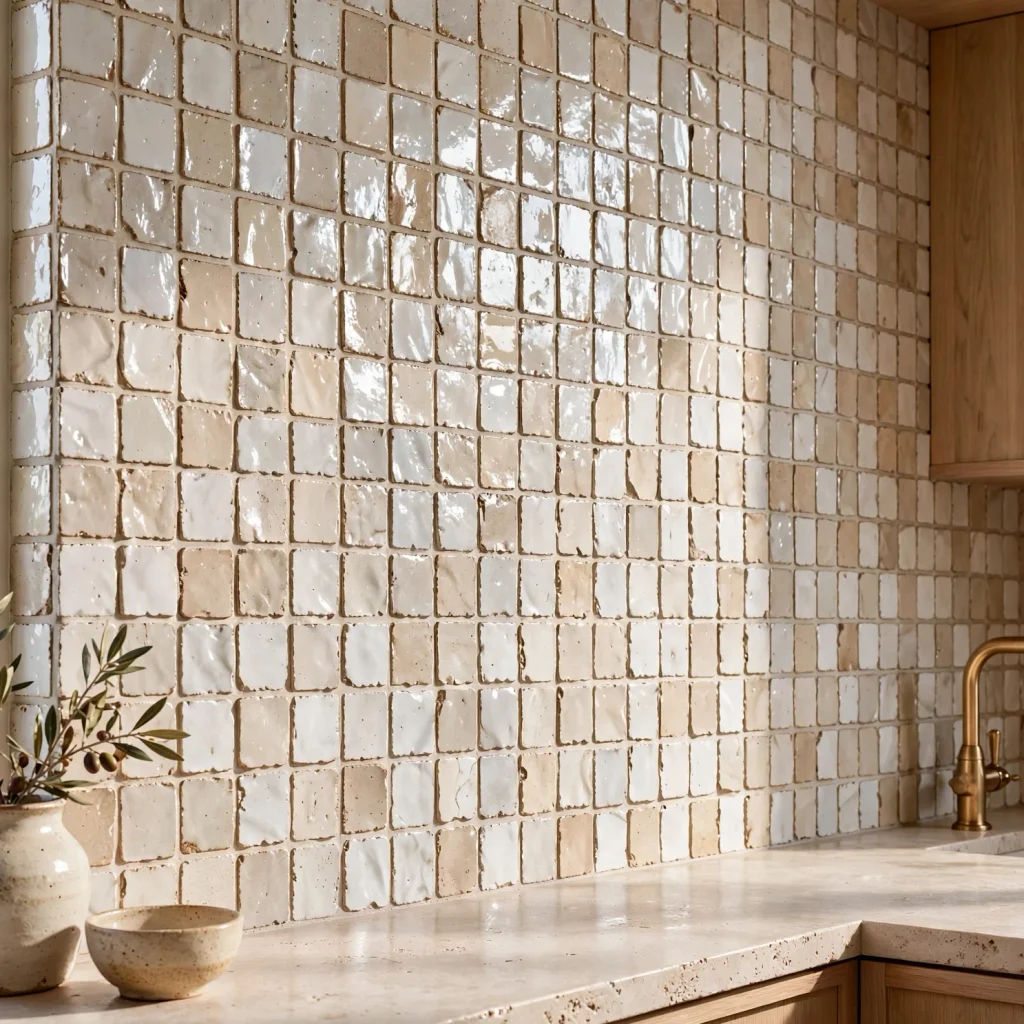
Zellige tile, a handmade Moroccan glazed terracotta tile known for its subtle variation in color, texture, and glaze thickness, brings genuine artisanal character to a bathroom that mass-produced tile can’t replicate. Each tile’s slight imperfection and variation is part of the material’s inherent appeal rather than a flaw to avoid. This tile suits a Mediterranean, bohemian, or warm contemporary bathroom particularly well, though its higher cost and more involved installation process, given the tiles’ irregular dimensions, matter worth factoring into planning.
3. Large-Format Porcelain Slab Tile
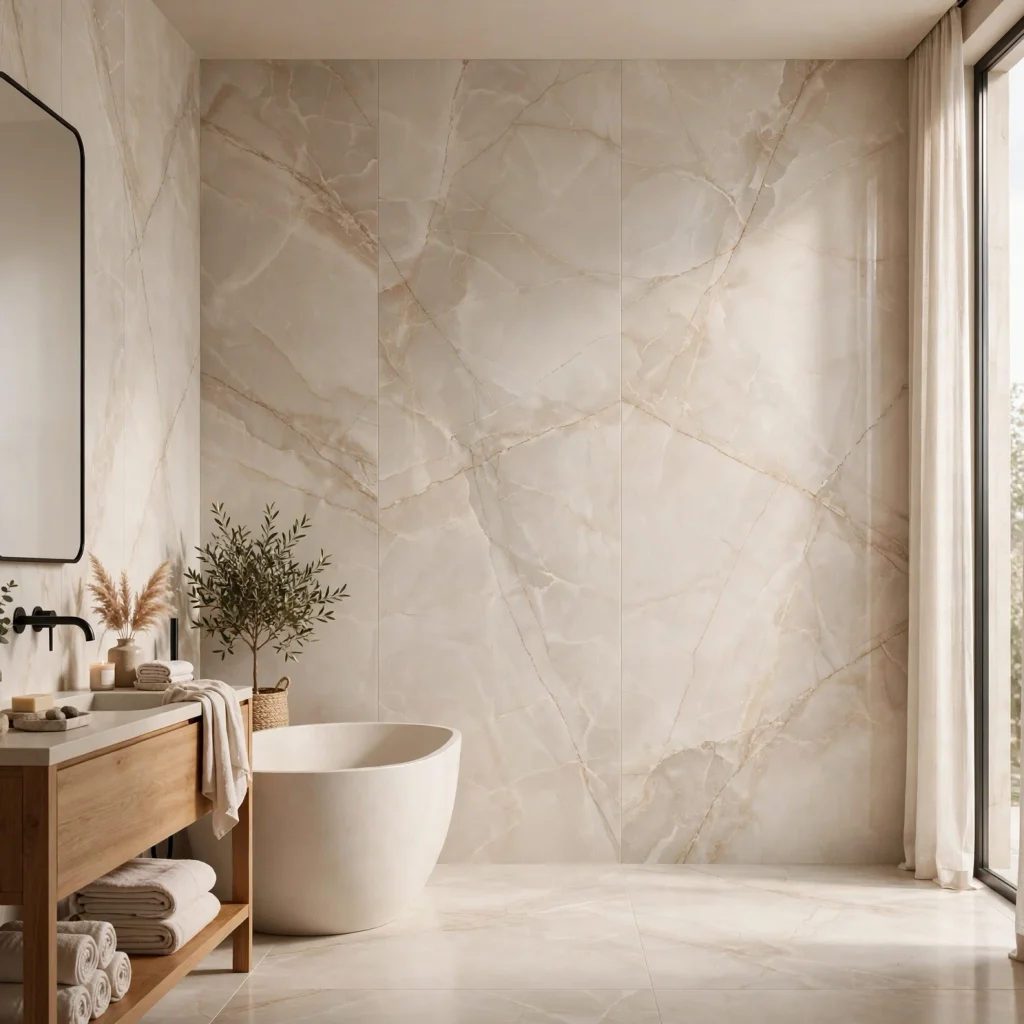
Large-format porcelain slab tile, in dimensions of 24 by 48 inches or larger, minimizes visible grout lines across a bathroom’s walls and floor, producing a clean, uninterrupted surface particularly suited to contemporary and modern design. This tile format has also improved significantly in realistic stone-look and marble-look printing technology, offering the visual appeal of natural stone with better durability and lower maintenance requirements. Professional installation matters particularly with this tile size, given the precision required to handle and set such large, heavy pieces correctly.
| Tile Type | Best Application | Key Characteristic |
| Subway tile | Shower walls, backsplash | Timeless, versatile |
| Zellige | Accent wall, shower surround | Handmade variation |
| Large-format porcelain | Full walls, floors | Minimal grout, seamless |
| Hexagonal mosaic | Floors, shower niches | Classic geometric pattern |
4. Hexagonal Mosaic Flooring
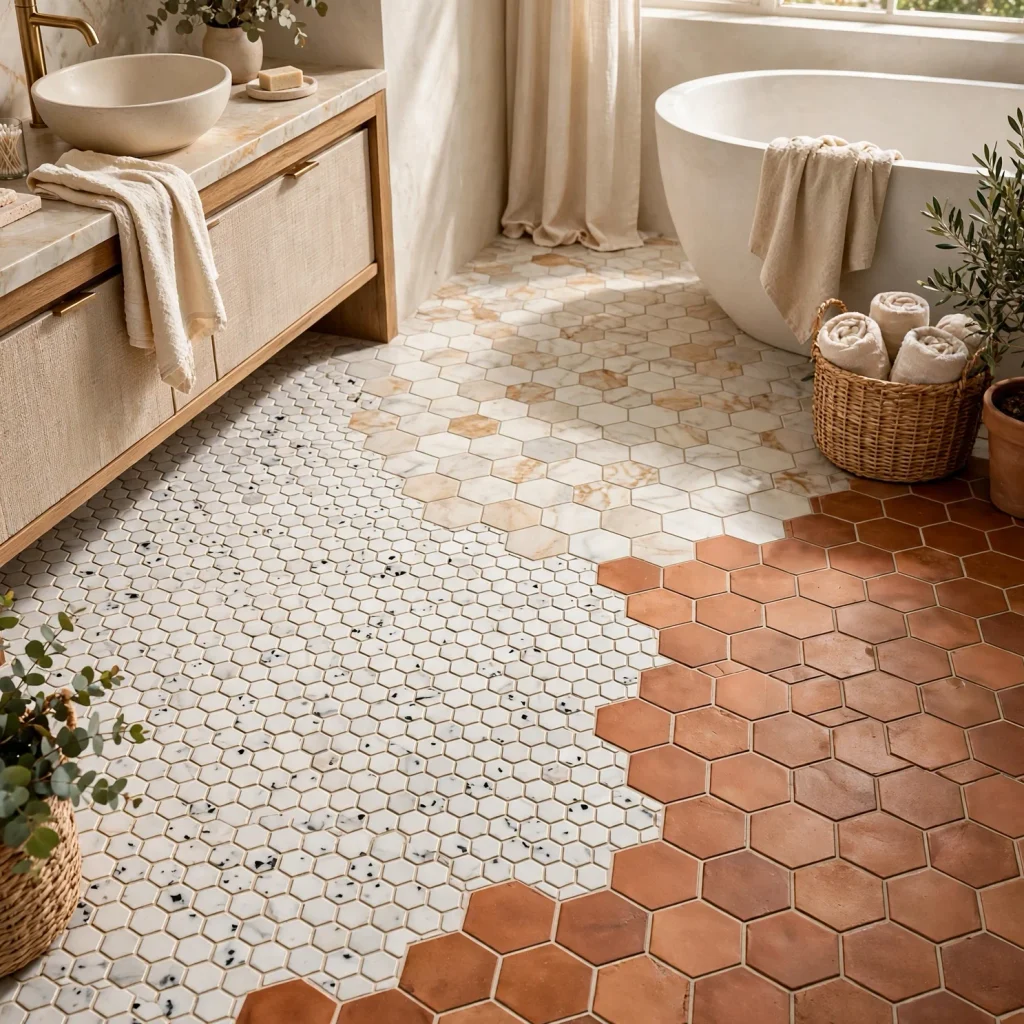
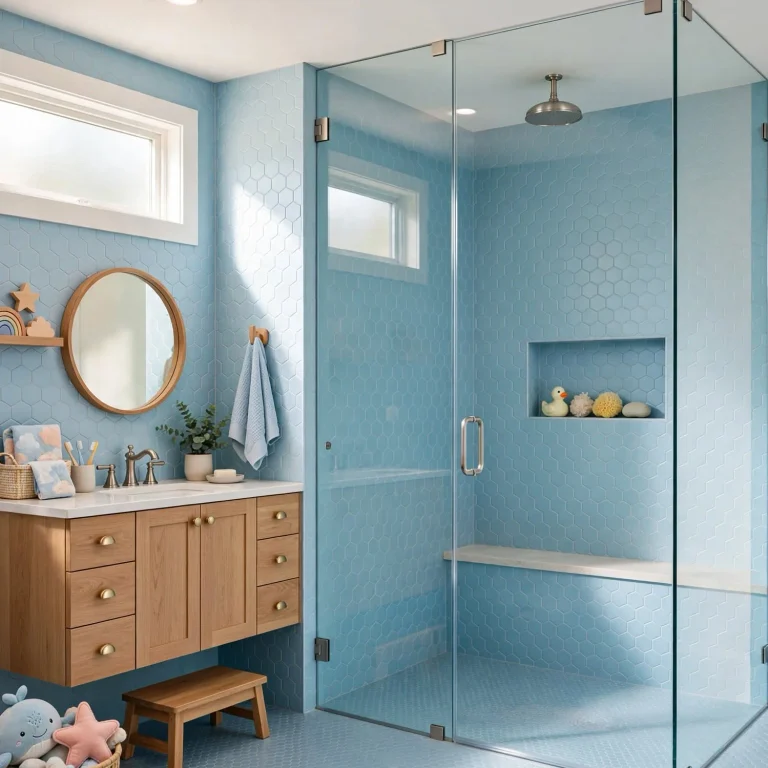
Hexagonal mosaic tile, typically in a smaller format around 1 to 2 inches per side, brings classic geometric pattern to a bathroom floor while its smaller individual tile size provides excellent slip resistance through the increased grout line density. This tile style suits both traditional black-and-white patterned floors and more contemporary all-white or solid-color applications equally well. Choosing a matte rather than glossy finish for this floor application further improves slip resistance in a room where water exposure is a constant consideration.
Explore these modern bathroom ideas featuring beautiful fixtures, stylish finishes, smart layouts, and practical storage solutions.
5. Herringbone Pattern Layout
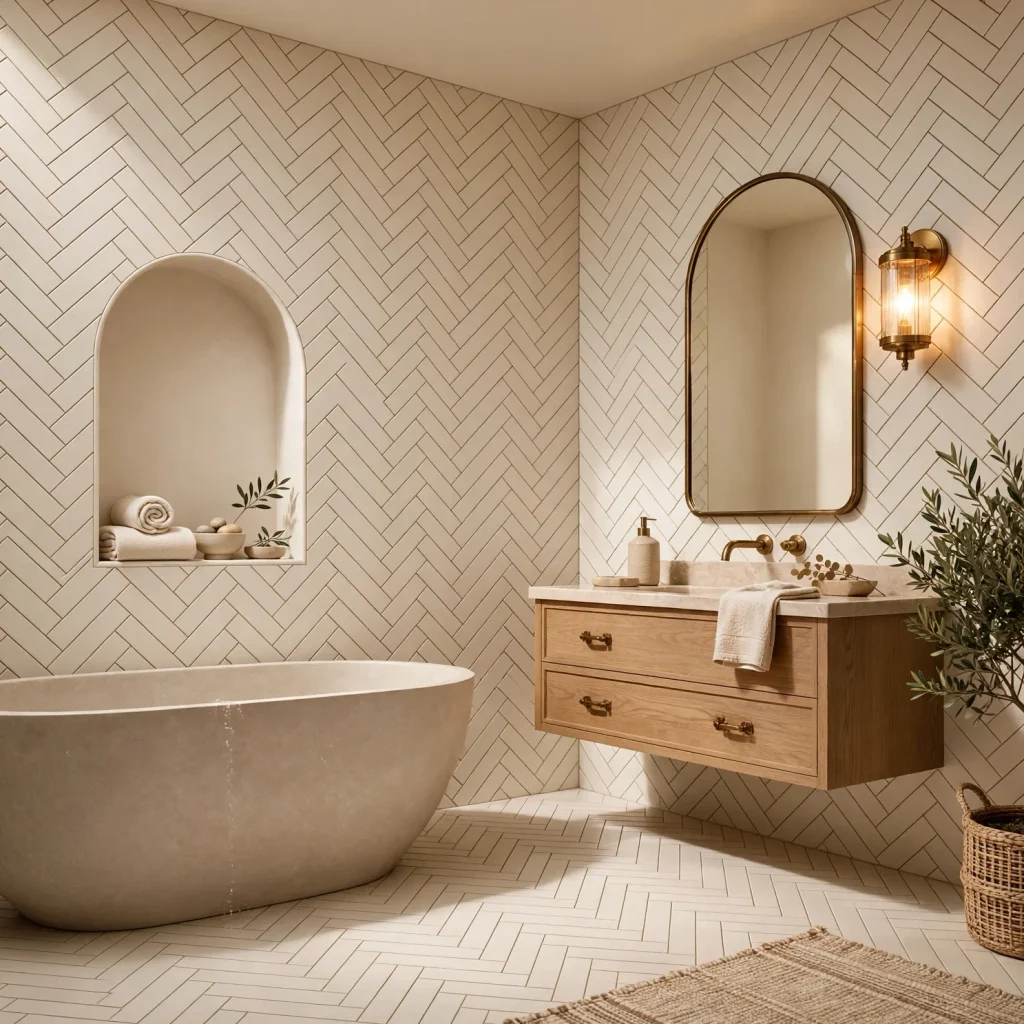
A herringbone pattern layout, using rectangular tile arranged in a distinctive zigzag configuration, adds dynamic visual movement to a bathroom floor or wall that a standard grid layout doesn’t provide, even when using the same basic tile material. This pattern works particularly well with a natural wood-look tile, echoing traditional herringbone hardwood flooring within a moisture-resistant material suited to bathroom use. This layout does require more precise cutting and installation than a standard grid, generally increasing labor costs compared to simpler tile arrangements.
6. Full Wall-to-Ceiling Tile Application
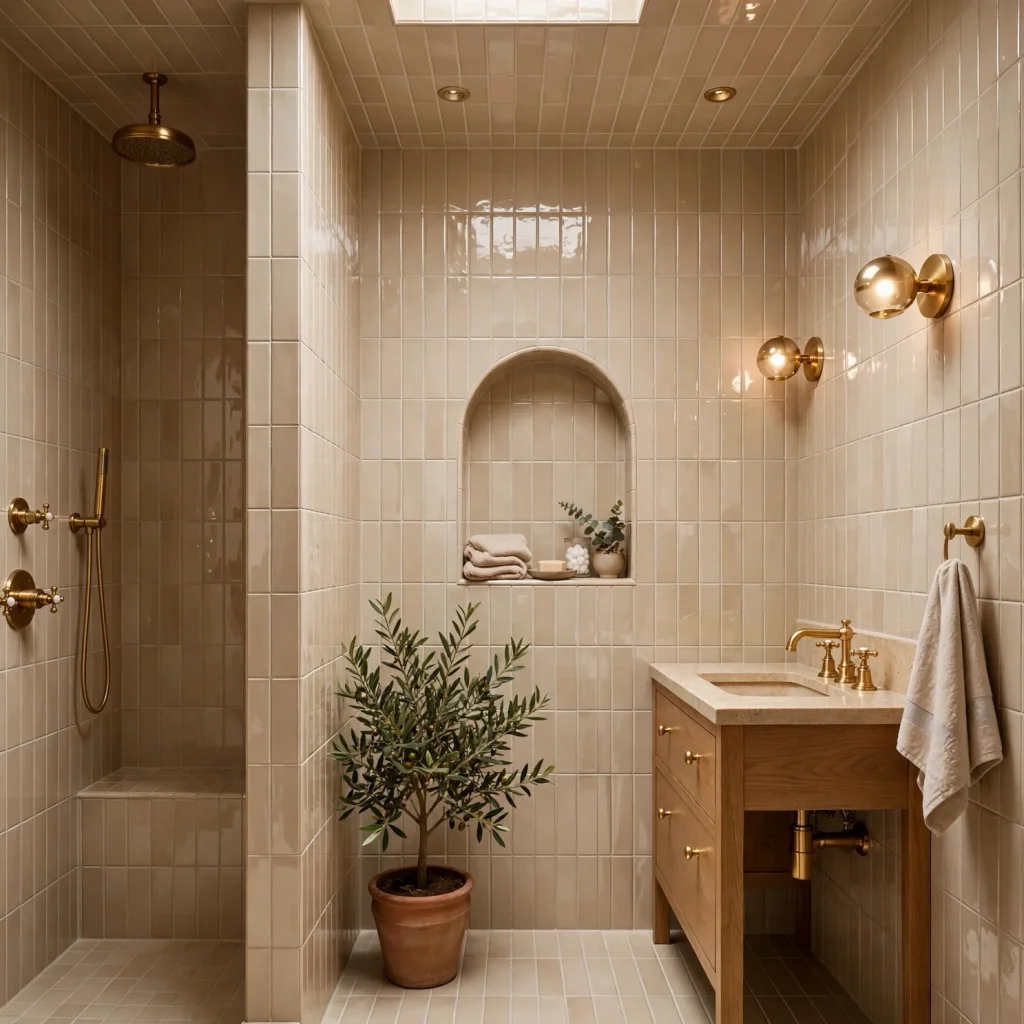
Extending tile fully from floor to ceiling throughout an entire bathroom, rather than stopping partway up the wall, creates a dramatic, immersive design statement that has grown significantly in popularity as a departure from more traditional partial-height tile applications. This approach also offers genuine practical benefit, since fully tiled walls resist moisture and mildew more effectively than painted drywall in a consistently humid room. Choosing a single tile material throughout this full application, rather than mixing several different tiles, tends to produce a more cohesive, intentional result.
7. Contrasting Grout for Pattern Definition
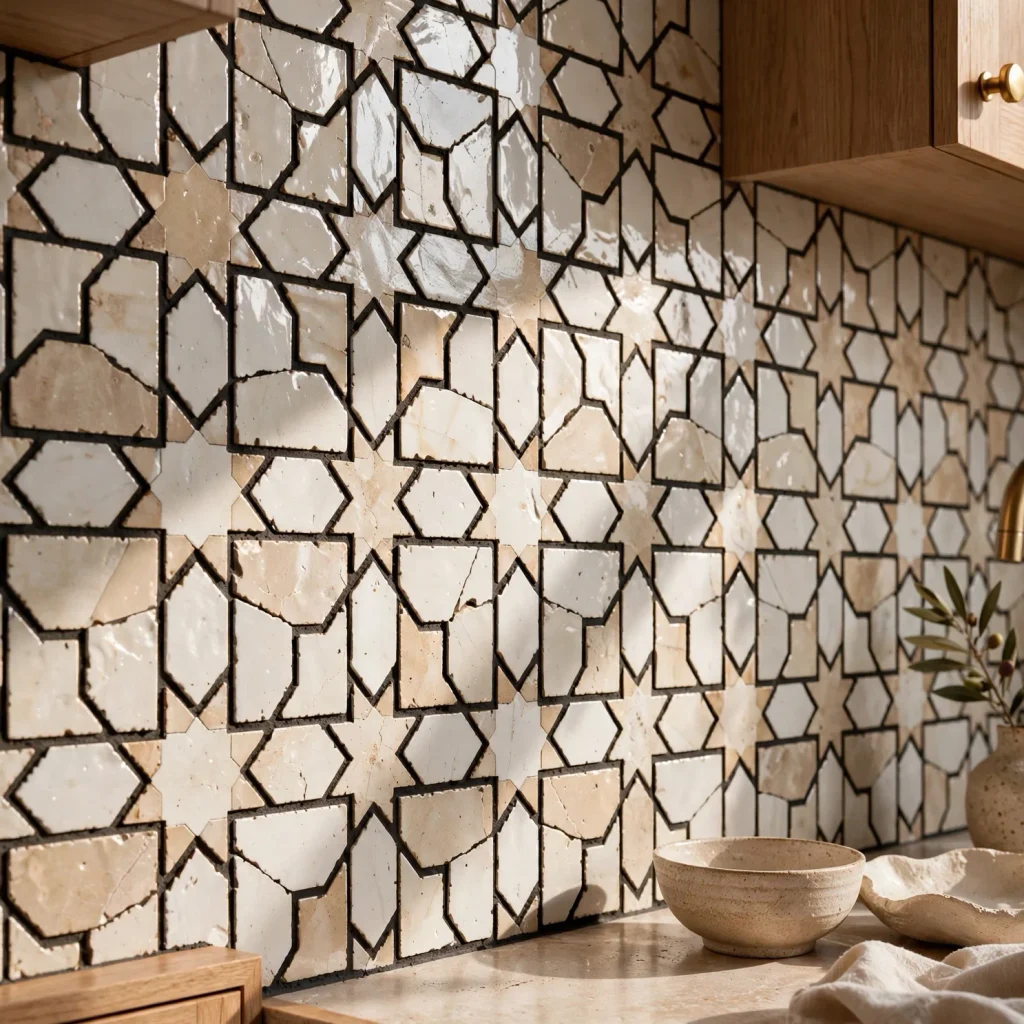
Choosing a grout color that contrasts noticeably with the tile itself, black grout against white subway tile, for instance, emphasizes the tile’s pattern and individual shape in a way that matching grout doesn’t achieve. This approach suits a bathroom wanting a more graphic, defined look, particularly with a classic subway or hexagonal tile pattern. This choice also shows dirt and grime more visibly over time than a mid-tone grout, worth factoring into the decision for a household prioritizing lower visible maintenance.
8. Matching Grout for a Seamless Look
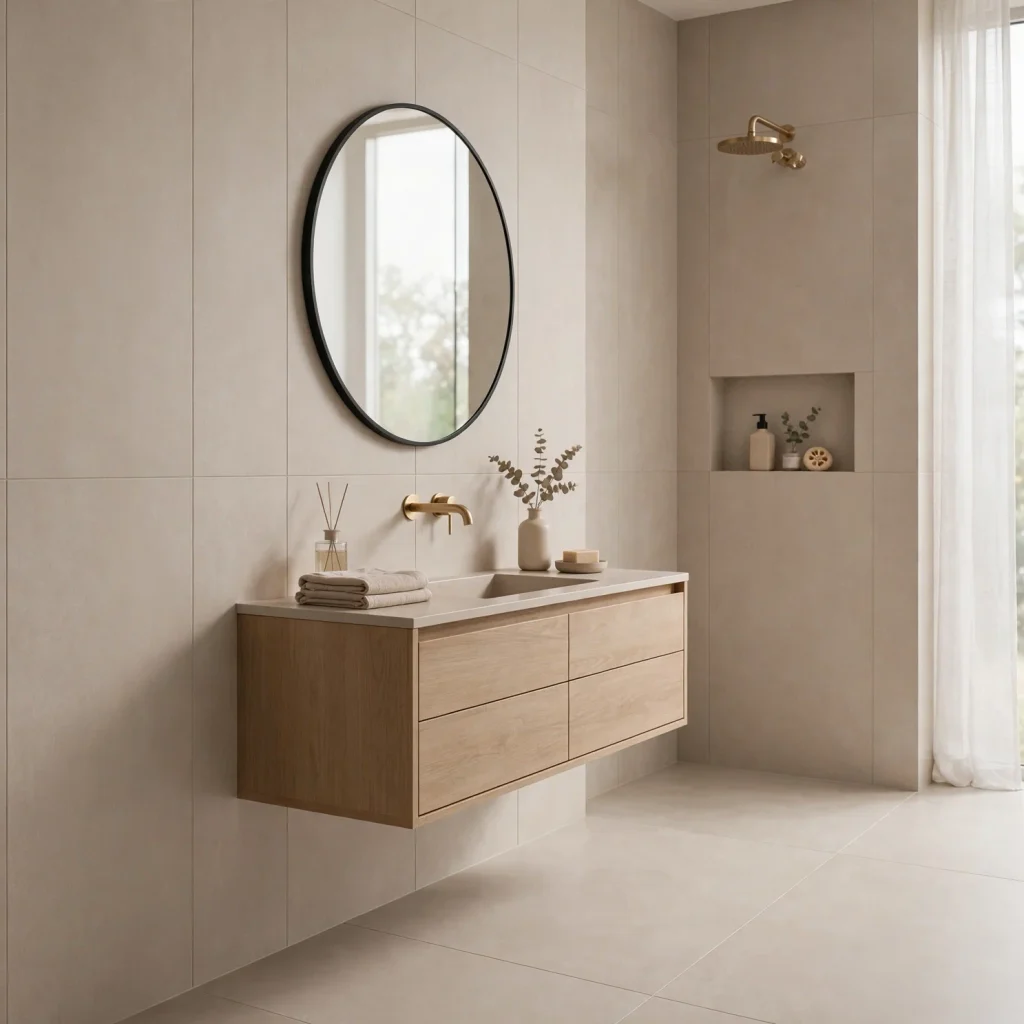
Choosing grout in a color closely matching the tile itself minimizes the visual break between individual tiles, producing a more seamless, monolithic surface appearance particularly suited to large-format or natural stone-look tile. This approach works well for a household wanting the tile’s material and color to read as the room’s primary visual statement without additional pattern definition from grout contrast. Matching grout also tends to show less visible buildup and staining over time compared to a lighter grout paired with darker tile.
9. Vertical Stacked Tile Layout
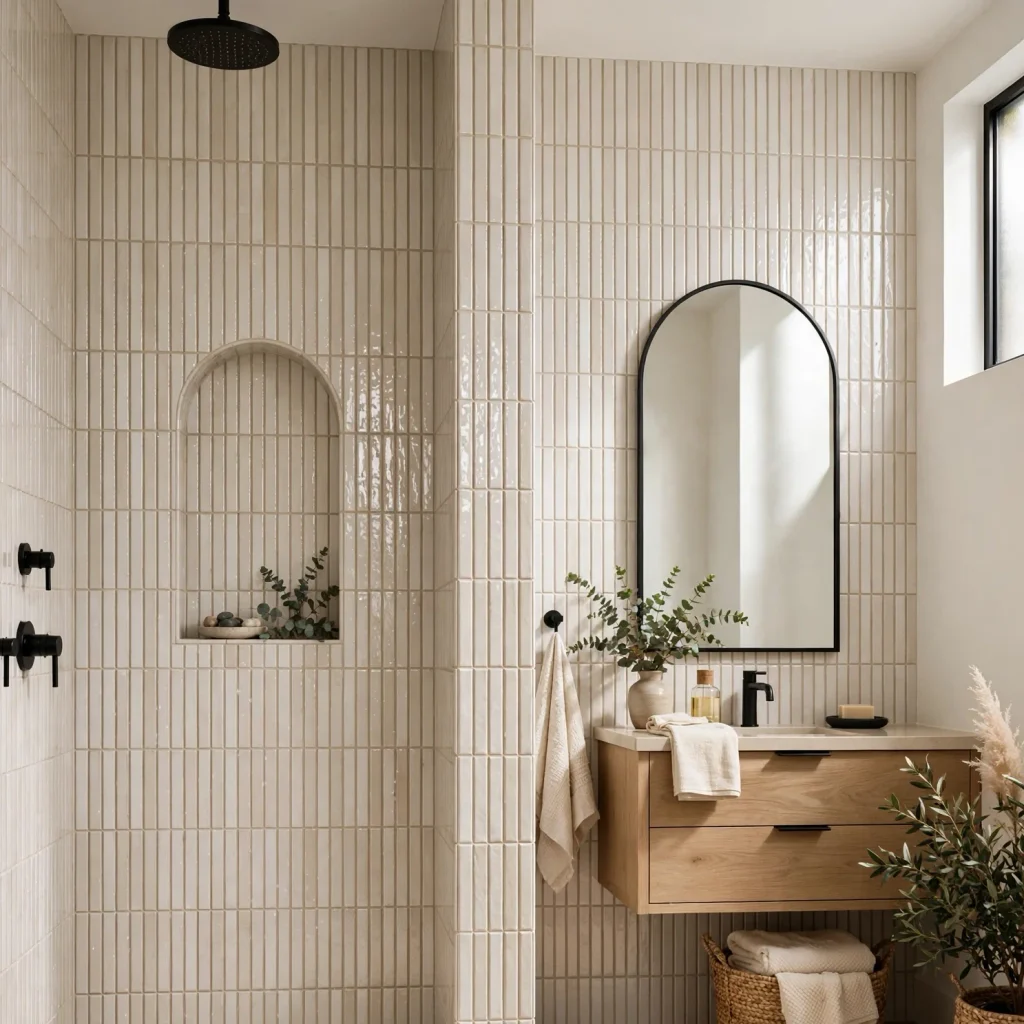
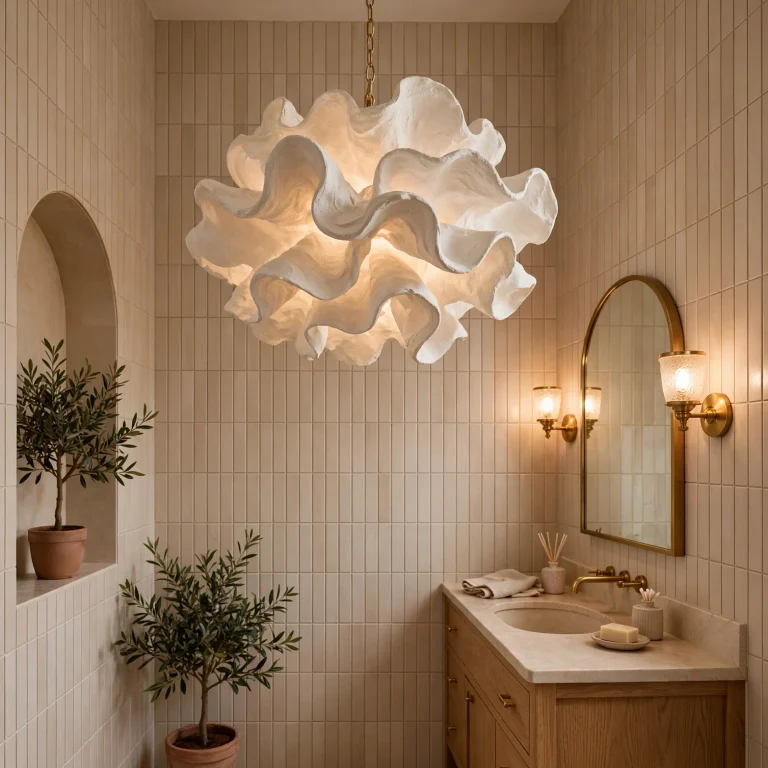
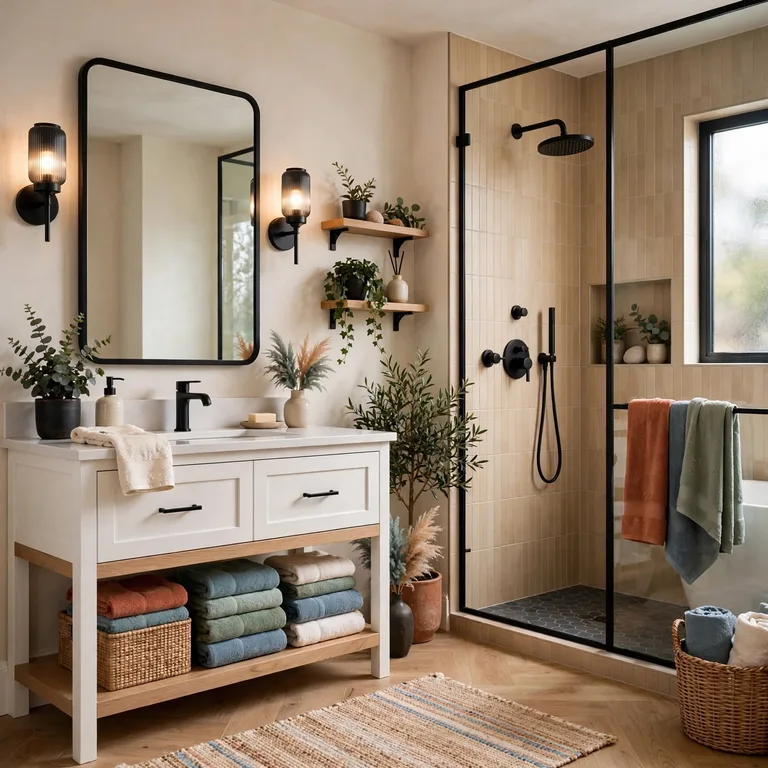
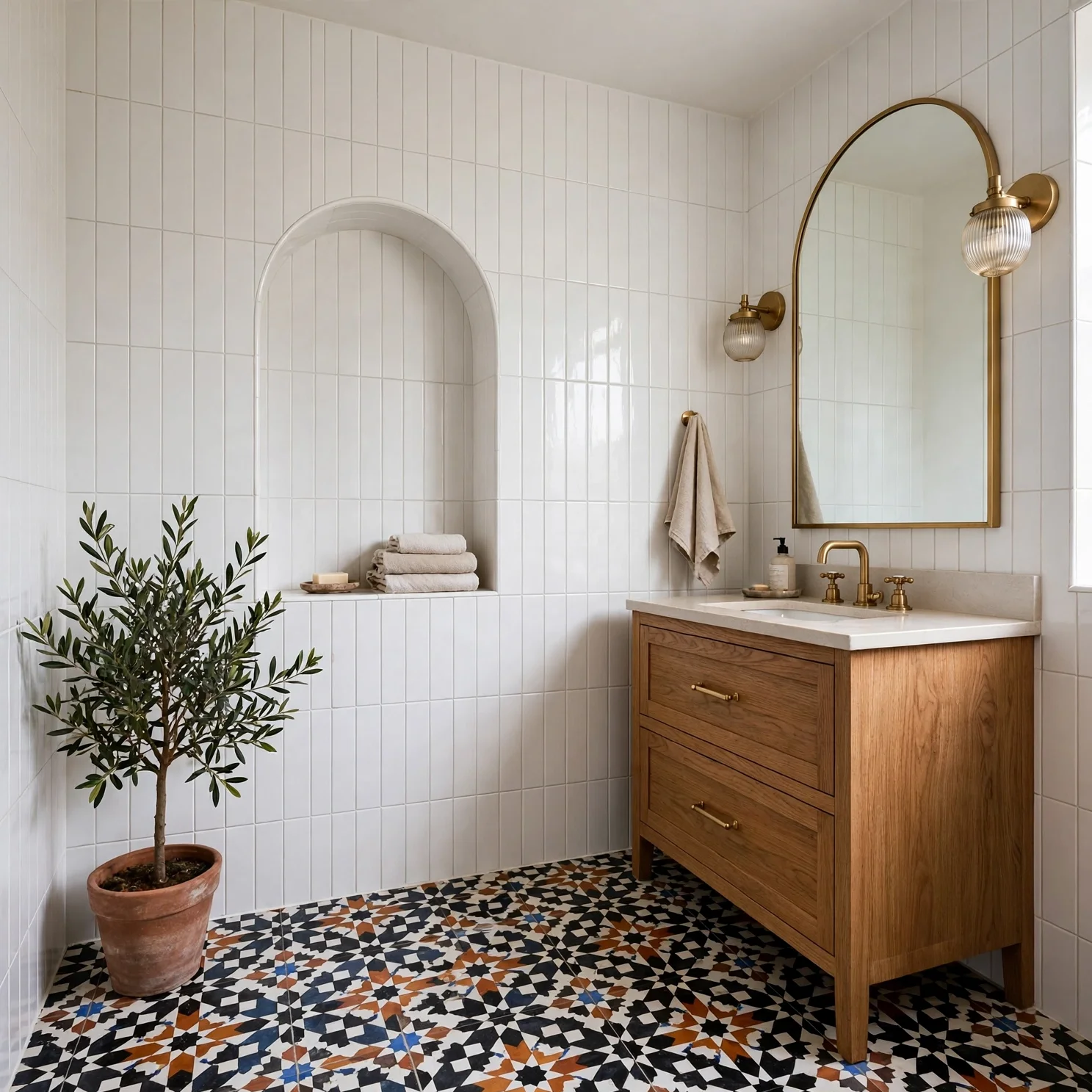
A vertical stacked tile layout, using rectangular subway-style tile oriented and aligned vertically rather than the traditional horizontal offset pattern, gives a bathroom’s walls a sense of increased height, particularly beneficial in a room with a lower ceiling. This layout also reads as more contemporary than the classic horizontal offset arrangement, despite using the same basic tile shape and material. Choosing this orientation for a shower surround specifically draws the eye upward, emphasizing the room’s vertical dimension.
10. Natural Stone Mosaic Shower Floor
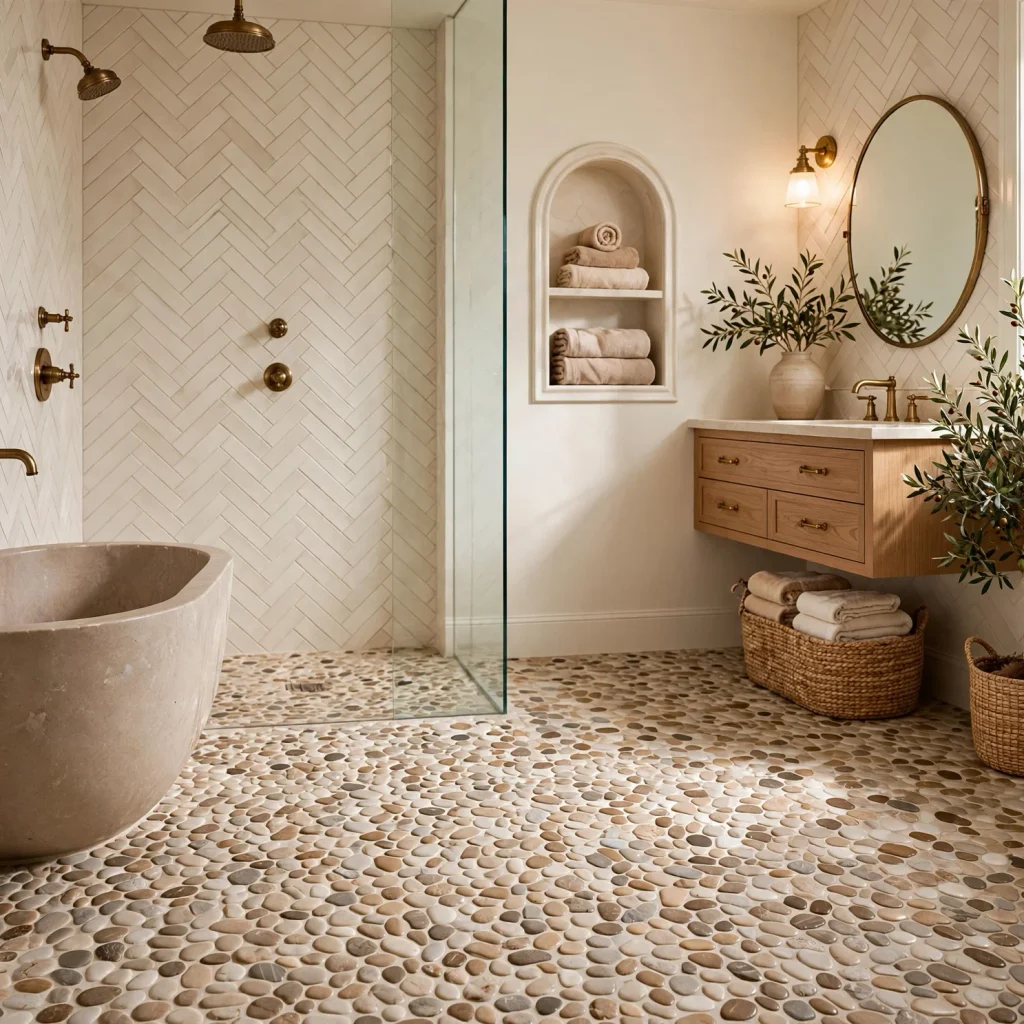
A natural stone mosaic, using small pebbles or tumbled stone chips set within a mesh backing, provides excellent slip resistance for a shower floor specifically, given the material’s inherently textured, uneven surface. This tile style brings genuine organic texture underfoot that a flat, smooth tile can’t replicate, suiting a spa-inspired or natural material-focused bathroom particularly well. Regular sealing is typically required to maintain this material’s water resistance and appearance over time, an ongoing maintenance consideration worth factoring into the choice.
11. Bold Encaustic Cement Tile Floor
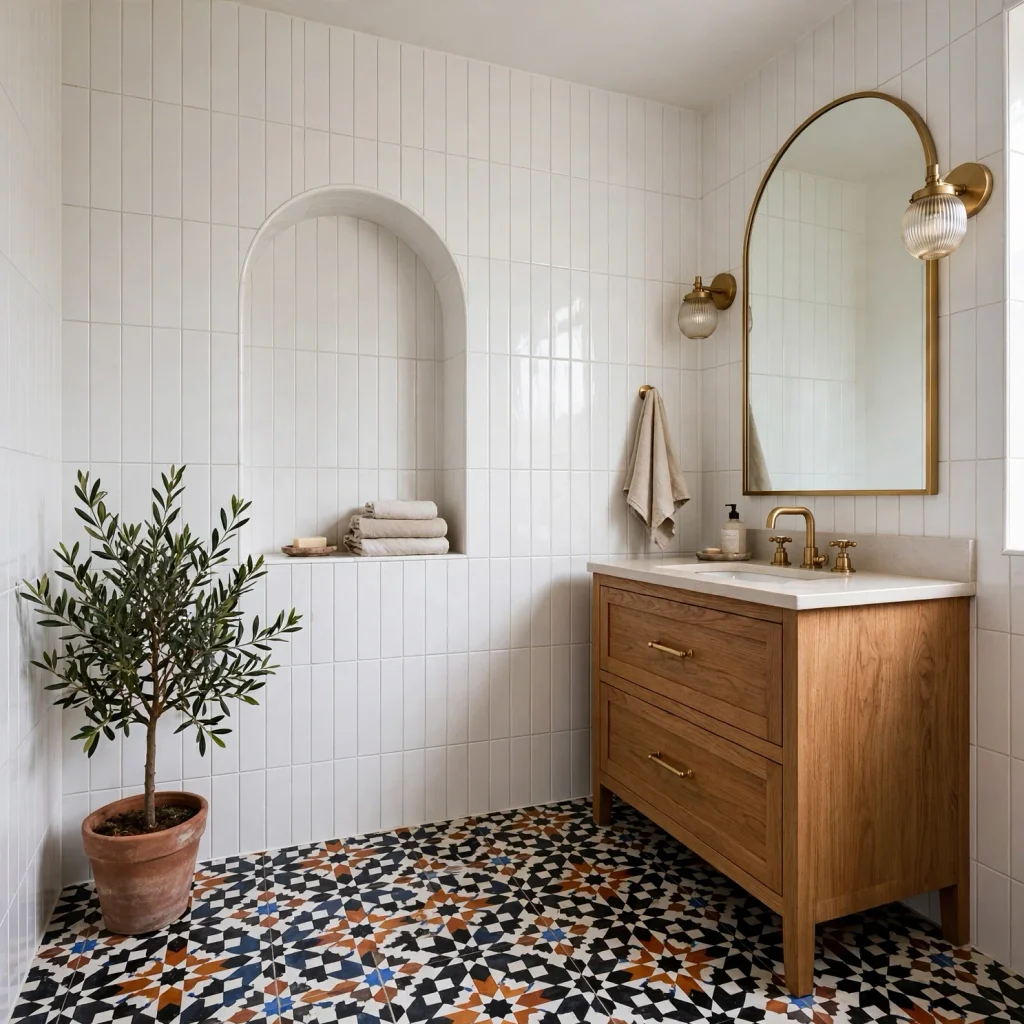
Bold encaustic cement tile, featuring a richly patterned, often colorful design created through a traditional cement-based manufacturing process, gives a bathroom floor genuine visual drama and personality. This tile style suits a powder room or a bathroom wanting a strong design statement particularly well, often used as a floor-level focal point beneath simpler, more neutral walls. Cement tile requires sealing both during and after installation to protect its porous surface from staining, a maintenance step worth understanding before committing to this material.
12. Fluted or Dimensional Ceramic Tile
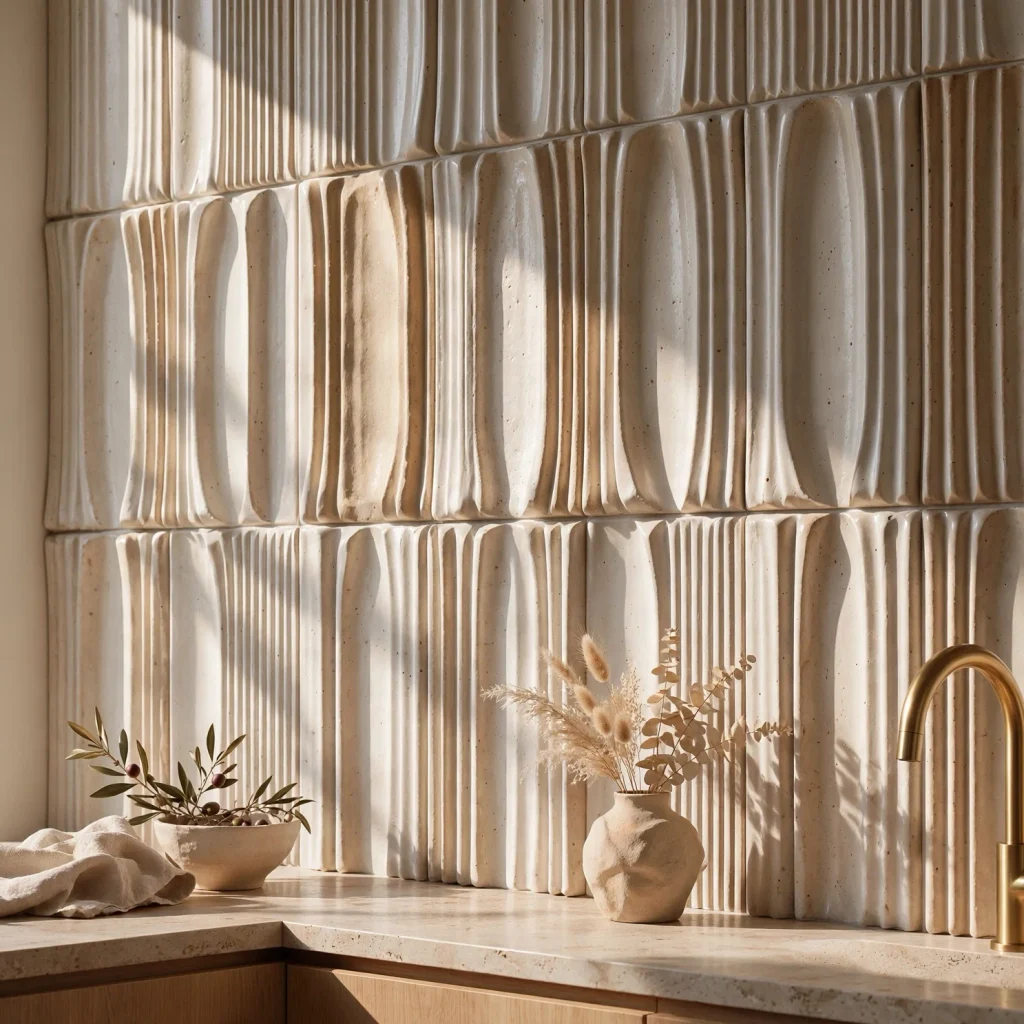
Fluted or dimensional ceramic tile, featuring a raised, ribbed, or wave-like surface texture rather than a flat glaze, adds tactile and visual interest to a bathroom wall that flat tile alone can’t achieve. This tile style works particularly well as a shower surround or accent wall feature, where its dimensional quality catches light differently throughout the day. Choosing this tile in a solid, muted color allows its texture, rather than a busy glaze pattern, to carry the design’s primary visual interest.
13. Two-Tone Tile Wainscoting
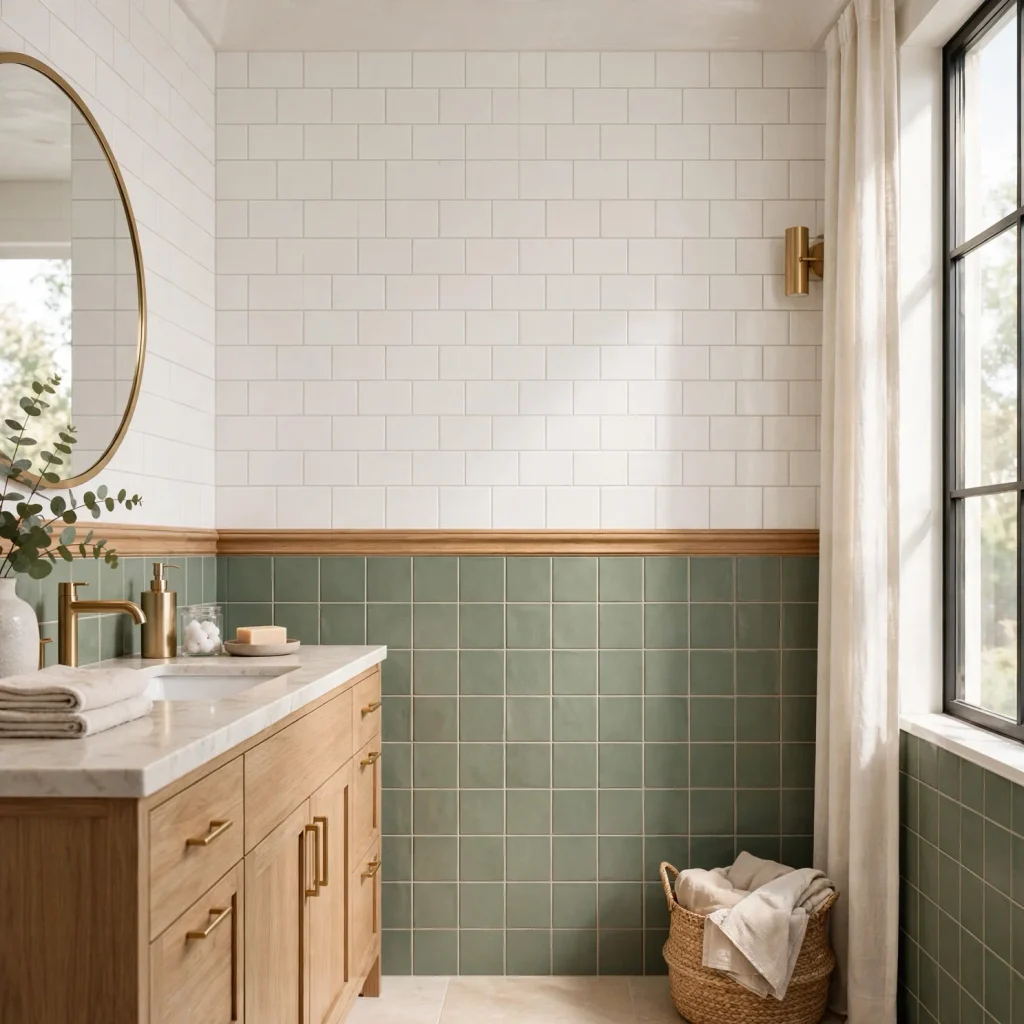
A two-tone tile application, using one tile on the lower portion of a bathroom’s walls and a different, complementary tile or paint above a clear transition line, references classic wainscoting proportions while introducing genuine material and color variation. This approach costs less than full wall-to-ceiling tile while still providing meaningful water resistance on the lower, more splash-prone portion of the wall. Choosing a simple trim piece or a contrasting grout line to mark the transition point keeps this two-tone application looking intentional rather than accidental.
14. Terrazzo-Look Tile
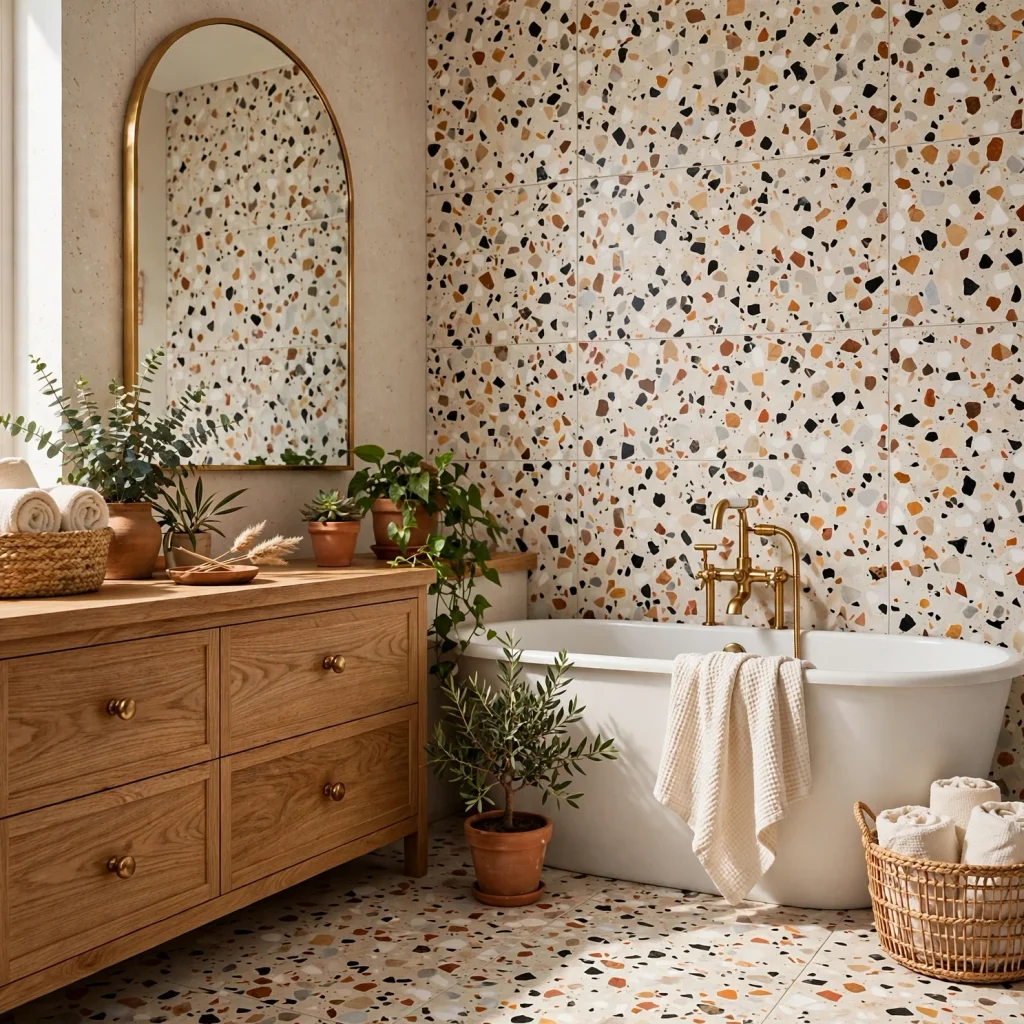
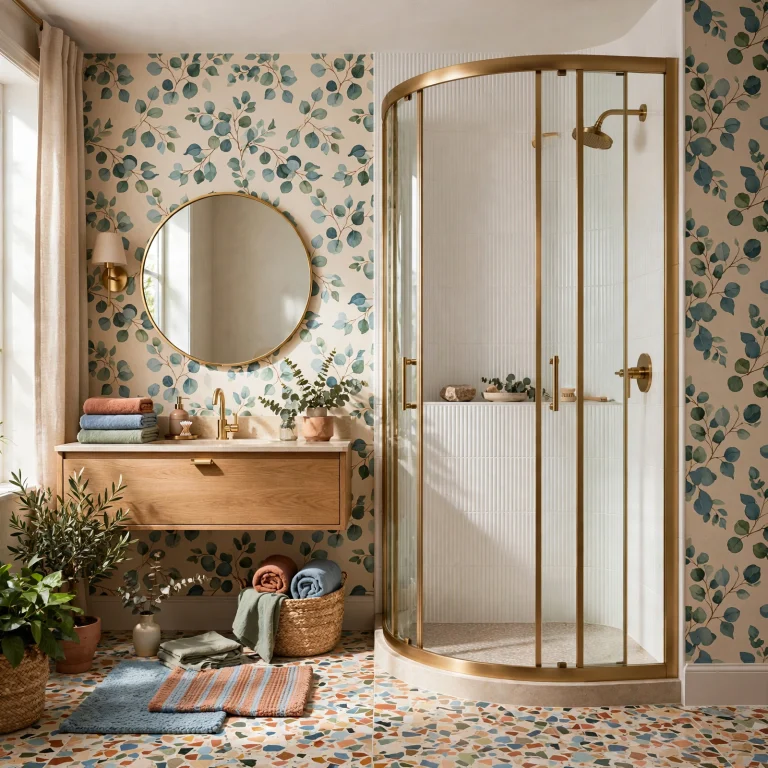
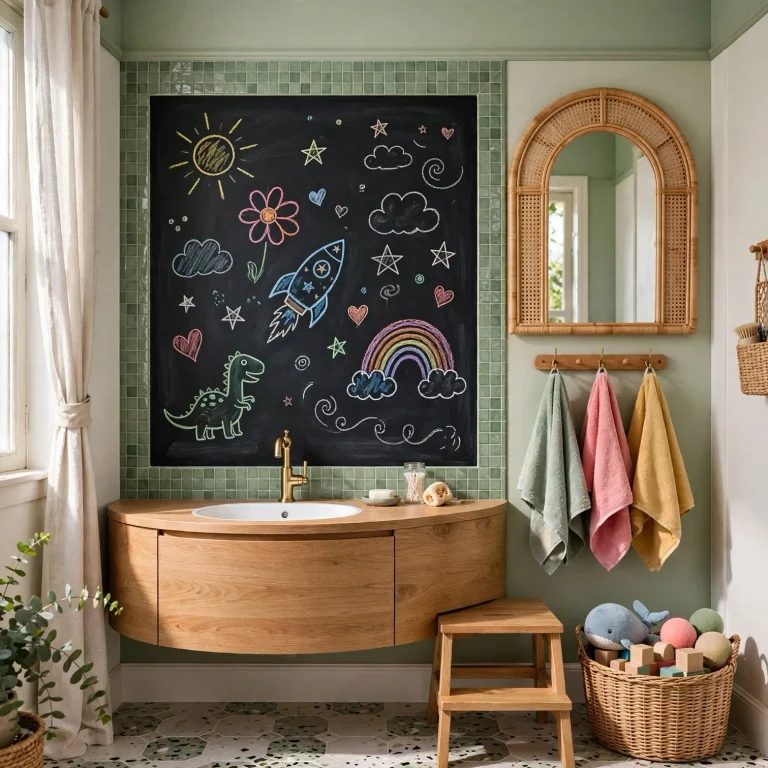
Terrazzo-look tile, featuring flecks of stone or glass suspended within a solid-color base to replicate the traditional terrazzo flooring material, brings a distinctive, slightly retro-modern character to a bathroom floor or wall. This tile style has resurged significantly in popularity, offering genuine visual texture and personality without the cost and installation complexity of authentic poured terrazzo. Choosing a terrazzo-look tile in a large format minimizes grout lines while still showcasing the material’s distinctive fleck pattern across a substantial surface area.
15. Accent Tile Within a Shower Niche
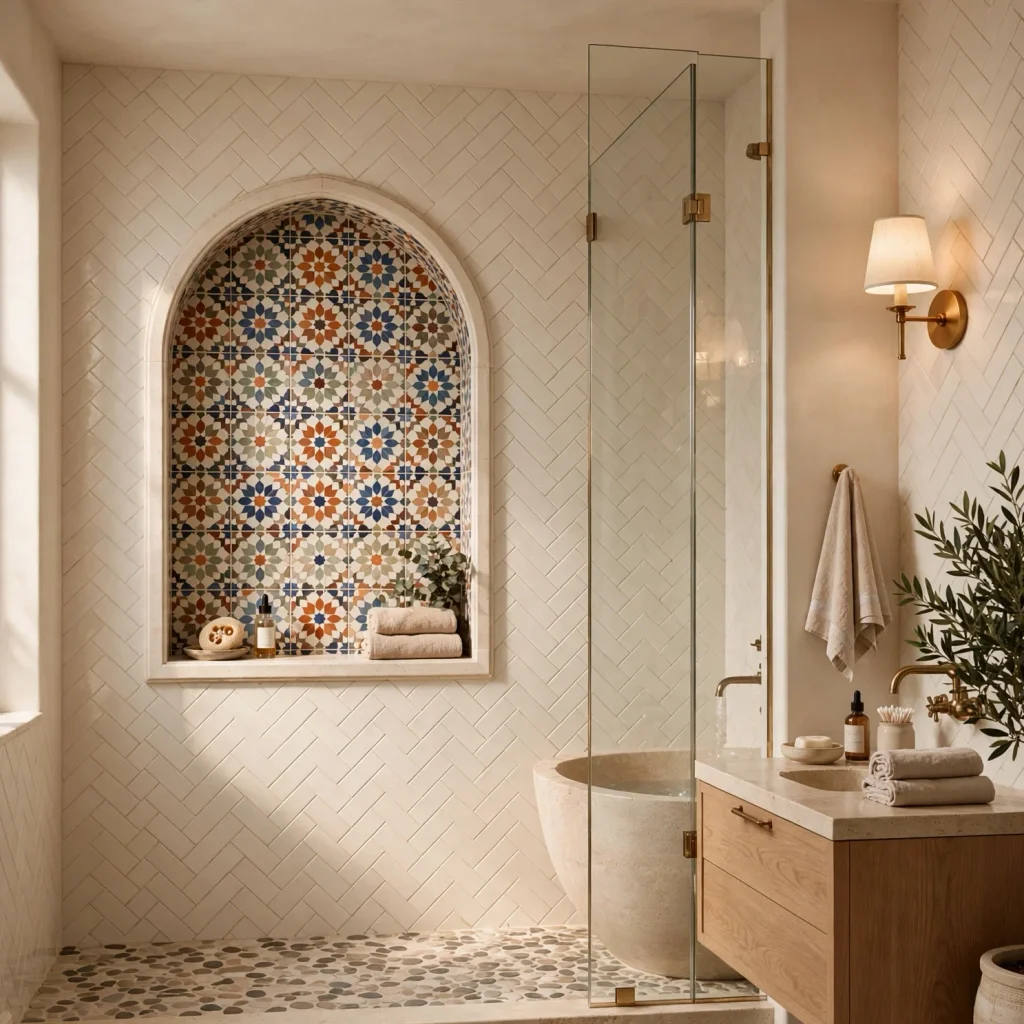
Using a distinct accent tile, different in color, pattern, or material from the surrounding shower walls, specifically within a recessed storage niche adds a small but impactful design detail without requiring a full room commitment to that bolder choice. A patterned or metallic tile within an otherwise simple, neutral shower surround gives this small feature genuine visual presence despite its limited surface area. This approach allows a household to introduce a bolder tile choice they might hesitate to commit to across an entire bathroom, contained within one small, contextually appropriate application.
Shop the Look
For a timeless foundation, start with white subway tile in a running bond pattern on the shower walls, paired with hexagonal mosaic flooring in a matching neutral tone. For a bolder statement, choose zellige tile for a full accent wall, paired with large-format porcelain slab tile for the remaining surfaces to balance the zellige’s texture with cleaner, simpler surrounding material. In either case, selecting a contrasting or matching grout deliberately, rather than defaulting to whatever the installer suggests, ensures the final look matches the intended design direction.
Common Mistake to Avoid
A common mistake in bathroom tile selection is choosing a beautiful tile without adequately considering its slip resistance rating for floor and shower applications specifically, prioritizing appearance over the genuine safety concern water exposure creates in this room. A glossy, polished tile that looks stunning in photos can become genuinely hazardous when wet, particularly in a shower or on bathroom flooring where water exposure is constant rather than occasional. Checking a tile’s slip resistance rating, and choosing a matte or textured finish for wet-prone surfaces specifically, prevents this common oversight from becoming a genuine safety issue after installation.
FAQs
What’s the most durable tile for a bathroom floor?
Porcelain tile generally offers the most durable and water-resistant option for a bathroom floor, standing up well to moisture, temperature fluctuation, and daily wear better than most ceramic or natural stone alternatives. Natural stone tile also performs well but typically requires more regular sealing and maintenance to preserve its water resistance over time compared to porcelain’s lower-maintenance durability. Choosing a tile specifically rated for floor use, rather than a decorative wall tile repurposed for flooring, also matters for both durability and safety.
How do I choose a slip-resistant tile for a shower floor?
Checking a tile’s coefficient of friction rating, generally looking for a rating of 0.6 or higher for wet areas, provides an objective measure of slip resistance beyond simply judging a tile’s texture visually. Smaller tile formats, like mosaic or hexagonal tile, naturally improve slip resistance through their increased grout line density compared to a single large, smooth tile covering the same shower floor area. Choosing a matte or textured finish, rather than a polished or glossy tile, further supports slip resistance specifically for shower floor applications.
Should bathroom tile match throughout the whole room?
Bathroom tile doesn’t need to match exactly throughout an entire room, and many successful designs intentionally use different tile on the floor, shower walls, and any accent areas like a niche, provided the various tiles share some connecting element like color family or overall style. Choosing tiles that coordinate rather than match exactly, a complementary but distinct floor and wall tile, for instance, often produces a more layered, considered result than forcing complete uniformity throughout the space. The key is ensuring some intentional relationship between the different tiles chosen, rather than combining them without any connecting logic.
Is it worth extending tile to the ceiling in a bathroom?
Extending tile fully to the ceiling provides genuine practical benefit, since tiled surfaces resist moisture and mildew growth more effectively than painted drywall in a consistently humid room, alongside the dramatic visual statement this full coverage creates. This approach does increase material and installation costs compared to a partial-height tile application, so the decision often comes down to balancing budget against both the aesthetic impact and the practical moisture-resistance benefit. For a shower area specifically, full-height tile coverage is generally considered a worthwhile investment given the concentrated moisture exposure that area experiences.
How do I decide between contrasting and matching grout for my bathroom tile?
Contrasting grout emphasizes a tile’s individual shape and the overall pattern created by the tile layout, suiting a bathroom wanting a more graphic, defined look, while matching grout minimizes this visual break and produces a more seamless, unified surface appearance. Contrasting grout also tends to show dirt and staining more visibly over time compared to grout closer in tone to the tile itself, a practical maintenance consideration worth factoring into the decision. Testing both options with physical tile and grout samples together, rather than deciding from a rendering alone, helps confirm which approach better suits both the aesthetic goal and the household’s maintenance preferences.
Conclusion
Choosing the right bathroom tile means balancing genuine visual appeal with practical performance, slip resistance, water resistance, and appropriate maintenance requirements for the specific application within the room. Save this guide to Pinterest for reference while planning your next bathroom update, and check out our related post on bathroom ideas for more guidance on fixtures and layout to pair with your chosen tile.