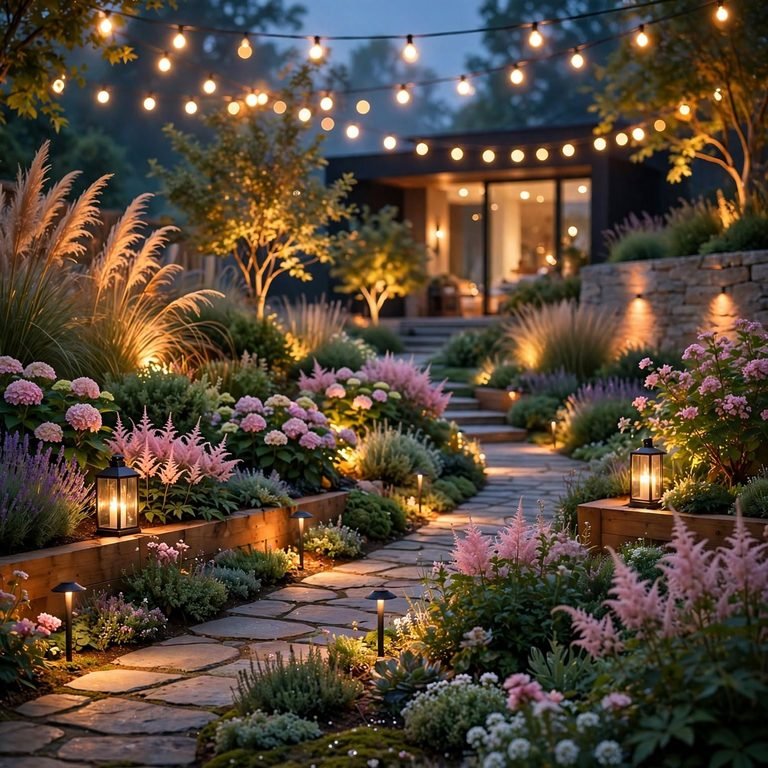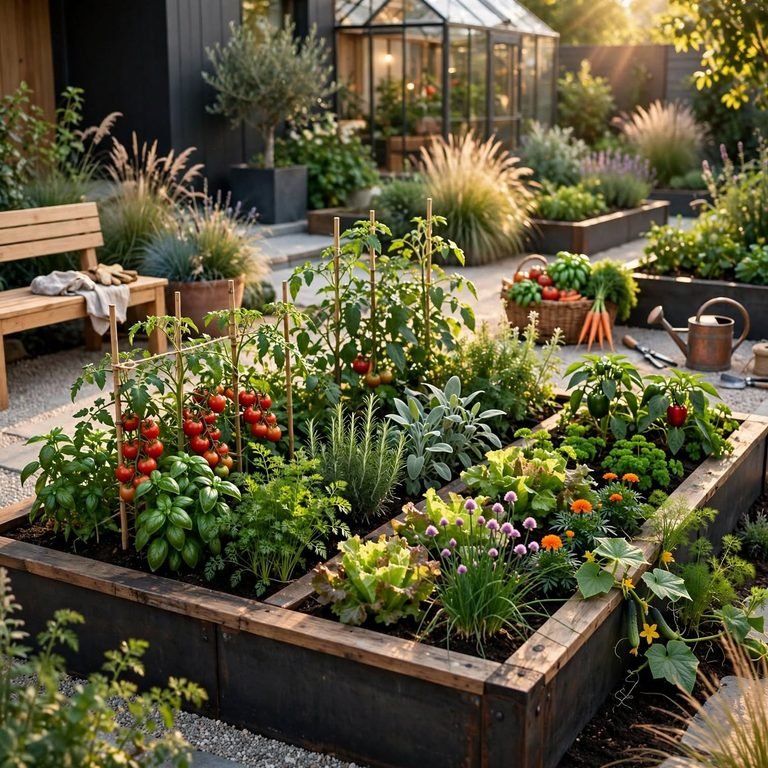
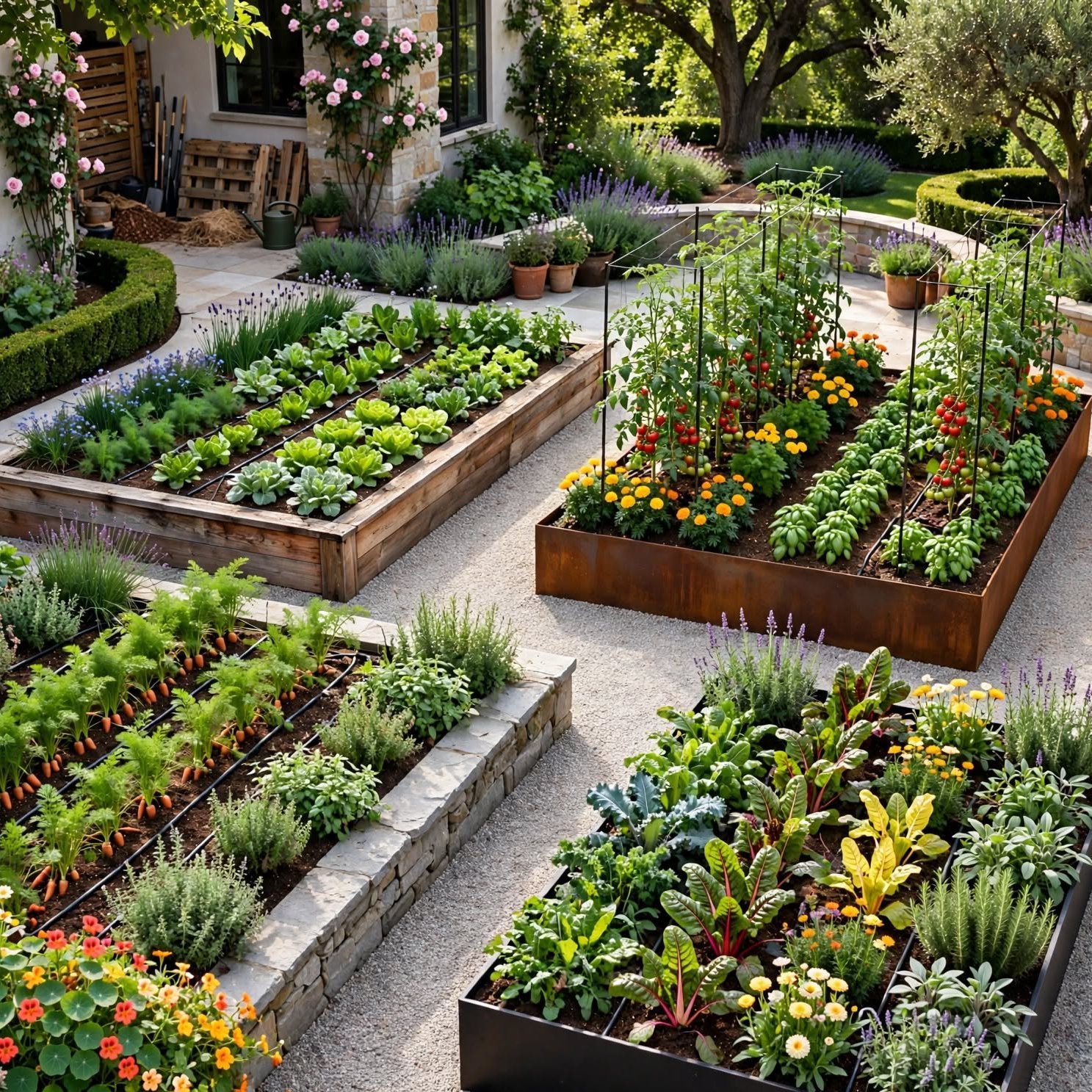
15 Stylish Small Garden Ideas That Make the Most of Limited Space
Small garden Ideas, whether a compact backyard, a narrow side yard, or a modest patio space, require different design priorities than a larger property, where a single design mistake has proportionally more impact on the overall space’s success. This guide covers fifteen small garden ideas, from vertical growing strategies to sightline techniques that create a sense of expanded space, addressing the specific challenges a limited footprint presents. Every idea treats the garden’s small size as a design parameter to work with intelligently rather than simply a limitation to overcome.
Trend & Background
Small garden design has developed its own specific body of technique as urban living, smaller lot sizes, and multi-unit housing have made compact outdoor spaces increasingly common rather than the exception. This has produced more deliberate strategies specifically suited to limited square footage, vertical growing to maximize unused wall and fence space, sightline manipulation to create a sense of expanded depth, and more restrained plant palettes that read as intentional rather than cluttered within a confined area. This specialized approach reflects growing recognition that simply scaling down a larger garden’s design principles doesn’t automatically produce a successful small garden, much as small living room design has developed its own specific best practices distinct from general living room advice.
Key Takeaways
- A small garden benefits from a few larger, well-chosen plants rather than many small individual specimens competing for attention.
- Vertical growing space matters more in a small garden than in any other size, since horizontal footprint is the primary constraint.
- Sightline tricks, curved paths, mirrors, layered depth, make a small garden feel more expansive than its actual square footage.
- A small garden’s plant palette benefits from restraint, since a limited number of colors and textures reads as intentional rather than cluttered.
Small Garden Ideas
Explore our beautiful garden ideas to create a stylish, relaxing, and welcoming outdoor space you’ll love.
1. Vertical Growing to Multiply Usable Space
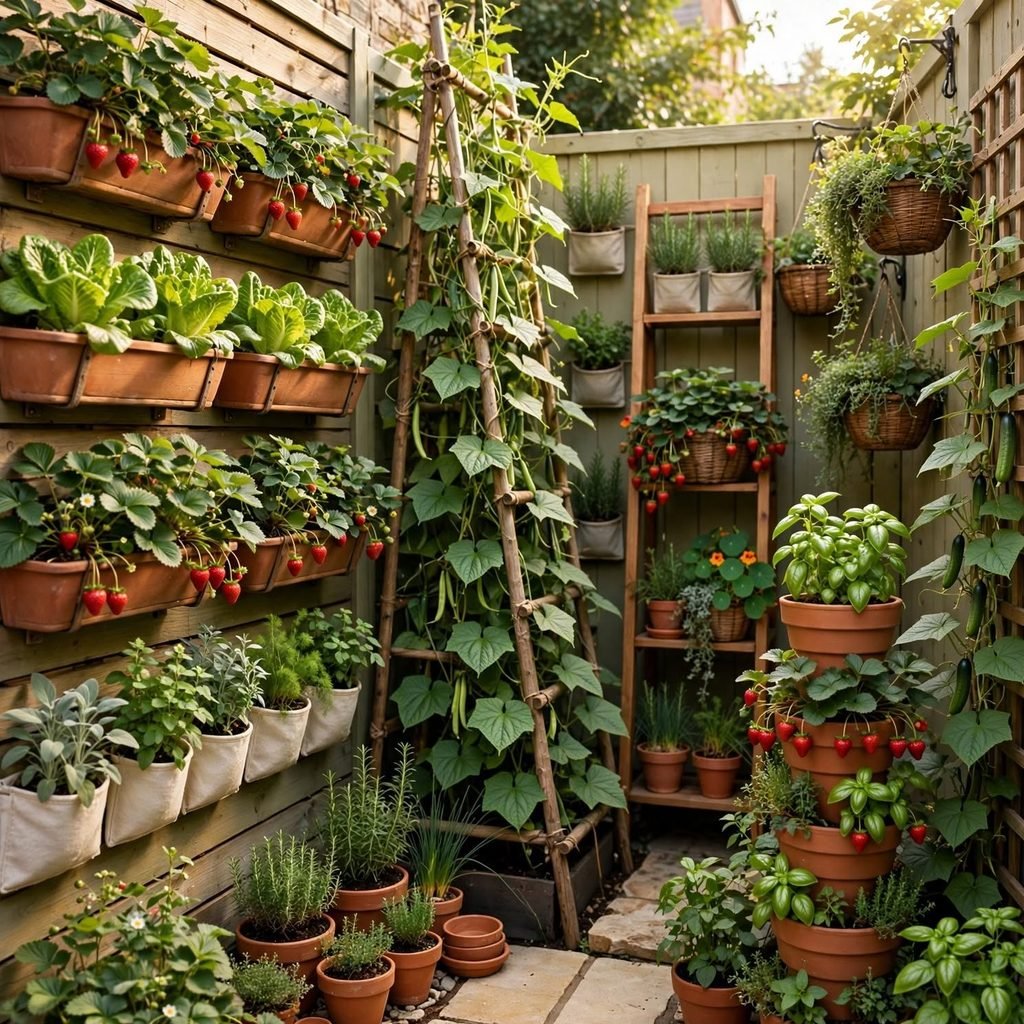
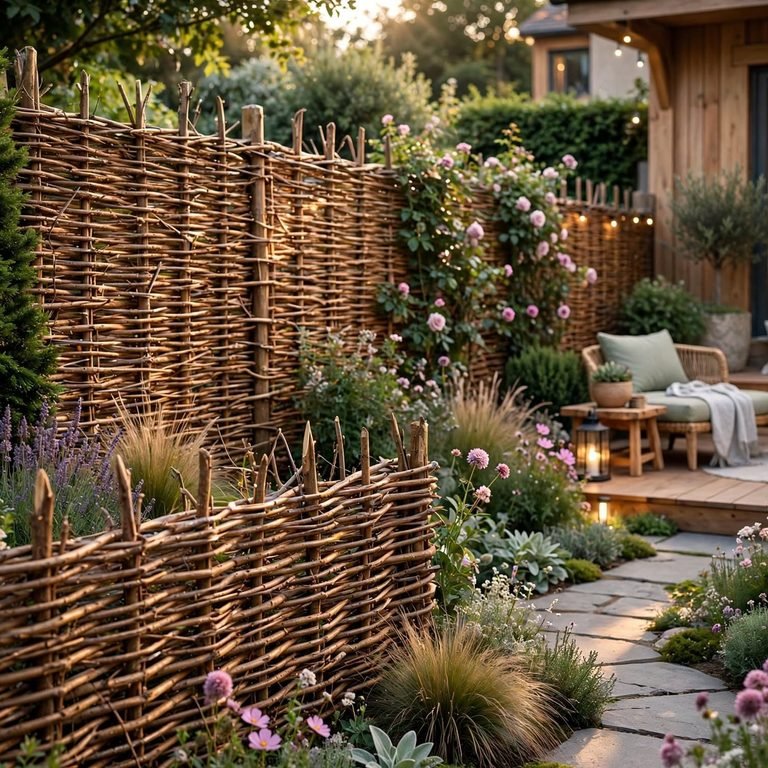
Training climbing plants up trellises, fences, or wall-mounted supports, and incorporating vertical planters or a living wall system, makes use of a small garden’s often underutilized vertical surfaces, effectively multiplying the garden’s genuine growing capacity well beyond its limited ground-level footprint. This approach works particularly well along a boundary fence or wall, where climbing plants can provide both growing space and valuable privacy screening simultaneously. Choosing vigorous but manageable climbing varieties, rather than aggressive growers that could overwhelm a small space’s proportions, keeps this vertical growing genuinely beneficial rather than eventually becoming another maintenance burden.
2. A Restrained Plant Palette for Visual Cohesion
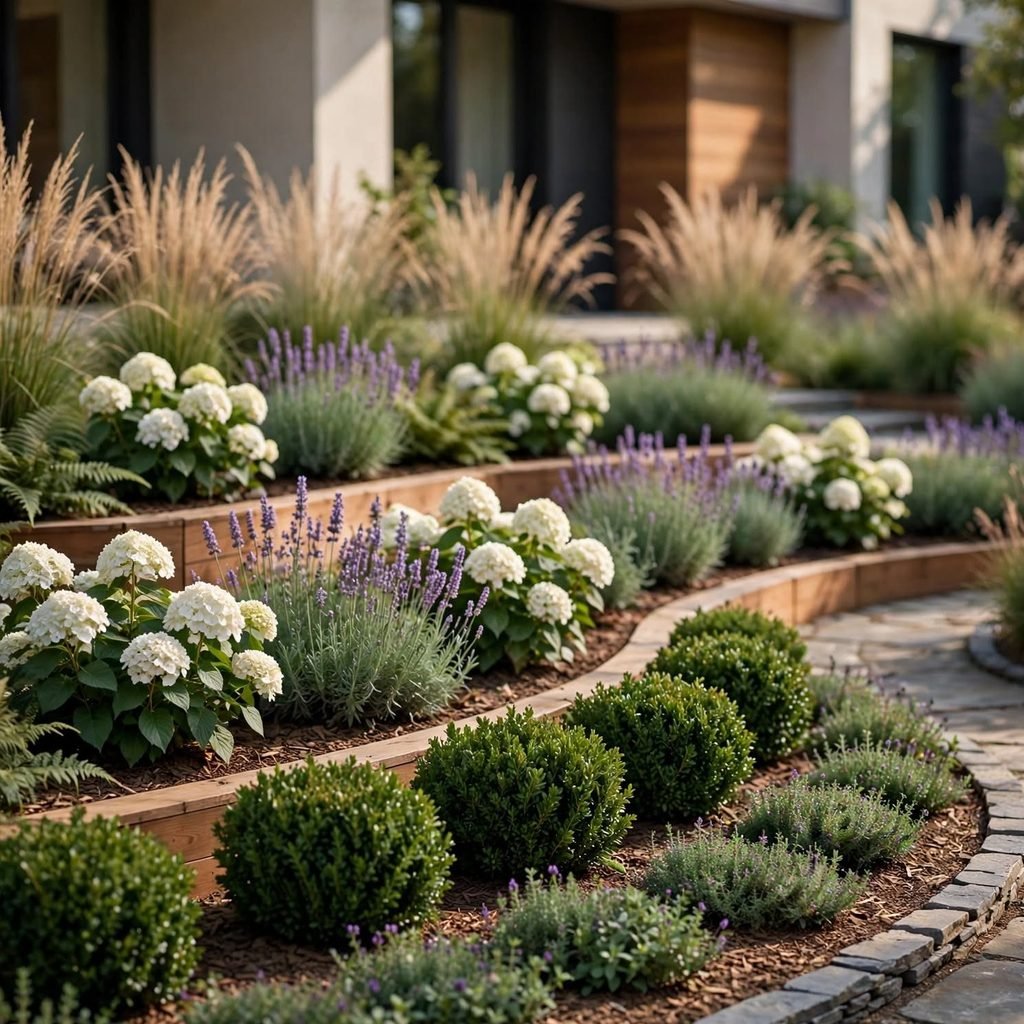
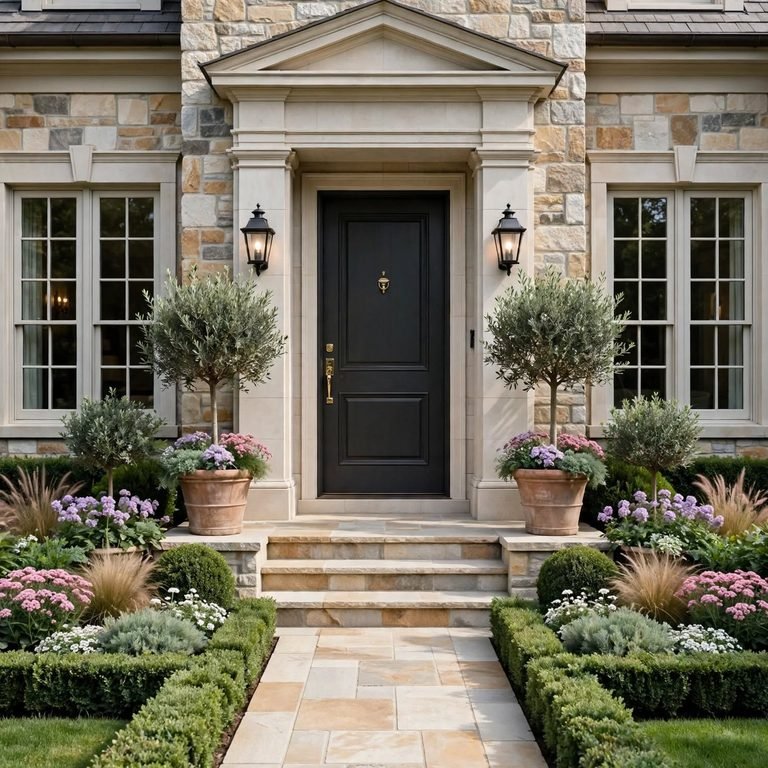
Limiting a small garden’s plant palette to a smaller number of colors and textures, rather than incorporating many different plant varieties competing for attention within a confined space, produces a more cohesive, intentional-feeling result than a garden attempting to include one of everything within limited square footage. This restraint doesn’t mean a boring or repetitive garden, since varying plant height, texture, and form within a limited color palette still provides genuine visual interest. Choosing two or three core colors, repeated consistently through different plants and even hardscaping accents, creates the kind of cohesive color story that reads as considered rather than cluttered in a small space specifically.
3. Curved Pathways to Create Perceived Depth
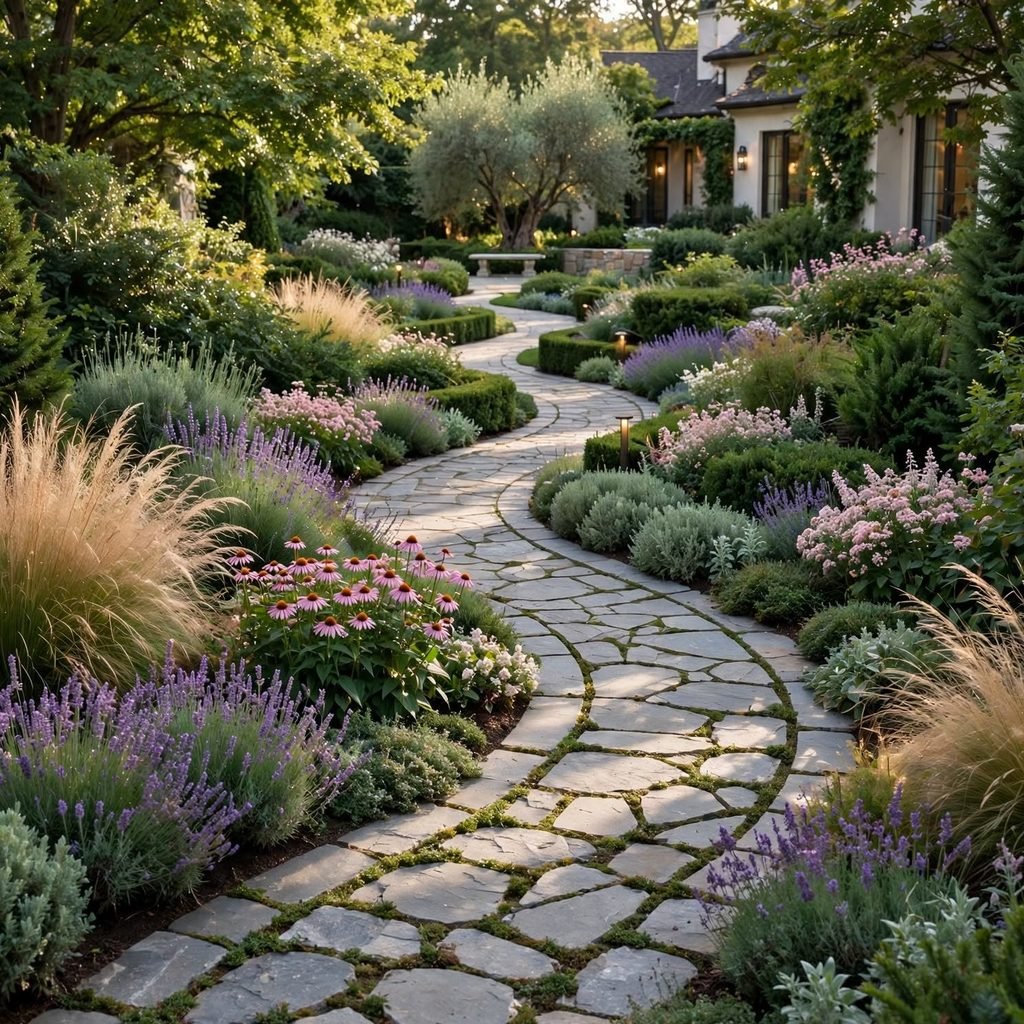
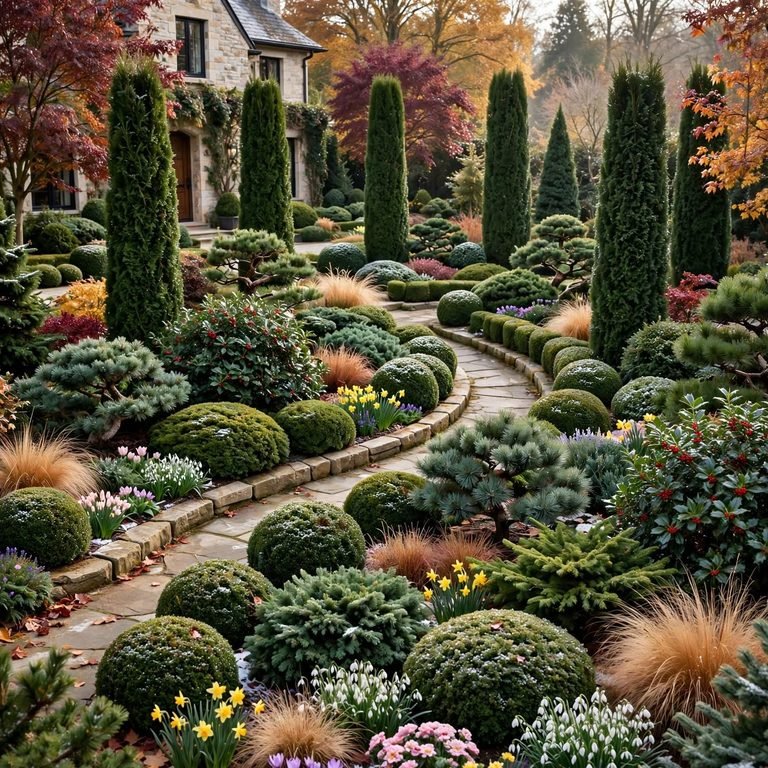
A curved rather than straight pathway through a small garden, even a gentle curve rather than a dramatic winding route, creates a sense of the garden extending beyond what’s immediately visible, since a curve naturally obscures the full path length and suggests the space continues around the bend. This technique works considerably better for creating perceived depth than a straight path, which typically reveals a small garden’s actual limited length at a single glance from the entry point. Positioning a specific focal point, a bench, a piece of garden art, a particularly attractive plant, just around this curve rewards the visual journey and reinforces the sense of a garden with more to discover than its actual size might initially suggest.
4. Mirrors to Visually Double the Garden

Positioning an outdoor-rated mirror strategically within a small garden, often mounted on a boundary wall or fence, creates a genuine illusion of doubled space by reflecting plantings and creating the appearance of the garden continuing beyond its actual boundary. This technique works most convincingly when the mirror reflects genuine planting rather than an empty wall or an unattractive view, and when its edges are at least partially obscured by surrounding foliage to blur the transition between real and reflected space. Choosing a mirror genuinely rated for outdoor exposure, rather than a standard indoor mirror that will quickly deteriorate from weather, ensures this technique remains effective and safe over time.
| Technique | Space Illusion Achieved | Best Application |
| Vertical growing | Multiplies usable planting area | Fences, walls, boundaries |
| Curved pathway | Suggests continuation beyond view | Any small garden with room for a bend |
| Outdoor mirror | Visually doubles the space | Boundary wall reflecting plantings |
| Layered plant depth | Creates dimensional depth | Front-to-back height variation |
5. Layered Plant Depth From Front to Back
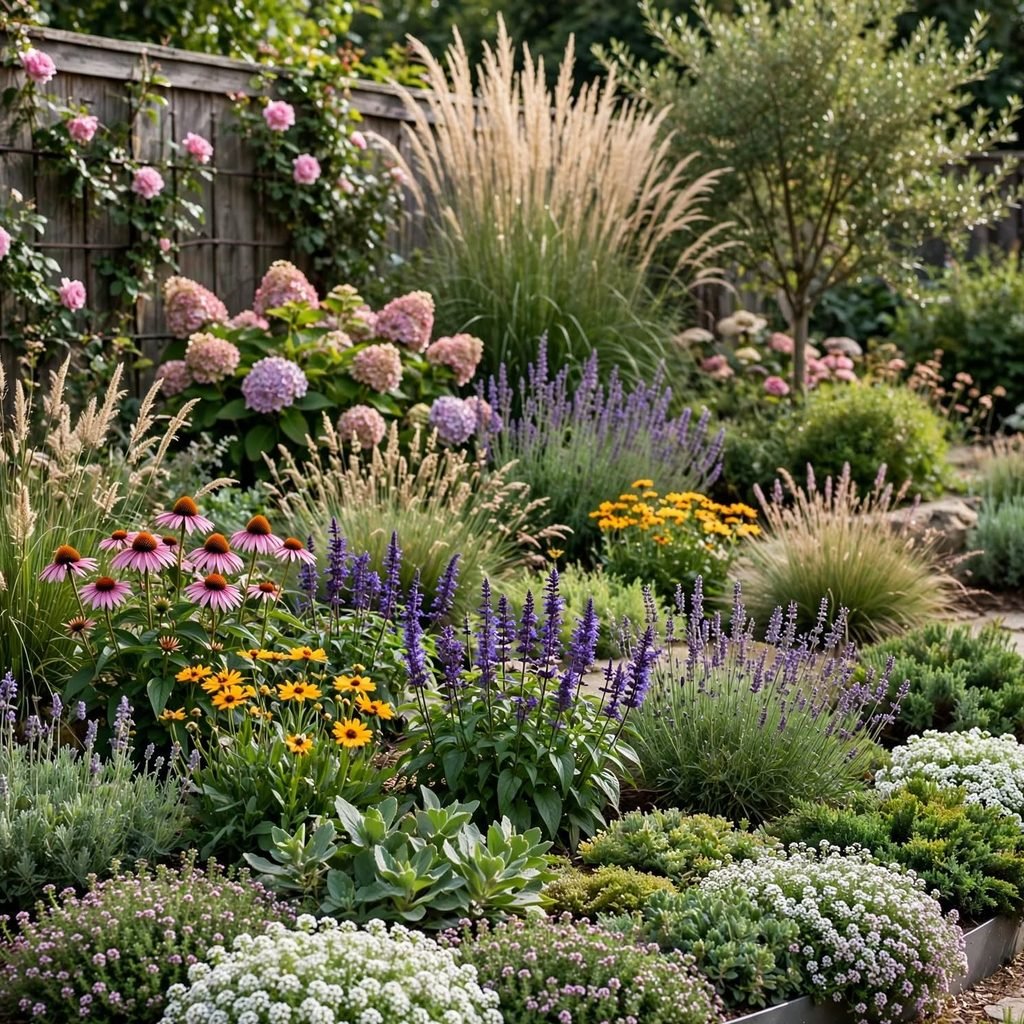
Arranging plants in layers from a garden’s front edge toward its rear boundary, shorter plants nearer the viewing point and progressively taller specimens toward the back, creates a sense of dimensional depth that a flat, single-layer planting arrangement doesn’t achieve, making the garden feel more expansive than its actual measured depth. This layering technique works particularly well combined with a color strategy using cooler, more muted tones toward the garden’s rear and warmer, brighter colors toward the front, since cooler colors naturally appear to recede visually while warmer colors appear to advance, reinforcing the sense of extended depth. Testing this layered arrangement from the garden’s primary viewing point, whether a patio or a specific window, before finalizing plant placement ensures the depth illusion actually reads correctly from where it will most often be observed.
6. Multi-Functional Furniture for Efficient Space Use
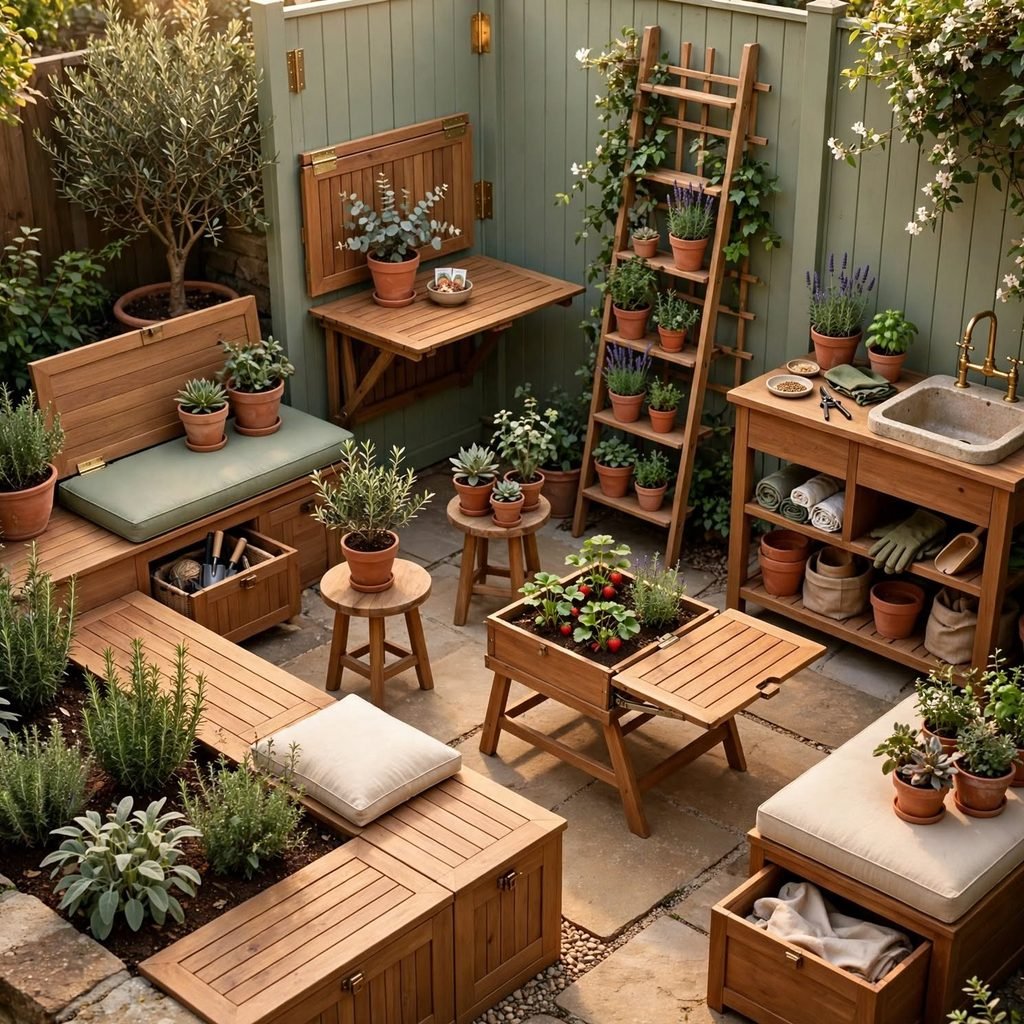
Choosing garden furniture that serves multiple functions, a storage bench that also provides seating, a table that folds flat against a wall when not in active use, maximizes a small garden’s functional capacity without permanently dedicating limited space to single-purpose furniture. This approach matters particularly for a small patio or courtyard garden where floor space genuinely competes between planting area and functional outdoor living space. Selecting furniture scaled appropriately to the garden’s actual dimensions, rather than standard-sized pieces that might overwhelm a genuinely compact space, maintains proportional balance throughout the design.
Get inspired by these fairy garden ideas for creating a colorful, peaceful, and functional space.
7. A Single Statement Focal Point Rather Than Multiple Features
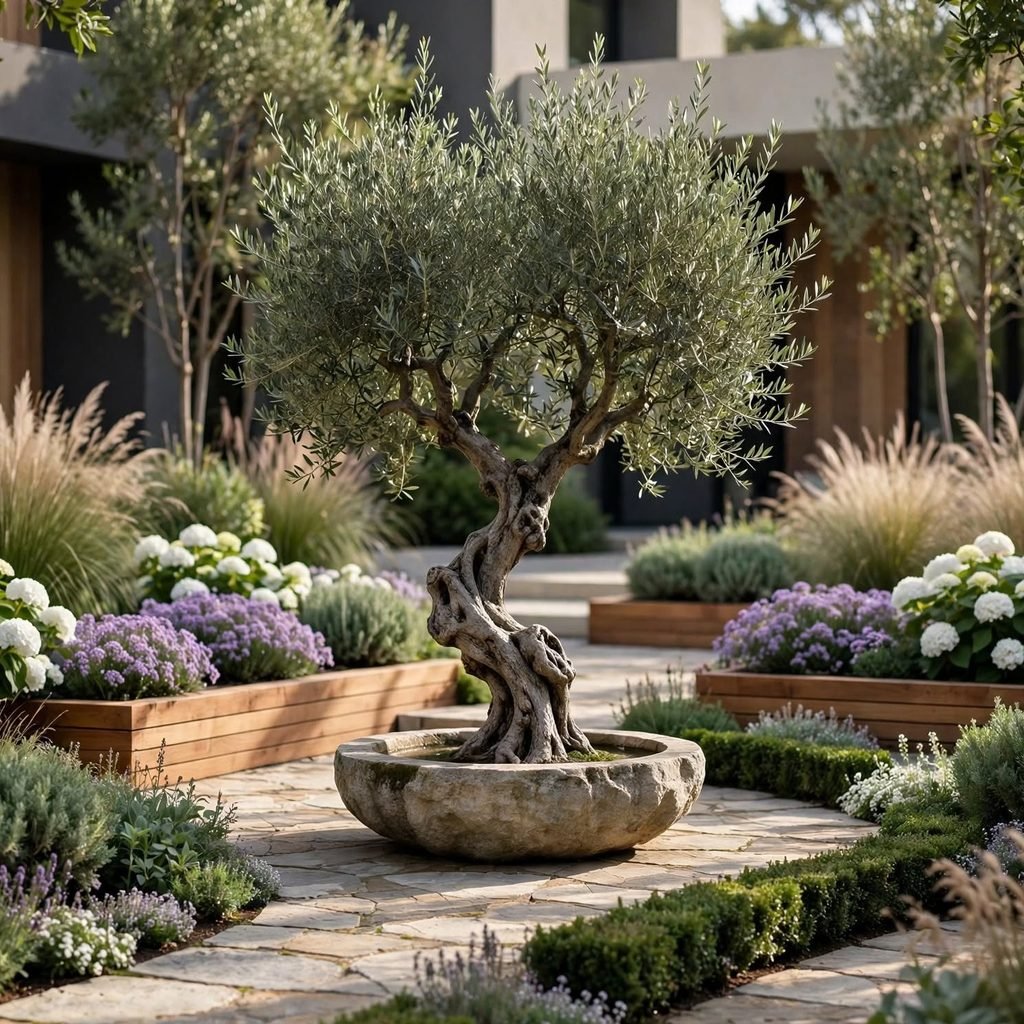
Concentrating a small garden’s design impact into one genuine statement focal point, a distinctive specimen plant, a piece of garden sculpture, or a small but well-executed water feature, rather than attempting several competing focal elements within limited square footage, produces a clearer, more intentional design than a garden with too many features fighting for attention in too little space. This single focal point approach mirrors similar restraint principles applied throughout small interior spaces, where one confident choice generally outperforms several smaller, competing ones. Positioning this focal point where it’s genuinely visible from the garden’s primary viewing points, rather than tucked in a corner, ensures it receives the visual priority its investment deserves.
8. Raised Beds for Defined, Efficient Growing Areas
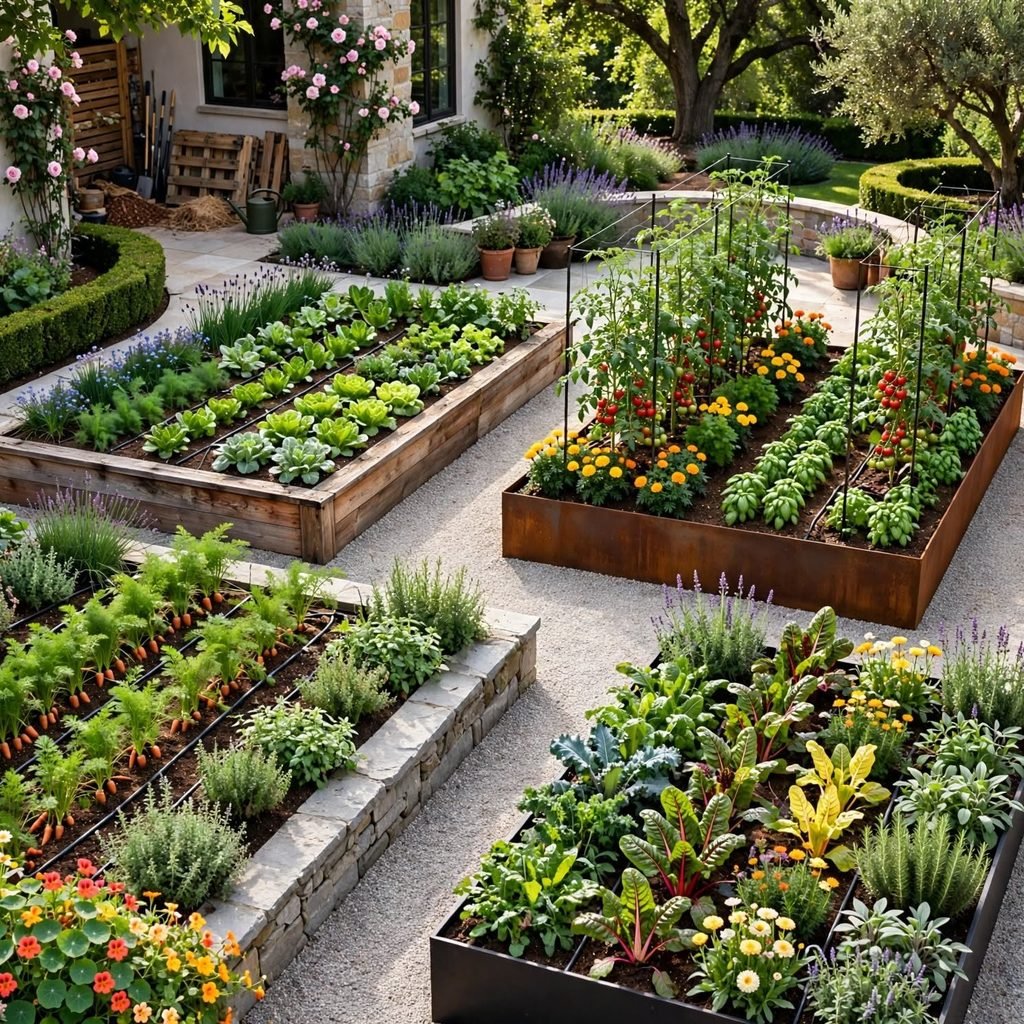
Raised garden beds, even relatively compact versions, provide clearly defined, efficiently organized growing space within a small garden while also offering the soil quality and drainage control benefits raised beds provide in any size garden. This defined structure works particularly well in a small space, since clear boundaries between planting areas and any remaining open space or seating area prevent the visual chaos that can develop when planting areas blur together without clear definition in a confined footprint. Choosing raised bed dimensions that leave adequate remaining space for pathways and any seating area, rather than filling the entire available footprint with growing beds alone, maintains functional balance within the garden’s limited total space.
9. Consistent Hardscaping Material Throughout
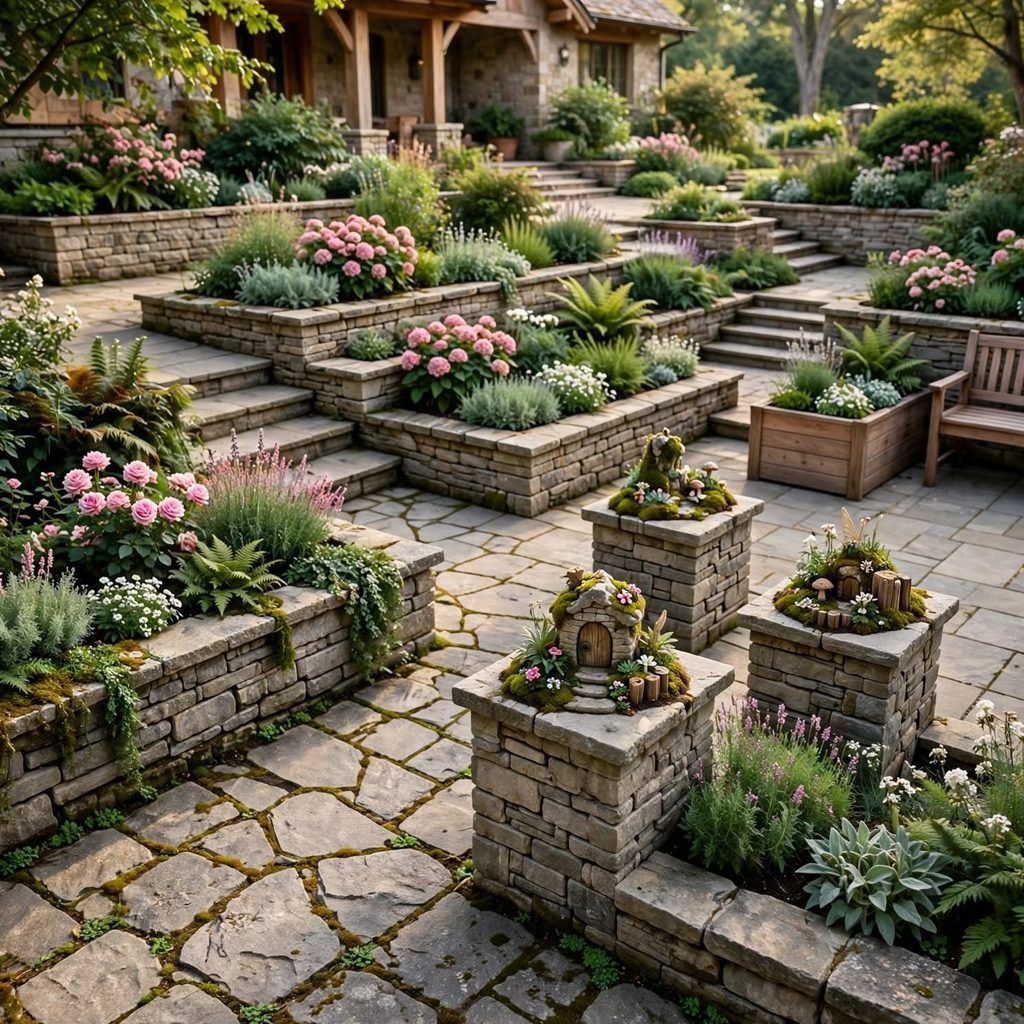
Using the same paving, decking, or ground surface material consistently throughout a small garden’s hardscaped areas, rather than mixing several different materials within a confined space, prevents the visual fragmentation that multiple different surface treatments can create when compressed into limited square footage. This consistency matters more in a small garden than a larger property, where more generous space allows different material zones to read as distinct areas rather than a chaotic patchwork. Extending this same material, where practical, from an adjacent patio or deck directly into garden pathways further reinforces a sense of unified, expanded space rather than the garden reading as visually separate from adjacent hardscaped areas.
10. Espalier and Trained Plants Against Walls and Fences
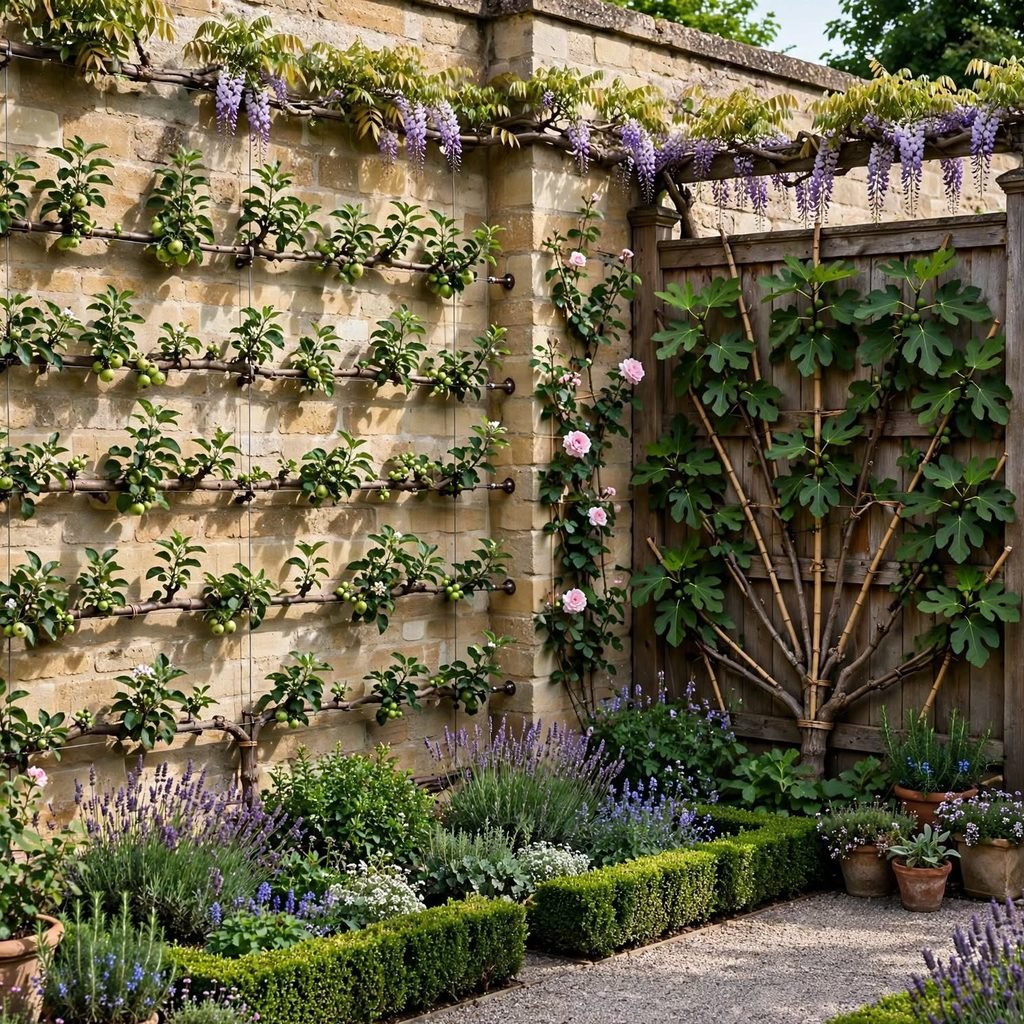
Espalier, the technique of training a tree or shrub to grow flat against a wall or fence in a controlled, often decorative pattern, allows fruit trees or ornamental specimens to be included in a small garden without consuming the depth and spread these plants would require growing in their natural, unrestrained form. This technique requires ongoing pruning and training to maintain the flat, controlled growth pattern, representing a genuine ongoing maintenance commitment worth weighing against the space-saving benefit it provides. Choosing plant varieties genuinely suited to espalier training, certain fruit trees and some ornamental shrubs respond particularly well to this technique, produces better results than attempting to espalier a plant variety not naturally suited to this controlled growth approach.
11. Light-Colored Hardscaping to Reflect Available Light
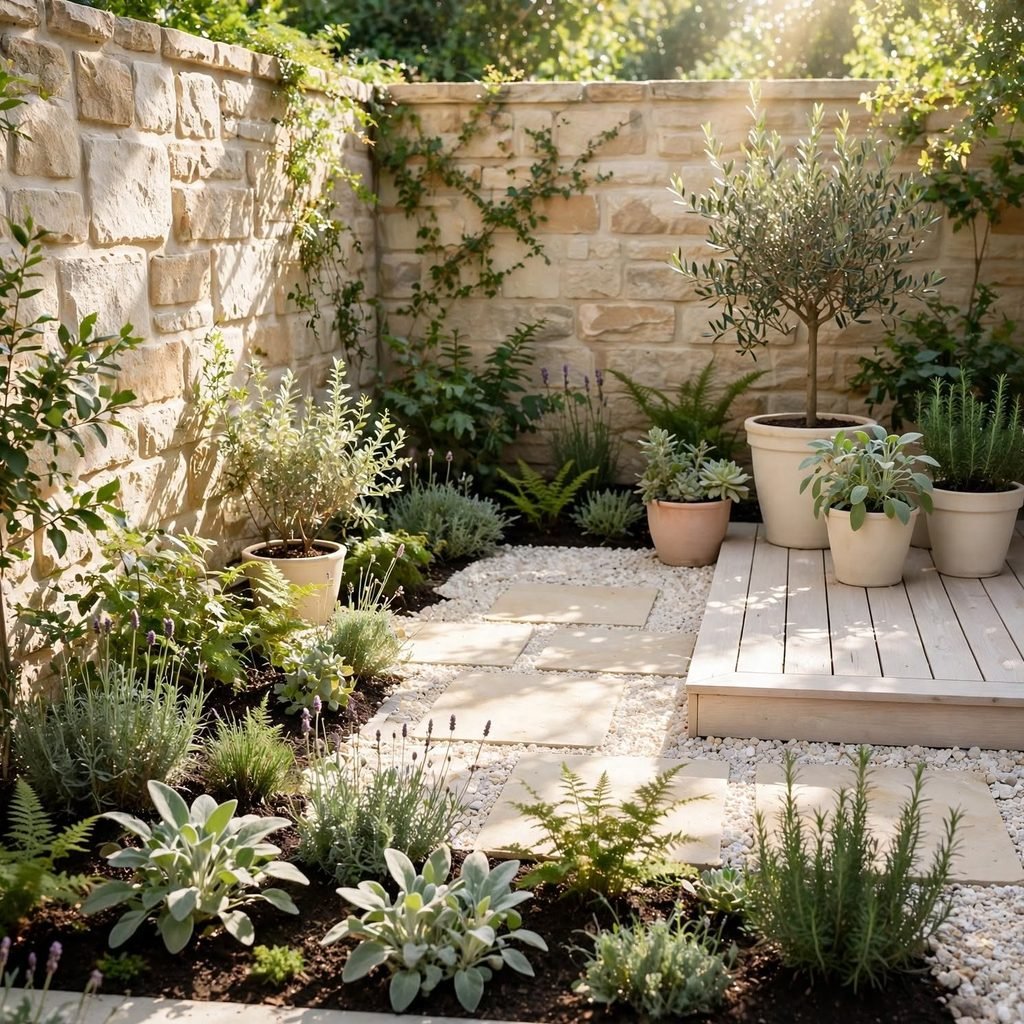
Choosing lighter-colored paving, walls, or other hardscaping surfaces, rather than dark materials that absorb rather than reflect available light, helps a small garden, particularly one in shade or with limited direct sun exposure, feel brighter and more open than darker materials would allow. This consideration matters particularly for a small, enclosed garden space, a courtyard or a narrow side yard, where surrounding walls or fences already limit natural light penetration considerably. Balancing this light hardscaping against genuine plant shadow and greenery ensures the overall space doesn’t feel sterile or overly stark despite the practical benefit of lighter surface materials.
12. A Defined Outdoor Room Rather Than Undefined Open Space
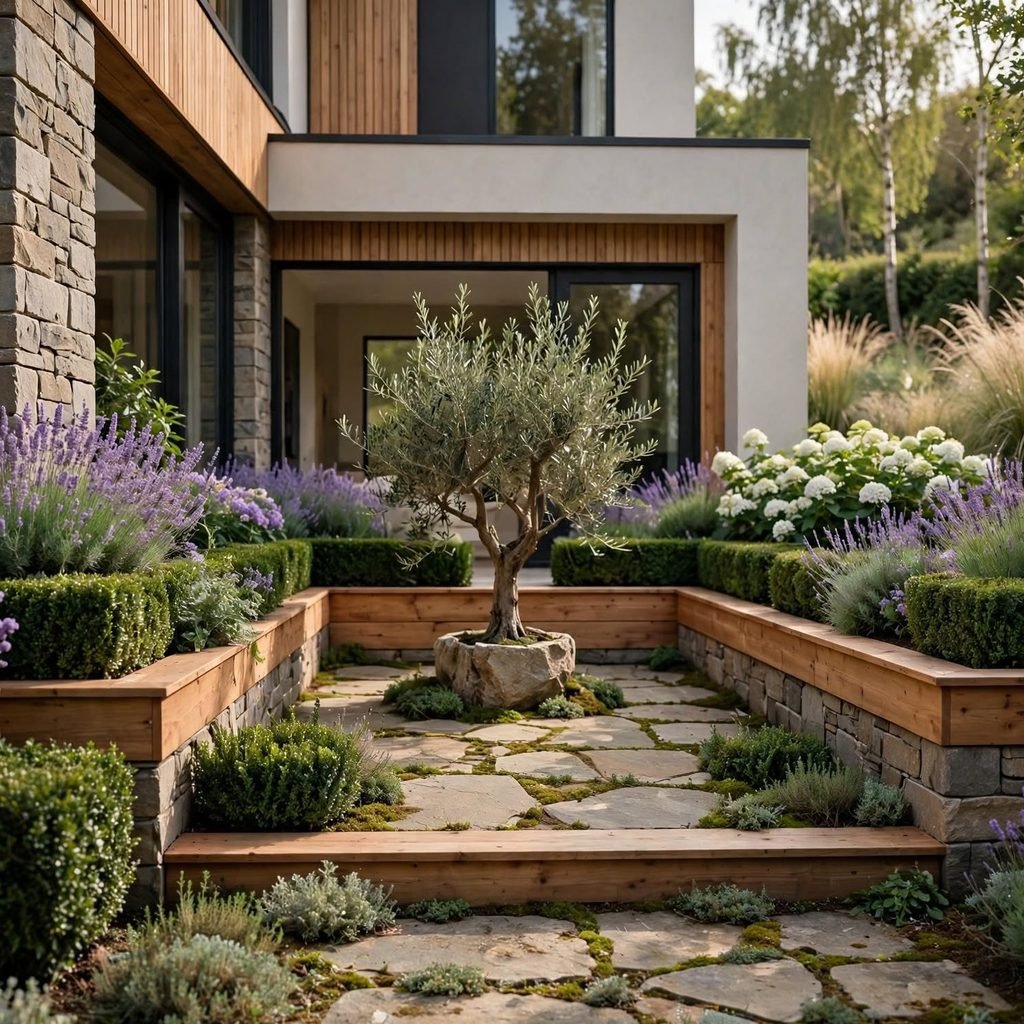
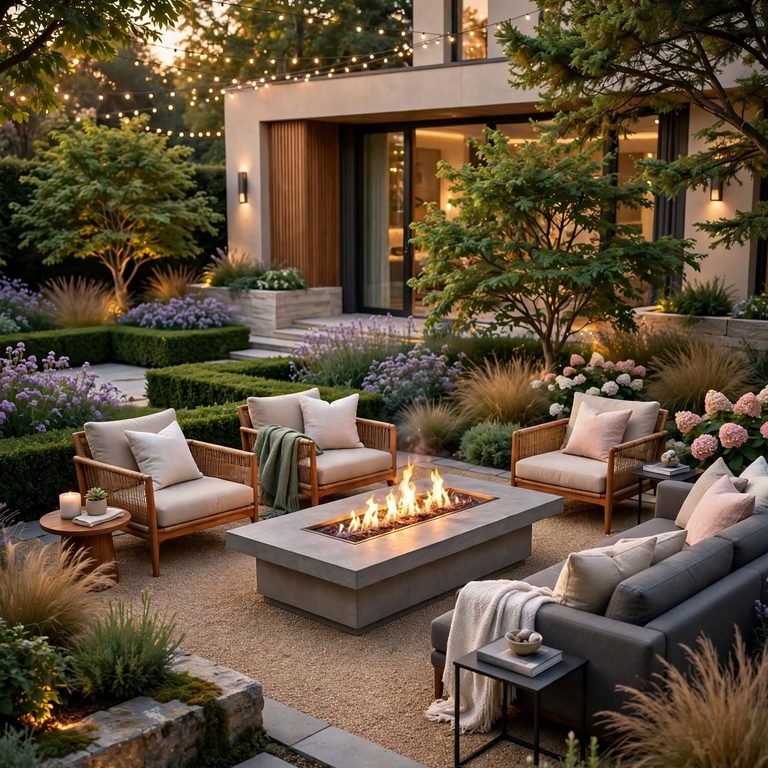
Treating a small garden as a genuine defined outdoor room, with some sense of enclosure through plantings, a pergola, or simple boundary definition, rather than an undefined open area without clear spatial structure, gives the space a sense of intentional purpose and place that an undefined small yard doesn’t achieve as effectively. This room-like treatment works particularly well combined with genuine furniture and functional zones, treating the space as a real extension of the home’s living area rather than purely ornamental landscaping viewed from a distance. Considering how this outdoor room connects to and flows from the adjacent indoor space, through matching materials, aligned sightlines, or a seamless threshold, reinforces this sense of genuine functional extension.
13. Container Gardens for Flexible, Movable Planting
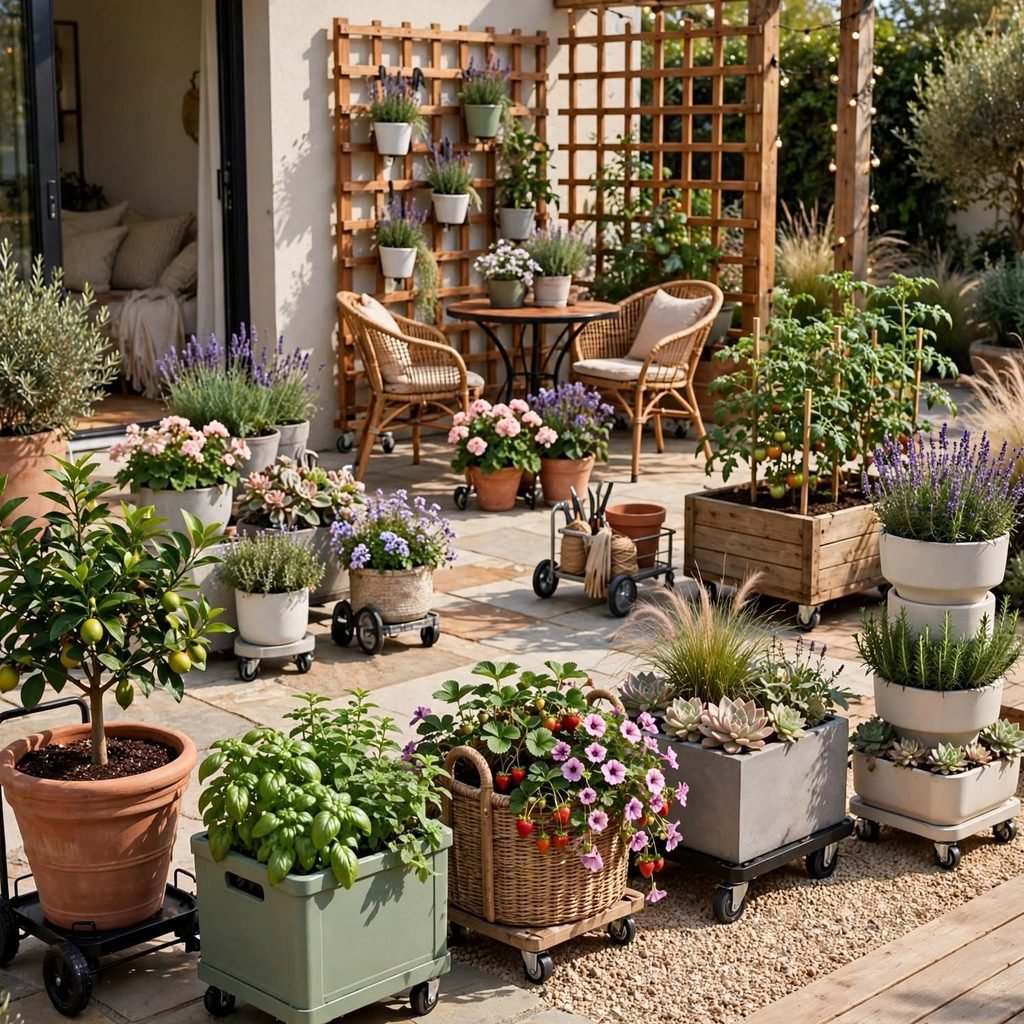
Incorporating container plantings alongside or instead of extensive in-ground beds provides genuine flexibility to rearrange a small garden’s layout as needs or preferences change, move plants to optimal seasonal sun exposure, and garden successfully even where a small garden’s actual ground area is limited or entirely paved. Grouping several containers together in varying heights, rather than spacing them individually throughout the space, generally creates a more cohesive, impactful planting display than scattered individual pots within a confined area. This container approach also allows a small garden’s planting scheme to be genuinely refreshed seasonally without the disruption full bed replanting would require.
14. Maximizing a Narrow Side Yard’s Genuine Function
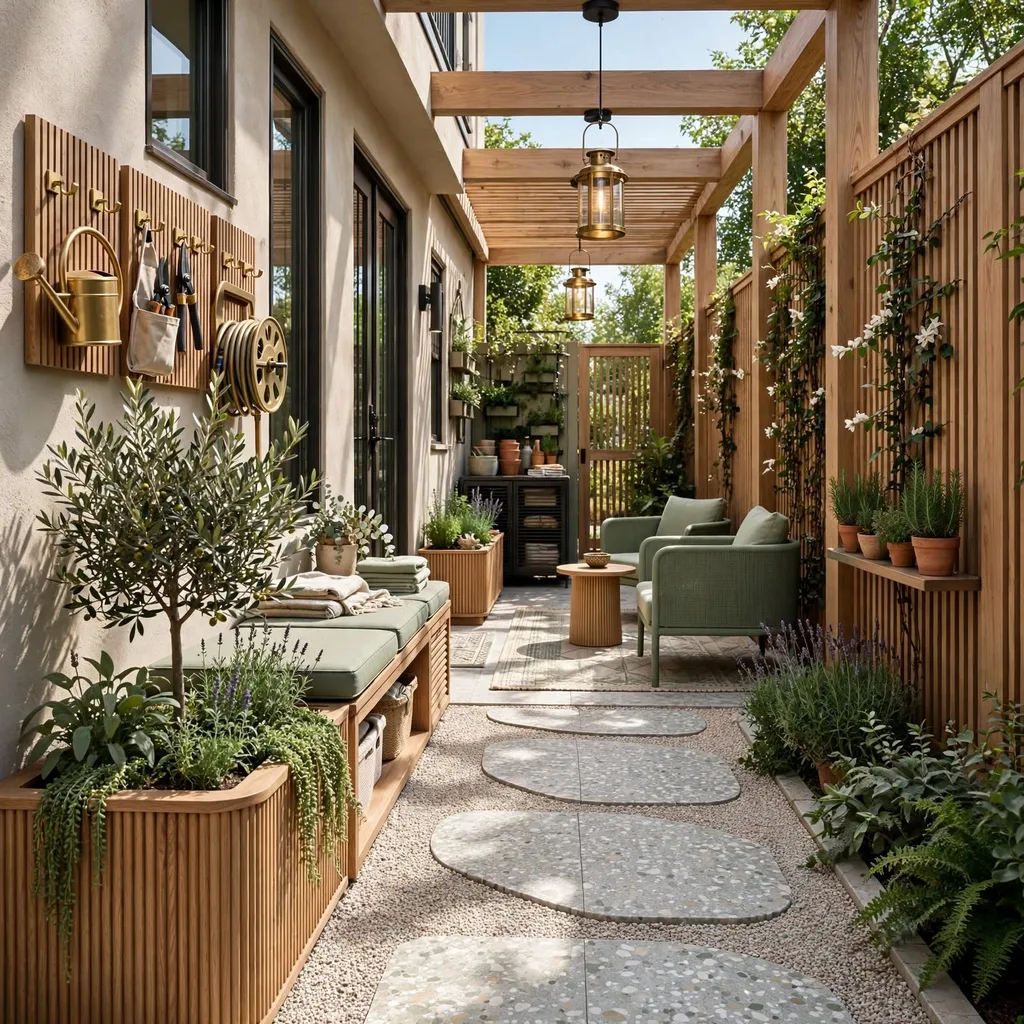
For a genuinely narrow side yard, often one of the more challenging small garden configurations, focusing the design around a clear, functional pathway with narrow planting beds along one or both sides, rather than attempting a full garden layout that a narrow space can’t actually accommodate, produces a more successful result than fighting against the space’s inherent proportions. This approach might incorporate vertical growing along the boundary walls, a simple but well-chosen paving material for the pathway itself, and selective, restrained planting rather than attempting a dense, full garden treatment inappropriate to the narrow footprint. Considering this side yard’s actual function, a genuine walkway between front and back yards, storage access, or simply a planted transition space, before finalizing its specific design ensures the result serves its real practical purpose.
15. Editing and Restraint as an Ongoing Small Garden Practice
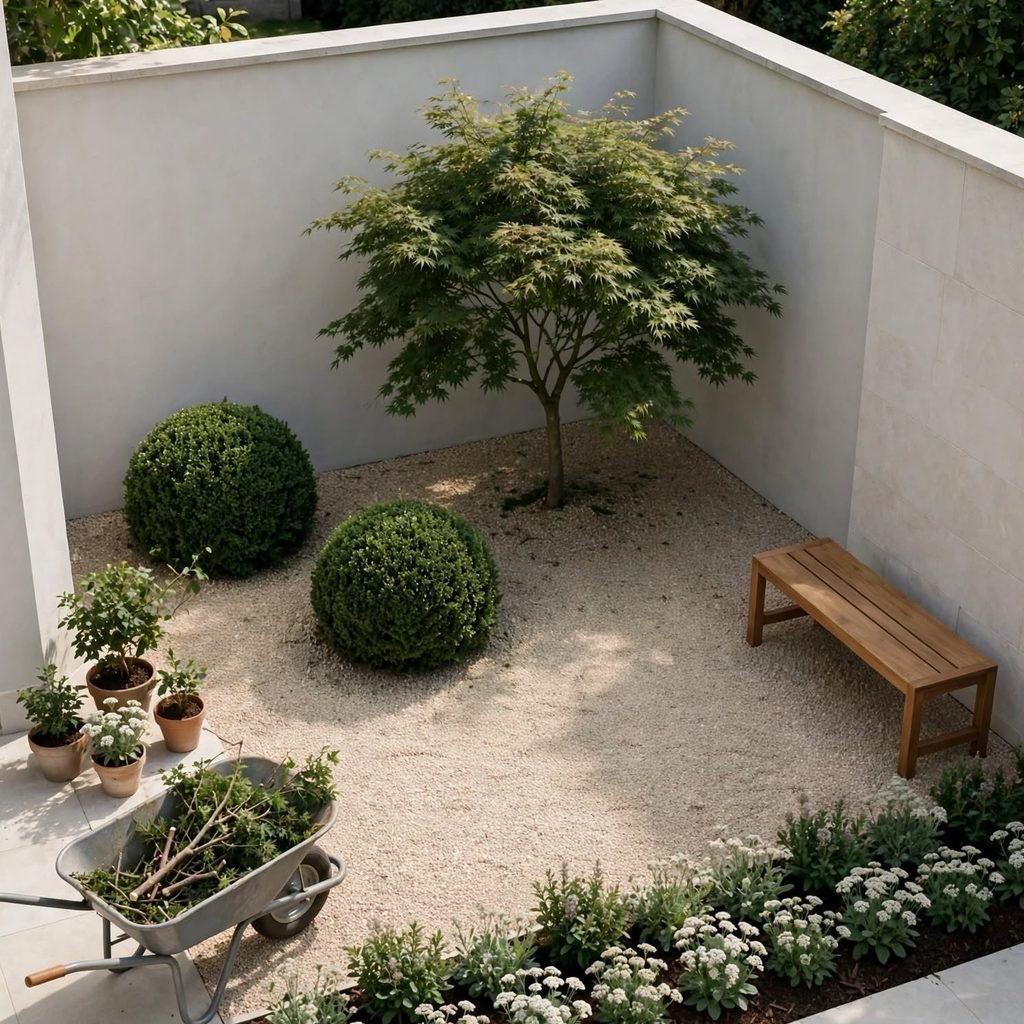
Periodically stepping back and removing or relocating plants and accessories that have accumulated beyond what a small garden’s limited space can genuinely support well, rather than only ever adding new elements without corresponding editing, prevents the gradual overcrowding that can undermine even a well-planned small garden’s initial design clarity over successive growing seasons. This ongoing editing discipline matters more in a small garden than a larger property, where limited square footage leaves far less margin to absorb accumulated additions before the space begins to feel genuinely cluttered and overwhelmed. Treating this periodic editing as a genuine, regular part of small garden maintenance, rather than only addressing overcrowding once it’s become a significant problem, maintains the space’s intended design clarity over the years.
Shop the Look
Start with vertical growing along boundary fences or walls, and choose a restrained two-to-three color plant palette layered from shorter plants at the front to taller specimens toward the back. Add a curved pathway if space allows, leading toward one genuine statement focal point, and consider a strategically placed outdoor mirror to visually extend the space. Finish with multi-functional furniture scaled appropriately to the garden’s actual dimensions and consistent hardscaping material throughout to prevent visual fragmentation.
Common Mistake to Avoid
A common mistake in small garden design is attempting to include every desired feature, a water feature, extensive planting beds, a full seating area, a vegetable patch, within a genuinely limited footprint, resulting in a cramped, visually chaotic space where no single element receives adequate room to be genuinely successful. Prioritizing which features matter most for the household’s actual use of the space, then executing those priorities well within the available square footage, rather than compromising everything to fit it all in, produces a far more successful and enjoyable small garden. This restraint and prioritization matter more in a small garden than almost any other design consideration covered here.
FAQs
How do I make a small garden feel bigger without actually expanding its footprint?
Techniques like a curved rather than straight pathway, strategic mirror placement, layered plant depth from front to back, and a restrained, cohesive color palette all contribute to a small garden feeling more expansive than its actual measured square footage, working through genuine visual perception techniques rather than requiring any actual physical expansion. Vertical growing also effectively increases usable growing space without requiring additional ground footprint, addressing the space constraint through height rather than width or depth. Combining several of these techniques together, rather than relying on just one, generally produces a more noticeably successful result than any single technique applied in isolation.
What plants work best in a small garden?
Compact or dwarf plant varieties, along with plants that can be trained vertically like climbing vines or espaliered fruit trees, generally suit small garden spaces better than large, sprawling plants that would quickly overwhelm limited square footage. Choosing a restrained palette of a smaller number of plant varieties, rather than one of everything, also suits small gardens particularly well, since this restraint produces a more cohesive result within confined space than an extensive, varied collection would allow. Researching genuine mature sizes before selection, rather than judging suitability purely from a plant’s appearance at initial nursery purchase, prevents the common small garden problem of plants eventually outgrowing their intended space.
Should a small garden have a lawn area, or is that wasted space?
A small garden can still include a modest lawn area if genuine open, flexible space for activities like children’s play matters to the household, though many small gardens benefit from replacing extensive lawn with more efficient planting beds, hardscaping, or defined functional zones given how much maintenance a small lawn area requires relative to its limited practical use. If a lawn is included, keeping it modestly sized and well-defined, rather than allowing it to sprawl without clear boundaries, maintains the overall garden’s sense of intentional design. The right choice ultimately depends on the household’s genuine need for this kind of open, flexible space versus prioritizing more planting or hardscaped functional area instead.
How much should I spend on a small garden versus a larger property?
Interestingly, a small garden’s limited square footage often allows for higher-quality material and plant investment per square foot than a larger property’s budget would typically support across its greater total area, since the same total budget covers considerably less ground in a small space, potentially allowing for better hardscaping materials, more mature plant specimens, or higher-quality furniture than a larger garden’s budget could achieve throughout its full extent. This means a small garden can sometimes achieve a more polished, higher-end result for a similar total investment compared to a larger property, provided the budget is concentrated thoughtfully rather than spread too thin attempting to fill excessive space. Considering this potential advantage when budgeting helps make the most of a small garden’s genuine investment opportunity.
What’s the biggest design mistake to avoid in a small garden?
Attempting to include every desired garden feature within limited square footage, rather than honestly prioritizing which specific elements matter most and executing those priorities well, represents the most common and significant mistake in small garden design, typically resulting in a cramped, visually chaotic space where no individual element receives adequate room to succeed. Restraint, choosing fewer elements and executing them thoughtfully rather than compromising everything to fit more in, consistently produces more successful and genuinely enjoyable small gardens than an attempt to replicate a larger garden’s full feature list within compressed space. This prioritization discipline matters more to small garden success than almost any specific design technique.
Conclusion
A successful small garden comes from working intelligently with limited space through vertical growing, sightline techniques, and genuine restraint in plant and feature selection, rather than attempting to compress a larger garden’s full ambitions into a confined footprint. Save this guide to Pinterest for reference while planning your next small garden project, and check out our related post on garden ideas for broader design principles that apply across any garden size.