15 Must-Try Trending Christmas Tree Ideas From Classic to Unexpected
A Christmas tree serves as the season’s central decorating statement, and the difference between a tree that looks professionally styled and one that looks assembled quickly often comes down to a handful of specific techniques rather than which tree itself is purchased. This guide covers fifteen Christmas tree ideas, from monochromatic ornament schemes to alternative small-space formats, with practical guidance for achieving a genuinely polished result regardless of budget or space constraints. Every idea addresses either the tree’s styling technique or a specific format suited to different homes and needs.
Trend & Background
Christmas tree styling has moved toward more considered, cohesive color and material choices in recent years, with monochromatic and limited-palette ornament schemes replacing some of the fully mixed, multicolor trees common in previous decades. This shift reflects broader home decorating trends toward intentional, coordinated design extending even into holiday-specific decorating that was once treated as a separate, unrelated category from a home’s everyday style. Alternative tree formats, wall-mounted, upside-down, and tabletop designs, have also grown in relevance as more people navigate smaller living spaces, apartments, and homes with pets or young children where a traditional floor tree presents genuine practical challenges.
Key Takeaways
- A Christmas tree’s color scheme and ornament density matter more to its overall look than whether it’s real or artificial.
- Layered lighting, working from inner branches outward, produces a noticeably fuller, more professional result than exterior-only wrapping.
- Alternative tree formats, wall-mounted, tabletop, or upside-down, solve genuine space constraints without sacrificing the tradition entirely.
- A tree’s base and topper are frequently underdecorated relative to the branches themselves, despite being highly visible focal points.
Christmas Tree Ideas
Discover stylish and cozy Christmas decorating inspiration for every room, from festive trees and mantels to bedrooms, kitchens, and entryways. Find beautiful ideas for creating a warm, cheerful, and welcoming holiday home.
1. Monochromatic Ornament Color Scheme
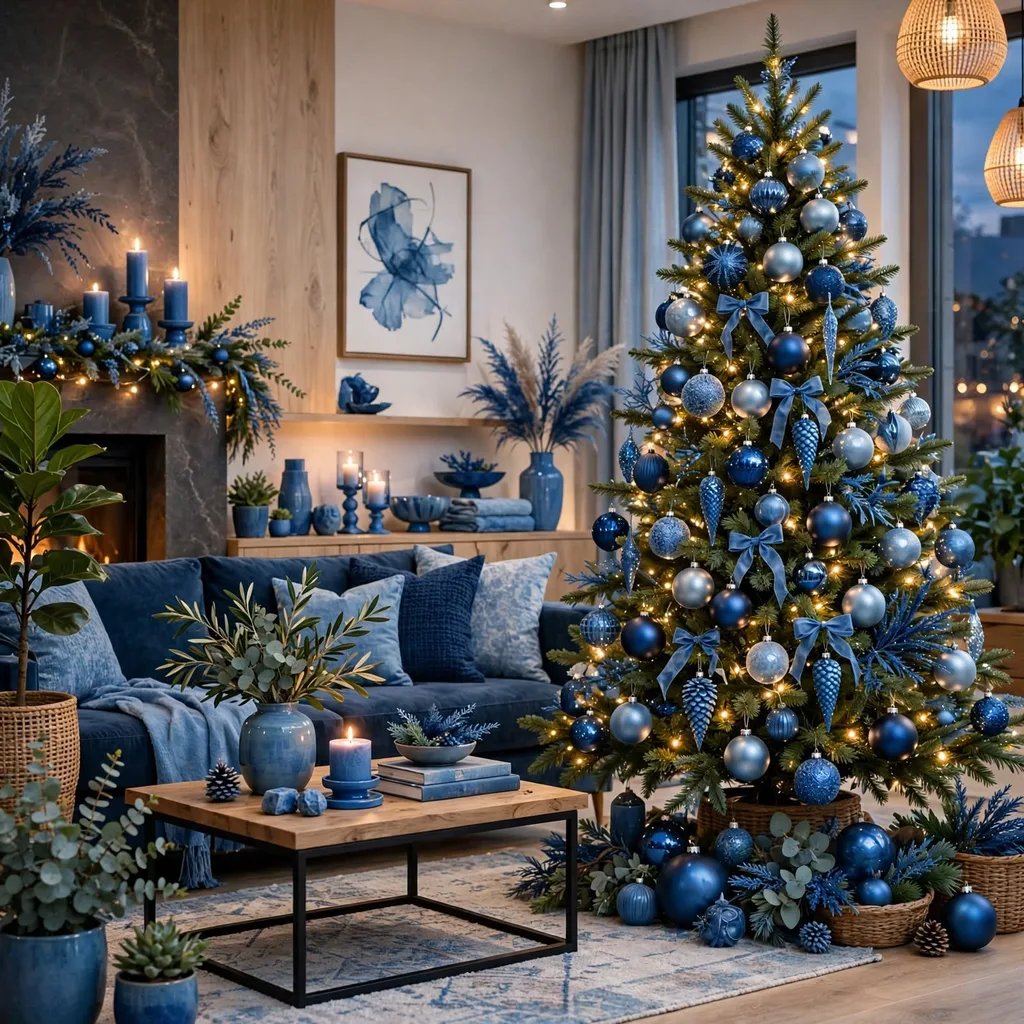
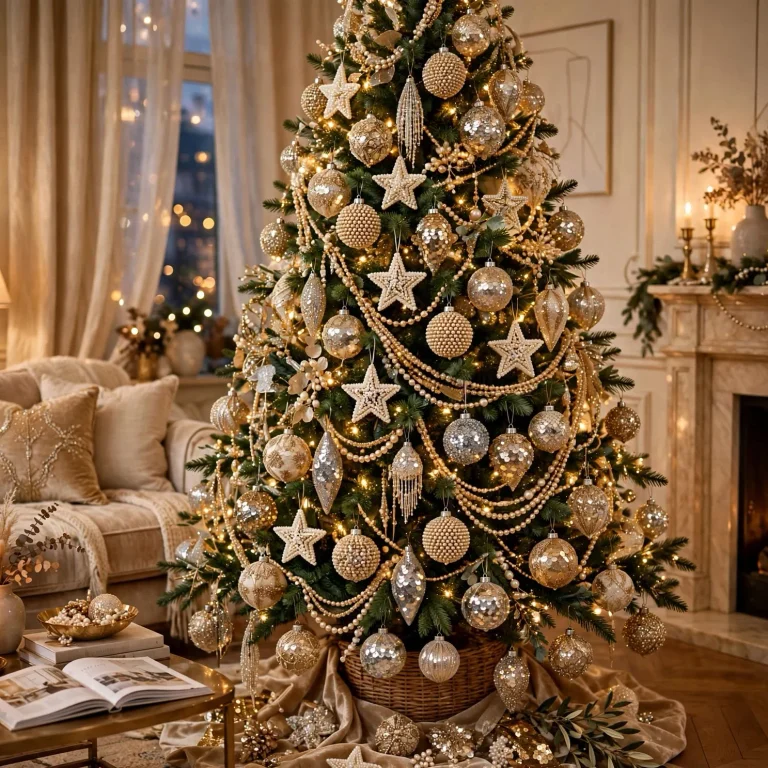
Choosing ornaments in a single color family, all gold, all red, or all white, but varying in finish, matte, glossy, glitter, and fabric, produces a noticeably more cohesive and elevated tree than a fully mixed multicolor approach. This technique works with any tree type or size, requiring only a more disciplined ornament purchasing and selection process rather than any additional cost or effort. Coordinating this single-color scheme with a home’s existing Christmas decor palette elsewhere in the house extends the cohesion beyond the tree itself.
2. Layered Lighting From Inner Branches Outward
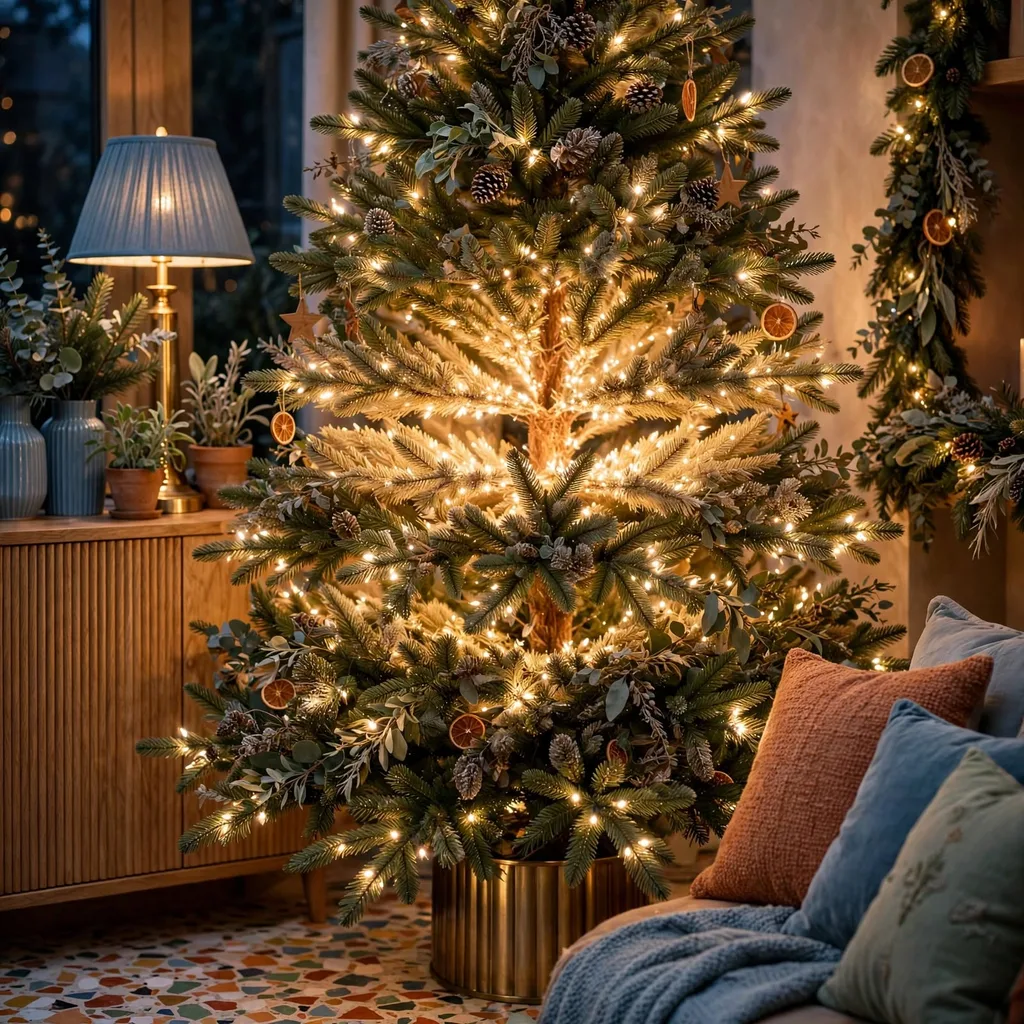
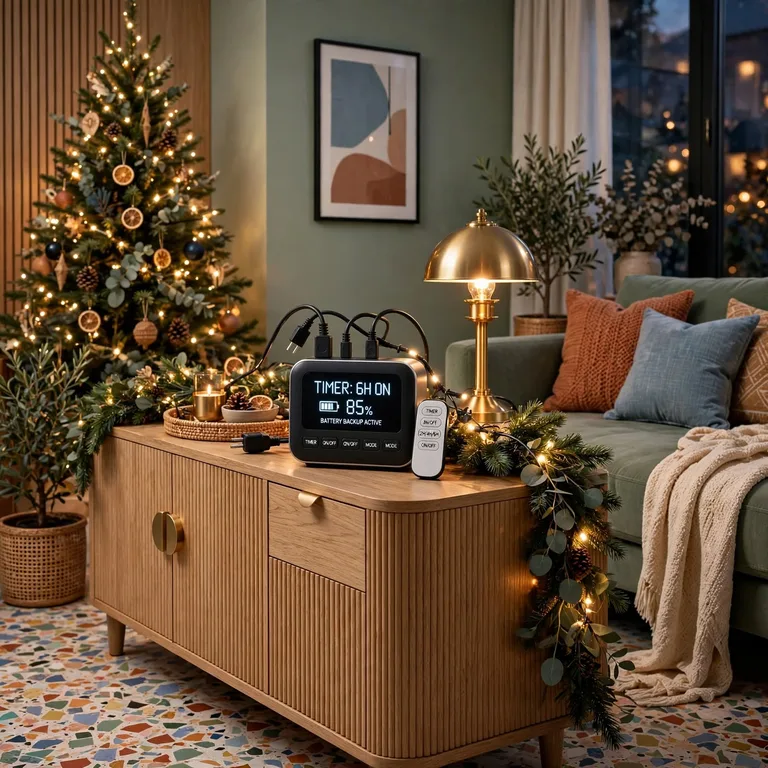
Wrapping lights starting from a tree’s inner branches and working outward, rather than only wrapping the exterior surface, creates a fuller, more three-dimensional glow that reads as considerably more professional than exterior-only lighting. This technique requires more time during the decorating process but produces a noticeably better result, particularly visible once the room’s other lights are dimmed in the evening. Using roughly 100 lights per vertical foot of tree height provides a solid general guideline for achieving adequate density with this layered approach.
3. Wall-Mounted Flat Christmas Tree
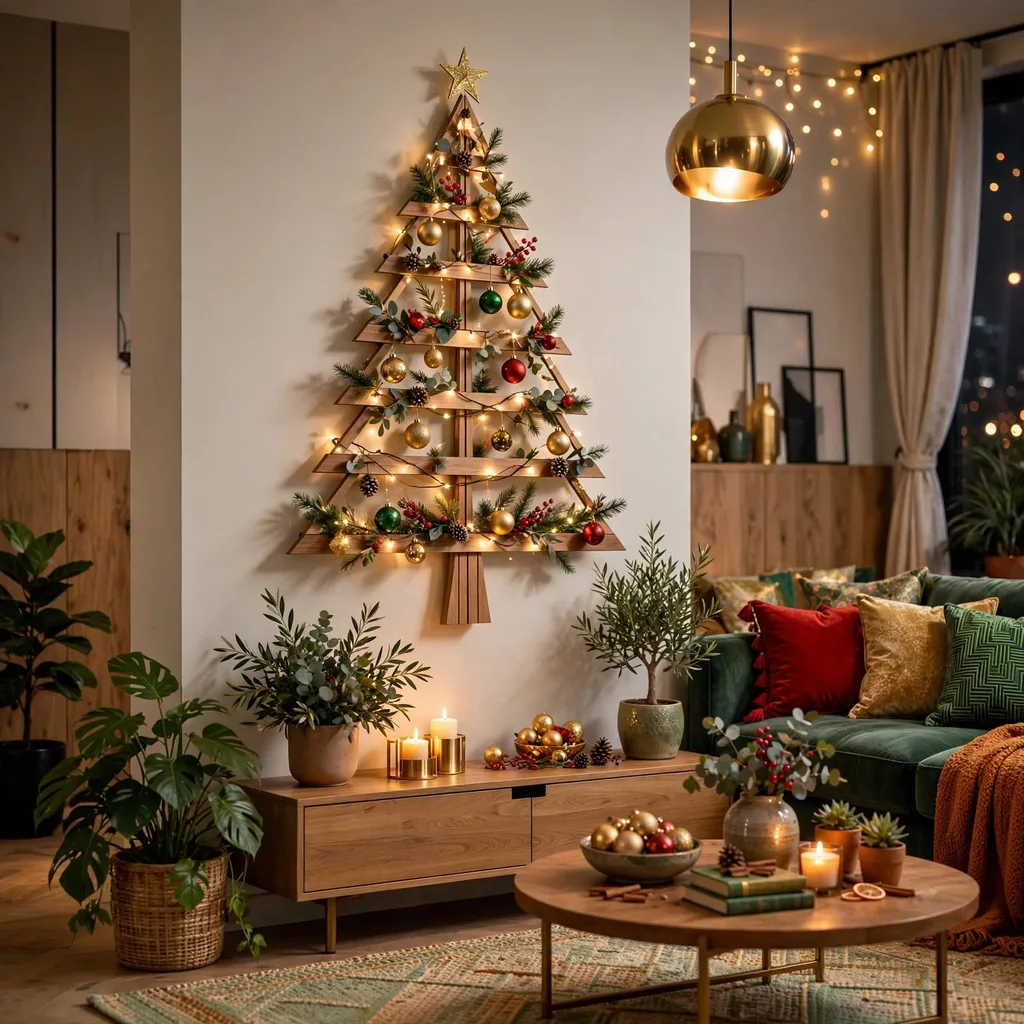
A wall-mounted, flat-profile Christmas tree, using either a genuine flat artificial tree design or a decorative wall decal and shelf-mounted ornament arrangement, solves a genuine space constraint for apartments, small homes, or any household without floor space for a traditional tree. This format still allows for full ornament and light decorating, just arranged along a flat, wall-adjacent profile rather than a fully three-dimensional footprint. This solution also works well for households with pets or young children, since it removes the temptation and reach of a traditional floor-level tree.
| Tree Format | Best For | Space Required |
| Traditional floor tree | Most households | Full floor footprint |
| Wall-mounted flat tree | Apartments, pet households | Minimal, wall-adjacent |
| Tabletop tree | Small spaces, secondary rooms | Single surface |
| Upside-down tree | Pet or child safety, retail display | Ceiling-mounted or reinforced base |
4. Tabletop Christmas Tree for Small Spaces
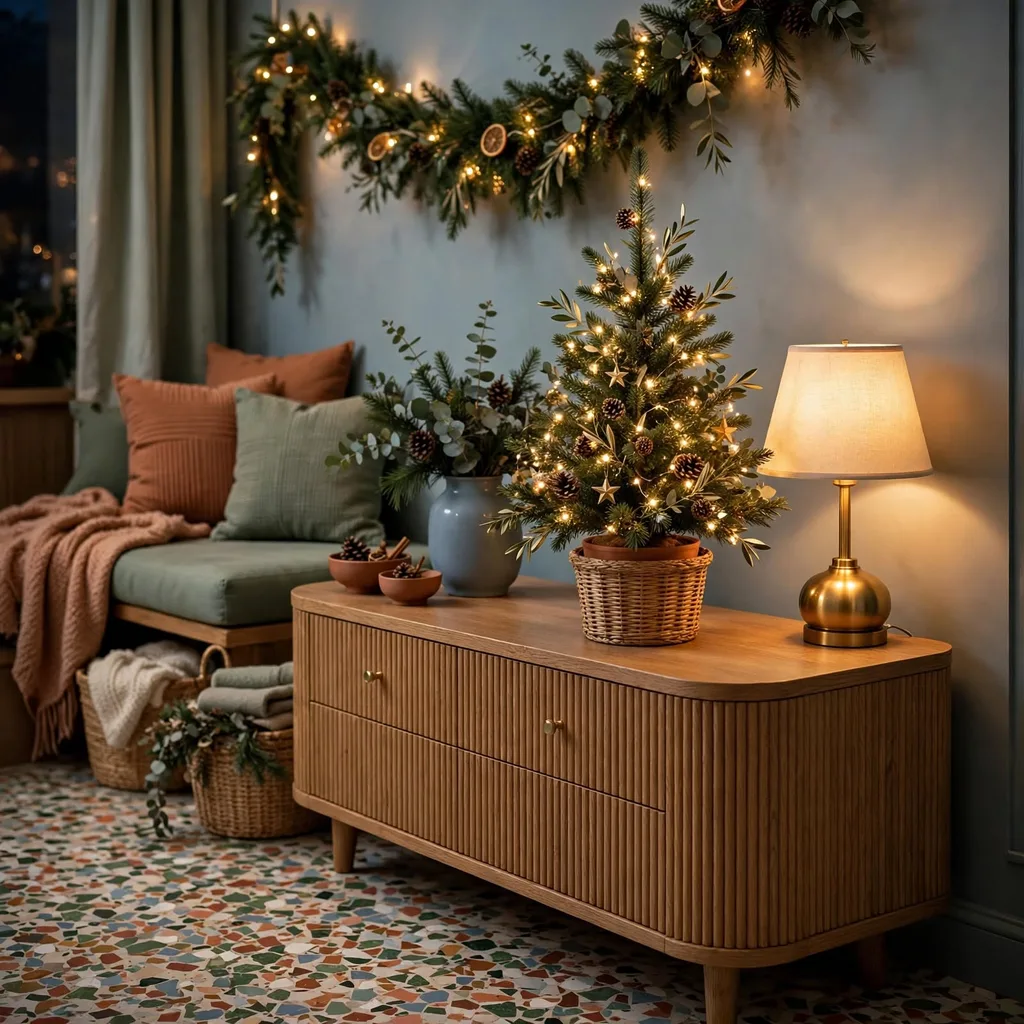
A smaller tabletop Christmas tree, typically 2 to 4 feet tall, provides a genuine, fully decorated tree experience for a household with limited space, or serves as a secondary tree for a bedroom, office, or kitchen counter in a larger home. This format allows the same styling techniques, layered lighting, a coordinated ornament scheme, to be applied at a smaller scale without requiring the material quantity a full-sized tree demands. This solution works particularly well for a dorm room, a small apartment, or any space where a full-sized tree simply isn’t practical.
Explore our Christmas decor ideas for creating a warm, festive, and welcoming home this holiday season.
5. Upside-Down Christmas Tree
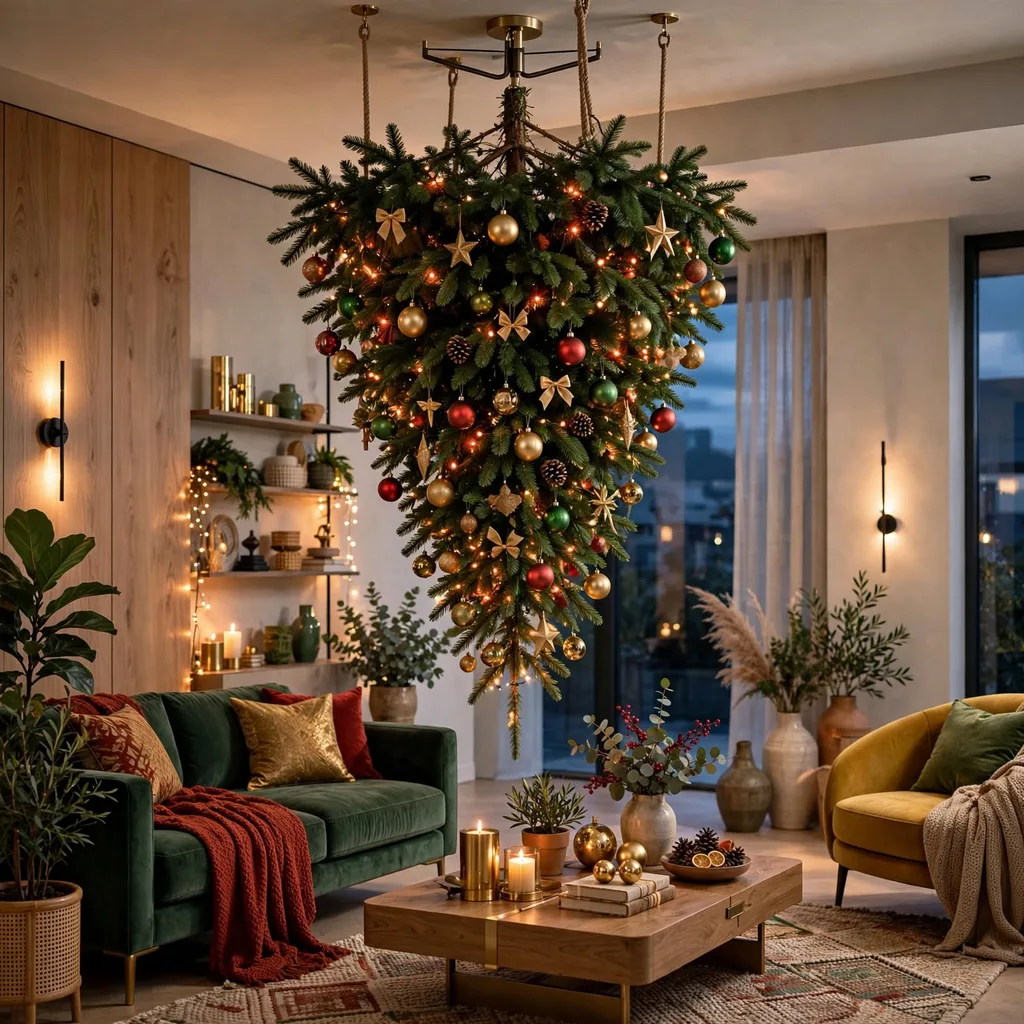
An upside-down Christmas tree, with the trunk mounted near the ceiling and the branches widening as they extend downward, offers genuine practical benefits for households with pets or young children, since ornaments hang out of easy reach while the tree’s wider top provides more stable balance. This format has retail and commercial display origins but has gained some traction in home use specifically for these practical safety reasons. This style requires either a specifically designed upside-down tree stand or professional mounting, making it a more involved setup than a traditional tree.
6. Flocked Tree for a Snow-Dusted Look
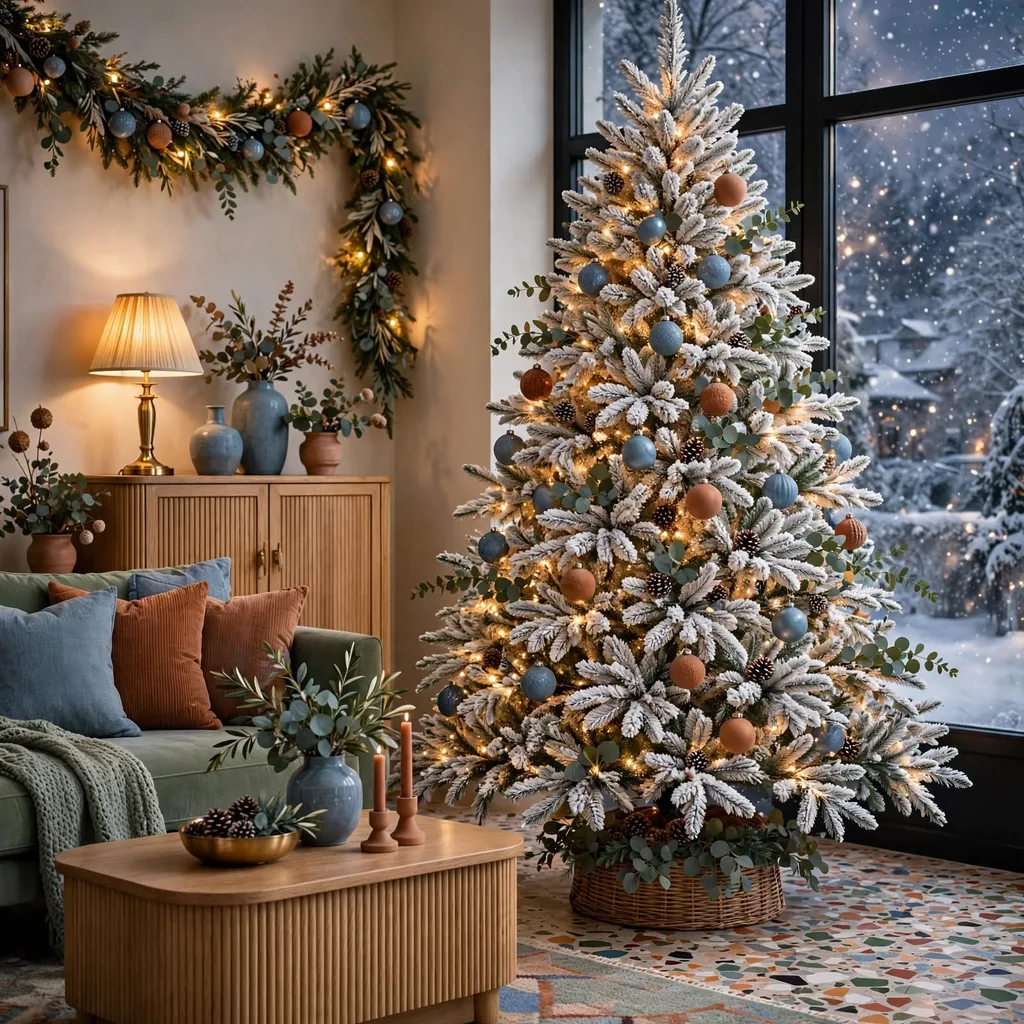
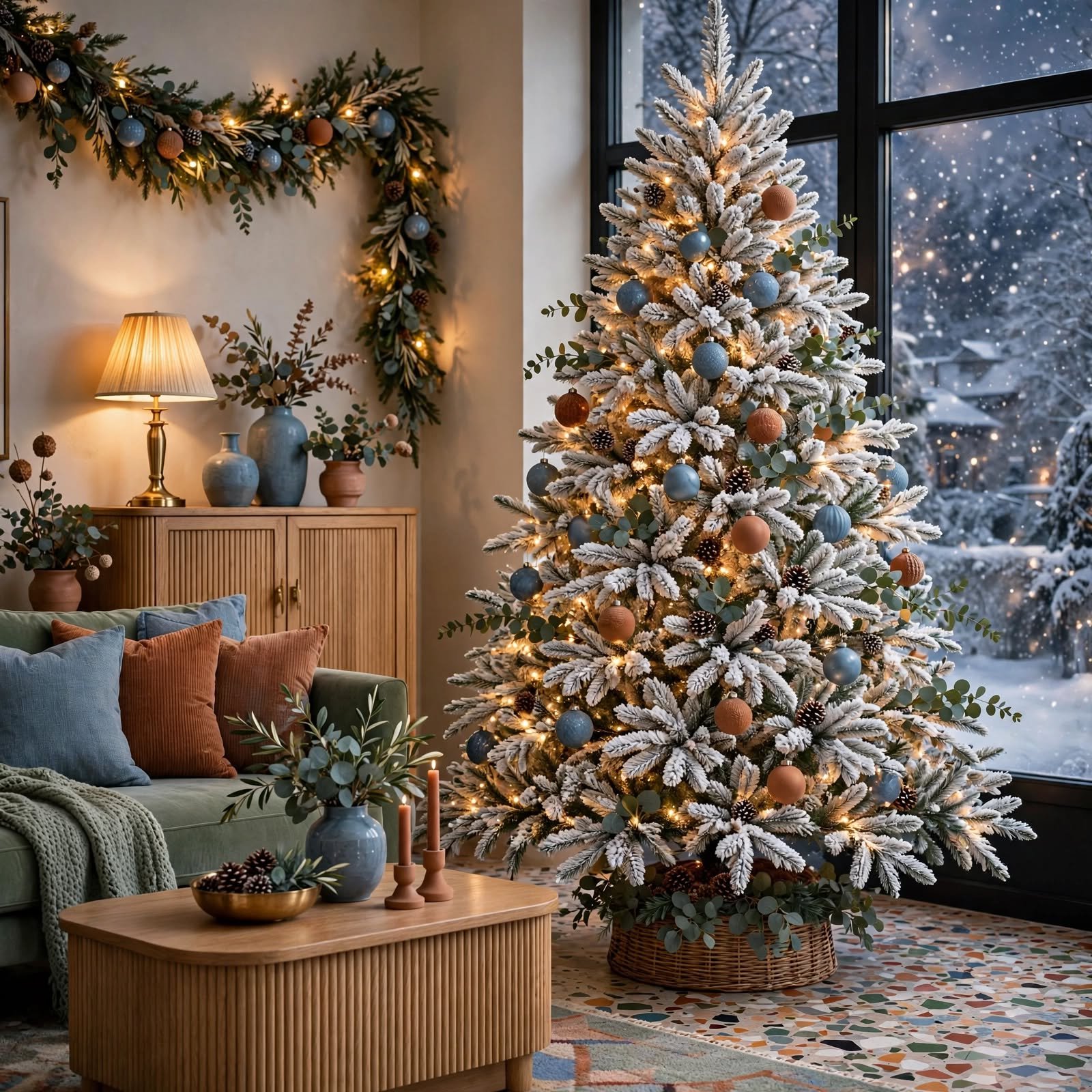
A flocked Christmas tree, with an artificial snow coating applied to the branches, brings a wintry, snow-dusted appearance regardless of the home’s actual climate or whether real snow ever falls locally. This treatment works particularly well paired with a cool-toned ornament scheme, silver, white, and ice blue, reinforcing the tree’s overall winter atmosphere. Flocked trees typically cost more than their unflocked equivalents and can shed some flocking material over the season, worth factoring into the decision alongside the aesthetic appeal.
7. Natural, Undecorated Branch Accents
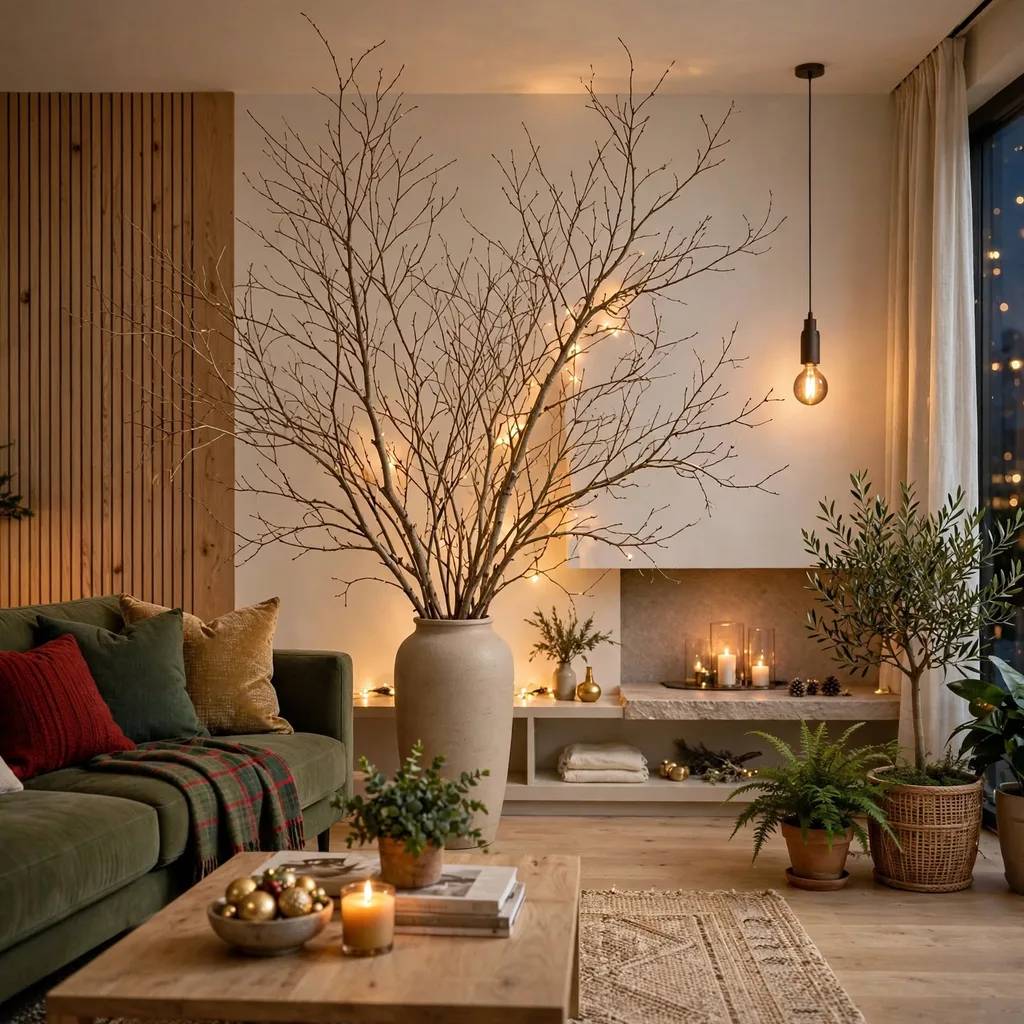
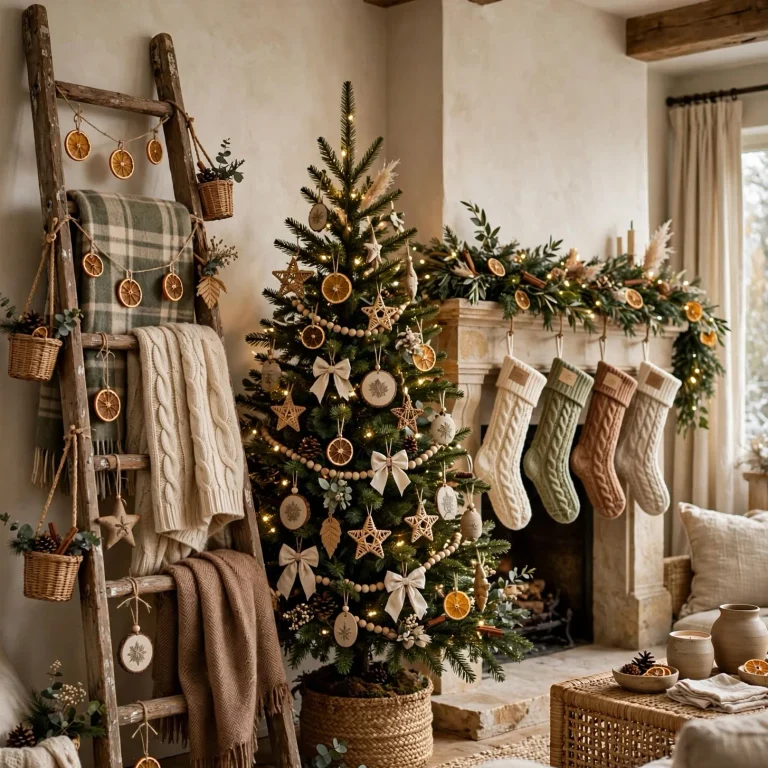
Incorporating natural, undecorated branch accents, a few bare birch branches, pinecones on wire stems, or dried eucalyptus, into an otherwise fully decorated tree adds organic texture and visual variation that a tree relying purely on manufactured ornaments doesn’t achieve. This technique works particularly well for a household drawn to a more natural, less uniformly polished tree aesthetic. Spacing these natural elements throughout the tree, rather than clustering them in one area, distributes this textural variety evenly across the full display.
8. Ribbon Woven Through the Branches
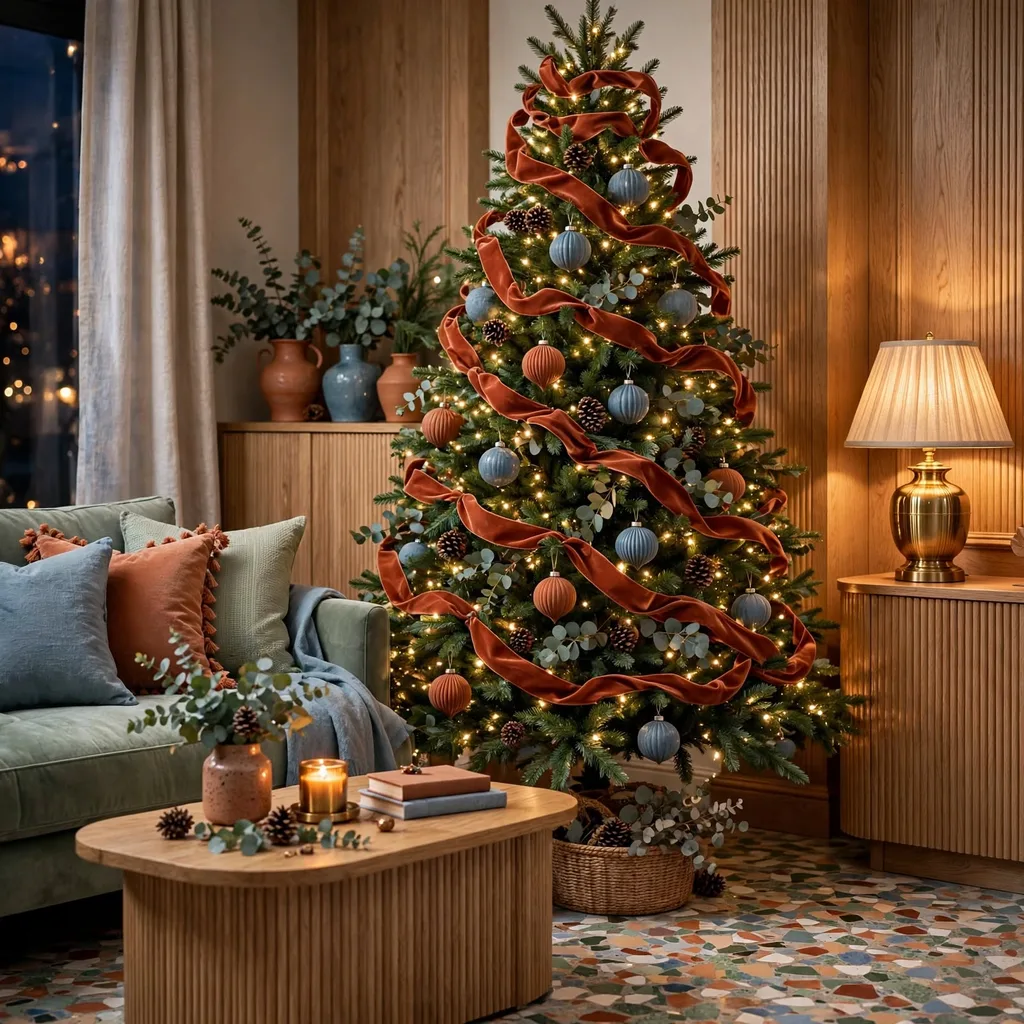
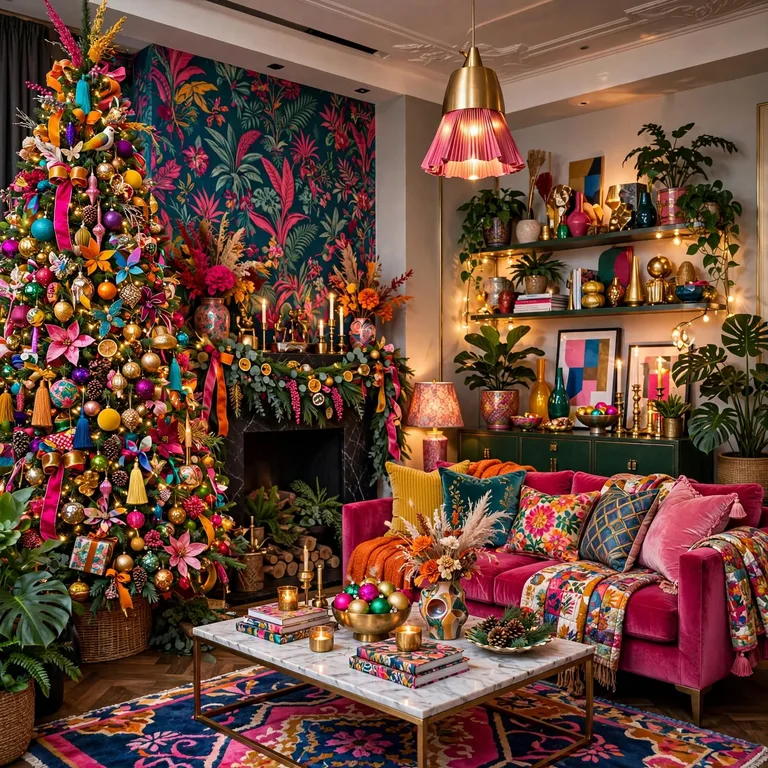
Weaving wide ribbon through a tree’s branches, rather than only using it for a topper bow or scattered smaller accents, adds a flowing, dimensional element that ornaments alone don’t provide. Choosing a ribbon material and pattern consistent with the tree’s overall color scheme reinforces the cohesive look established through the ornament selection. This technique requires slightly more skill and patience than simply hanging ornaments, since the ribbon needs to be woven in and out of the branches at varying depths for a natural, non-flat appearance.
9. Themed Ornament Collection by Interest or Hobby
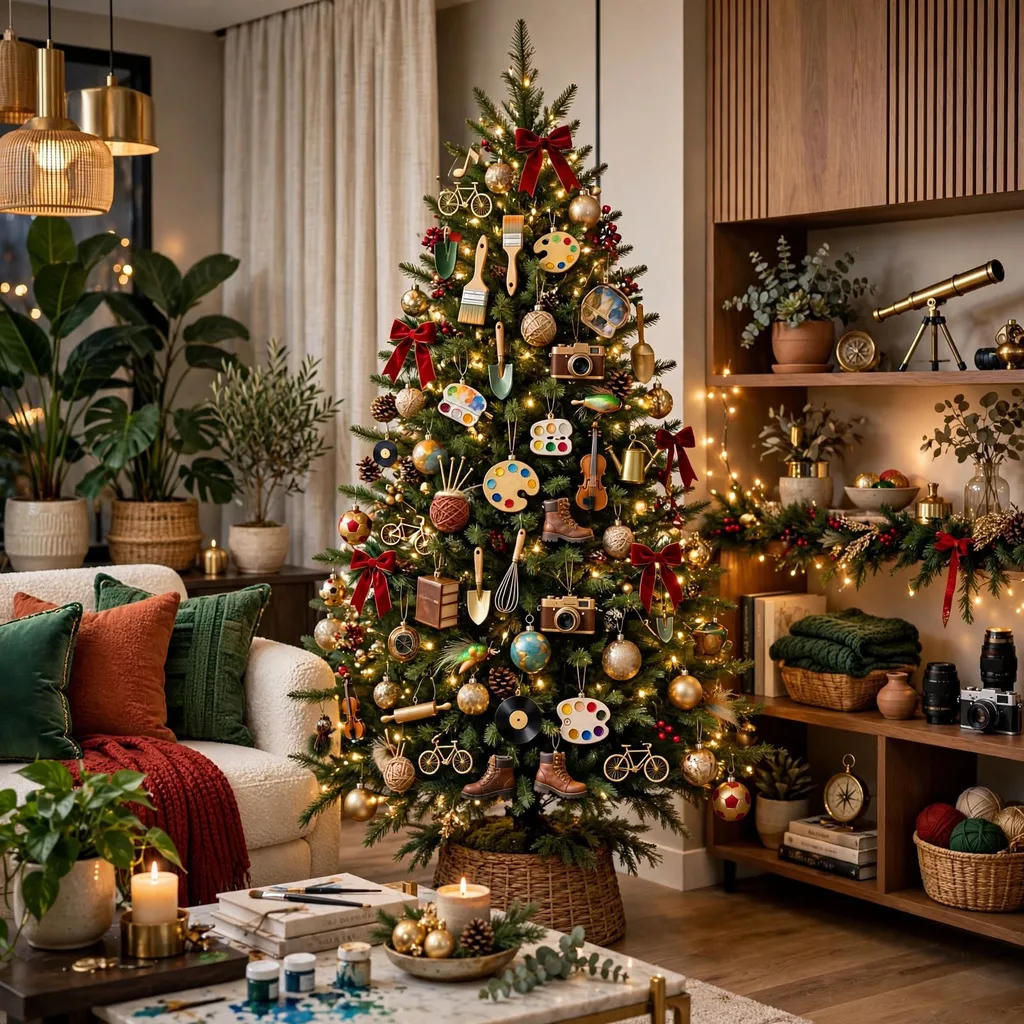
Building a tree’s ornament collection around a specific shared family interest, travel destinations, a particular hobby, or a beloved book or film series, creates a genuinely personal tree that tells a story beyond purely decorative color coordination. This approach often develops gradually over years, with new ornaments added as the collection grows rather than purchased all at once as a complete set. This technique works particularly well for a family tree that different household members contribute to over time, adding personal meaning alongside visual interest.
10. Statement Tree Topper as a Focal Point
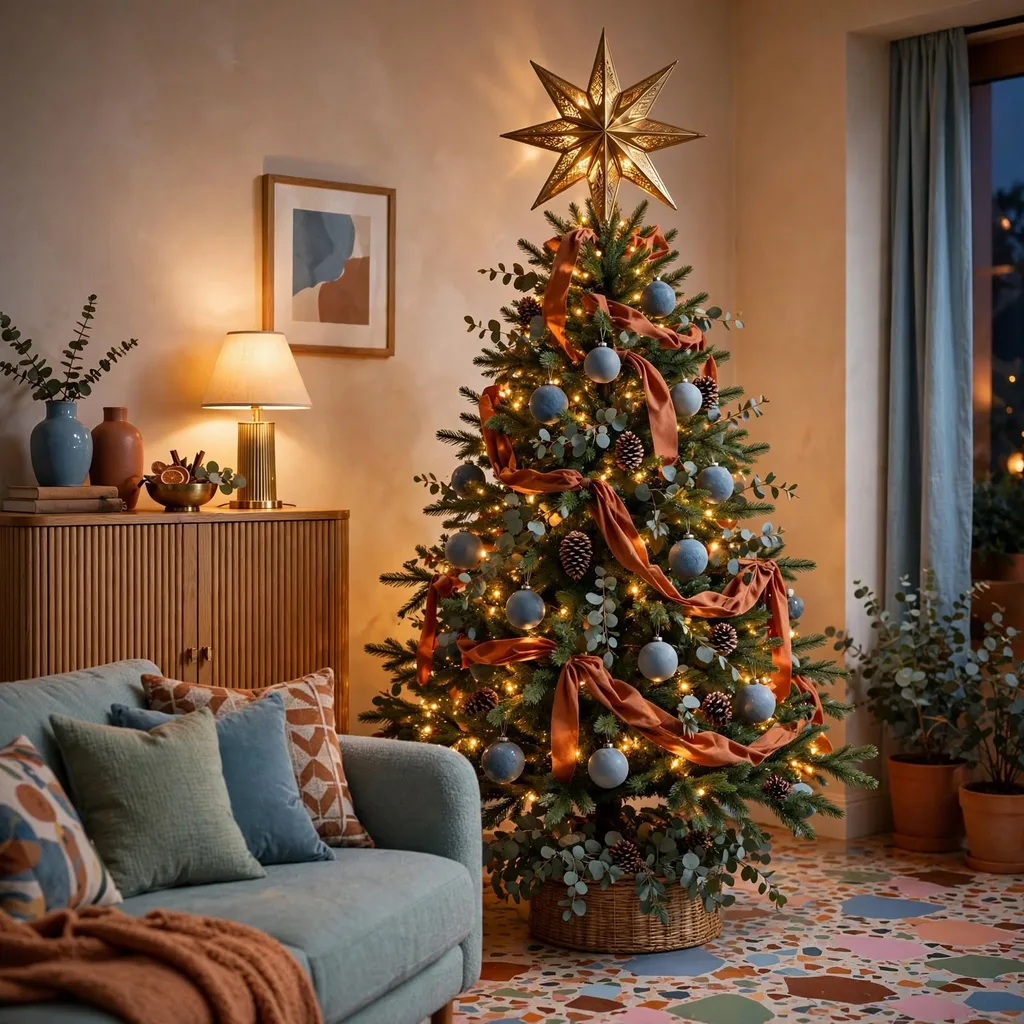
Choosing a genuinely substantial, well-considered tree topper, whether a traditional star, a decorative bow, or a more unconventional finial, gives a tree’s highest and most visible point the attention it deserves, an area frequently underdecorated relative to the branches below. Sizing the topper proportionally to the tree’s height, generally at least 10 to 12 inches for a standard 7-foot tree, prevents this detail from looking undersized once the tree is fully assembled. This detail is one of the most visible points on the entire tree, particularly from across a room, making it worth genuine consideration rather than an afterthought grab from the decoration box.
11. Decorated Tree Skirt or Base Styling
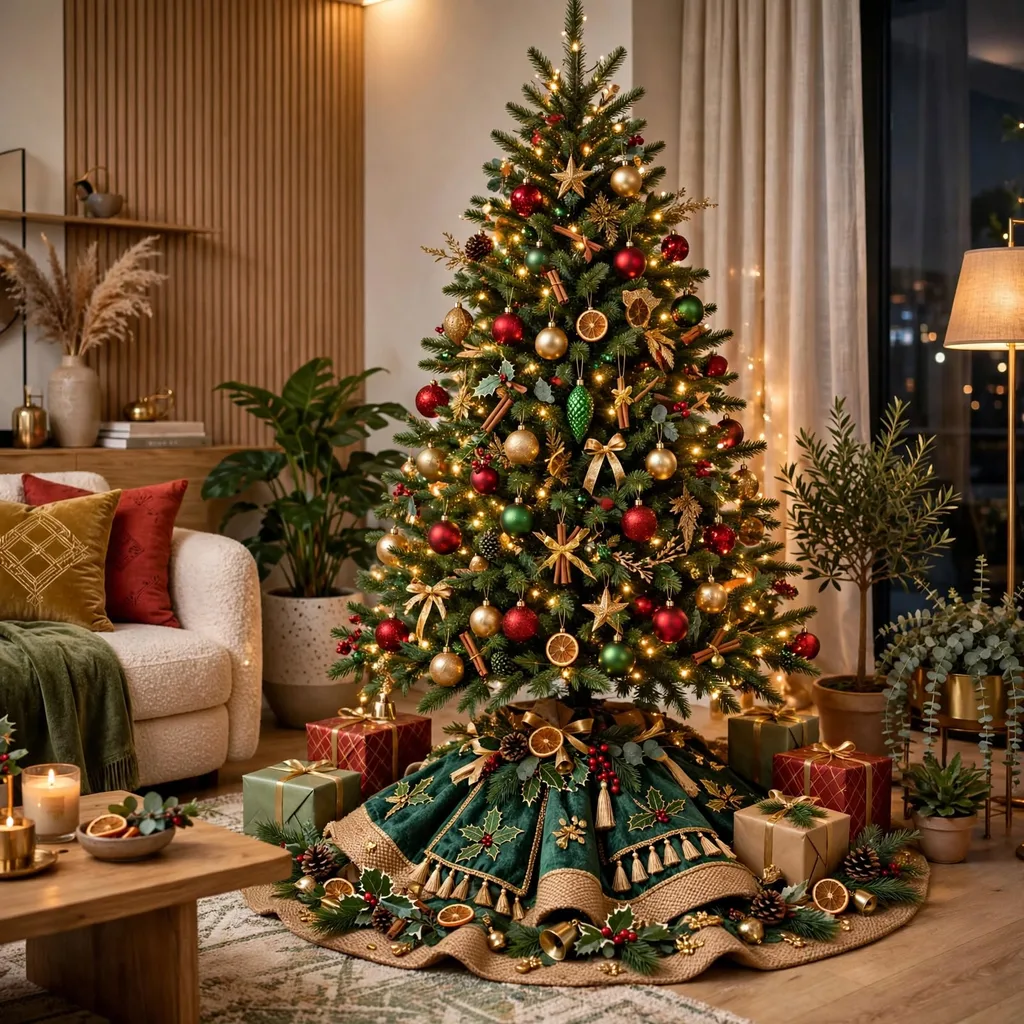
A decorated tree skirt, in a material and color consistent with the tree’s overall scheme, or an alternative base treatment like a woven basket or a wrapped fabric collar, finishes a tree’s base with the same intentionality applied to its branches. This detail is frequently overlooked in favor of the more visible upper portions of the tree, despite being clearly visible from a seated vantage point in the room. Choosing a base treatment that also conceals the tree stand and any visible cords improves the tree’s overall polished appearance from every angle.
12. Color-Blocked Sections Within One Tree
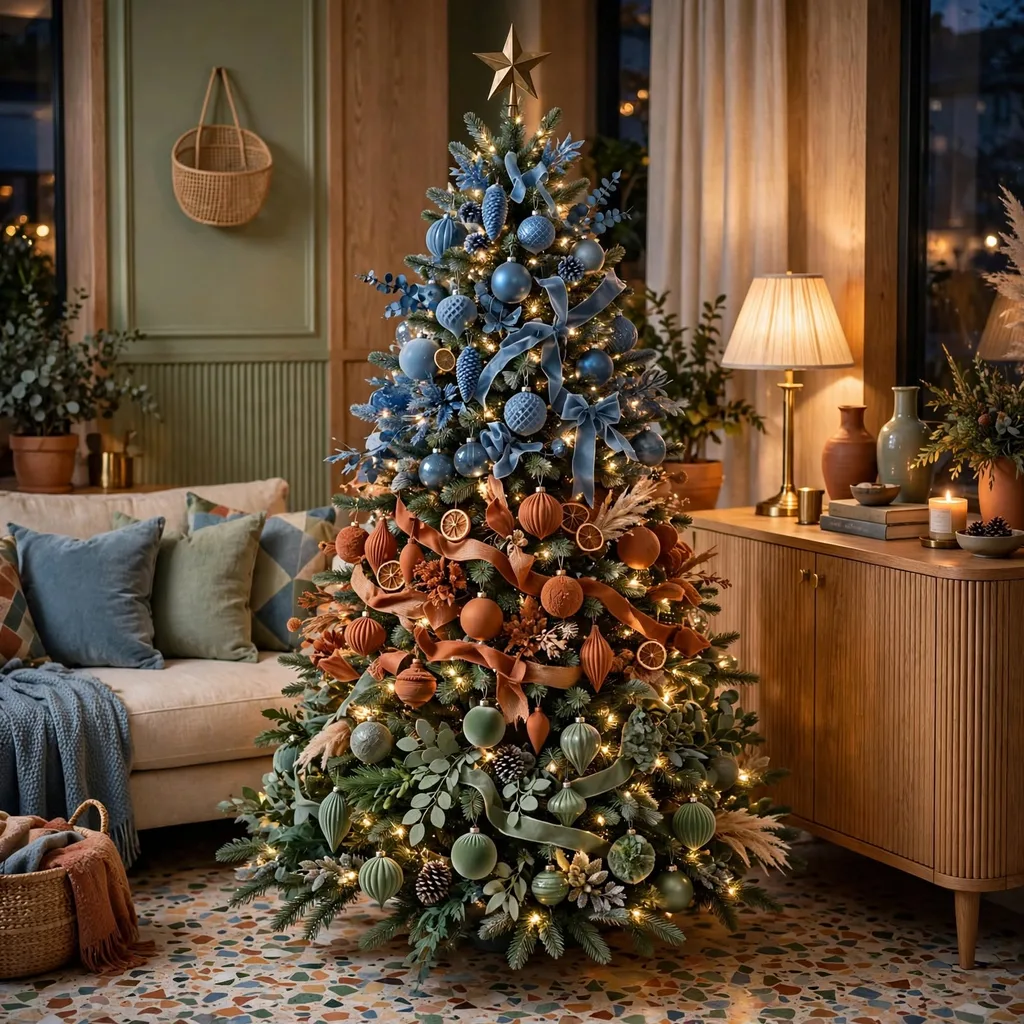
Dividing a single tree into color-blocked sections, top third in one color family and the bottom two-thirds in a coordinating but distinct tone, for instance, creates a more dynamic visual effect than either a single uniform color or a fully random mixed approach. This technique requires more careful planning during the decorating process, sorting ornaments by both color and intended section before beginning. This approach works particularly well for a tall tree, where the sectional color blocking provides a clear visual structure as the eye moves up the tree’s height.
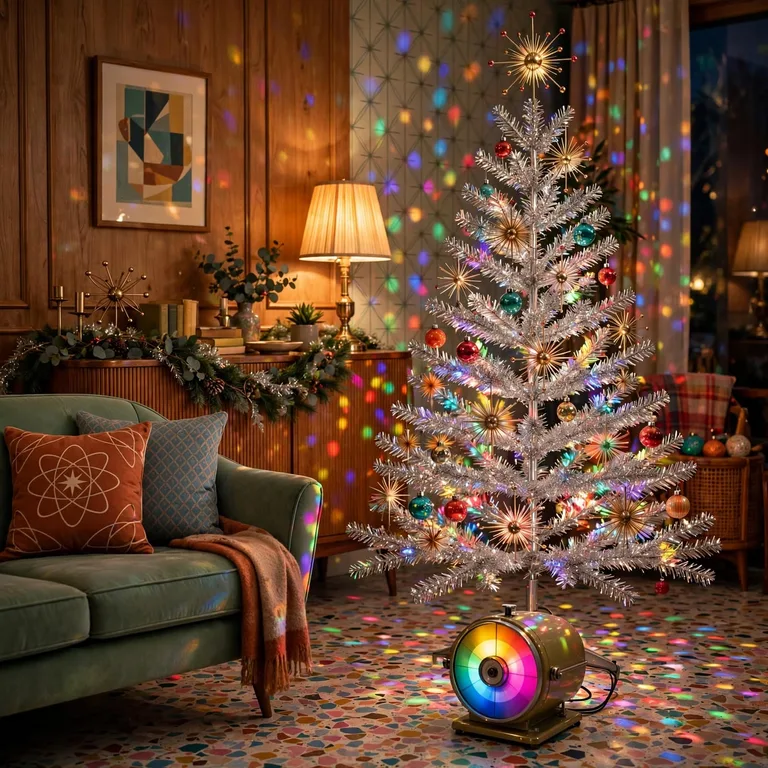
13. Vintage or Heirloom Ornament Feature
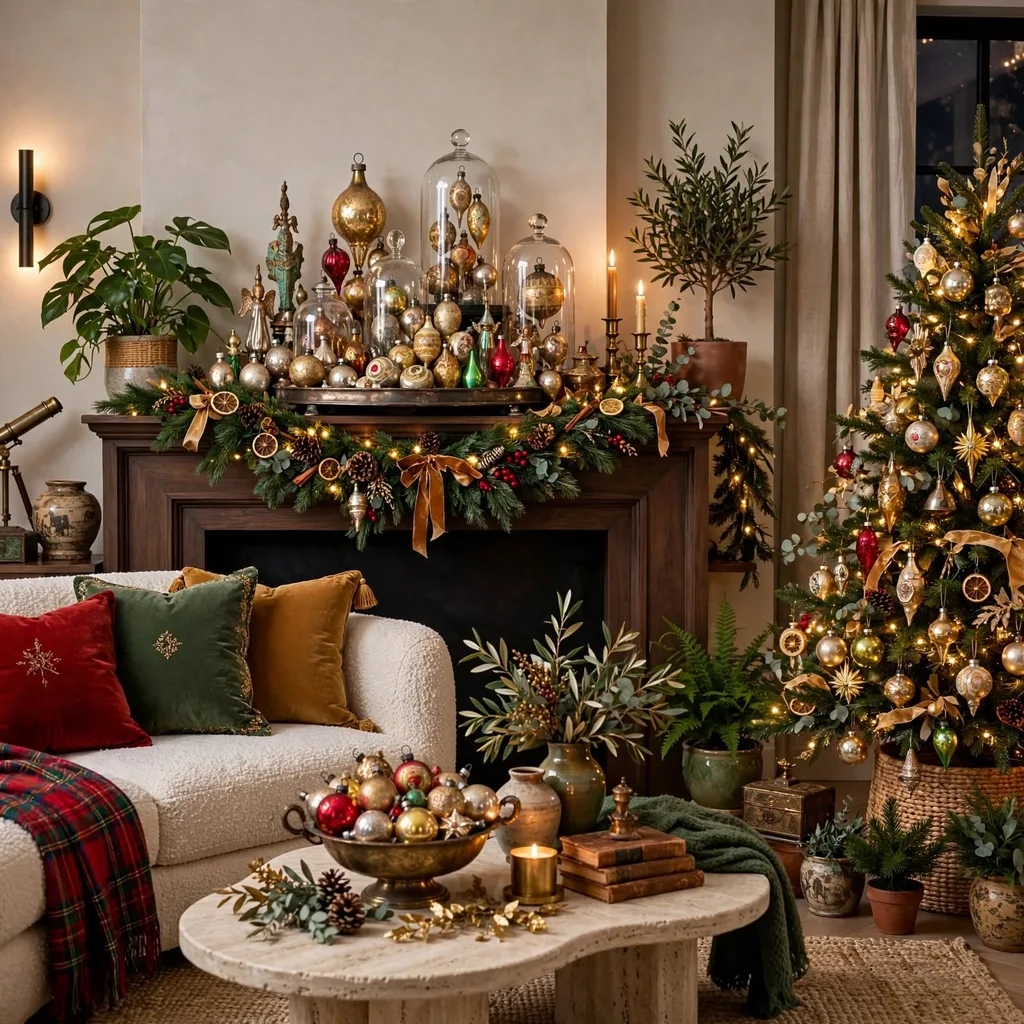
Dedicating a visible, prominent section of a tree specifically to vintage or heirloom ornaments, rather than scattering them randomly among newer pieces, gives these often more delicate, meaningful items the attention and protection they deserve. Positioning genuinely fragile vintage pieces toward the tree’s more stable inner branches, rather than the outer edges where they’re more vulnerable to bumps, also protects them physically. This approach honors a family’s collected decorating history while still allowing the rest of the tree to incorporate current styling trends and newer ornament purchases.
14. Alternative Tree Materials for a Modern Look
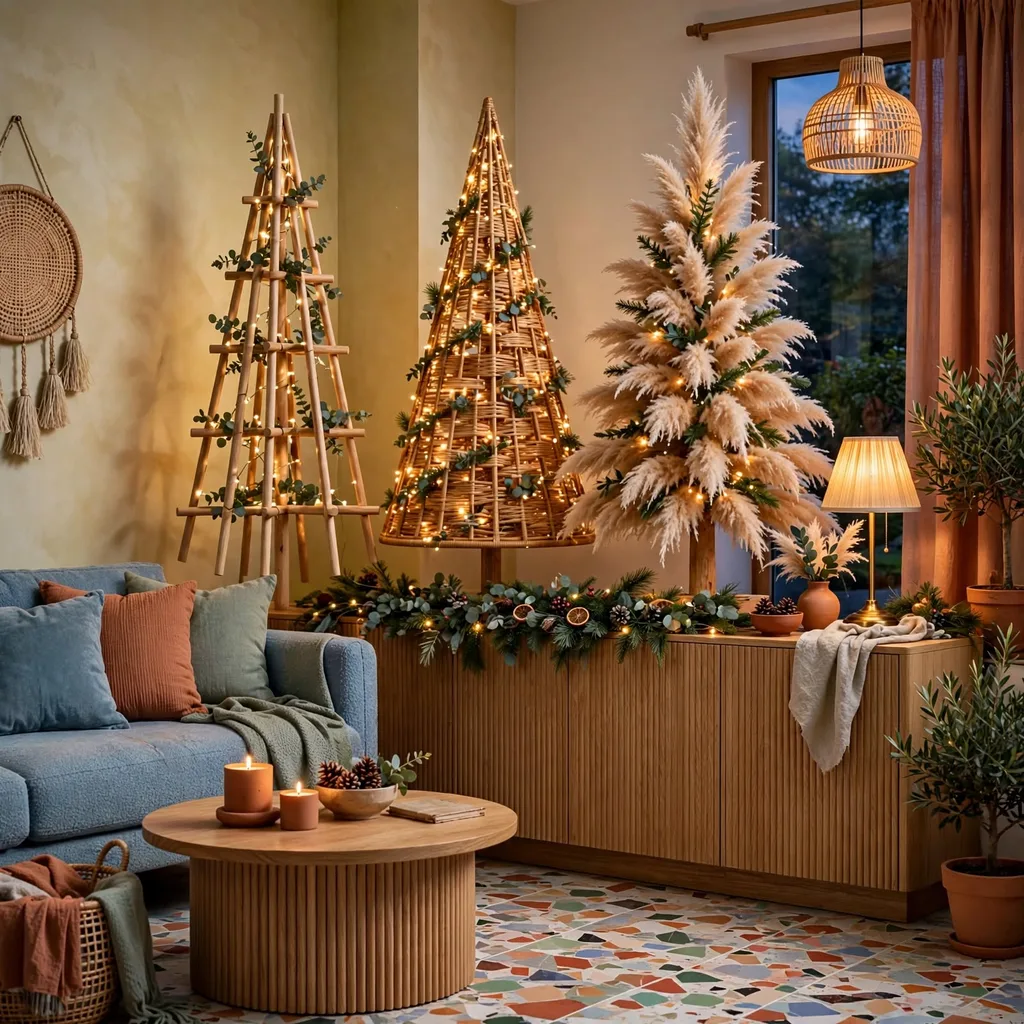
Choosing an alternative tree material, a minimalist metal wire tree frame, a driftwood or branch-assembled tree, or a fully white or unconventional-colored artificial tree, departs from the traditional green evergreen look in favor of a more contemporary or design-forward statement. This approach suits a modern or minimalist home’s broader style particularly well, extending that aesthetic consistency into the holiday season rather than defaulting to a traditional tree that might feel disconnected from the rest of the home’s decor. This choice works especially well for a household prioritizing design cohesion over strict holiday tradition.
15. Multiple Smaller Trees Instead of One Large Tree
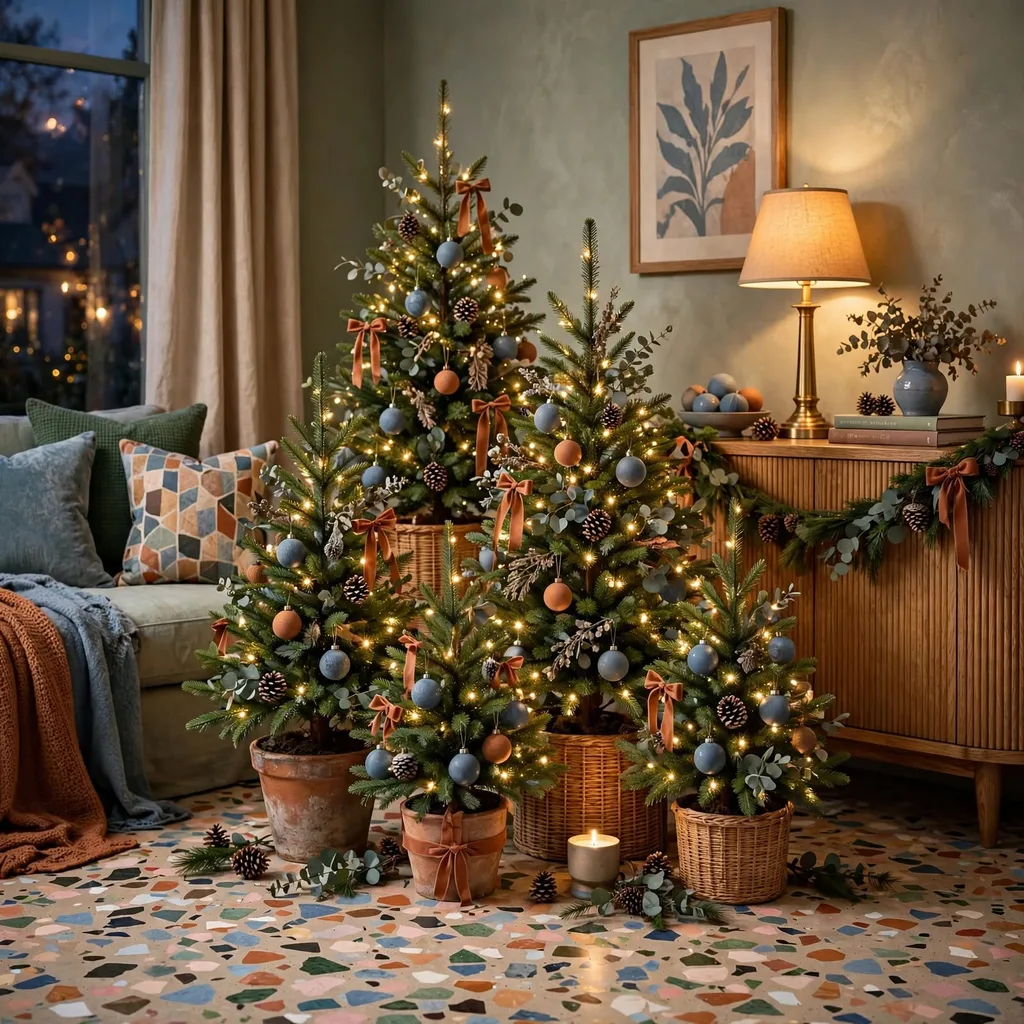
Displaying several smaller trees throughout a home, rather than concentrating all Christmas tree decorating into one large, central tree, allows different rooms to each have their own dedicated seasonal presence while potentially reducing the cost and effort required for any single very large tree. This approach works particularly well for a larger home with multiple gathering spaces, or for a household that enjoys giving each room, a kitchen, a home office, a bedroom, its own smaller decorated tree. Coordinating a consistent color scheme across these multiple smaller trees ties them together as part of one cohesive whole-home decorating scheme.
Shop the Look
For a classic, elevated result, start with a full-profile tree, layer warm white lights from the inner branches outward, and choose ornaments in a single coordinated color family with varied finishes. For a small space, consider a tabletop or wall-mounted tree using the same layering and color-coordination techniques at a smaller scale. Finish any tree with a proportionally sized topper and a considered base treatment, both frequently underdecorated relative to the branches themselves.
Common Mistake to Avoid
A common mistake in Christmas tree decorating is treating ornament placement as the only meaningful styling decision, while overlooking the tree’s lighting density, topper scale, and base treatment, three details that significantly affect the tree’s overall polish but are frequently addressed as an afterthought. A tree with beautifully chosen ornaments but sparse, exterior-only lighting or an undersized topper will still read as less considered than one where every visible element received equal attention. Addressing lighting, topper, and base with the same intentionality applied to ornament selection produces a noticeably more elevated final result.
FAQs
How many lights does a Christmas tree actually need?
A general guideline suggests roughly 100 mini lights per vertical foot of tree height, meaning a standard 7-foot tree benefits from around 700 lights for adequate, full coverage rather than a sparse, underlit appearance. Layering these lights from the inner branches outward, rather than only wrapping the exterior surface, achieves a fuller look even with the same total light count compared to exterior-only wrapping. Households wanting a particularly dramatic, densely lit tree can increase this ratio further, though the standard guideline produces a solid, professional-looking result for most trees.
What’s the best way to choose a cohesive ornament color scheme?
Selecting one to three colors from the same family, and varying finish and texture, matte, glossy, glitter, fabric, rather than color, within that scheme generally produces the most cohesive result without feeling flat or repetitive. Pulling this color scheme from an existing element in the home, a rug, a piece of art, or the broader holiday decor palette used throughout the house, ties the tree into the home’s overall Christmas decorating rather than treating it as an isolated decision. Building this ornament collection gradually over a few seasons, rather than purchasing everything at once, also allows the scheme to develop more organically and affordably over time.
What alternative tree options work best for small apartments?
A tabletop tree, typically 2 to 4 feet tall, or a wall-mounted flat tree design both provide a genuine Christmas tree experience within a small apartment’s limited floor space, without requiring the full footprint a traditional tree demands. Both formats still allow for meaningful decorating, layered lighting, a coordinated ornament scheme, just applied at a smaller scale or flatter profile than a standard tree. Choosing whichever format best suits the specific available space, a tabletop for a surface with room to spare or a wall-mounted design for a space with limited floor and surface area alike, helps identify the right solution.
How do I keep pets or young children safe around a Christmas tree?
An upside-down tree design, with branches widening as they extend downward from a ceiling-mounted or reinforced base, keeps ornaments positioned higher and generally out of easy reach for pets and young children, though this format requires more specialized setup than a traditional tree. For a traditional tree, positioning fragile or small ornaments higher on the branches, away from a young child’s or pet’s easy reach, and securing the tree stand firmly reduce common safety concerns. Avoiding tinsel and small, easily swallowed decorative elements near the tree’s lower branches also addresses a specific safety consideration relevant to households with pets or young children.
Should I choose a real or artificial Christmas tree?
The choice between a real and artificial Christmas tree comes down to personal preference, budget, and practical considerations like allergies or storage space, rather than one option being definitively better suited to any particular styling approach, since most of the decorating techniques covered here work equally well with either tree type. A real tree offers genuine scent and a different, often fuller natural branch structure, while an artificial tree provides consistency, reusability across multiple seasons, and options like pre-lit or flocked designs not available with a real tree. Both options can achieve an equally polished, well-styled final result when the same lighting, color, and finishing techniques are applied thoughtfully.
Conclusion
A genuinely well-styled Christmas tree comes down to a handful of specific techniques, layered lighting, a coordinated color scheme, and attention to often-overlooked details like the topper and base, rather than any single expensive tree or ornament purchase. Save this guide to Pinterest for reference while planning this year’s tree, and check out our related post on Christmas decor ideas for more ways to extend this styling throughout the rest of the home.