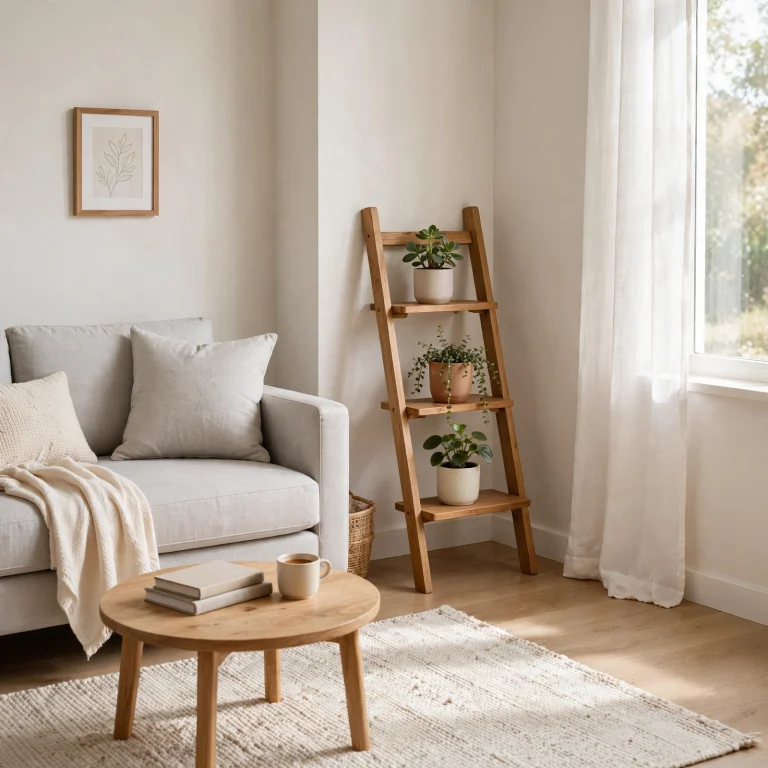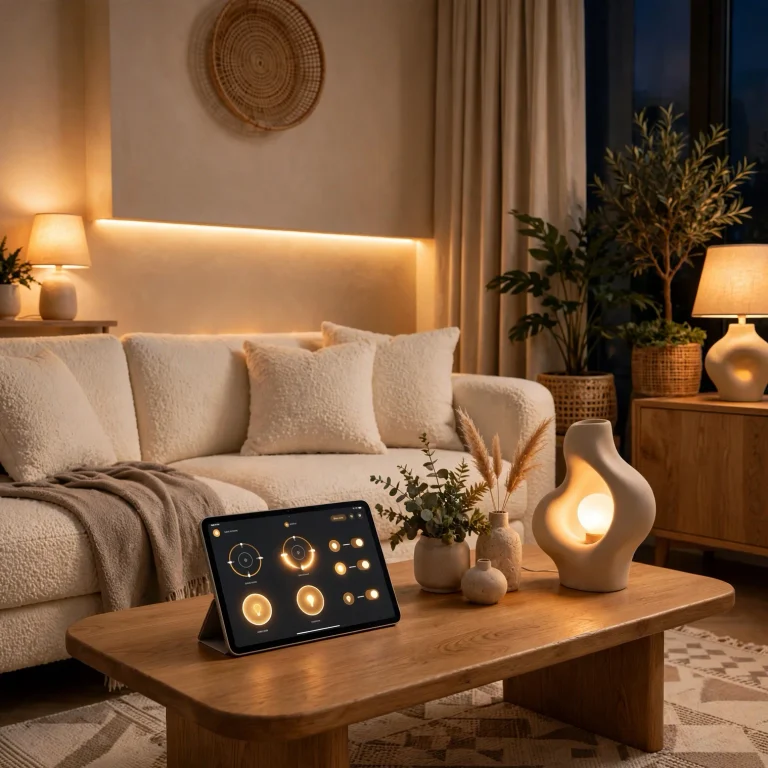
15 Sophisticated Living Room Inspiration Ideas to Steal This Season
Scrolling through endless living room inspiration boards often leaves more questions than answers, since not every trending image translates into a room that actually works day to day. This guide pulls fifteen ideas that hold up beyond a single photo pieces and combinations that read as intentional, comfortable, and easy to source. Whether the goal is a full redesign or a handful of small updates, each idea here comes with the material and sizing details needed to bring it home.
Trend & Background
Living room inspiration has shifted away from the matched, single-brand furniture sets that were common a decade ago, replaced by a more collected approach that mixes vintage finds with new pieces. This shift reflects both a renewed interest in sustainability and a desire for rooms that feel personal rather than showroom-staged. Color palettes have also warmed considerably, moving from cool grays toward earthy tones like clay, olive, and walnut brown, which photograph well and age gracefully compared to trend-driven accent colors.
Key Takeaways
- Living room inspiration this season leans on mixed materials, personal collections, and warm color layering rather than matched showroom sets.
- Sourcing pieces from different eras vintage, handmade, and new creates a more collected, lived-in look than buying a single furniture set.
- Small styling moves like a gallery wall or a statement mirror can shift a room’s entire feel without a full furniture overhaul.
- Seasonal refreshes through textiles and accessories let a living room evolve without replacing major furniture pieces.
1. Statement Mirror Wall
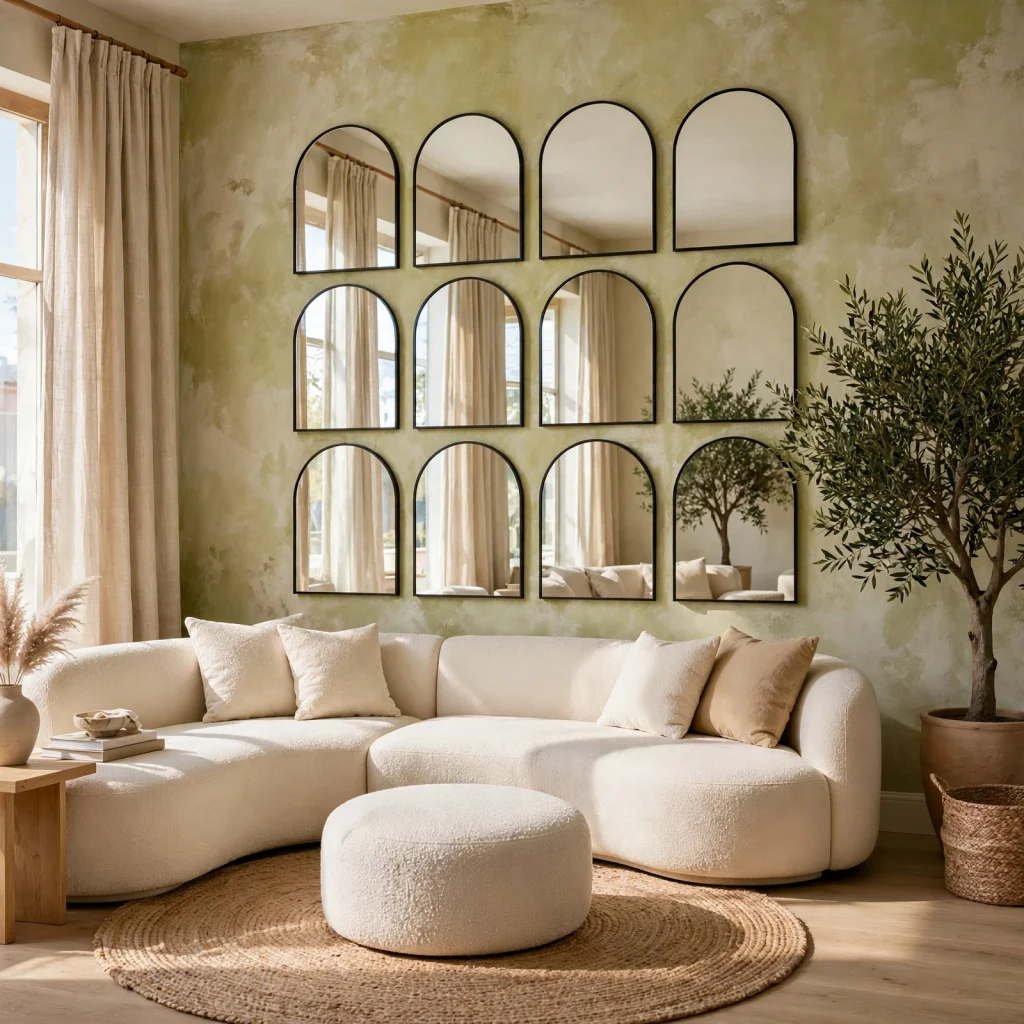
A large statement mirror placed opposite a window bounces natural light deeper into a living room while doubling as a piece of art on an otherwise plain wall. An arched or organic-shaped frame in brass or walnut softens the geometry of a room dominated by straight furniture lines. Size the mirror to roughly two-thirds the width of the console or sofa beneath it, and hang the bottom edge no more than a few inches above the furniture to keep the proportions balanced.
2. Mixed-Era Furniture Pairing
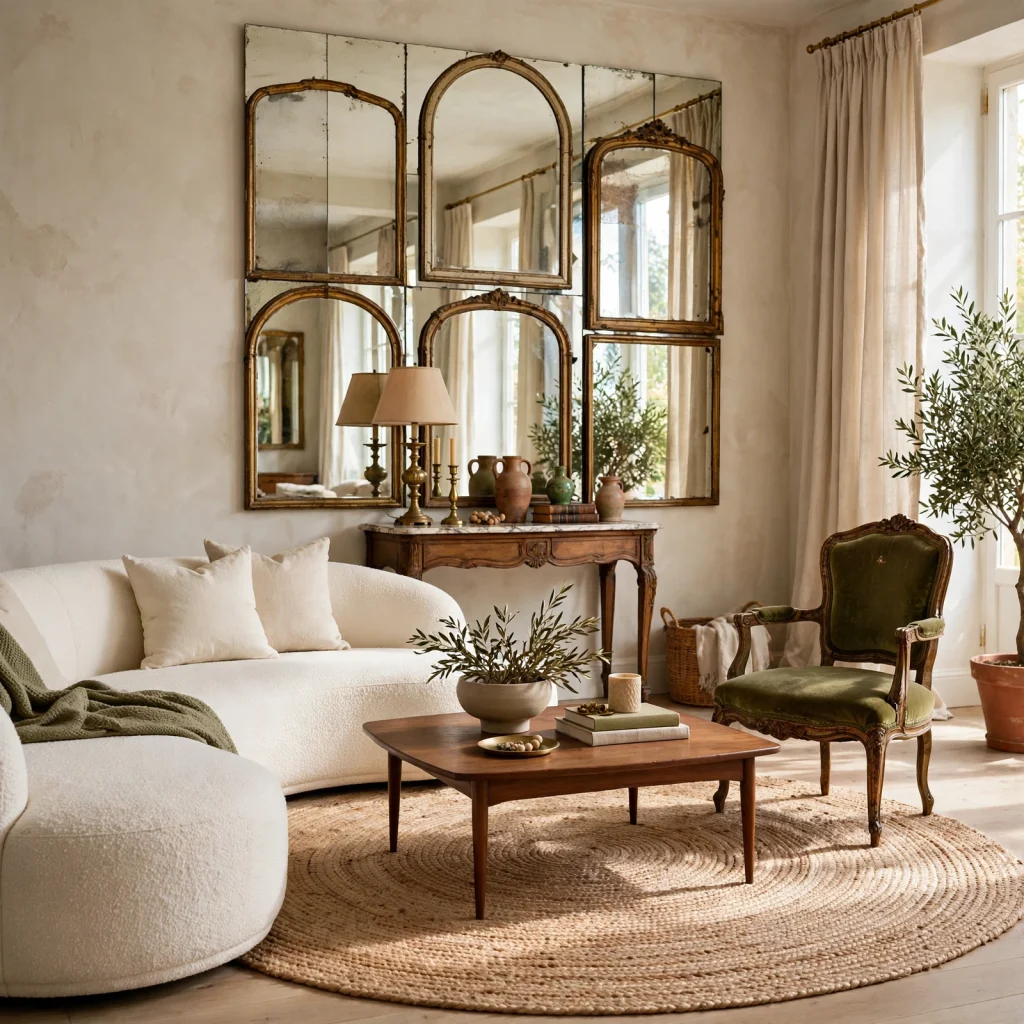
Pairing a vintage piece, like a mid-century credenza or an antique armchair, with newer upholstered seating gives a living room the collected feel that current inspiration boards favor over matched sets. The key is repeating one material or tone across both eras, such as a walnut wood finish, so the pieces read as intentional rather than accidental. Thrifted or estate-sale finds work well here, since a single imperfect piece often adds more character than an entire new furniture set.
3. Layered Neutral Palette
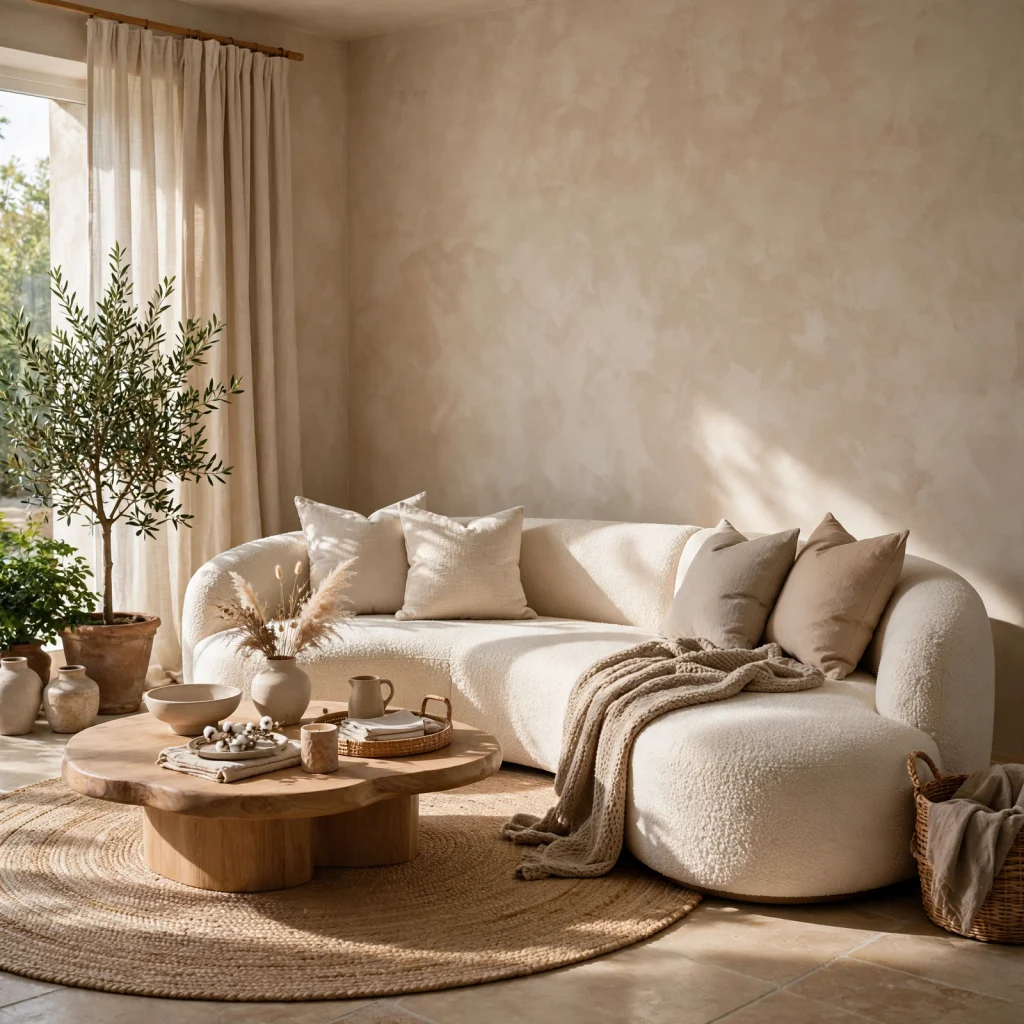
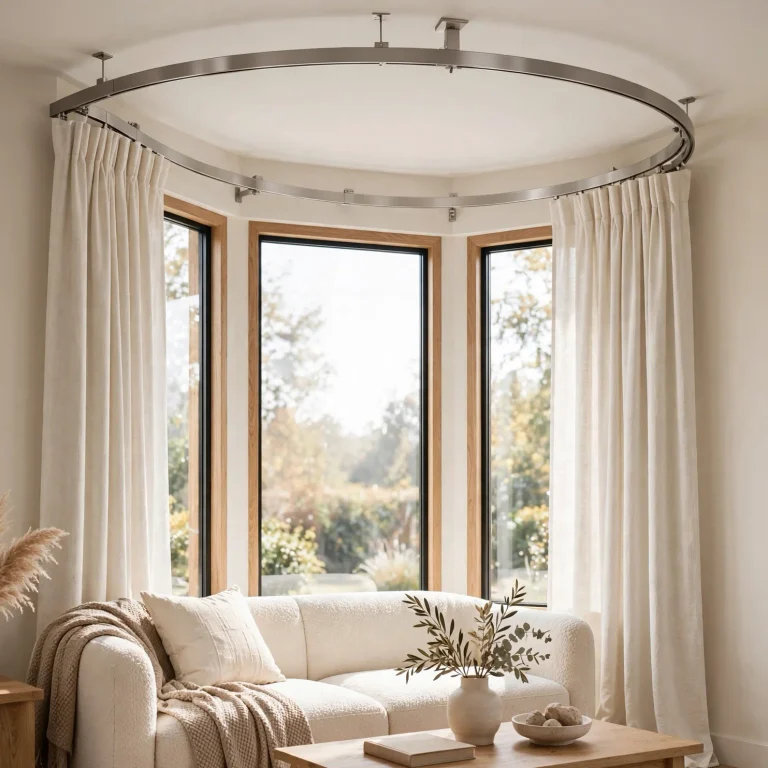
A layered neutral palette builds a living room around several shades of the same color family, such as cream, oatmeal, and taupe, rather than relying on a single wall color for contrast. This approach uses texture, not hue, to create visual interest, layering boucle, linen, and wool across the sofa, rug, and curtains. A single deeper accent, like a walnut coffee table or bronze light fixture, keeps the palette from feeling flat or one-note.
| Element | Shade Range | Material |
| Sofa | Oatmeal | Boucle |
| Rug | Taupe | Wool |
| Curtains | Cream | Linen |
4. Handmade Ceramic Vases
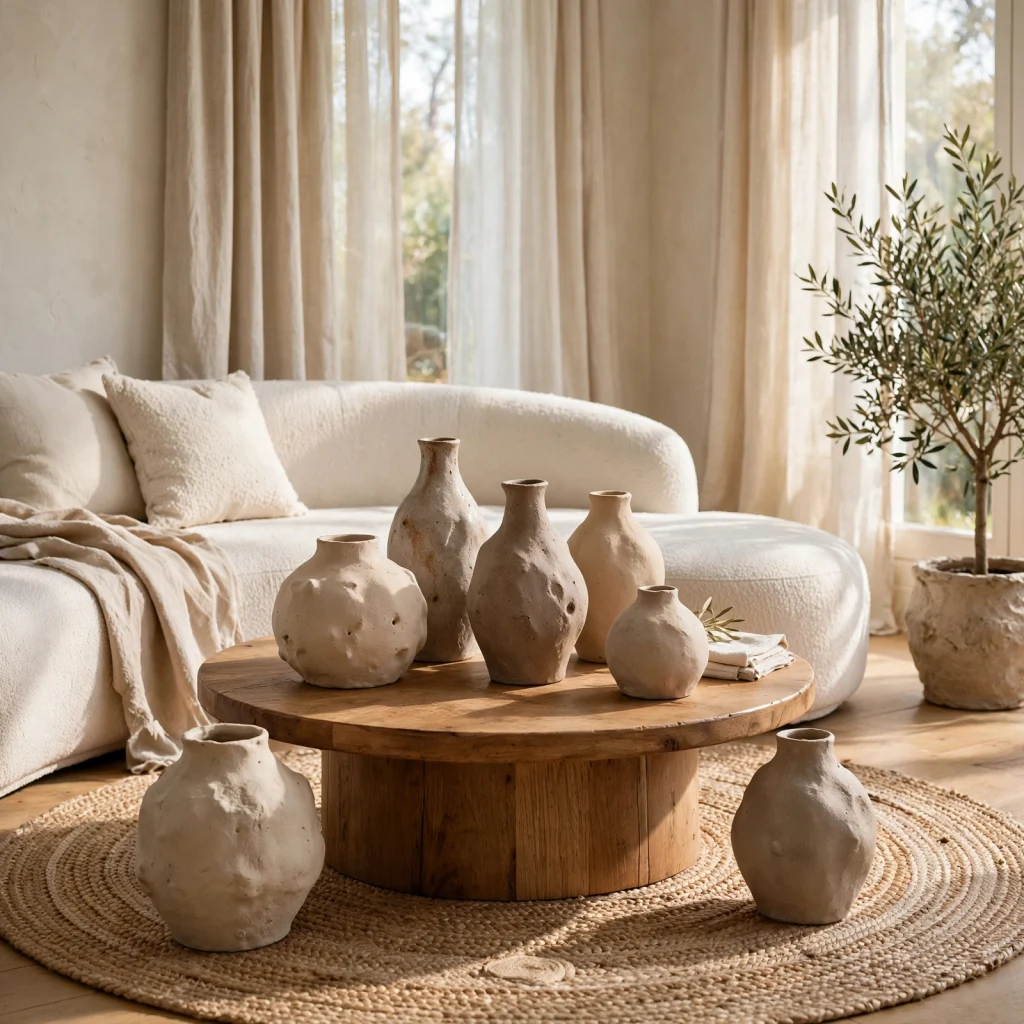
A cluster of handmade ceramic vases in varying heights and glazes adds an artisanal touch to a coffee table or shelf that mass-produced decor rarely matches. Grouping three vases in odd numbers, with at least one holding dried pampas grass or eucalyptus, creates natural asymmetry without looking staged. Sourcing from local makers or small studios rather than big-box retailers also supports the handmade, collected aesthetic that current living room inspiration favors.
5. Arched Doorway Framing
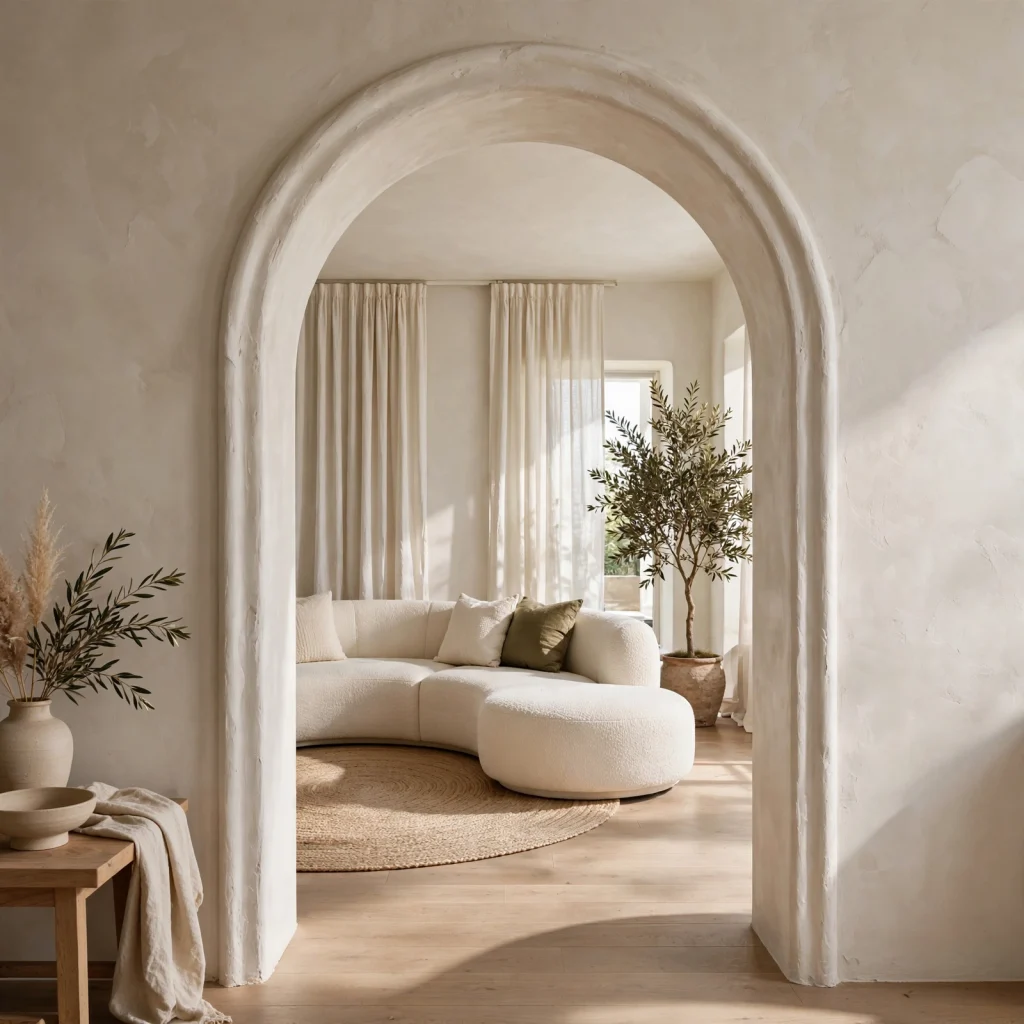
An arched doorway or built-in nook, whether original to the home or added through simple drywall framing, softens the boxy feel that most living rooms default to. This detail works especially well when it frames a view into a dining area or hallway, acting as a subtle divider between zones without a full wall. Painting the arch’s interior in a deeper accent tone than the surrounding walls adds definition without requiring any additional furniture or decor.
6. Vintage Brass Floor Lamp
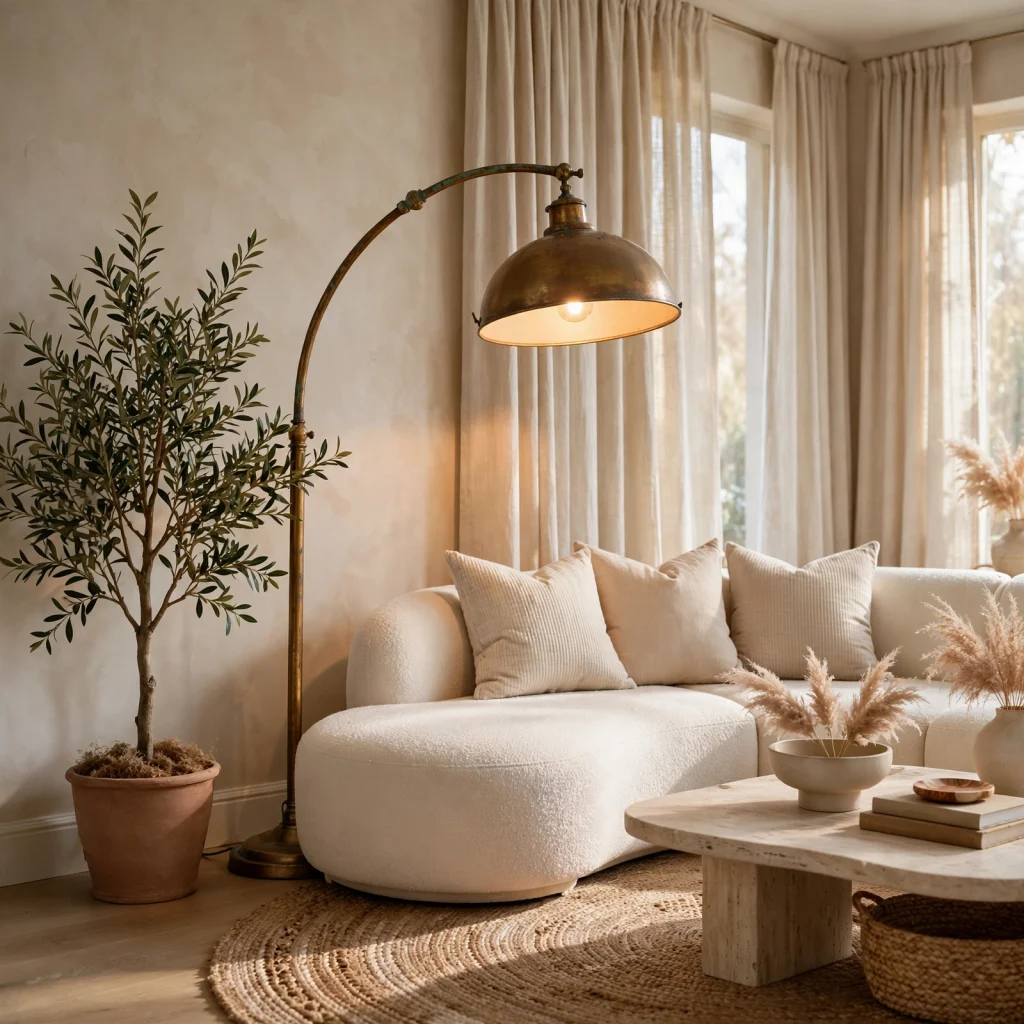
A vintage brass floor lamp brings warmth and a soft patina that new fixtures often lack, especially when paired with a linen or pleated fabric shade. Placed beside a reading chair or in an empty corner, it adds both function and a layer of visual interest at a height that pendant or table lighting can’t reach. Look for arc or tripod-style bases from estate sales or vintage resale sites, since these styles have remained consistent in availability and price for several years.
7. Olive and Clay Color Pairing
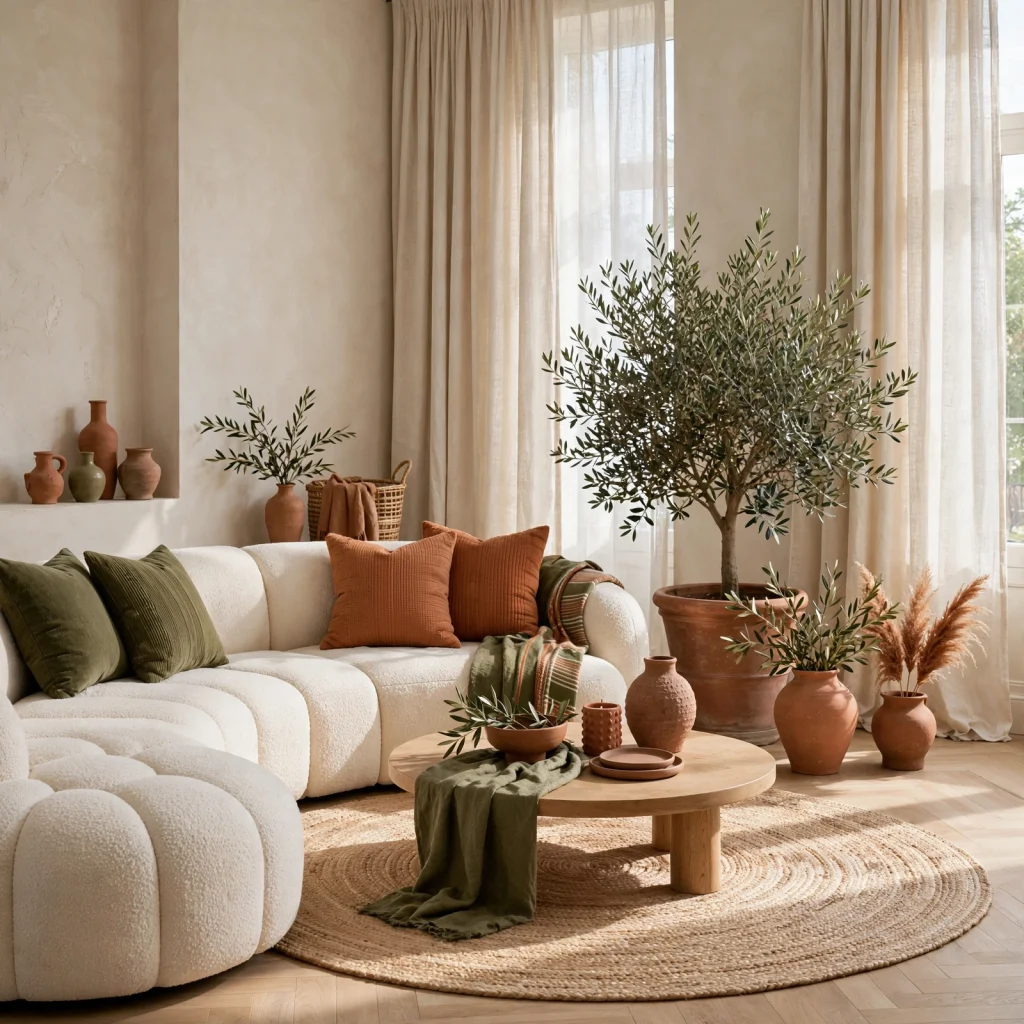
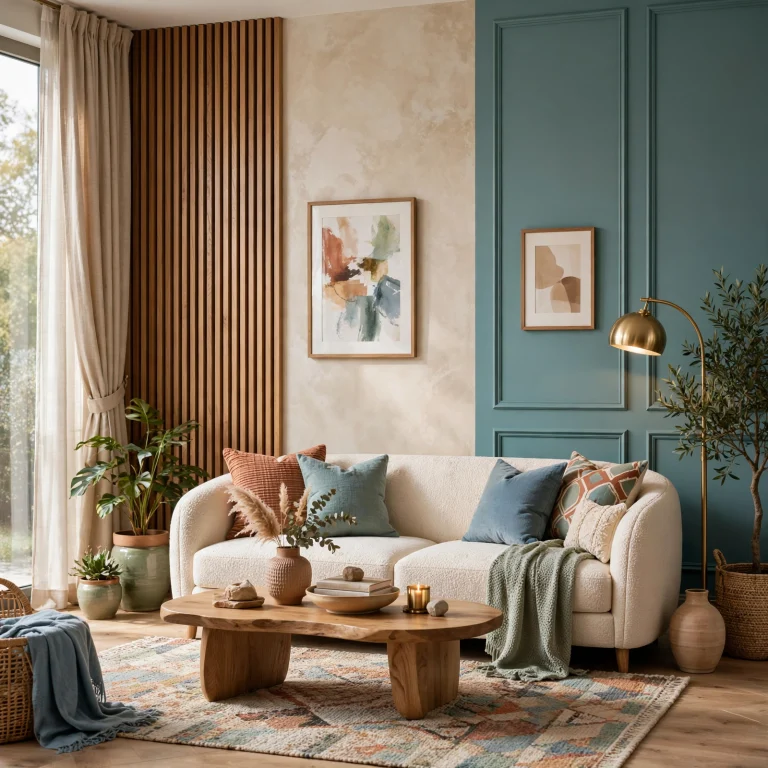
Olive green and clay orange have become one of the most referenced color pairings in current living room inspiration, offering warmth without the starkness of a black-and-white palette. Use olive on a larger surface like an accent wall or sofa, and reserve clay for smaller accents such as throw pillows or a ceramic lamp base, so the pairing doesn’t compete for attention. Both tones pair naturally with walnut wood and brass hardware, which ties the rest of the room together.
Discover living room ideas that combine clean lines, simple furniture, and clutter-free decorating.
8. Sculptural Coffee Table
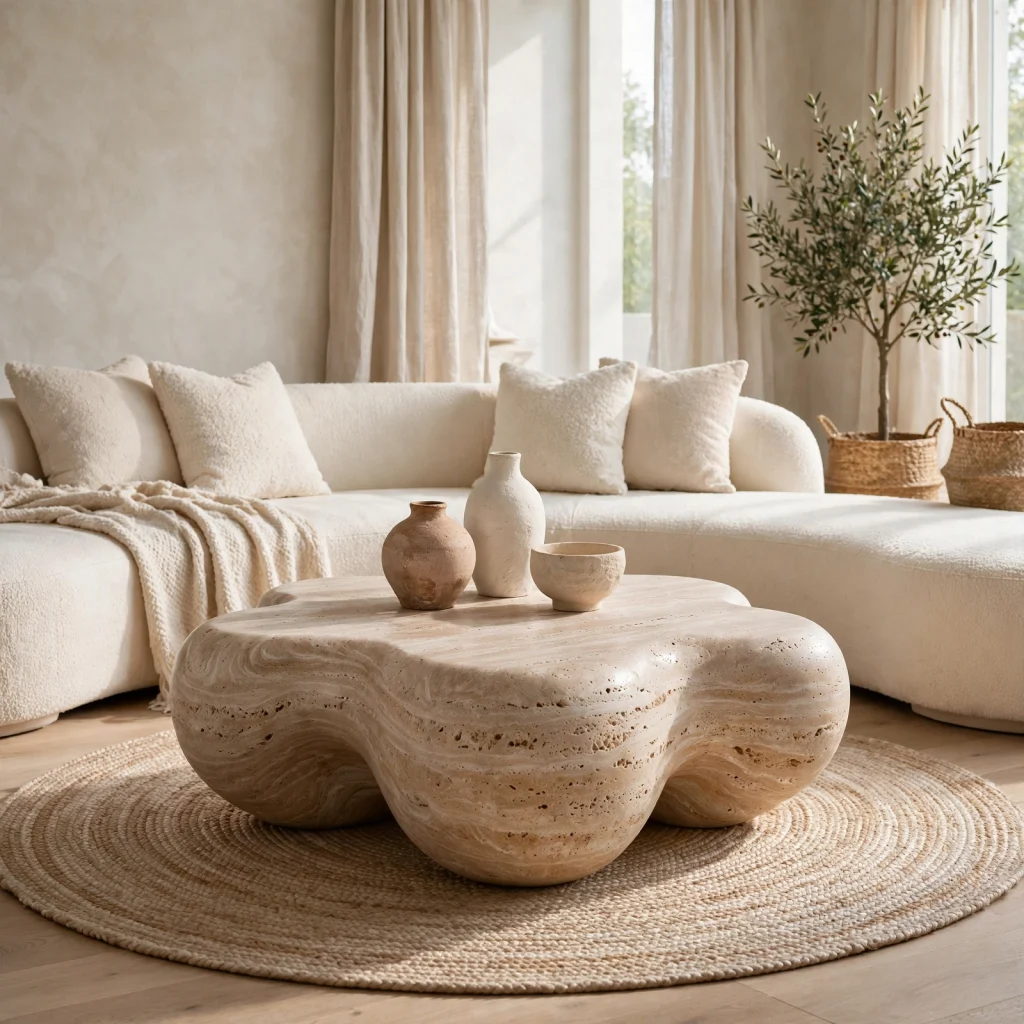
A sculptural coffee table, whether a organic freeform shape or a geometric stone base, acts as a functional art piece at the center of a living room’s seating arrangement. Travertine, marble, and hand-carved wood are the most common materials for this style, and a single sculptural piece often works better as the room’s one bold statement rather than competing with an equally bold sofa or rug. Keep the surrounding furniture simpler in shape to let the table’s form stand out.
9. Personal Book Collection Display
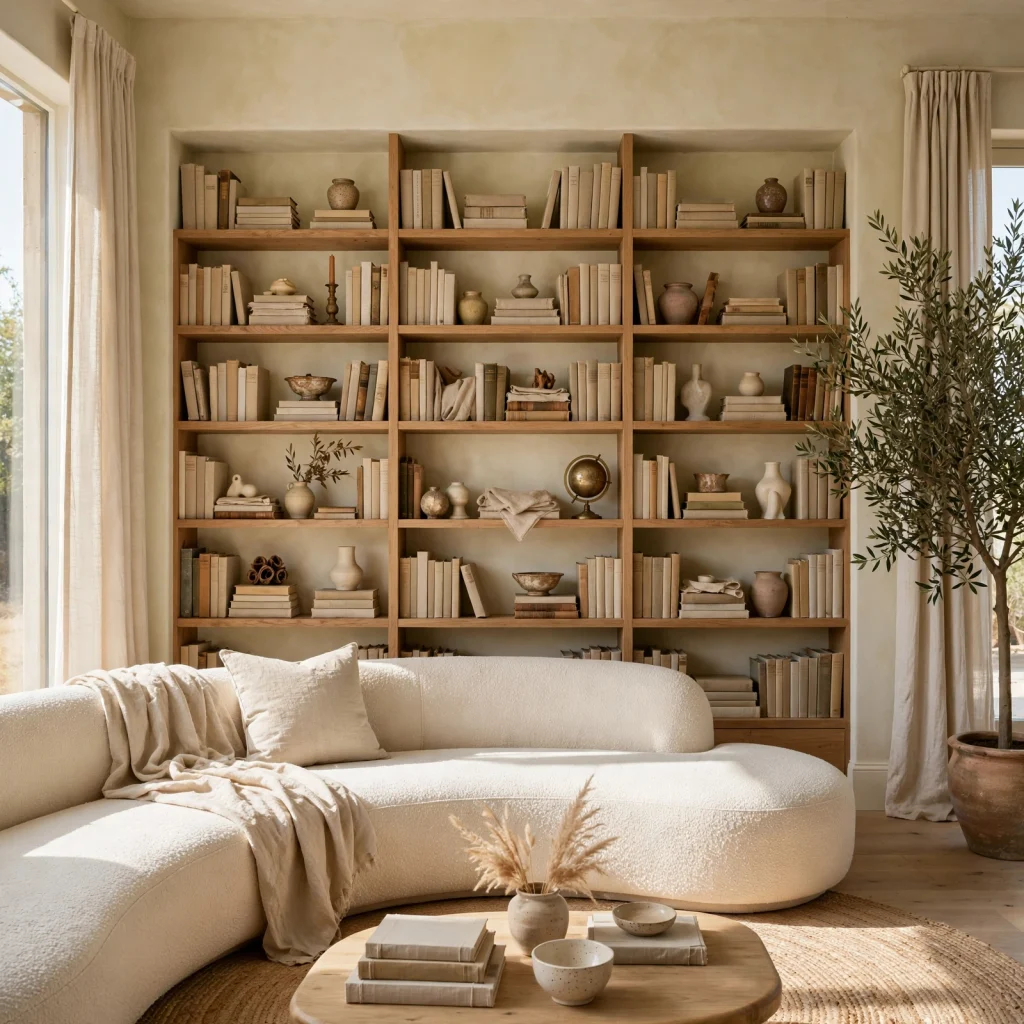
Displaying a personal book collection, spines facing out and grouped loosely by color or subject, gives a living room a layer of authenticity that purchased decor can’t replicate. Mixing hardcovers of varying heights on an open shelf or stacked horizontally on a coffee table creates natural texture, especially when paired with one or two small objects like a paperweight or small sculpture. This idea costs nothing beyond what’s already owned, making it one of the most accessible ways to add personality.
10. Woven Wall Hanging
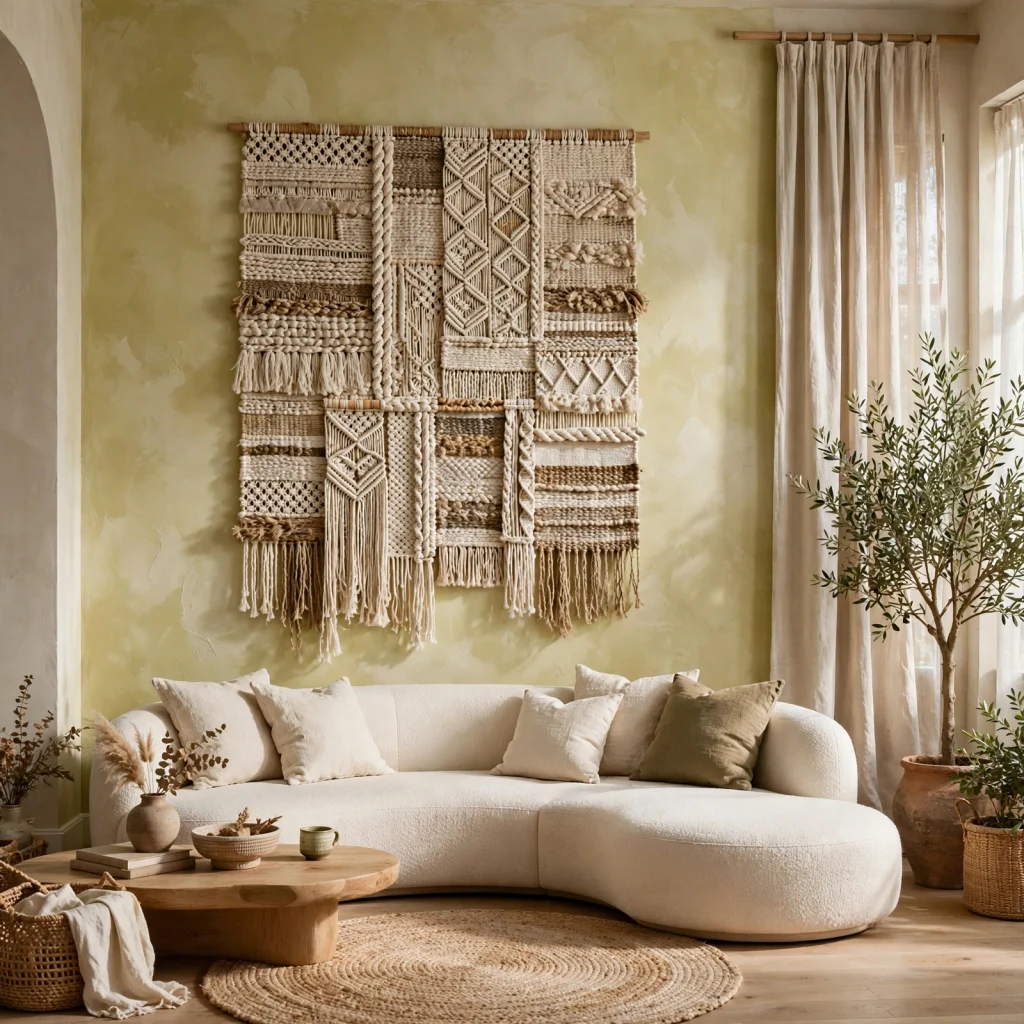
A woven wall hanging, whether a macrame piece or a textural fiber-art panel, adds warmth and handmade texture to a blank wall without the commitment of paint or wallpaper. Natural fibers like jute or cotton in cream and rust tones pair well with rattan or wood furniture already in the room, reinforcing the same organic material story. This idea works especially well above a sofa in rooms where a gallery wall or large art piece would feel too formal.
11. Seasonal Textile Swap
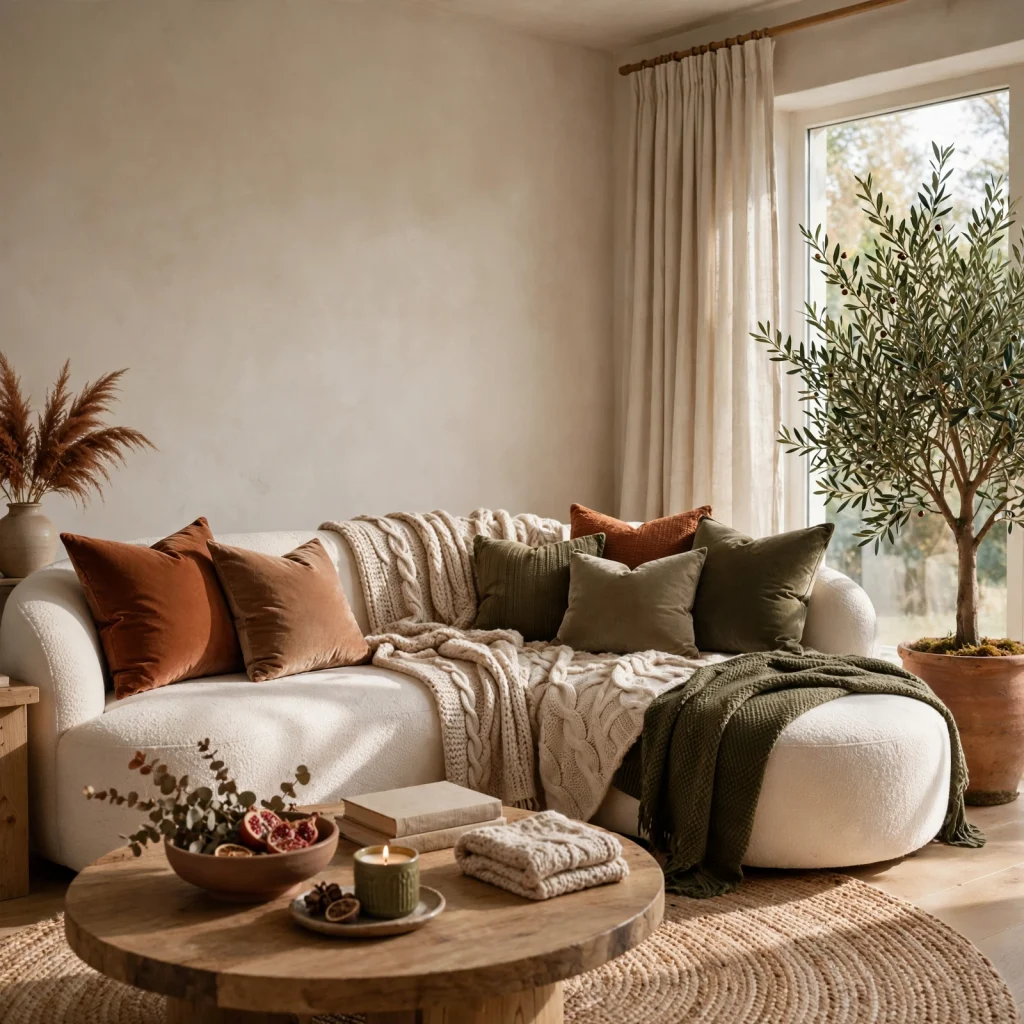
Swapping throw pillow covers, a blanket, and a table runner with the seasons is one of the lowest-cost ways to keep a living room feeling current without replacing furniture. Heavier textures like wool and corduroy suit cooler months, while linen and lightweight cotton work better for warmer seasons, all while keeping the same base color palette for consistency. Storing off-season textiles in a labeled bin keeps the rotation simple and prevents impulse purchases each time the season changes.
12. Antique Rug Layering
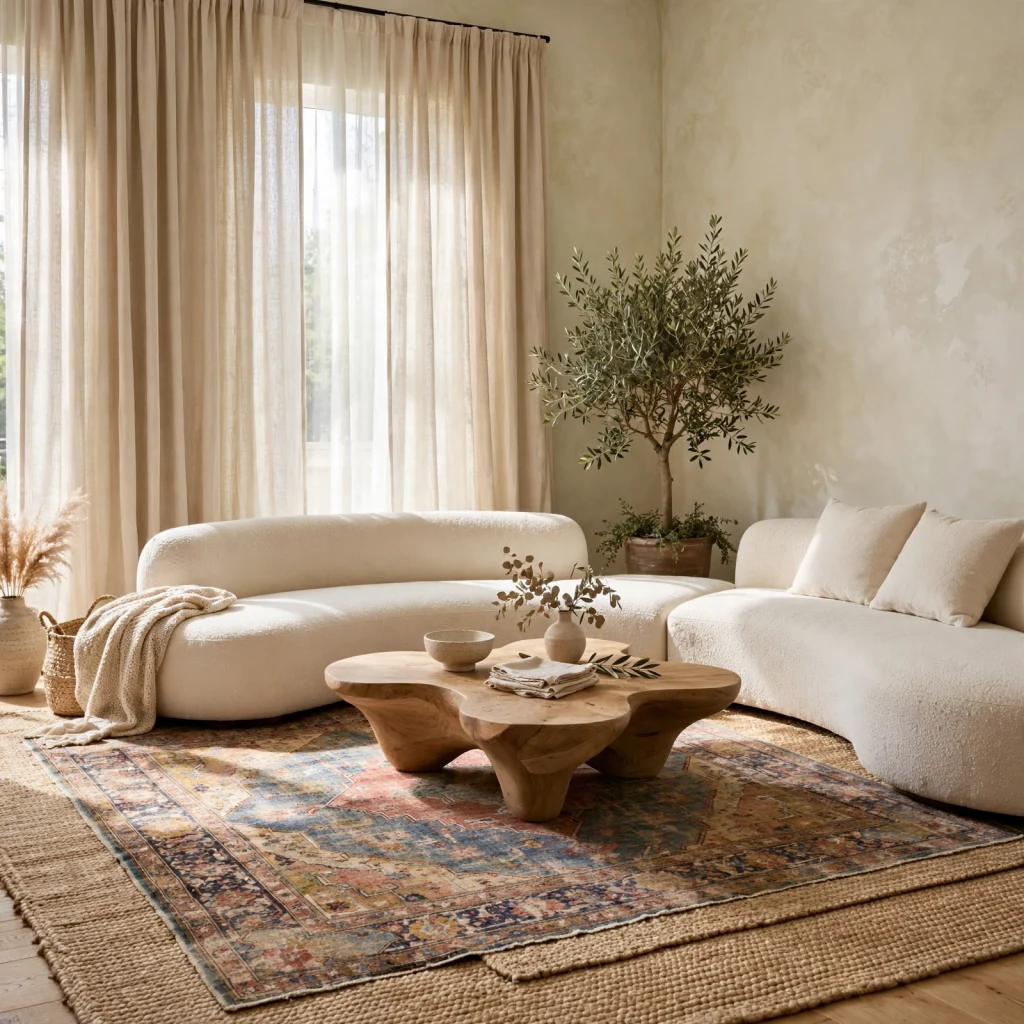
Layering a small antique or vintage-style rug over a larger jute or sisal base rug is a favorite technique in current living room inspiration for adding pattern without overwhelming the room. The worn, faded quality of an antique rug reads as more collected than a brand-new patterned rug, especially in rust, indigo, or faded rose tones. Position the smaller rug slightly off-center under the coffee table rather than perfectly centered for a more natural, unstudied look.
13. Open Shelving Vignette
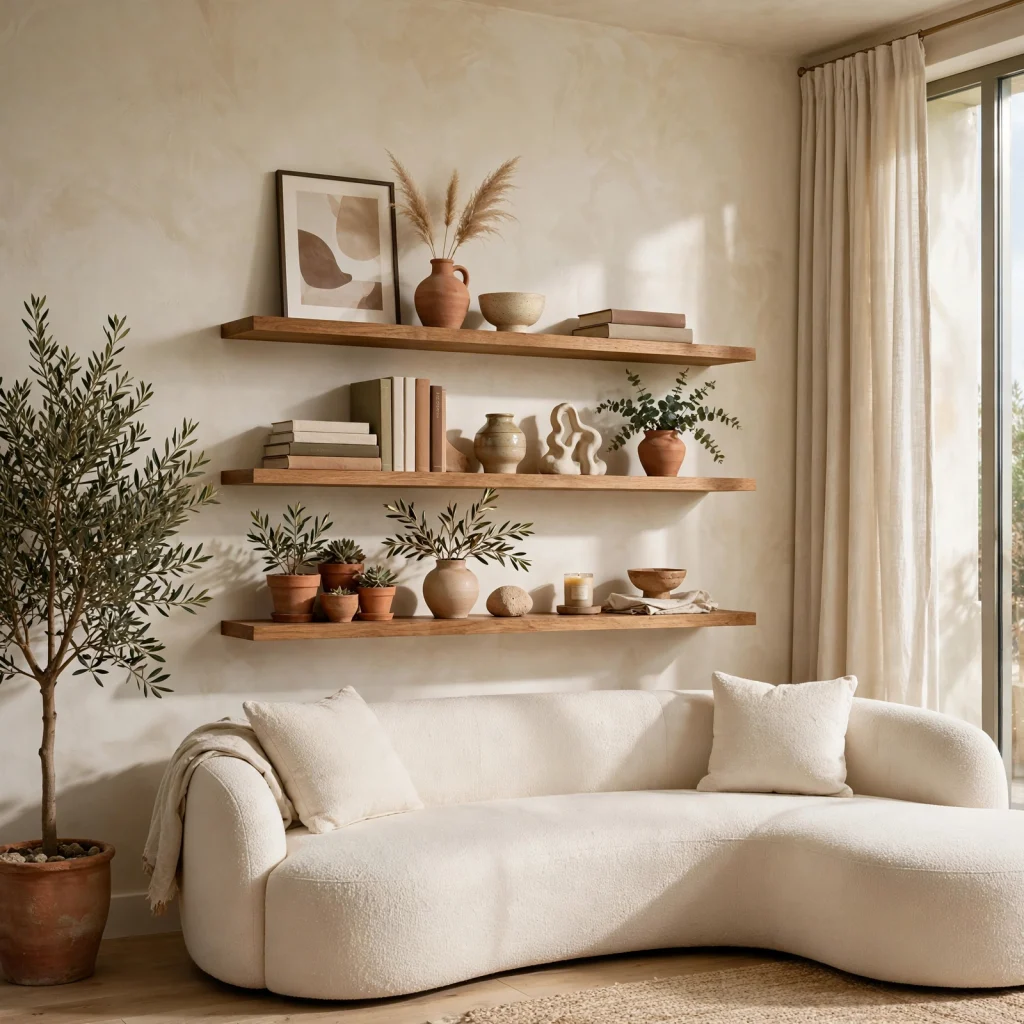
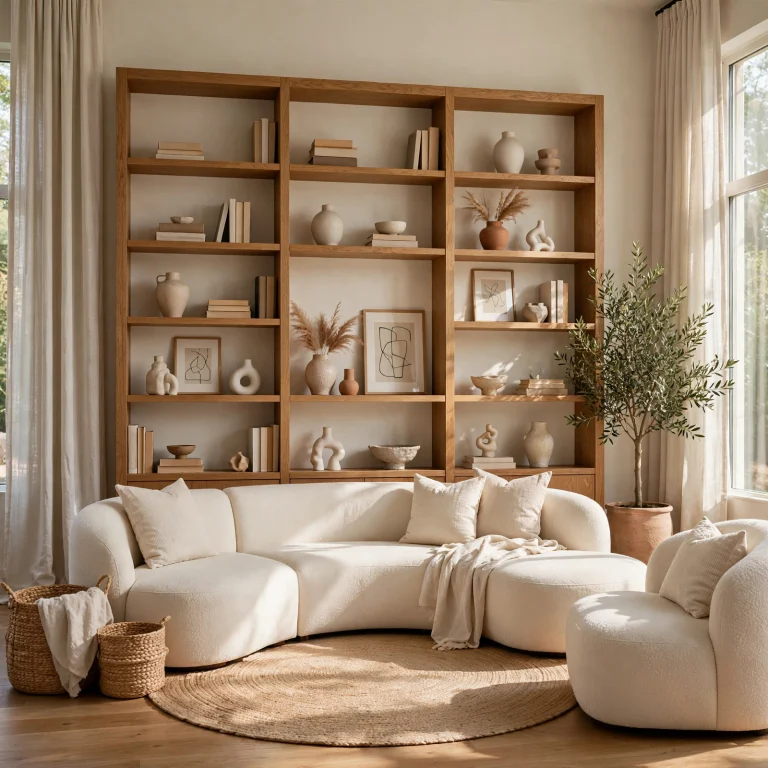
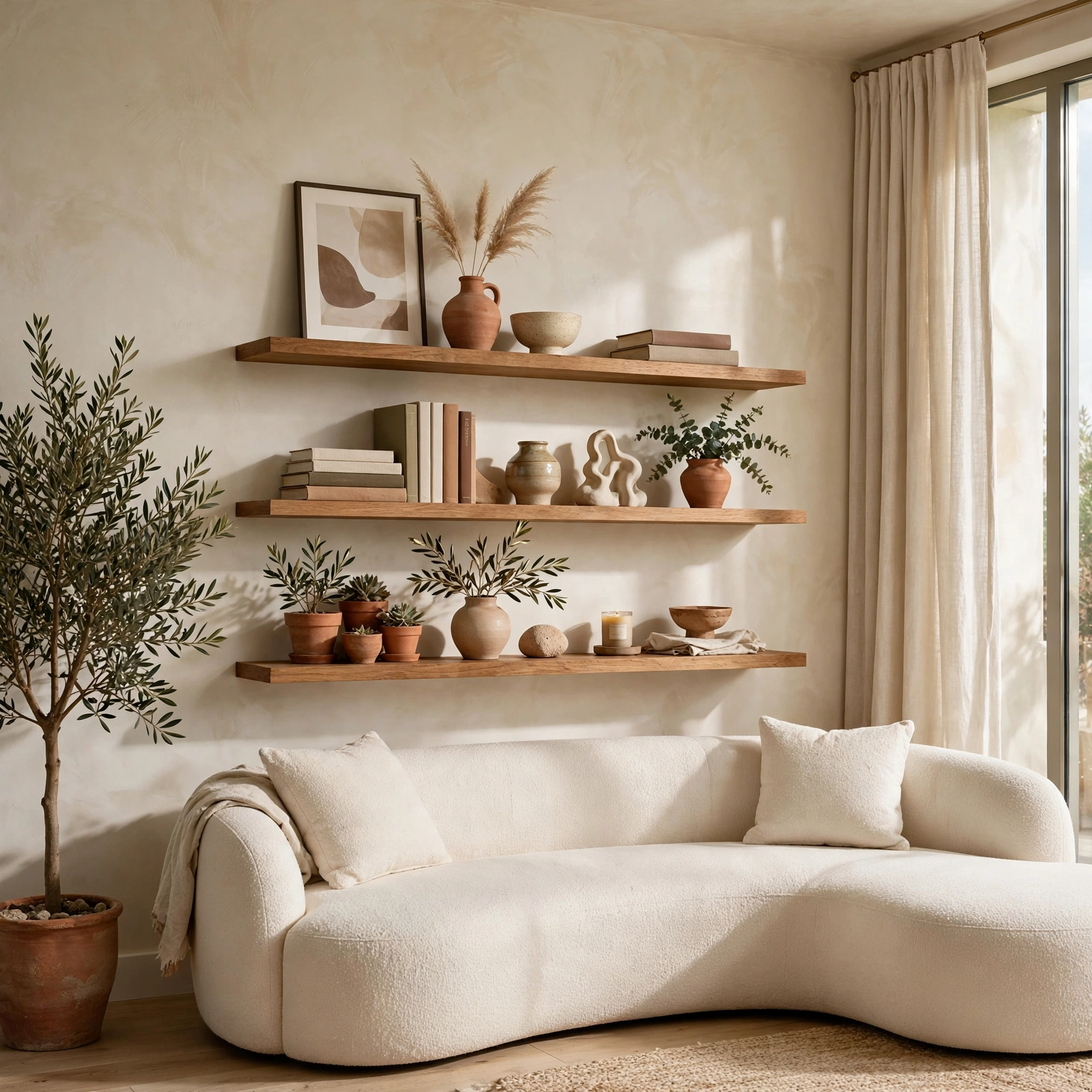
An open shelving vignette, styled with a mix of books, small plants, and one or two personal objects, turns a plain wall or alcove into a curated display without requiring built-in millwork. Grouping objects in threes and varying their height creates visual rhythm, while leaving roughly a third of the shelf empty prevents the arrangement from feeling cluttered. Oak or blackened steel brackets both work well depending on whether the room leans warmer or more industrial in its material palette.
14. Dried Botanical Arrangement
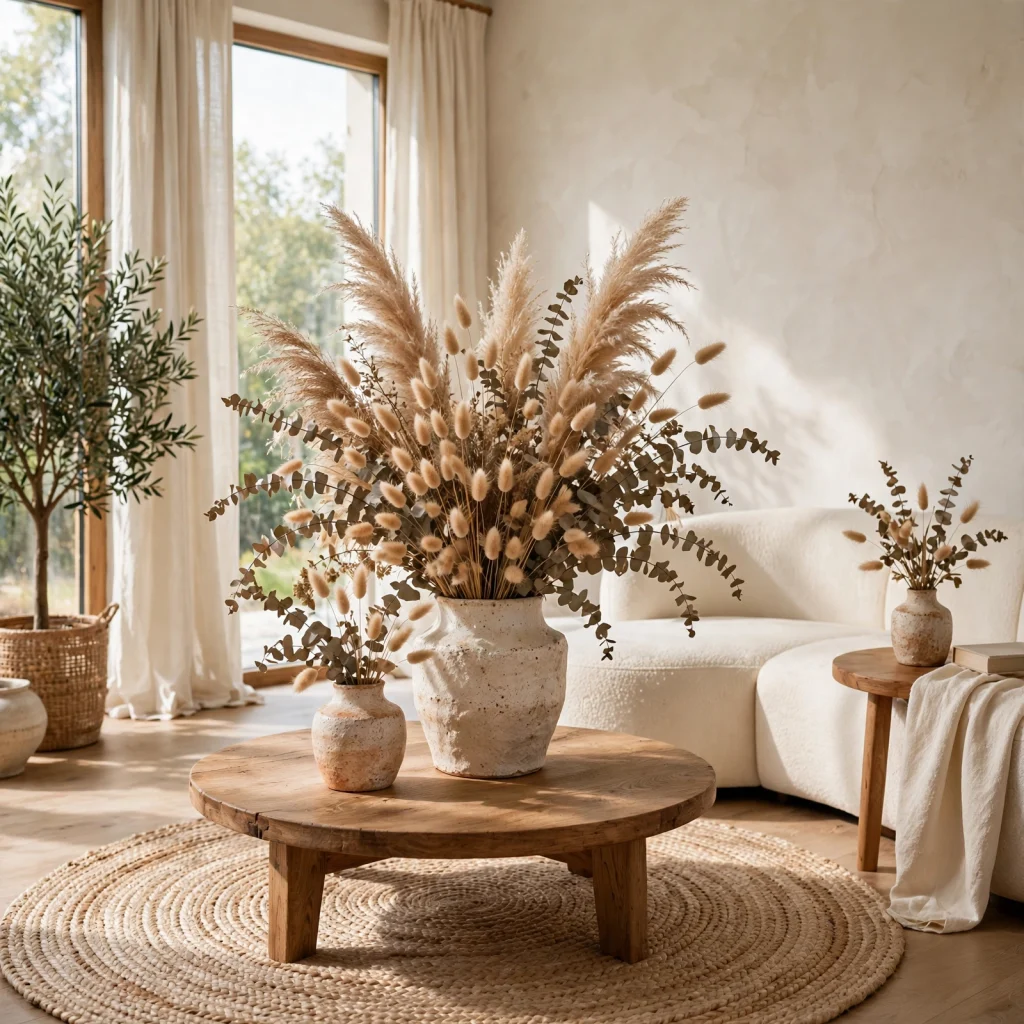
A dried botanical arrangement, such as pampas grass, bunny tails, or preserved eucalyptus in a ceramic or glass vessel, adds texture to a living room without the maintenance a living plant requires. Placed on a console table or in an empty floor corner, a tall arrangement can fill vertical space the way a small plant can’t. Neutral, sun-bleached tones tend to photograph and age better over time than dyed or brightly colored dried stems.
15. Curated Coffee Table Styling
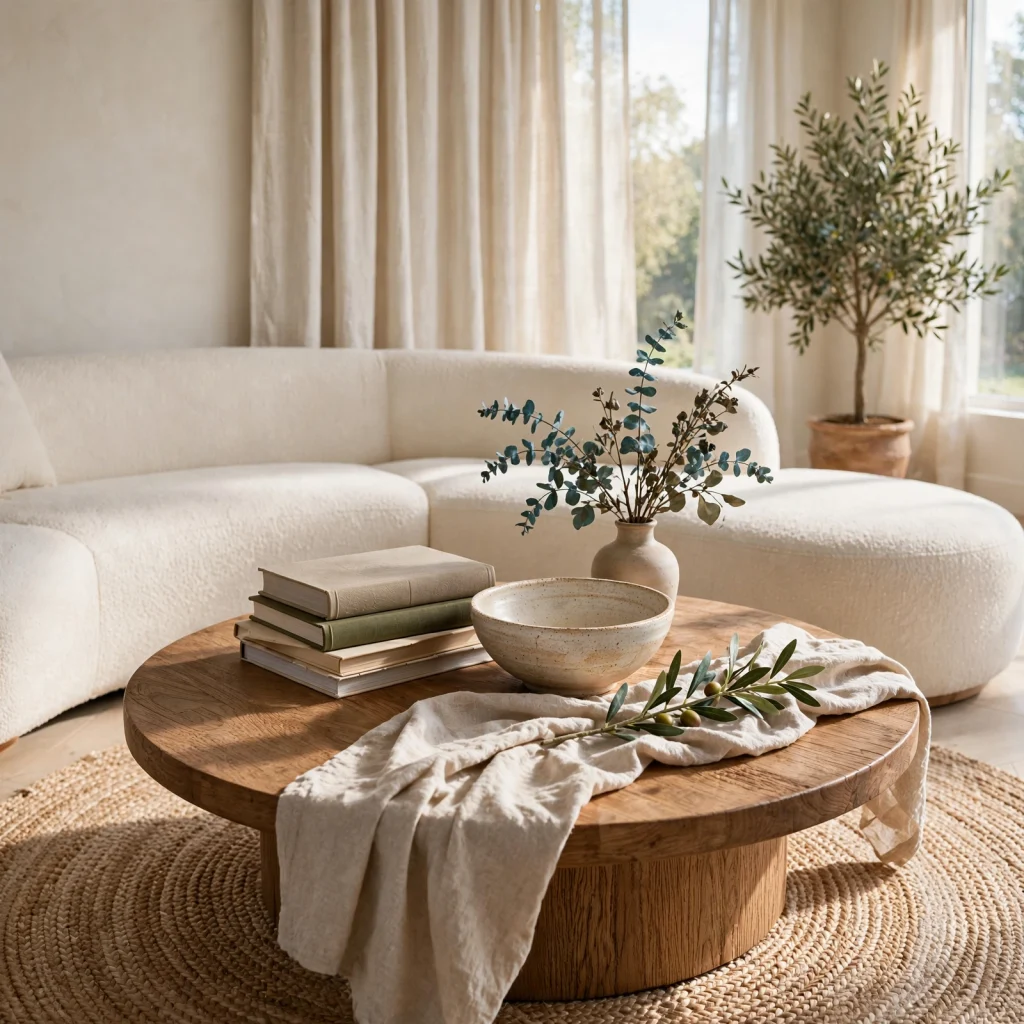
Curated coffee table styling arranges a small, intentional set of objects, typically a stack of books, a low tray, and one small decorative item, rather than leaving the surface empty or cluttered with everyday items. Layering the tray slightly off-center and topping the book stack with a small object like a stone or candle adds height variation without overcrowding the surface. This styling detail is one of the most photographed elements in current living room inspiration precisely because it’s simple to replicate.
Shop the Look
Start with an arched brass mirror, a walnut sculptural coffee table, and a vintage-style wool rug layered over a jute base. Add a mid-century vintage armchair paired with a new boucle sofa, a woven macrame wall hanging, and a cluster of handmade ceramic vases for the console table. Finish with a vintage brass tripod floor lamp and a mix of olive and clay throw pillows to complete the color story.
Common Mistake to Avoid
A common mistake when chasing living room inspiration from photos is buying every piece brand new from a single retailer, which often results in a room that looks staged rather than personal. Mixing in at least one or two vintage, thrifted, or handmade pieces breaks up the uniformity and adds the collected character that most inspiration images are actually showing. Slowing the process down and sourcing gradually usually produces a more original result than a single one-stop shopping trip.
FAQs
Where can I find good living room inspiration besides Pinterest?
Interior design magazines, real estate listing photos for higher-end homes, and design-focused Instagram accounts often provide more grounded, realistic inspiration than heavily edited Pinterest boards. Visiting furniture showrooms and vintage shops in person also helps translate a two-dimensional image into an understanding of scale, texture, and material quality. Following a handful of interior designers who share process photos, not just finished rooms, tends to give more actionable ideas as well.
How do I make my living room look more expensive?
Investing in a few higher-quality anchor pieces, such as a solid wood coffee table or a well-made sofa, tends to elevate a room more than spreading a budget evenly across many lower-cost items. Layered lighting, a properly sized rug, and symmetrical or intentional furniture placement also read as more polished regardless of the actual price paid for individual pieces. Removing visual clutter often has as much impact as any single purchase.
What makes a living room feel cozy instead of cold?
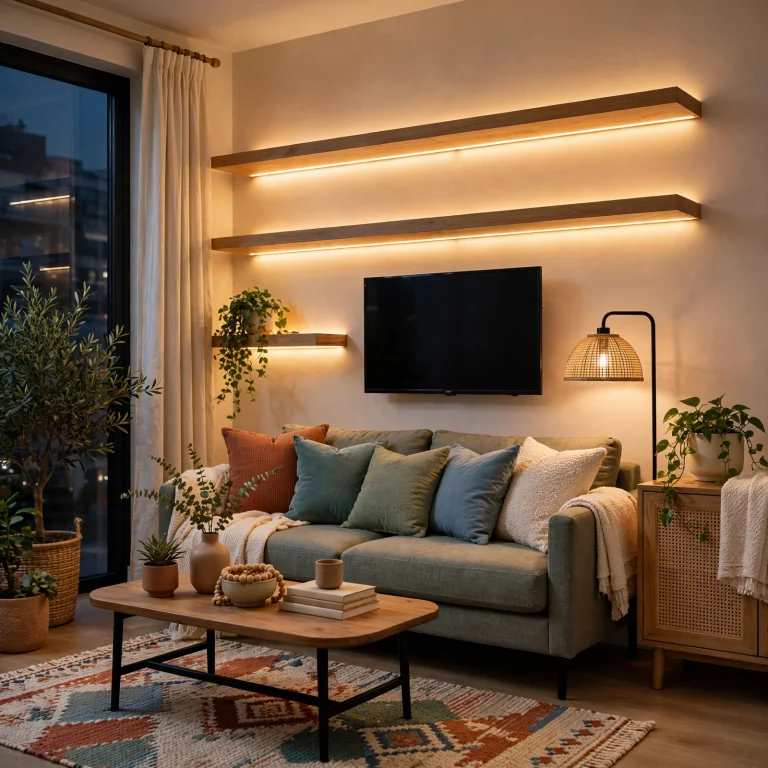
Warm lighting, layered textiles, and natural materials like wood and wool generally make a living room feel cozier than cool-toned, hard-surfaced spaces. Dimmable lamps rather than a single overhead light, along with a mix of throw blankets and pillows in varying textures, add both visual and physical warmth. Rugs also play a large role, since bare hard flooring in a seating area tends to feel colder even when the room’s temperature hasn’t changed.
How often should a living room be redecorated?
Most homeowners refresh smaller elements like textiles, art, and accessories every season or two, while major furniture pieces like sofas and rugs typically last five to ten years before needing replacement. A full redesign isn’t necessary to keep a room feeling current, since swapping pillow covers, rotating art, or repainting a single accent wall can meaningfully change a room’s feel without a large budget. Tracking wear on high-use pieces like sofa cushions is a better guide than a fixed timeline.
Is it okay to mix furniture styles in one living room?
Mixing furniture styles is not only acceptable but is one of the defining traits of current living room inspiration, as long as one consistent element, such as wood tone, color palette, or a repeated material, ties the pieces together. A mid-century chair, a modern sofa, and an antique side table can coexist successfully when that connective thread is present. Without it, a mixed-style room can start to feel more haphazard than intentionally collected.
Conclusion
The best living room inspiration isn’t about replicating a single photo exactly, but pulling ideas that fit the space and life already happening in the room. Save this guide to Pinterest for reference while planning your next update, and check out our related post on budget-friendly living room styling for more ways to bring these ideas to life without a full redesign.