15 Innovative Minimalist Living Room Ideas That Still Feel Warm
A minimalist living room is often mistaken for an empty one, but the most successful examples are carefully edited rather than sparse. This guide walks through fifteen ideas for building a room that feels calm and uncluttered without losing warmth or function, from low-profile furniture to hidden storage solutions. Each idea includes specific materials and proportions so the result reads as intentional rather than incomplete.
Trend & Background
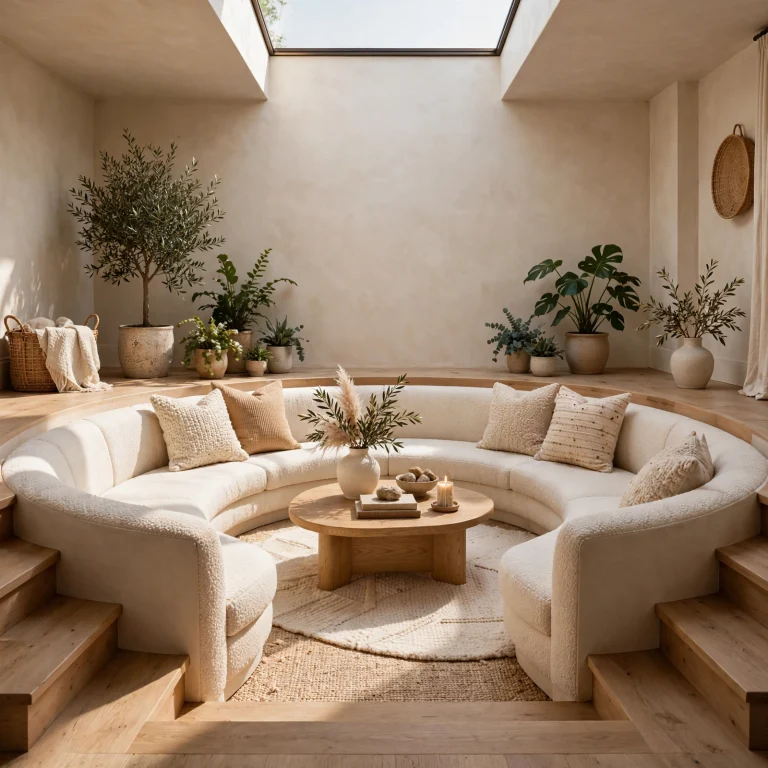
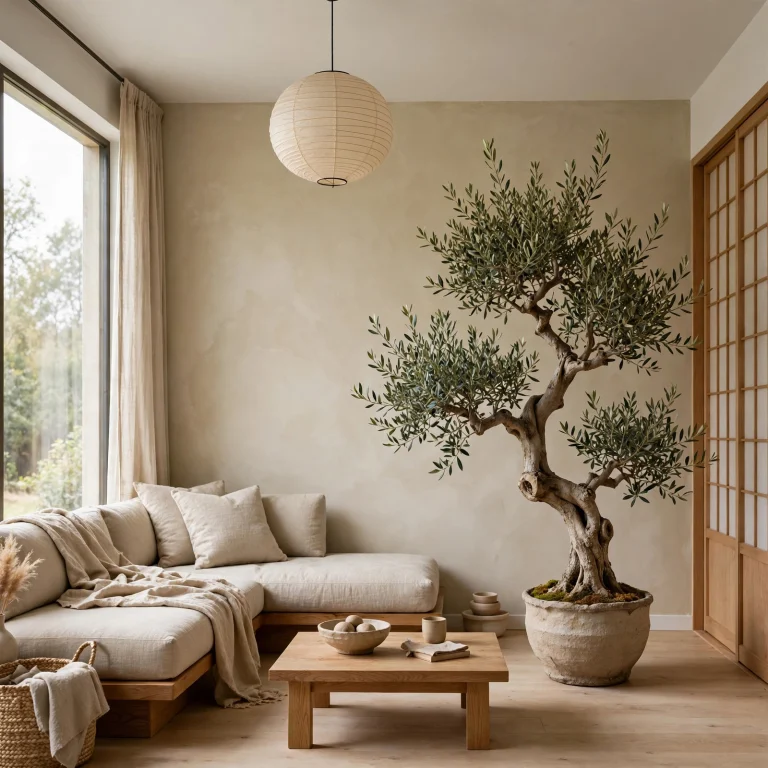
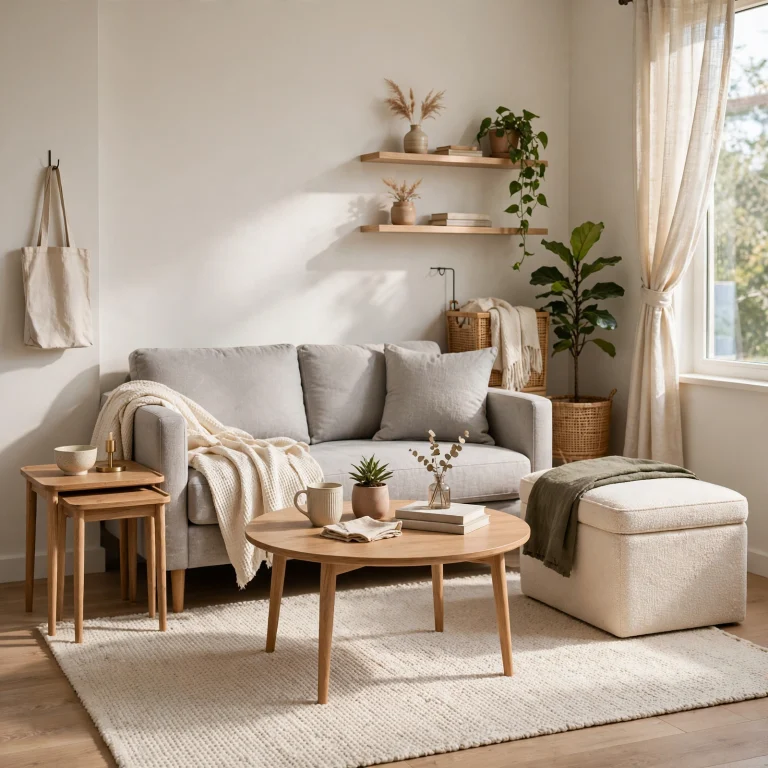
Minimalist living room design has moved past the stark white-on-white interiors that defined the style a decade ago, shifting toward what’s often called warm minimalism. This version keeps the same reduced color palette and clean lines but introduces natural materials like oak, linen, and stone to avoid a cold or clinical feel. The shift has been driven partly by smaller urban living spaces, where every piece of furniture needs to earn its footprint, and partly by a broader fatigue with fast furniture and disposable decor trends.
Key Takeaways
- A minimalist living room works best when built around a limited material palette rather than simply removing furniture.
- Hidden storage and multi-purpose pieces are what actually keep a pared-back room functional day to day.
- Warm minimalism, using wood, linen, and soft neutrals, avoids the cold or unfinished feel that stark white rooms often fall into.
- Negative space around furniture is as important to the design as any single piece chosen for the room.
1. Low-Profile Platform Sofa
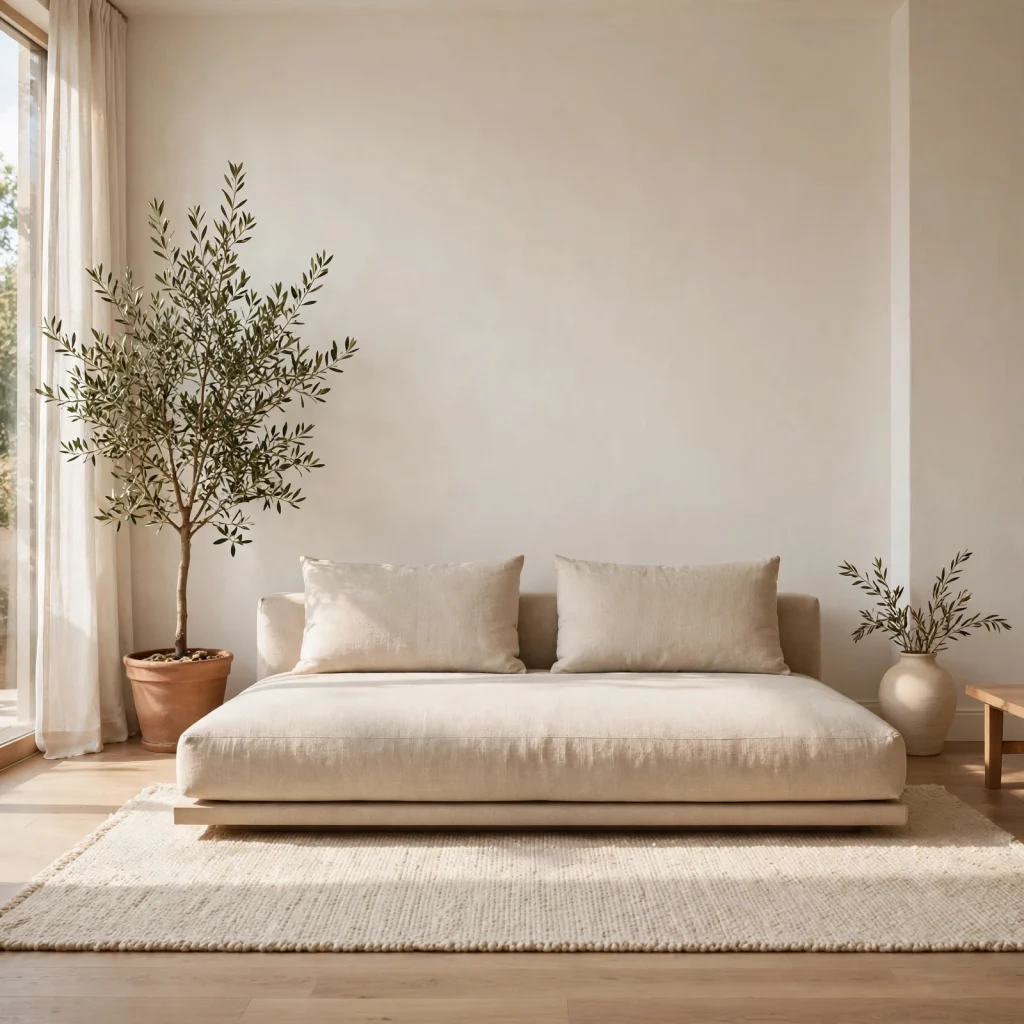
A low-profile platform sofa, typically sitting under 30 inches tall, keeps a minimalist living room feeling open by reducing the visual mass a taller, boxier sofa creates. Clean track arms and a solid, unpatterned upholstery in oatmeal or warm gray linen suit this style better than tufted or skirted details. Choosing a frame with exposed wood legs rather than a fully upholstered base also helps the piece feel lighter within the room.
2. Monochrome Color Scheme
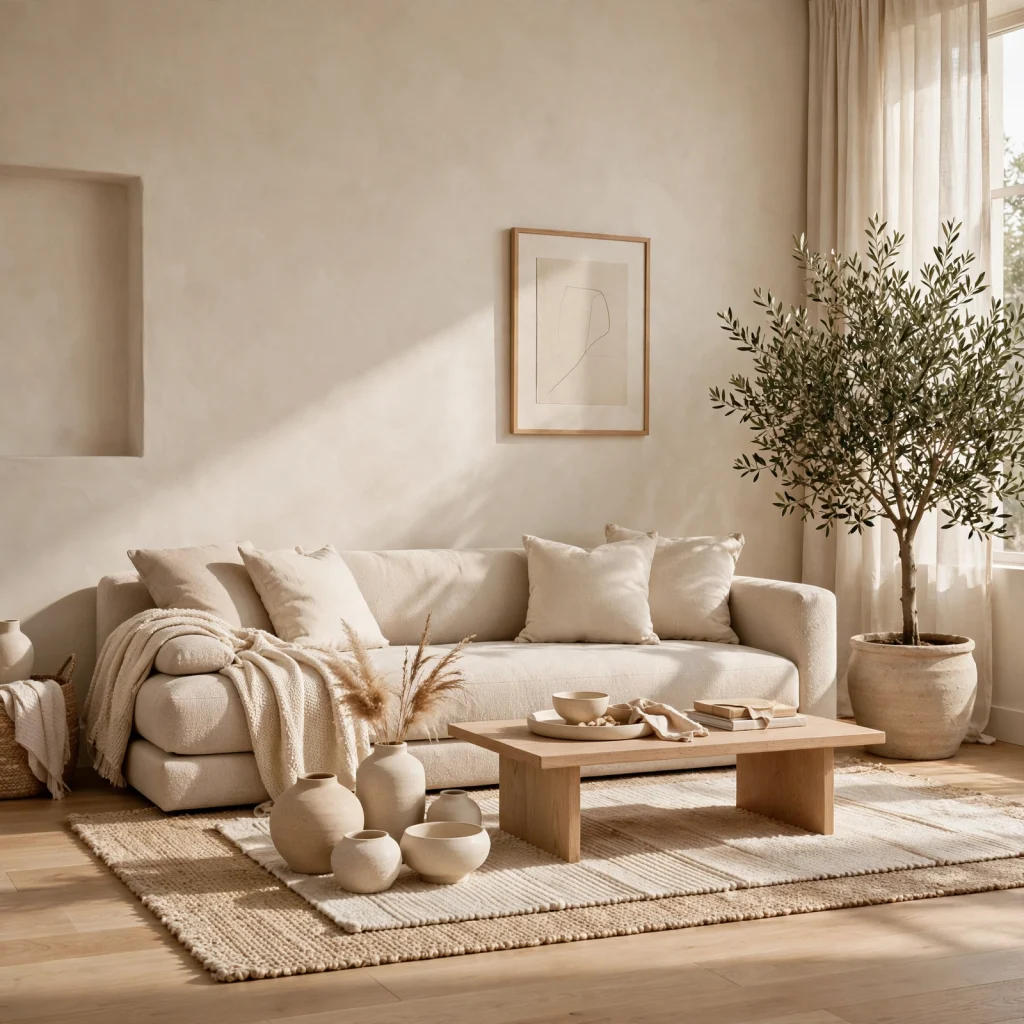
A monochrome color scheme, built around a single hue in varying shades from light to dark, gives a minimalist living room cohesion without needing multiple accent colors to create interest. Warm taupe or greige tends to work better than true gray, since it avoids the cold, clinical feel gray-based palettes can create in a room with limited color variation. Texture, through boucle, linen, and matte ceramics, becomes the primary source of visual interest instead of pattern or color contrast.
| Element | Shade | Finish |
| Walls | Warm greige | Matte |
| Sofa | Oatmeal | Linen |
| Floor | Light oak | Matte sealant |
3. Hidden Storage Console
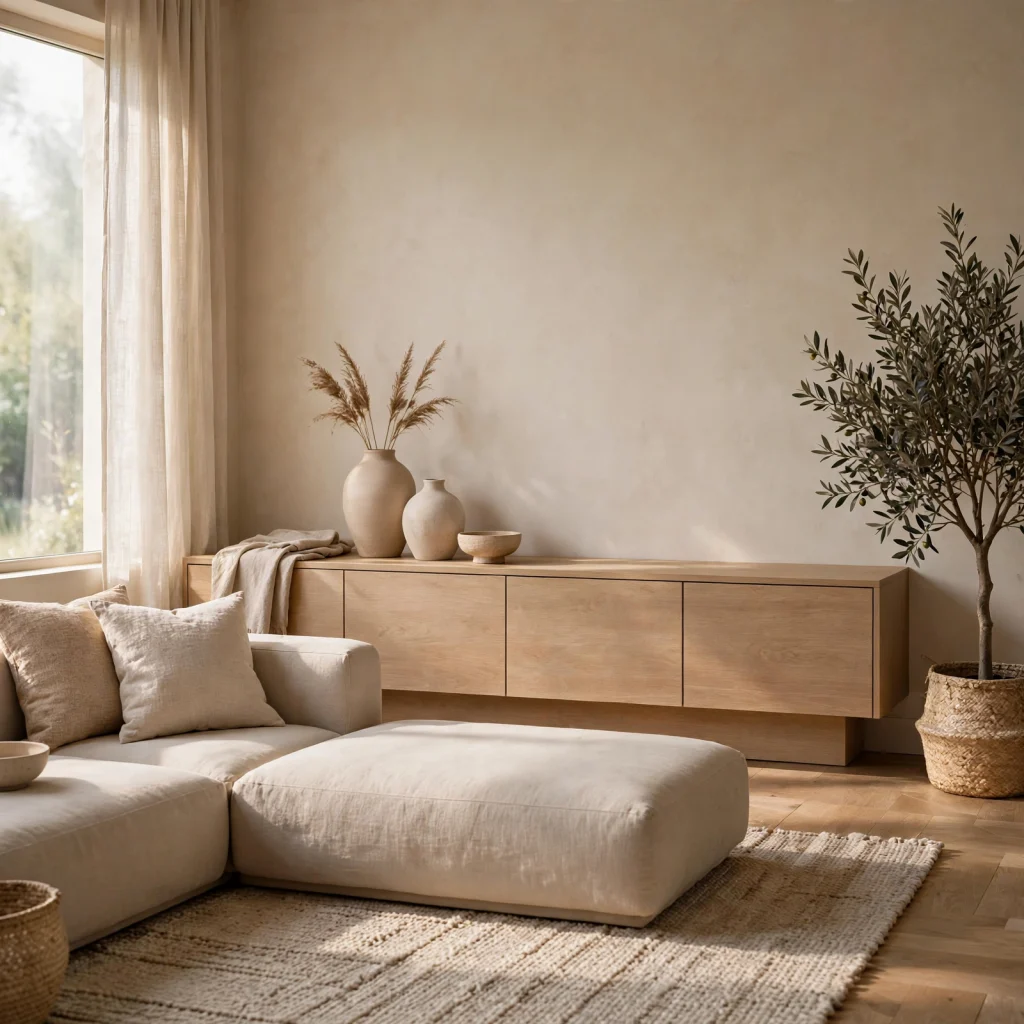
A hidden storage console, with flush push-to-open cabinet doors instead of visible hardware, keeps a minimalist living room’s surfaces clear while still providing space for remotes, chargers, and everyday clutter. White oak or ash in a natural finish reads cleaner than a painted or high-gloss surface, which can look sterile in a pared-back room. Positioning the console along the room’s longest wall keeps floor space open and the room’s sightlines uninterrupted.
4. Single Statement Plant
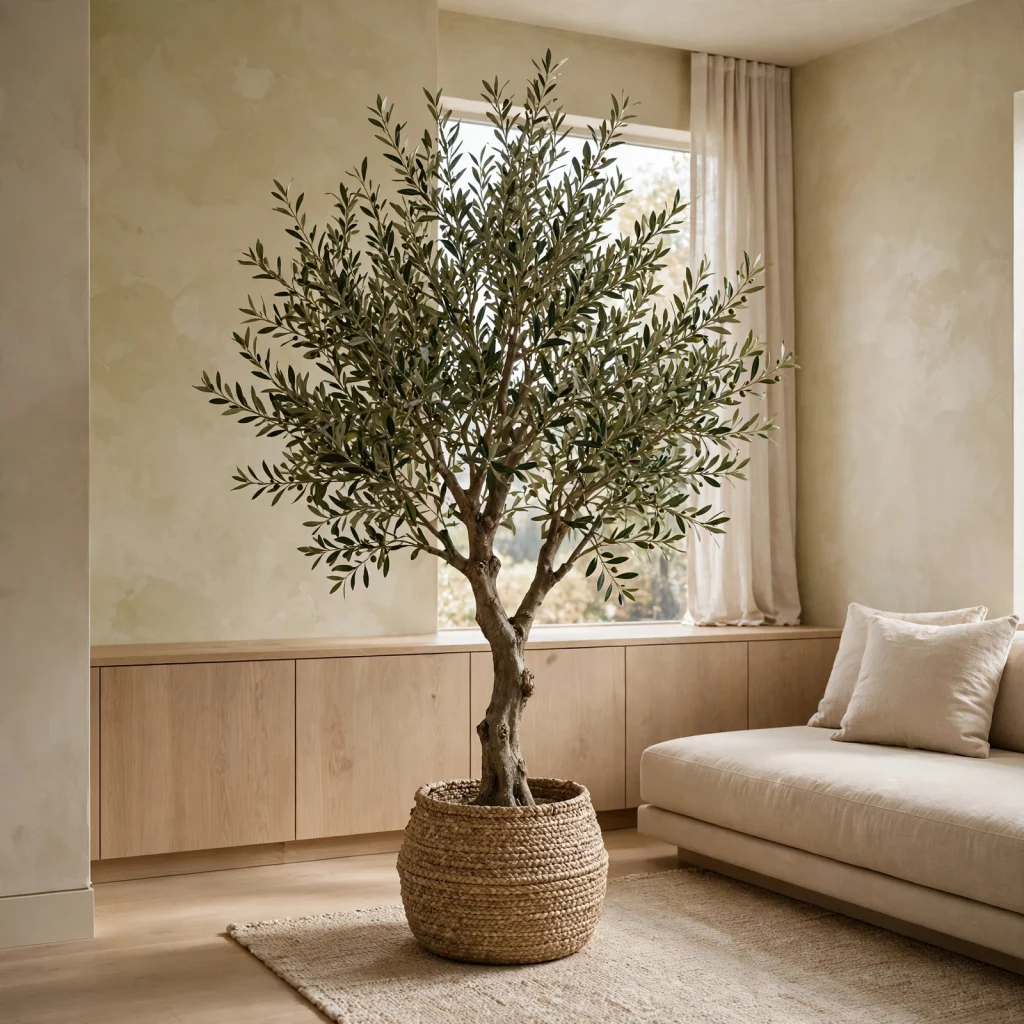
A single large statement plant, such as a fiddle leaf fig or a bird of paradise, adds life and organic texture to a minimalist living room without introducing the visual clutter that several smaller plants can create. Placing it in an empty corner rather than centered in the room lets it fill vertical space without competing with furniture. A simple unglazed terracotta or matte ceramic pot keeps the styling consistent with the room’s reduced material palette.
5. Built-In Floating Shelves
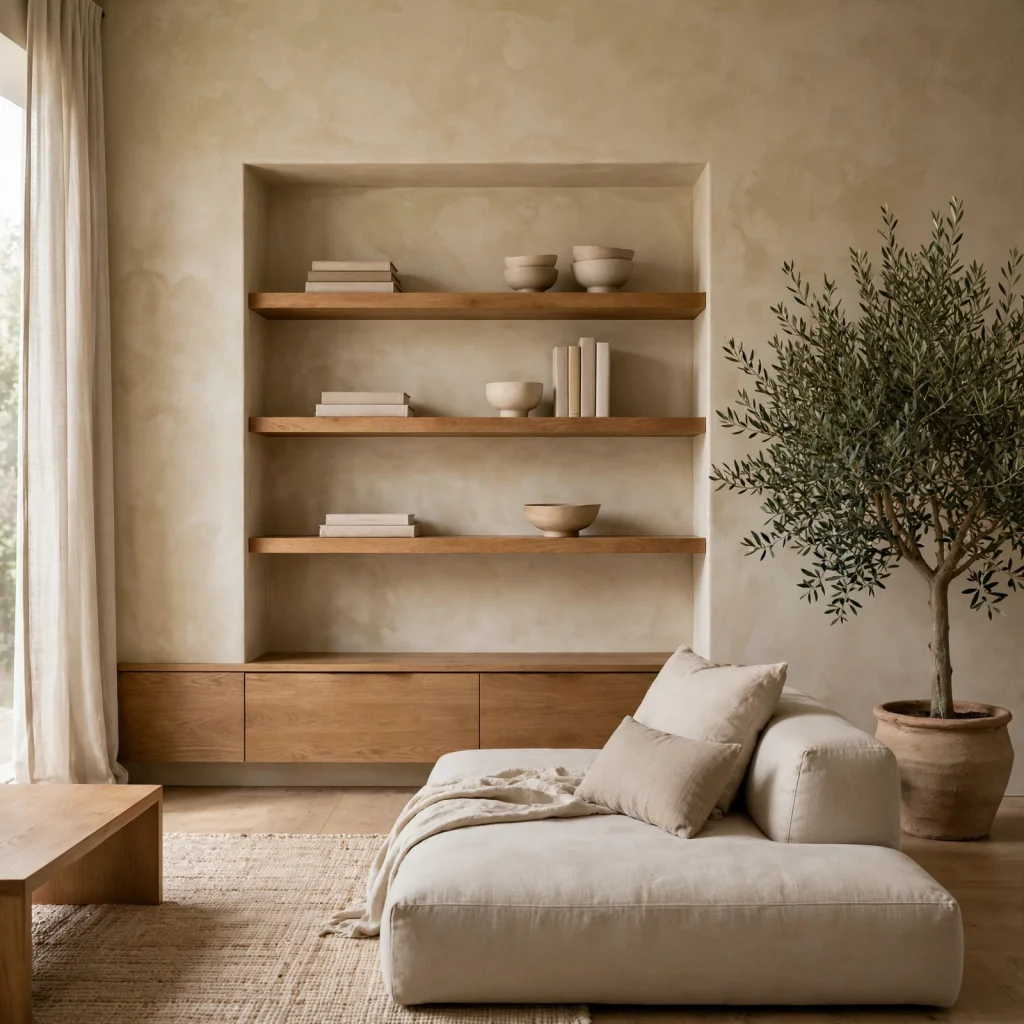
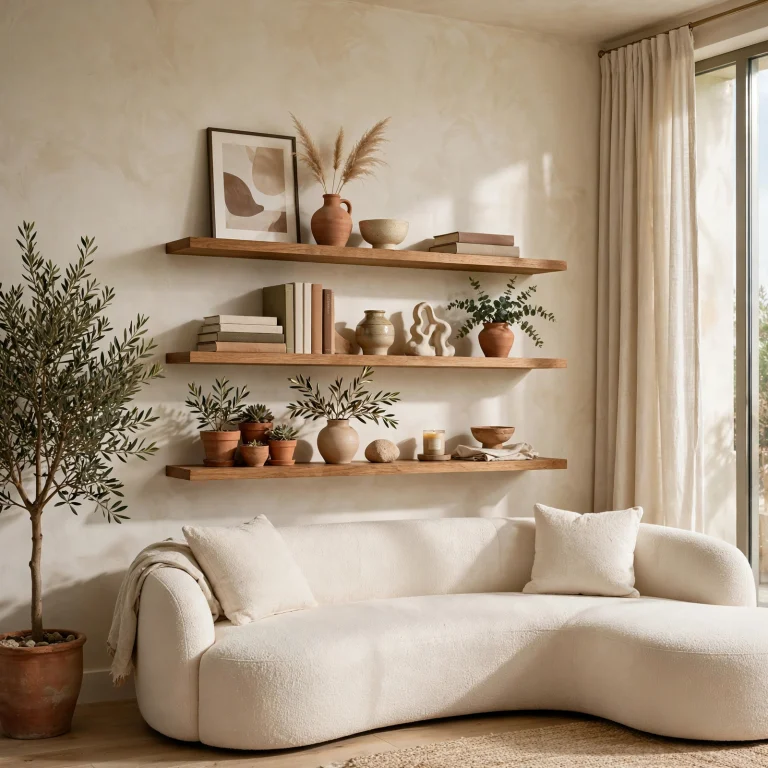
Built-in floating shelves, mounted flush to the wall with no visible brackets, provide display and storage space in a minimalist living room without adding the visual bulk of a traditional bookcase. Styling each shelf with only a handful of objects, spaced generously apart, matters more here than in a maximalist room, since even a slightly overcrowded shelf can undercut the space’s calm feel. White oak or painted-to-match shelving blends most seamlessly into the surrounding wall.
Discover luxury living room that combine clean lines, simple furniture, and clutter-free decorating.
6. Linen Roman Shades
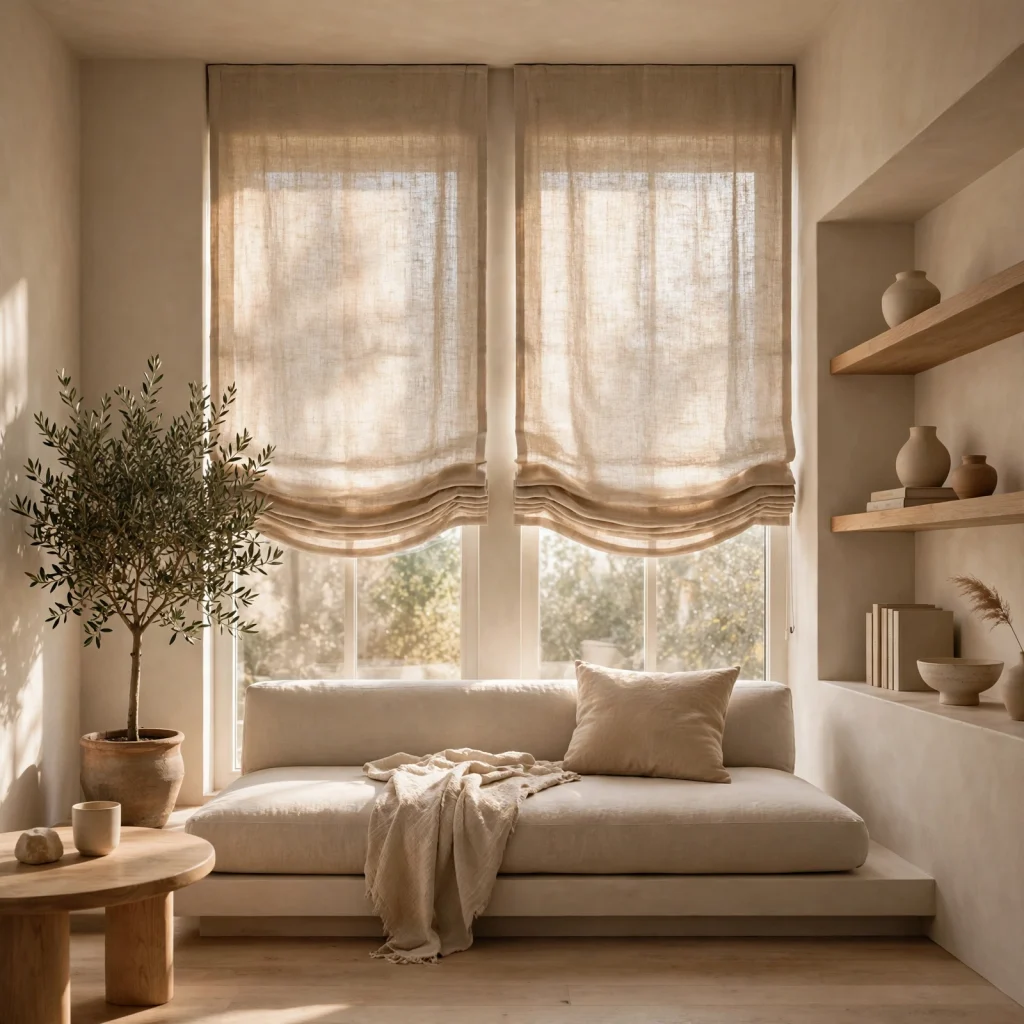
Linen roman shades offer a softer, more tailored window treatment than heavy drapery, which tends to overwhelm the reduced visual language of a minimalist living room. A natural, undyed linen in an off-white or light oatmeal tone lets in filtered daylight while maintaining privacy, and the shade’s clean folded lines echo the room’s overall simplicity. This treatment also takes up less visual and physical space than floor-length curtains, which matters in smaller rooms working with limited square footage.
7. Matte Black Metal Accents
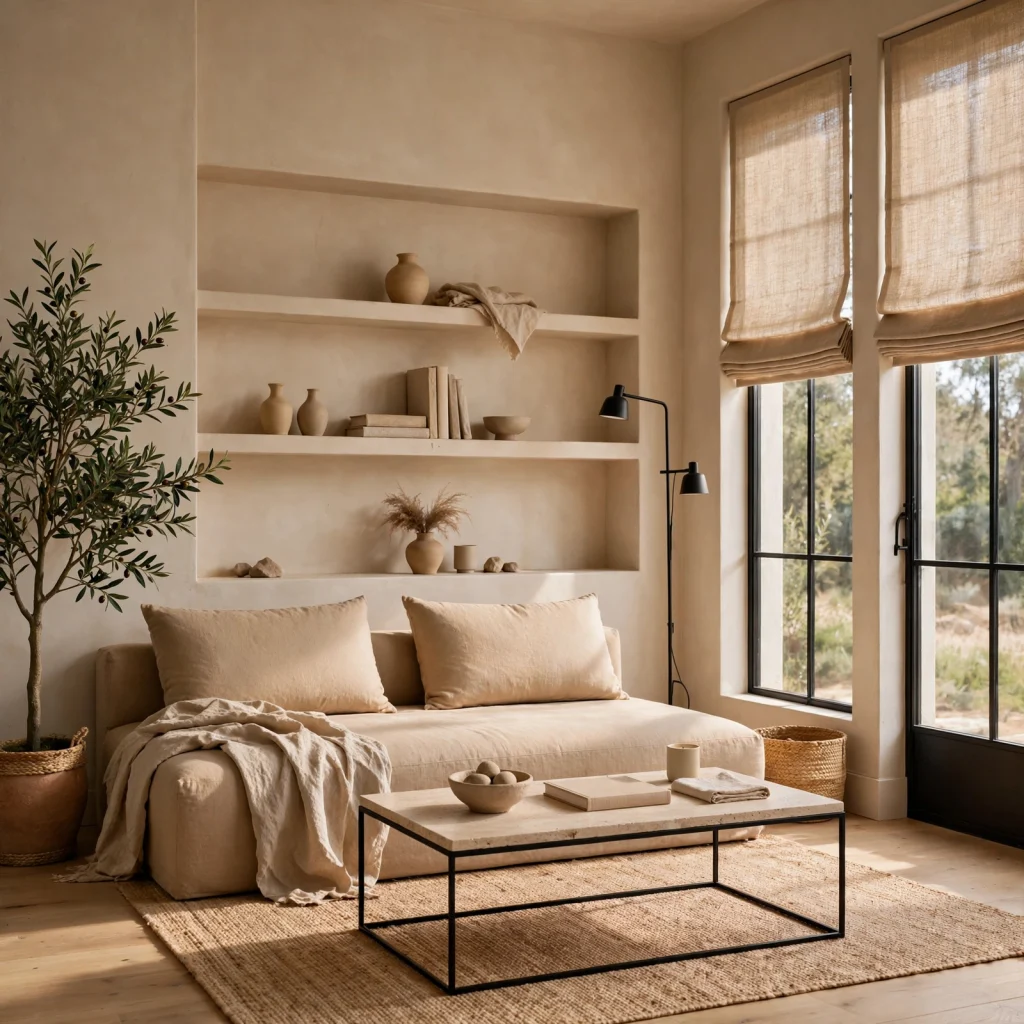
Matte black metal accents, used sparingly on a floor lamp base, picture frame, or window hardware, add quiet contrast to a minimalist living room’s otherwise soft, neutral palette. Limiting this accent to just one or two pieces prevents it from becoming a competing focal point in a room designed around restraint. Pairing matte black with warm wood tones, rather than cooler materials like chrome or glass, keeps the overall feel grounded rather than industrial.
8. Concealed Media Wall
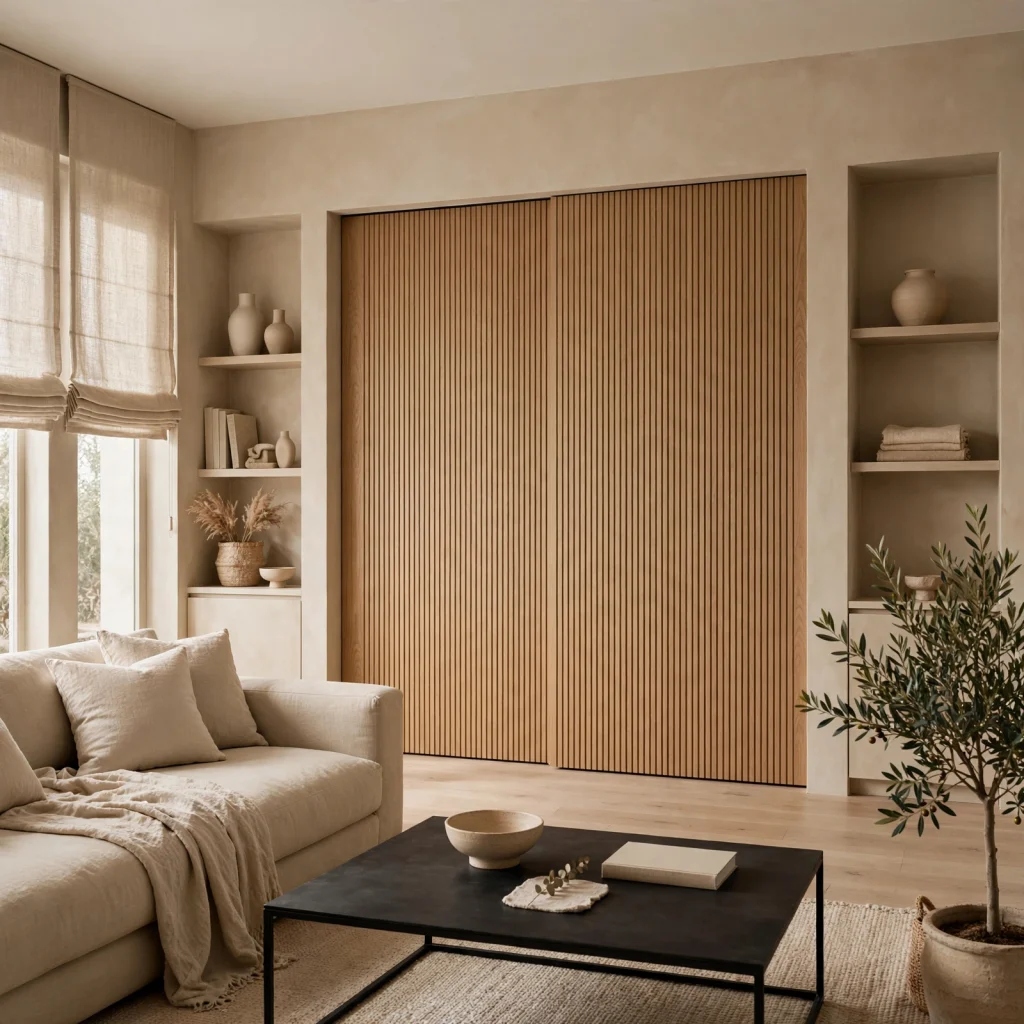
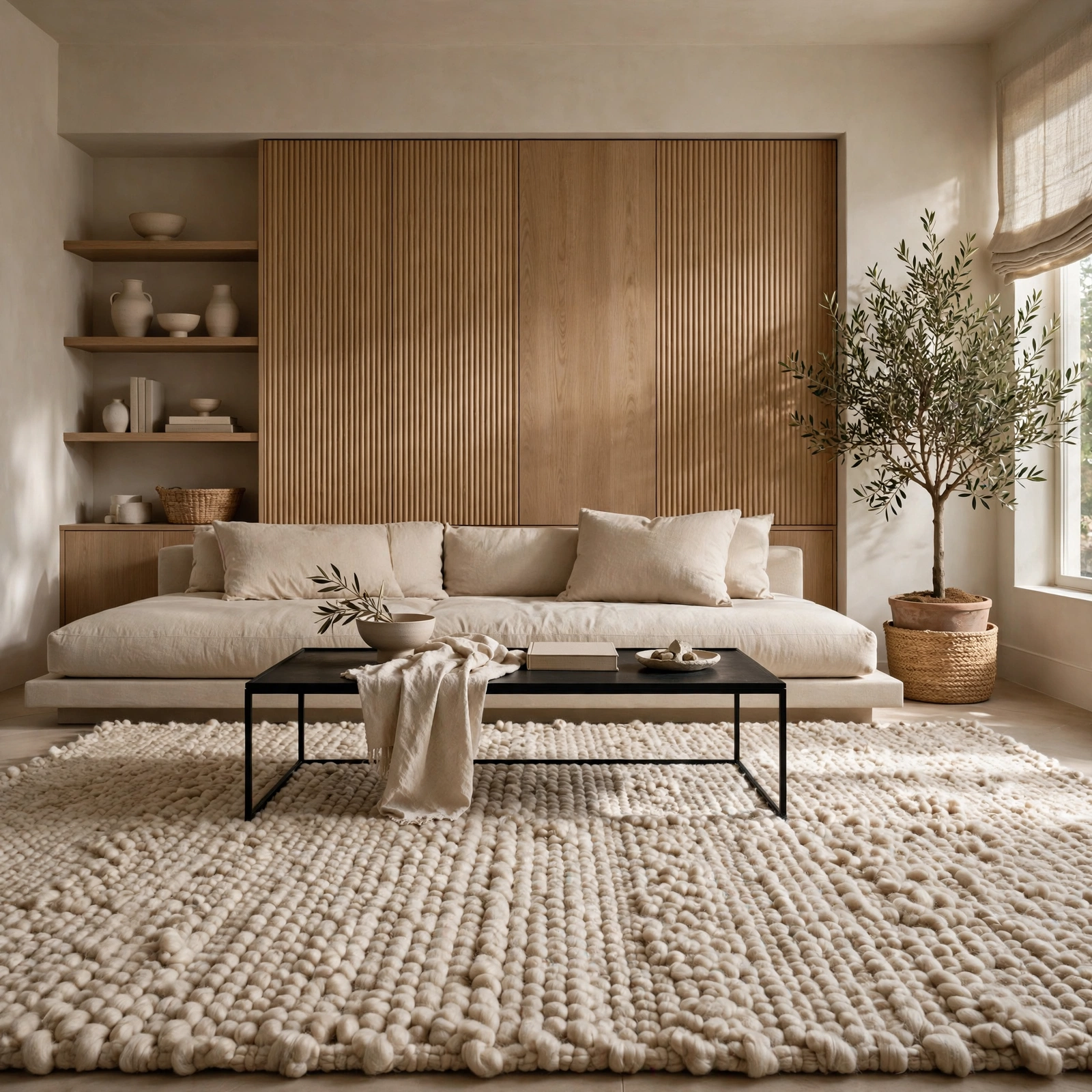
A concealed media wall, using a sliding panel or fabric scrim to hide the television when not in use, keeps a minimalist living room’s main wall from being visually dominated by a dark screen. Oak slat paneling or a simple painted panel on a track system are both common approaches, and either can double as a subtle texture feature when the screen is covered. This idea works particularly well in open-concept spaces where the television is visible from multiple angles.
9. Neutral Wool Area Rug
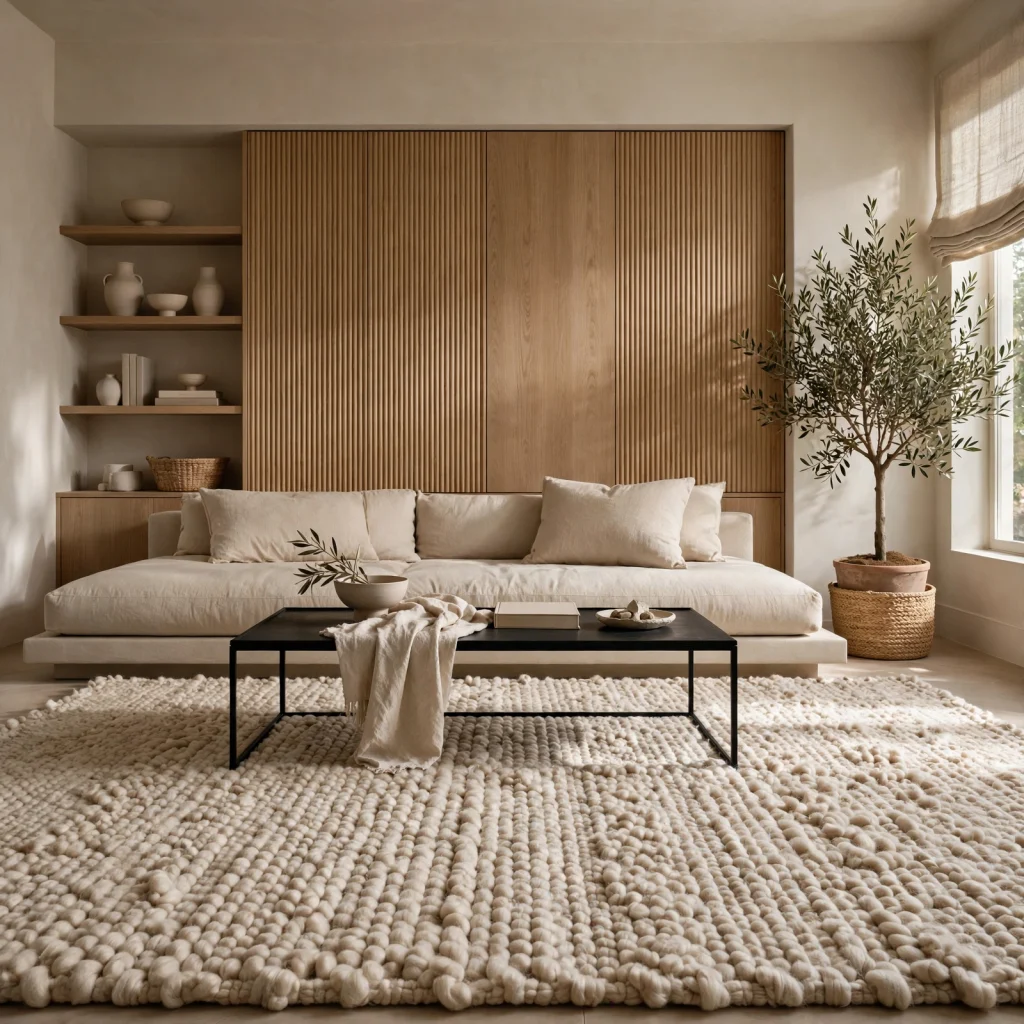
A neutral wool area rug in an undyed or lightly bleached tone anchors a minimalist living room’s seating area without introducing pattern or strong color contrast. A flatweave or low-pile construction suits the style better than a plush shag, which can read as decorative rather than functional in a pared-back space. Sizing the rug so the full seating group sits within its edges gives the room a clearly defined, intentional layout despite the limited furniture count.
10. Sculptural Floor Lamp
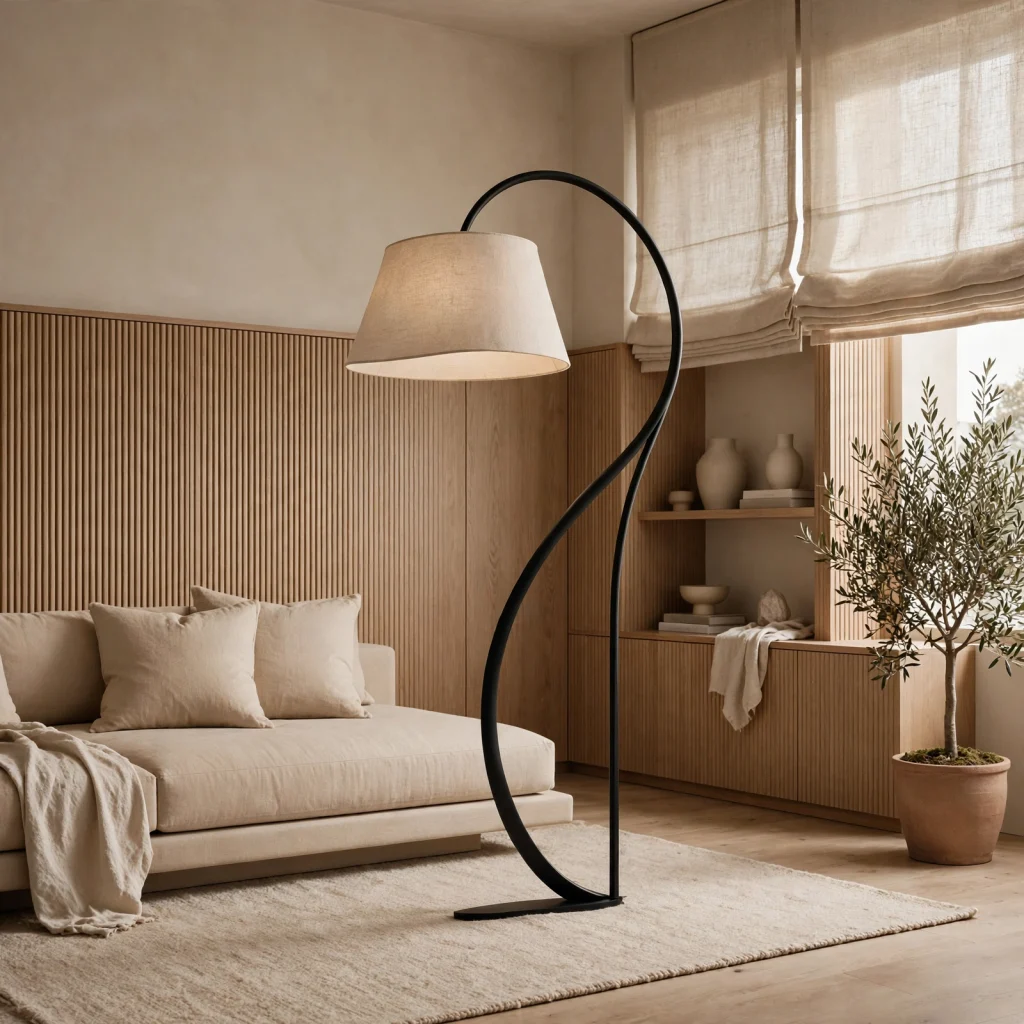
A single sculptural floor lamp, with a simple geometric silhouette in wood, stone, or matte metal, can serve as a minimalist living room’s primary decorative statement in place of multiple smaller accessories. Positioned beside a reading chair or in an empty corner, it provides both function and visual interest without requiring additional decor to fill the space. Choosing a warm-toned bulb keeps the light from feeling clinical, even within an otherwise reduced material palette.
11. Exposed Wood Beam Ceiling
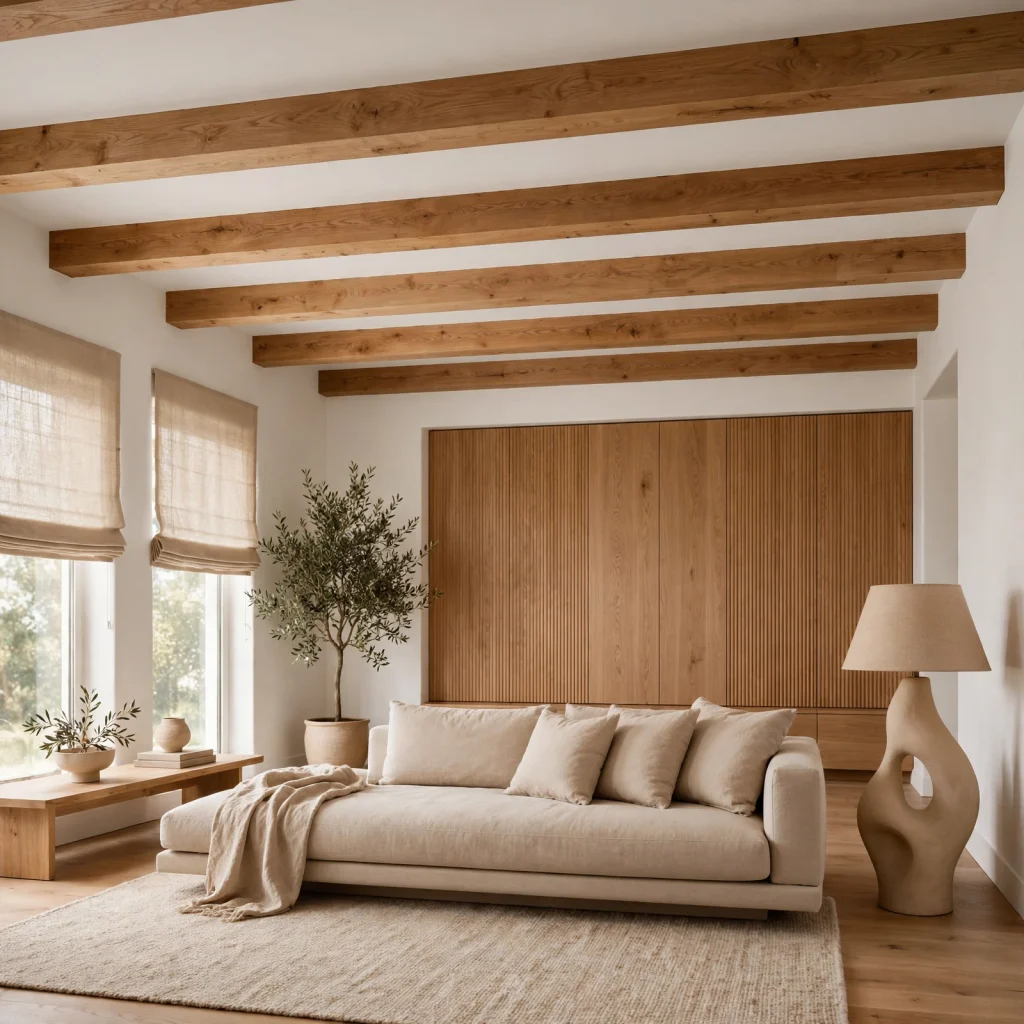
An exposed wood beam ceiling, left in a natural or lightly whitewashed finish, adds texture and warmth to a minimalist living room without relying on furniture or decor to do that work. This detail is especially effective in rooms with an otherwise all-white or neutral color scheme, since the beams introduce material contrast purely through the room’s architecture. Where beams aren’t original to the home, lightweight faux beam kits can achieve a similar visual effect at a lower cost.
12. Multi-Purpose Storage Bench
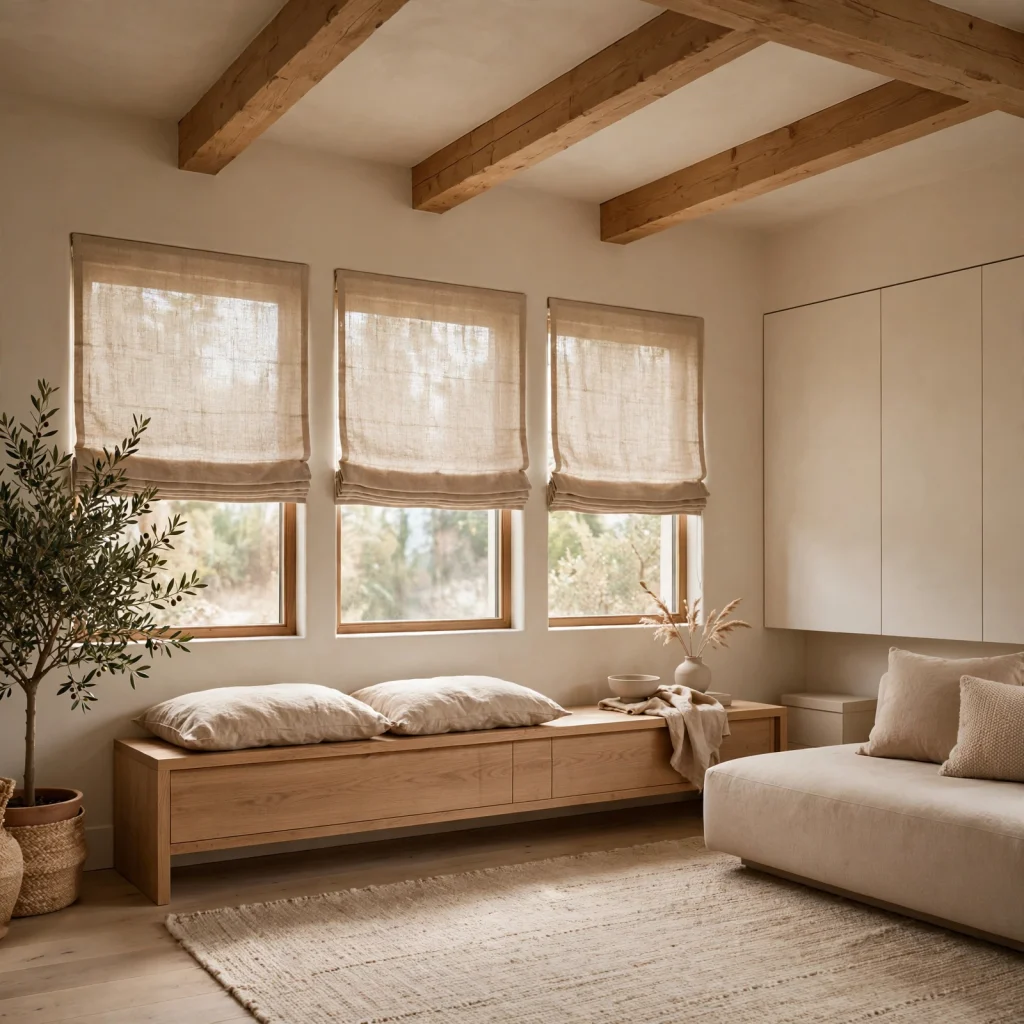
A multi-purpose storage bench, used in place of a traditional coffee table or as additional seating along a wall, gives a minimalist living room hidden capacity for blankets and media accessories. A solid oak or ash frame with a woven or leather seat top keeps the piece visually light despite its function. This idea works particularly well in smaller rooms where every piece of furniture needs to serve more than one purpose to justify its footprint.
13. Negative Space Furniture Layout
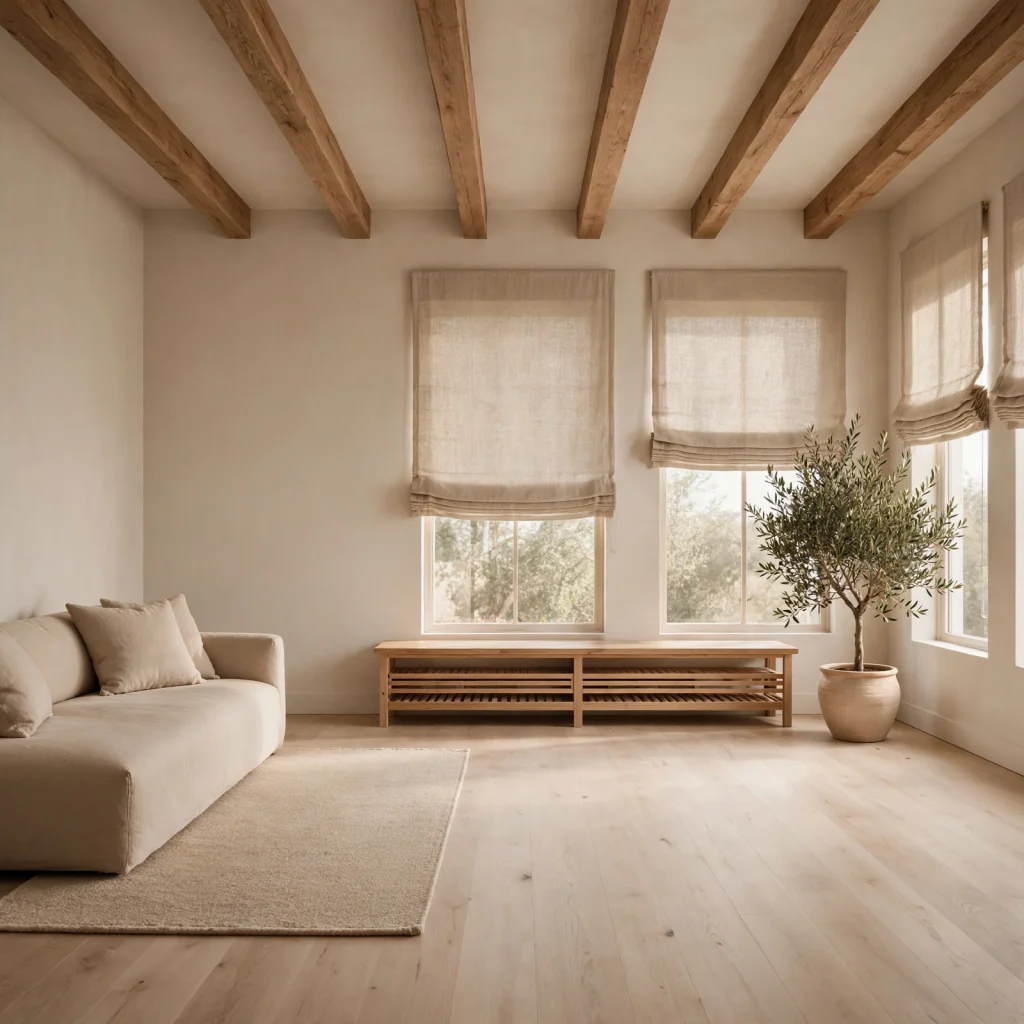
Deliberately leaving open floor space around a minimalist living room’s furniture, rather than filling every available wall or corner, reinforces the calm, uncluttered feeling the style is built around. A general guideline is to keep at least 30 percent of the room’s visible floor area free of furniture, which usually means resisting the urge to add an extra chair or table simply because the space allows it. This restraint is often what separates a genuinely minimalist room from one that’s simply small.
14. Ceramic Vessel Trio
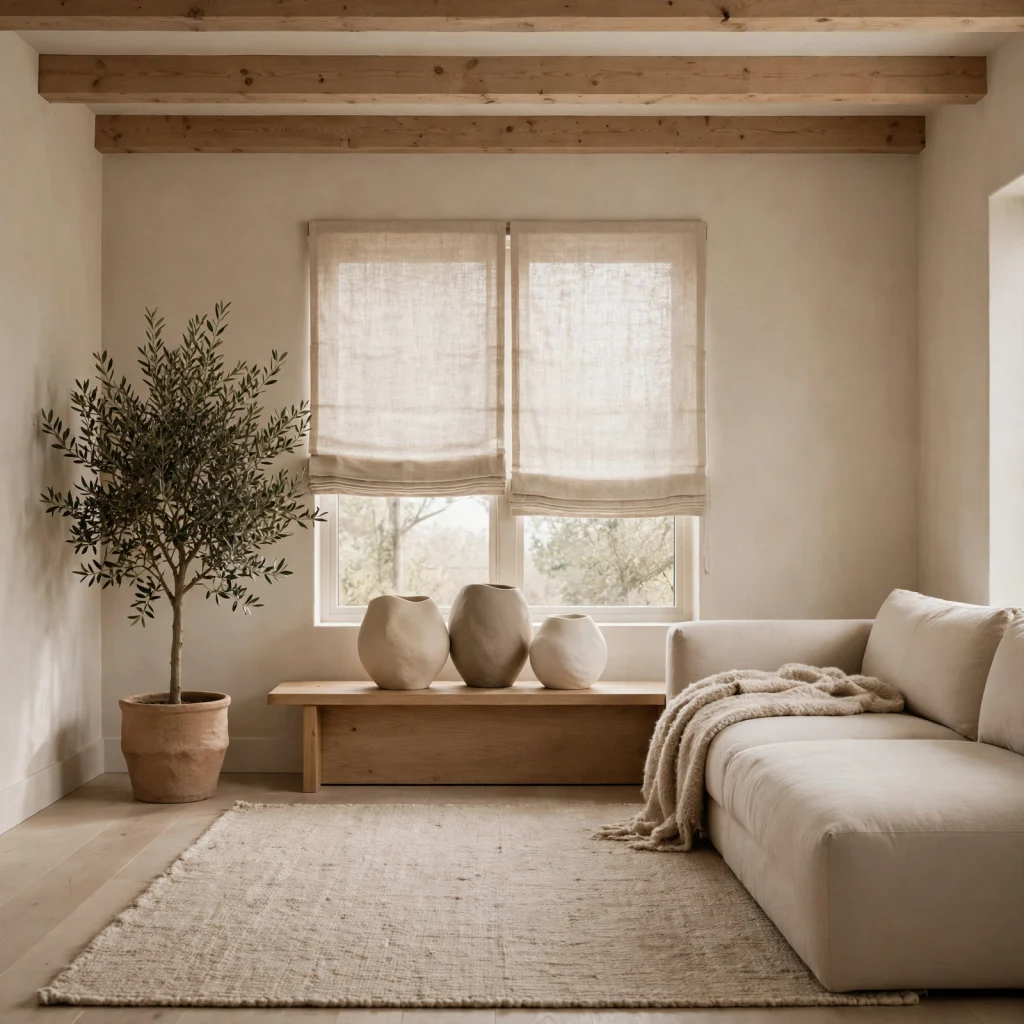
A trio of unglazed or matte ceramic vessels, grouped on a console or coffee table in varying heights, provides a minimalist living room’s decorative focal point without introducing color or pattern. Keeping all three vessels within the same neutral tone family, varying only in shape and height, maintains the room’s restrained palette while still creating visual rhythm. This small styling detail often does more to finish a room than several smaller, unrelated decorative objects would.
15. Warm White Wall Paint
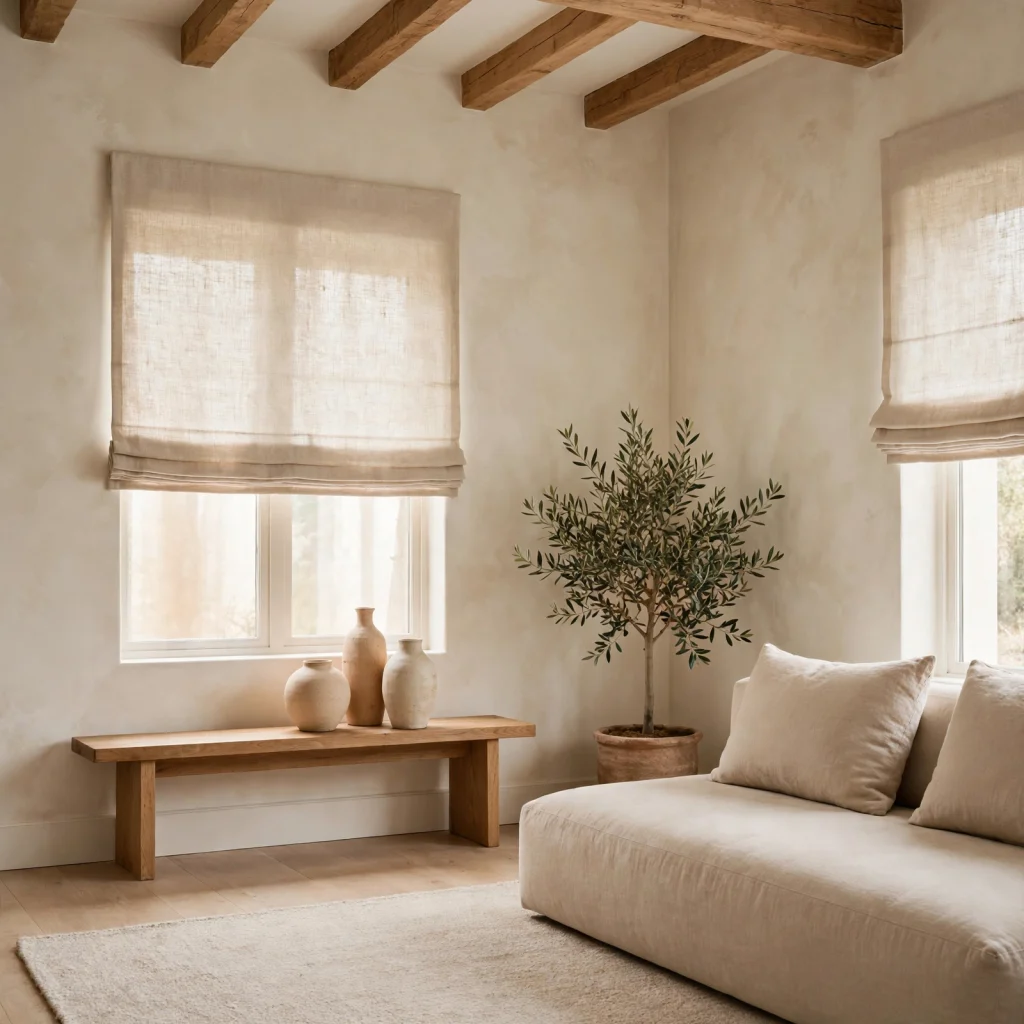
Warm white wall paint, rather than a stark or cool-toned white, keeps a minimalist living room from feeling clinical, especially in rooms with limited natural light. Shades with a slight cream or beige undertone, tested against the room’s actual lighting before committing to a full wall, tend to photograph and live better than bright, blue-based whites. This single choice affects how every other material in the room, from wood tones to textiles, reads throughout the day.
Shop the Room
Start with a low-profile linen platform sofa, a flatweave undyed wool rug, and a white oak hidden storage console along the main wall. Add a sculptural floor lamp in a warm wood tone, a single large fiddle leaf fig in an unglazed terracotta pot, and a multi-purpose storage bench in place of a traditional coffee table. Finish with linen roman shades and a small trio of matte ceramic vessels for the console.
Common Mistake to Avoid
A common mistake in a minimalist living room is confusing an empty room with a finished one, leaving walls and surfaces completely bare rather than intentionally edited. A truly successful minimalist space still includes texture, a few considered objects, and warmth through natural materials, rather than simply removing everything decorative. Going too far in the direction of emptiness often makes a room feel unfinished or temporary rather than calm and considered.
FAQs
How do I make a minimalist living room feel cozy instead of cold?
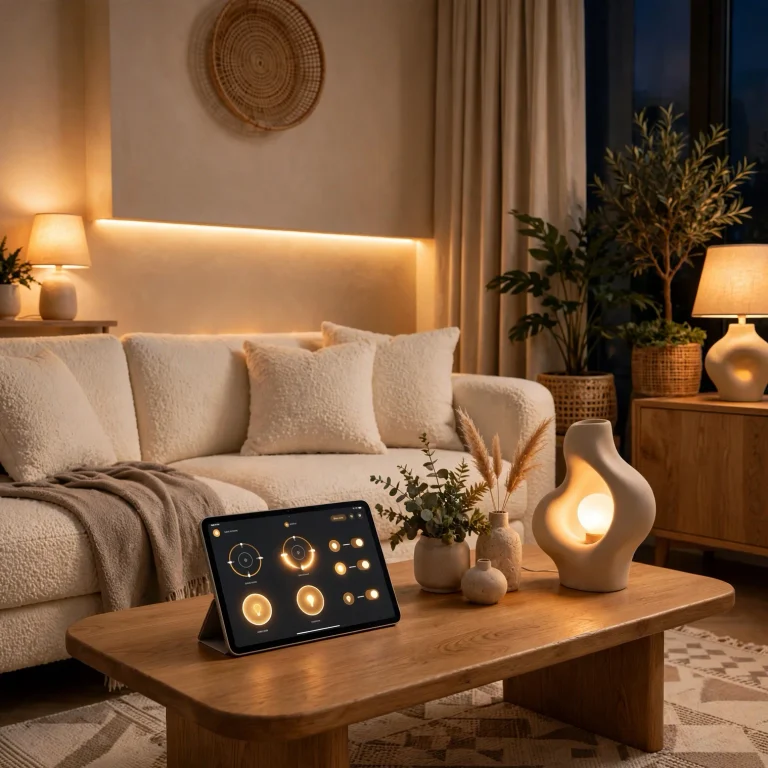
Layering natural materials like wood, linen, and wool, along with warm white or greige wall colors instead of stark white, does the most to keep a minimalist living room from feeling cold. Warm-toned lighting, kept low and layered rather than a single bright overhead source, also softens the room considerably. A few well-chosen textural objects, like a ceramic vessel or a single plant, add warmth without undermining the room’s overall restraint.
How much furniture is too much for a minimalist living room?
As a general guideline, a minimalist living room works best with only the furniture pieces that serve a clear function, typically a sofa, one or two chairs, a coffee table, and one storage piece. Adding furniture simply because a wall or corner is empty usually works against the style’s core principle of restraint. Multi-purpose pieces, like a storage bench that doubles as a coffee table, help keep the furniture count low without sacrificing function.
What colors work best in a minimalist living room?
Warm neutrals like greige, oatmeal, and warm white tend to work better than cool grays or stark white, since they photograph and live warmer in most natural lighting conditions. A monochrome palette built around a single hue in varying shades creates cohesion without needing additional accent colors. A single deeper tone, often through wood furniture or a matte black accent, can be introduced sparingly for contrast without disrupting the room’s overall simplicity.
Do minimalist living rooms need storage solutions?
Storage is arguably more important in a minimalist living room than in a more decorated one, since visible clutter undermines the calm, edited feeling the style depends on. Hidden storage, through consoles with flush cabinet doors, storage benches, or built-in shelving, keeps everyday items out of sight without requiring additional furniture pieces. Without adequate storage, even a well-designed minimalist room tends to accumulate visible clutter fairly quickly.
Can a minimalist living room include patterned decor?
A minimalist living room can include a small amount of subtle pattern, such as a lightly textured weave or a faint stripe, as long as it doesn’t introduce strong color contrast or a busy repeat. Bold or high-contrast patterns generally work against the style’s core principles and are better suited to a more maximalist room. When pattern is used, it typically appears in just one element, like a throw pillow or rug, rather than repeated throughout the space.
Conclusion
A minimalist living room succeeds when restraint is paired with warmth, using natural materials and thoughtful editing rather than simply removing furniture. Save this guide to Pinterest for reference while planning a pared-back refresh, and check out our related post on small-space living room layouts for more ideas on making a reduced footprint work harder.