15 Brilliant Farmhouse Living Room Ideas With Rustic Charm
A farmhouse living room draws on rural, practical design roots, weathered wood, simple forms, and durable materials, while still functioning as a genuinely comfortable modern living space. This guide covers fifteen ideas for building that look authentically, from shiplap walls to vintage-inspired lighting, with the material and sourcing details needed to avoid a look that reads as a themed set rather than a lived-in room. Each idea balances rustic character with everyday livability.
Trend & Background
Farmhouse living room design has settled into a more refined phase after several years of intense popularity, with homeowners now favoring a lighter touch than the heavily distressed, sign-and-mason-jar version of the style that dominated a decade ago. Modern farmhouse design increasingly blends clean architectural lines with just enough rustic material, reclaimed wood, black metal, aged brass, to keep the warmth without tipping into costume-like decor. This shift reflects a broader move across many design styles toward restraint, where a few well-chosen authentic pieces do more than a room full of trend-driven farmhouse decor purchased all at once.
Key Takeaways
- A farmhouse living room combines reclaimed and distressed materials with practical, family-friendly furniture choices.
- Shiplap and board paneling remain foundational to the style but work best applied selectively rather than throughout the entire room.
- A neutral base palette with black and warm wood accents defines farmhouse more than any single decorative object.
- Vintage and antique-inspired pieces, sourced or new, add the collected authenticity central to the look.
1. Shiplap Accent Wall
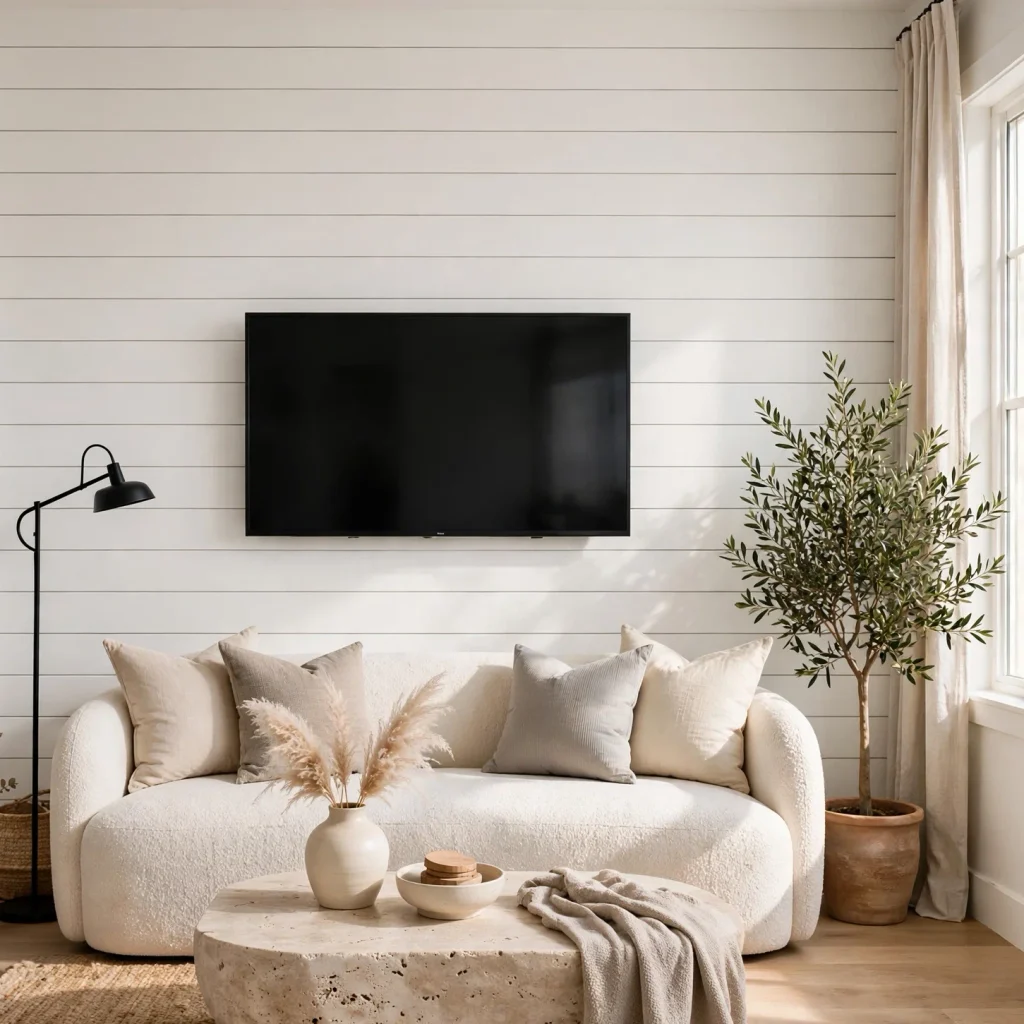
A shiplap accent wall, using horizontal wood planks with a small visible gap between each board, remains one of the most recognizable elements of farmhouse living room design when applied to a single feature wall rather than the entire room. Painted in a warm white rather than stark white keeps the look soft and lived-in instead of stark. This treatment works particularly well behind a fireplace or as a media wall backdrop, where its horizontal lines add texture without overwhelming the room’s furniture.
2. Reclaimed Wood Coffee Table
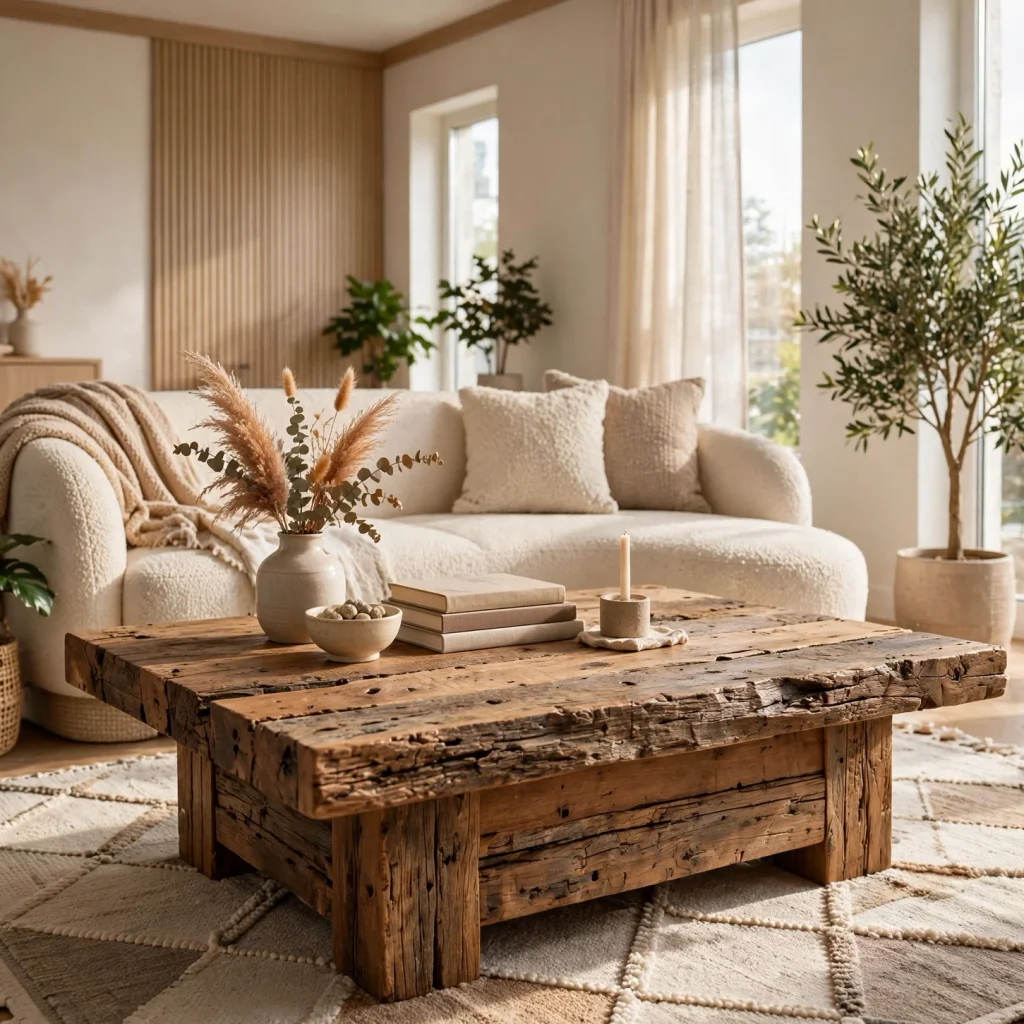
A reclaimed wood coffee table, built from salvaged barn wood or aged timber, brings genuine material history into a farmhouse living room in a way that new distressed furniture can’t fully replicate. Visible knots, nail holes, and natural color variation across the wood’s surface are considered features of this style rather than flaws to hide. Pairing it with simple black metal legs or a trestle base keeps the piece from feeling overly ornate against the room’s otherwise practical furniture.
| Material | Character | Best Paired With |
| Reclaimed barn wood | Visible grain, nail holes | Black metal accents |
| Whitewashed pine | Lighter, softer tone | Neutral linen textiles |
| Aged oak | Deep, warm patina | Leather upholstery |
3. Slipcovered Sofa
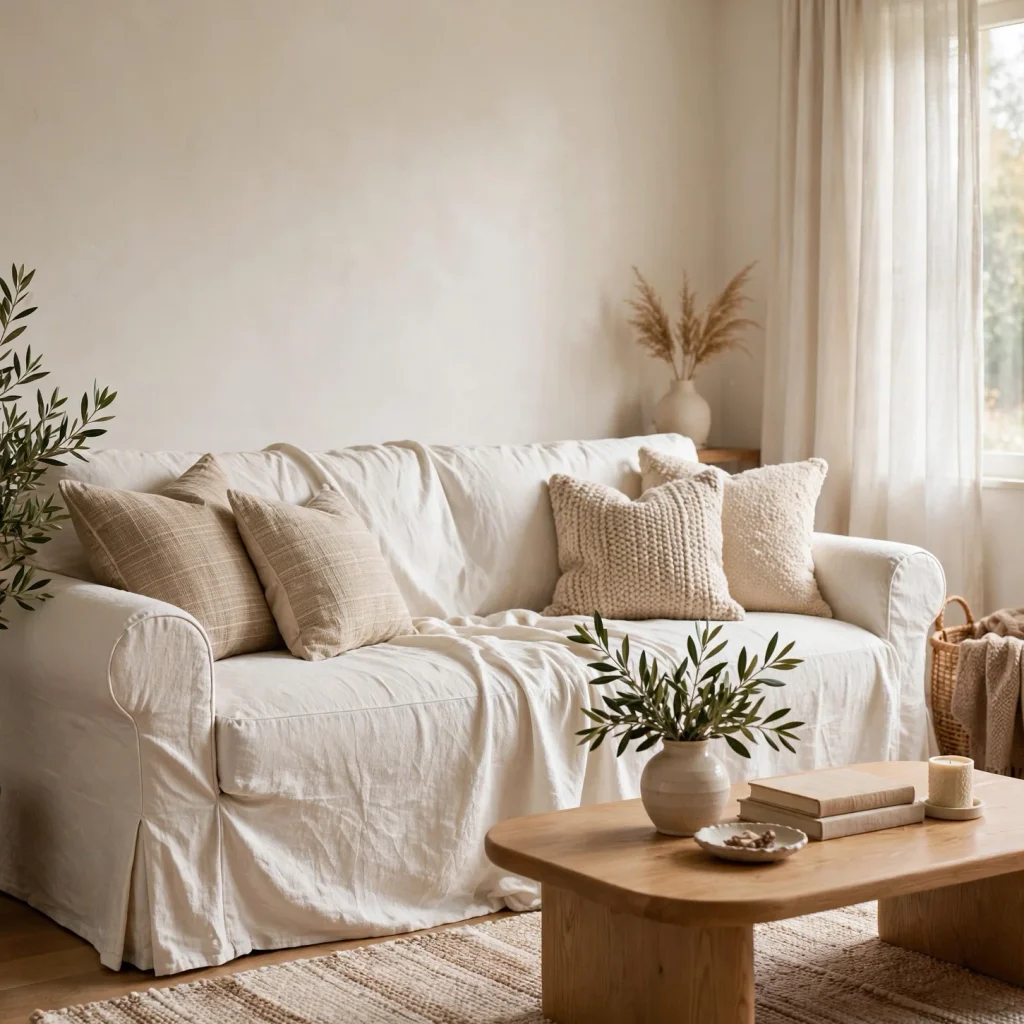
A slipcovered sofa, typically in a durable cotton or linen-blend fabric, gives a farmhouse living room the relaxed, family-friendly practicality central to the style, since the cover can be removed and washed as needed. A neutral white or oatmeal slipcover in a relaxed, slightly rumpled fit suits farmhouse better than a tightly tailored upholstery style. This detail also reflects the style’s practical, working-household origins, where furniture needed to withstand daily wear rather than remain purely decorative.
4. Black Metal Window Frames or Overlays
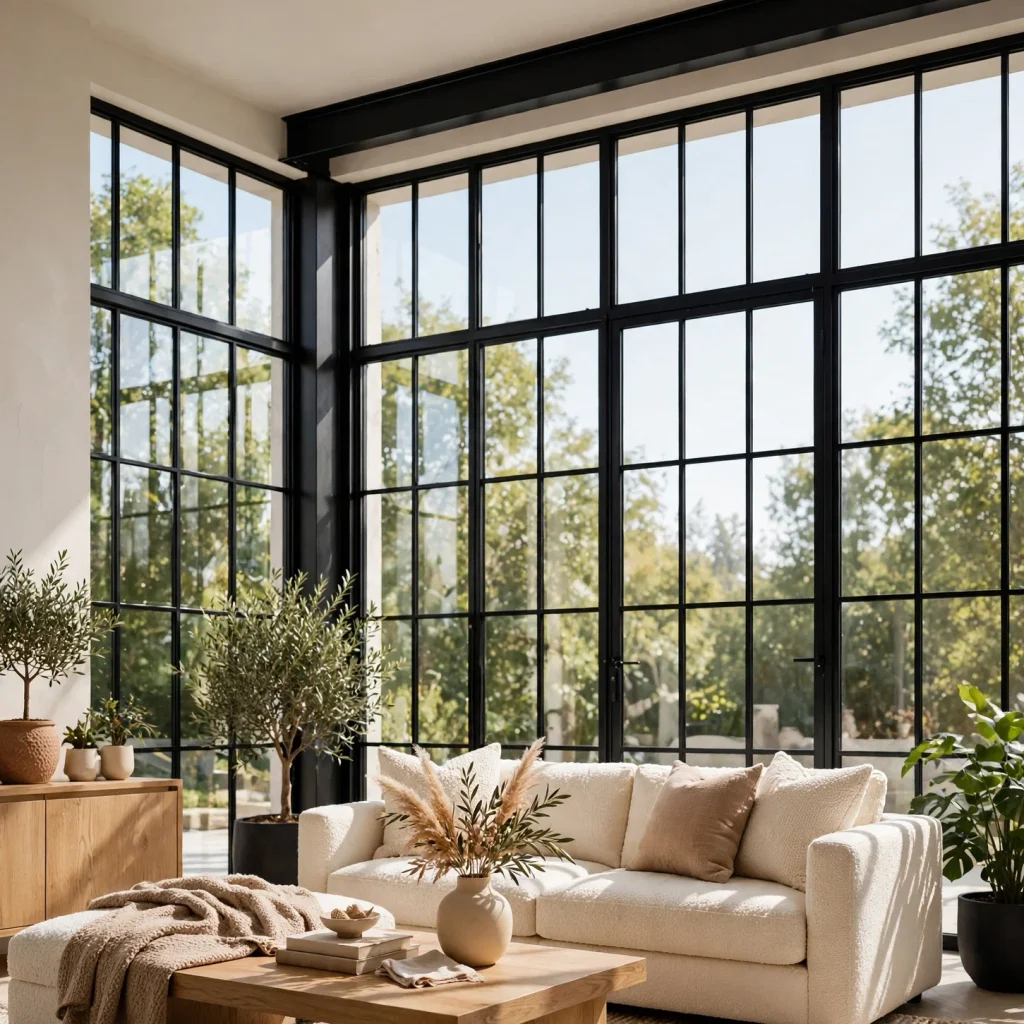
Black metal window frames, whether original to the home’s architecture or achieved through a frame overlay product, add a defining architectural detail to a farmhouse living room’s largest feature. This detail pairs particularly well with large windows or French doors, where the black lines create strong contrast against typically white or light-colored walls. Even a single black-framed window in an otherwise standard room can meaningfully reinforce the farmhouse aesthetic.
5. Vintage-Inspired Pendant Lighting
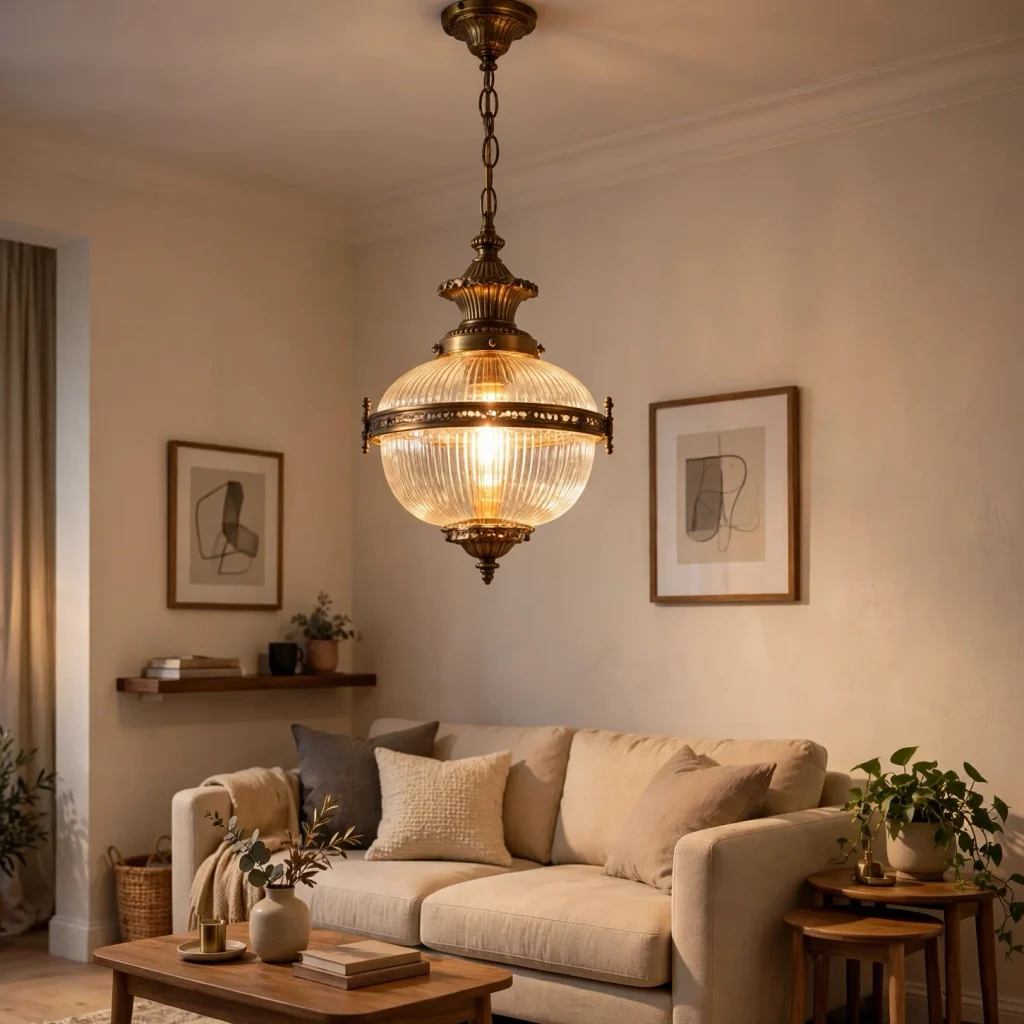
Vintage-inspired pendant lighting, using a simple dome or barn-style shade in black metal or aged brass, gives a farmhouse living room a lighting fixture that references agricultural and industrial history without looking overtly costume-like. A single pendant over a reading nook or a small cluster over a console table both work well, depending on the room’s layout. Choosing a fixture with a slightly imperfect, hand-finished quality over a perfectly uniform modern reproduction keeps the detail feeling authentic.
Discover apartment living room designs that combine clean lines, simple furniture, and clutter-free decorating.
6. Neutral Base Palette With Black Accents
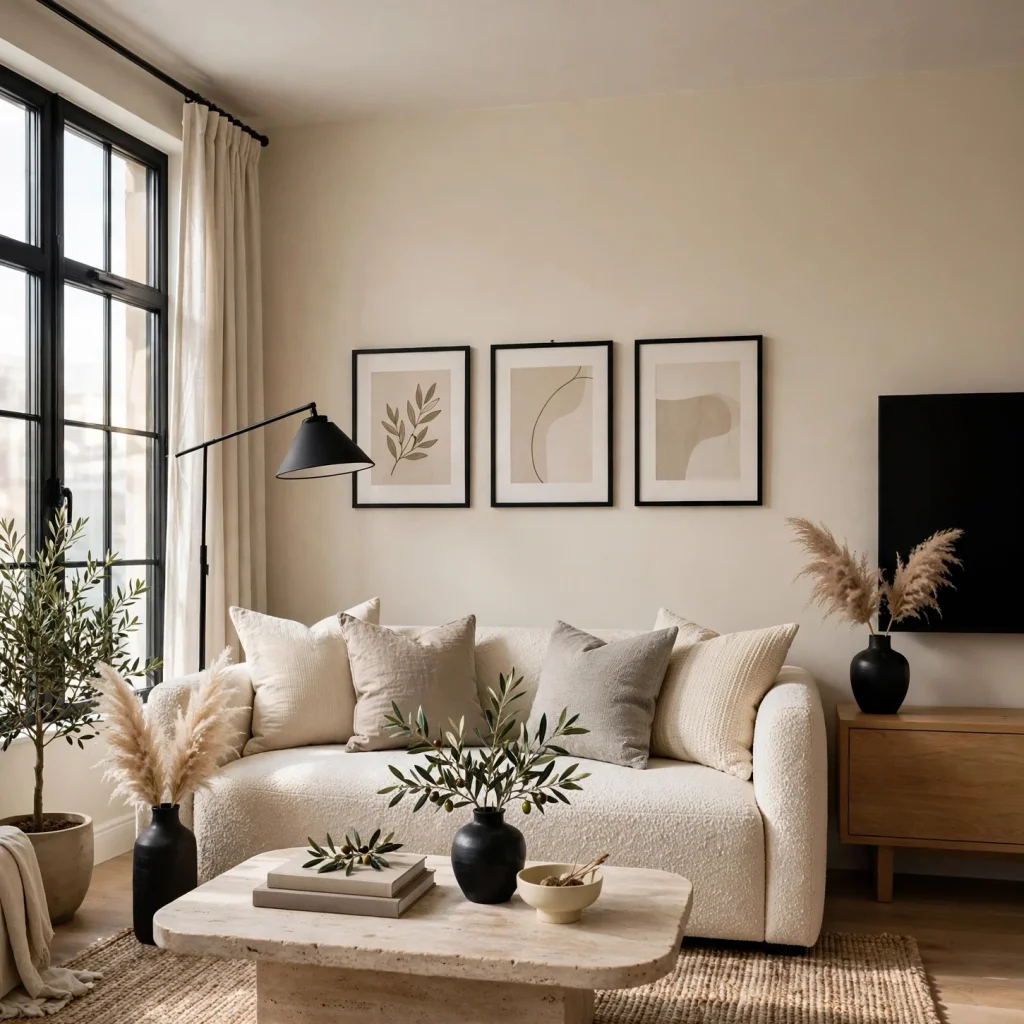
A neutral base palette, built around warm white, cream, and soft gray, punctuated by black metal accents through lighting, hardware, and window frames, forms the visual foundation of most current farmhouse living rooms. This combination provides enough contrast to keep the room from feeling flat while staying true to the style’s practical, unfussy character. Introducing color sparingly, often through a single element like a vintage rug or a piece of art, keeps the palette from becoming either too stark or too busy.
7. Distressed Wood Beam Ceiling
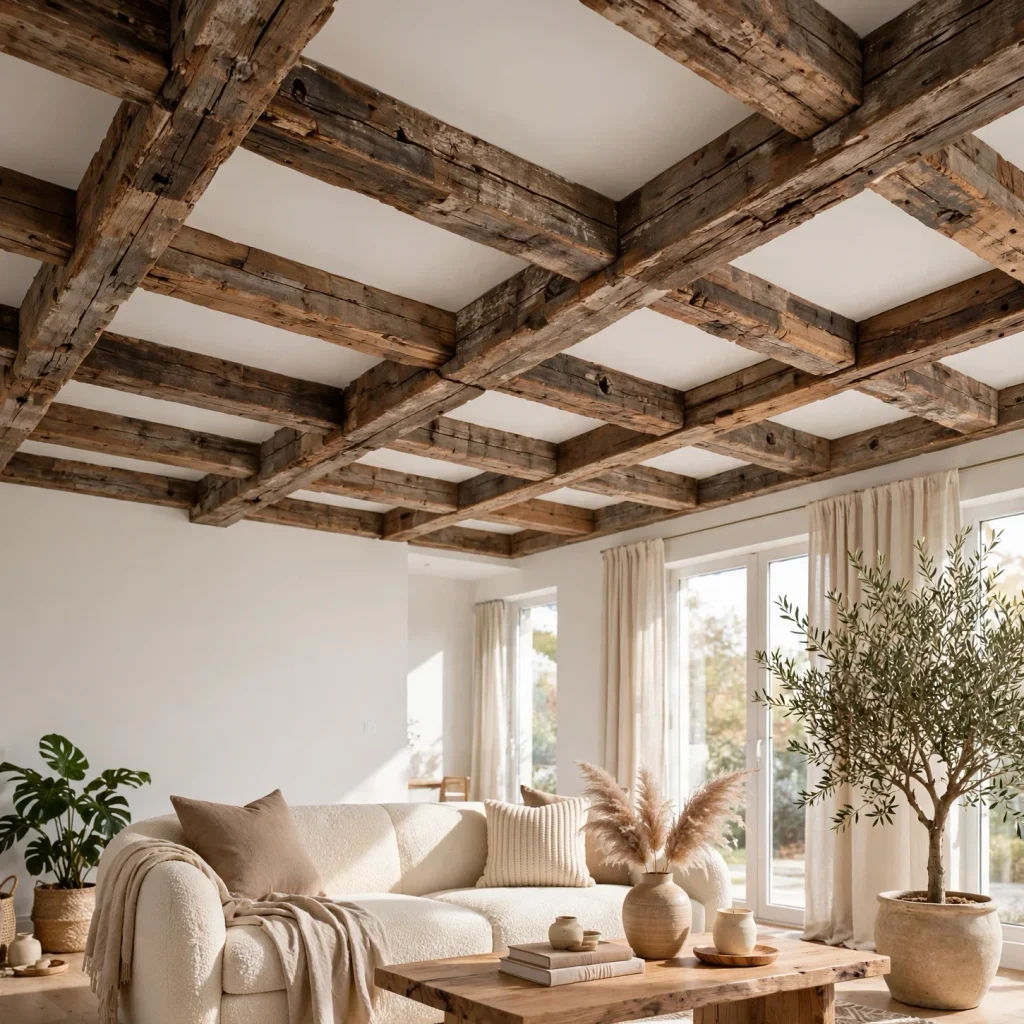
A distressed or hand-hewn wood beam ceiling adds significant architectural character to a farmhouse living room, particularly in rooms with vaulted or higher ceilings that can support the beams’ visual weight. Whitewashing or lightly limewashing the beams softens their rustic character, making them suit a lighter, more refined farmhouse palette better than a heavily stained, dark finish. Where structural beams aren’t feasible, lightweight faux beam kits can achieve a similar visual effect at a lower installation cost.
8. Woven Jute or Sisal Rug
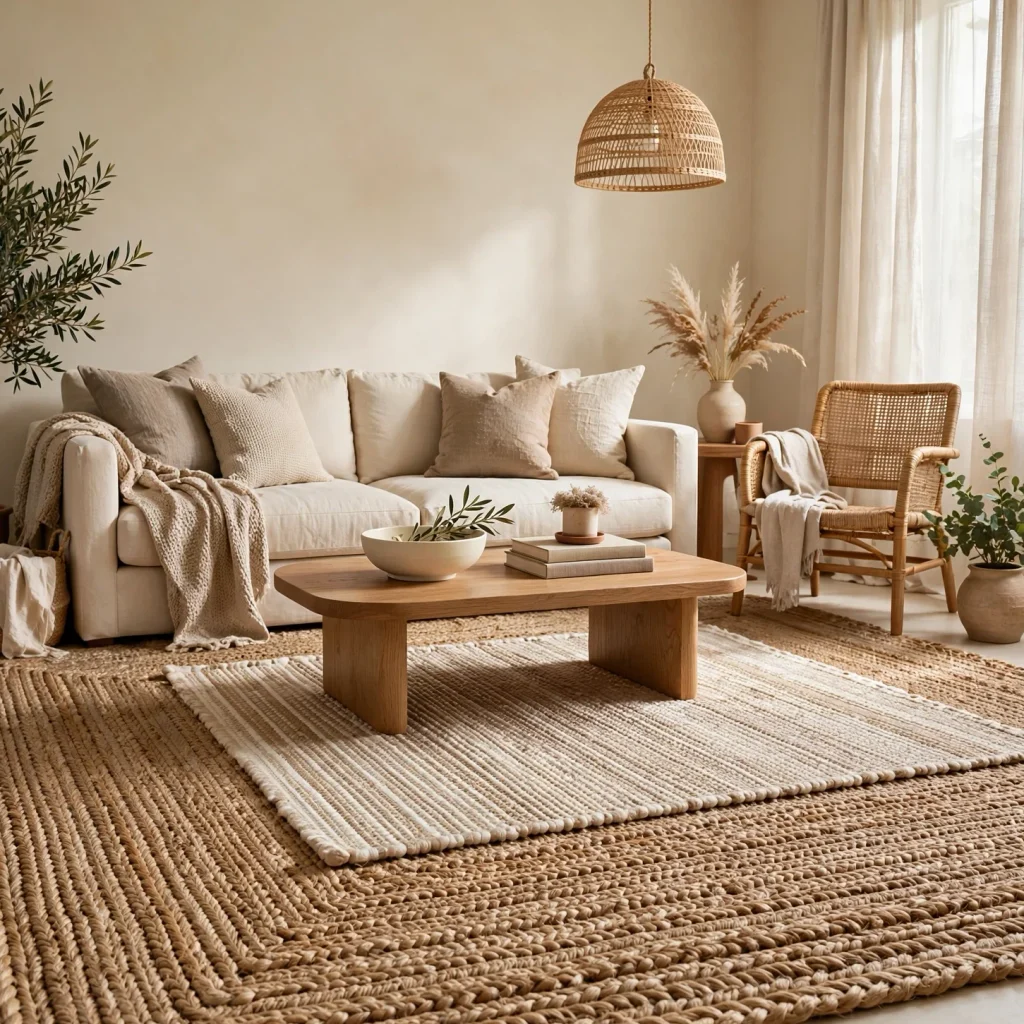
A woven jute or sisal rug, in its natural undyed tone, grounds a farmhouse living room’s seating area with texture that echoes the style’s practical, natural material roots. This rug type also holds up well to the daily wear common in family-oriented farmhouse households, resisting stains and heavy foot traffic better than a delicate wool alternative. Layering a smaller vintage or antique-style rug on top adds pattern without sacrificing the durability the jute base provides underneath.
9. Farmhouse Console Table
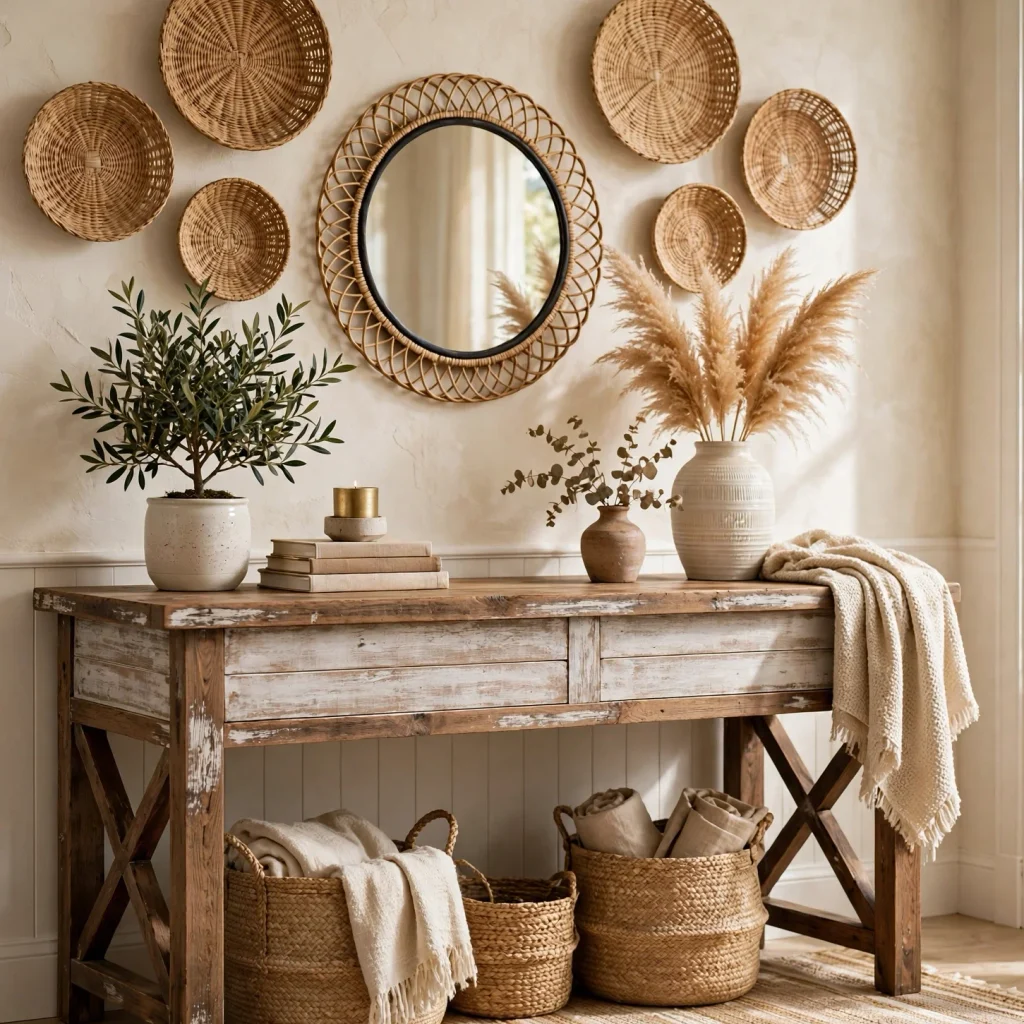
A farmhouse console table, typically in a turned-leg or trestle-base design with a distressed or whitewashed wood top, provides both storage and a decorative surface behind a sofa or along an entry-adjacent wall. Choosing a piece with visible joinery and simple, practical hardware keeps the style consistent with farmhouse’s utilitarian design origins. Styling the top with a mix of ceramics, a woven basket, and a small stack of books completes the look without overcrowding the surface.
10. Board and Batten Wainscoting
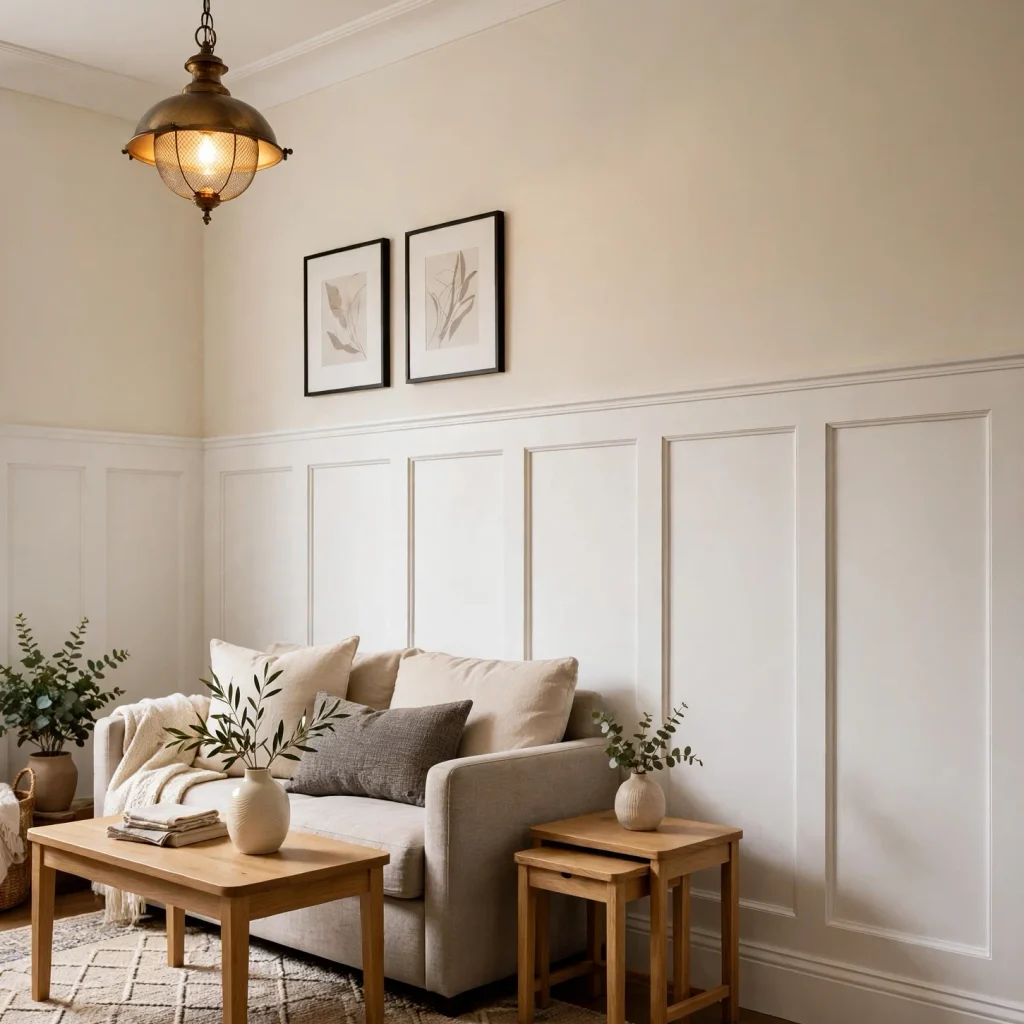
Board and batten wainscoting, using vertical wood strips applied to the lower third or half of a farmhouse living room’s walls, adds texture and dimension in a style that pairs naturally with the room’s overall material palette. Painting the wainscoting the same warm white as the walls above keeps the look cohesive and lets the shadow lines created by the raised battens provide the visual interest. This treatment works particularly well in dining-adjacent or entry-adjacent living spaces, where the detail can continue seamlessly between rooms.
11. Antique Ladder Wall Decor
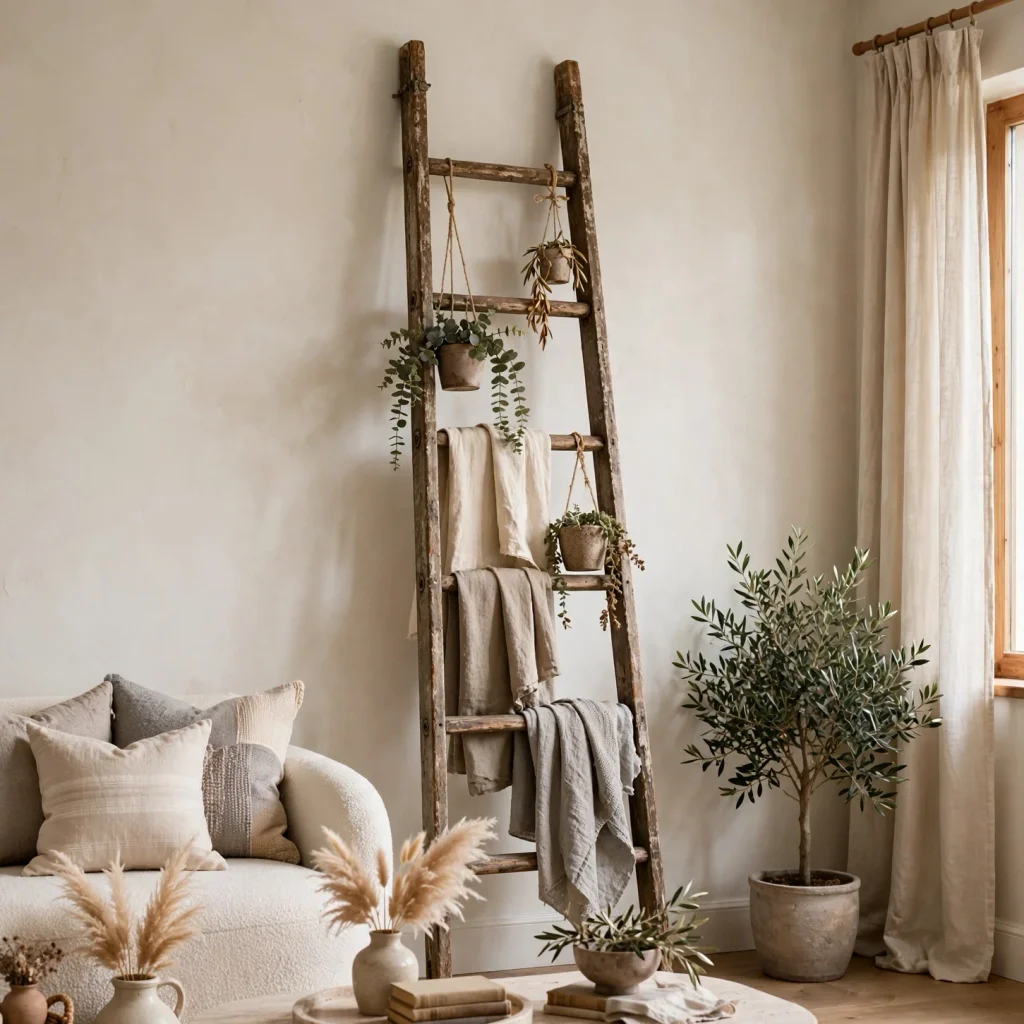
An antique wooden ladder, leaned against a wall and used to display a folded quilt or draped textile, is a distinctly farmhouse decorative touch that doubles as functional storage for blankets. Sourcing a genuinely aged ladder from an antique shop or estate sale, rather than a new reproduction, generally produces a more convincing result given the visible wear such pieces naturally develop over decades of use. This idea works particularly well in a corner or beside a fireplace where a purely decorative object would otherwise occupy the space.
12. Galvanized Metal Accents
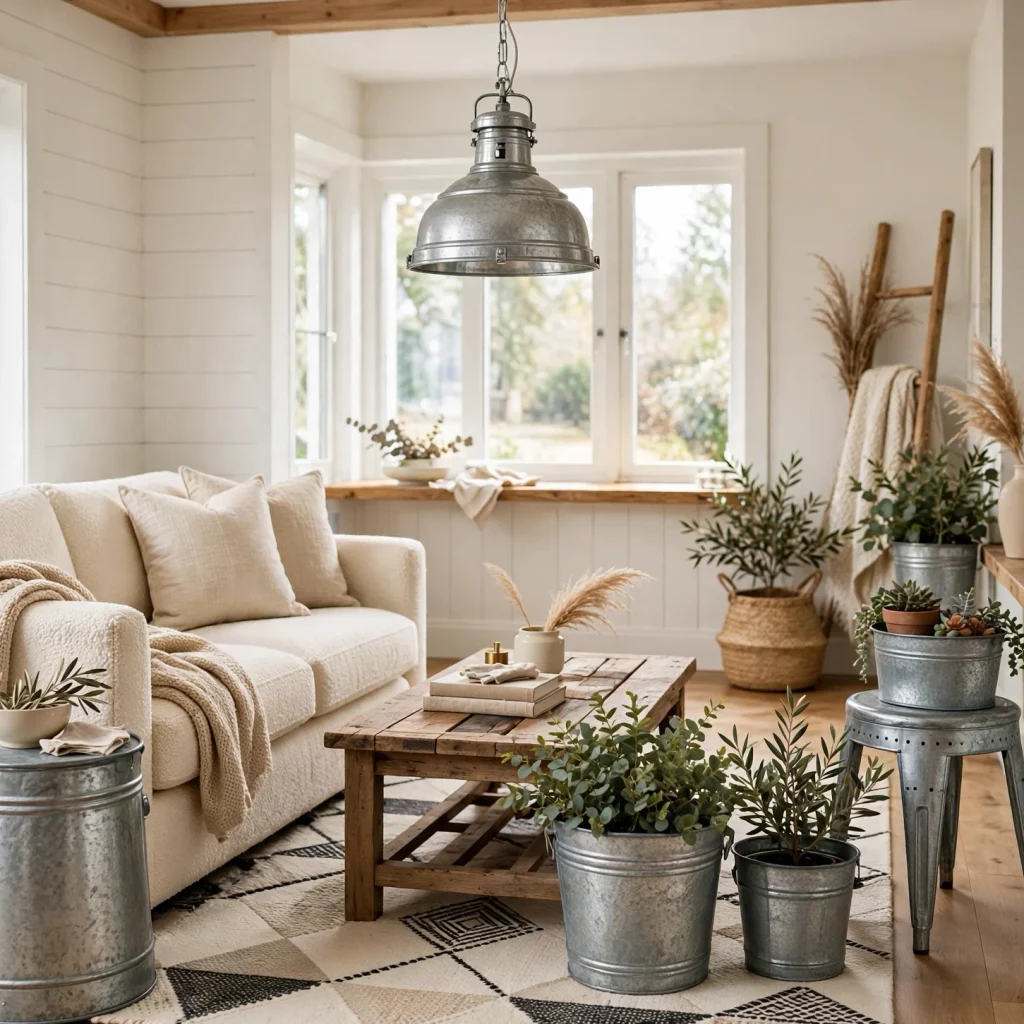
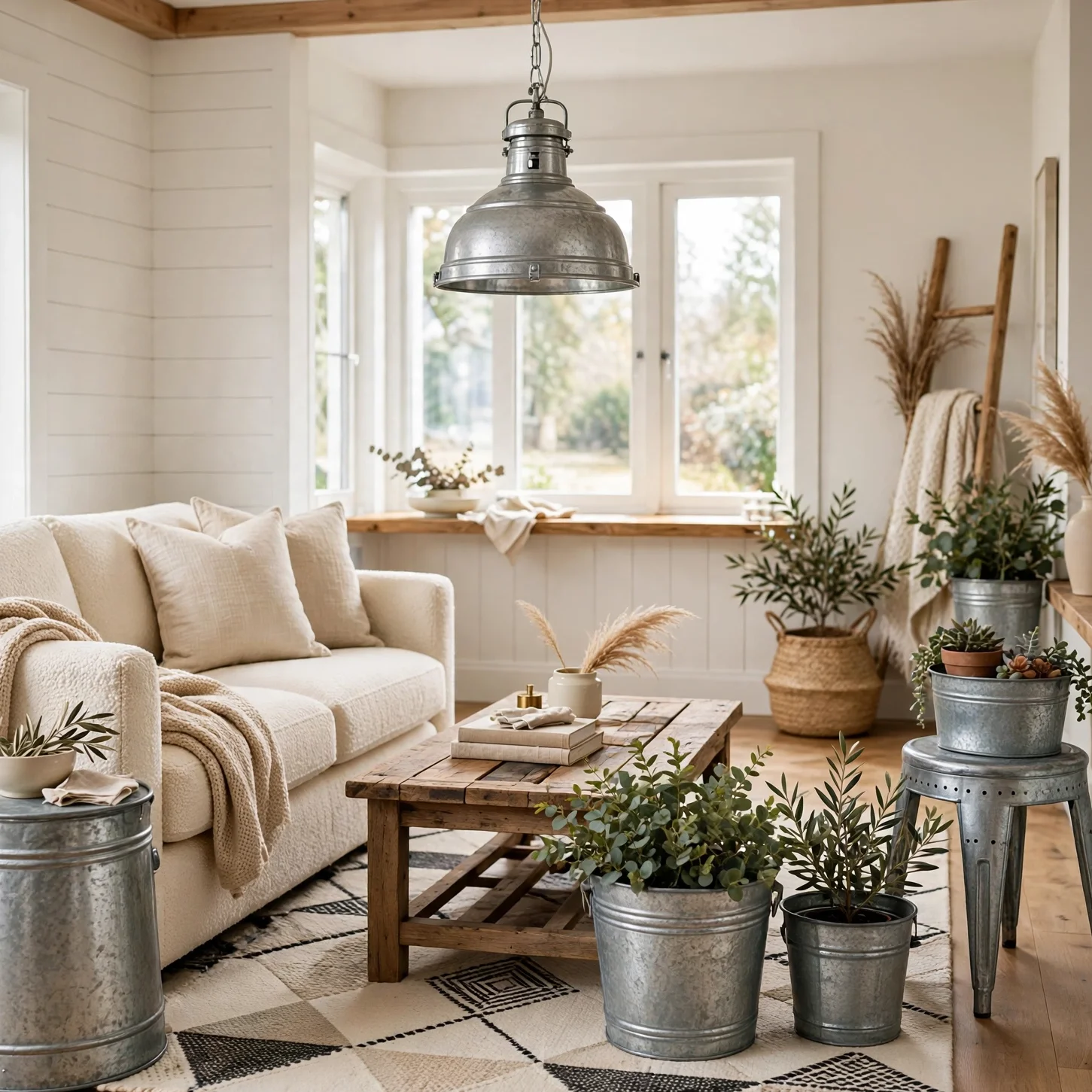
Galvanized metal accents, appearing through a decorative bucket, a lantern-style light fixture, or a small side table base, add an industrial-agricultural texture that’s distinctly associated with farmhouse living room styling. The material’s matte, slightly mottled silver finish provides visual contrast against the room’s warmer wood tones without introducing additional color. Limiting galvanized metal to one or two accent pieces prevents the material from overwhelming the room’s more prominent wood and textile elements.
13. Leather Accent Chair
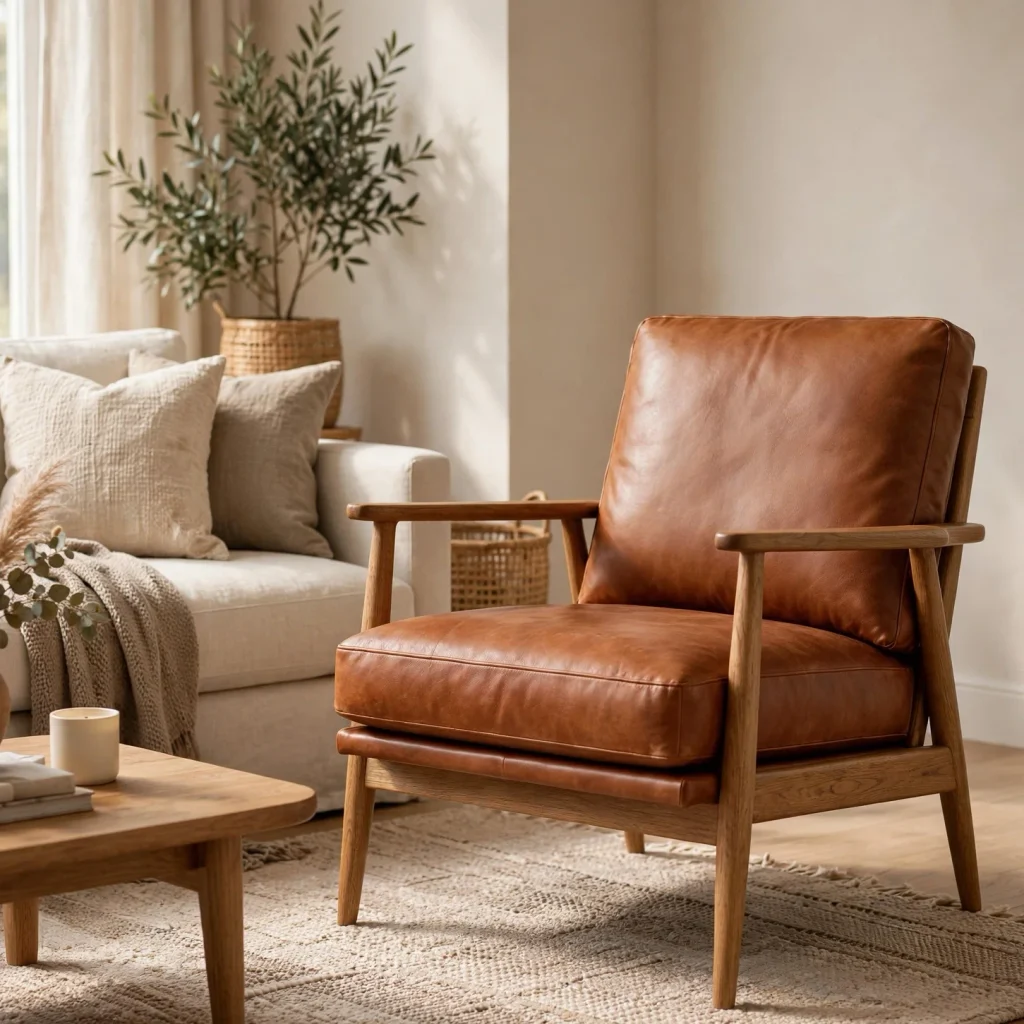
A leather accent chair, in a worn or distressed finish rather than a smooth, glossy leather, adds durability and a masculine counterpoint to a farmhouse living room’s otherwise soft linen and cotton textiles. A cognac or saddle brown tone tends to suit the style’s warm, earthy palette better than black or a cooler-toned leather. This piece also ages well over time, developing additional character and patina that aligns naturally with farmhouse’s appreciation for materials that show their history.
14. Vintage Quilt Throw Display
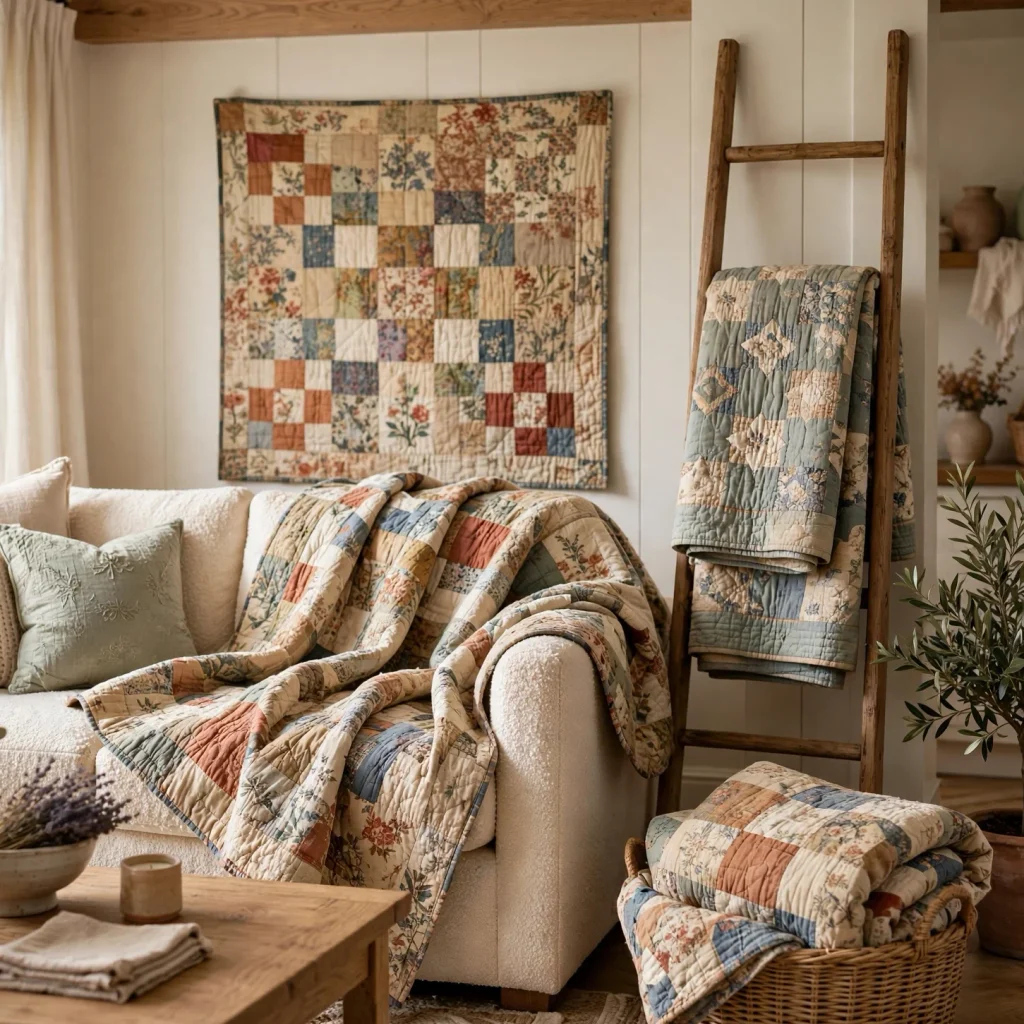
Displaying a vintage or vintage-style quilt, either draped over the back of a sofa or hung as textile art on a wall, brings a distinctly farmhouse decorative element that references the style’s domestic, handmade heritage. Sourcing an authentically aged quilt from an estate sale or antique textile dealer generally produces more character than a new reproduction, though a well-made new quilt in a traditional pattern also works. This detail adds both color and pattern to a room that might otherwise stay fairly neutral throughout.
15. Practical Mudroom-Adjacent Storage
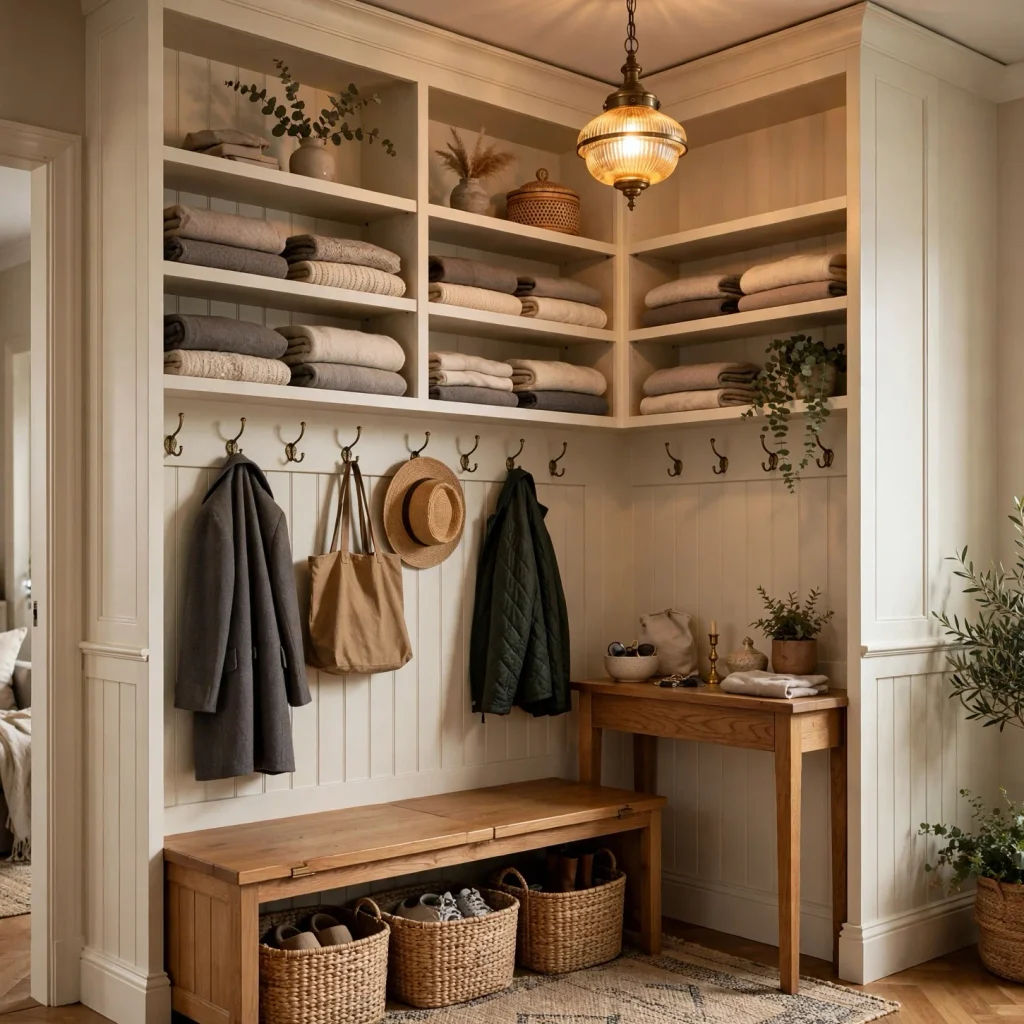
Where a farmhouse living room connects to an entry or mudroom area, incorporating practical storage, such as a wall-mounted hook rail or a simple bench with under-seat storage, reflects the style’s working-household practicality rather than treating the space as purely decorative. A reclaimed wood bench with black metal hooks above it suits this transitional zone particularly well, tying the entry area’s function into the living room’s broader material palette. This idea works especially well in homes where the front door opens directly into or near the main living space.
Shop the Look
Start with a slipcovered linen sofa, a reclaimed wood coffee table with black metal legs, and a jute rug layered under a smaller vintage-style rug. Add a black metal barn-style pendant light, a farmhouse console table with turned legs, and a leather accent chair in a cognac tone. Finish with an antique wooden ladder for quilt display and a vintage quilt draped over the sofa’s arm.
Common Mistake to Avoid
A common mistake in a farmhouse living room is overcommitting to the style’s most literal decorative signifiers, decorative signage, mason jars, and overly distressed furniture throughout, which can quickly tip the room from lived-in charm into a themed, costume-like space. Focusing instead on genuine material choices, real wood, natural textiles, and authentic vintage pieces, produces a more convincing and longer-lasting result than leaning on decorative shortcuts. A restrained, well-edited farmhouse room reads as more authentic than one filled with every recognizable style marker at once.
FAQs
What’s the difference between farmhouse and modern farmhouse living room design?
Traditional farmhouse living room design leans more heavily into rustic, heavily distressed materials and a fuller, more layered decorative approach, while modern farmhouse incorporates cleaner architectural lines and a more restrained material palette alongside the same core wood and black metal elements. Modern farmhouse also tends to favor a lighter, brighter overall look with less visual clutter than the fuller, more traditional interpretation of the style. Most current farmhouse living rooms lean toward this more refined, modern version rather than the earlier, heavily decorated trend.
Is shiplap still a good choice for a farmhouse living room in 2026?
Shiplap remains a foundational element of farmhouse living room design, though current applications tend to use it more selectively, on a single feature wall or a smaller architectural detail, rather than covering an entire room as was common several years ago. This more restrained application keeps the treatment feeling intentional rather than dated or overdone. Pairing shiplap with other materials, like reclaimed wood or black metal accents, also helps it read as part of a broader design rather than the room’s sole defining feature.
What colors work best in a farmhouse living room?
Warm white, cream, and soft gray form the base of most farmhouse living room palettes, typically punctuated by black accents through metal fixtures, window frames, or furniture hardware. Warm wood tones, from lighter whitewashed pine to deeper reclaimed barn wood, add additional color variation without departing from the style’s overall neutral foundation. Bold or highly saturated colors are generally avoided in favor of this more muted, practical palette.
Can a farmhouse living room work in a non-rural or urban home?
Farmhouse living room design translates well into urban and suburban homes despite its rural design origins, since the style’s core elements, natural materials, practical furniture, and a neutral palette with black accents, aren’t dependent on a specific architectural context. Many homeowners in city apartments and townhomes successfully incorporate farmhouse elements through furniture and decor choices even without the barn-style architecture the style originally references. The key is focusing on the material and color principles rather than trying to replicate a literal rural farmhouse setting.
How do I keep a farmhouse living room from looking dated?
Favoring the more restrained modern farmhouse approach, limiting decorative signage and overly literal rustic props, and focusing on genuine material quality over trend-driven decorative objects all help a farmhouse living room avoid feeling dated as the style continues to evolve. Mixing in some cleaner-lined, more contemporary furniture alongside the room’s rustic elements also keeps the space from reading as a single-era decorating moment. Periodically reassessing which decorative elements still feel authentic versus purely trend-driven helps the room age well over time.
Conclusion
A farmhouse living room works best when it balances genuine rustic materials and practical furniture with enough restraint to avoid feeling like a themed space rather than a real, lived-in room. Save this guide to Pinterest for reference while planning your next update, and check out our related post on living room wall designs for more ways to bring architectural texture into the space.