15 Unique House Exterior Design Ideas That Boost Curb Appeal
House exterior design ideas shape first impressions before anyone steps through the front door, and a handful of specific, well-executed choices, color, materials, landscaping, and lighting, make a disproportionate difference to how a home presents from the street. This guide covers fifteen house exterior design ideas, from siding material selection to driveway treatment, addressing the specific decisions that meaningfully improve curb appeal and long-term exterior performance. Every idea treats the exterior as its own considered design project rather than an afterthought once interior planning concludes.
Trend & Background
House exterior design has increasingly prioritized cohesive, restrained color and material palettes over the more varied, decoratively mixed exteriors common in previous decades, mirroring similar restraint trends seen throughout interior design generally. This shift reflects growing recognition that a limited, well-coordinated exterior palette, generally two to three core tones, reads as more intentional and higher-end than an exterior incorporating many different colors and materials without a clear organizing principle. Landscaping and hardscaping have also received more deliberate design attention as a genuine extension of a home’s architecture, rather than a separate, purely horticultural decision made independently of the building’s actual style and proportions.
Key Takeaways
- A home’s exterior color palette should generally include no more than three coordinated tones across siding, trim, and accents.
- Front door color and hardware finish offer some of the highest-impact, lowest-cost curb appeal improvements available.
- Landscaping and hardscaping should frame and complement a home’s architecture rather than compete with or obscure it.
- Exterior lighting affects both nighttime curb appeal and genuine safety, deserving planning alongside purely daytime aesthetic choices.
1. A Restrained Two-to-Three Color Exterior Palette
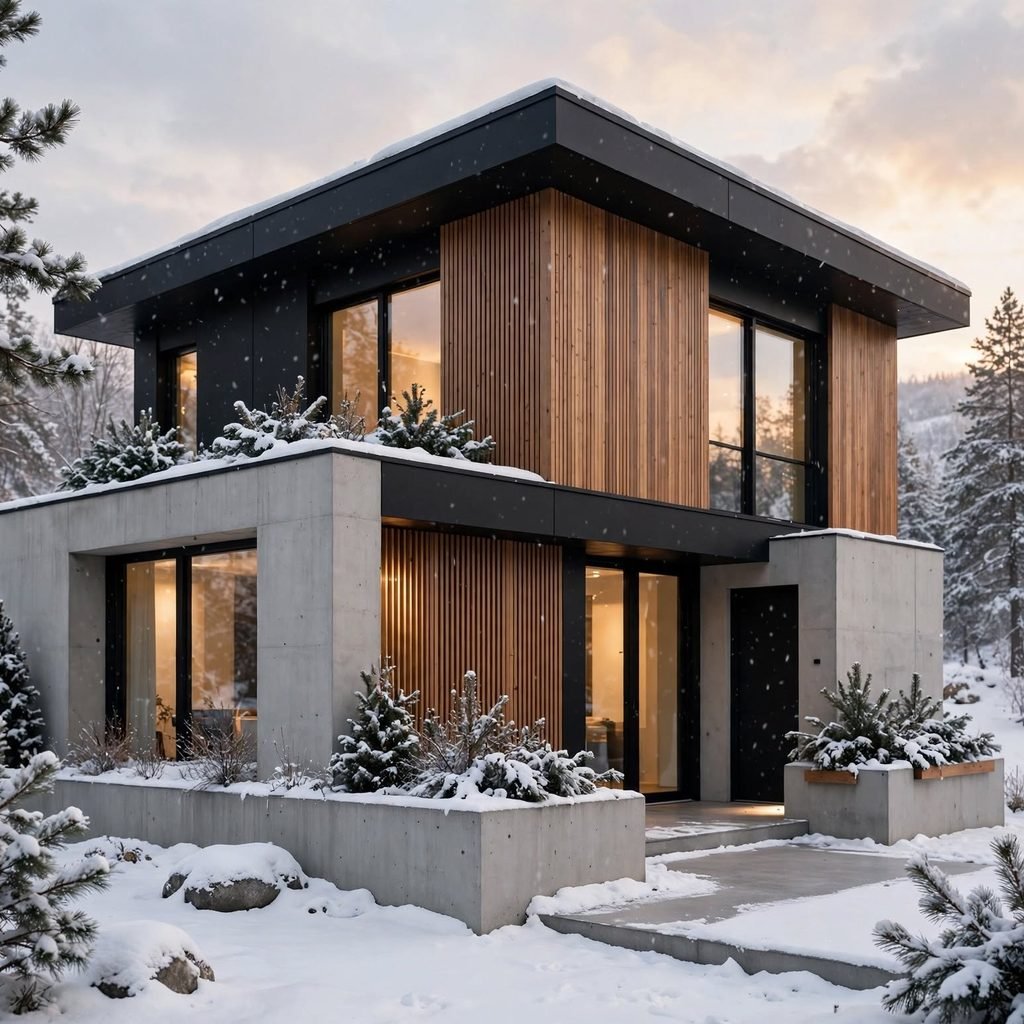
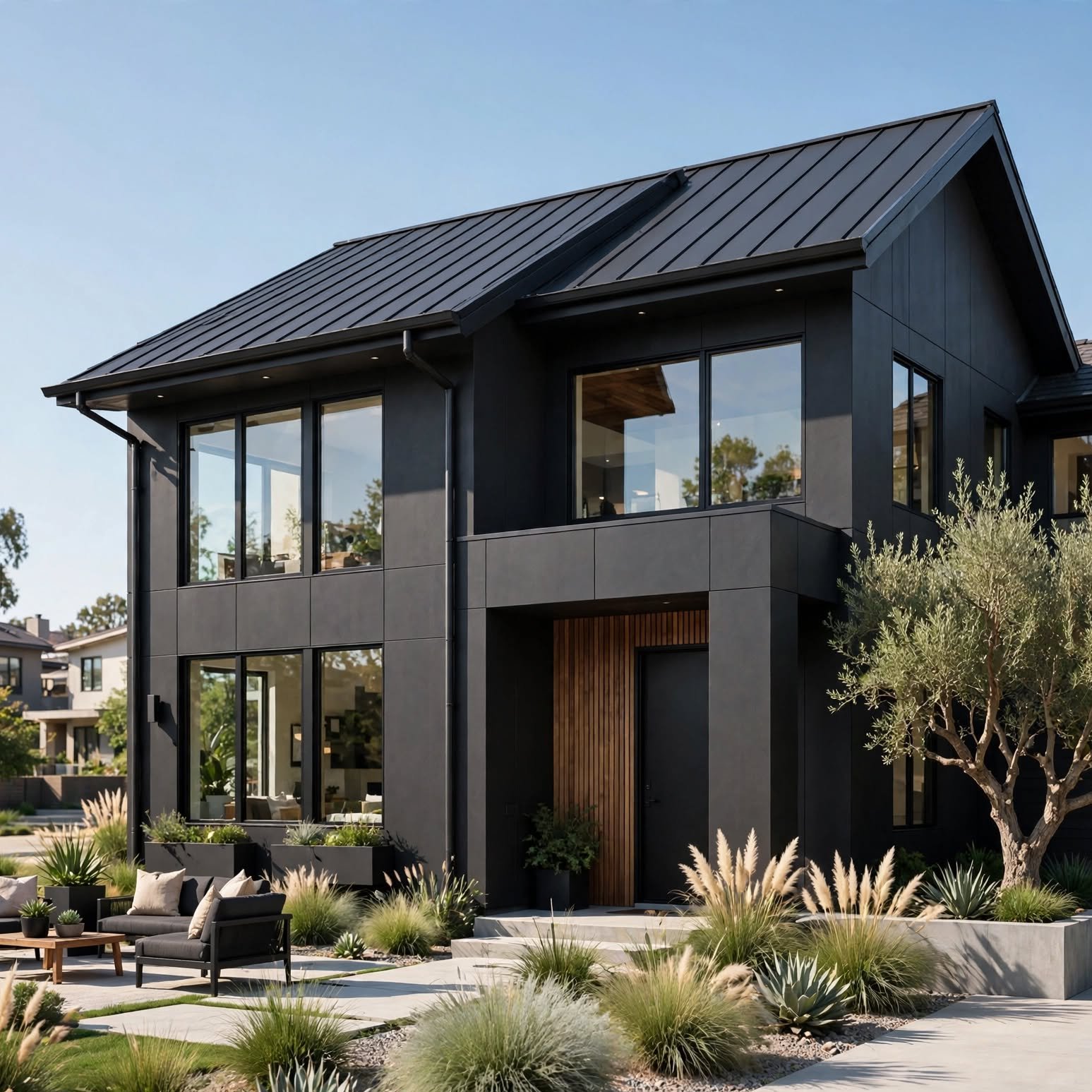
Limiting a home’s exterior color scheme to two or three coordinated tones, typically a primary siding color, a trim color, and one accent color for the front door or shutters, produces a considerably more polished, intentional result than an exterior mixing many different colors without a clear relationship between them. Choosing colors with genuine contrast between the siding and trim, rather than tones too similar to read distinctly from the street, ensures the home’s architectural details remain visible rather than visually flattened. Testing color samples on the actual exterior at different times of day, since exterior colors shift considerably under changing natural light, helps confirm the final choice before committing to a full repainting or residing project.
2. A Statement Front Door Color
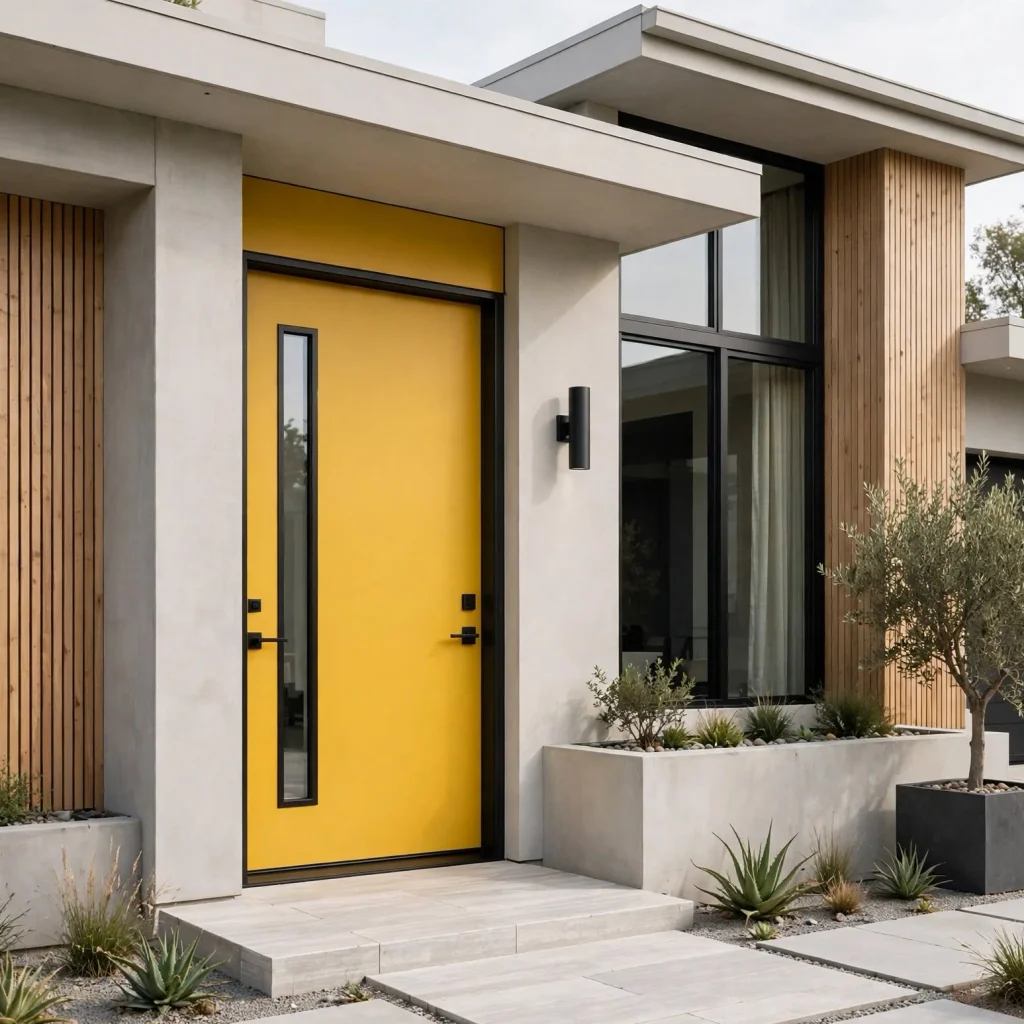
Painting a front door in a bold, contrasting color against the home’s primary siding tone offers one of the highest-impact, lowest-cost curb appeal improvements available, immediately drawing the eye to the entry and signaling a considered, cared-for home. Deep colors, navy, forest green, or a rich red, tend to read as more sophisticated and lasting than trend-driven brighter shades, though the right choice ultimately depends on the home’s overall color palette and architectural style. Choosing a high-quality exterior paint specifically formulated for door use, given the door’s exposure to handling and weather, ensures this relatively small investment holds its color and finish over several years.
3. Coordinated Exterior Hardware and Fixture Finishes
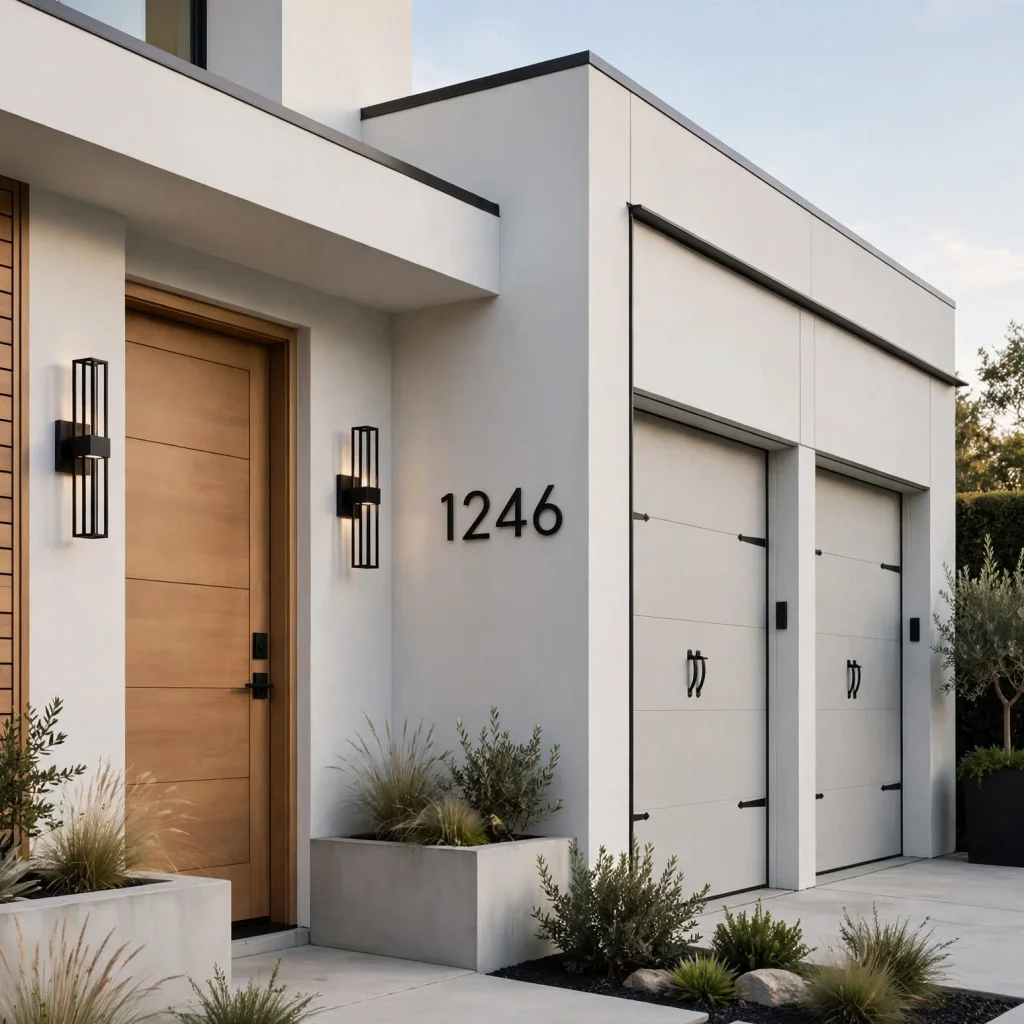
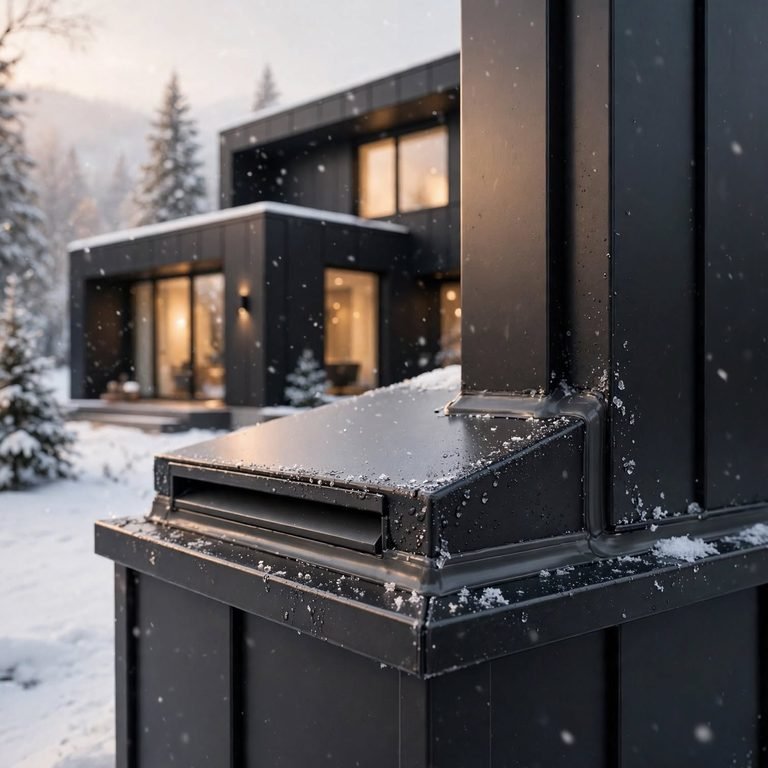
Choosing a consistent metal finish, matte black, aged bronze, or brushed nickel, for a home’s exterior hardware, door handles, house numbers, mailbox, and light fixtures, ties these smaller details together into one cohesive presentation rather than a mismatched collection of unrelated finishes. This coordination matters even though individual pieces are relatively small and inexpensive, since their cumulative visual impact across a home’s full exterior is more significant than any single piece might suggest in isolation. Auditing a home’s existing exterior hardware and identifying which pieces don’t currently match the chosen finish standard helps prioritize which specific items to replace first for the most noticeable improvement.
| Element | High-Impact Choice | Relative Cost |
| Front door color | Bold contrast against siding | Low |
| Hardware finish | Consistent metal throughout | Low to moderate |
| Siding material | Climate-appropriate, durable | Moderate to high |
| Landscaping framing | Plantings complementing architecture | Moderate |
4. Siding Material Suited to Climate and Style
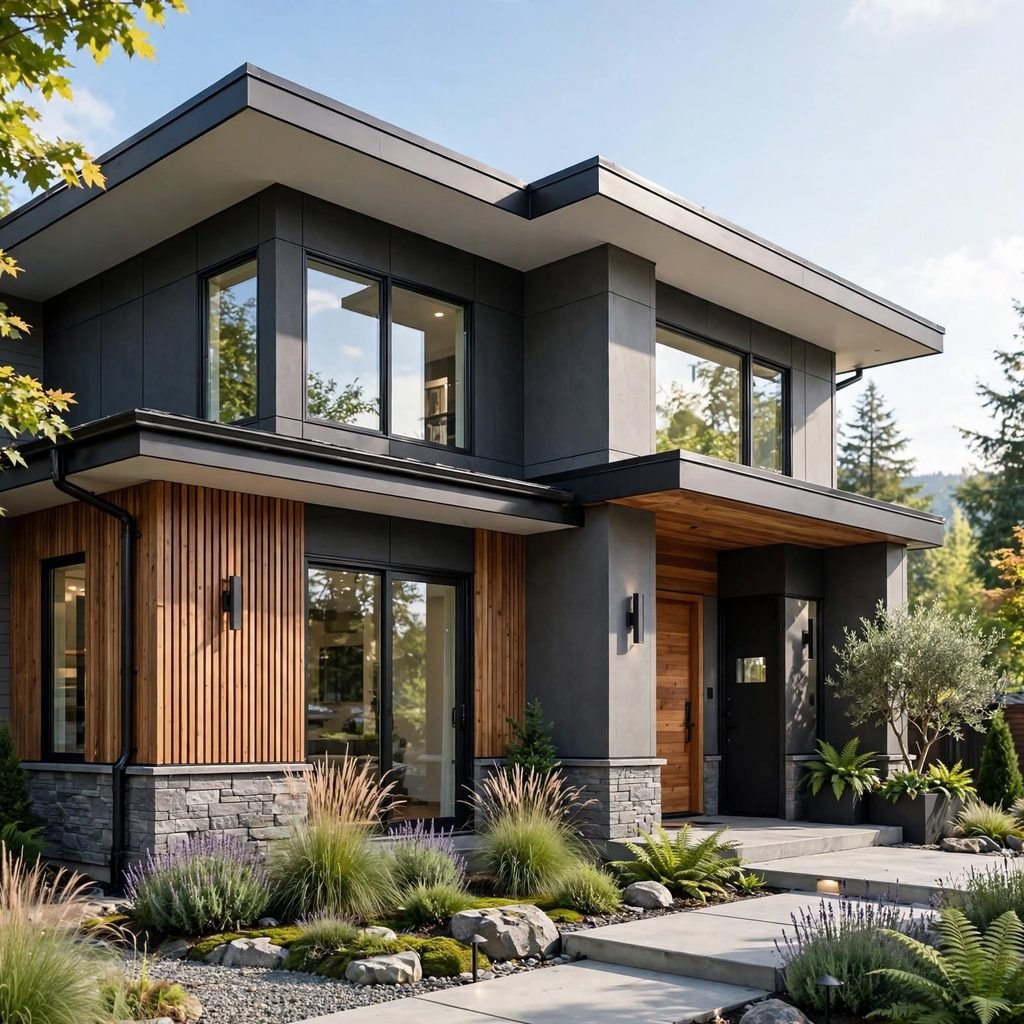
Choosing exterior siding material genuinely suited to both the local climate’s weather demands and the home’s overall architectural style, fiber cement in a humid climate, wood in a drier region with proper maintenance, or brick for genuine long-term durability, protects the home’s structural integrity while also supporting its intended aesthetic direction. This decision affects the home’s appearance for decades, making it worth more deliberate research and consultation than a purely trend-driven material choice might receive. Consulting with a local contractor familiar with which specific siding materials have performed well in the region over time helps avoid costly material failures down the line.
Discover beautiful home interior ideas that combine comfort, style, and functionality.
5. Landscaping That Frames Rather Than Obscures the Architecture
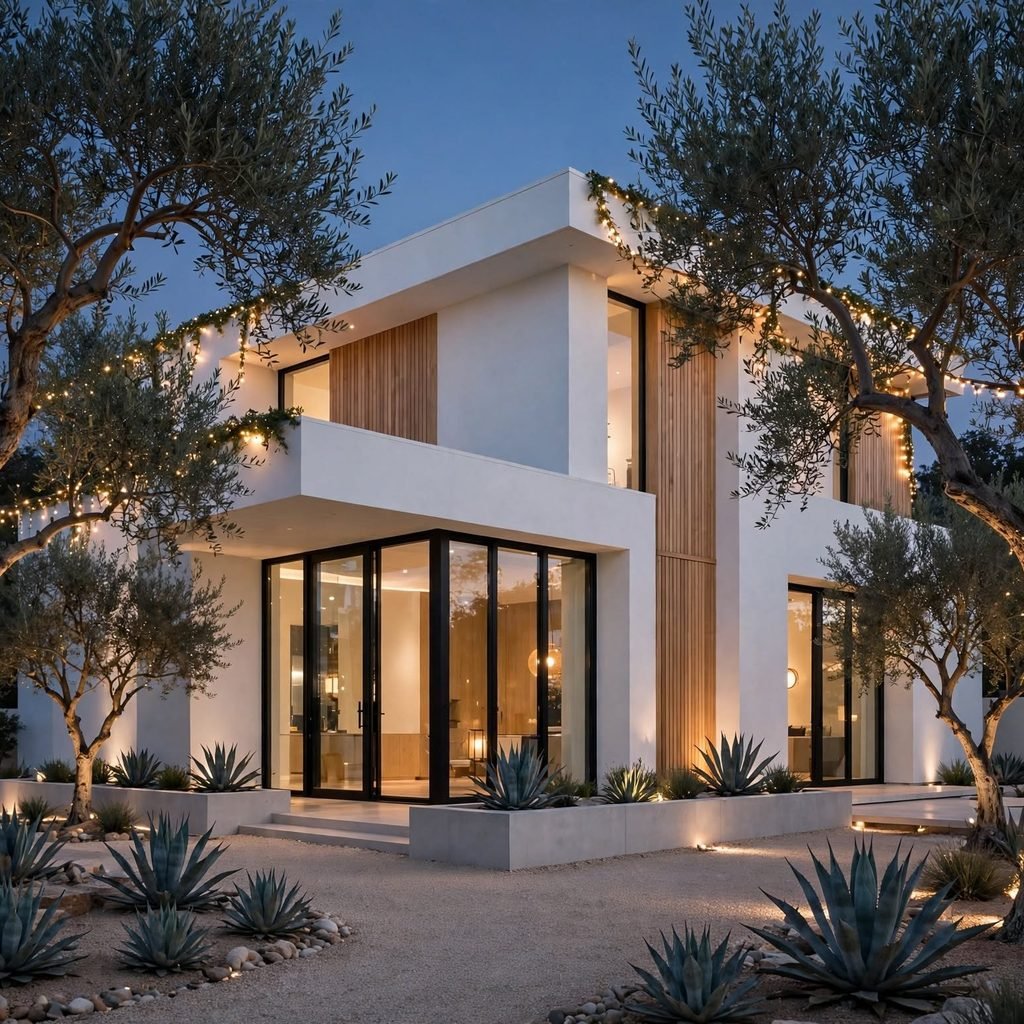
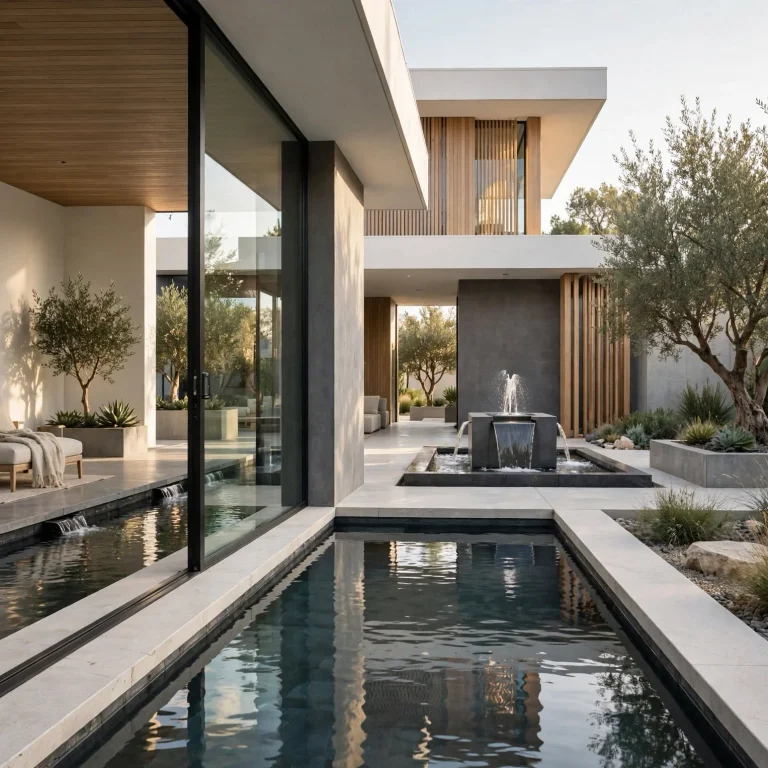
Selecting and positioning plantings specifically to frame and complement a home’s architectural features, windows, entry, and overall massing, rather than allowing overgrown or poorly placed landscaping to obscure these details, ensures the home’s actual design remains visible and appreciated from the street. This might mean choosing lower plantings beneath windows to preserve sightlines, or positioning a taller tree to frame rather than block the home’s most prominent facade. Considering mature plant size at the time of initial planting, rather than only how a small starter plant currently looks, prevents landscaping from eventually growing to obscure architecture it was originally meant to complement.
6. A Well-Defined, Welcoming Walkway
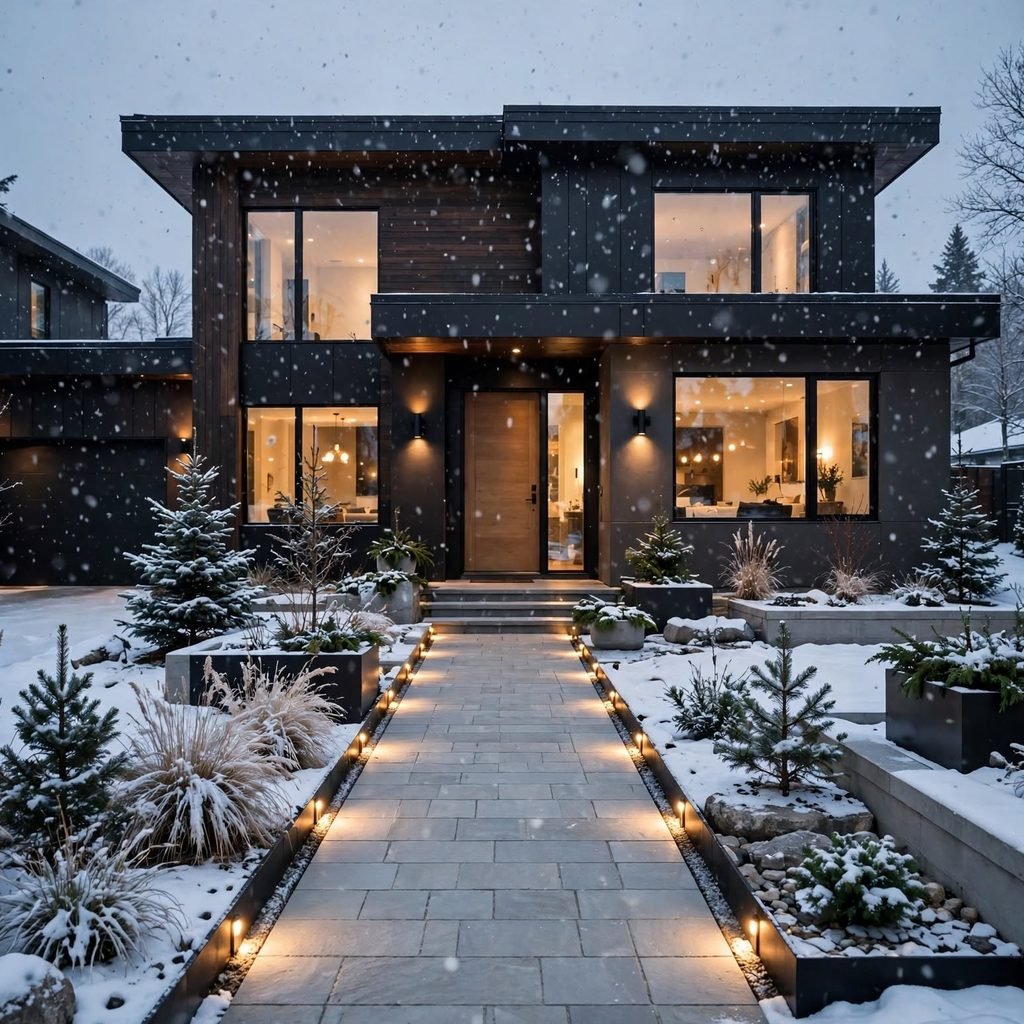
A clearly defined walkway, in a material that coordinates with the home’s overall exterior palette, brick, natural stone, or a simple poured concrete path, guides visitors intuitively from the street or driveway to the front entry while adding a genuine design element to the property’s overall presentation. Choosing a walkway width generous enough for two people to comfortably walk side by side, rather than a narrow single-file path, supports more comfortable everyday and guest use. Lighting this walkway with low-profile path lights further extends its function and visual presence into the evening hours.
7. Exterior Lighting for Both Safety and Ambiance
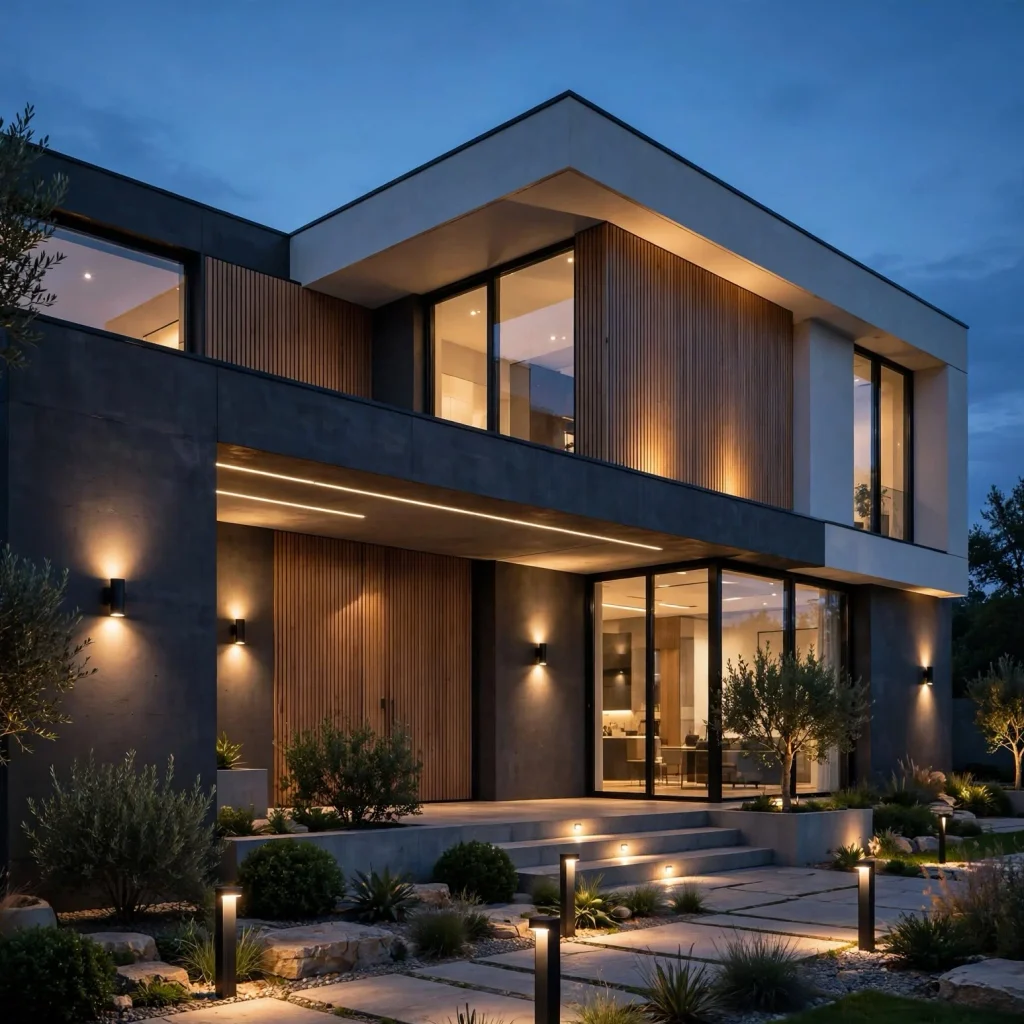
Planning a home’s exterior lighting to address both genuine nighttime safety, illuminating walkways, entries, and any steps, and aesthetic ambiance, highlighting architectural features or landscaping, ensures this often underplanned element serves its full practical and visual potential. Layering several lighting types, a fixture at the front door, path lighting, and perhaps uplighting on a significant tree or architectural feature, produces a more considered result than relying on a single bright floodlight alone. Choosing warm-toned exterior bulbs, consistent with interior lighting temperature preferences, maintains a cohesive, inviting quality rather than a harsh, clinical exterior glow.
8. A Garage Door Treated as a Genuine Design Element
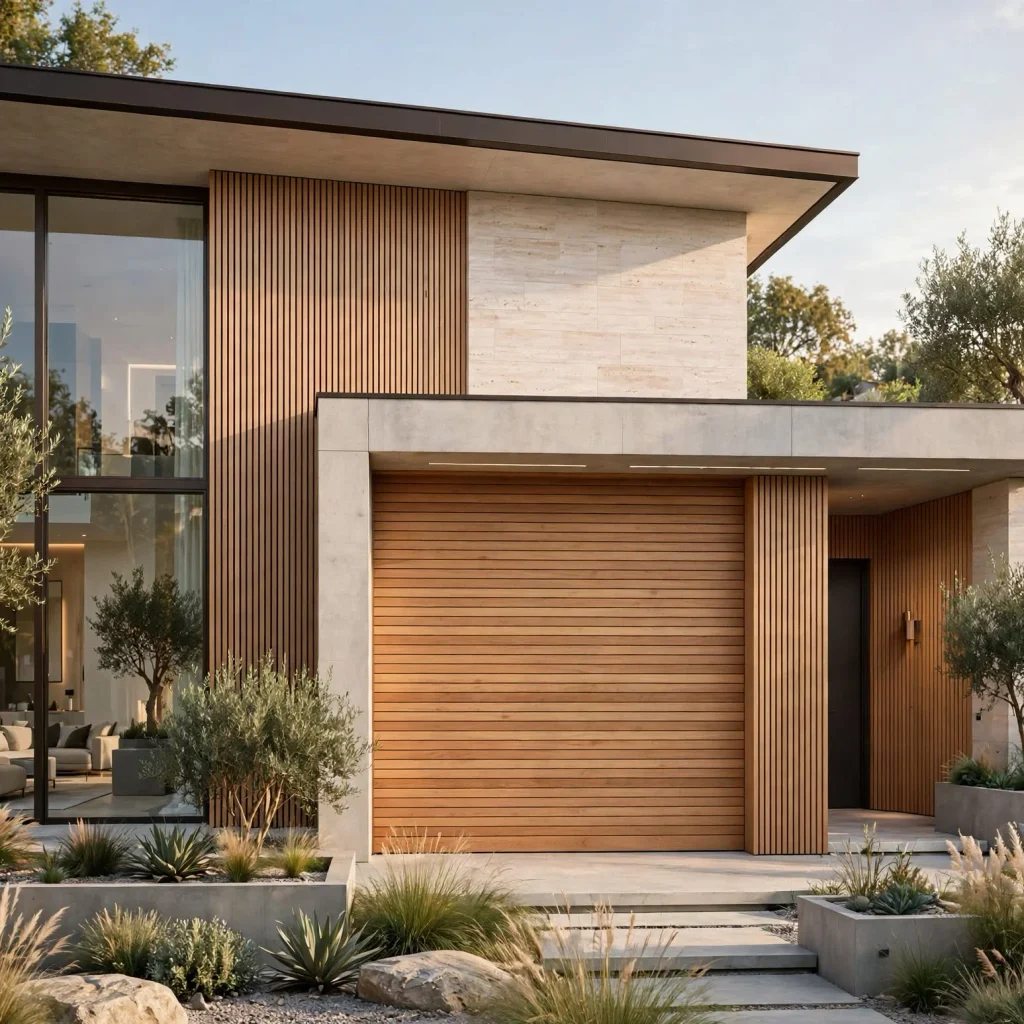
Choosing a garage door style, material, and color that coordinates thoughtfully with the rest of the home’s exterior, rather than treating it as a purely utilitarian element separate from the overall design, matters considerably given how much of many homes’ street-facing facade a garage door actually occupies. Carriage-style doors, added window detail, or simply a coordinated paint color can all elevate a garage door from a purely functional necessity into a genuine contributing element of the home’s curb appeal. This consideration matters particularly for a home where the garage faces the street prominently, since this single element can otherwise dominate the facade’s overall visual impression disproportionately.
9. Coordinated Roofing Material and Color
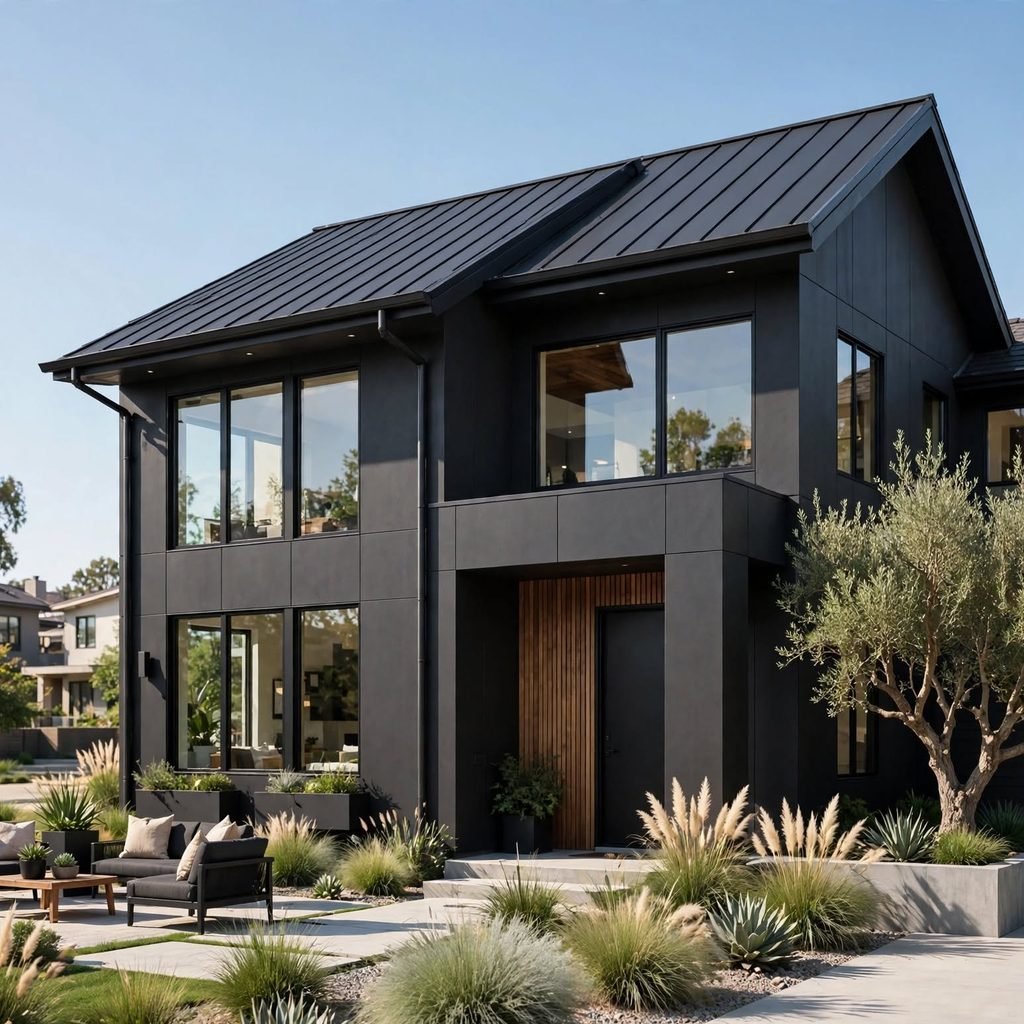
Selecting a roofing material and color that genuinely complements the home’s siding and trim palette, rather than an unrelated color chosen purely for cost or availability without consideration of the overall exterior scheme, ties together one of a home’s largest visible surfaces with its other exterior choices. This coordination matters particularly for a home with a steeply pitched or otherwise highly visible roofline, where the roofing material’s color and texture contributes significantly to the overall street-facing impression. Reviewing roofing samples alongside actual siding and trim samples, rather than selecting the roof independently, helps ensure this large-surface material genuinely coordinates with the rest of the exterior design.
10. A Defined Address Number Display
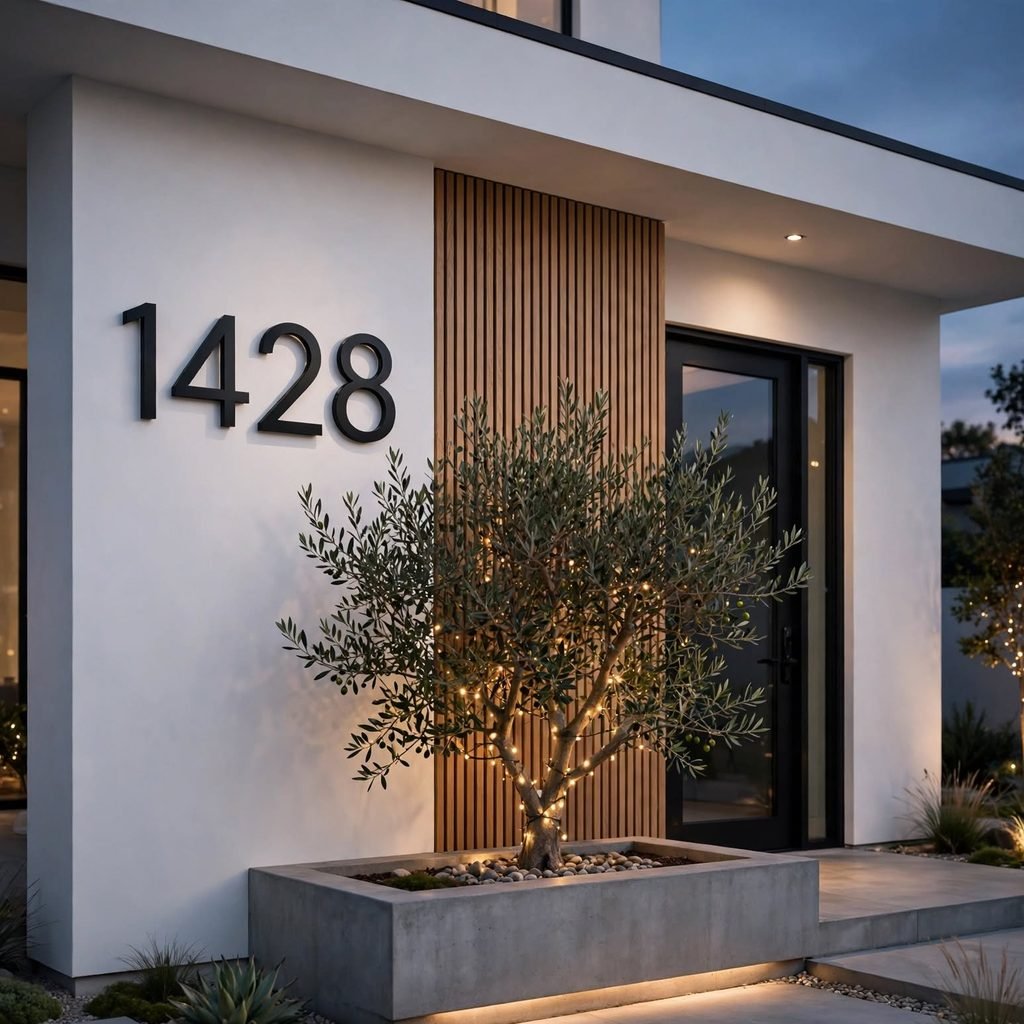
A clearly visible, well-designed house number display, in a font and material that coordinates with the home’s overall exterior style and hardware finish, serves both genuine wayfinding function and a small but noticeable design detail. Choosing number sizing appropriate to the viewing distance, larger and more legible for a home visible from a street at a distance, smaller and more refined for a home with a closer approach, ensures this functional element performs its practical role effectively. Positioning this display prominently but tastefully, rather than as an afterthought tucked in an inconspicuous location, supports both practical visibility and intentional design presentation.
11. Window Trim and Shutters as Architectural Definition
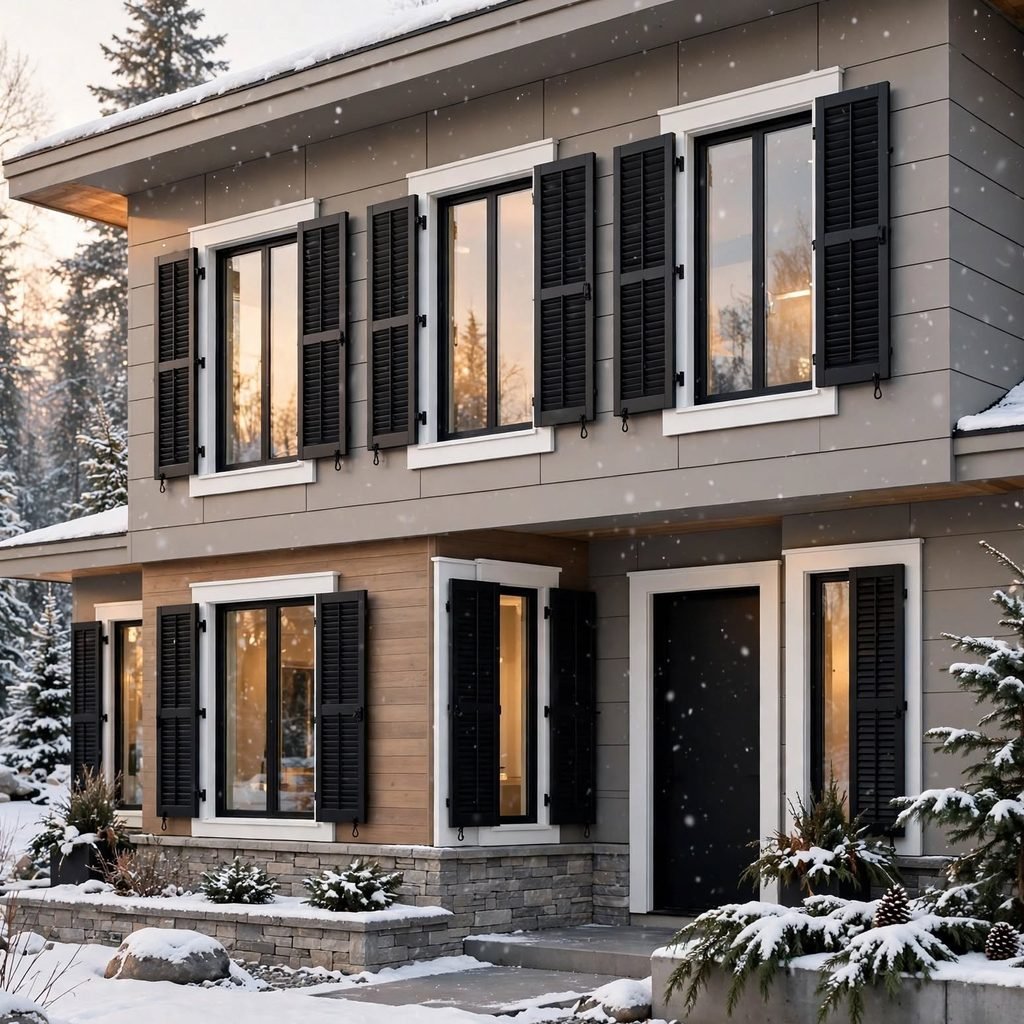
Incorporating window trim, and where architecturally appropriate, shutters, in a color that provides genuine contrast against the siding, adds definition and rhythm to a home’s facade that unadorned window openings alone don’t achieve. Choosing shutter sizing proportional to the actual window opening, rather than decoratively undersized shutters that couldn’t functionally close over the window if needed, maintains a more architecturally credible appearance even when the shutters serve a purely decorative function. This detail works particularly well on a traditional or farmhouse-style exterior, though even a more contemporary home can benefit from thoughtful window trim treatment even without traditional shutters.
12. A Considered Driveway Material and Edge Treatment
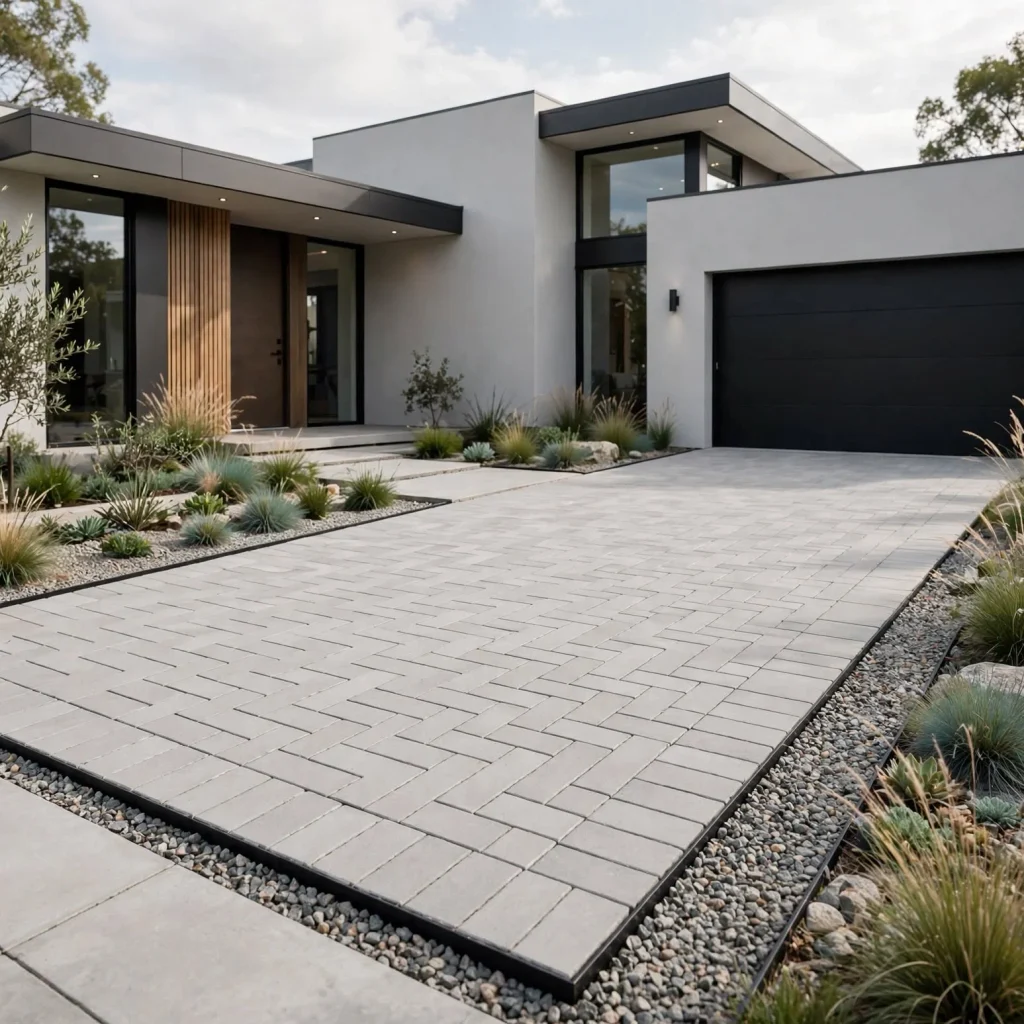
Choosing a driveway material and pattern that coordinates with the home’s overall exterior palette, along with a defined edge treatment, brick or stone border, or simply a clean, well-maintained edge, elevates what’s often a purely utilitarian element into a more considered part of the property’s overall design. This consideration matters particularly for a driveway that occupies significant visible frontage, where its material and condition genuinely affect overall curb appeal alongside the home’s more obviously “designed” elements like siding and landscaping. Maintaining this driveway surface, addressing cracks or staining promptly rather than allowing gradual deterioration, protects this design investment over time.
13. Seasonal Exterior Planting Rotation
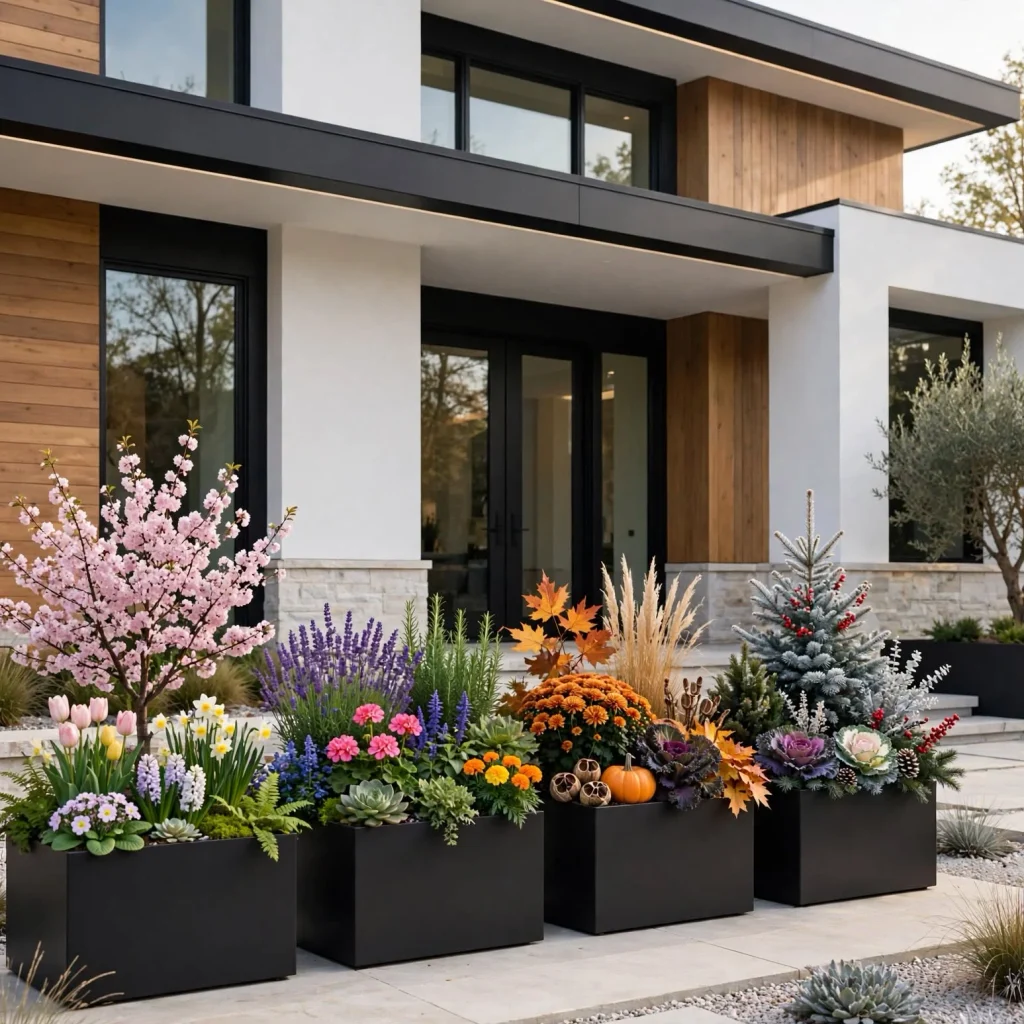
Planning for seasonal color and interest through rotating annual plantings in defined beds or containers near the entry, alongside a foundation of more permanent, structural landscaping, keeps a home’s exterior presentation feeling fresh and cared-for throughout the year rather than static regardless of season. Choosing a consistent container or planting bed style for this rotation, even as the specific seasonal plants change, maintains overall design cohesion despite this planned seasonal variation. This approach requires more ongoing maintenance attention than a purely permanent landscaping scheme, worth weighing against the household’s actual available time and interest in ongoing yard maintenance.
14. A Covered Porch or Entry Overhang
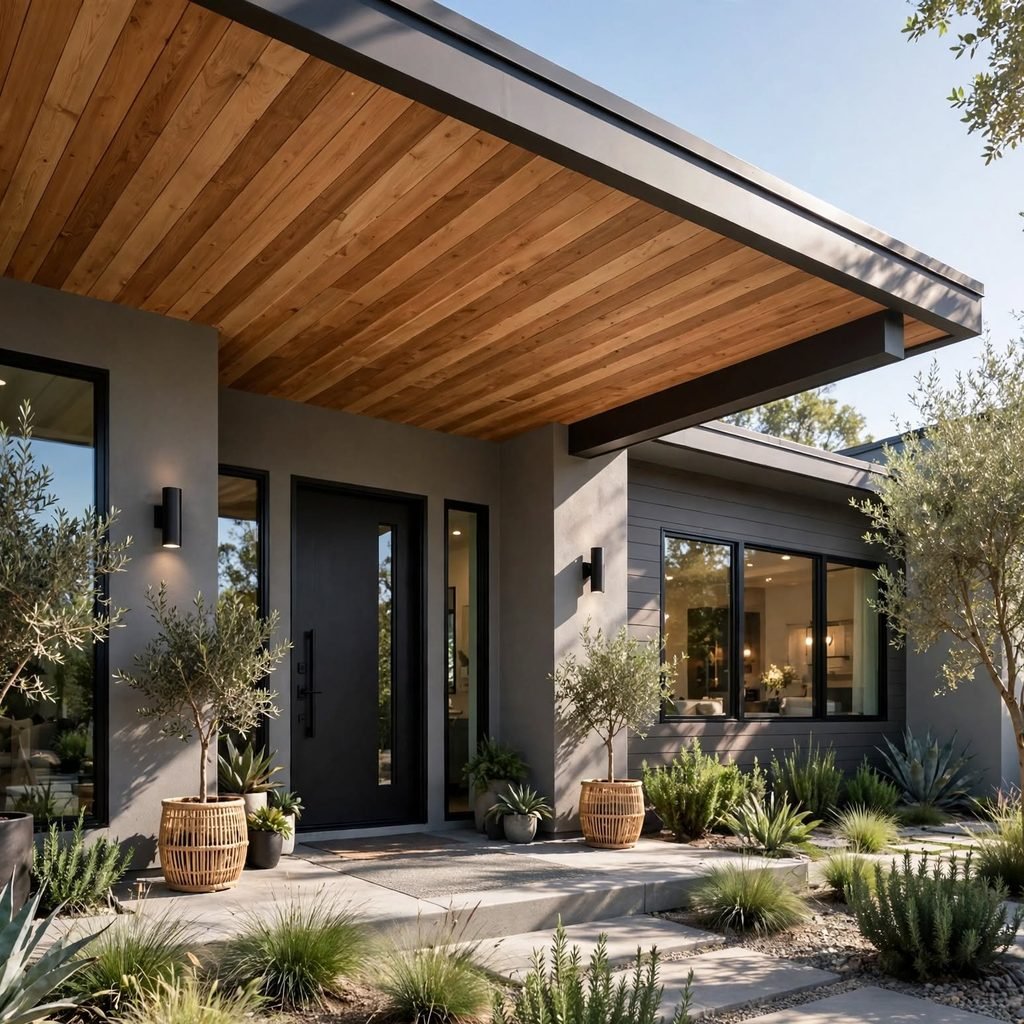
A covered porch or even a more modest entry overhang, protecting the front door area from weather while also providing genuine architectural presence and a sense of arrival, enhances both a home’s practical function and its overall curb appeal impression. This feature works particularly well combined with comfortable seating on a larger porch, extending the exterior design into genuine usable outdoor living space rather than a purely passive architectural feature. Sizing this covered area appropriately to the home’s overall scale, neither disproportionately small nor overly grand relative to the house’s actual size, maintains balanced overall proportions.
15. Regular Maintenance as an Ongoing Design Investment
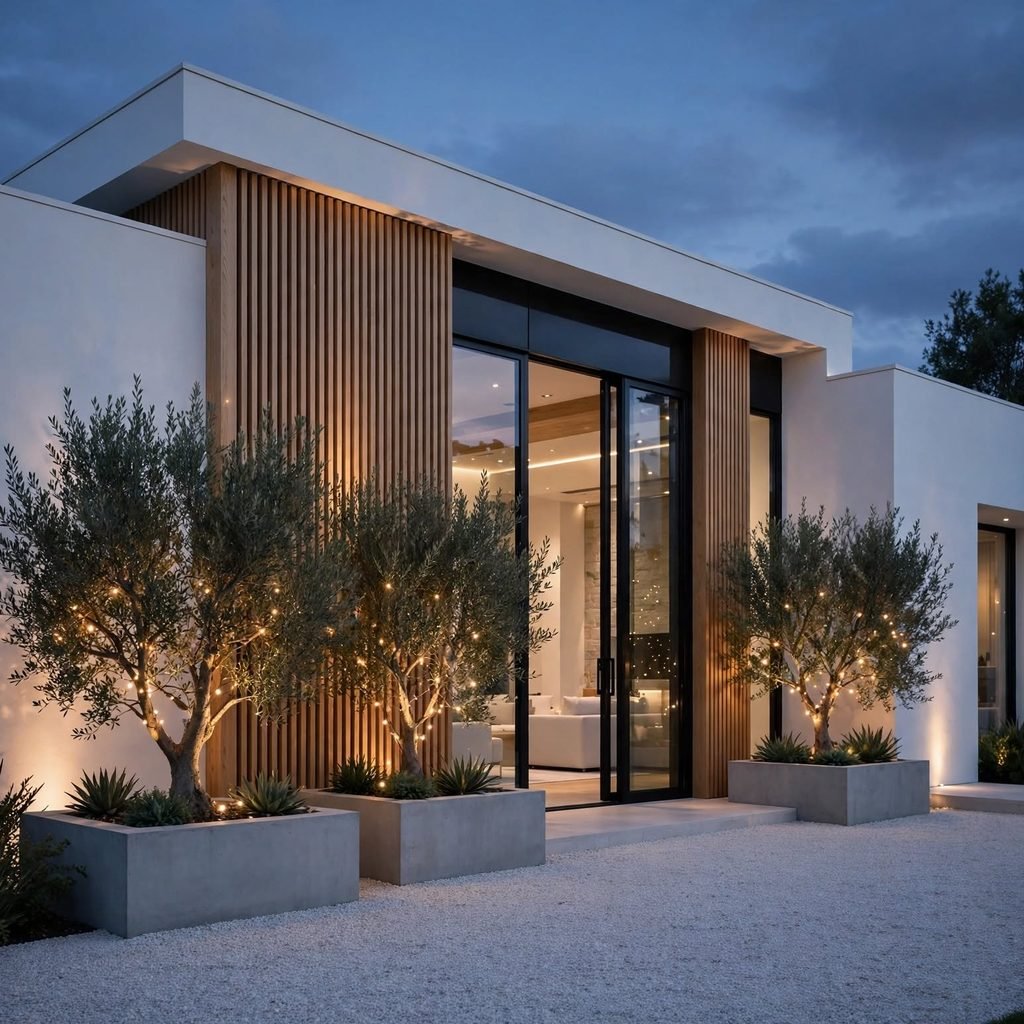
Recognizing that consistent exterior maintenance, pressure washing siding, repainting trim as needed, maintaining landscaping, and promptly addressing any visible wear or damage, protects and extends the value of every other exterior design choice made, since even the most thoughtfully designed exterior gradually loses its impact without ongoing care. This maintenance consideration deserves genuine planning and budgeting alongside the initial design and installation choices, rather than being treated as a separate, lower-priority afterthought. Establishing a realistic maintenance schedule and budget from the outset helps ensure a home’s exterior design investment continues paying off in curb appeal for years beyond the initial installation.
Shop the Look
Start with a restrained two-to-three color exterior palette and a bold, coordinated front door color, both relatively low-cost changes with significant visual impact. Add coordinated hardware finishes throughout, a well-lit and clearly defined walkway, and landscaping positioned to frame rather than obscure the home’s architecture. For a larger investment, prioritize siding and roofing materials genuinely suited to the local climate, and treat the garage door as a coordinated design element rather than a purely utilitarian afterthought.
Common Mistake to Avoid
A common mistake in house exterior design is addressing each element, siding, front door, landscaping, lighting, hardware, as an independent decision without considering how they’ll all read together as one cohesive facade, resulting in an exterior that feels visually disjointed despite each individual choice being reasonable on its own. Establishing a whole-exterior color and material plan before finalizing any single element, then ensuring each subsequent decision, from paint color to hardware finish to landscaping, supports that overarching plan, produces a far more polished and intentional final result. This coordinated approach matters as much for exterior design as the equivalent whole-home coordination principle applies to interior design.
FAQs
What’s the single most impactful, lowest-cost exterior design improvement I can make?
Painting the front door in a bold, coordinated color that contrasts with the home’s siding is widely considered one of the highest-impact, lowest-cost curb appeal improvements, since it immediately draws attention to the entry and signals a cared-for, intentionally designed home for a relatively modest investment in paint and labor. Updating exterior hardware, house numbers, a mailbox, and light fixtures to a consistent, coordinated finish offers a similarly affordable but noticeable improvement. Both changes can typically be completed within a single weekend without requiring extensive contractor involvement, making them accessible starting points for any household wanting to improve curb appeal without a major renovation budget.
How do I choose an exterior color palette that will still look good in several years?
Choosing muted, timeless tones, warm whites, soft grays, deep charcoal, or classic earth tones, rather than a highly trend-driven or unusually saturated color, generally produces an exterior palette with better long-term staying power, since these more restrained choices don’t feel as dated once current color trends inevitably shift. Testing color samples on the actual exterior surface at different times of day, since exterior colors can shift considerably under changing natural light conditions, helps confirm a color choice will perform as expected before committing to a full repainting or residing project. Considering the home’s fixed elements, roofing material color, brick or stone that won’t be changed when selecting paintable exterior colors ensures the full palette works together cohesively for the long term.
Should landscaping match the home’s architectural style?
Landscaping doesn’t need to replicate a home’s architectural style exactly, but choosing plant selections, hardscaping materials, and overall garden structure that genuinely complement rather than conflict with the home’s actual architecture, formal, symmetrical plantings for a traditional home or looser, more naturalistic landscaping for a contemporary or farmhouse-style house, generally produces a more cohesive overall property presentation. This coordination matters most in how the landscaping relates to and frames the home’s key architectural features, rather than requiring an exact stylistic match throughout every planting choice. Working with a landscape designer who considers the home’s actual architecture, rather than planning landscaping in complete isolation from the building itself, helps achieve this genuine complementary relationship.
How much should I budget for exterior design improvements?
Exterior design budgets vary widely by scope, from a few hundred dollars for a front door repaint and hardware update to tens of thousands of dollars for full siding replacement, professional landscaping, and hardscaping work, so it’s worth prioritizing the improvements that matter most for your budget. Starting with the lowest-cost, highest-impact changes, front door color, hardware coordination, basic landscaping cleanup, before considering larger investments like siding or roofing replacement allows a limited budget to still produce meaningful visible improvement. Getting specific quotes from local contractors for any larger-scale projects under consideration provides more accurate budget planning than general estimates, since costs vary considerably by region and specific material choices.
How often does a home’s exterior design need to be updated or refreshed?
Major structural exterior elements, siding, roofing, generally last several decades with proper maintenance before requiring full replacement, though paint and trim typically benefit from refreshing every five to ten years depending on climate exposure and paint quality. Landscaping requires more frequent, ongoing attention, regular pruning, seasonal planting rotation, and periodic reassessment as plants mature, to maintain its intended design impact over time. Establishing a realistic maintenance and refresh schedule from the outset, rather than waiting until visible deterioration prompts reactive updates, helps a home’s exterior design continue performing well and looking intentional across many years.
Conclusion
Strong house exterior design comes from treating a home’s color, materials, landscaping, and lighting as one coordinated whole-facade project, prioritizing high-impact, relatively affordable changes like a bold front door and consistent hardware before tackling larger material investments. Save this guide to Pinterest for reference while planning your next exterior update, and check out our related post on house design for broader architectural planning principles that shape how a home’s exterior and interior work together.