15 Japandi Living Room Ideas Blending Form and Function
A japandi living room draws from two design traditions that share more in common than their geography suggests, Japanese minimalism’s reverence for craftsmanship and Scandinavian design’s focus on comfort and light. This guide covers fifteen ideas for building that balance, from low platform furniture to natural stone accents, with the material and proportion details needed to keep the look authentic rather than generically neutral. Each idea reflects the quiet, functional character both traditions share.
Trend & Background
Japandi living room design emerged from the recognition that Japanese minimalism and Scandinavian functionalism, despite developing independently, both prioritize simplicity, natural materials, and craftsmanship over ornamentation. The style has grown steadily as a reaction against both cold, stark minimalism and cluttered maximalism, offering a middle path that feels calm without feeling empty. Its emphasis on quality over quantity has also aligned well with slower, more intentional furniture buying habits, as homeowners increasingly favor fewer, better-made pieces over frequently replaced furniture.
Key Takeaways
- A japandi living room combines Japanese minimalism with Scandinavian warmth, favoring natural materials over decoration.
- Low-profile furniture and grounded proportions are central to the style’s calm, horizontal visual language.
- A muted, earthy color palette with occasional black accents defines japandi more than any single furniture piece.
- Craftsmanship and visible material honesty, like exposed wood joinery, matter more than polish or shine in this style.
1. Low Platform Sofa
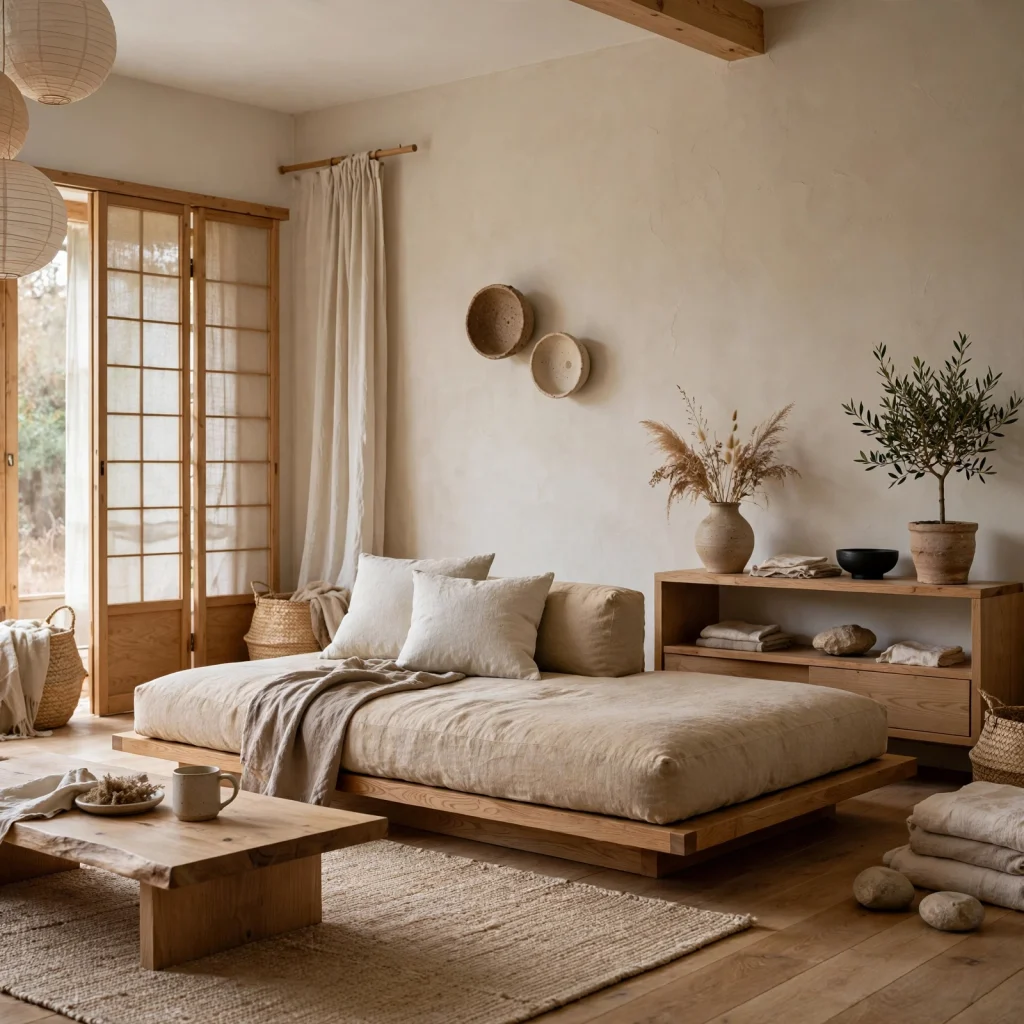
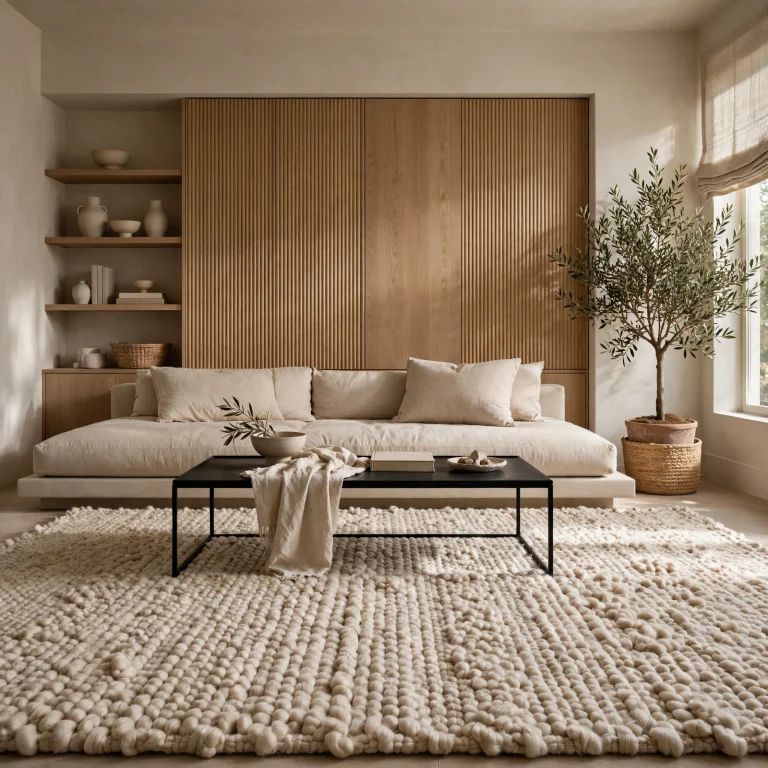
A low platform sofa, sitting close to the ground with exposed wooden legs, reflects the grounded, horizontal proportions central to japandi living room design. Clean lines and a solid, unpatterned upholstery in oatmeal or warm gray linen suit the style better than tufted or heavily cushioned alternatives. This lower profile also echoes traditional Japanese floor-seating culture while still providing the comfort expected in a Scandinavian-influenced living space.
2. Natural Oak Furniture Frame
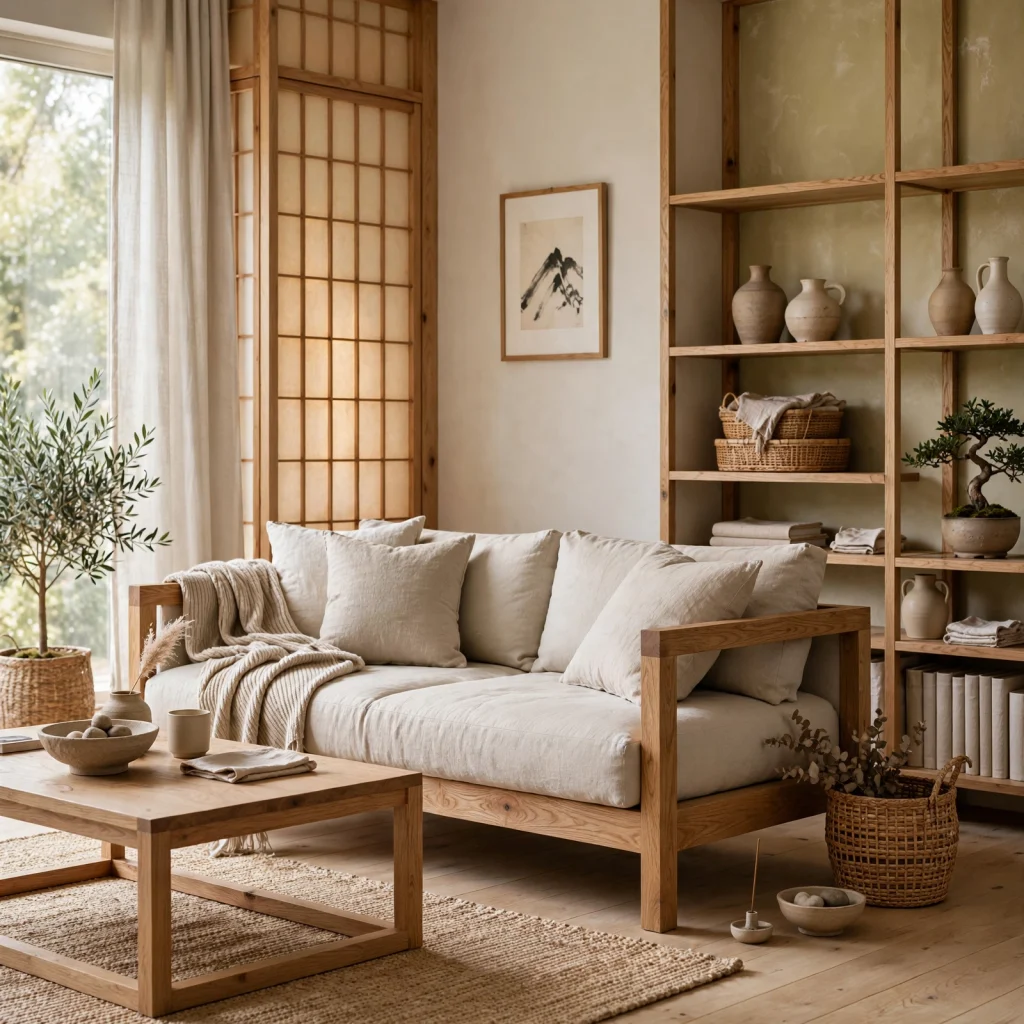
Natural oak, left in a raw or lightly oiled finish rather than heavily stained or lacquered, is one of the most consistent material choices across japandi living room furniture. This finish allows the wood’s natural grain to remain visible, reflecting both Japanese material honesty and Scandinavian craftsmanship traditions. Choosing furniture where the joinery itself is visible, rather than hidden behind upholstery or paneling, reinforces the style’s respect for construction as part of the design.
| Wood Tone | Finish | Best Paired With |
| Light oak | Raw or lightly oiled | Warm white walls, linen textiles |
| Walnut | Matte natural | Charcoal or black accents |
| Ash | Whitewashed | Pale gray, muted sage |
3. Tatami-Inspired Floor Seating Zone
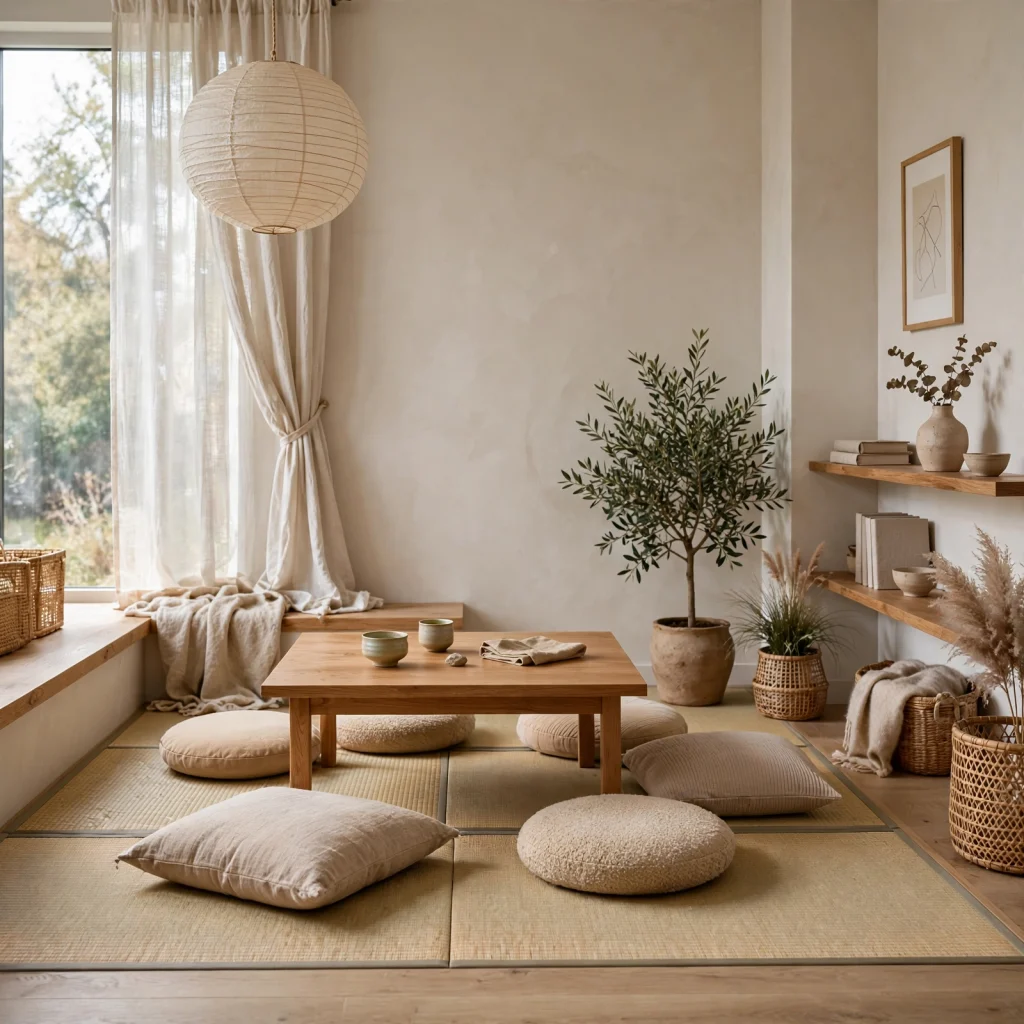
A small floor seating zone, using a low wooden table and floor cushions in place of a full second seating group, brings a subtle nod to traditional Japanese tatami rooms into a japandi living room. This works particularly well as a secondary, more casual area within a larger space, offering flexibility for reading or informal gathering. Cushions in natural linen or a subtle woven texture, kept to one or two neutral tones, maintain the room’s restrained palette even in this more relaxed zone.
4. Shoji-Inspired Screen Divider
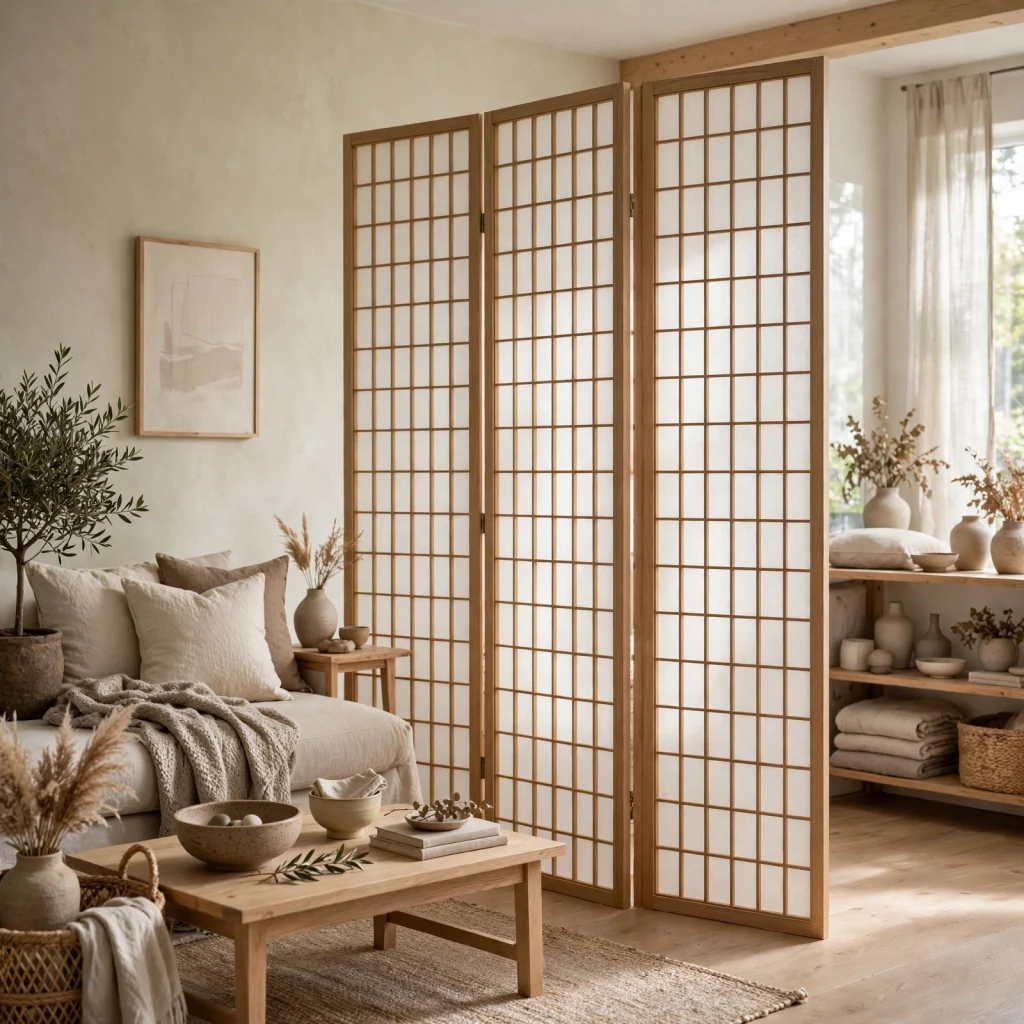
A shoji-inspired screen, using a wood lattice frame with translucent paper or fabric panels, can divide a japandi living room from an adjacent space while still allowing light to pass through. This detail references traditional Japanese room dividers without requiring a literal reproduction, working equally well as a folding screen or a fixed sliding panel. The screen’s linear grid pattern also adds subtle visual texture to an otherwise minimal room without introducing color or busy pattern.
5. Ceramic Vessels with Visible Imperfection
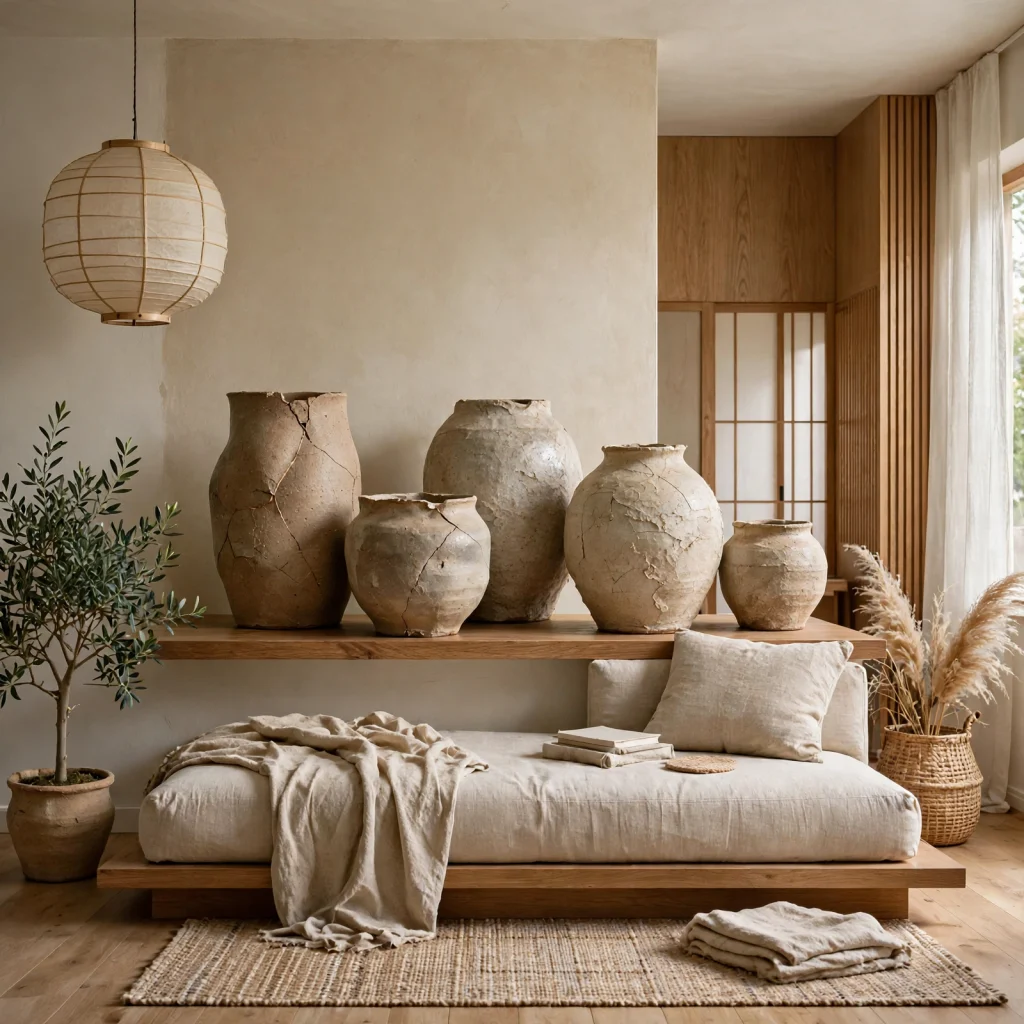
Ceramic vessels that embrace visible texture, an uneven glaze, a slightly asymmetrical shape, or a deliberately imperfect edge, reflect the Japanese design principle of wabi-sabi, finding beauty in imperfection and impermanence. These pieces suit a japandi living room’s console or shelving far better than perfectly uniform, mass-produced ceramics. Sourcing from independent potters or small studios, rather than large retailers, generally produces the kind of handmade character this detail depends on.
If you love sophisticated interiors, explore these luxury living room designs for elegant furniture, textures, lighting, and decor.
6. Muted Earthy Color Palette
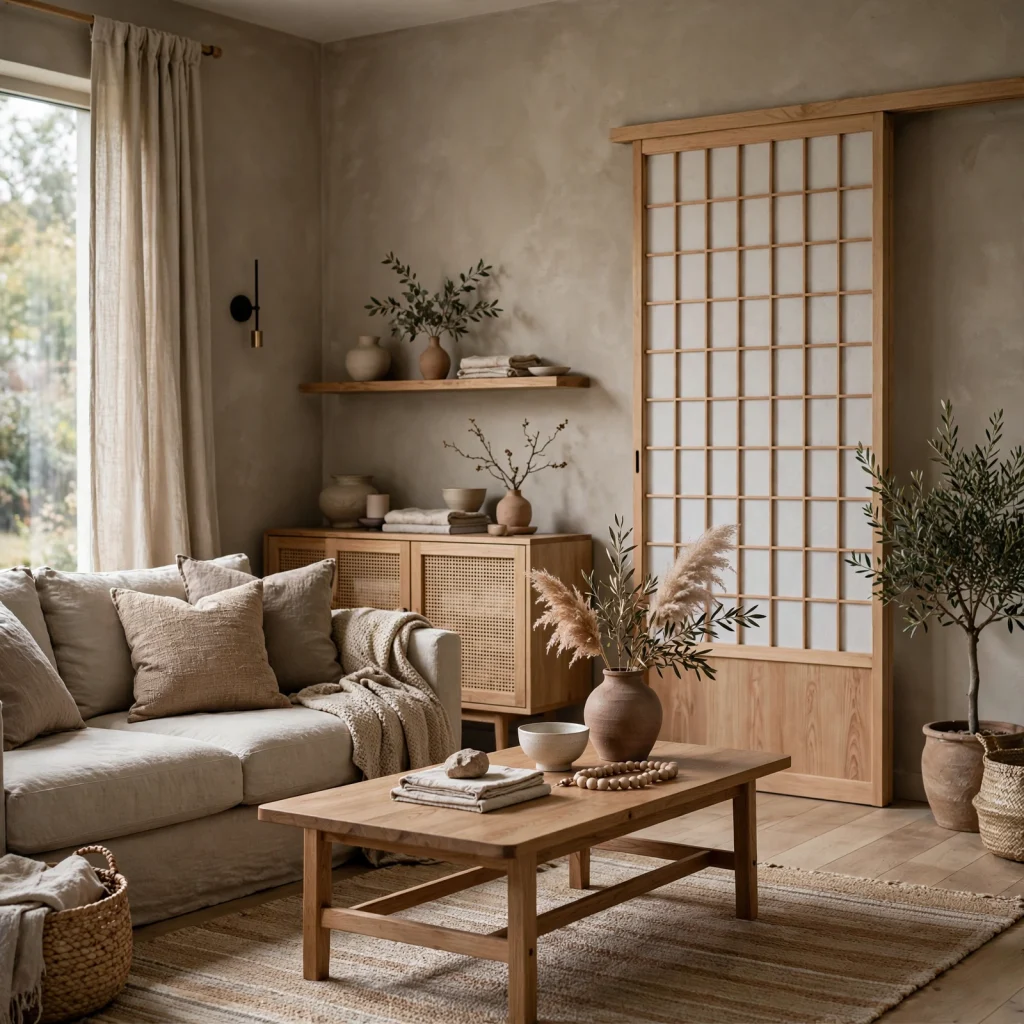
A muted, earthy color palette built around warm whites, sand, and soft clay tones, with occasional charcoal or black accents, defines the visual foundation of a japandi living room more than any single furniture piece. This palette draws from Scandinavian preference for light, airy neutrals while incorporating the deeper, more grounded tones associated with Japanese interiors. Introducing black sparingly, through a single accent chair or a picture frame, provides contrast without disrupting the room’s overall calm.
7. Low Wooden Coffee Table
A low wooden coffee table, typically under 16 inches tall, continues the grounded, horizontal proportions established by the platform sofa throughout a japandi living room. A simple rectangular or organic freeform shape in solid oak or walnut, without ornate detailing, keeps the piece consistent with the style’s overall restraint. This lower height also encourages floor-level use, whether for a book, a tea set, or simply resting a foot, which fits the room’s more relaxed, grounded feel.
8. Linen and Wool Textile Layering
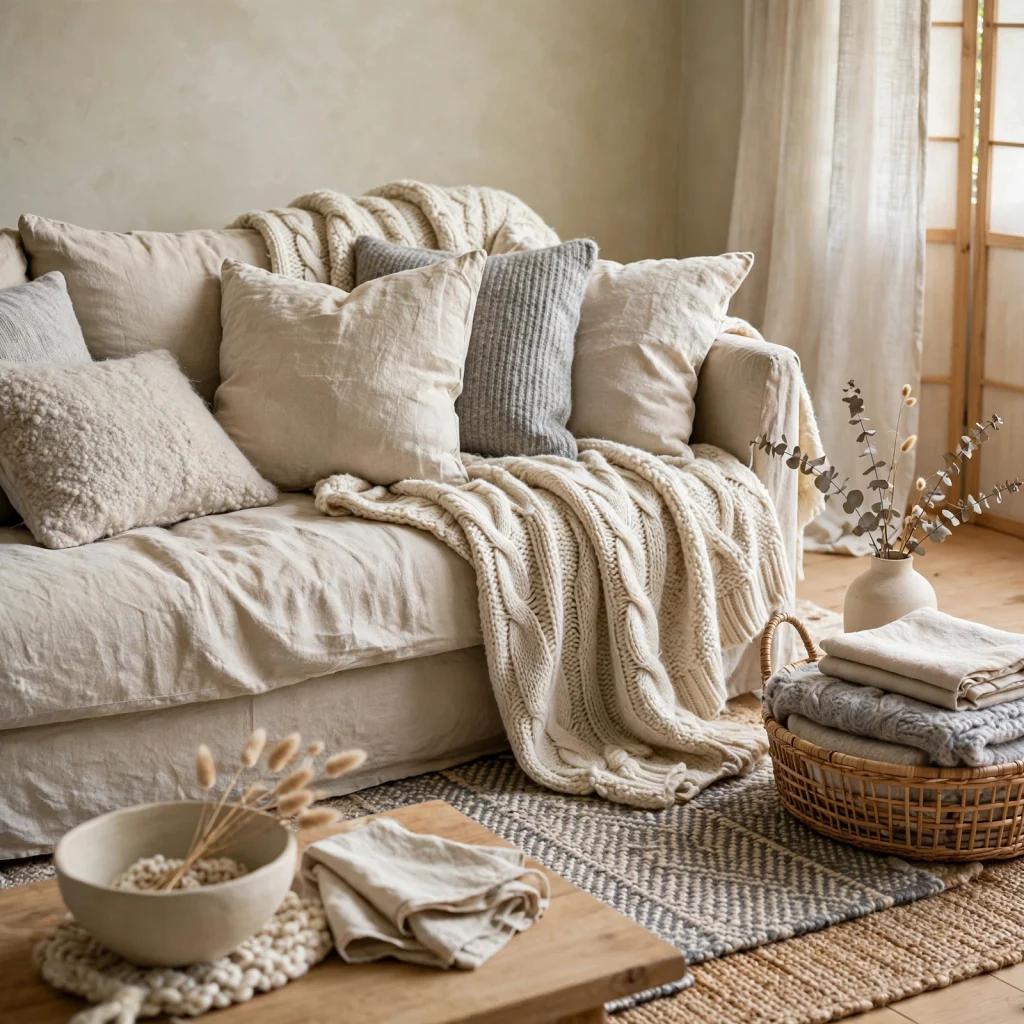
Layering linen and wool textiles, through a sofa throw, floor cushions, and a low-pile rug, adds tactile warmth to a japandi living room without introducing pattern or bright color. Undyed or naturally dyed fabrics in oatmeal, stone, and soft gray keep the material story consistent with the room’s broader palette. This layering approach softens what could otherwise feel like an overly spare room, providing the comfort associated with Scandinavian design within a still-restrained visual framework.
9. Sunken or Recessed Reading Nook
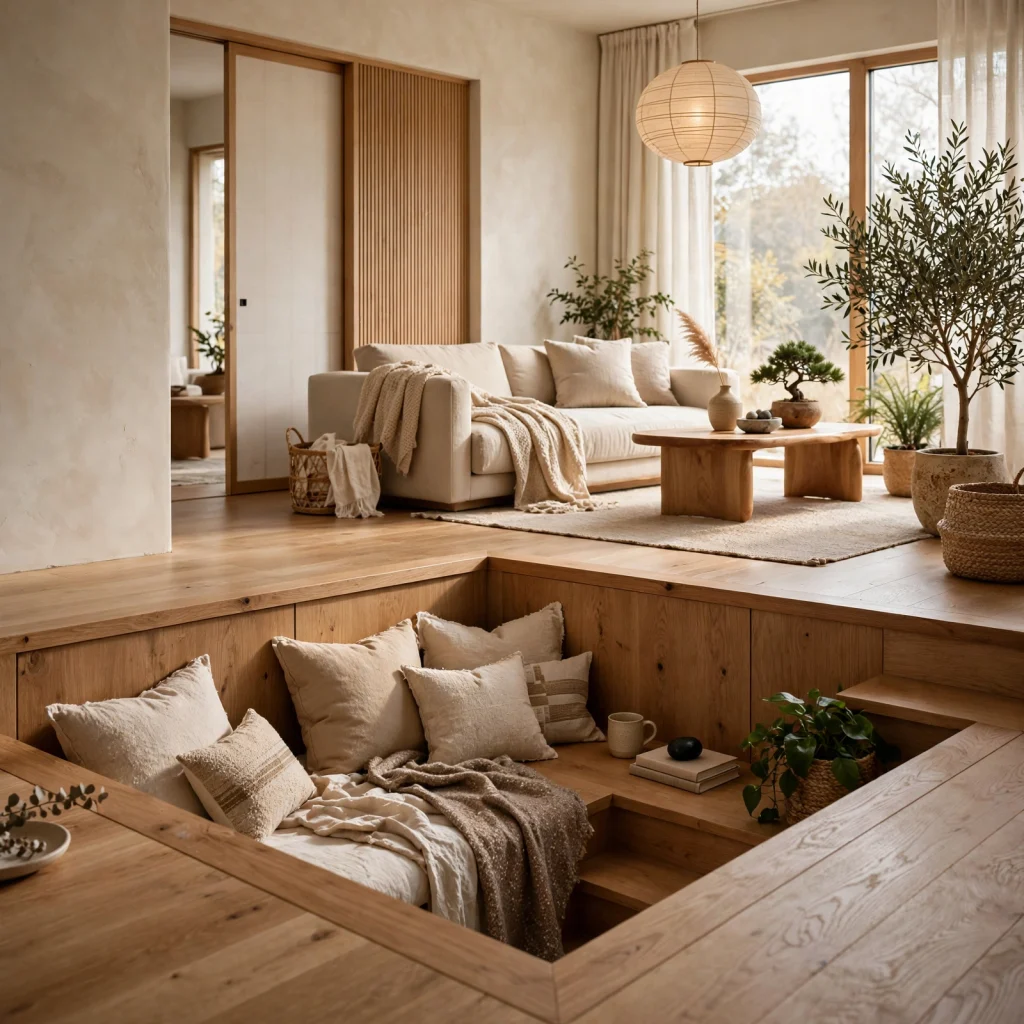
A sunken or slightly recessed reading nook, built into an existing architectural feature or created through a simple platform step, gives a japandi living room a defined, contemplative corner separate from the main seating area. This idea works particularly well near a window, where natural light supports both the practical need for reading light and the broader emphasis on connection to the outdoors found in both Japanese and Scandinavian traditions. A single low chair or floor cushion, kept simple, is usually enough furnishing for this zone.
10. Matte Black Accent Details
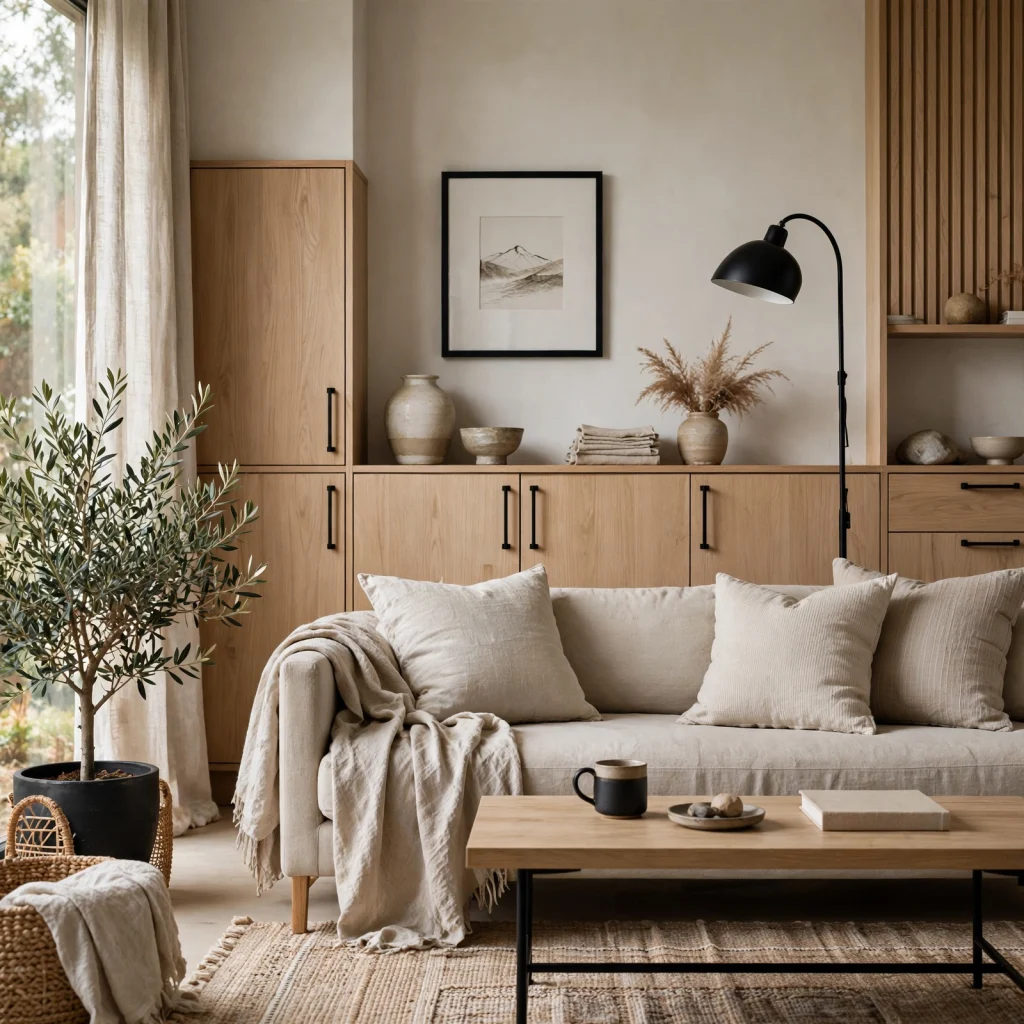
Matte black accent details, used sparingly through a window frame, a light fixture, or a single piece of furniture hardware, provide grounding contrast within a japandi living room’s otherwise light, neutral palette. This detail draws more directly from the style’s Scandinavian half, where black accents are common against light Nordic interiors. Limiting matte black to just one or two elements prevents it from overwhelming the room’s overall sense of calm.
11. Paper or Rice-Paper Pendant Light
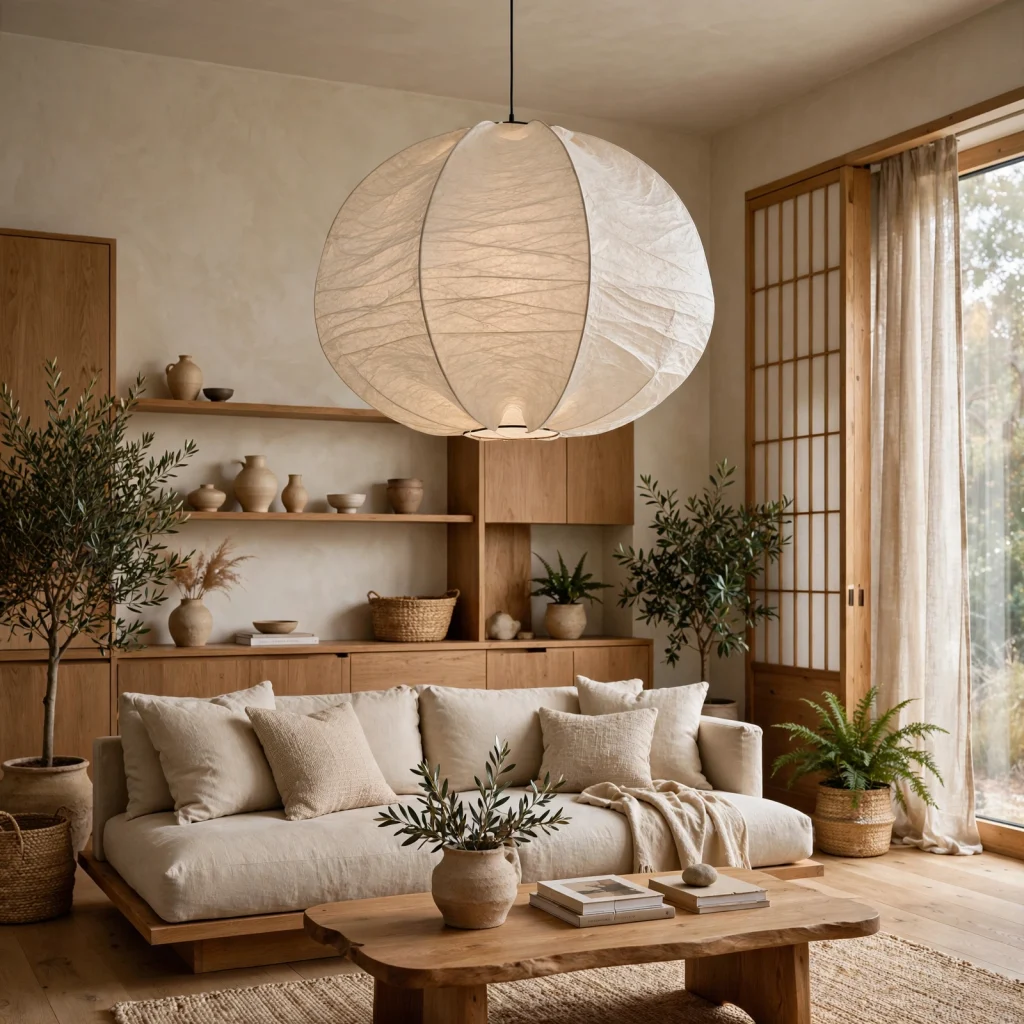
A paper or rice-paper pendant light, with a simple round or cylindrical silhouette, softens overhead lighting in a japandi living room while directly referencing traditional Japanese lantern design. The diffused, warm glow this fixture produces suits the room’s overall calm atmosphere better than an exposed bulb or a more industrial fixture style. Pairing it with a simple black or natural wood cord and canopy keeps the fixture consistent with the room’s restrained material choices.
12. Built-In Wood Slat Storage
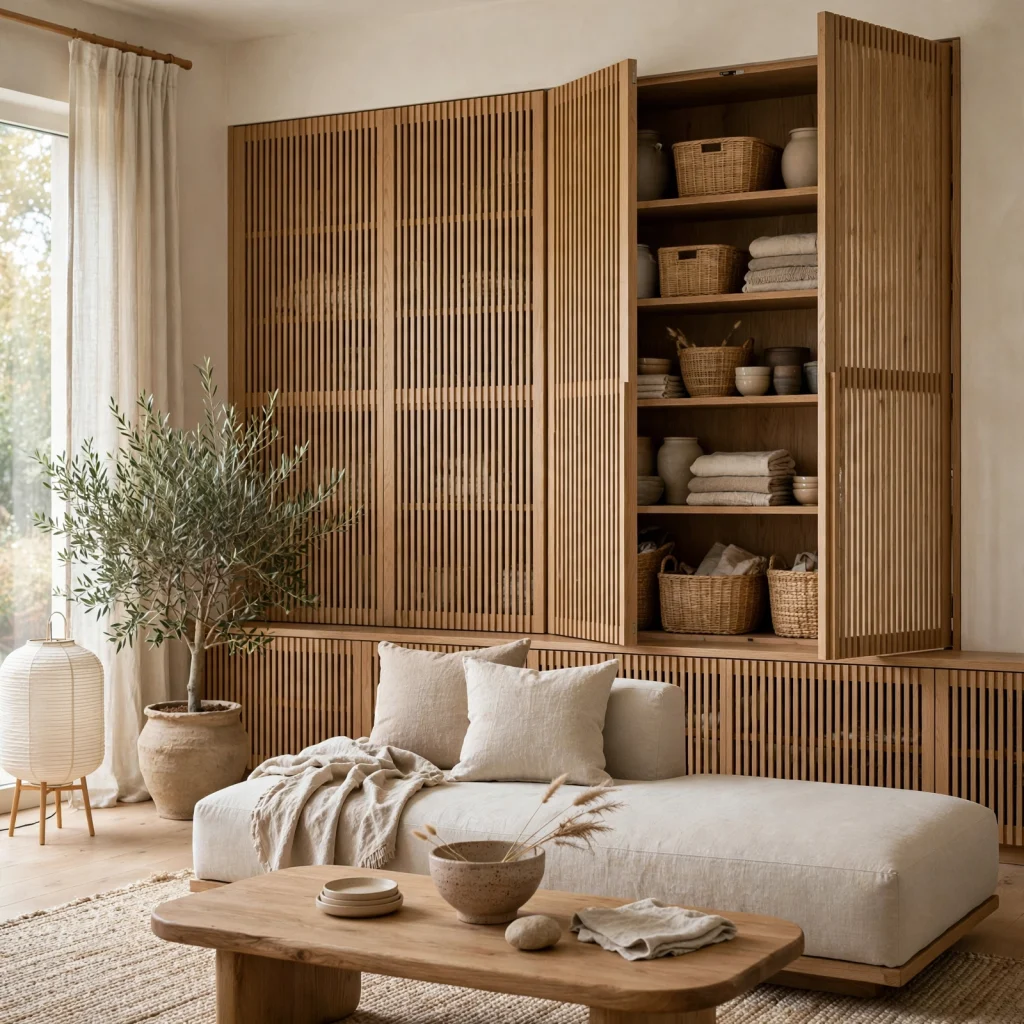
Built-in storage using wood slat paneling on cabinet fronts, rather than solid doors or open shelving, gives a japandi living room concealed storage with visible texture and craftsmanship. This detail also allows air circulation for any equipment stored behind it, which matters for media consoles specifically. Light oak slats over a black or dark walnut interior create a subtle contrast that’s characteristic of the style without introducing additional color.
13. Single Bonsai or Sculptural Plant
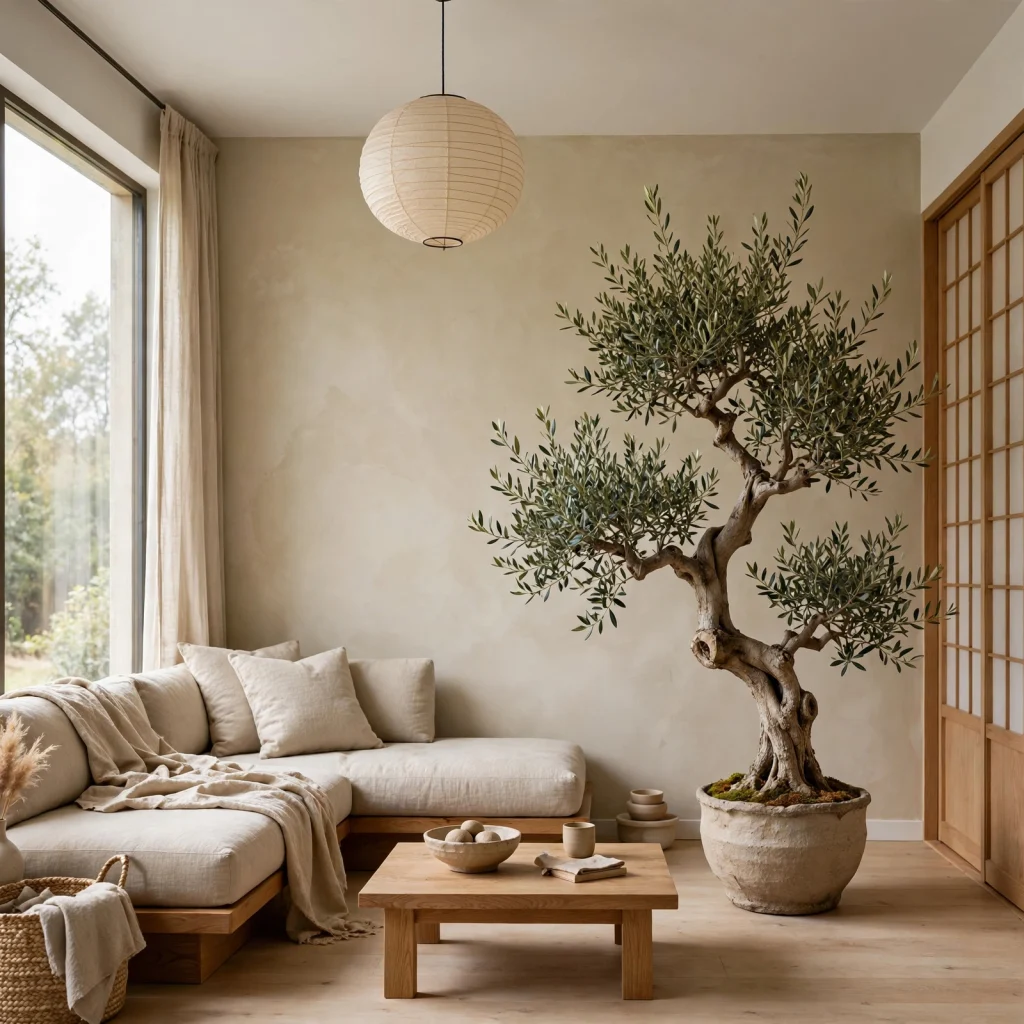
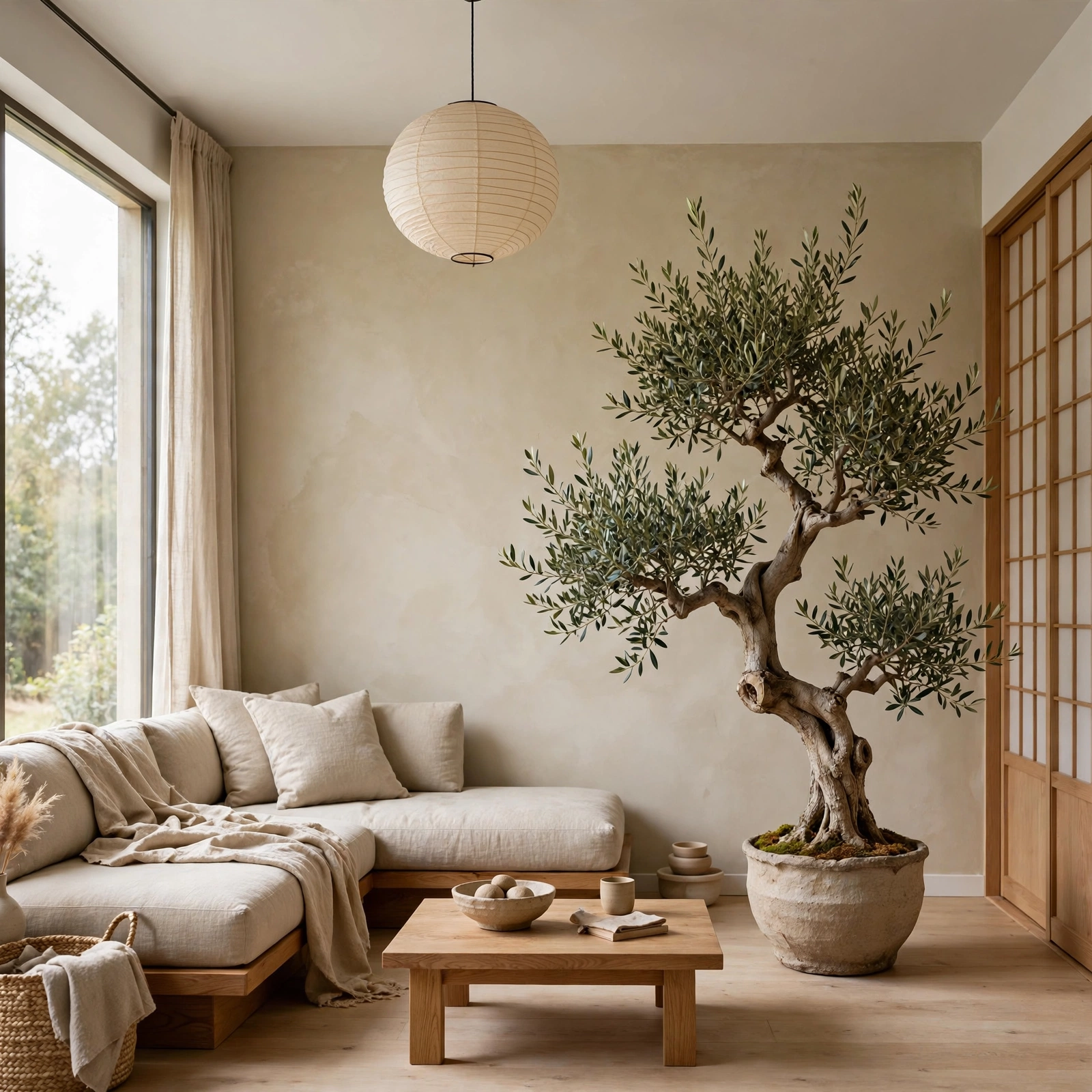
A single bonsai tree or a sculptural plant with a distinctive branching structure, displayed on a low table or console, provides greenery in a japandi living room without the visual busyness of multiple smaller plants. This choice reflects the Japanese tradition of treating a single plant as a considered, almost sculptural object rather than purely decorative filler. A simple unglazed ceramic pot in a neutral tone keeps the presentation consistent with the room’s broader material restraint.
14. Exposed Wood Beam or Ceiling Detail
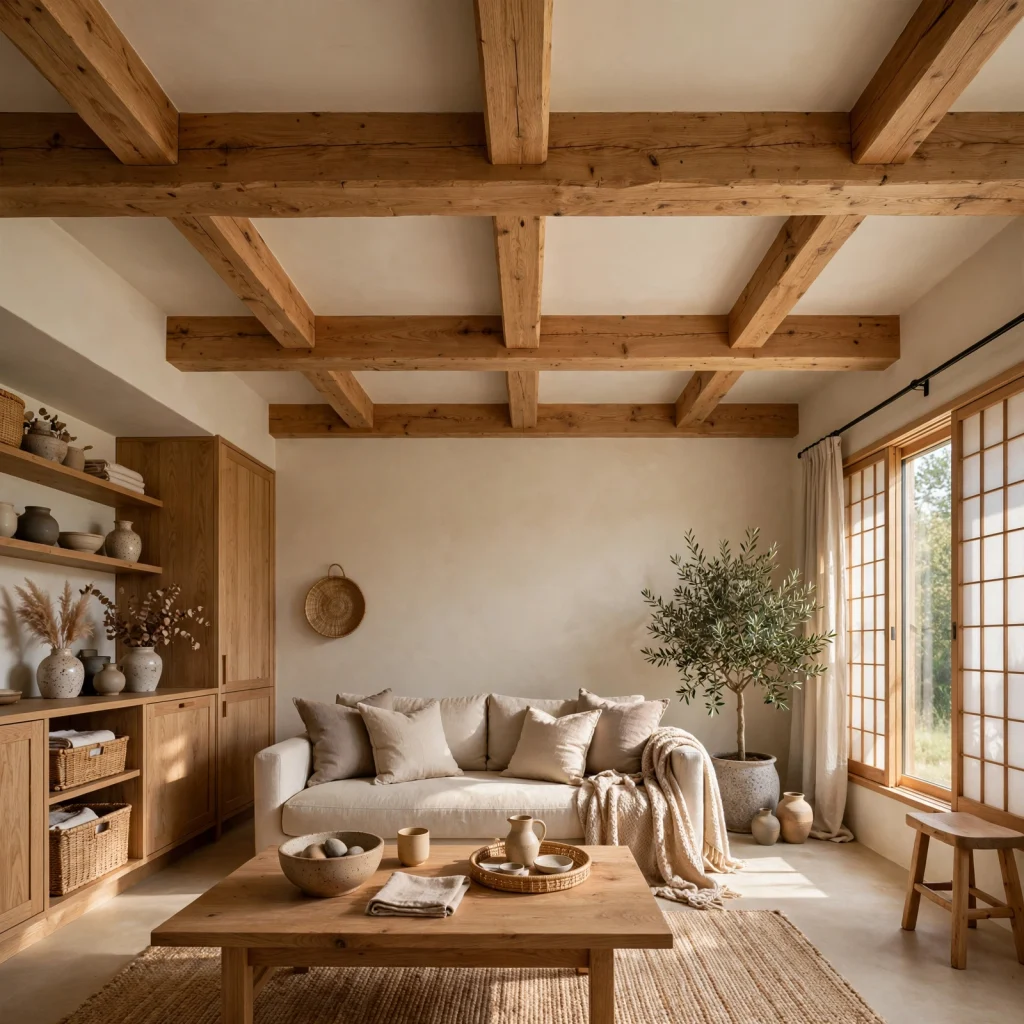
An exposed wood beam ceiling, left in a natural or lightly treated finish, reinforces a japandi living room’s emphasis on visible, honest construction throughout the space. This detail works particularly well in rooms with vaulted or higher ceilings, where the beams add texture and warmth without requiring additional furniture or decor. Where original beams aren’t present, a single exposed wood ceiling panel or faux beam treatment can achieve a similar visual effect at a smaller scale.
15. Negative Space as a Design Element
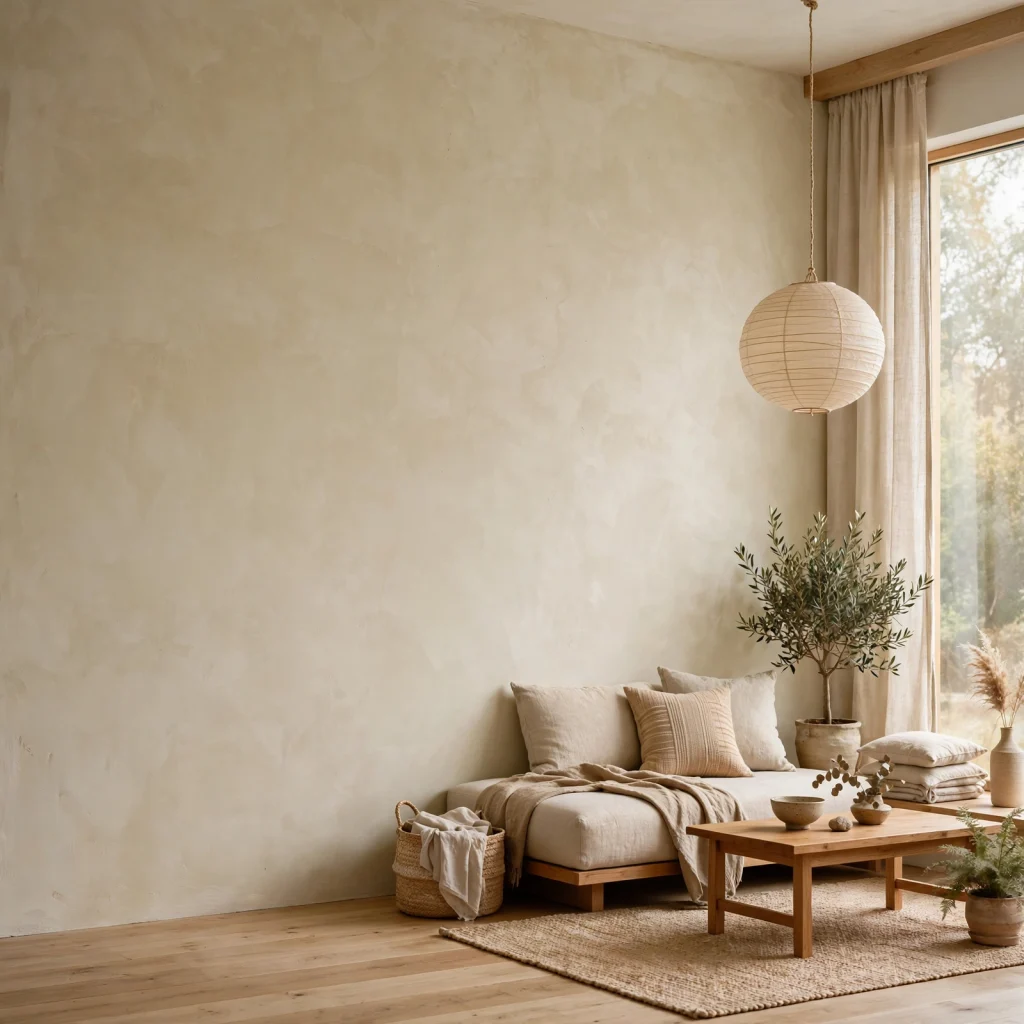
Treating negative space as an intentional design element, rather than simply the absence of furniture or decor, is foundational to both the Japanese and Scandinavian traditions that inform japandi living room design. This means resisting the urge to fill every wall or surface, instead allowing empty space to give the room’s chosen pieces more visual weight and breathing room. A general guideline of leaving at least a third of the room’s visible surfaces uncluttered helps maintain this sense of calm throughout the space.
Shop the Look
Start with a low platform sofa in oatmeal linen, a raw oak coffee table under 16 inches tall, and a low-pile wool rug in a muted sand tone. Add a paper pendant light, a single bonsai or sculptural plant in an unglazed ceramic pot, and built-in wood slat storage for the media area. Finish with a linen throw layered across the sofa and a small cluster of imperfect, handmade ceramic vessels on the coffee table.
Common Mistake to Avoid
A common mistake in japandi living room design is leaning too heavily into either the Japanese or Scandinavian half of the style, resulting in a room that feels either overly stark or overly cozy rather than genuinely balanced between the two. Pulling grounded, low-profile furniture and material honesty from Japanese influence, while incorporating warmth and comfort from Scandinavian tradition, keeps the room true to japandi’s actual hybrid character. Losing that balance in either direction tends to drift the room into a more generic minimalist or Scandinavian look instead.
FAQs
What’s the difference between japandi and minimalist living room design?
Japandi living room design shares minimalism’s restraint and clean lines but places a stronger emphasis on natural materials, visible craftsmanship, and warmth than a strictly minimalist approach typically does. Minimalism can sometimes prioritize stark simplicity above all else, while japandi specifically blends Japanese wabi-sabi principles with Scandinavian coziness, resulting in a softer, more textured version of a pared-back room. Both styles avoid clutter, but japandi generally reads as warmer and more materially rich.
What colors are used in a japandi living room?
A japandi living room typically uses warm whites, sand, soft clay, and stone tones as its base palette, occasionally accented with matte black or deep charcoal for contrast. This palette draws from both Japanese earth tones and Scandinavian light neutrals, avoiding both stark, cool grays and bright, saturated colors. Consistency across the palette matters more than variety, with most rooms staying within four or five closely related shades throughout.
Is japandi living room design expensive to achieve?
Japandi living room design doesn’t require a large budget, though it does generally favor investing in fewer, well-made pieces over accumulating many lower-cost items, which can shift the overall spending pattern even at a similar total budget. Natural materials like solid oak and linen tend to cost more upfront than particleboard furniture or synthetic textiles, but their durability often offsets that cost over time. Secondhand and vintage sourcing, particularly for wood furniture, can also make the style more accessible.
Can a japandi living room include a TV?
A japandi living room can absolutely include a television, typically concealed or minimized through built-in wood slat cabinetry or a low-profile floating console rather than left as an exposed dark rectangle on the wall. This approach keeps the room’s overall visual calm intact while still accommodating modern technology and entertainment needs. Positioning the television so it isn’t the room’s primary focal point also helps it fit within the style’s broader design priorities.
How is japandi different from Scandinavian design alone?
Scandinavian design on its own tends to emphasize light, bright interiors, functional furniture, and a cheerful, cozy atmosphere, often using lighter wood tones and more pattern than japandi typically incorporates. Japandi introduces a more restrained, grounded quality from Japanese design, including lower furniture profiles, deeper earth tones, and a stronger emphasis on negative space and material imperfection. The combination results in a calmer, more meditative version of Scandinavian style rather than a departure from it.
Conclusion
A japandi living room succeeds by genuinely balancing Japanese restraint with Scandinavian warmth, rather than leaning fully into either tradition alone. Save this guide to Pinterest for reference while planning your next update, and check out our related post on minimalist living room ideas for a related take on pared-back, considered design.